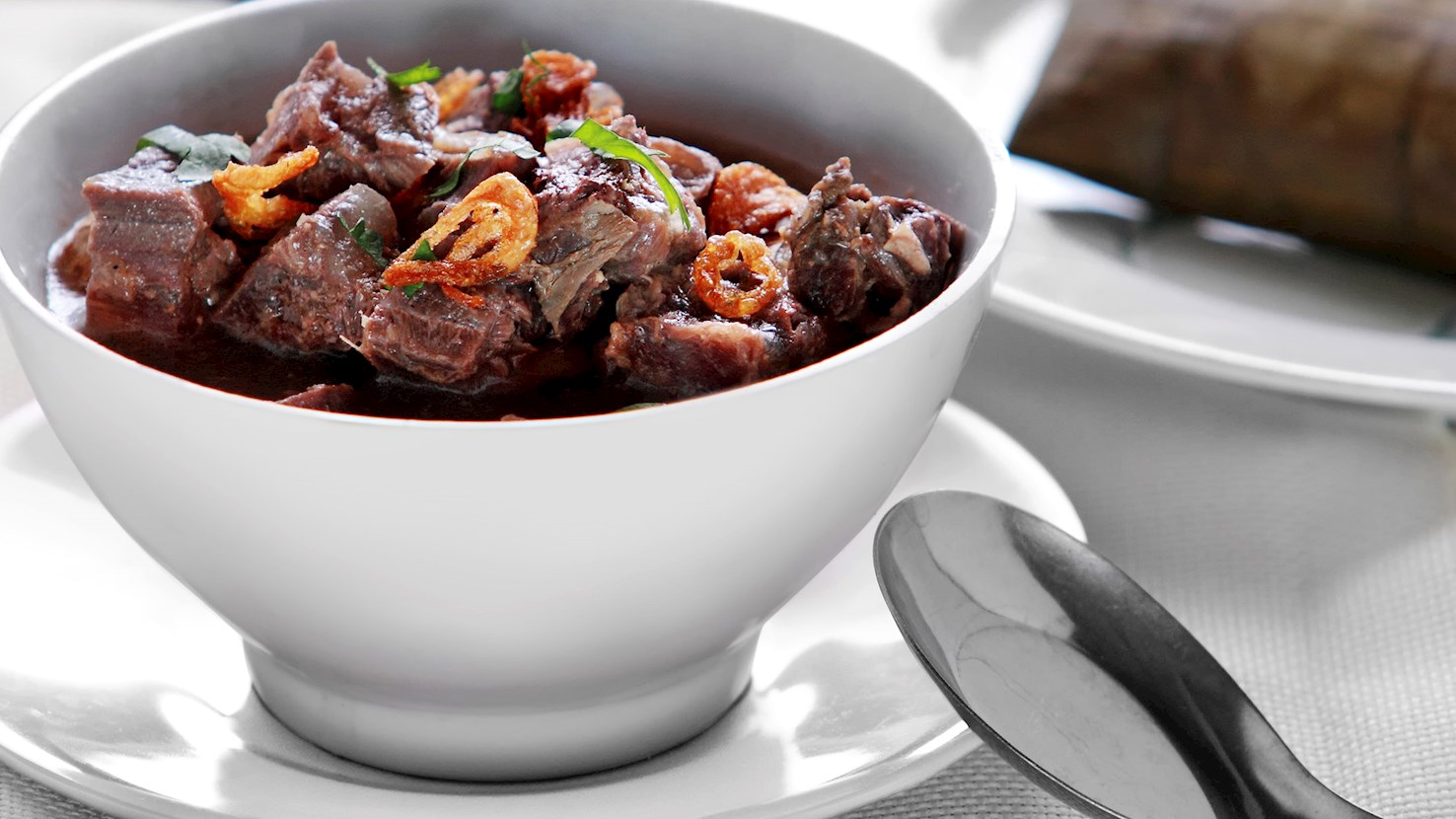
Coto Makassar is a rich and aromatic beef soup from Makassar, South Sulawesi, Indonesia, deeply rooted in the culinary heritage of the Bugis and Makassarese people. Traditionally made with beef and various innards such as tripe and liver, the meat is slow-cooked until tender in a spiced broth infused with peanuts, lemongrass, galangal, and other local spices. What sets Coto Makassar apart is its distinctive broth, which combines the savory depth of beef stock with a subtle nuttiness from ground roasted peanuts, creating a creamy, slightly oily texture that's both hearty and comforting. The soup is typically served steaming hot, accompanied by burasa or ketupat, which help balance the rich, spiced flavors of the broth. It is often garnished with sliced scallions, fried shallots, and a squeeze of lime, and diners can add chili paste or sweet soy sauce to adjust the heat and sweetness to their liking.
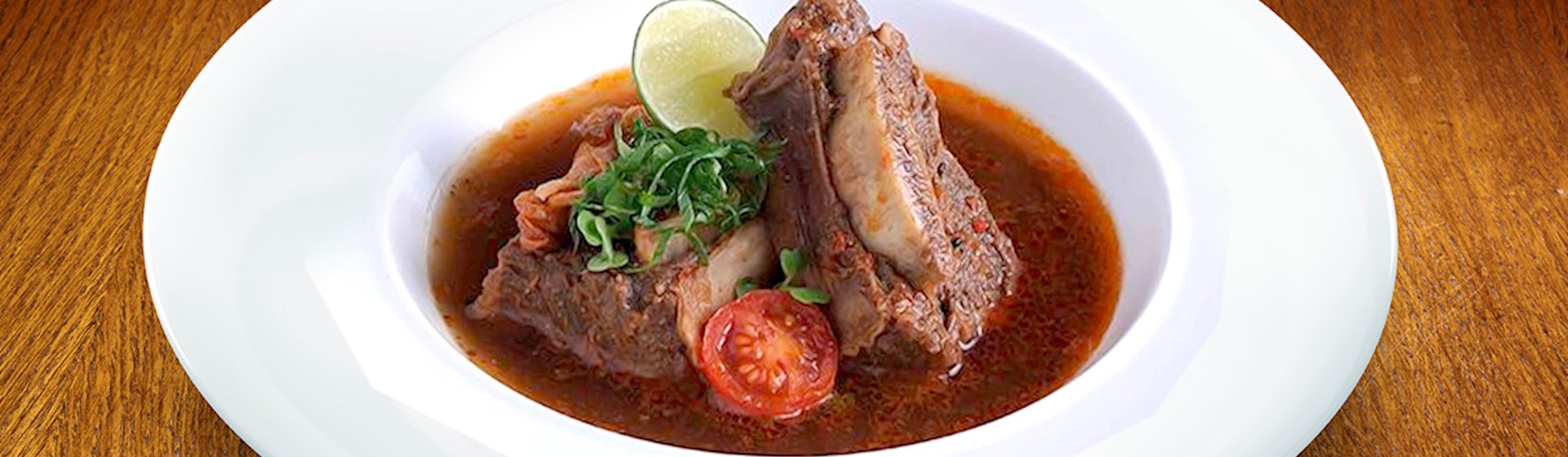
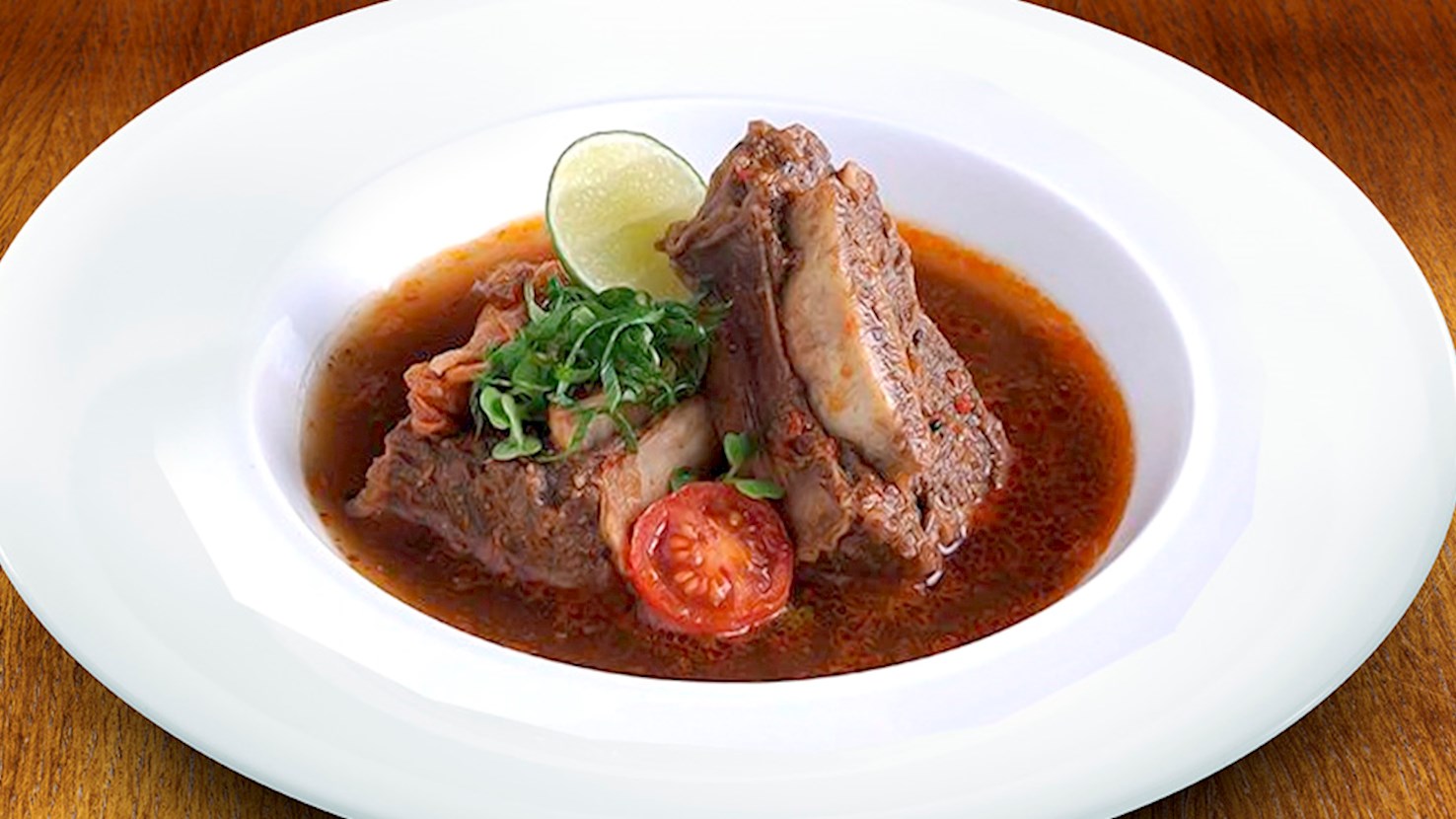
Konro is an Indonesian beef rib soup originating from the Bugis and Makassarese people of South Sulawesi, particularly centered in the port city of Makassar. Known for its deep, rich flavor and dark brown color, konro is made from meaty beef ribs simmered slowly in a broth infused with an aromatic blend of local spices and toasted coriander, kluwak (black nut), nutmeg, cinnamon, and tamarind. The result is a complex and hearty soup that embodies the bold and layered culinary style of Sulawesi’s coastal communities, where spices from the Indonesian archipelago have long been prized and widely used. Traditionally served as a festive or ceremonial dish, konro is both comforting and celebratory, often reserved for special gatherings or family feasts. The slow-cooked beef ribs become fall-off-the-bone tender, while the broth develops a savory, almost earthy depth with a subtle sweetness and a touch of acidity. Some versions of konro are served as a soup, while others, known as konro bakar, feature grilled or charred ribs brushed with the same spiced marinade, offering a smoky variation on the classic preparation. In both forms, it is typically enjoyed with steamed rice or ketupat (compressed rice cakes), and occasionally accompanied by sambal for added heat.
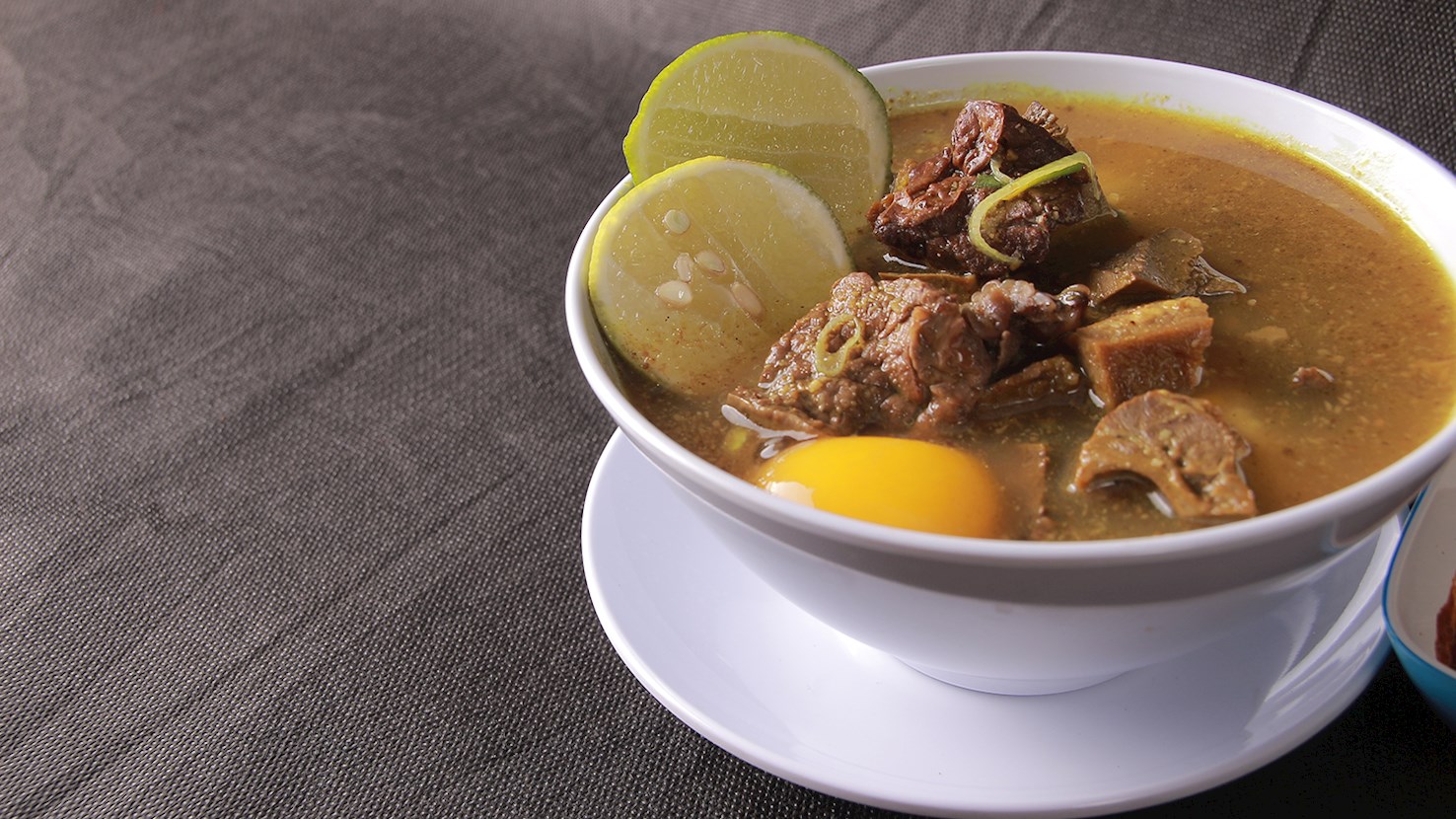
Pallubasa is a hearty meat stew originating from Makassar, the capital city of South Sulawesi. It is closely associated with the culinary traditions of the Makassarese people and is known for its rich, spicy broth, tender beef and buffalo meat, and the distinctive use of grated toasted coconut, which sets it apart from other regional meat soups. The dish is commonly served in small warungs or specialty eateries throughout Makassar and has become a local favorite, often eaten with a side of steamed rice or rice cakes such as ketupat. The primary components of pallubasa include beef or buffalo meat and offal, such as intestines, tripe, or liver, which are slowly simmered in a seasoned broth until tender. The seasoning base consists of a blend of ground spices including coriander, cumin, turmeric, garlic, shallots, and ginger, along with galangal and lemongrass to build aromatic depth. The broth gains its richness from the inclusion of grated coconut that is dry-roasted until golden brown and then added to the soup. This gives the dish a thick, slightly oily texture and a nutty, savory flavor unique to this preparation. One defining feature of pallubasa is the addition of a raw egg yolk, which is often placed into the hot soup just before serving. Diners stir the yolk into the broth, enriching it further and adding to its smooth consistency. The egg component is optional and varies depending on preference or vendor, but it is widely regarded as an integral part of the full pallubasa experience. Another element that differentiates it from other Indonesian beef soups like coto Makassar is the use of toasted coconut rather than ground peanuts or peanut paste. The dish is typically eaten with plain white rice, though some variations are served with ketupat or burasa, depending on local custom. Fried shallots, lime wedges, and sambal may be provided on the side to allow for individual adjustment of flavor. Despite its rich appearance, pallubasa is appreciated for its balance of spices and its satisfying, deeply savory character. Pallubasa has a strong presence in the urban food culture of Makassar and is particularly popular for lunch or dinner. Several long-established eateries in the city specialize exclusively in this dish, and it is often recommended to visitors as an essential part of experiencing local cuisine. While less commonly found outside of Sulawesi, it has begun to appear in Indonesian culinary showcases and regional food festivals, reflecting growing interest in diverse provincial dishes.
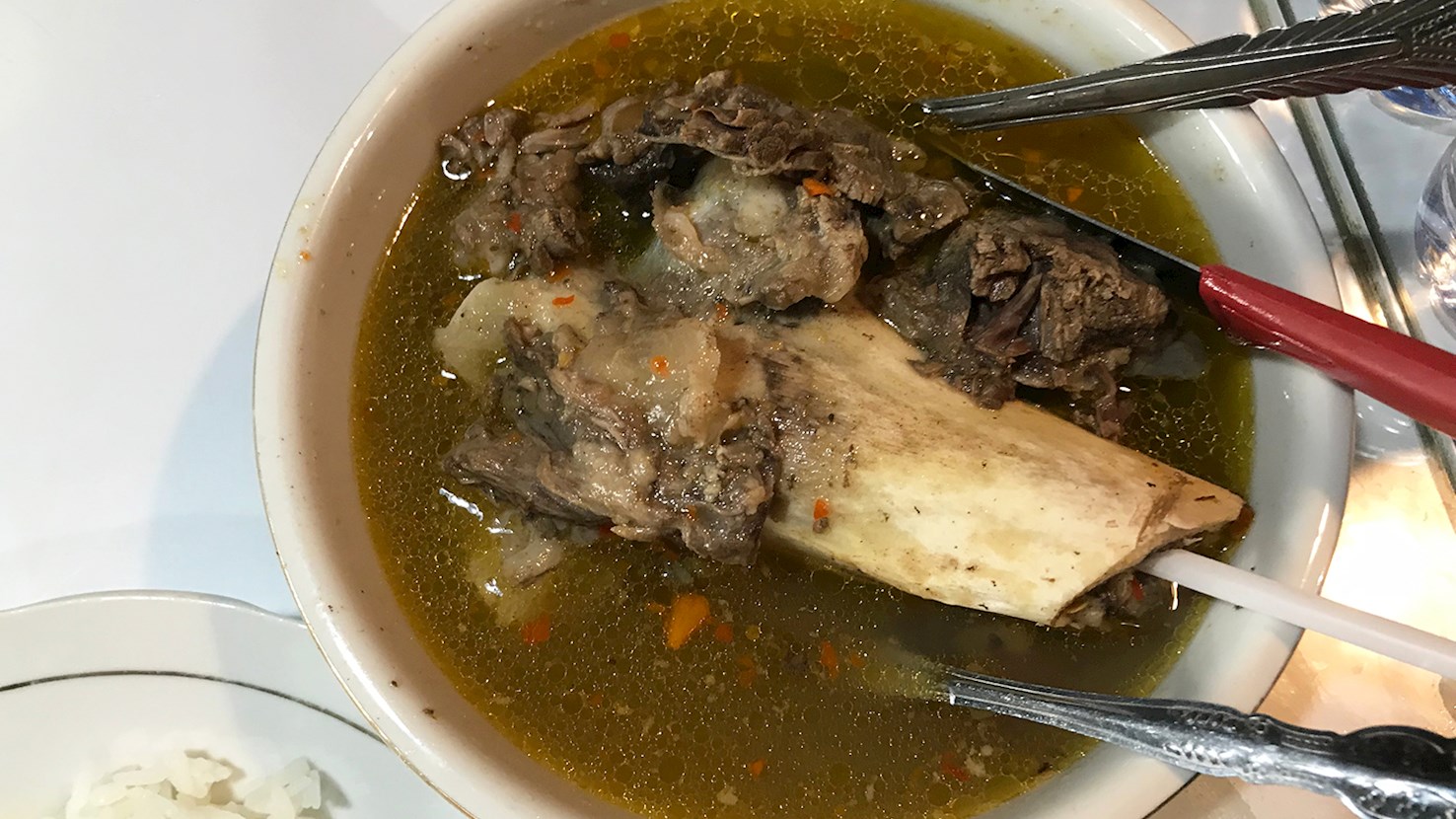
Kaledo is a spicy beef bone soup originating from the city of Palu in Central Sulawesi, Indonesia. The name is a local abbreviation of kaki lembu Donggala, which translates to “cow leg from Donggala,” referring to the key ingredient and the nearby regency where the dish is believed to have first gained popularity. Kaledo is considered one of the region’s most iconic culinary specialties and is widely recognized for its unique presentation, which features large cuts of beef leg bones served in a thin, tangy broth. The core of the dish is beef leg bones, often including marrow-filled segments, which are simmered for several hours to extract flavor and achieve a soft, gelatinous texture in the meat and connective tissues. The broth is relatively clear and light compared to other Indonesian meat soups, but it is deeply flavorful due to long boiling and the inclusion of aromatics such as lemongrass, garlic, shallots, and chilies. A significant aspect of kaledo’s flavor comes from the use of tamarind or lime juice, which gives the soup a sharp, sour element that cuts through the richness of the meat. Unlike more elaborate soups that rely on complex spice pastes or coconut milk, kaledo emphasizes purity of flavor, built around the natural taste of slow-cooked beef and bones. The seasoning is minimal, allowing the broth to remain clear and focused. The dish is usually served with steamed cassava rather than rice, distinguishing it from many other Indonesian soups and reflecting local agricultural preferences. Kaledo is typically eaten with a spoon and straw combination, where the spoon is used for the broth and meat, while the straw is provided to extract the rich bone marrow. This method of eating is both practical and central to the dish’s identity, highlighting the importance of the marrow as a prized component. The experience is casual and often communal, frequently enjoyed at roadside stalls or small local eateries in Palu.
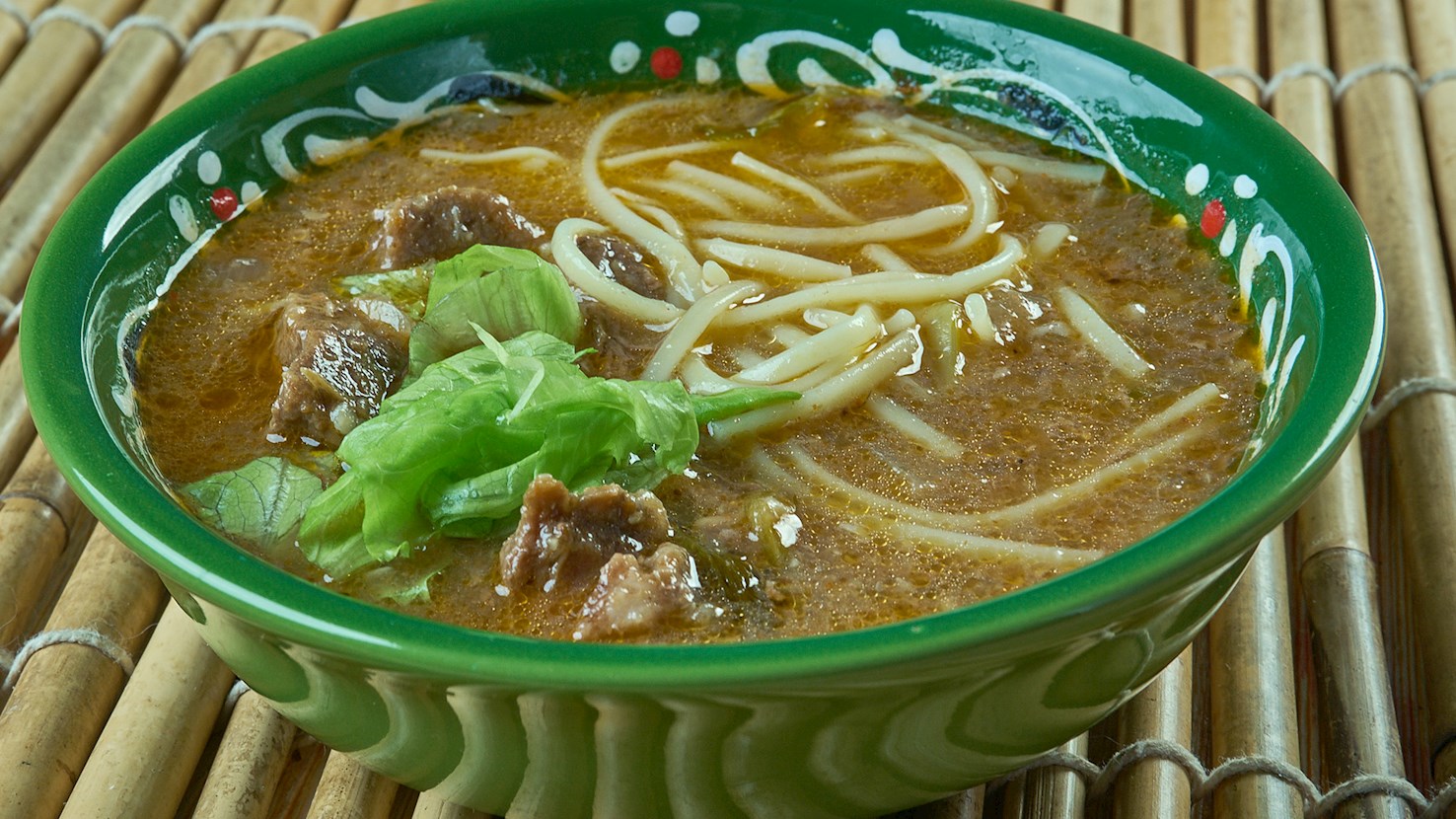
Sop saudara is a rich beef soup from South Sulawesi, Indonesia, particularly associated with the city of Makassar and its surrounding regions. The dish is often considered a close relative of coto Makassar, another iconic soup from the same area, but differs in its composition, seasoning, and presentation. The word saudara means “brother” or “relative” in Indonesian, and the dish is said to have been named as a gesture of camaraderie, emphasizing the close connection between the food, its sellers, and the community it serves. The main component of sop saudara is beef, often a mix of cuts including brisket, offal such as lungs or liver, and sometimes beef ribs. The meat is simmered in a fragrant, spiced broth made with garlic, shallots, coriander, lemongrass, galangal, cinnamon, and cloves, which together create a warm and layered flavor. The use of candlenuts adds body to the soup, and a small amount of ground turmeric or nutmeg may be added for color and depth. The broth is typically clear but dark and savory, with a mild heat that comes from chilies used either in the cooking process or served on the side as a sambal. What distinguishes sop saudara further is the inclusion of rice vermicelli and perkedel, a seasoned potato patty, served directly in the bowl along with the soup. Fried shallots and chopped scallions are sprinkled on top, adding aroma and texture. The soup is usually enjoyed with a side of steamed rice and sometimes complemented by grilled milkfish (ikan bandeng bakar), a common pairing in local eateries. A squeeze of lime and chili sauce are often added at the table according to personal taste. Sop saudara was first popularized in the 1950s by a vendor in Makassar and has since become one of the most well-known meat soups in Sulawesi. It is served in homes, roadside stalls, and casual restaurants, especially in South Sulawesi’s urban centers.
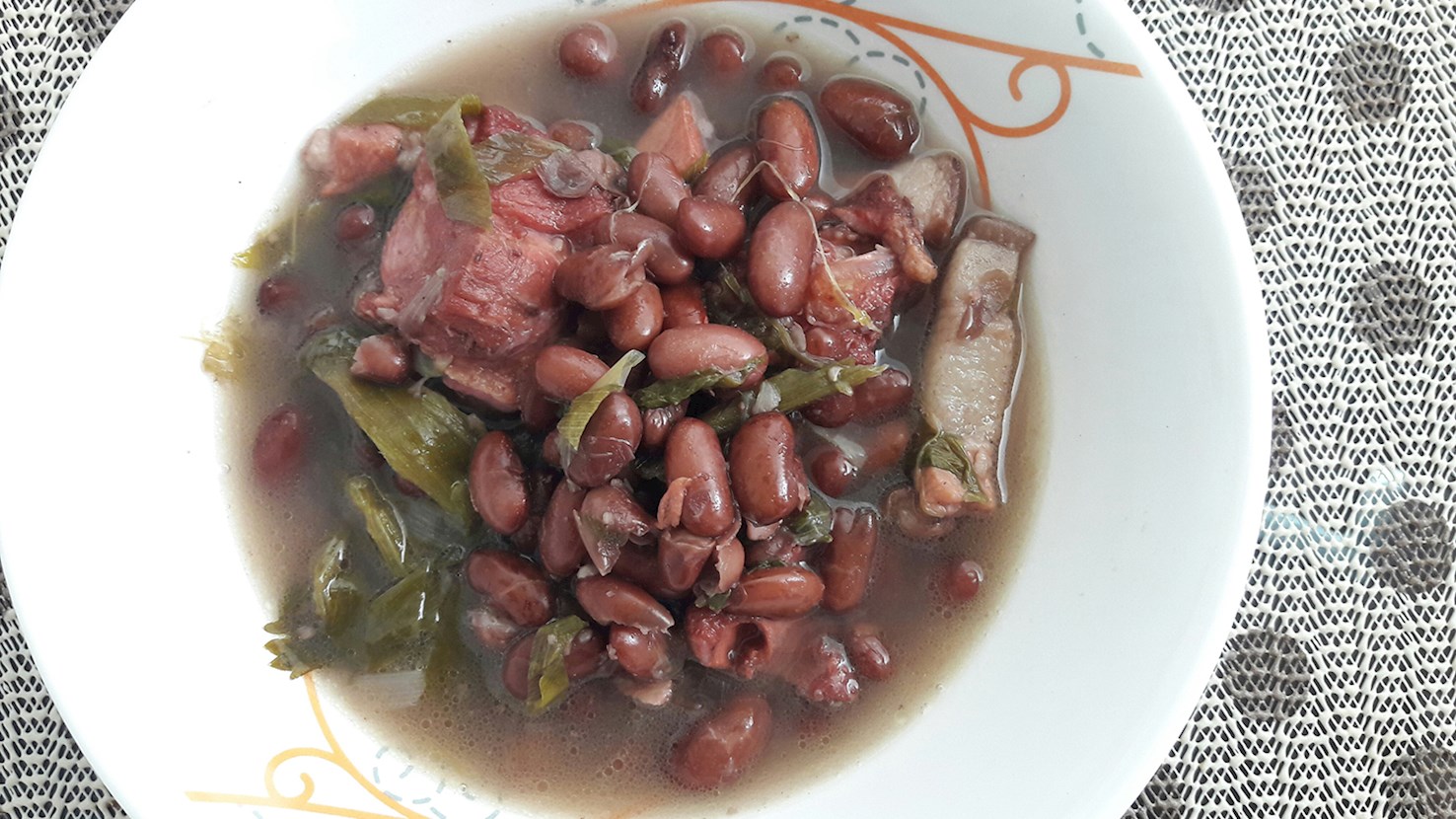
Brenebon is a hearty red bean soup that comes from Manado in North Sulawesi, Indonesia. The dish has its roots in Dutch colonial influence, with the name derived from the Dutch word “bruine bonen,” meaning brown beans. Over time, it evolved into a local specialty that combines European-style bean soup with local seasonings and cooking methods. The core of brenebon is red kidney beans simmered slowly with cuts of beef or pork, often including smoked or salted meat to deepen the flavor. The broth is seasoned simply with cloves, nutmeg, pepper, and garlic, resulting in a savory, aromatic soup that is both filling and balanced. To prepare brenebon, dried red beans are soaked and then boiled until tender. The meat, usually beef ribs or pork trotters, is added and simmered together with the beans so the fat and collagen enrich the broth. Cloves and nutmeg provide a distinctive fragrance, while chopped celery and green onions are stirred in shortly before serving to freshen the flavor. Some recipes add vegetables such as carrots or potatoes, although in Manado, the soup is often served with plain steamed rice or cassava as the main carbohydrate. Brenebon is commonly enjoyed in homes and small restaurants, where it is prepared in large pots and served as a main meal rather than a side dish. It is popular among the Minahasan community and has spread to other parts of Sulawesi and eastern Indonesia. The soup is often cooked in advance and reheated because the flavors improve after resting for several hours. Some cooks prefer using smoked pork knuckles or salted beef for a stronger taste, while others opt for lean cuts to make a lighter version. Outside Indonesia, brenebon is sometimes adapted with canned beans and simpler seasonings, but in Manado, the preference remains for the slower-cooked version that highlights the quality of the broth and the richness of the beans.
TasteAtlas food rankings are based on the ratings of the TasteAtlas audience, with a series of mechanisms that recognize real users and that ignore bot,
nationalist or local patriotic ratings, and give additional value to the ratings of users that the system recognizes as knowledgeable.
For the “Top 6 Sulawesi Soups” list until May 15, 2026, 102 ratings were recorded, of which 47 were recognized by the system as legitimate.
TasteAtlas Rankings should not be seen as the final global conclusion about food. Their purpose is to promote excellent local foods,
instill pride in traditional dishes, and arouse curiosity about dishes you haven’t tried.