

shutterstock

Top 4 Swedish Soups

Last updated on June 15, 2026
01

Kӧttsoppa

3.4 ·

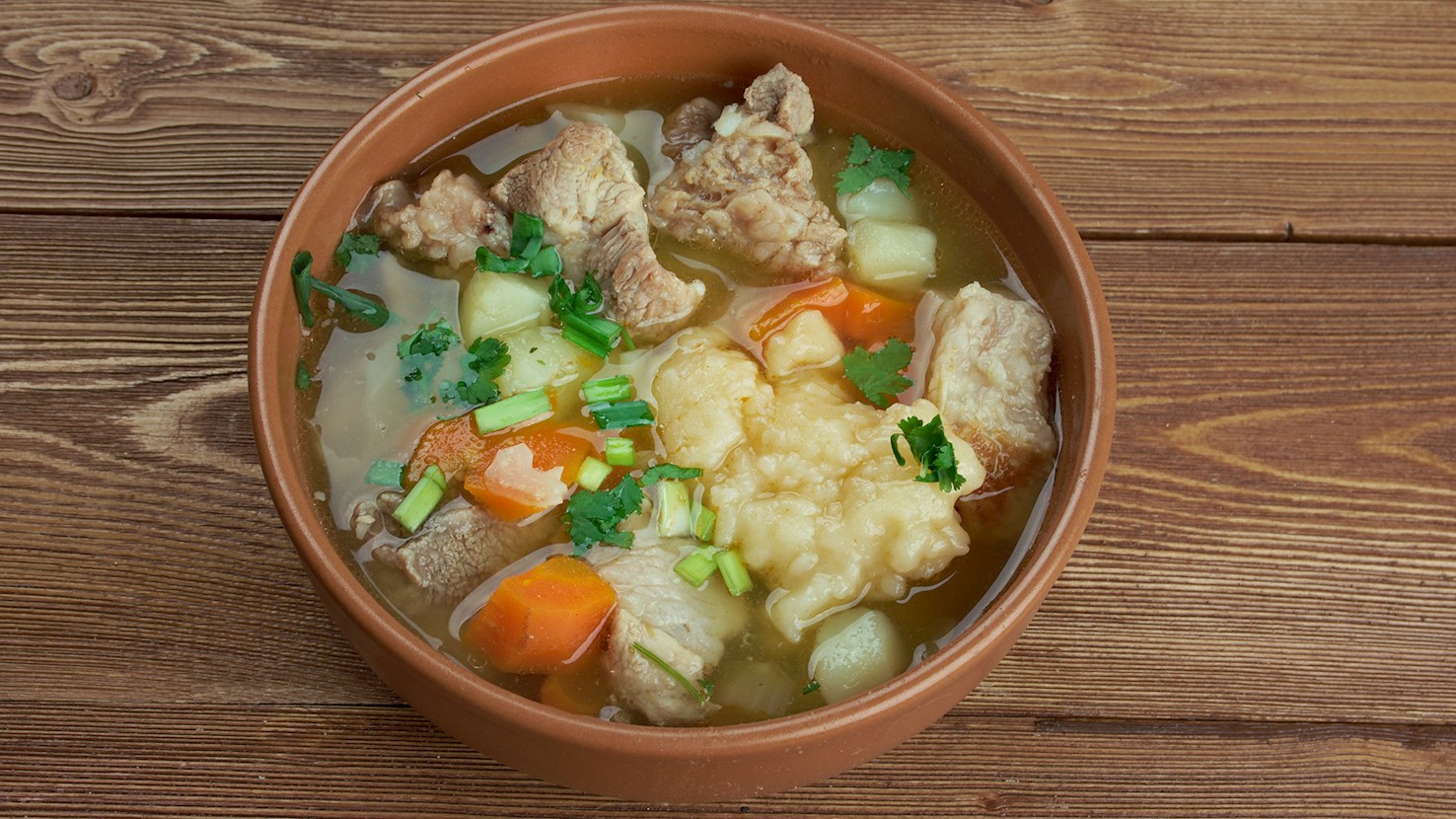
Köttsoppa is a hearty meat and vegetable soup that is commonly served in Sweden for lunch or dinner. The usual ingredients for its preparation include boiled meat, typically beef, chopped carrots, onions, parsnip, celery, and leeks, cooked in a pot and seasoned with thyme, white peppercorns, bay leaves, parsley, and salt. Normally served with plain, boiled potatoes and horseradish sauce, this flavorful soup is considered a variation of pot-au-feu. The dish is commonly eaten in Finland and Iceland as well. In Iceland, the traditional meat soup called kjötsúpa is a variation of this soup that calls for lamb instead of beef.

02

Ärtsoppa

3.3 ·

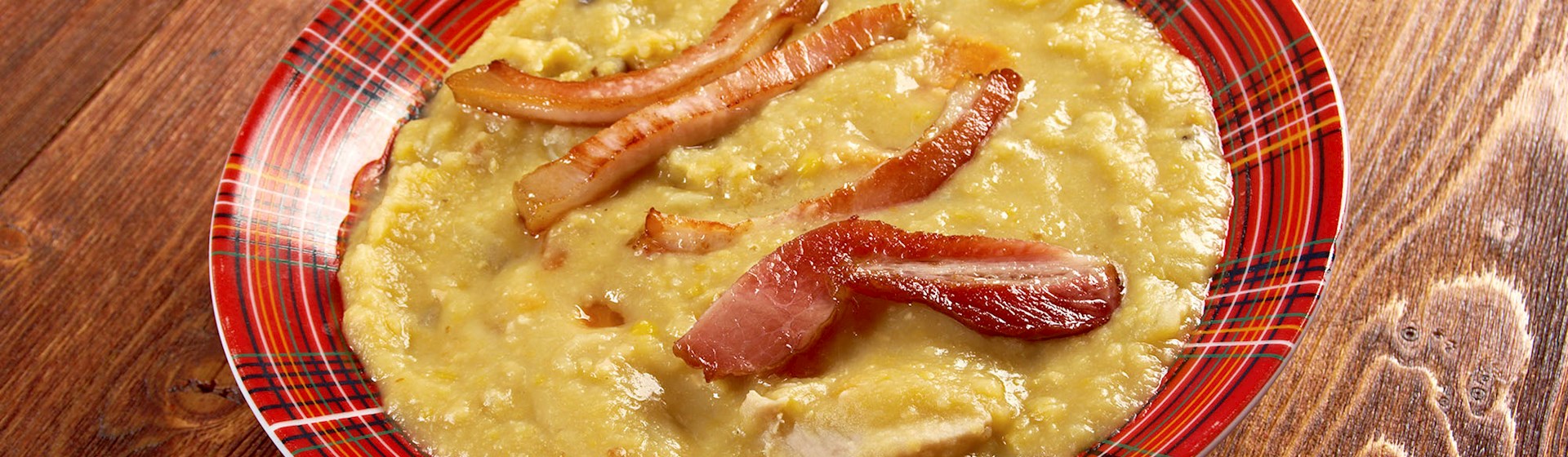
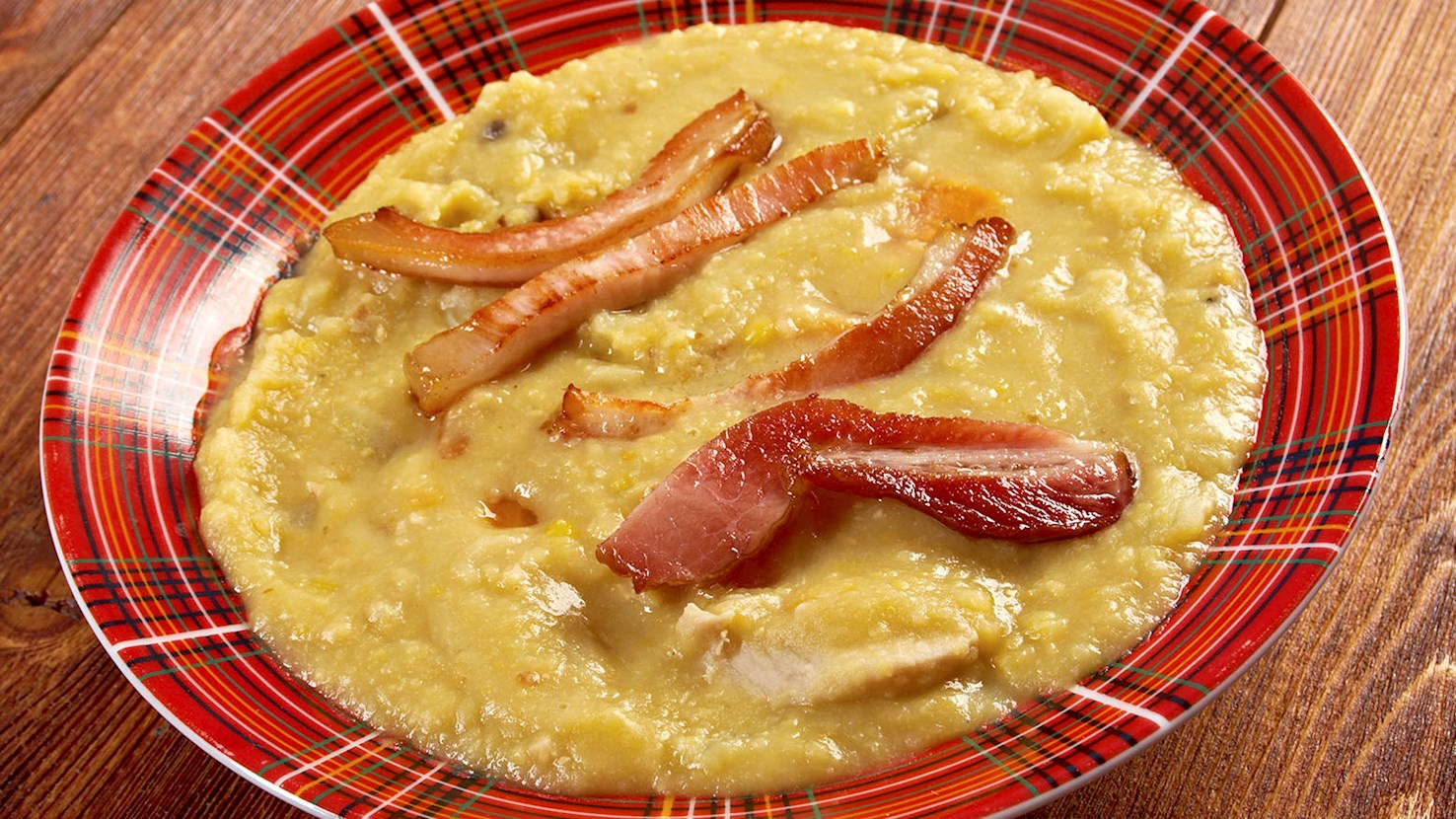
Ärtsoppa is a traditional yellow pea soup that was originally prepared from fast-growing peas. It was extremely popular among the poor people who used to cook all of the ingredients in the same pot because they didn't have more than one. The soup is very thick in texture (similar to a stew), yellow in color, and it is traditionally eaten on Thursdays, a practice that dates back to the time when the bellies needed to be full before fasting started on Fridays. Other ingredients include thin slices of pink salt pork and spices such as onions, marjoram, ginger and cloves. If the soup is served without pork, it might come as a part of a second course, accompanied by mustard and boiled potatoes. In that case, there is also a third course - small, thin pancakes called plätter, consisting of eggs, milk, salt, and flour, fried until golden-brown and crisp-edged, ready to be paired with various fruit jams. A traditional liqueur called Punsch and crispy bread are ideal accompaniments to the beloved yellow pea soup, which is also a popular school food because it is inexpensive, flavorful, and quite easy to prepare.

03

Fisksoppa

n/a ·

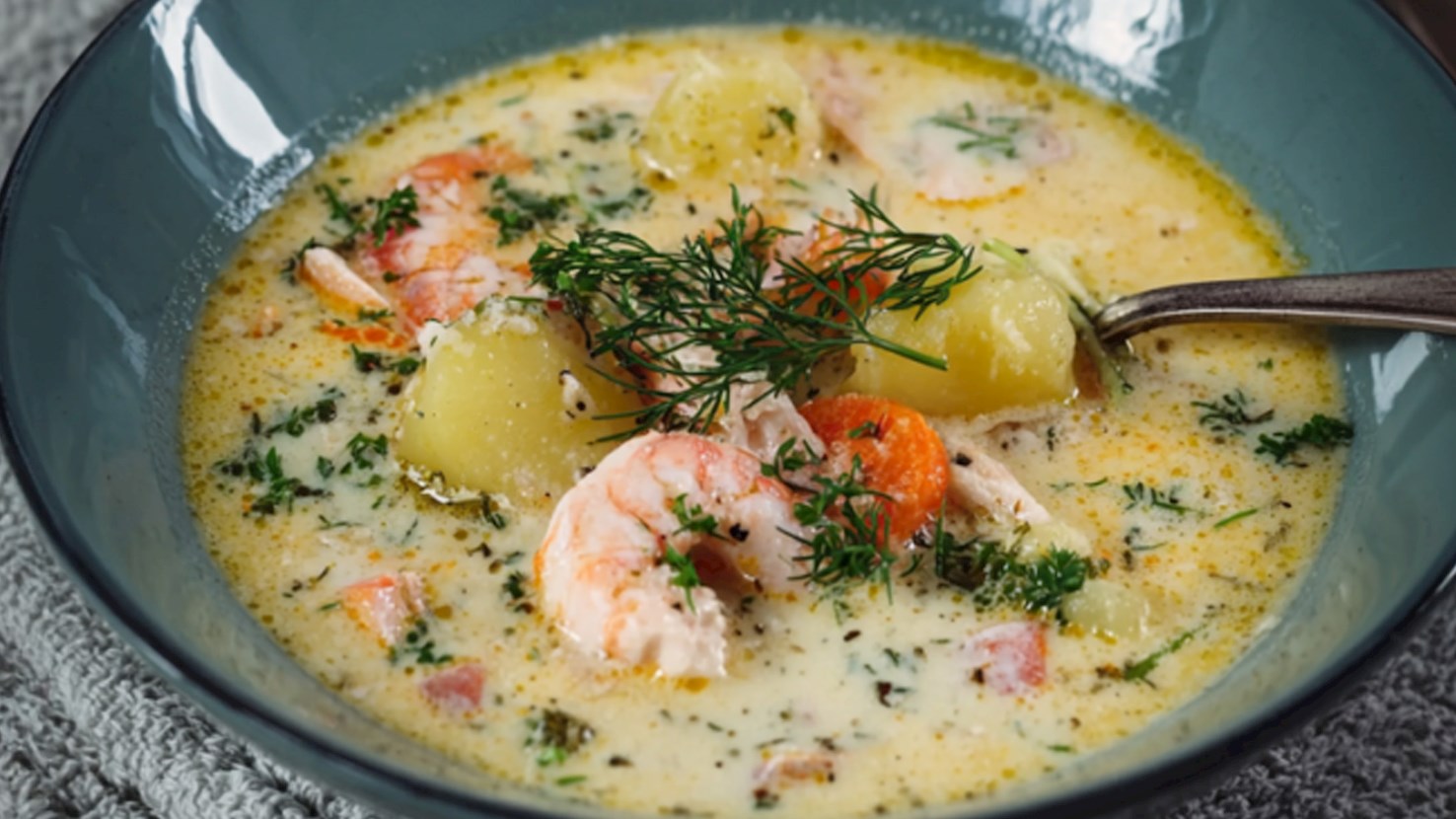
Fisksoppa is a rich and flavorful fish soup that hails from the coastal regions of Sweden, where fishing has long played a vital role in local food culture. The emergence of fisksoppa can be linked to the abundance of fish in the Baltic Sea and surrounding waters, along with the need for a warming, satisfying dish that utilizes locally available ingredients. Over generations, the recipe has been refined to include a variety of fish such as cod, salmon, or perch, combined with root vegetables like carrots, potatoes, and leeks. Cream and sometimes white wine are added to enrich the broth, providing a silky texture that enhances the delicate taste of the fish. Preparation begins with gently simmering a broth made from fish bones or stock, which imparts depth to the soup. Chunks of fresh fish and vegetables are added and cooked until tender but still firm. The final stage involves stirring in cream and fresh herbs, typically dill or parsley, to complete the dish. This careful layering ensures that the flavors remain distinct yet balanced, allowing each ingredient to contribute to the overall complexity. Fisksoppa is commonly served hot, often accompanied by crusty bread or crisp flatbread to soak up the flavorful broth. It is enjoyed throughout Sweden, particularly in coastal towns and during colder months when its warmth and heartiness are most appreciated.

04

Svartsoppa

n/a ·

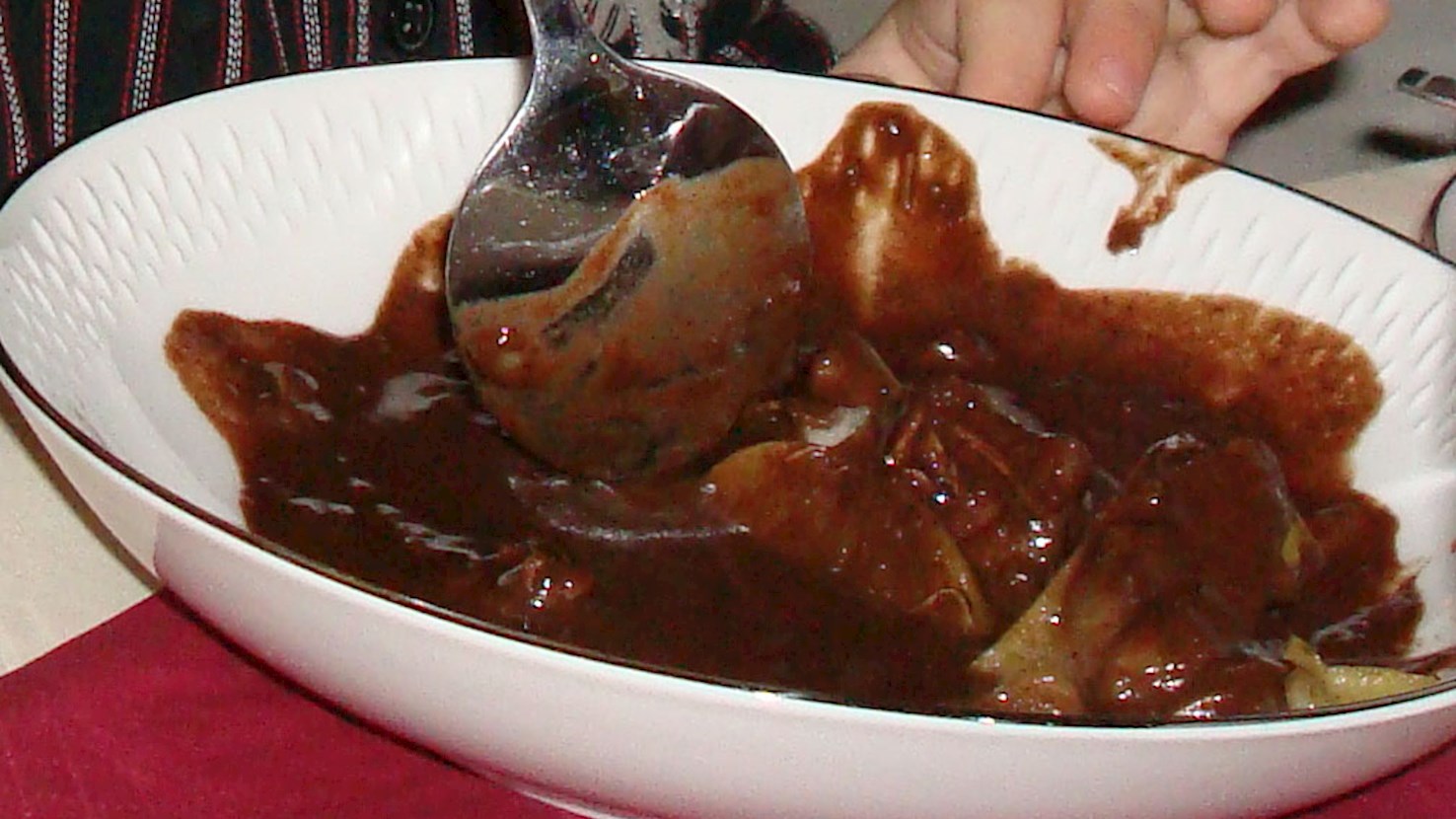
Svartsoppa is a blood soup that is traditionally served as the first course of Swedish goose dinner, enjoyed annually on St Martin’s Eve. Mostly associated with the region of Skåne, this soup is typically made with goose blood (sometimes also with pig’s blood), goose stock, spices, and seasonings. The spicy, sweet, and sour dish has a thick consistency and is reddish-black in color, so it is often called black soup. Typical accompaniments to the soup include potatoes, entrails, stewed prunes, and goose-liver sausages.

Read more
View all
View map
About this ranking

TasteAtlas food rankings are based on the ratings of the TasteAtlas audience, with a series of mechanisms that recognize real users and that ignore bot, nationalist or local patriotic ratings, and give additional value to the ratings of users that the system recognizes as knowledgeable. For the “Top 4 Swedish Soups” list until June 15, 2026, 109 ratings were recorded, of which 88 were recognized by the system as legitimate. TasteAtlas Rankings should not be seen as the final global conclusion about food. Their purpose is to promote excellent local foods, instill pride in traditional dishes, and arouse curiosity about dishes you haven’t tried.

Similar lists