





shutterstock

Top 22 European Sourdough Breads

Last updated on May 16, 2026
01

Pane rustico

4 ·

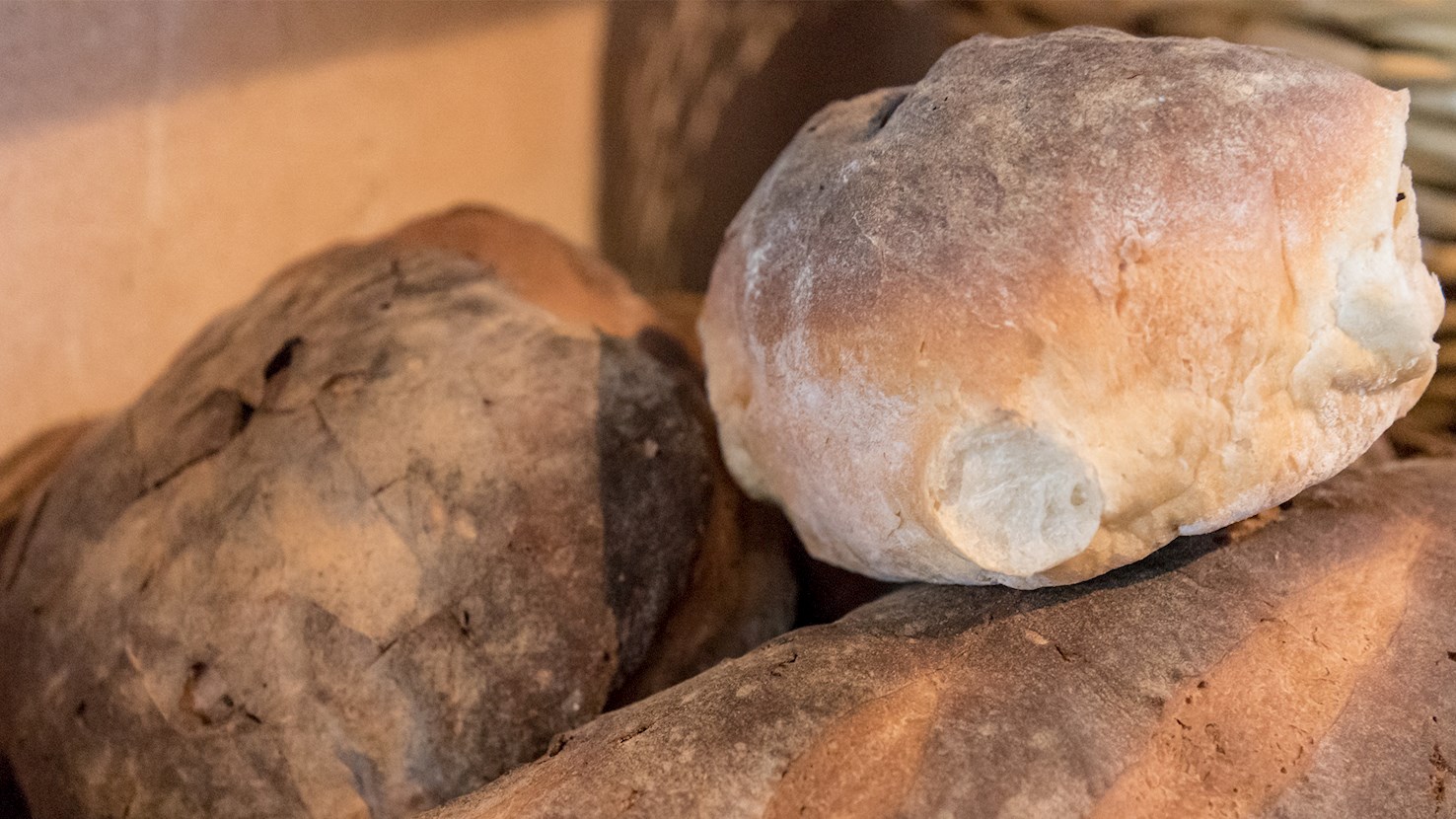
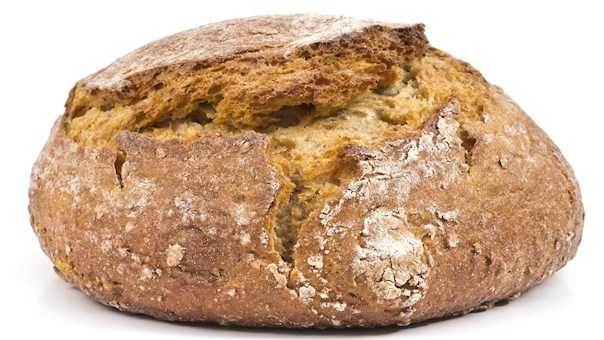
Prepared in the same traditional way for hundreds of years, the Sicilian pane a l'antico rustico or simply pane rustico is a type of homemade sourdough bread. The slightly flattened pane rustico is typically baked in a wood-fired oven, and pairs perfectly with many dishes of Sicilian cuisine, particularly soups and stews. Crusty on the outside and wonderfully tender on the inside, it is also great as an accompaniment to cold cuts and cheese. In Sicily, pane rustico is often enjoyed fresh from the oven, generously drizzled with extra virgin olive oil and simply seasoned with salt and coarsely ground black pepper.

02

Saldskābmaize

4 ·

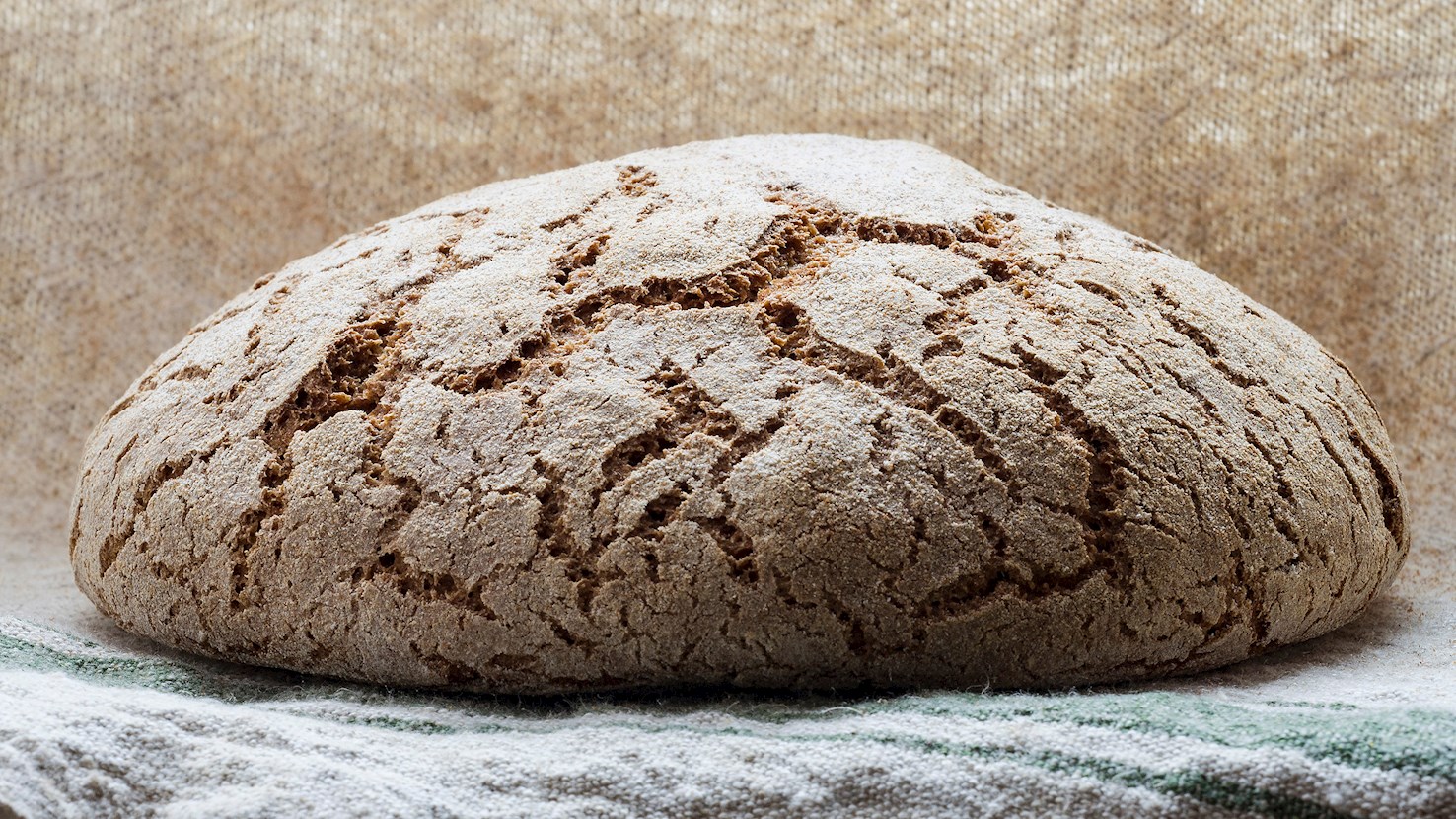
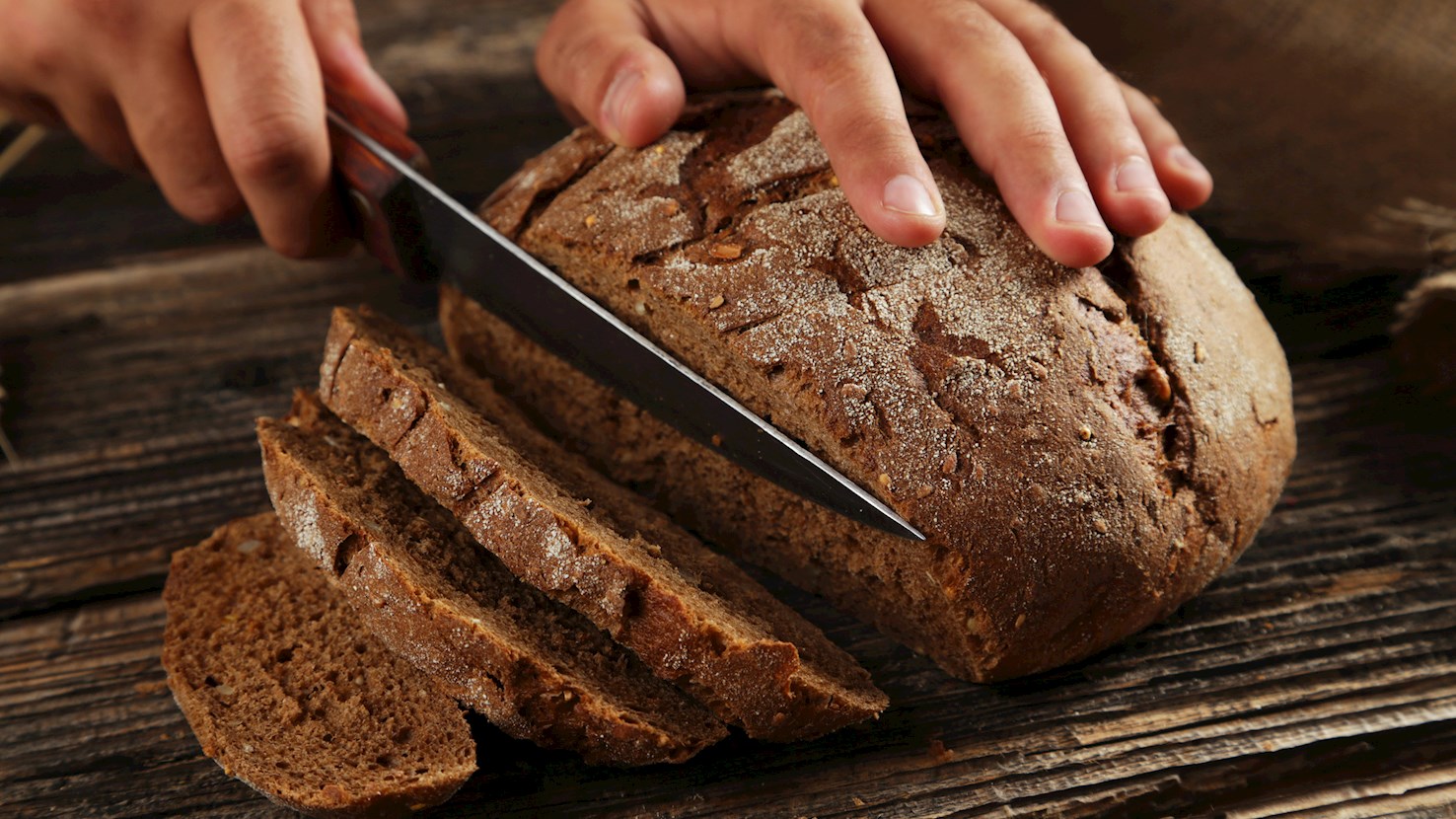
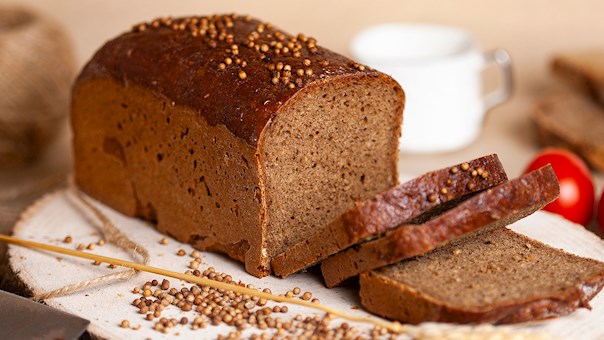
Saldskābmaize is a Latvian term that translates to sweet and sour bread, and it refers to the traditional Latvian rye bread known for its distinct dark color, dense texture, and unique flavor profile that balances both sweet and sour tastes. The sweet and sour flavor is achieved through a fermentation process that can take several days. The ingredients typically include rye flour, water, sugar, salt, and sometimes malt. The fermentation and the use of rye give the bread its characteristic sour taste, while the added sugar or sometimes honey contributes to its sweetness. Saldskābmaize is often enjoyed with butter, cheese, or cold cuts and pairs well with many traditional Latvian dishes. The bread's long shelf life is another reason for its popularity, as it can remain fresh and edible for an extended period when stored properly.

03

Pane di Altamura

3.8 ·

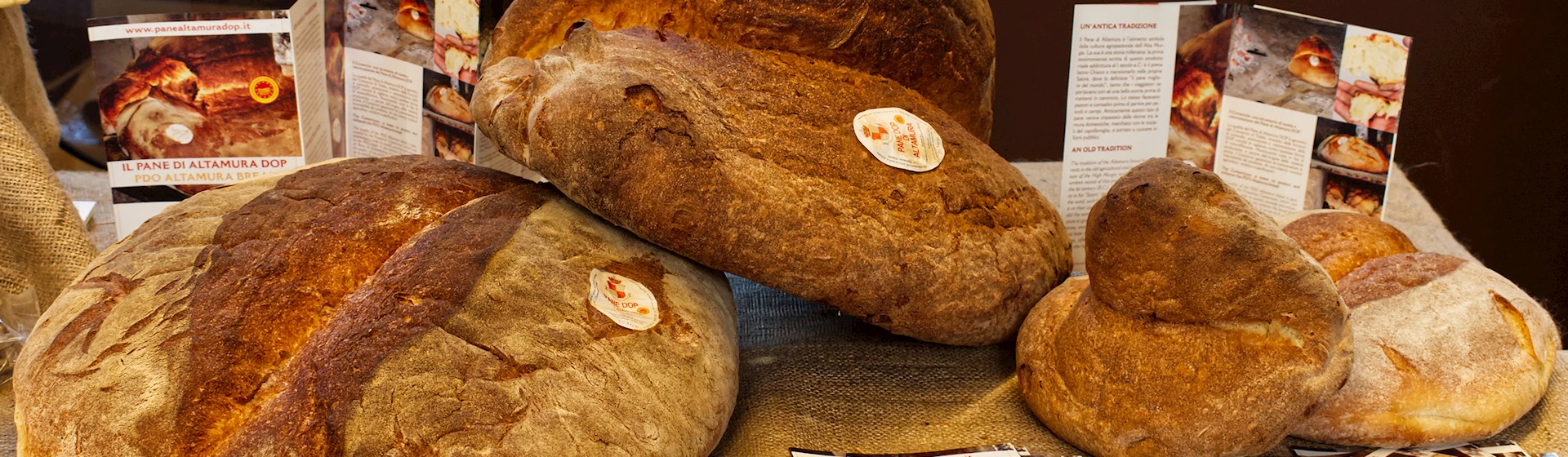
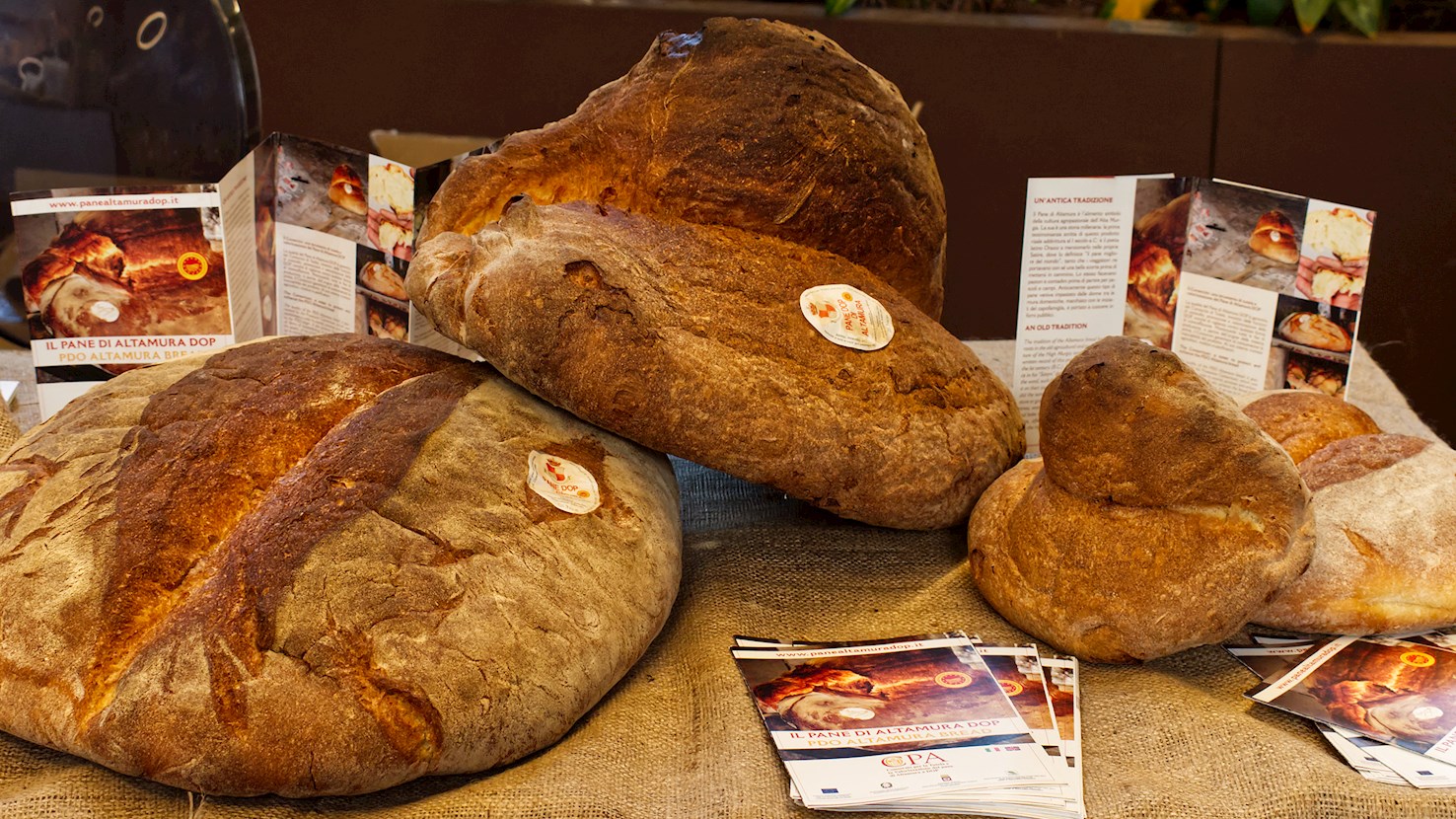
Named after a town settled on one of the Murge plateau hills, pane di Altamura is a country-style sourdough bread that has been traditionally produced in the provinces of Bari and Barletta-Andria-Trani for centuries. It is made only with durum wheat dough, natural yeast, salt, and water. Once the staple food of Murge people, these large loaves of bread were kneaded in Altamura's households, branded with the family name, then baked in community ovens. Since the loaves were supposed to feed whole families for one or even two weeks, the bread of Altamura had to be very durable, which is, even today, one of its most prized features. For a simple snack, pane di Altamura is simply drizzled with extra virgin olive oil and sprinkled with salt or smeared with tomato or olive tapenade. It is also an essential ingredient in many traditional recipes such as the zuppa povera, an aromatic tomato soup with toasted cubes of Altamura bread.

04

Limppu

3.8 ·

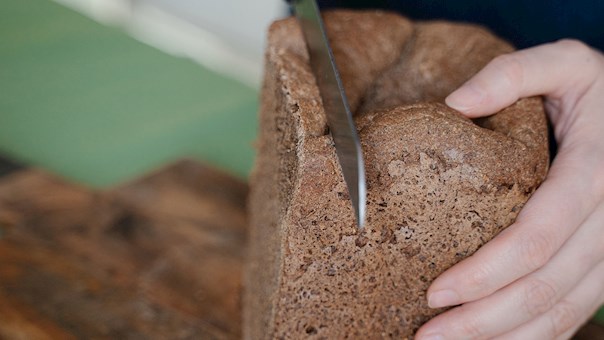
Limppu is a whole rye bread that is traditionally prepared in eastern Finland. It typically consists of a sourdough starter, whole rye flour, warm water, and salt, and it is allowed to ferment overnight. Traditionally, the bread calls for using dried pieces of previous bread dough or a lump of dough saved from the previous bake as a starter. The soft and airy dough is shaped into a cone, and following the change of the cone shape into a flattened round loaf, the bread is baked until it’s nicely colored and produces a hollow sound when tapped on the bottom. The natural fermentation process gives limppu a distinctive, strongly acidic flavor and a slightly sweet nuttiness, while its consistency is rather dense with a soft crumb. This traditional rye bread is typically accompanied by butter, hard cheese, cold cuts, slices of smoked reindeer, and a glass of milk on the side. In Finland, people often prepare a loaf of limppu as a housewarming gift.

05

Ħobż tal-Malti

3.7 ·

Prepared in many shapes and in numerous local variations, this sourdough bread is a staple of almost every Maltese kitchen. It is typically baked in wood-fired ovens and consists of flour, yeast, water, and salt. The bread is usually served as an accompaniment to a variety of dishes, but the most popular way of consuming it is to rub it with tomatoes, drizzle it with olive oil, and top it with ingredients such as cheese, olives, capers, onions, or fish.

Best restaurants
06

Pane Pugliese

3.7 ·

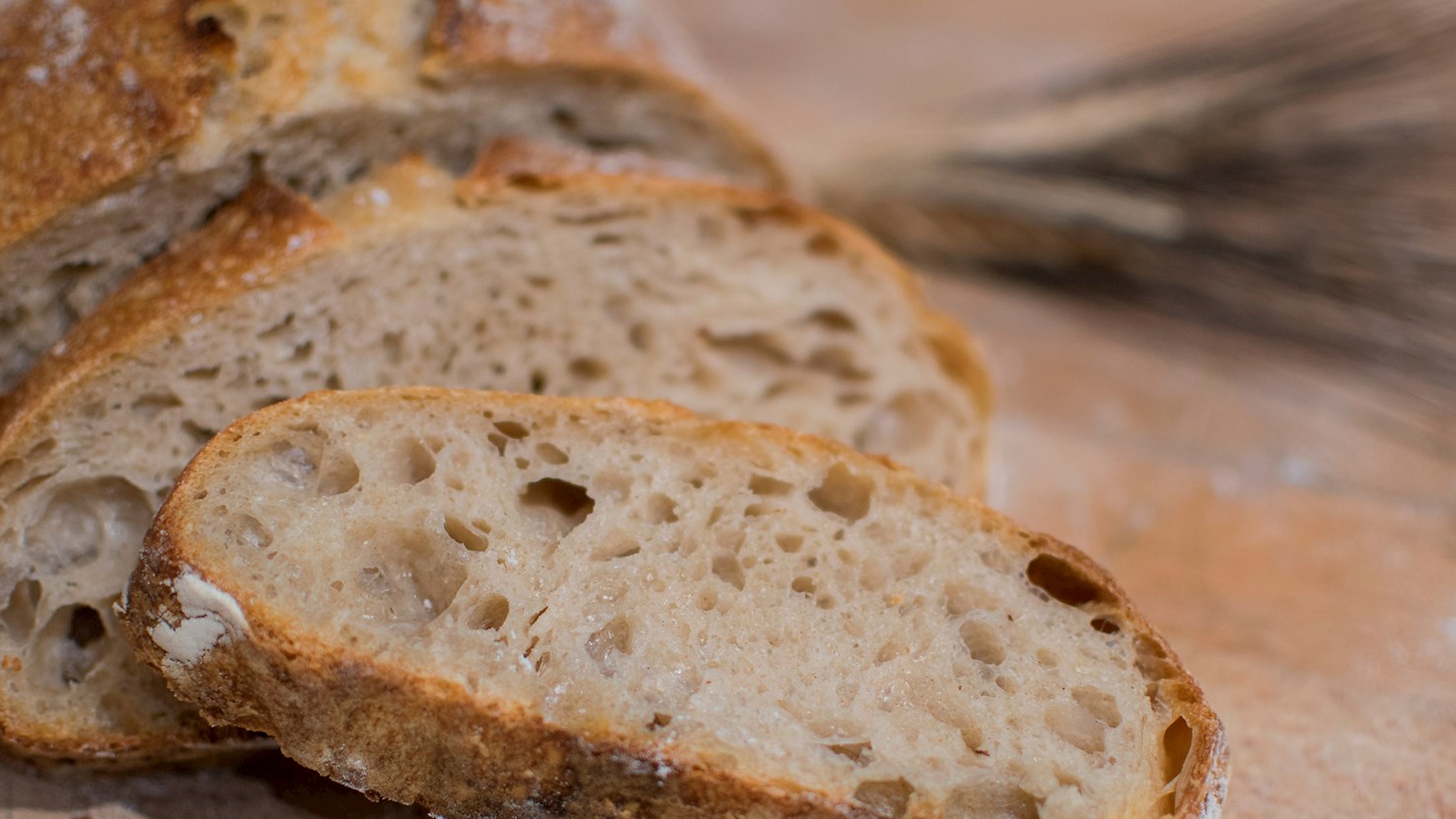
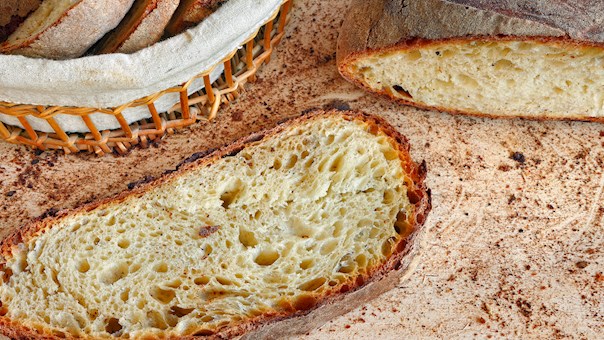
The crunchy-crusted pane Pugliese, a porous rustic bread whose origins can be traced to the 15th century, is said to be a legacy of the brown country bread which was brought to Apulia by the Turks who ruled the south of Italy at the time. This delicious peasant-style sourdough bread is made with only flour, water, and yeast, but the secret to making a perfect, slightly domed Pugliese loaf is in the kneading technique, namely the wet dough folding method. Even though the slack dough is very hard to work with, it produces a wonderful, airy texture, while long fermentation enhances the rich flavors of this bread. Pane Pugliese makes for an excellent bruschetta, but it is also enjoyed as an accompaniment to various soups and stews.

07

Pane Valle Maggia

3.5 ·

Pane Valle Maggia is a traditional bread originating from Lugano in Switzerland. The dough is prepared with a combination of water, yeast, rye flour, wheat flour, sourdough starter, and sea salt. The dough is shaped into a boule and it's then baked until it develops a crispy crust. The crumb should not be very open, but not too dense either. It's recommended to cut the bread into thick slices and serve it with cold cuts and olives on the side.

08

Pane di Matera

3.4 ·

Named after an ancient city and the province of its origin, pane di Matera is a country-style sourdough bread made with semolina dough, natural yeast, salt, and water. Due to special kneading methods and the use of a local wheat variety called Senatore Cappelli, the unusually-shaped Matera bread will stay fresh for up to a week or sometimes even longer, keeping its unmistakable flavor and aroma. It is especially good when combined with local cheese and charcuterie products, but it can also be used for bruschettas, or as an ingredient in various dishes such as the rustic cialledda Materana, a local specialty made with onions, tomatoes, and soaked Matera bread, altogether flavored with oregano and olive oil.

09

Westfälischer Pumpernickel

3.3 ·

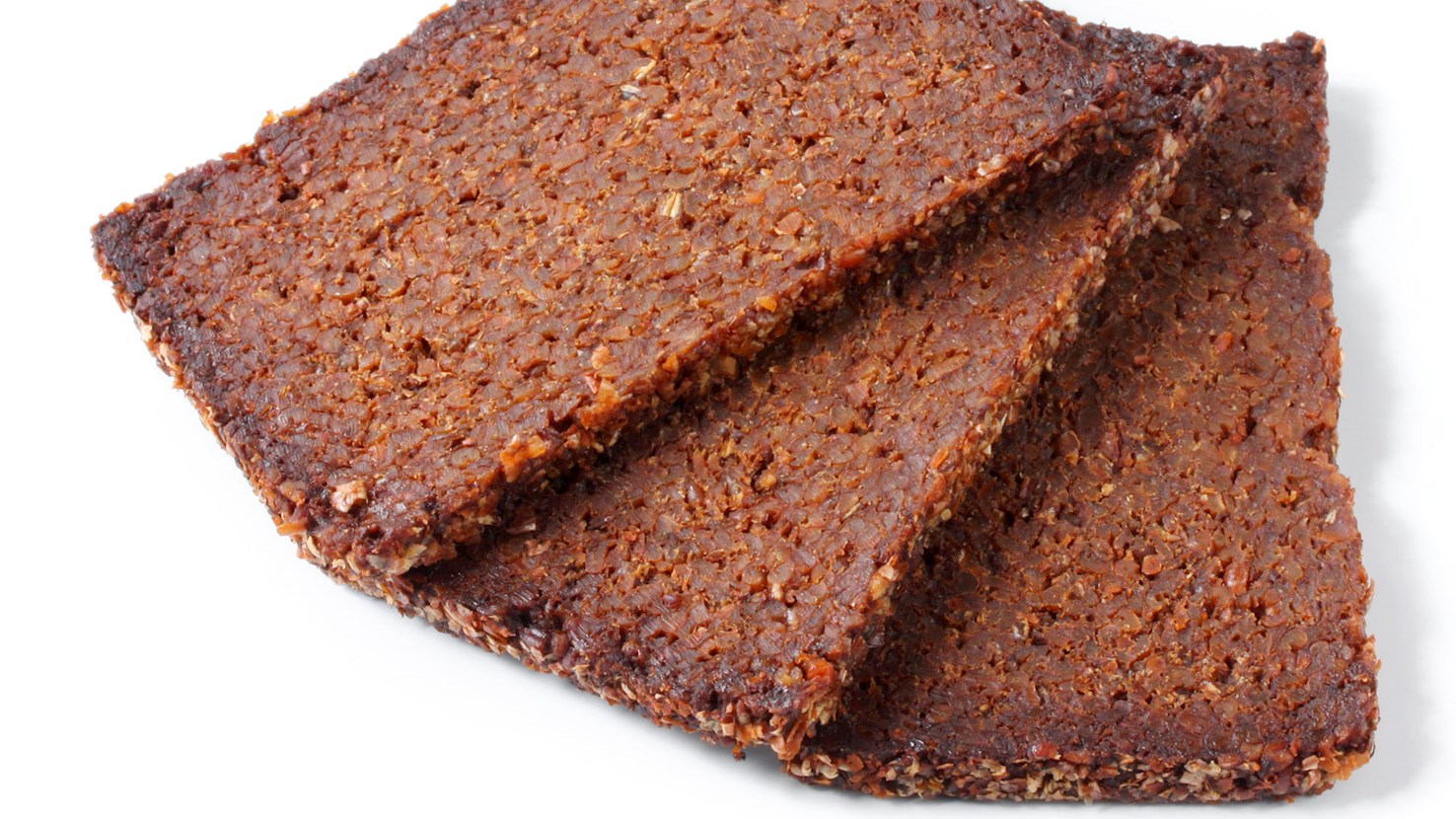
First described in 1450 as the black bread of Westphalia, the famous Westfälischer Pumpernickel is a traditional all-rye bread made with either coarsely ground rye meal or a combination of rye flour and whole rye kernels. It can also be flavored with malt or sugar beet syrup. The loaves are placed in lidded pans and baked slowly at a low temperature in steam-filled ovens for anywhere from 16 to 24 hours, which gives pumpernickel its characteristic deep brown, almost black color. Pumpernickel has little or no crust, a pronounced earthy aroma, and a distinctive bittersweet flavor. It is quite dense and moist, and it has an extremely long shelf-life – when shrink-wrapped, it stays fresh for months, while canned pumpernickel can be stored for as long as two years. Even though the unique flavor and texture of pumpernickel goes well with both sweet and savory spreads, the Westphalians typically enjoy it with a thick smear of butter and a topping of ham or liver sausage.

10

Walliser Roggenbrot

3.3 ·

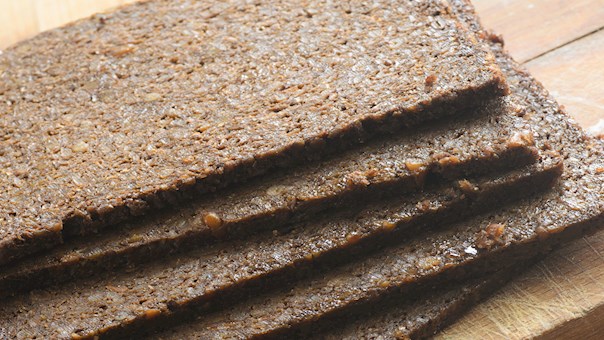
Walliser roggenbrot is a Swiss rye bread produced in the Valais region. The rustic loaf with a dense crumb must contain at least 90% whole rye flour, and it is typically made with a sourdough starter. The bread keeps for a long time, and traditionally, it used to be baked in village ovens which were fired only a few times per year, so it was quite important that the bread lasted for a few months. Nowadays, walnuts and dried fruits can be added to the bread, if desired. When consumed, the bread is thinly sliced, and it is recommended to serve it with cheese, cold cuts, and gherkins.

Read more
View all
View map
About this ranking

TasteAtlas food rankings are based on the ratings of the TasteAtlas audience, with a series of mechanisms that recognize real users and that ignore bot, nationalist or local patriotic ratings, and give additional value to the ratings of users that the system recognizes as knowledgeable. For the “Top 22 European Sourdough Breads” list until May 16, 2026, 640 ratings were recorded, of which 524 were recognized by the system as legitimate. TasteAtlas Rankings should not be seen as the final global conclusion about food. Their purpose is to promote excellent local foods, instill pride in traditional dishes, and arouse curiosity about dishes you haven’t tried.

Similar lists