shutterstock

Top 29 Asian Soy Sauces

Last updated on June 06, 2026

Best Asian Soy Sauce Types
01

Shèng chóu (Light soy sauce)

4.4 ·

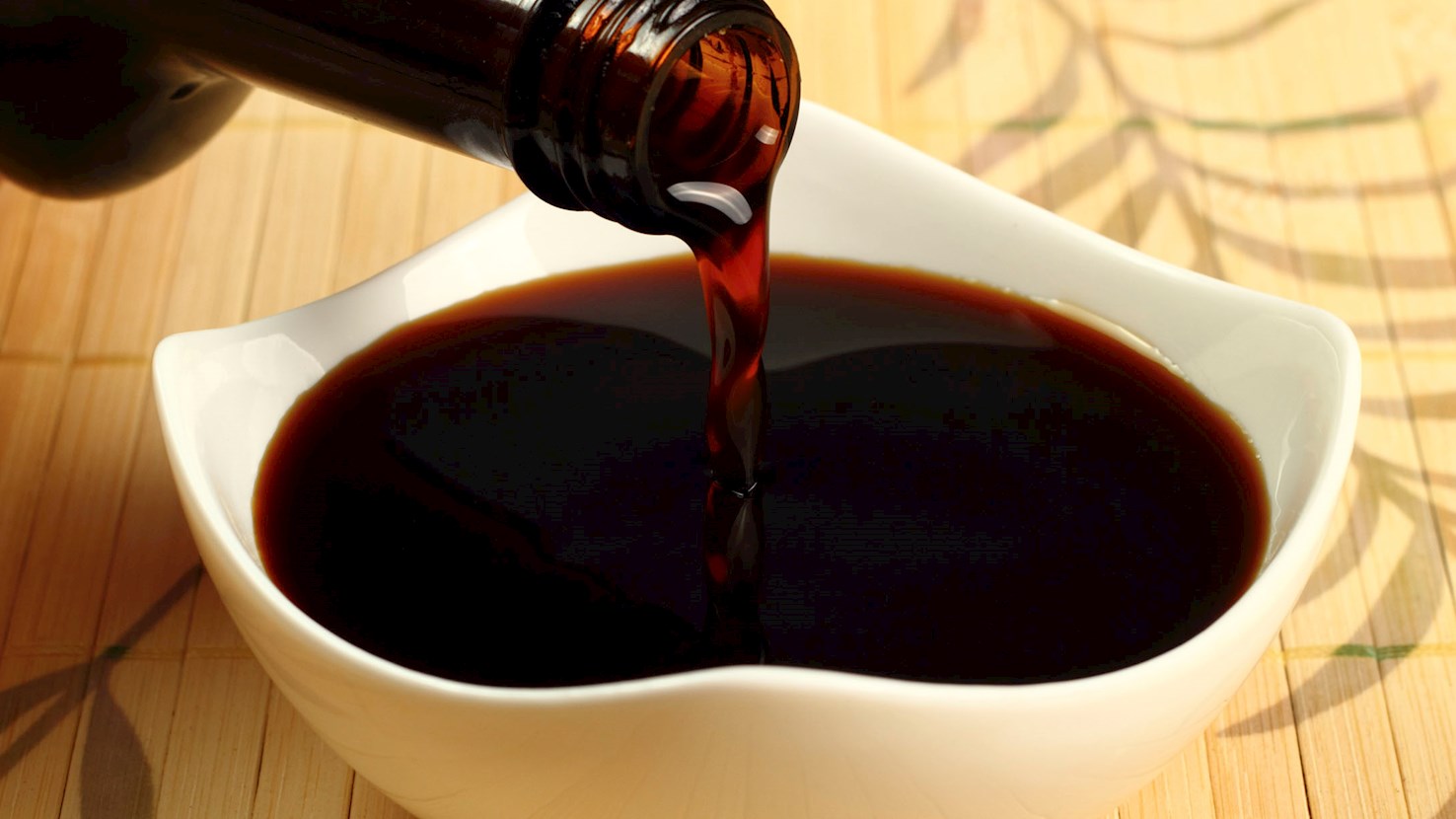
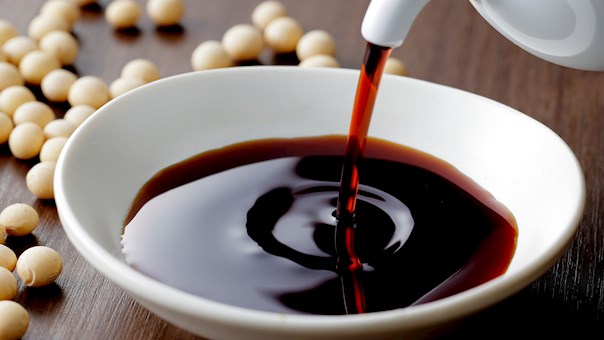
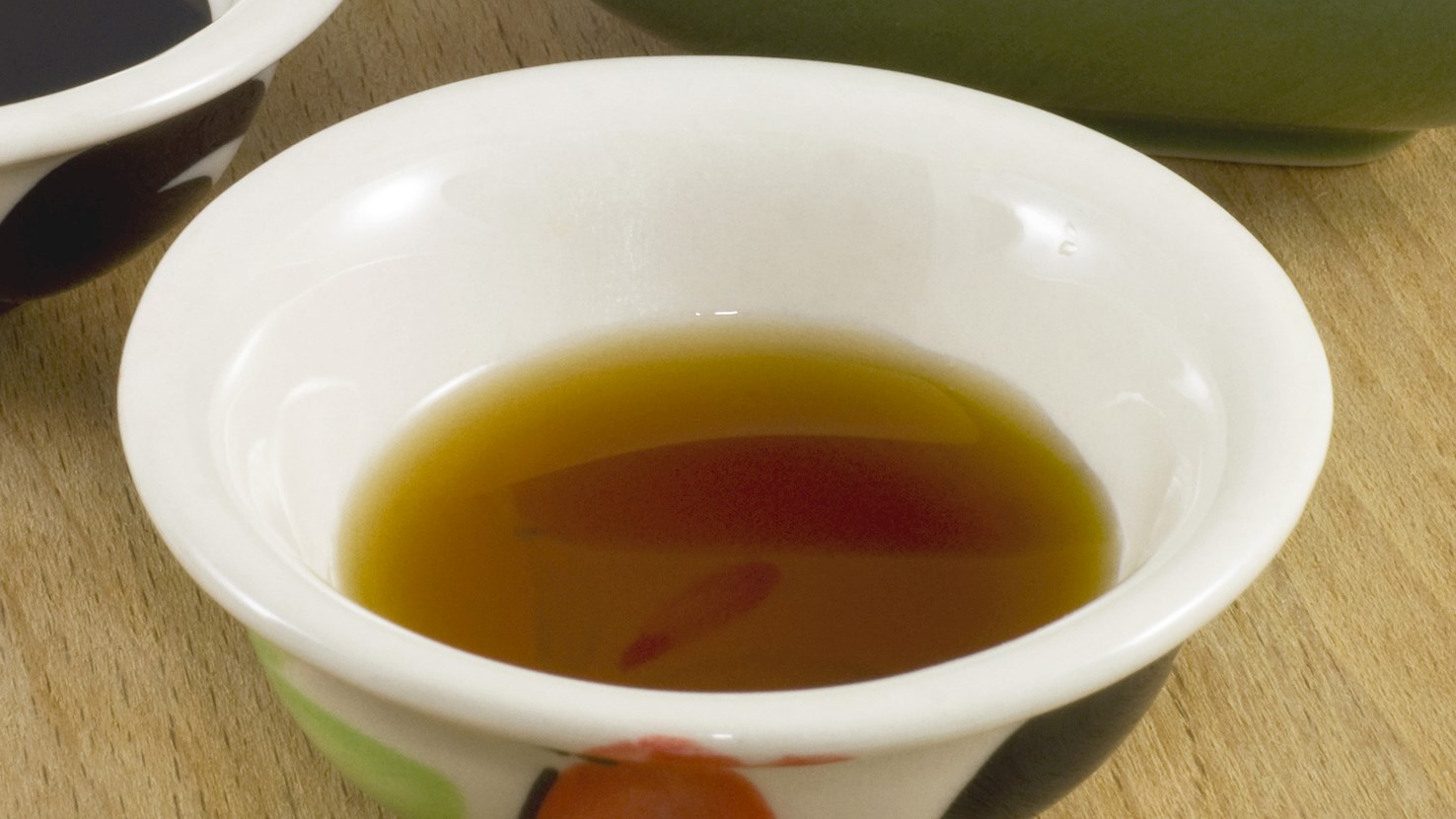
Light soy sauce or shèng chóu is a translucent, thin-bodied fermented liquid condiment made from soybeans, wheat, salt, and water. The emergence of this specific liquid can be traced back to the widespread use of soybean pastes in the Han and Tang dynasties, where the savory liquid byproduct was eventually siphoned off and developed into a standalone seasoning. Unlike meat-based sauces used in earlier eras, this legume-based alternative gained prominence due to its high glutamic acid content and its suitability for diverse dietary requirements across East Asia. Preparation begins with steaming soybeans and mixing them with roasted wheat to serve as a growth medium for Aspergillus oryzae or Aspergillus sojae molds. This mixture, known as qū, is then submerged in a brine solution and kept in large fermentation vats, often exposed to sunlight to facilitate the enzymatic breakdown of proteins into amino acids. The light version is the first extract taken from this process, harvested after several months of aging before any significant thickening or darkening occurs. A specific property of light soy sauce is its high sodium concentration combined with a low viscosity, which allows it to penetrate food surfaces quickly without altering the natural color of the ingredients. It is served both as a fundamental seasoning during the cooking process and as a cold dipping sauce. It is most frequently eaten with steamed seafood, blanched vegetables, and dumplings, where it provides a sharp, salty umami profile. Functional food pairings include white-fleshed fish, which benefit from the sauce's ability to highlight delicate flavors, and lean meats like chicken. Beverage pairings include lightly oxidized oolong teas or pale lagers, which provide a crisp finish that cleanses the palate of the high salt content inherent to the condiment.

02

Jiàng yóu (Soy sauce)

4.3 ·

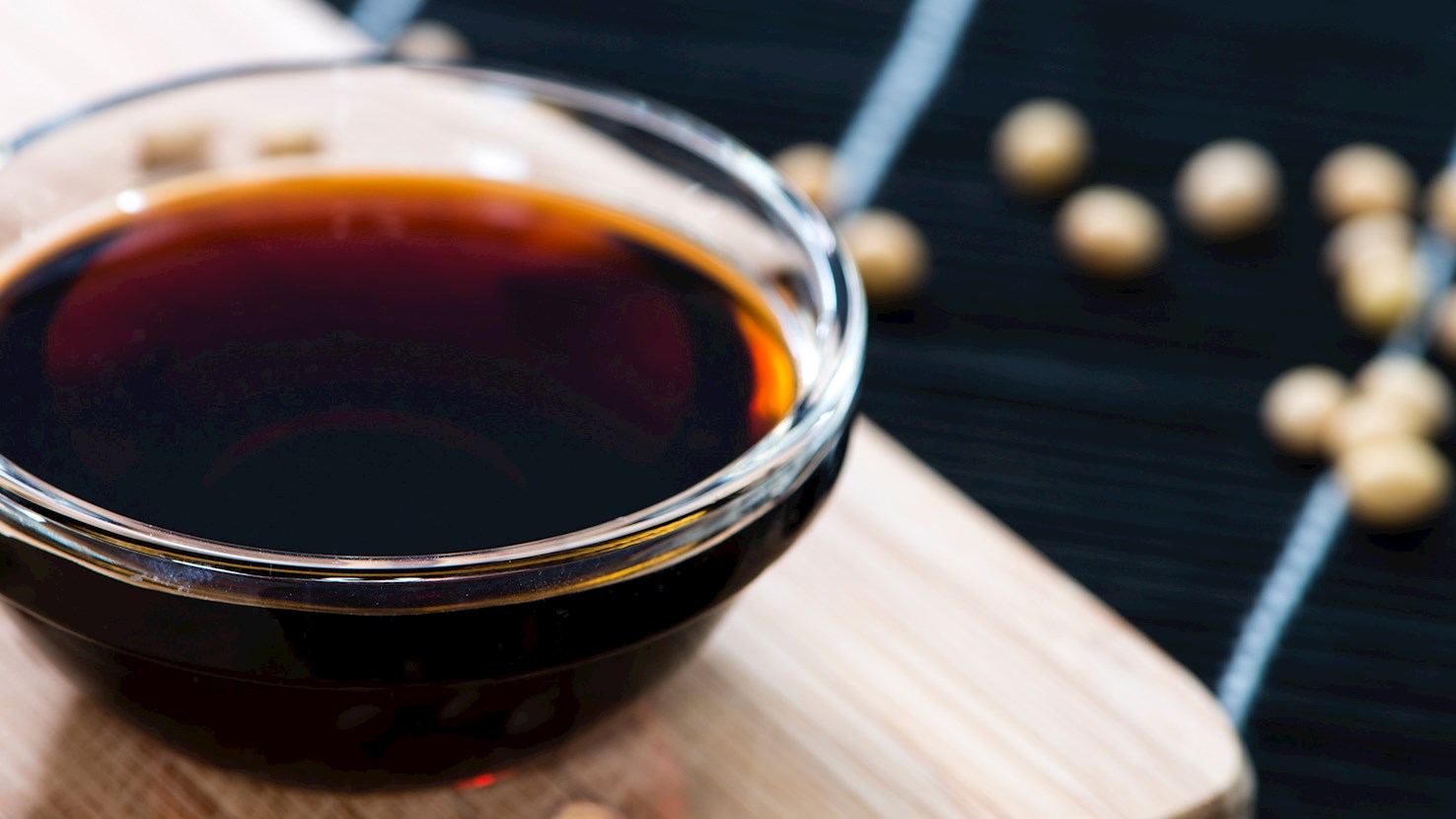
Soy sauce or jiàng yóu is a fermented liquid condiment produced from soybeans, wheat, salt, and water, originating in China during the Han Dynasty. It evolved from ancient meat-based fermented pastes known as jiàng, which transitioned toward a legume-based production model due to the increasing availability of soybeans and the influence of vegetarian Buddhist practices. The development reached a technological plateau during the Song Dynasty, where the liquid byproduct was systematically separated from the solids to create a refined seasoning. Preparation begins with steaming soybeans and roasting wheat, which are then inoculated with a mold culture, typically Aspergillus oryzae or Aspergillus sojae, to create kōji or qū. This mixture is combined with a saltwater brine and transferred to fermentation vats where enzymes break down the proteins into amino acids and the starches into simple sugars over a period of several months to years. The resulting liquid is extracted, pasteurized, and filtered to produce light soy sauce (shèng chóu), or aged further with the addition of molasses to create dark soy sauce (lǎo chóu). A specific chemical property of jiàngyóu is its high concentration of glutamic acid, which triggers the umami taste receptors on the human tongue. Unlike many other fermented condiments, high-quality jiàng yóu relies on the Maillard reaction occurring slowly at ambient temperatures to develop its dark pigmentation and complex aroma compounds. The condiment is used both as a cooking ingredient and a table seasoning across every province of China and throughout the global Chinese diaspora. It is utilized in the "red braising" technique to provide color and savory depth to proteins, and it is frequently served as a dipping sauce for dumplings or cold appetizers. Common food pairings include steamed fish, where the salinity of the sauce enhances the delicate flavors of the seafood, and stir-fried vegetables where the sugars in the sauce undergo caramelization. For beverage pairings, jiàng yóu-heavy dishes are often accompanied by Shàoxīng rice wine, which shares similar fermentation metabolites, or roasted oolong teas that provide a tannic structure to balance the savory intensity of the fermented soy.

03

Lǎo chōu (Dark soy sauce)

4.2 ·

Dark soy sauce, known in Mandarin as lǎo chóu, is a viscous, fermented condiment that is primarily used to impart a deep mahogany color and a savory-sweet depth to cooked dishes. Its development followed the establishment of light soy sauce as a primary seasoning, appearing as a specialized derivative through extended maturation and the addition of specific thickening agents. The manufacturing process begins with a base of fermented soybeans and roasted wheat, which undergoes a significantly longer aging period than standard soy sauce, often ranging from several months to years. During this time, a non-enzymatic browning known as the Maillard reaction occurs between the amino acids and reducing sugars, resulting in the development of complex aromatic compounds and a naturally darker pigment. Most commercial versions are further modified through the inclusion of molasses or caramel color, which increases the total dissolved solids and creates a syrup-like consistency that is capable of adhering to the surfaces of proteins and starches. A specific property of dark soy sauce is its lower salt concentration relative to light soy sauce, despite its more intense visual appearance and pungent aroma. It contains a high concentration of nitrogenous compounds and esters that provide a "sauce-like" and slightly smoky flavor profile when exposed to high heat. The condiment is served almost exclusively as a cooking ingredient rather than a table seasoning, utilized most notably in the "red braising" (hóngshāo) technique to glaze meats. It is also a critical component in stir-fried noodle dishes like beef chow fun, where it provides the characteristic dark color and a subtle caramelized sugar notes. Functional food pairings include fatty meats like pork belly, where the sauce's acidity and savory notes balance the lipid content, and starchy vegetables like potatoes or taro. For beverage pairings, the robust and earthy profile of dark soy sauce is complemented by aged Shàoxīng rice wines or full-bodied black teas, such as Pu-erh, which share similar fermentation-derived metabolites.

04

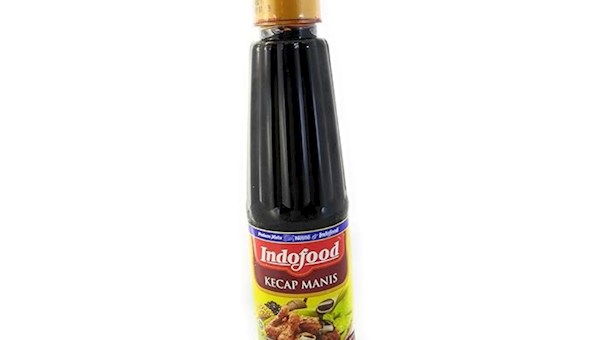
Kecap manis (Sweet soy sauce)

4.1 ·

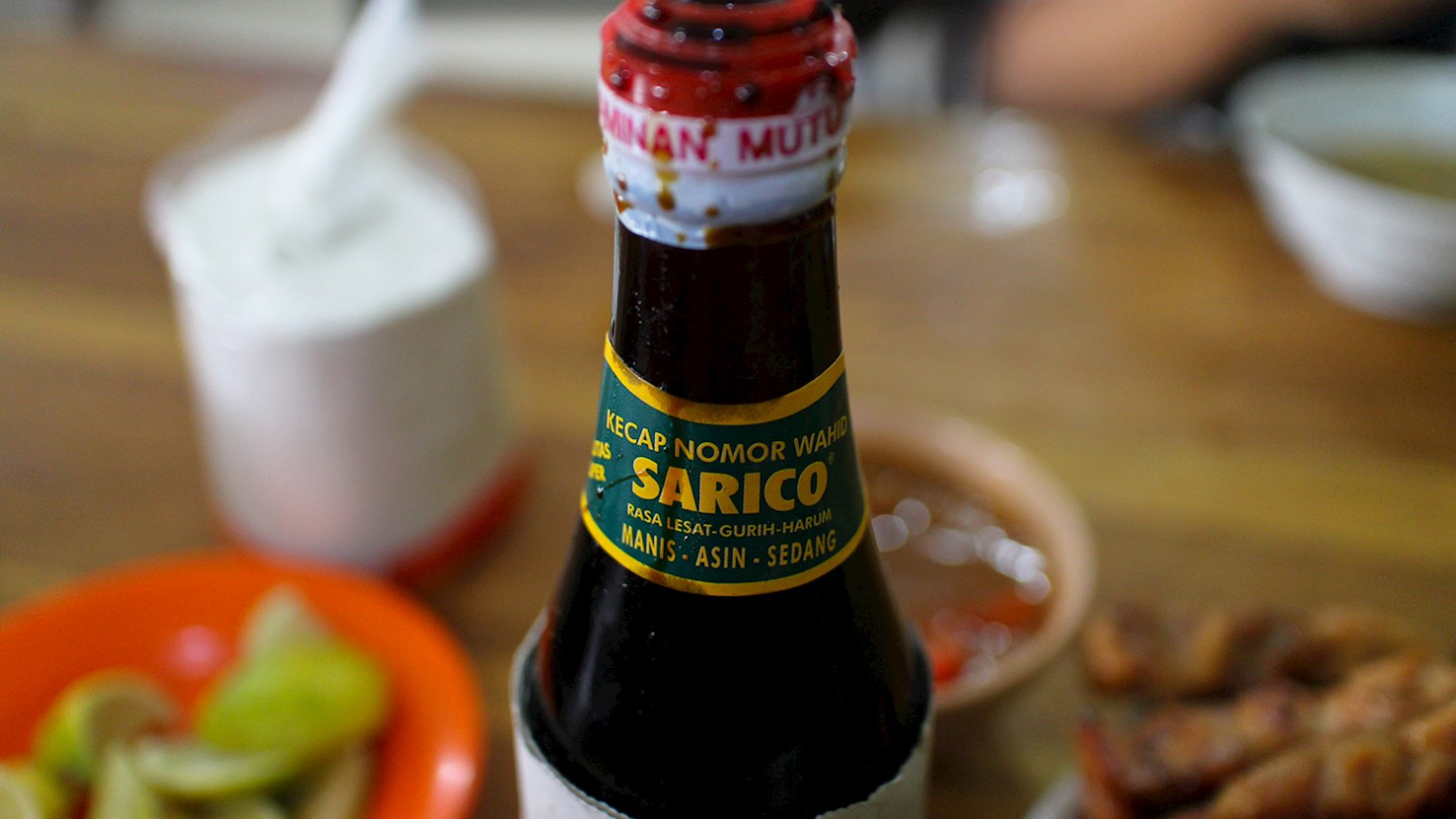
Kecap manis is a sweetened, syrupy soy sauce originating from the island of Java in Indonesia, distinguished by its high sugar content and viscous texture. The development of this condiment occurred following the introduction of soy sauce by Chinese immigrants to the Indonesian archipelago, where the local abundance of palm sugar led to the adaptation of the savory original into a sweet variant suited to the regional palate. By the mid-19th century, commercial production was established in cities like Tangerang and Kudus, utilizing specific local ingredients that deviated from continental Asian soy sauce formulas. Preparation begins with the standard fermentation of black soybeans and roasted grain in a brine solution using Aspergillus molds to create a savory base known as kecap asin. This liquid is then boiled with a high ratio of gula jawa, or coconut palm sugar, often reaching up to 50 percent of the final volume, which creates a thick, molasses-like consistency through caramelization and moisture reduction. During the boiling phase, aromatics such as star anise, galangal, lemongrass, and cloves are frequently added to the mixture to infuse it with botanical volatile oils. A specific property of kecap manis is its ability to act simultaneously as a seasoning and a glaze due to the high density of complex sugars which undergo the Maillard reaction rapidly when exposed to high heat. It is served as a fundamental base for marinades, a finishing glaze for grilled meats, and a table condiment. The sauce is consumed daily throughout Southeast Asia, forming the core flavor profile of national dishes such as nasi goreng and mie goreng, and is often served alongside sate as a dipping sauce combined with bird's eye chilies and shallots. Food pairings involve savory and spicy proteins like grilled chicken or lamb, where the sweetness of the sauce mitigates the heat of capsicum, and fermented soy products like tempeh. Beverage pairings include jasmine tea, which provides a floral astringency to cut through the sugar density, or refreshing citrus-based drinks like es jeruk to balance the deep, earthy umami of the caramelized soy.

05

Yangjo-ganjang

n/a ·

Yangjo-ganjang is a naturally brewed Korean soy sauce produced through the fermentation of a mixture containing soybeans, wheat, and salt brine. It is categorized as a high-quality variety of modernized soy sauce in South Korea, distinguished from chemically processed or blended alternatives by its reliance on biological maturation. The methodology for this specific variety emerged in the late 19th and early 20th centuries during the transition to industrial food production in the Korean peninsula. It was influenced by the introduction of Japanese brewing techniques that utilized wheat as a primary carbohydrate source to promote the growth of Aspergillus oryzae and facilitate the development of a sweeter, more aromatic liquid. The preparation begins with the steaming of soybeans and the roasting of wheat, which are then inoculated with mold spores to create a starter culture. This mixture is combined with a salt solution and placed in temperature-controlled tanks where it undergoes fermentation for a period typically lasting six months to one year. During this time, enzymes break down proteins into amino acids and starches into sugars, resulting in a complex, slightly fruity aroma and a deep reddish-brown color. A unique technical requirement for a product to be labeled as yangjo-ganjang in Korea is the total nitrogen (TN) content, which serves as an index of the umami and protein concentration within the sauce. It is served most effectively in uncooked applications or light seasoning roles where its delicate aroma can be preserved. Common uses include dipping sauces for raw seafood, dressing for fresh salads, or a final seasoning for stir-fried dishes. Because heat can dissipate the more subtle aromatic compounds, it is often added at the very end of the cooking process. Yangjo-ganjang is eaten in households and restaurants as a premium tabletop condiment and is a standard accompaniment for raw fish and tofu. It pairs well with crisp, dry white wines or chilled sake, as the acidity of the beverages balances the rich savory profile of the naturally brewed liquid.

06

Gaeryang ganjang

n/a ·

Gaeryang ganjang is a modernized Korean soy sauce characterized by a production method that incorporates wheat and specialized microbial cultures to achieve a consistent, sweeter flavor profile. It is the most widely consumed variety of soy sauce in South Korea today and is often referred to simply as "regular" soy sauce on commercial labels. The development of this product began in the late 19th century, specifically following the Japan-Korea Treaty of 1876, which led to the establishment of industrial brewing facilities in port cities like Busan and Incheon. These factories introduced a method of brewing that differed from local household practices by mixing soybeans with roasted wheat or barley and inoculating the mixture with Aspergillus oryzae. This industrial approach was further solidified during the 20th century to meet the demands of rapid urbanization and the need for mass-produced food staples. The preparation involves a controlled fermentation process where the blend of legumes and grains is ripened using specific yeast and mold strains in a saline solution. This accelerated method allows the sauce to reach maturity much faster than solely soybean-based varieties, often within a few months. After fermentation, the liquid is filtered, pasteurized, and frequently blended with sweeteners such as corn syrup or sugar to enhance its palatability and provide a glossy finish. In serving, gaeryang ganjang is utilized for its high sugar content and deep color, which make it suitable for heat-based cooking. It is the primary choice for stir-frying, braising meats, and creating marinades for dishes like bulgogi or galbi, as the sugars caramelize under heat to create a rich glaze. A specific distinction of this sauce is its classification into two sub-types: yangjo ganjang, which is naturally brewed, and jin-ganjang, which in the modern industrial context typically refers to a blend of brewed sauce and acid-hydrolyzed vegetable protein. It is eaten as an everyday condiment throughout Korea and is a standard ingredient in restaurant kitchens. The sauce pairs effectively with grilled proteins and oily fish, as the sweetness balances the fats. It is also a common base for dipping sauces served with pajeon or mandu. Beverage pairings typically include light lagers or clear distilled spirits like soju, which provide a neutral background that allows the savory and sweet notes of the sauce to remain prominent.

07

Jin-ganjang

n/a ·

Jin-ganjang is a highly concentrated, dark liquid condiment from Korea that represents the most aged tier of fermented soybean sauce. It is characterized by a thick, syrupy consistency, a deep black hue, and a flavor profile dominated by intense umami and natural sweetness with a significantly mellowed salinity. The development of this aged variety is the result of long-term storage practices in the Korean peninsula, where specific batches of soy sauce were set aside to mature for a minimum of five years, with some varieties aging for decades or even centuries. This process relies on the slow interaction between the fermented liquid and the porous walls of earthenware onggi, which allow for gradual evaporation and oxygen exchange. The preparation begins with the standard guk-ganjang process, involving the fermentation of soybean-only meju blocks in a salt brine. After the initial extraction of the liquid, it is placed in dedicated crocks for extended maturation. Over a period of five years or more, the water content decreases while the concentration of amino acids and complex sugars increases. During this time, constant Maillard reactions occur, which transform the proteins into melanoidins, giving the sauce its signature color and viscous texture without the addition of caramel coloring or thickeners. A specific property of jin-ganjang is that as it ages, the sharp bite of the salt diminishes, and the liquid develops a complex aromatic profile similar to aged balsamic vinegar or fortified wine. It is served in small quantities as a finishing element or a specialized dipping sauce, as its flavor is too potent for general soup seasoning. It is frequently eaten with raw vegetable sticks, high-quality grilled meats, or used as a restorative ingredient in specialized medicinal cuisines. Because of the long production time and the significant volume lost to evaporation, it is often treated as a valuable family asset or a gourmet specialty. Jin-ganjang is eaten as a flavor accent in refined Korean meals and is often paired with deep, earthy beverages such as aged persimmon vinegar drinks or koshu-style rice wines. The high density of the sauce also makes it a suitable companion for robust teas like pu-erh, which can match its fermented depth.

08

Jung-ganjang

n/a ·

Jung-ganjang is a medium-aged Korean soy sauce that occupies the middle tier of the guk-ganjang classification system, originating from the Korean peninsula. It is a liquid condiment characterized by a balanced profile of salinity and sweetness, with a color that is darker than young soup soy sauce but lighter than deeply aged varieties. The existence of this specific aging stage is a result of the long-term fermentation practices developed in Korean households and commercial breweries, where the natural evaporation of water and the gradual breakdown of proteins over time create distinct flavor profiles at different year intervals. Jung-ganjang is typically categorized as sauce that has been aged for three to four years in earthenware onggi crocks. The preparation begins with meju blocks made of boiled and fermented soybeans, which are submerged in a salt brine. Following the initial extraction of the liquid, it is boiled and then returned to the crocks for multi-year maturation. During the three to four years of aging, the concentration of amino acids increases through proteolysis, and the liquid undergoes Maillard reactions that deepen its hue and introduce complex aromatic compounds. A specific attribute of jung-ganjang is its versatility; it possesses enough salt to season food effectively but has developed enough natural sugars and umami to provide depth without the sharp edges of younger sauces. It is served primarily as a seasoning for braised dishes, known as jorim, and for marinating meats where a moderate level of color and flavor intensity is required. It is also used in the preparation of seasoned side dishes that include root vegetables or mushrooms, providing a rich glaze when reduced. Jung-ganjang is eaten as a standard culinary component in both home cooking and professional Korean kitchens. It is commonly paired with hearty ingredients like beef, burdock root, or tofu. Regarding beverage pairings, it is often consumed with medium-bodied rice wines like yakju or toasted grain teas such as hyeonmi-cha, which align with the savory, fermented characteristics of the medium-aged liquid.

09

Haet-ganjang

n/a ·

Haet-ganjang is the youngest classification of Korean soy sauce, specifically referring to the liquid extracted during the first year of the fermentation cycle in the Korean peninsula. The term "haet" signifies the first harvest or the newest yield of the year, identifying this product as the baseline for all subsequent aged varieties within the guk-ganjang category. Its production follows the establishment of the agrarian calendar, where the separation of the liquid from the fermented soybean blocks occurs after the initial spring maturation period. The preparation begins with meju, which are blocks of boiled and dried soybeans that have undergone a primary fermentation with Bacillus subtilis. These blocks are placed in brine-filled earthenware crocks and aged for approximately forty to sixty days. At the end of this period, the liquid is drawn off and boiled to stop enzymatic activity and stabilize the flavor profile. Because it has only been aged for a few months to a year, haet-ganjang possesses a lighter color and a sharper, more straightforward saltiness compared to varieties aged for several years. A specific chemical characteristic of haet-ganjang is its high level of volatile aromatic compounds that have not yet mellowed through the oxidation that occurs during long-term storage. It is served primarily as a seasoning for dishes that require a clean, bright salt profile, such as light soups and fresh vegetable namul. The liquid is also utilized in the preparation of dipping sauces for pancakes and dumplings where a heavy, syrupy texture would be undesirable. Haet-ganjang is eaten as a seasonal staple in Korean households following the annual production of new soy sauce batches. It is frequently paired with light, spring vegetables and delicate white fish that are not overwhelmed by its high salinity. Suitable beverage pairings include unaged rice wines like fresh makgeolli or cold corn tea, which provide a neutral or slightly sweet counterpoint to the sharp, savory notes of the new sauce.

10

Guk-ganjang

n/a ·

Guk-ganjang is a salty, light-colored liquid soy sauce from Korea that is produced exclusively from soybeans and salt brine. The development of this condiment is rooted in the early agrarian societies of the Korean peninsula, where the fermentation of soybean blocks provided a stable source of amino acids and salt. Archaeological evidence from the Goguryeo era suggests that the production of soybean-based liquids was well-established as a means of preserving protein and flavoring seasonal harvests. The preparation begins with meju, which are blocks of boiled soybeans that have been fermented and dried to harbor specific microflora, primarily Bacillus subtilis and various wild molds. These blocks are submerged in large earthenware crocks filled with a high-salinity brine. The fermentation process occurs over several months, typically beginning in late winter and continuing into the spring. Once the liquid has absorbed the nutrients and flavor compounds from the soybeans, it is separated from the solids, boiled to stabilize the microbial activity, and then aged. Unlike most mass-produced soy sauces, guk-ganjang does not contain wheat, which results in a thinner consistency and a higher salt-to-sweetness ratio. It is served as a fundamental seasoning in clear broths and soups, such as miyeok-guk or mu-guk, where its pale color ensures the clarity of the liquid is maintained while providing a deep, savory foundation. It is also used to season namul, which are lightly blanched vegetables, to enhance their natural flavors without masking their appearance. A specific property of this sauce is its ability to provide a clean umami profile that lacks the heavy caramel notes found in sauces containing roasted wheat or added sugar. Guk-ganjang is eaten as a staple in Korean domestic and professional kitchens, often appearing in everyday meals centered around rice and stew. It pairs effectively with delicate seafood dishes and steamed greens. For beverage pairings, it is frequently served alongside roasted grain teas like boricha or light rice-based drinks such as cheongju, which complement the clean, salty profile of the seasoning.

11

Ganjang

n/a ·
13

Kanro shōyu

n/a ·
15

Shiro

n/a ·
19

Shōyu

n/a ·
20

Kecap asin

n/a ·

Best Asian Soy Sauces

01

Haitian

5 ·
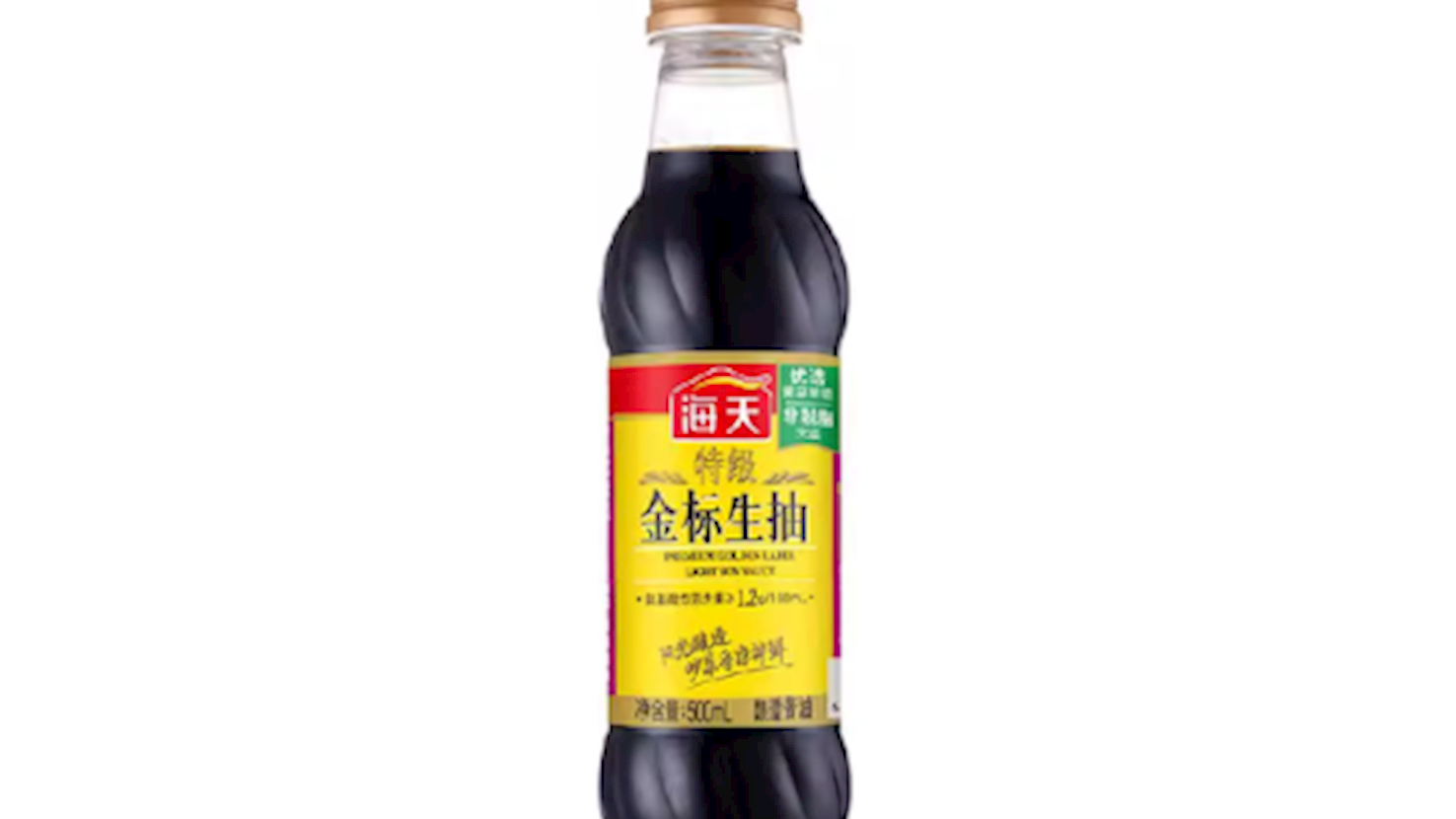
Haitian is China’s largest producer of soy sauce, oyster sauce, and other fermented seasonings, with roots that trace back to traditional workshops of the 16th century in Foshan, Guangdong Province. Its product range covers a broad selection of seasonings - from various types of light and dark soy sauce to oyster sauce, marinades, and modern ready-to-cook sauces designed for global markets. Haitian is regarded as a benchmark brand in its category due to its consistent quality, adaptability to both domestic and international consumers, and continuous technological innovation in production. The brand has a strong export presence and serves as one of the key gateways for introducing authentic Chinese flavors to international gastronomy.
02

Lee Kum Kee

5 ·
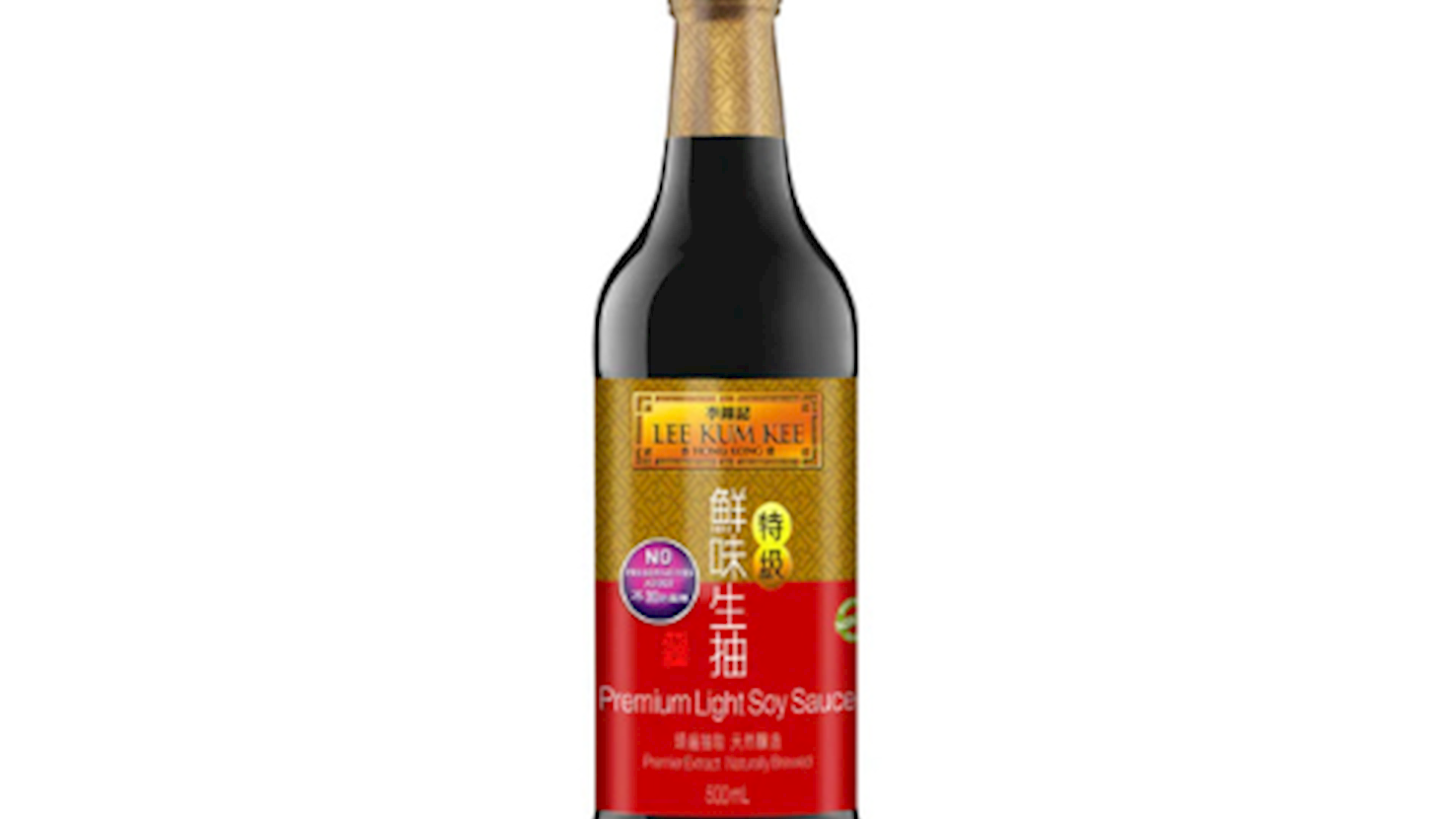
Lee Kum Kee is a well-known and reputable Chinese food manufacturer, specializing in sauces and condiments. Founded in 1888 in Guangdong, China, the company has a long history of producing high-quality products that are widely used in Asian cooking. Lee Kum Kee is particularly famous for its oyster sauce, soy sauce, and various other cooking sauces, which are staples in both home kitchens and professional restaurants around the world. The company uses traditional recipes combined with modern production techniques to ensure consistency and authenticity in its products. With a strong focus on innovation and quality, Lee Kum Kee has expanded its product range to include seasonings, marinades, and ready-to-cook products, catering to a diverse global audience.
Awards
Great Taste Awards - 3 Stars (2024, 2023)
Great Taste Awards - 2 Stars (2024, 2023)
03

Bango

4.8 ·
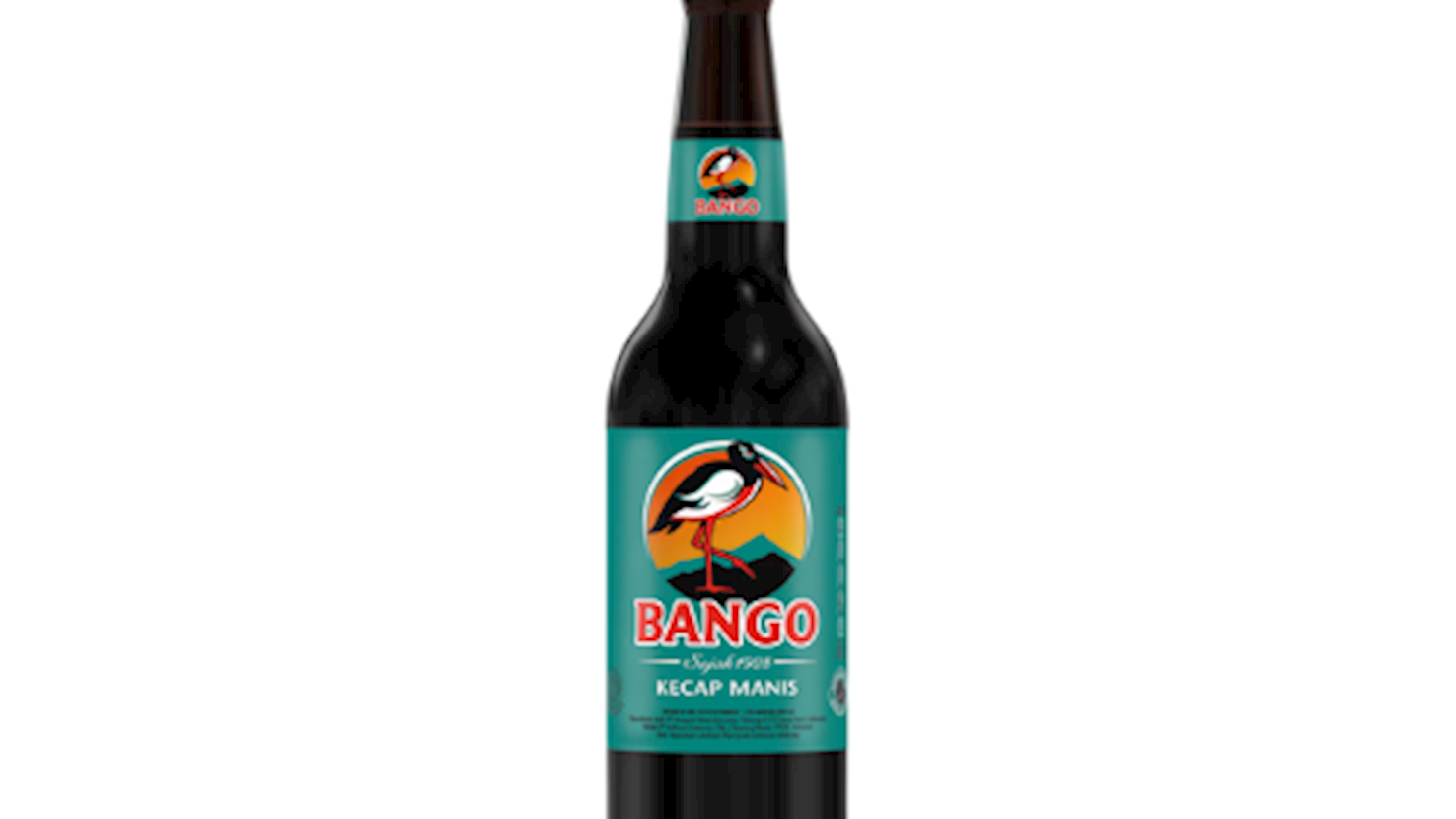
Bango is one of Indonesia’s most iconic brands of kecap manis, the thick, sweet soy sauce that has been a staple of the country’s cuisine since 1928. It is made from just a few natural ingredients - mallika black soybeans, water, salt, and palm sugar - without artificial colors, flavor enhancers, or additives, which contributes to its clean, balanced flavor. The sauce is known for its syrupy texture, rich caramel notes, and pronounced umami profile, making it essential in marinades, stir-fries, grilled dishes, and a wide range of traditional Indonesian recipes. Now owned by Unilever Indonesia, Bango benefits from modern production standards and nationwide distribution while maintaining its original simplicity and character. For many, it represents the true taste of Indonesian cooking and remains a foundational ingredient in countless dishes.
04

Do You Bo

4.8 ·
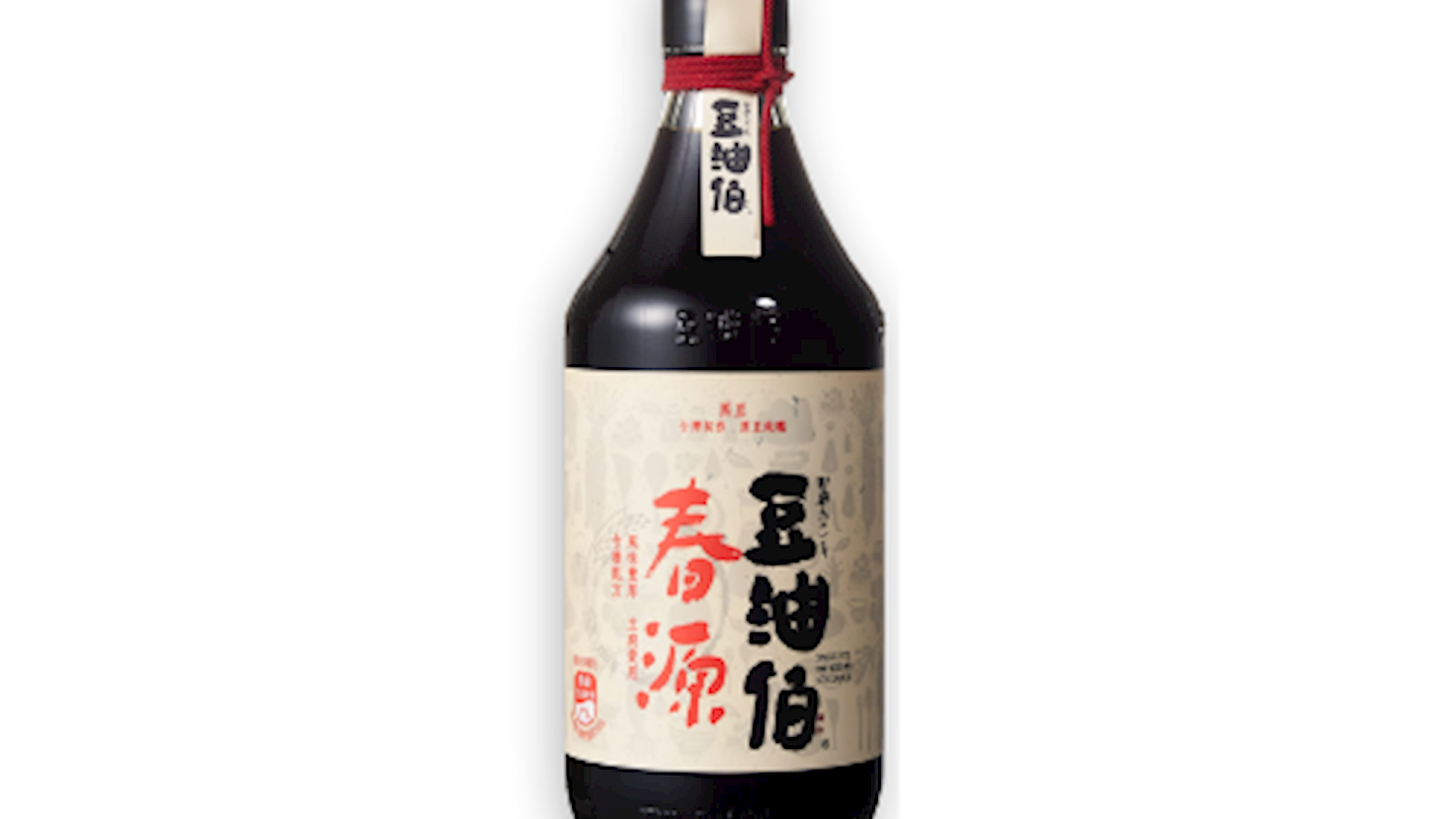
Do You Bo is a Taiwanese soy sauce brand rooted in traditional, long-term natural fermentation and a strong commitment to local sourcing. The brand focuses on producing soy sauce without industrial shortcuts, allowing soybeans and wheat to ferment over several months to develop depth, balance, and a naturally layered umami profile. This slow maturation process results in a rounded texture, moderate salinity, and subtle notes of toasted grain and caramelized undertones. Do You Bo works with non-GMO soybeans and wheat sourced in Taiwan, emphasizing traceability and raw material quality. Production combines traditional fermentation techniques with modern hygiene and quality control standards to ensure consistency across batches. The portfolio includes classic brewed soy sauce as well as reduced-salt and specialty variations designed to suit different culinary applications. Positioned in the premium segment, Do You Bo is intended not only for everyday Asian cooking but also for contemporary gastronomy, where soy sauce is used to enhance depth in marinades, broths, dressings, and vegetable or meat-based dishes. The brand’s identity is built around authenticity, transparency, and respect for fermentation craftsmanship rather than mass industrial production.
Awards
Monde Selection - Gold (2025, 2023, 2021)
Great Taste Awards - 3 Stars (2024, 2023, 2022)
05

Kimlan

4.5 ·
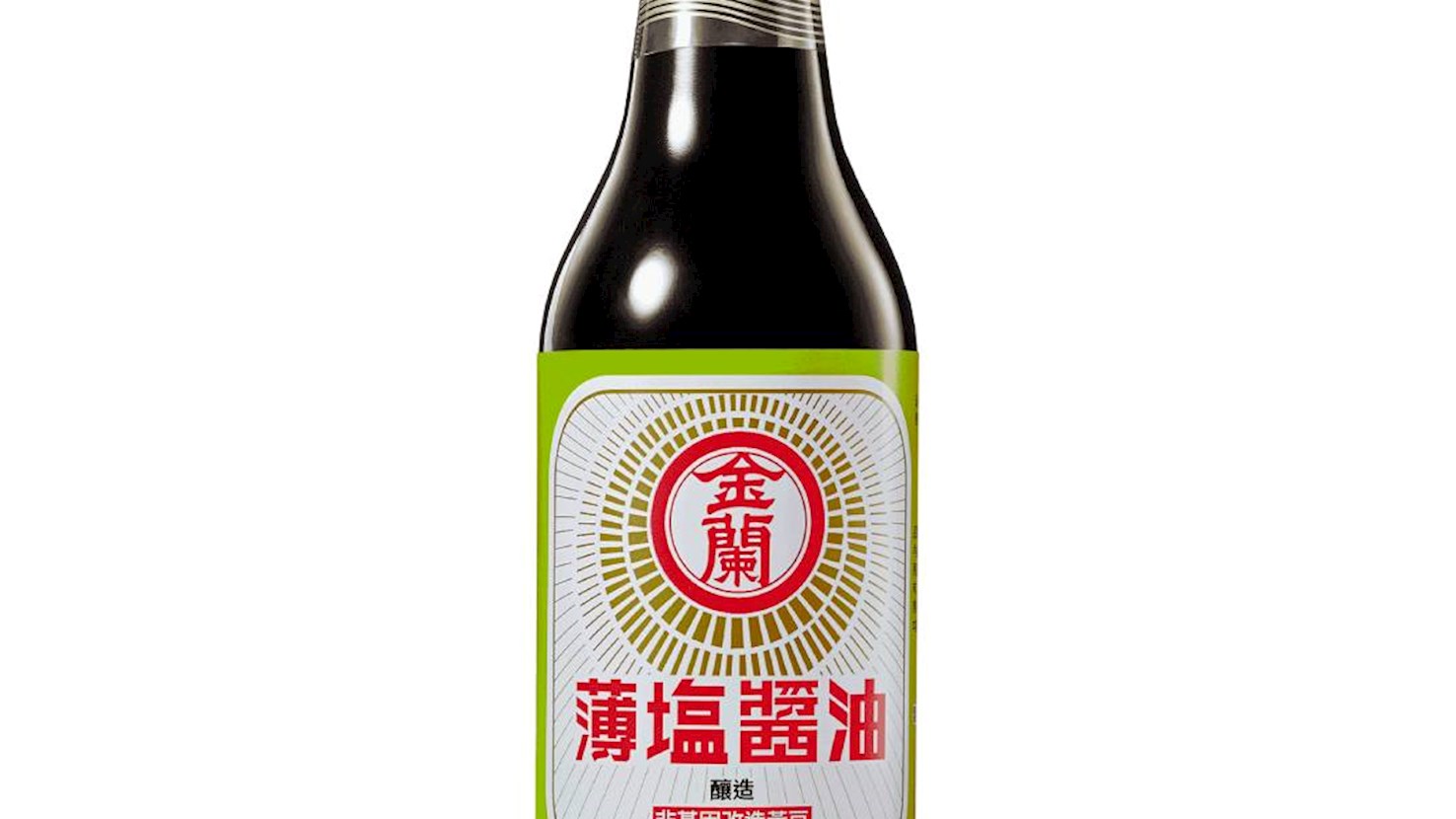
Kimlan is a Taiwanese manufacturer of soy sauce and pickled products, known for its authentic taste and quality. The company was founded in 1936 by Mr. Han Chung, with the goal of creating a local business that would provide job opportunities for the Taiwanese community. By insisting on using only premium ingredients and integrating traditional Japanese fermentation methods, Mr. Chung successfully mass-produced soy sauce. Kimlan employs traditional fermentation methods, combining them with modern technology and strict quality control. In 1985, the company introduced automation and computerization into its production process, including the acquisition of the largest continuous soybean steamer in Taiwan at the time, significantly improving efficiency and ensuring consistent product quality.
Awards
Crystal Taste Award - 3 stars (2023)
Great Taste Awards - 2 Stars (2024)
06

Kisoondo Traditional Jang

n/a ·
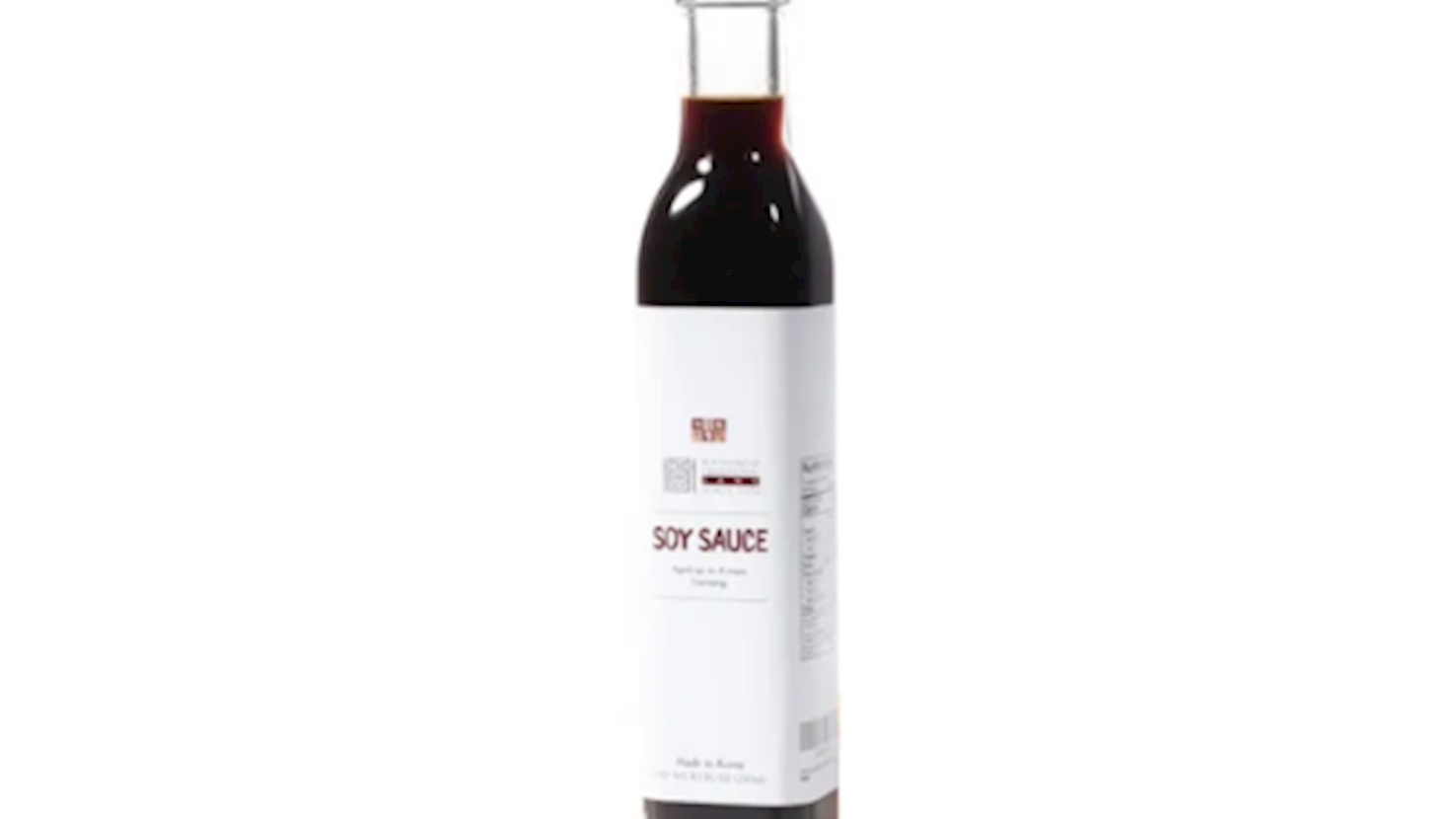
Kisoondo Traditional Jang is a family-run producer from Damyang County in South Korea, recognized for crafting traditional fermented sauces using methods passed down through generations. Their production includes classic Korean jang varieties such as gochujang, doenjang and ganjang, all made exclusively from natural ingredients without additives, preservatives or industrial sweeteners. The raw materials are sourced locally - hand-processed soybeans, bamboo salt and regional water - emphasizing a strong connection to the terroir of Damyang. Fermentation takes place outdoors in ceramic onggi vessels throughout the year, exposed to seasonal temperature shifts and wind, which contributes to slow, deep and complex fermentation. This approach results in sauces with a rich umami profile, layered flavors and pronounced notes of soy, minerality and natural earthiness. Quantities are limited because every step is done by hand under strict fermentation control. Kisoondo Traditional Jang is used in marinades, soups, stews, kimchi preparation and as a finishing element in dishes that benefit from natural fermented depth. The products are considered part of the premium segment of traditional Korean gastronomy and are often purchased as gifts or as specialty ingredients for gourmet kitchens. Due to limited production, they are mainly available in select specialty stores and through chosen distributors. Kisoondo Traditional Jang represents a blend of artisanal craftsmanship, cultural heritage and carefully preserved tradition carried through every jar of fermented jang.
07

Sedaap

4.3 ·
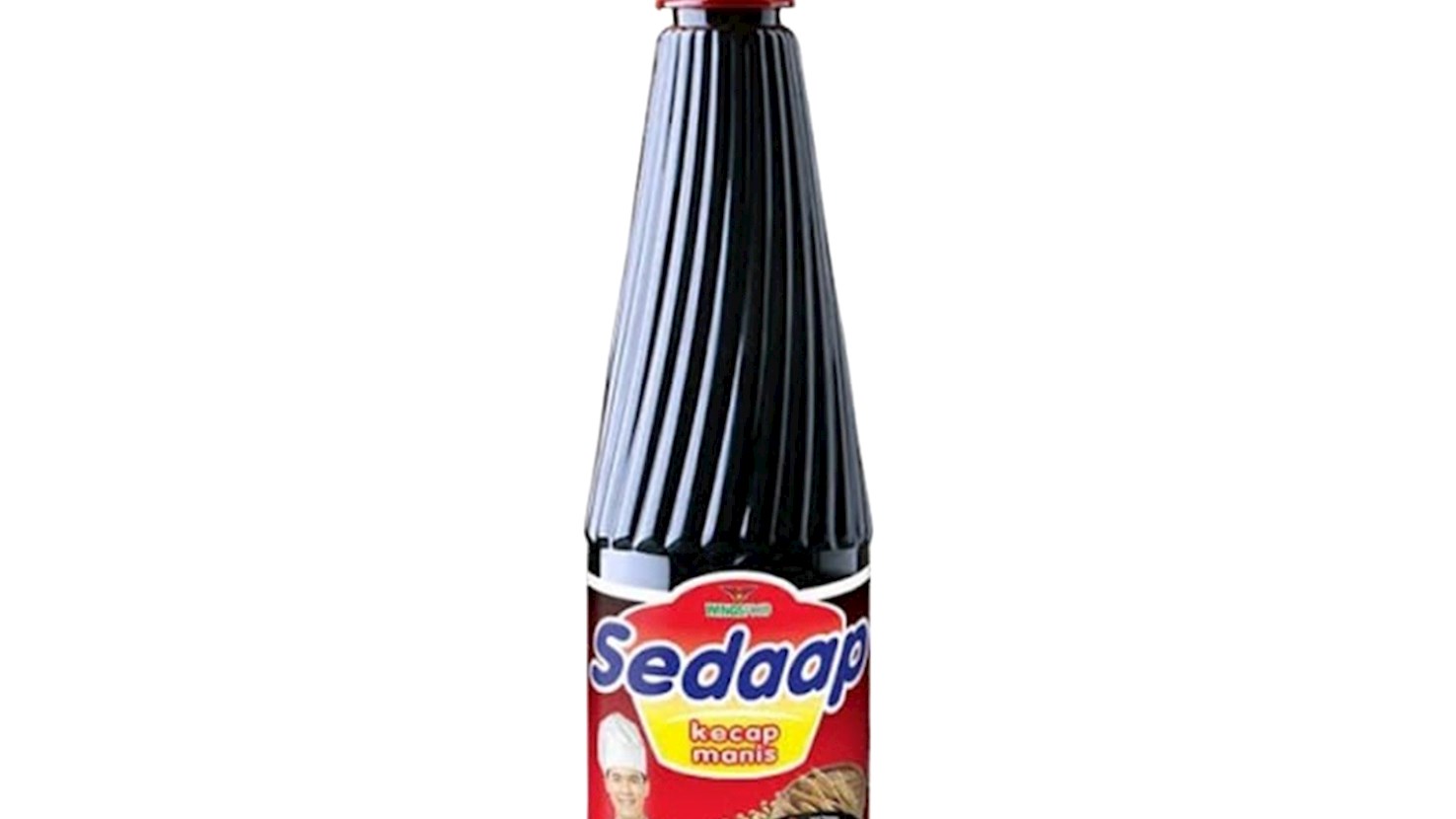
Sedaap is a premium soy sauce brand crafted with care to deliver rich, authentic flavors. Known for its blend of quality ingredients and traditional Indonesian recipes, Sedaap is a versatile condiment perfect for enhancing a wide range of dishes. From stir-fries and marinades to dipping sauces, it brings a harmonious balance of sweetness and savory notes, making it a favorite choice for home cooks and culinary enthusiasts alike. Discover the essence of true Indonesian taste with Sedaap.
08

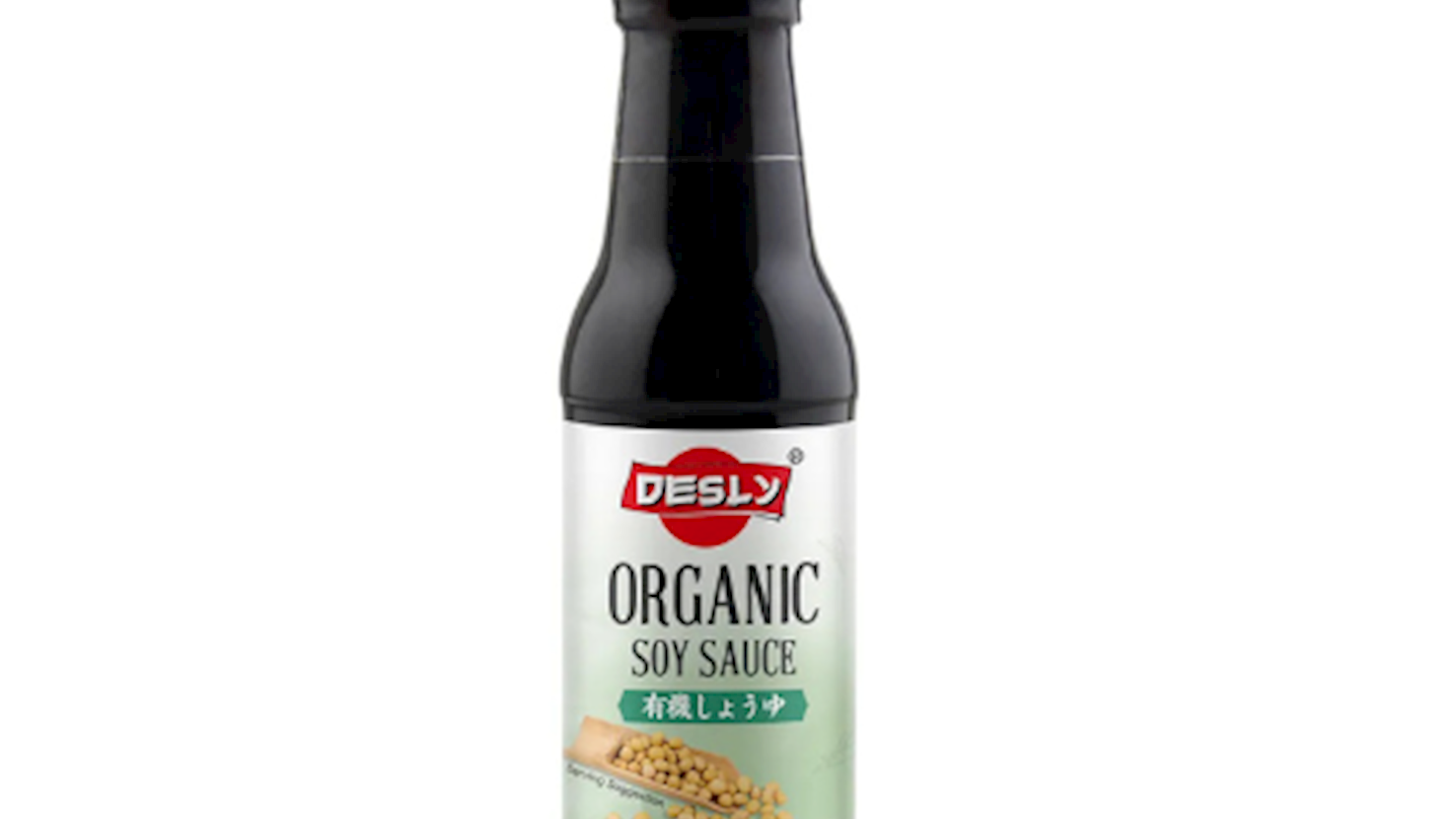
Desly Foods

4.3 ·
Desly Foods is a well-established manufacturer specializing in the production of high-quality canned food products. Founded in 1996, the company has grown into one of China's leading producers, exporting to international markets. Desly offers a wide range of products, including canned vegetables, fruits, and ready-to-eat meals. With a focus on food safety and quality, they adhere to rigorous standards, ensuring their products meet both local and global requirements. The company operates advanced processing facilities, utilizing state-of-the-art technology to maintain consistency and efficiency. Desly is committed to sustainable practices, including using eco-friendly packaging and reducing environmental impact. With a strong reputation, they aim to provide nutritious and convenient food options for consumers worldwide.
09

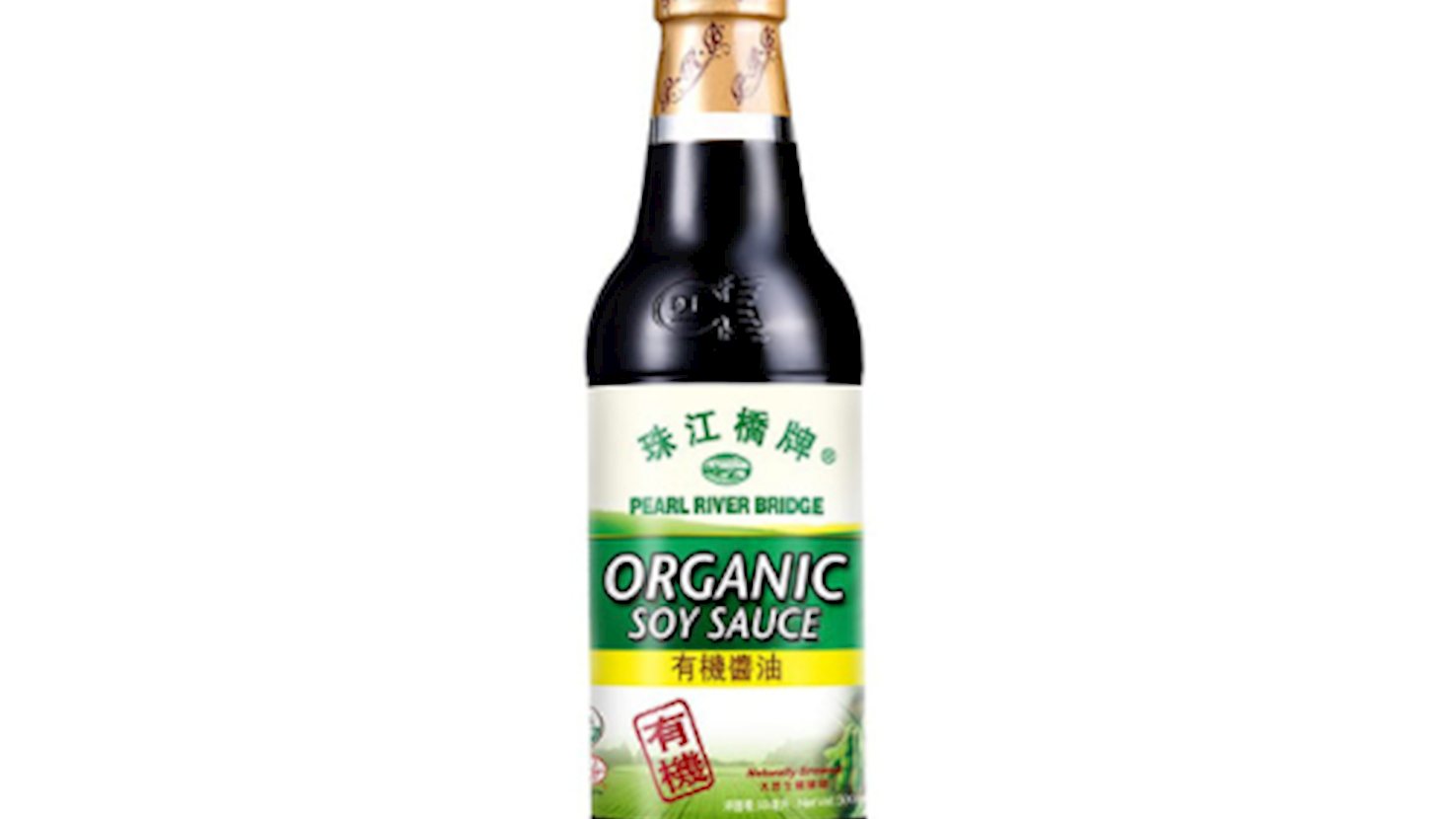
Pearl River Bridge

4.3 ·
Pearl River Bridge is a renowned Chinese food manufacturer, best known for producing high-quality soy sauces, vinegars, and other condiments. Established in 1958, the company has become a leading brand in both domestic and international markets. With a commitment to using traditional brewing techniques and premium ingredients, Pearl River Bridge is recognized for its rich, authentic flavors that enhance the taste of a wide variety of dishes. The company’s product range includes soy sauces, oyster sauces, vinegars, and other seasonings that cater to both professional chefs and home cooks alike. Pearl River Bridge has gained a reputation for consistency, quality, and innovation in the culinary industry.
10

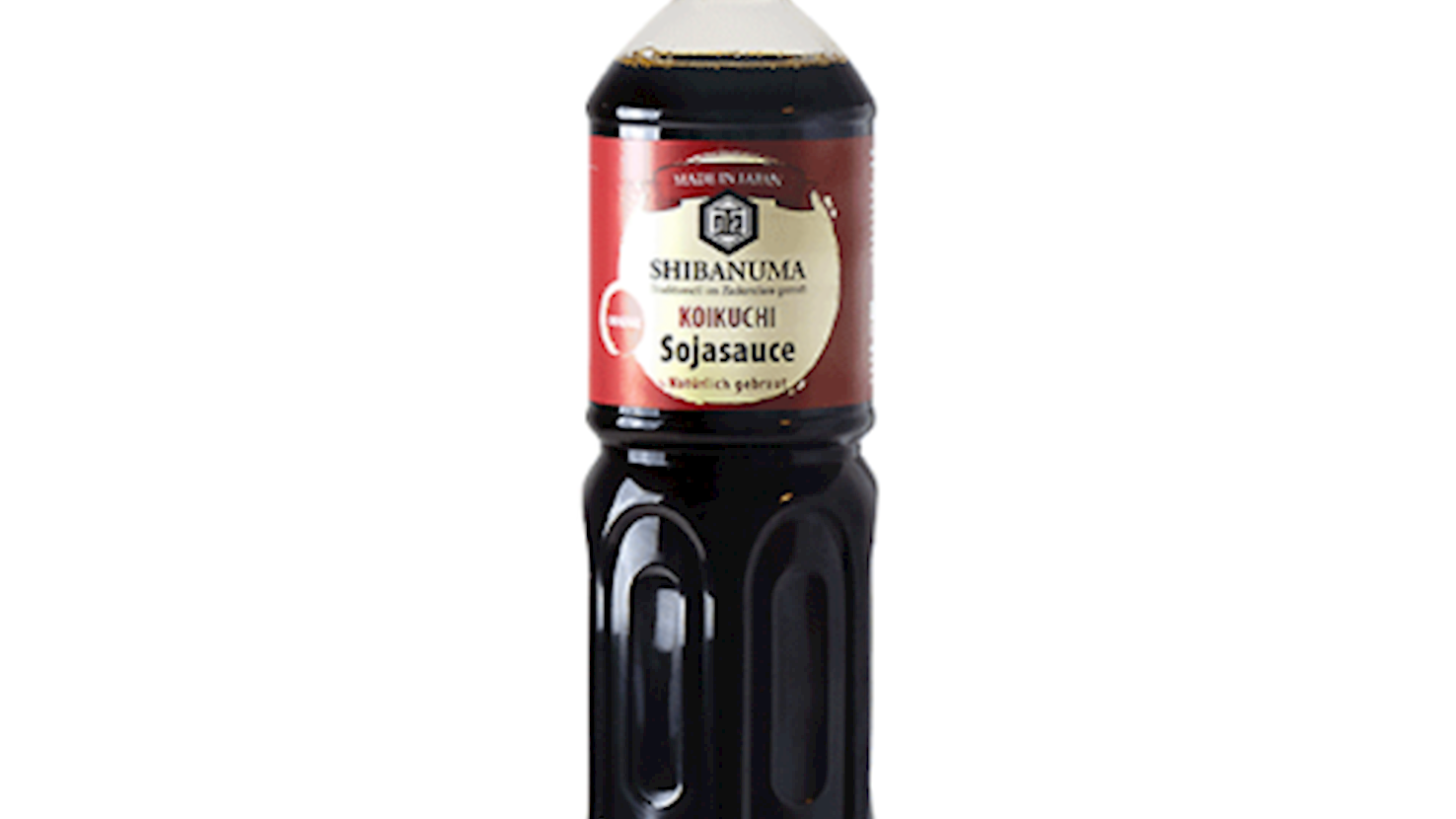
Shibanuma

4.3 ·
Shibanuma is a renowned Japanese manufacturer specializing in the production of high-quality soy sauces and seasonings. Founded in 1742, the company has a long history of producing traditional, naturally brewed soy sauces using carefully selected ingredients and age-old fermentation techniques. Shibanuma’s products are known for their rich umami flavor, offering a perfect balance of taste and aroma that is a hallmark of Japanese cuisine. In addition to soy sauces, Shibanuma also produces a range of other seasonings, such as vinegars, miso, and mirin, all crafted with the same attention to detail and commitment to quality. The company is dedicated to preserving Japan’s culinary heritage while continuously innovating to meet the needs of modern consumers. Shibanuma products are trusted by chefs and home cooks worldwide for their authenticity and excellence, contributing to the global appreciation of Japanese food.
Read more
View all
View map
About this ranking

TasteAtlas food rankings are based on the ratings of the TasteAtlas audience, with a series of mechanisms that recognize real users and that ignore bot, nationalist or local patriotic ratings, and give additional value to the ratings of users that the system recognizes as knowledgeable. For the “Top 29 Asian Soy Sauces” list until June 06, 2026, 605 ratings were recorded, of which 541 were recognized by the system as legitimate. TasteAtlas Rankings should not be seen as the final global conclusion about food. Their purpose is to promote excellent local foods, instill pride in traditional dishes, and arouse curiosity about dishes you haven’t tried.

The initial list of top producers was compiled based on available reviews, awards, local recommendations, media and blog coverage, and consumer reviews. The list will be updated with ratings from TasteAtlas local ambassadors and TasteAtlas users.

Similar lists