Sichuan Pixian Douban is a historic brand from Pidu District (formerly Pixian) in Sichuan Province, known for producing traditional doubanjiang made from fermented fava beans and chili peppers. Its production dates back to the 17th century, giving the brand an exceptional heritage and a strong connection to the local climate and microbial environment that shape the fermentation process. The core of their method involves long, natural sun-fermentation, the use of the local Erjingtiao chili variety, and aging in clay vessels, resulting in a deeply layered, umami-rich flavor profile. The brand holds a protected geographical indication, ensuring that the paste originates directly from Pixian and follows traditional, region-specific techniques. It is recognized for its thick texture, visible bean-and-chili structure, and a distinctive aroma that cannot be reproduced through industrial shortcuts. Because of its authenticity, Pixian douban is considered the benchmark for Sichuan cuisine and the foundation of classics such as Mapo tofu and twice-cooked pork. Despite partial modernization of the industry, the brand continues to uphold original methods that preserve the unique character of natural fermentation. This combination of tradition, terroir, and craftsmanship makes Sichuan Pixian Douban one of China’s most respected and influential producers of doubanjiang.
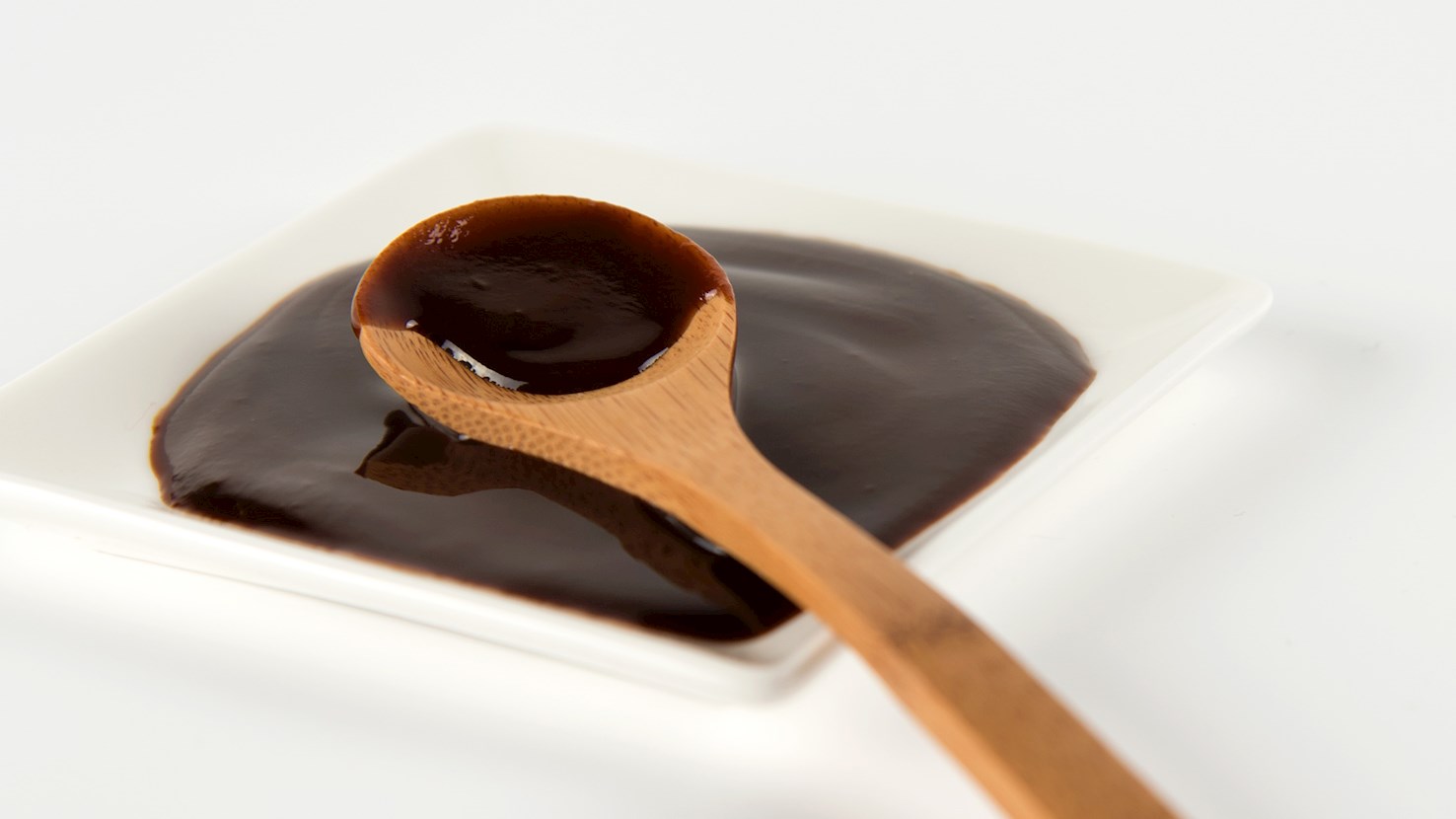
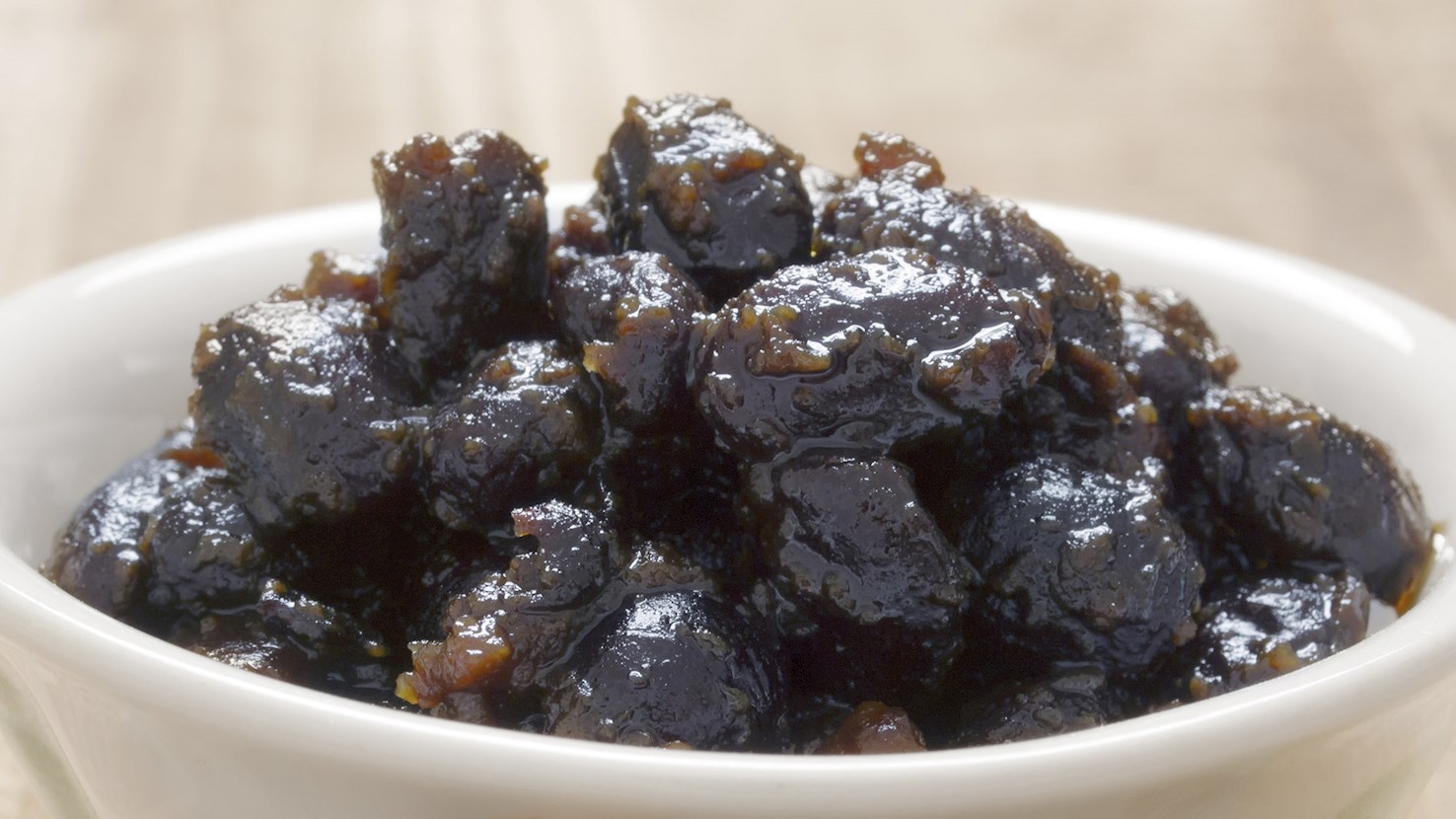
Black bean sauce, also known as douchi sauce, is a popular condiment in Chinese cuisine. It's made with fermented and salted black soybeans, which are used to give the sauce a strong, savory, and slightly bitter flavor. The beans are typically mashed and mixed with other ingredients such as garlic, ginger, sugar, and soy sauce to create a rich, thick sauce. Black bean sauce is often used in stir-fry dishes, marinades, and as a base for other sauces. It's particularly known for its use in dishes such as mapo tofu, black bean chicken, and jjajangmyeon, a Korean-Chinese noodle dish. The unique taste of black bean sauce brings a depth of flavor to dishes that is often described as "umami," a fifth basic taste that is best described as savory.
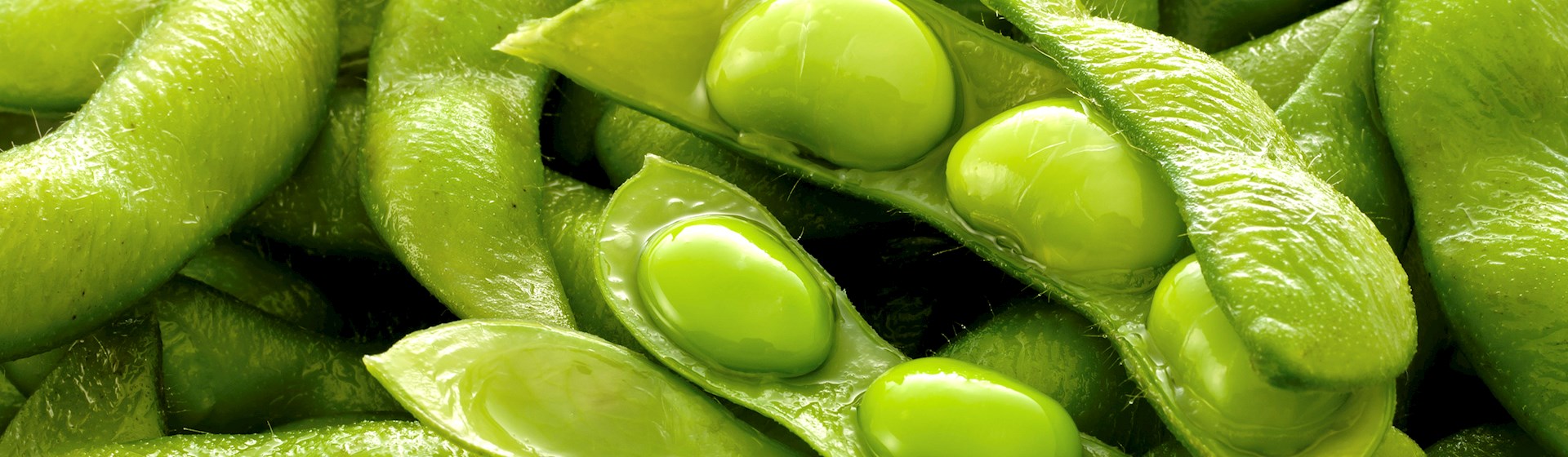
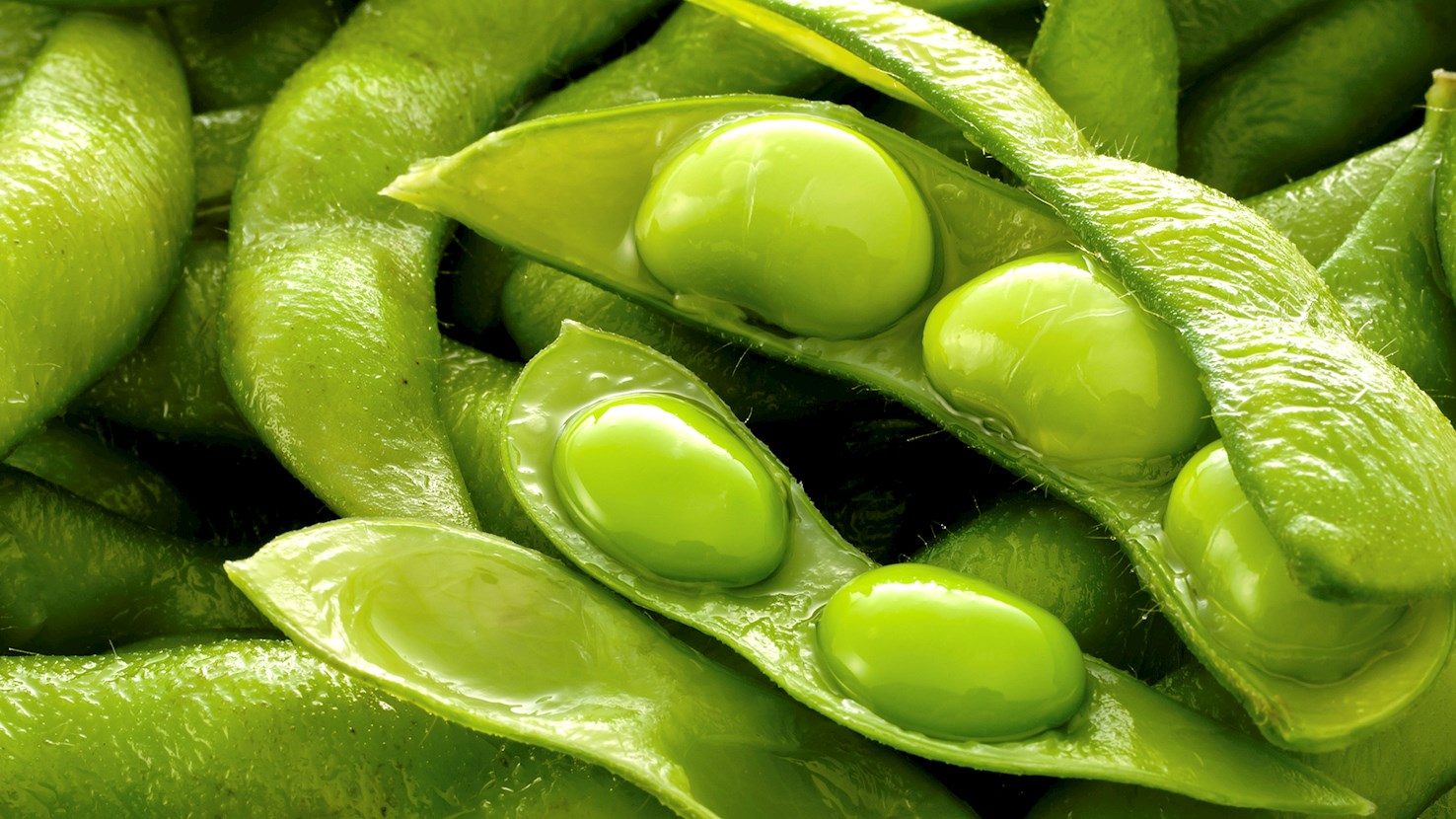
Edamame are fresh soybeans, their name literally translated to beans on branches. The soybeans are usually harvested before they are fully ripe, and are characterized by their crispy, firm texture. The name edamame was first mentioned in 1275, when the Buddhist saint Nichiren wrote a note of gratitude to a parishioner who left the edamame at the temple. Edamame soybeans are often served as a side dish in some Japanese restaurants, but they can also be consumed as a light snack, eaten fresh from the pod. The first mention of consuming fresh soybeans dates back to the Song dynasty, when a poet named Lu You wrote about picking and eating soybeans in his poems. Today, when used in Western-style salads, edamame are usually steamed or lightly boiled, although they can also be used fresh. Fresh soybeans contain great quantities of vitamin C, and some believe that consuming fresh edamame reduces the toxic effects of alcohol consumption.
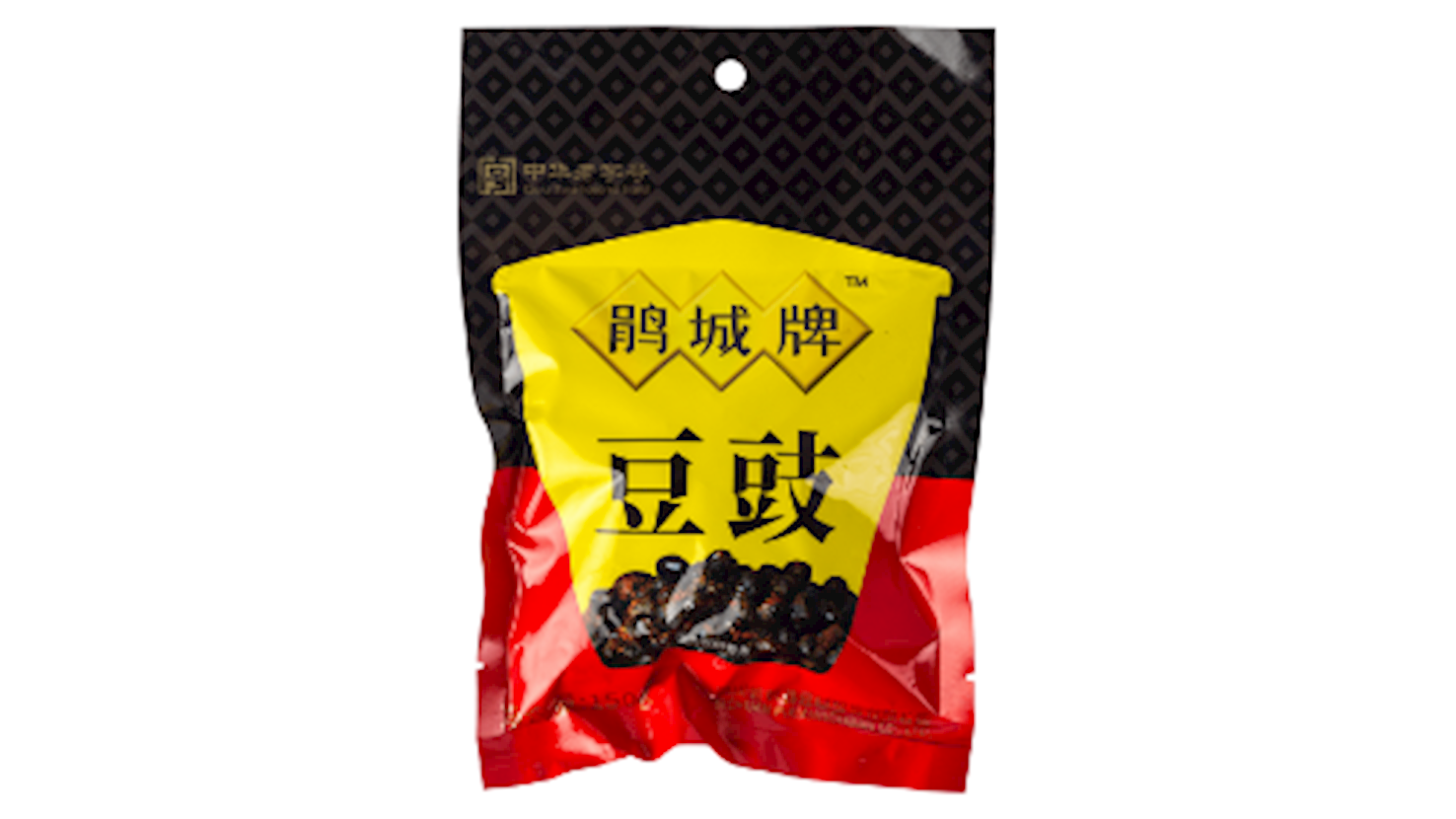
Also known as Chinese fermented black beans, douchi is an indispensable part of Chinese cuisine. The black soybeans are heavily salted and fermented, resulting in an extremely salty ingredient with a robust and pungent flavor. They are rarely eaten plain and are usually used in classic Chinese dishes as a condiment or a seasoning. Since their taste resembles a mix of soy and fish sauce, they are often added to provide a unique flavor to Chinese culinary classics. In the cooking process, they develop a slightly sweet taste, which is a perfect match for stir-fry dishes, rice, and various Chinese sauces. They are also common in meat dishes and classic Chinese soups, in which they enhance the freshness of other ingredients and provide a sharp background flavor. It is believed that douchi has been used in Chinese cuisine for centuries, with the earliest written mention dating back to 173 BC. There are also numerous products created with this unusual ingredient, the most famous of them being black bean sauce, which is also one of the key ingredients in classic Chinese cuisine. Nowadays, packed douchi can be found in stores and supermarkets across China and in many international supermarkets around the world.
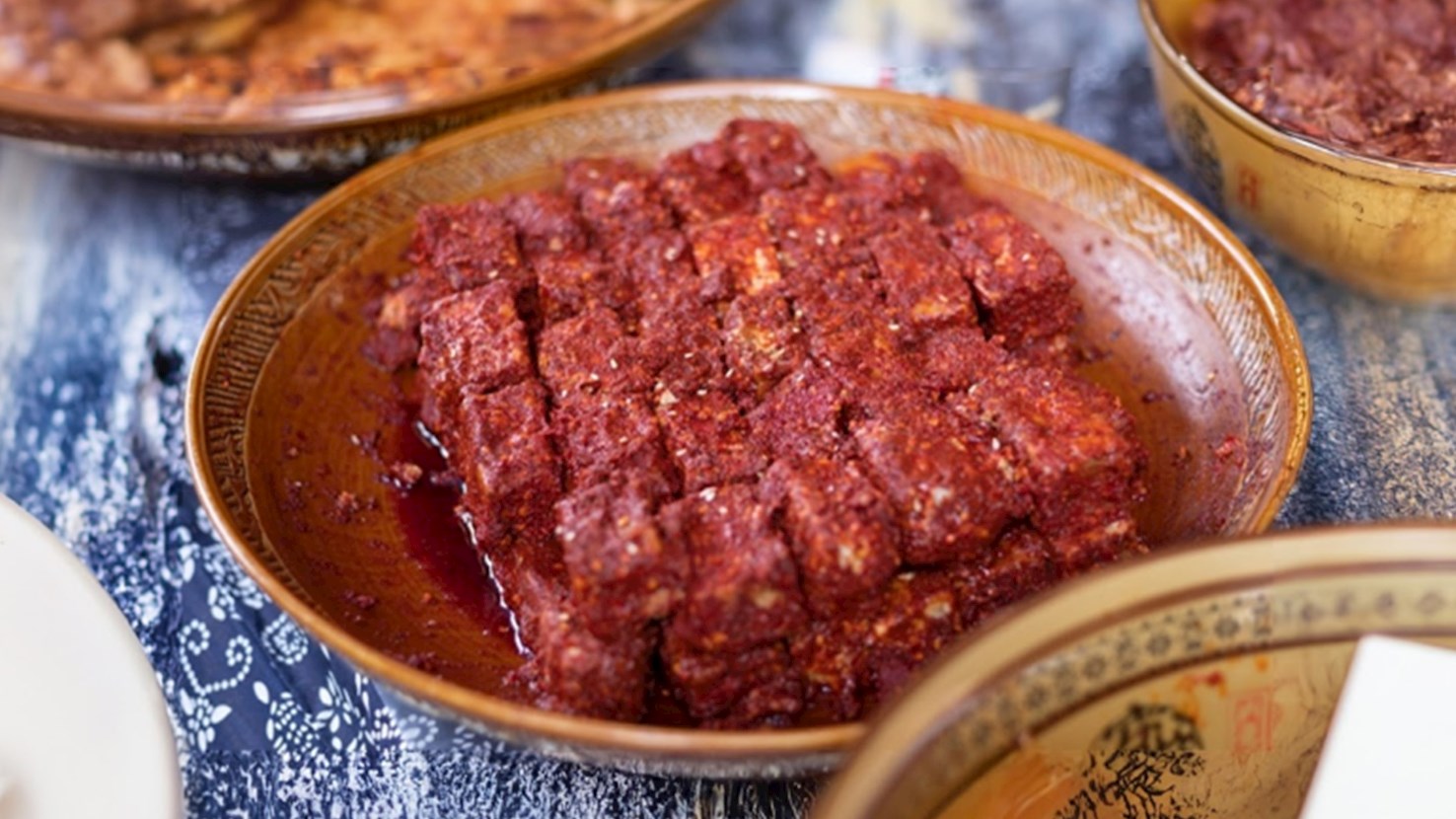
Furu or fermented bean curd is a traditional condiment made from soybeans. Soybeans are soaked, ground, and then boiled to create soy milk. Coagulants are added to the soy milk to curdle it, forming tofu, which is pressed into blocks and dried. The semi-dry tofu blocks are then inoculated with a fermenting agent, which is often a type of mold, like Actinomucor elegans. The tofu is then left to ferment for days to months, depending on the desired flavor and texture. After fermentation, the tofu blocks are submerged in a mixture of salt, rice wine, and sometimes other seasonings and preservatives. This mixture not only adds flavor but also helps preserve the tofu. Fermented bean curd comes in several varieties, including white, red (colored with red yeast rice), and spicy. It has a soft, creamy texture and a strong, distinct flavor, often described as salty, slightly sweet, and umami-rich. It's commonly used in small amounts to flavor dishes, much like a condiment. Due to its intense flavor, it's usually eaten in small quantities, often spread on rice or mixed into vegetable stir-fries, stews, and braises.
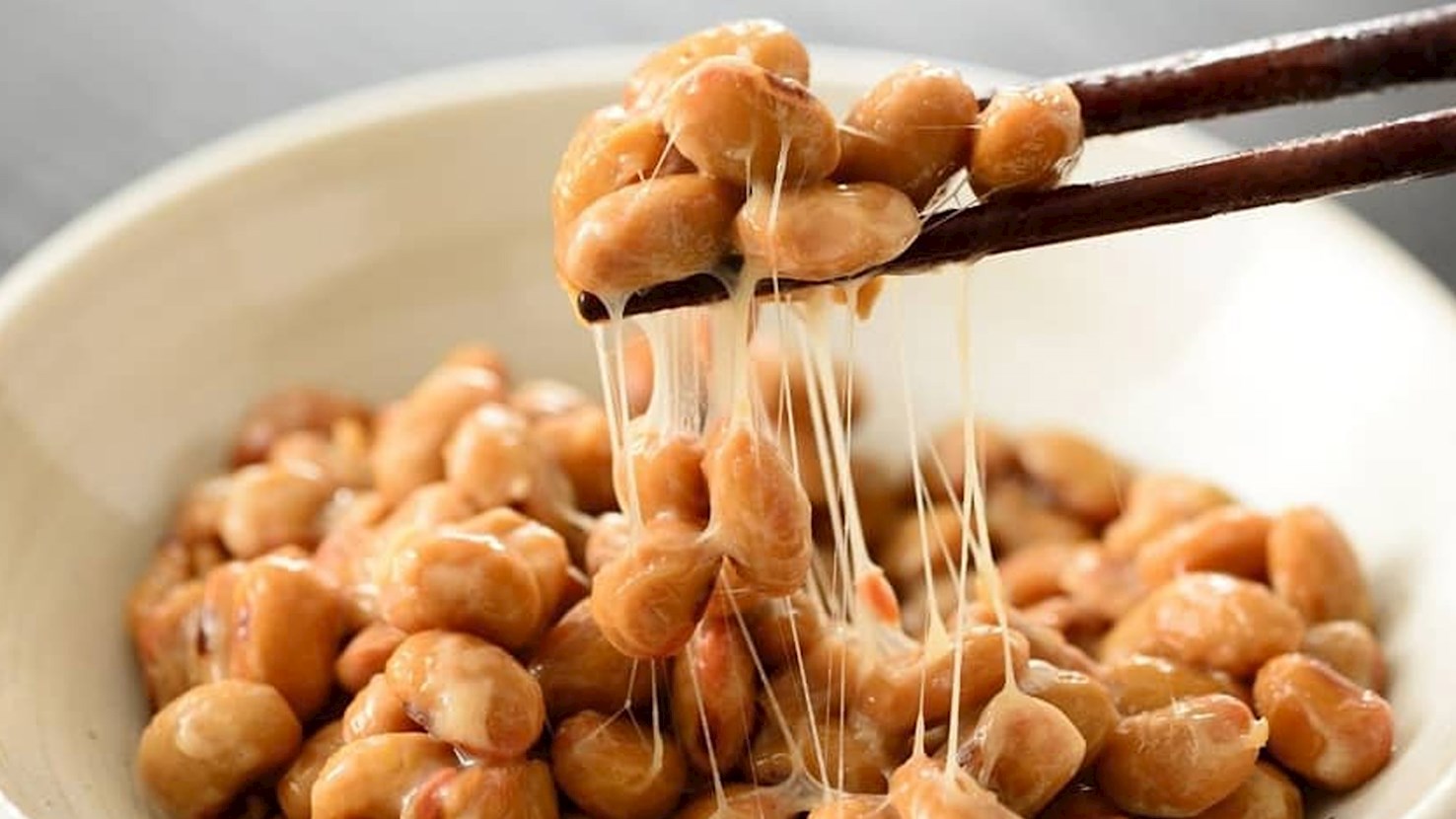
Nattō is an unusual Japanese dish consisting of fermented soybeans. The process of fermenting is time-consuming, but rather simple since it employs merely soaked soybeans and the bacterium Bacillus subtilis, known in Japan as nattō-kin. The final products result in a unique texture of firm beans combined with glutinous strings which hold the beans together. If vigorously mixed, the dish becomes more viscous, creating a unique eating experience. Since it is produced by fermentation, nattō has a pungent, distinctive smell, often compared to that of a strong, aromatic cheese. Depending on the variety, it might even have a light smoky flavor. Originally, this unusual Japanese creation was produced by storing soybeans in rice straws, which naturally produce the bacteria. Today, it is usually factory-made in controlled environments, then sold in supermarkets in packed containers. Nattō is especially popular in East Japan, and it is rarely found on the western side of the country. The Japanese prefer to incorporate it in traditional Japanese-style breakfast, where nattō is usually placed on top of rice, accompanied by fish produce, miso soup, and tofu. Occasionally, it is used as a condiment, as a tofu topping, spread on a slice of bread, and even incorporated in sushi. When eaten as a meal on its own, nattō is often topped with sliced scallions. The store-bought packages usually include coagulated sauce, mustard, or soy sauce, which are subsequently mixed with the beans. Despite its distinctive smell and the unique texture, this ancient Japanese dish has numerous health benefits, and its popularity is rising in and outside Japan.
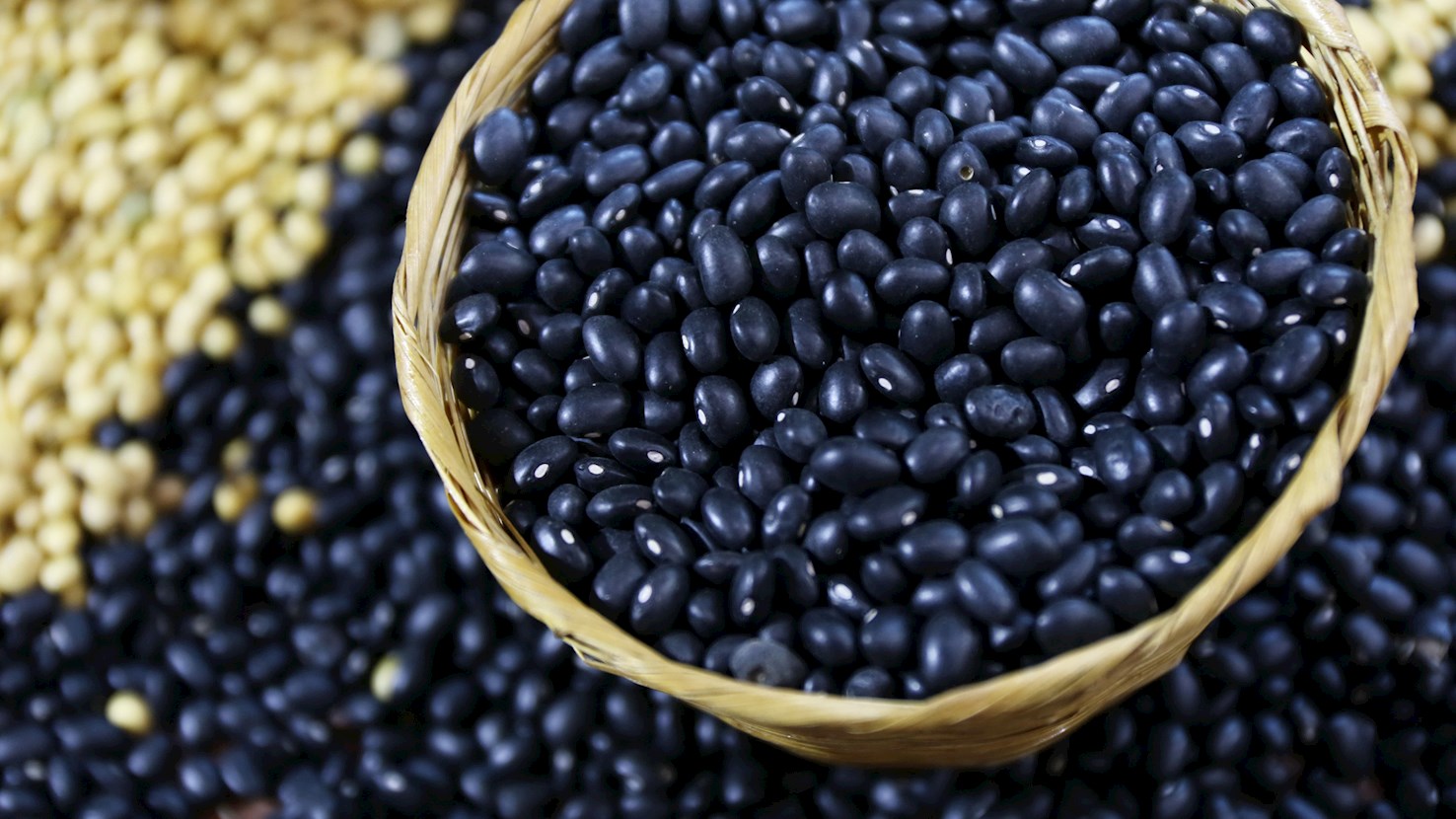
Black soybean is a variety of soybean that's native to China and contains a variety of phytochemicals. The phytochemicals found in the dark exterior of black soybeans, such as antioxidants, are potentially effective in helping to reduce the risk of diabetes, cerebrovascular diseases, cancer, and depression. These soybeans have long been used in Chinese medicine, while in Japanese folklore, the tea made from black soybean leaves is a cure for sore throat. Although the Japanese eat yellow soybeans in many foods such as soy sauce and natto, the black soybean is usually eaten only once a year in a traditional dish that's prepared for New Year's. The soybeans are available in dried and canned versions, but there is also black soybean flour for the more adventurous types. The flavor is more similar to black beans than it is to yellow soybeans, and due to their delicate skin and silky texture, they should be soaked overnight and cooked in salted water.
Liúyáng dòuchǐ is a fermented black soybean condiment from Liuyang in Hunan province, known for its intense aroma, deep umami flavor, and versatile use in cooking. It is one of the region’s most important seasonings, prized for the way it enhances the taste of stir-fries, braises, and steamed dishes. While dòuchǐ is made in various parts of China, the version from Liuyang is especially valued for its balanced saltiness, complexity, and slightly smoky undertones, qualities that come from careful fermentation techniques and a distinctive local climate. The origins of Liuyang dòuchǐ date back centuries, closely linked to the widespread practice of fermenting soybeans as a way to preserve protein and concentrate flavor in regions with hot, humid summers. The fertile lands around Liuyang have long supported abundant soybean cultivation, and local producers developed their own methods to process and ferment the beans. Over time, this led to a reputation for high-quality dòuchǐ, which became an essential part of Hunanese cooking. It was widely used in home kitchens and restaurants alike, and often prepared and stored in earthenware jars to be used throughout the year. Preparation of Liuyang dòuchǐ begins with whole black soybeans, which are soaked, steamed, and then inoculated with naturally occurring microorganisms during a controlled fermentation period. The beans are spread out and left to ferment until they develop a layer of mold, which helps break down proteins and intensify umami. After fermentation, they are salted and often mixed with ingredients like ginger, rice wine, or chili to deepen their flavor. The beans are then aged further to allow their taste and aroma to develop fully. The final product is dark, slightly wrinkled, and intensely fragrant, with a complex profile that is salty, earthy, and slightly bitter, often with subtle sweet or smoky notes. In Hunan households, Liuyang dòuchǐ is a pantry staple, often kept in small jars and used to season simple home-cooked meals as well as elaborate banquet dishes. It is most commonly added to stir-fries and braised dishes but also appears in dipping sauces and chili condiments. It pairs particularly well with bold ingredients such as smoked pork, chili peppers, and garlic, which match its intensity.
Kedelai goreng is a simple Indonesian preparation of fried soybeans, commonly used as a savory garnish or crunchy snack throughout the country. It consists of whole soybeans that are soaked, drained, and deep-fried until golden and crisp. While its ingredients and technique are minimal, kedelai goreng plays an important supporting role in adding texture and depth to soups, rice dishes, and various street foods. The preparation begins with dried soybeans, which are soaked in water for several hours or overnight to soften and expand. After draining, the soybeans are often seasoned lightly with salt or garlic before being fried in hot oil until they become evenly browned and crisp. Once fried, they are drained well and left to cool, which further enhances their crunchiness. The result is a nutty, savory component that can be eaten on its own or used to enhance the mouthfeel of soft or liquid-based dishes. In some home kitchens and warungs, garlic slices or curry leaves are fried alongside the soybeans to infuse the oil with extra aroma and flavor. Kedelai goreng is commonly found as a topping in Sundanese cooking, particularly in lighter soups and broths where texture contrast is desirable. Its use in soto Bandung is a notable example, where the crunchy soybeans are added just before serving to maintain their texture in the hot broth. It is also occasionally sprinkled over warm rice, vegetable dishes, or combined with sambal for a spiced snack. The flavor is subtly nutty with a mild saltiness, making it a flexible addition to many kinds of Indonesian meals.
Hugan jiang is a traditional yellow bean sauce. This sauce is made from fermented soybean leftovers from the production of soy sauce. The leftovers are mixed with salt, flour, and water, sugar, or soy sauce. There are many varieties of yellow bean sauce and different spices and seasoning are added to each jar of this sauce. Hugan jiang is often used in a variety of dishes such as stews and meat dishes.
TasteAtlas food rankings are based on the ratings of the TasteAtlas audience, with a series of mechanisms that recognize real users and that ignore bot,
nationalist or local patriotic ratings, and give additional value to the ratings of users that the system recognizes as knowledgeable.
For the “Top 9 Asian Soybeans” list until June 10, 2026, 513 ratings were recorded, of which 457 were recognized by the system as legitimate.
TasteAtlas Rankings should not be seen as the final global conclusion about food. Their purpose is to promote excellent local foods,
instill pride in traditional dishes, and arouse curiosity about dishes you haven’t tried.
The initial list of top producers was compiled based on available reviews, awards, local recommendations, media and blog coverage, and consumer reviews.
The list will be updated with ratings from TasteAtlas local ambassadors and TasteAtlas users.