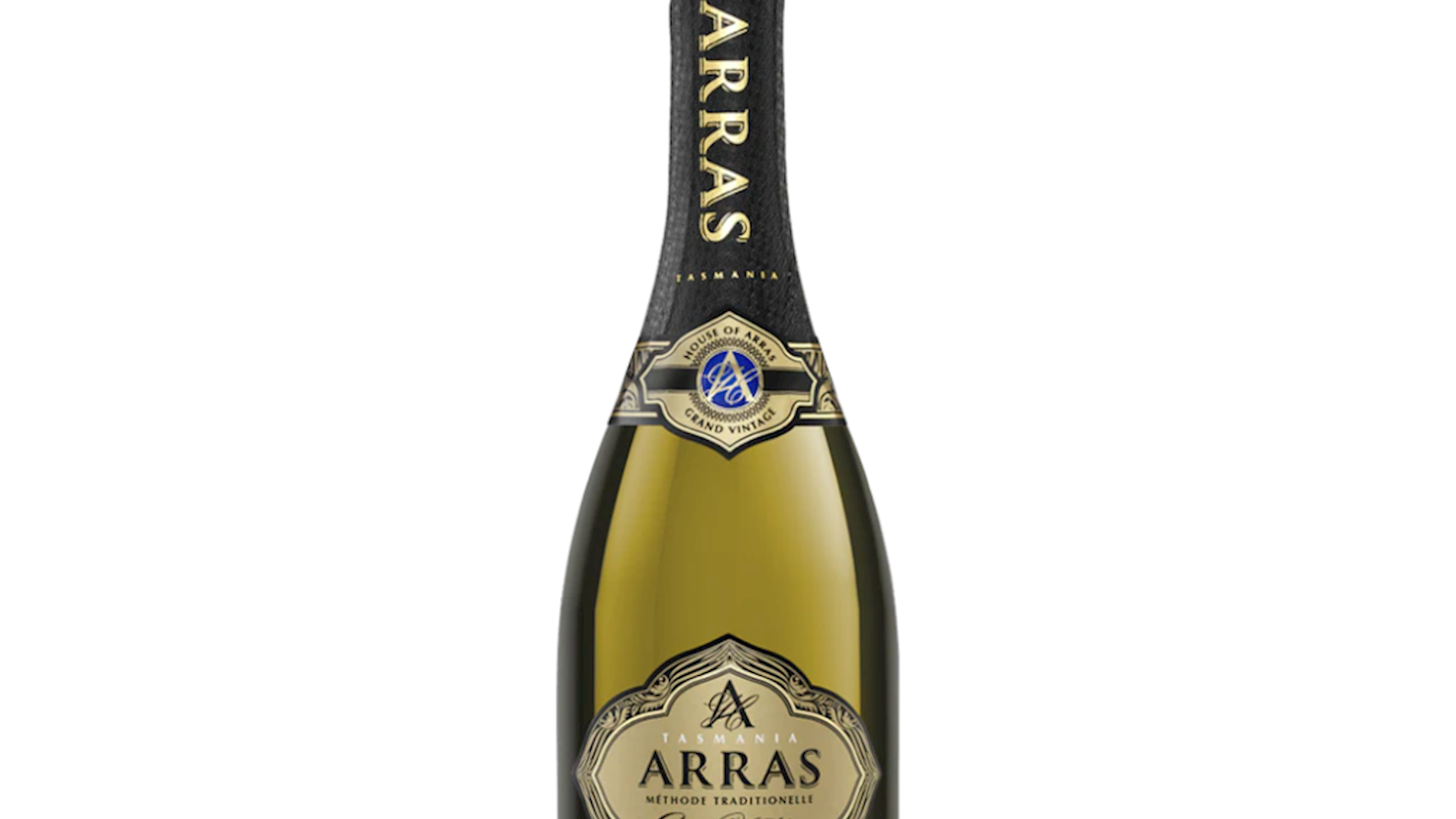
House of Arras is Australia's most awarded winery specializing in the production of sparkling wines, located in the picturesque surroundings of Pipers River in Tasmania. Founded in 1995 by Ed Carr, one of the world’s most respected sparkling winemakers, the winery has set high standards within the Australian wine industry. The winery uses only Chardonnay, Pinot Noir, and Pinot Meunier grapes sourced from carefully selected vineyards across Tasmania. Thanks to the region’s cool climate and unique terroir, House of Arras wines are distinguished by exceptional freshness, complexity, and elegance. The production process follows the traditional method of bottle fermentation and extended aging on the lees, resulting in wines with rich flavor and fine perlage. Visitors can enjoy tastings and guided tours at the winery. Tastings include various masterclasses and vineyard walks, offering a unique opportunity to learn about the sparkling wine production process.
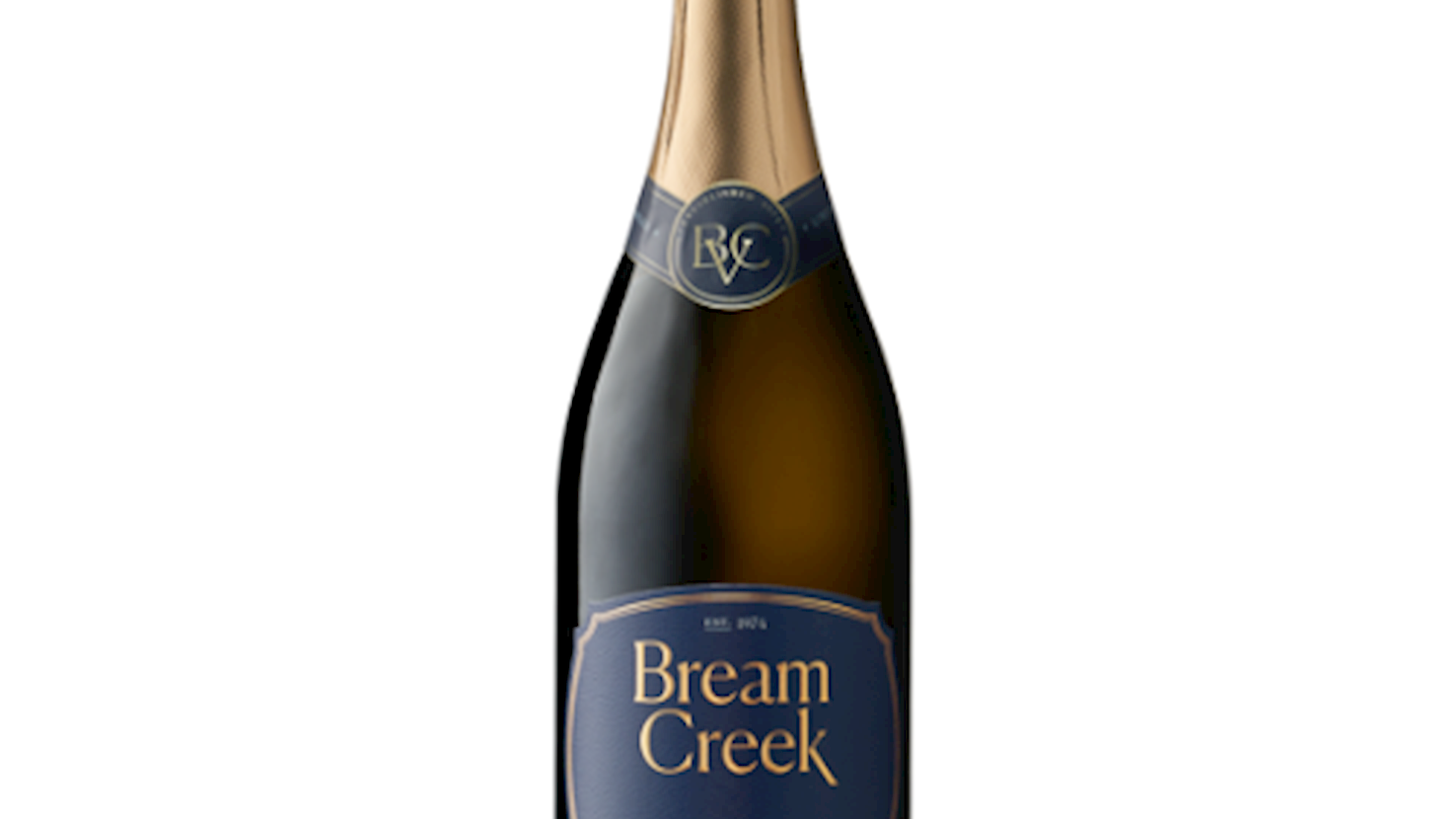
Bream Creek Vineyard is a renowned winery located on Tasmania's southeast coast in Australia. Established in 1974, it is one of the oldest commercial vineyards in the region. The vineyard benefits from Tasmania’s cool maritime climate, which is ideal for producing premium, cool-climate wines.
Bream Creek Vineyard is particularly famous for its Pinot Noir and Chardonnay, but it also produces other varieties, including Riesling, Sauvignon Blanc, and sparkling wines. Their wines are known for their elegance, complexity, and vibrant fruit flavors, often earning them prestigious awards in both national and international wine competitions.
Awards
Frankfurt International Trophy - Grand Gold
(2023)
Mount Gambier is a viticultural region located in the southeastern corner of South Australia that surrounds the city and its notable volcanic features. The region is defined by a cool maritime climate and its specific location on the Limestone Coast, characterized by high winter rainfall and significant influence from the Southern Ocean. Commercial viticulture in the area commenced in 1982 when the first vines were planted at the Herbert vineyard, followed by further expansion in the 1990s as producers sought out the region's cooler temperatures compared to northern South Australian zones. The geological composition is a defining characteristic, featuring a thin layer of fertile soil over a deep base of Gambier limestone, punctuated by more recent volcanic activity that deposited ash and basalt across the landscape. Preparation of Mount Gambier wine centers on Pinot Noir, Chardonnay, and Sauvignon Blanc, with winemaking techniques emphasizing the preservation of high natural acidity and bright primary fruit characters. Chardonnay and Pinot Noir are often fermented in temperature-controlled stainless steel or neutral oak to maintain the structural tension and mineral notes derived from the limestone subsoil. A specific attribute of the region is the presence of the extensive Gambier Limestone karst system, which regulates the water table and provides a consistent subterranean temperature used by some producers for natural cellaring. The wines are served at temperatures that highlight their crispness and aromatic precision, with white wines served at 8°C to 11°C and Pinot Noir served at 14°C to 16°C. Mount Gambier wines are consumed as premium table wines and are frequently found in boutique wine markets and regional South Australian dining establishments. They are frequently paired with local produce from the Limestone Coast and the nearby ocean, such as Sauvignon Blanc served with Southern Rock Lobster or King George Whiting, and Pinot Noir paired with grass-fed wagyu beef or local artisanal cheeses.
The viticultural products of Gippsland consist of the diverse range of wines sourced from the Gippsland Geographical Indication (GI), an expansive territory in southeastern Victoria, that reaches from the urban fringes of Melbourne to the border of New South Wales. The region is functionally divided into three distinct zones: West Gippsland, centered around Warragul and the Strzelecki Ranges; South Gippsland, characterized by maritime influence near Leongatha and Inverloch; and East Gippsland, extending from the Gippsland Lakes toward the snowy river country. Modern viticulture began in the early 1970s with plantings by pioneers such as the Stubbs and Guy families, though commercial momentum accelerated in 1979 with the establishment of high-density vineyards by Phillip Jones at Bass Phillip. The geological profile is highly variable, featuring the deep red volcanic loams (basalt) of the Thorpdale and Strzelecki areas, ancient sedimentary clays in the south, and alluvial river flats in the central and eastern sections. Preparation of Gippsland wine is primarily focused on Pinot Noir and Chardonnay, with winemaking techniques calibrated to the region’s high natural rainfall and cool maritime climate. Pinot Noir is often produced with a focus on structural elegance and earthy complexity, while Chardonnay styles range from lean and citrus-driven in the cooler south to more texturally generous iterations in the west. A technical attribute specific to this region is the presence of the giant Gippsland earthworm, which contributes to the high levels of soil aeration and nutrient cycling in the deep, mineral-rich red soils of the southern vineyards. The wines are served at temperatures that respect their aromatic delicacy, with Chardonnay served at 9°C to 12°C and Pinot Noir served at 14°C to 16°C. Gippsland wines are consumed as premium accompaniments to the region's diverse agricultural output and are a staple of the "paddock-to-plate" culinary scene in Victorian regional centers. They are frequently paired with local dairy and seafood, such as Chardonnay served with Lakes Entrance scallops or soft brie-style cheeses, and Pinot Noir paired with grass-fed Gippsland beef, lamb, or wild-foraged mushrooms.
Macedon Ranges identifies the range of high-altitude wines produced within the Macedon Ranges Geographical Indication (GI), situated in the Great Dividing Range of central Victoria, approximately 60 kilometers northwest of Melbourne. The region is defined by its status as the coldest wine-growing district on the Australian mainland, with vineyard elevations ranging from 400 to 800 meters above sea level and a climate characterized by high rainfall and significant frost risk. Modern viticultural development in the area was initiated in 1968 with the planting of the Virgin Hills vineyard by Tom Lazar, followed by the establishment of Granite Hills by the Knight family in 1970 and Hanging Rock Winery in 1983. The geological composition of the region is predominantly divided between ancient granitic outcrops and weathered Ordovician shale and sandstone soils. Preparation of Macedon Ranges wine is centered on Chardonnay, Pinot Noir, and sparkling wine production, with winemaking techniques adapted to manage the exceptionally high natural acidity and low pH levels achieved in the fruit. Pinot Noir is typically fermented using a high proportion of whole bunches to introduce savory tannins and spice, while Chardonnay is often fermented and matured in French oak to balance its intense linear acidity with textural complexity. A specific technical attribute of the region is its extreme diurnal temperature range, which often necessitates the use of overhead frost protection systems and specialized canopy management to ensure fruit reaches phenolic ripeness before the onset of winter. The wines are served at temperatures that preserve their structural tension, with sparkling and white varieties served at 7°C to 10°C and Pinot Noir served at 14°C to 16°C. Macedon Ranges wines are consumed as premium table selections in domestic and international fine dining markets and are highly sought after by collectors for their longevity. They are frequently paired with regional Victorian agricultural products, such as Pinot Noir served with roasted lamb, game birds, or truffles, and Chardonnay and sparkling wines paired with local trout, hazelnuts, or hard alpine-style cheeses.
Tasmanian wine consists of the diverse range wine produced within the state of Tasmania, which is designated as a single Geographical Indication (GI) but functionally divided into seven distinct sub-regions including the Tamar Valley, Coal River Valley, and Derwent Valley. The region is defined by its high southern latitude between 41°S and 43°S, resulting in a cool maritime climate where moderate summer days and cool nights allow for a prolonged ripening period. Initial viticultural efforts were recorded in 1823 with Bartholomew Broughton planting vines at Prospect Farm near Hobart, and later Jean-Pierre Fawkner establishing a vineyard in 1834, though the modern commercial industry was established in the mid-1950s by Claudio Alcorso and Graham Wiltshire. The geological foundation of the island features diverse soil types, most notably Jurassic dolerite and basalt in the south and east, and ancient gravelly loams in the north. Preparation of Tasmanian wine is centered on the production of Pinot Noir, Chardonnay, and aromatic whites, with winemaking techniques emphasizing the preservation of high natural acidity and delicate flavor profiles through temperature-controlled fermentation and measured use of oak maturation. A technical attribute that separates the region from mainland Australia is the consistently high acidity levels found in the grapes at phenolic ripeness, which facilitates the production of sparkling wines using the method of secondary fermentation in the bottle. The wines are served at specific temperatures to optimize their chemical expression, with sparkling and white varieties served at 6°C to 10°C and Pinot Noir served at 14°C to 16°C. Tasmanian wines are consumed as premium accompaniments in fine dining contexts and are a primary export of the state's agricultural sector. They are frequently paired with local Tasmanian seafood such as Pacific oysters, abalone, and scallops for the white and sparkling styles, while the red wines are paired with grass-fed beef, venison, or washed-rind cheeses.
Mornington Peninsula designates the range of wines produced within the Mornington Peninsula Geographical Indication (GI), a maritime wine-growing zone located approximately 75 kilometers south of Melbourne. The region is defined by its coastal geography, being surrounded by Port Phillip Bay, Western Port Bay, and Bass Strait, which results in a cool, maritime climate with a narrow diurnal temperature range and high wind exposure. Small-scale viticulture in the area was documented in the late 19th century, specifically by the Swan family in the 1880s, but the modern industry was established in 1972 when Baillieu Myer planted the first modern commercial vines at Elgee Park. Following this, significant expansion occurred during the late 1970s and 1980s as producers identified the red volcanic soils of the "Up-Hill" sub-regions and the yellow brown clays of the "Down-Hill" coastal sites as suitable for early-ripening varieties. Preparation of Mornington Peninsula wine focuses heavily on Pinot Noir and Chardonnay, with winemaking techniques utilized to manage the high natural acidity and fruit purity provided by the long growing season. Pinot Noir is typically fermented in small open-top fermenters, often incorporating whole-bunch fermentation to introduce structural complexity and savory tannins before maturation in French oak. Chardonnay production frequently involves barrel fermentation and lees stirring to balance the citrus-driven acidity with textural weight. A specific technical attribute of the region is the prevalence of Pinot Gris and Pinot Grigio, as the area produces the highest volume of premium iterations of these varieties in Australia, utilizing two distinct styles: the rich, barrel-fermented "Gris" and the crisp, stainless steel-fermented "Grigio." The wines are served at specific temperatures to preserve their delicate volatile compounds, with white wines served at 8°C to 11°C and Pinot Noir served at 14°C to 17°C to avoid masking its aromatic profile with excessive heat. Mornington Peninsula wines are consumed as premium table selections and are integral to the region's culinary tourism sector. They are frequently paired with regional Victorian produce, such as Pinot Noir served with roasted duck, lamb, or game meats, and Chardonnay and Pinot Grigio paired with locally caught King George Whiting, calamari, or soft goat cheeses.
Orange refers to the wine sourced from the Orange Geographical Indication (GI) located in the Central Tablelands of New South Wales. The region is defined by its volcanic origin, centered on the extinct volcano Mount Canobolas, and is unique for being the only Australian wine region defined by altitude, requiring all vineyards to be situated at or above 600 meters sea level. Commercial viticulture was established in the early 1980s, following the success of test plots planted in the late 1970s that demonstrated the suitability of the cool, high-altitude climate for varieties previously associated with more southern latitudes. The geological profile of the region is characterized by terra rossa and basalt-based soils on the lower slopes, transitioning to light-colored shales and quartz at higher elevations. Preparation of Orange wine centers on Chardonnay, Shiraz, Cabernet Sauvignon, and Pinot Noir, with winemaking techniques adapted to the high natural acidity and intense ultraviolet light exposure characteristic of the area. Chardonnay is typically fermented in French oak with controlled lees contact to build texture, while Shiraz is produced in a medium-bodied style that emphasizes aromatic spice over heavy extraction. A specific attribute of the region is the impact of altitude on the ripening cycle; as elevation increases, the temperature decreases by approximately 0.6°C for every 100 meters, allowing for a wide range of styles within a single GI. The wines are served at temperatures that preserve their structural tension, with white varieties served at 8°C to 11°C and reds served at 15°C to 17°C to maintain the integrity of their primary fruit profiles. Orange wines are consumed as premium table selections in domestic and international hospitality sectors and are frequently paired with regional agricultural produce. These pairings often include locally sourced venison, lamb, or beef for the red varieties, and trout, orchard fruits, or soft goat cheeses for the Chardonnay and Sauvignon Blanc.
Adelaide Hills wine encompasses the diverse range of wines produced within the Adelaide Hills Geographical Indication (GI), a high-altitude viticultural zone in the Mount Lofty Ranges of South Australia, situated immediately east of the city of Adelaide. The region is defined by a cool, sub-humid climate with significant maritime influence and vineyard elevations ranging from 350 to 710 meters above sea level. The establishment of vineyards in the area began in 1839 with John Barton Hack planting vines in Echunga, followed closely by the 1840s plantings of Arthur Hardy and the development of the first commercial winery by the 1870s. Following a period of decline where many vineyards were converted to apple and pear orchards, the region was revitalized in the late 1970s as producers sought cooler sites for varieties that require a longer ripening period. The geological profile of the Adelaide Hills is characterized by ancient sedimentary rock, including podzolic soils over weathered schist, sandstone, and acidic clay. Preparation of Adelaide Hills wine centers on Sauvignon Blanc, Chardonnay, and Pinot Noir, with the winemaking process emphasizing the retention of high natural acidity and primary fruit aromatics. Sauvignon Blanc is typically fermented in stainless steel at low temperatures to preserve thiol-driven tropical and citrus notes, while Chardonnay often undergoes partial malolactic fermentation and maturation in French oak. A technical attribute that differentiates the region is its status as the center for "alternative" and "minimal intervention" winemaking in Australia, with a high concentration of producers utilizing amphorae, skin contact for whites, and wild yeast fermentations. The wines are served according to their structural profiles, with Sauvignon Blanc and Chardonnay served at 8°C to 11°C and Pinot Noir served at 14°C to 16°C. Adelaide Hills wines are consumed as a core component of the Australian fine dining sector and are frequently exported to international markets specializing in cool-climate styles. They are paired with a variety of regional and global dishes, such as Sauvignon Blanc with goat cheese or fresh shellfish, and Pinot Noir with roasted duck, mushroom-based pasta, or grilled salmon.
Coal River Valley designates the range of wines produced within the Coal River Valley Geographical Indication (GI), a prominent wine-growing zone in southeastern Tasmania, located approximately 20 kilometers northeast of Hobart. The region is characterized by a cool, dry climate with one of the lowest rainfall averages in the state, often receiving less than 500 millimeters annually, and features soils primarily composed of Jurassic dolerite and Triassic sandstone. Large-scale viticulture in the area commenced in the late 1970s and early 1980s, following the recognition that the valley's rain shadow effect and north-facing slopes provided sufficient heat units to ripen late-season varieties despite the high southern latitude. The development of the region was significantly accelerated by the implementation of the Craigbourne Dam irrigation scheme in 1986, which allowed for consistent vine hydration in the naturally arid environment. Preparation of Coal River Valley wine focuses predominantly on Pinot Noir, Chardonnay, and Riesling, with the cool temperatures facilitating the retention of natural acidity and the development of intense fruit flavors. Pinot Noir is typically fermented in small open-top vessels and matured in French oak to develop a profile of dark cherry and spice, while Chardonnay production often involves malolactic fermentation to balance the crisp acidity with a creamy texture. A technical attribute of the region is the prevalence of Cabernet Sauvignon and Merlot, which are successfully ripened here due to the specific heat accumulation of the valley floor, a feature less common in other Tasmanian sub-regions. The wines are served at temperatures calibrated to their chemical structure, with white varieties served at 8°C to 11°C and Pinot Noir served at 14°C to 16°C to emphasize its aromatic volatile compounds. Coal River Valley wines are consumed as premium accompaniments in fine dining establishments and are highly regarded for their balance of power and elegance. They are frequently paired with regional Tasmanian produce, such as Pinot Noir served with Atlantic salmon or roasted duck, and Chardonnay paired with local oysters, scallops, or soft cheeses like brie and camembert.
Yarra Valley wine is a classification of viticultural products grown and fermented within the Yarra Valley Geographical Indication (GI), a cool-climate region encompassing the Yarra River catchment area in the state of Victoria. This region is defined by its diverse topography, ranging from the flat valley floor at 50 meters elevation to steep slopes reaching 400 meters, which creates distinct microclimates suitable for various grape varieties. Commercial viticulture began in 1838 when the Ryrie brothers planted the first vines at Yering Station, followed by significant expansions in the 1860s by Swiss settlers who recognized the area's potential for European-style production. Although the industry faced a complete shutdown in the early 20th century due to economic shifts and a preference for fortified wines, it was successfully replanted and revitalized in the late 1960s and 1970s. The region's geology consists primarily of two soil types: the older, gray-brown sandy loams of the valley floor and the younger, fertile red volcanic soils of the Upper Yarra. Preparation of Yarra Valley wine centers on the cool-climate expressions of Pinot Noir and Chardonnay, which together represent over 60% of the total production. Chardonnay is typically fermented using wild yeasts and matured in French oak to emphasize citrus and flinty mineral characteristics, while Pinot Noir is processed with varying percentages of whole-bunch fermentation to introduce structural tannins and savory, stalky notes. A unique aspect of the region's production is its pioneering role in Australian sparkling wine, particularly through the establishment of Domaine Chandon in 1986, which utilizes the region’s high-acid grapes for Méthode Traditionnelle production. The wines are served at temperatures calibrated to their style: 10°C to 12°C for white wines and 14°C to 16°C for reds. Yarra Valley wines are consumed as premium accompaniments to modern Australian cuisine in both domestic and international markets. Chardonnay is paired with roasted poultry or local freshwater fish such as trout, while Pinot Noir is served with duck, forest mushrooms, or dishes featuring beetroot. The region's sparkling wines are frequently paired with oysters or salty appetizers to balance their crisp acidity.
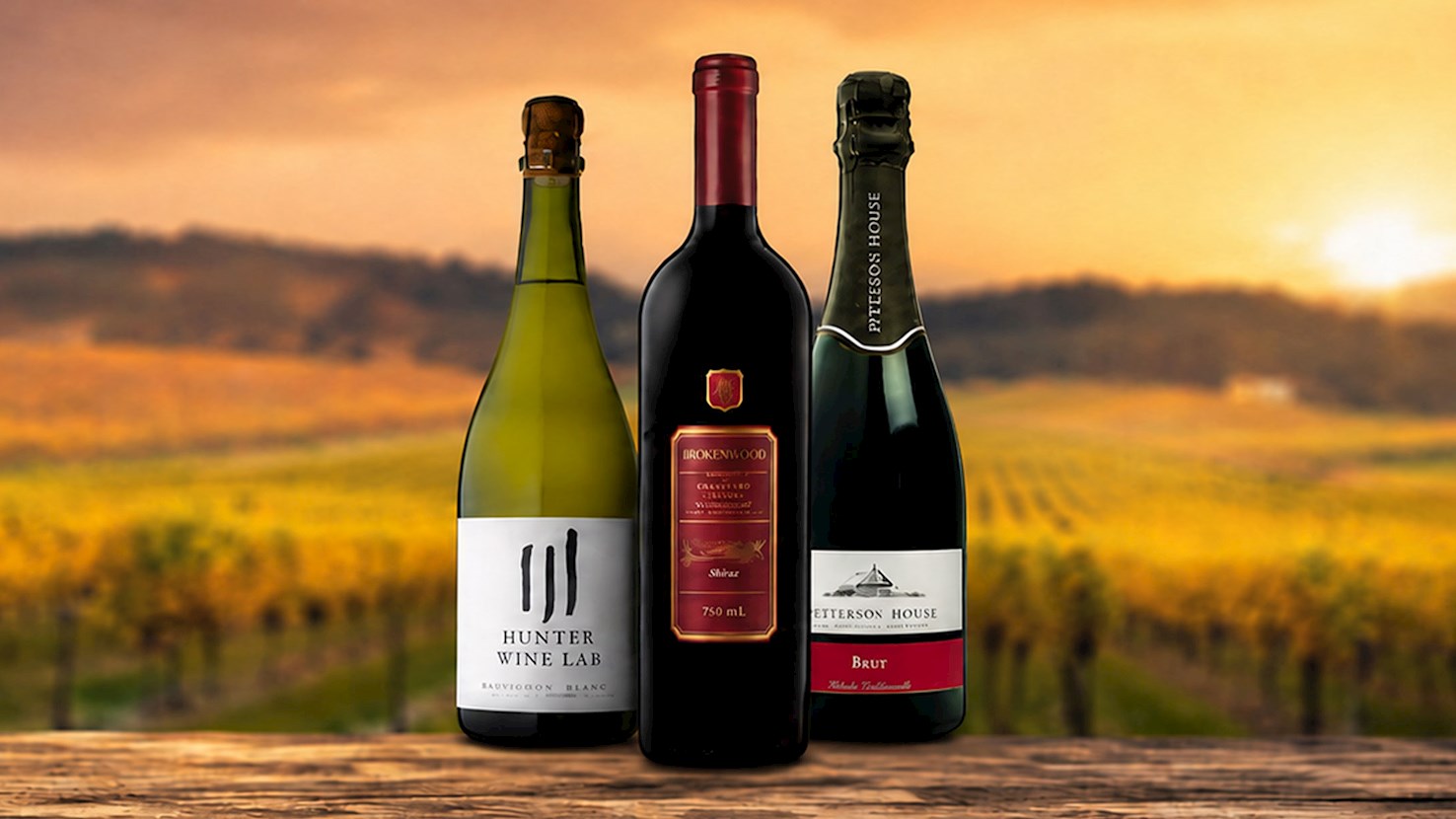
Hunter Valley wine region is located in New South Wales, approximately 160 kilometers north of Sydney. This geographical area is recognized as the oldest commercial wine-growing region in Australia, with viticulture having been established in the early 1820s following the arrival of European settlers. The systematic planting of vines began when James Busby brought a collection of hundreds of vine cuttings from Europe to Australia in 1831, many of which were planted in the Hunter Valley. The region's environment is characterized by a subtropical climate with high humidity and significant summer rainfall, which necessitates specific vineyard management techniques to prevent rot. The soils vary significantly throughout the valley, ranging from sandy alluvial flats to red volcanic clay on the hillsides. Preparation and viticulture in the region are most famous for the production of Semillon, Shiraz, and Chardonnay. Hunter Valley Semillon is processed by harvesting the grapes at low sugar levels, typically between 10% and 11% potential alcohol, and fermenting the juice in stainless steel tanks without oak contact. This method results in a wine that is initially neutral and high in acidity but develops complex aromatic profiles of toast, honey, and nuts after years of bottle aging. Shiraz from this region is typically medium-bodied and characterized by earthy, savory notes rather than the high-alcohol, fruit-driven style found in other Australian regions. Chardonnay production often involves barrel fermentation and malolactic conversion to produce a textured, medium-to-full-bodied white wine. A unique technical aspect of the Hunter Valley is the longevity of its white wines; despite the warm climate, the low pH of the Semillon allows it to age for decades. These wines are served in standard glassware at temperatures ranging from 8°C for young whites to 18°C for aged reds. Hunter Valley wines are consumed globally but remain a staple in the Australian culinary scene. The crispness of a young Semillon is paired with local Sydney Rock oysters or light seafood, while an aged Semillon is often served with smoked fish or creamy poultry dishes. The regional Shiraz is typically matched with grilled red meats, game, or hard cheeses like aged cheddar, which complement its savory tannins and moderate alcohol content.
TasteAtlas food rankings are based on the ratings of the TasteAtlas audience, with a series of mechanisms that recognize real users and that ignore bot,
nationalist or local patriotic ratings, and give additional value to the ratings of users that the system recognizes as knowledgeable.
For the “Top 10 Australian Sparkling Wines” list until June 10, 2026, 0 ratings were recorded, of which 0 were recognized by the system as legitimate.
TasteAtlas Rankings should not be seen as the final global conclusion about food. Their purpose is to promote excellent local foods,
instill pride in traditional dishes, and arouse curiosity about dishes you haven’t tried.
The initial list of top producers was compiled based on available reviews, awards, local recommendations, media and blog coverage, and consumer reviews.
The list will be updated with ratings from TasteAtlas local ambassadors and TasteAtlas users.