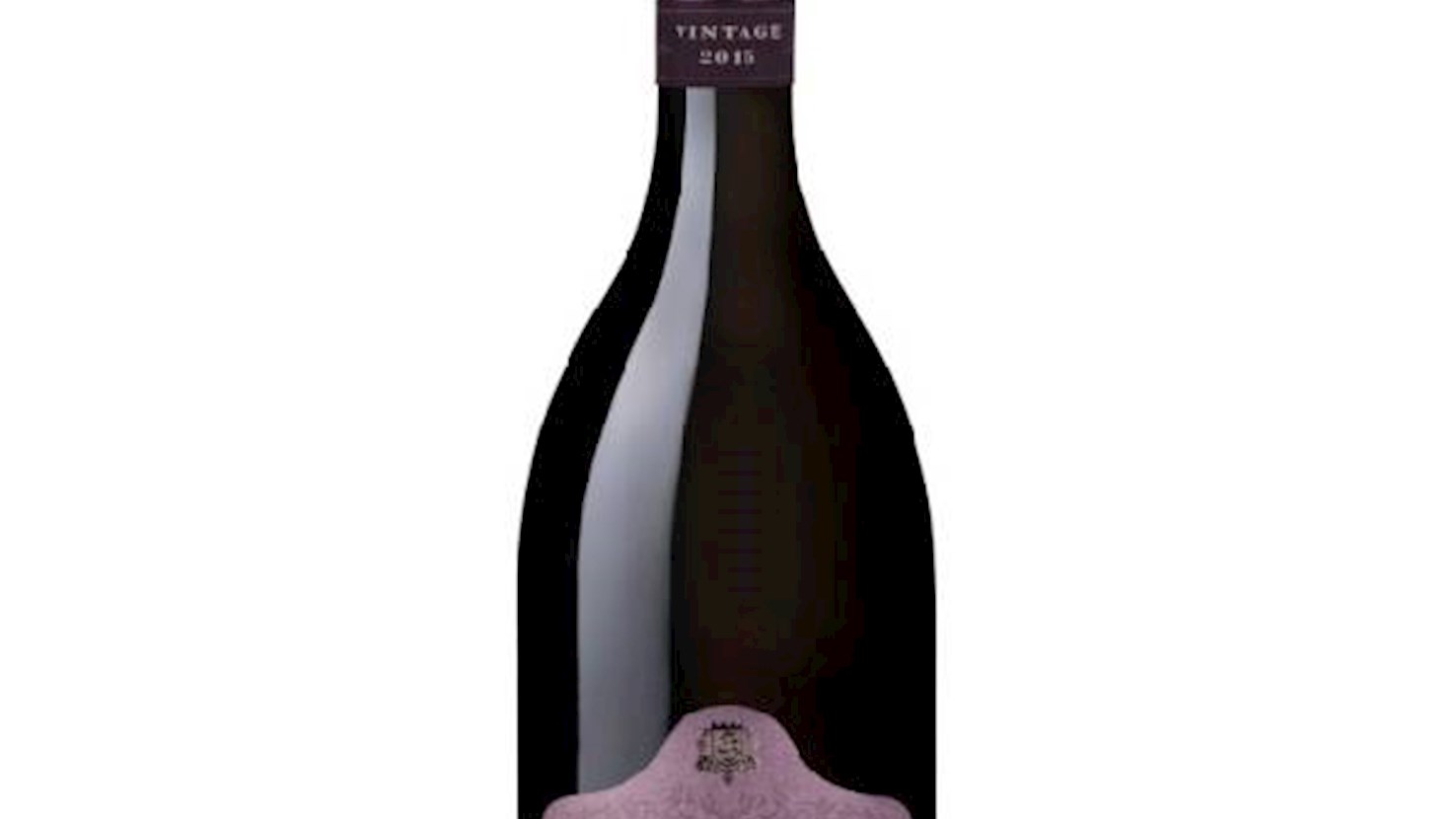
Ca' del Bosco is a distinguished Italian winery renowned for its exceptional sparkling wines. Founded in 1968, the winery has become synonymous with innovation and quality in the world of viticulture. Their commitment to organic viticulture, established in 2014, reflects a deep respect for nature and sustainability. Ca' del Bosco produces a diverse range of wines, including eight types of Franciacorta DOCG, such as Cuvée Prestige, Cuvée Prestige Rosé, Vintage Collection Brut, Vintage Collection Satèn, Vintage Collection Dosage Zéro, Vintage Collection Dosage Zéro Noir, Cuvée Annamaria Clementi, and Cuvée Annamaria Clementi Rosé. Their production philosophy, known as the "Ca' del Bosco Method," emphasizes meticulous attention to detail at every stage of the winemaking process, resulting in wines of exceptional harmony and balance. Over the decades, Ca' del Bosco has garnered international acclaim, becoming a symbol of Italian wine excellence. Their wines have received numerous awards, including 41 "Tre Bicchieri" recognitions from Gambero Rosso since 1998, making them the second most awarded winery in the history of this publication.
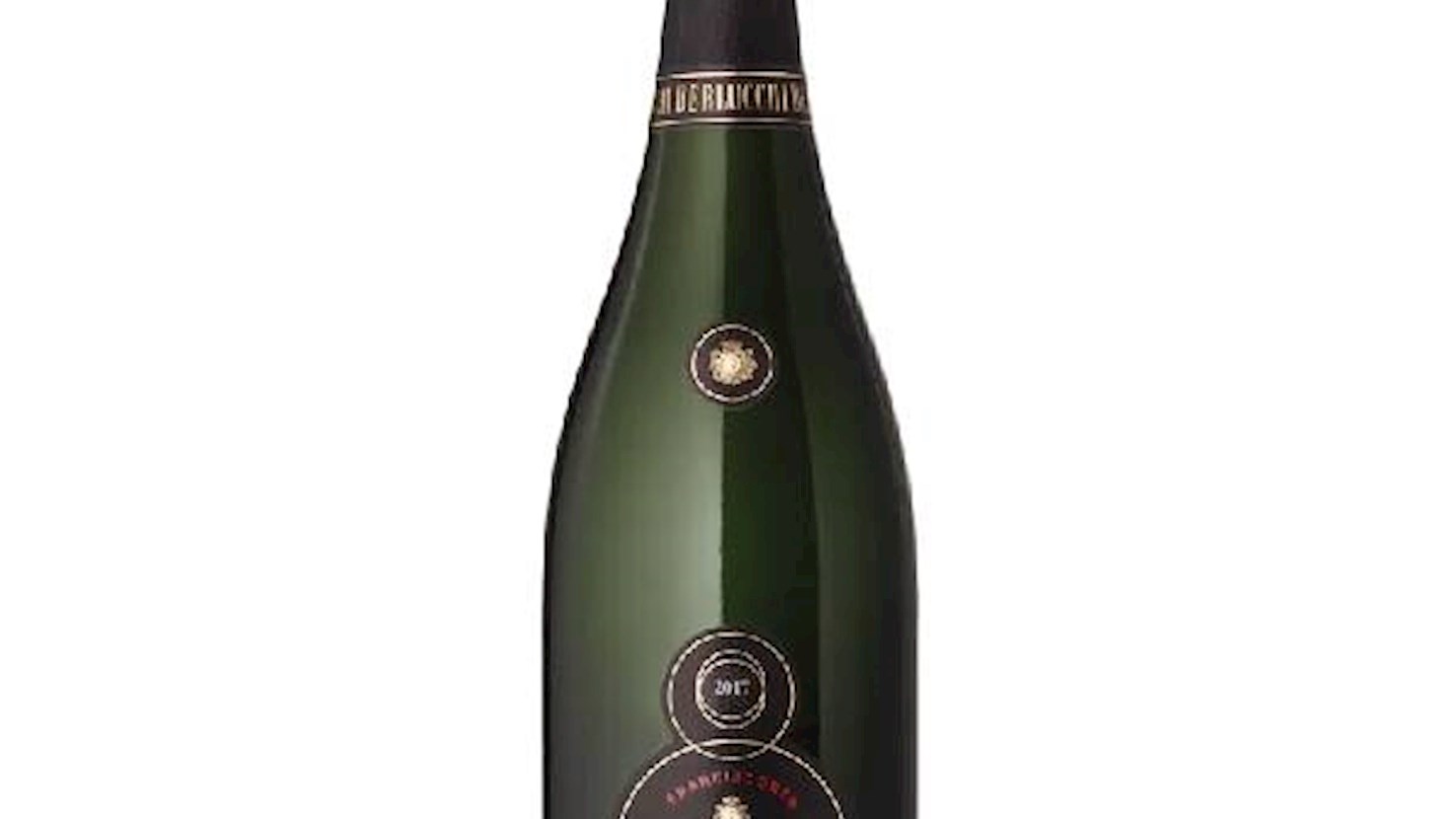
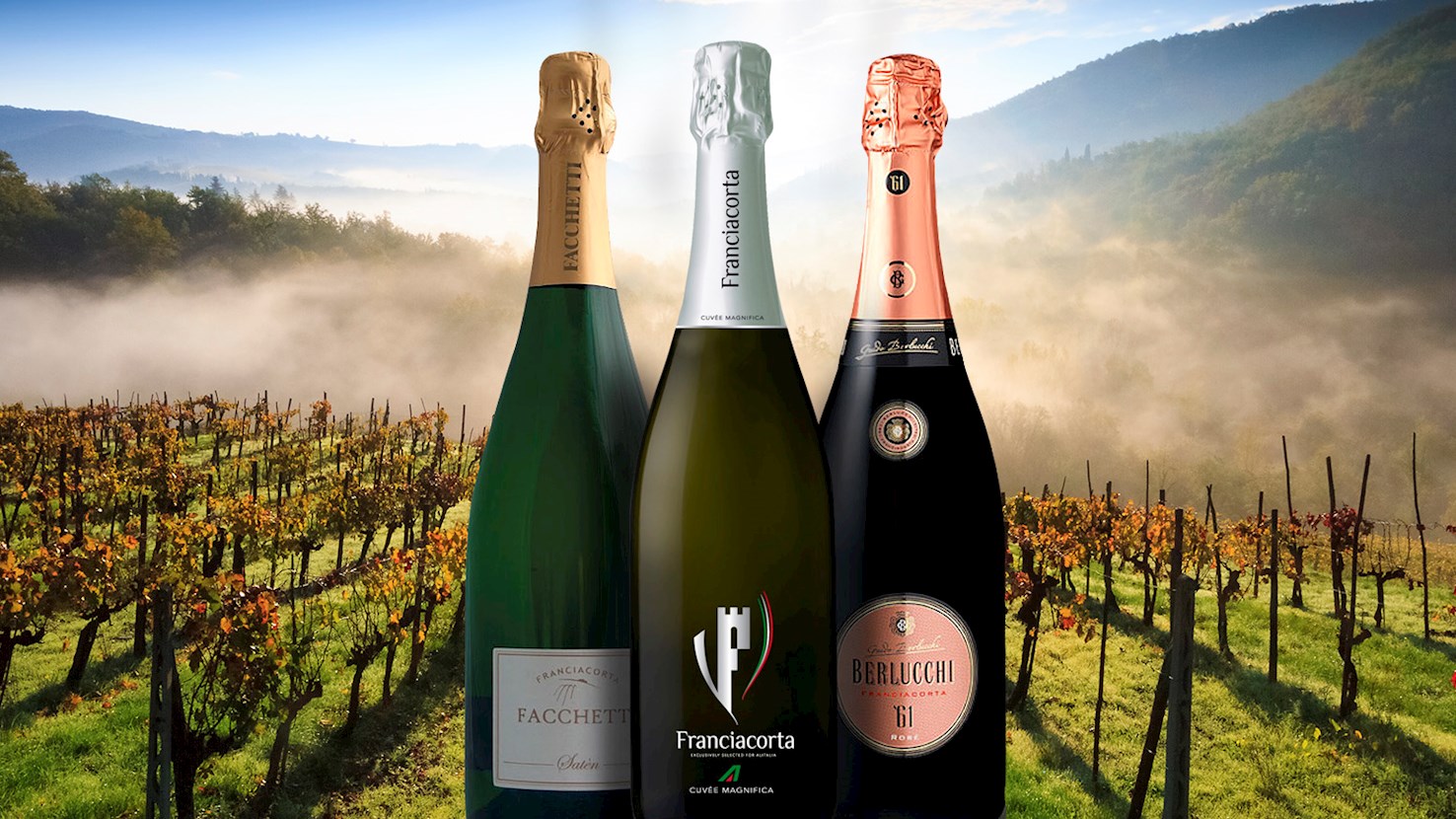
Berlucchi is a prestigious Italian winery, renowned as the pioneer of sparkling wine production in the Franciacorta region. Founded in 1955 in the heart of Lombardy, the winery gained worldwide recognition thanks to its founder, Franco Ziliani, who was the first to produce sparkling wine in the area using the traditional bottle fermentation method.
Berlucchi wines are synonymous with excellence, elegance, and innovation. The winery masterfully blends modern technology with traditional winemaking techniques to create wines with rich flavors, remarkable freshness, and a fine, persistent perlage.
Their portfolio includes various styles of Franciacorta wines, such as Berlucchi ’61, Palazzo Lana, and Cuvée Imperiale, each distinguished by its unique character and aroma profile. With an unwavering commitment to quality and a passion for viticulture, Berlucchi has established itself as one of the most esteemed producers of sparkling wines in Italy and beyond.
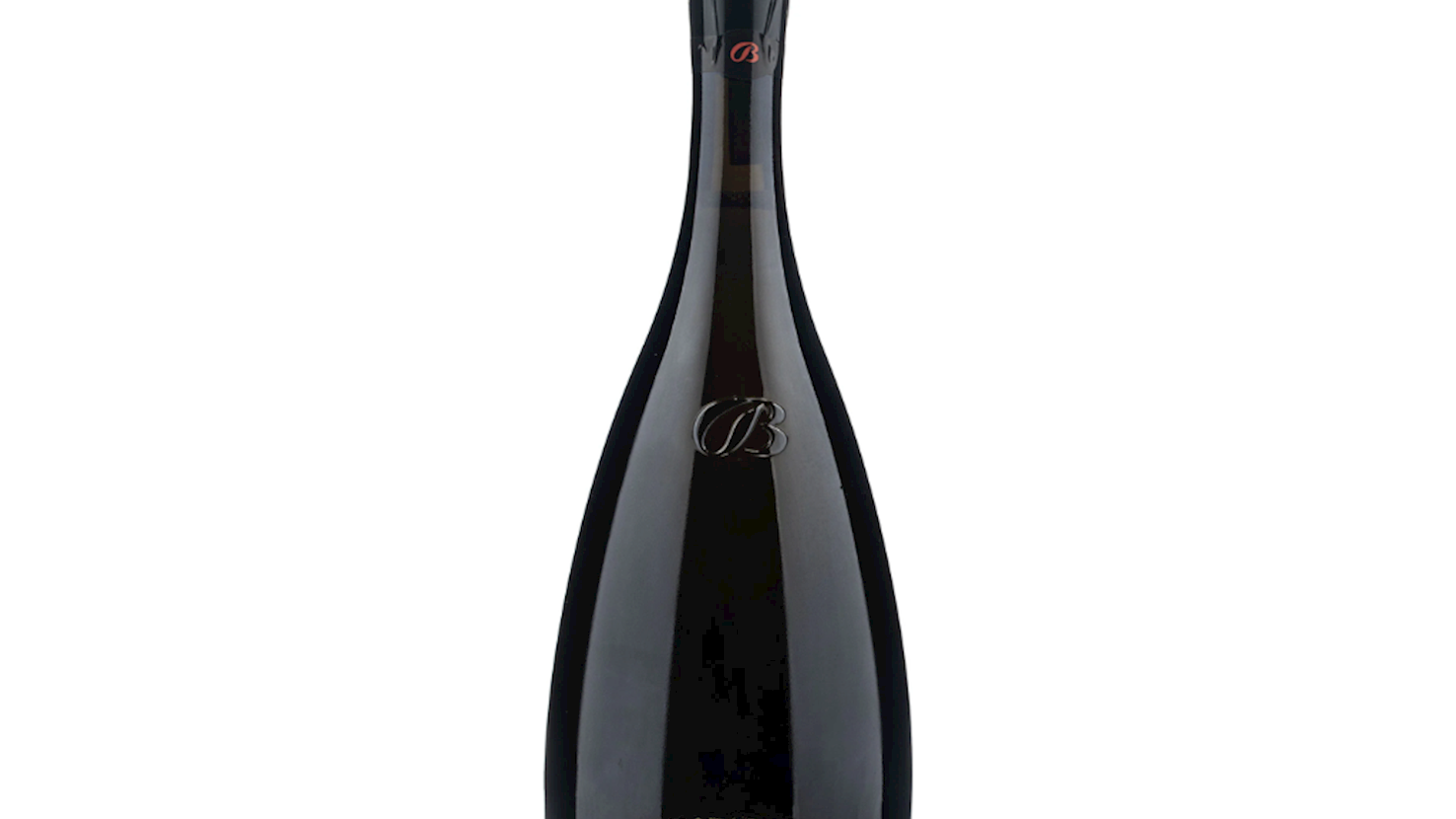
Bellavista is renowned for its exceptional sparkling wines, crafted using the traditional Franciacorta method. Their wines are distinguished by elegance, complexity, and a signature style, with the unique bottle design adding to their recognition in the market. In addition to sparkling wines, Bellavista also produces still wines, further enriching their selection. This winery is synonymous with quality and prestige, with its products earning accolades worldwide. Bellavista is an ideal destination for wine enthusiasts seeking to explore rich traditions and enjoy premium wines from one of Italy's most celebrated regions.
Widely regarded as the finest Italian sparkling wine, Franciacorta is made using metodo classico—just like Champagne and Cava. It is produced with a typical blend of Chardonnay, Pinot Bianco, and Pinot Nero, and comes in non-vintage, millesimato or vintage, and riserva form. Apart from the standard white version, there are also Franciacorta Satèn—made exclusively with Chardonnay and Pinot Bianco grapes—and Franciacorta Rosé made with a base of at least 25% Pinot Nero. Depending on its style, this delicate wine with subtle notes of white fruits, flowers and peaches provides excellent pairing for a wide range of dishes, from delicious Lombard desserts like bossolà and sbrisolona to pasta and seafood dishes, as well as cheese and charcuterie.
Lambrusco is a sparkling red wine hailing from the Emilia-Romagna and Lombardy region of Italy, particularly from areas around Modena, Reggio Emilia and Mantua. This wine is made from several varieties of the Lambrusco grape, each contributing different characteristics to the final product. Lambrusco wines are typically light and frothy, with a range of sweetness levels from dry (secco) to sweet (dolce). They exhibit a vibrant ruby-red color and often have a delightful effervescence due to their natural sparkle. The aromatic profile of Lambrusco includes notes of red berries, cherries, and sometimes floral hints like violets. On the palate, these wines are known for their refreshing acidity, light tannins, and fruity flavors, which can include strawberries, raspberries, and blackberries. The sweetness can vary, but even the sweeter versions maintain a balance with their acidity, making them enjoyable and easy to drink. Lambrusco is best enjoyed chilled and is a popular choice for pairing with a variety of foods. It goes particularly well with the rich and savory dishes of Emilia-Romagna, such as cured meats, cheeses, pasta with hearty sauces, and even pizza.
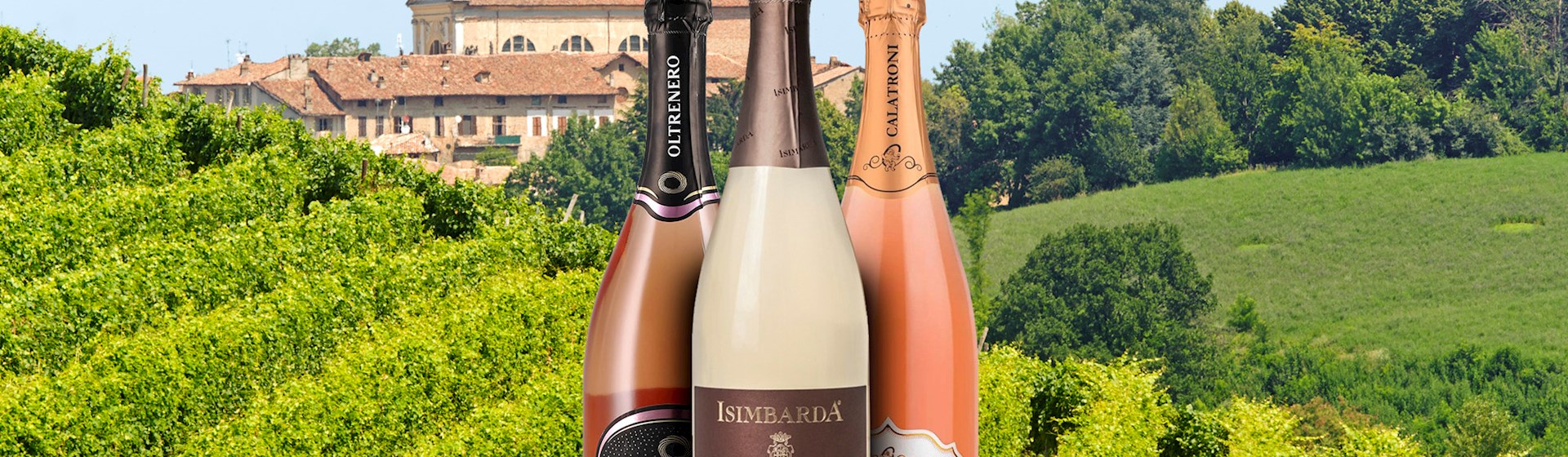
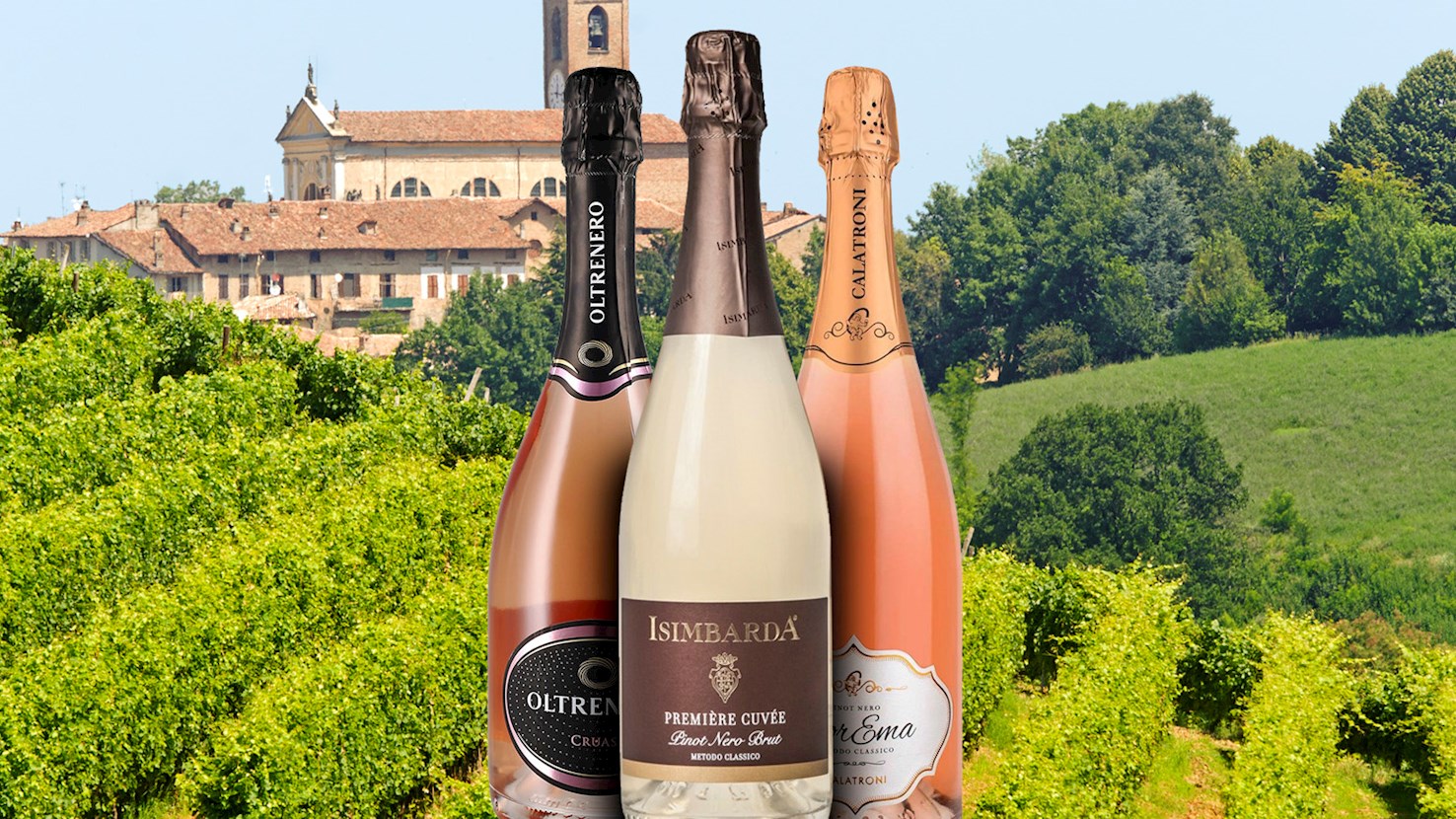
Oltrepò Pavese Metodo Classico is an Italian appellation for sparkling (spumante) wines that are predominantly made from Pinot Nero (Noir). The appellation is located in the province of Pavia, and it was upgraded to a DOCG status in 2007. Pinot Nero is the principal grape used in the production of Oltrepò Pavese wines, which come as both white and rosé sparkling wines. Other varieties that are used in smaller percentages include Chardonnay, Pinot Grigio, and Pinot Blanc. All wines must undergo the second fermentation in a bottle (Metodo Classico). Regardless of different styles, Oltrepò Pavese wines are harmonious, fresh, and well balanced, and they typically display aromas of roses, vanilla, and brioche. They all make an excellent aperitif, but they can also match appetizers, fish, and crustaceans. Among different varieties, the appellation also includes Oltrepò Pavese Metodo Classico Pinot Nero wines that have more structure and are made with at least 85% of Pinot Nero. Pinot Nero rosé may also be labeled as Cruasé.
Sangue di Giuda dell'Oltrepò Pavese is a sweet, naturally sparkling or semi-sparkling red wine originating from a specific, tightly regulated micro-zone within the Oltrepò Pavese region in the Province of Pavia, situated in southern Lombardy. The development of this localized wine style dates back to the historical viticultural practices of the hilly communes of Canneto Pavese, Broni, Castana, Montescano, and Cigognola, where winemakers capitalized on the specific clay and limestone soils to cultivate localized red grape varieties that could yield a sweet, fizzy beverage. The production of the commercial wine requires a specific ampelographic blend consisting of 25 to 65 percent Croatina grapes, which provide body and color, 25 to 65 percent Barbera grapes, which deliver essential acidity, and a combined maximum of 45 percent of Uva Rara, Vespolina, and Pinot Nero grapes to finish the aromatic profile. To prepare the wine, manually harvested grapes undergo a brief maceration process on the skins in temperature-controlled stainless steel tanks to extract a deep ruby-red color and light tannins while preserving the fresh fruit characteristics. The fermentation process is intentionally halted early through rapid cooling and filtration before all natural grape sugars are converted into alcohol, which limits the final alcoholic strength to a low 6 to 7.5 percent by volume while maintaining a substantial residual sugar content of roughly 80 grams per liter. The wine then undergoes a secondary fermentation in pressurized steel autoclaves to achieve its characteristic effervescence, known as a frizzante or spumante style, without any aging in wood to preserve its immediate freshness. A unique structural trait of Sangue di Giuda is its contrasting balance of sweetness and noticeable tannic structure derived from the red grape skins, a combination rarely found in sweet sparkling wines which are more commonly white. It is consumed chilled, typically at a service temperature between 10 and 12 degrees Celsius, and is poured directly from the bottle into medium-sized wine glasses to maintain its creamy foam head. Regarding food and beverage pairings, the wine is commonly served at the conclusion of meals alongside fruit tarts, almond pastries, hazelnut crumbles, or regional Lombard desserts, and its residual sugar and carbonation also allow it to accompany savory items like mature pecorino cheese, spicy charcuterie, and cured meats.
Lambrusco Mantovano is a type of sparkling red wine from the Lombardy region in northern Italy, specifically from the province of Mantua (Mantova in Italian). It is one of the many varieties of Lambrusco, a family of grape varieties and wines known for their fizzy and fruity characteristics. Lambrusco Mantovano holds a DOC (Denominazione di Origine Controllata) designation, which signifies its recognized quality and geographical origin. This wine is primarily made from various Lambrusco grape varieties, such as Lambrusco Viadanese, Lambrusco Marani, Lambrusco Maestri, Lambrusco Salamino, and Lambrusco Grasparossa, sometimes including Ancellotta grapes to add color and body. Lambrusco Mantovano typically has a deep ruby red color with a frothy, bubbly head when poured, although some versions may have a rosé (rosato) hue. It is known for its fruity flavors, with dominant notes of red berries such as cherry, raspberry, and strawberry, along with floral and earthy undertones. The aroma is fresh and vibrant, often with hints of violets and other flowers. The wine can range from dry (secco) to sweet (dolce), with semi-dry (amabile) versions also available, and it generally has a moderate alcohol content, usually between 10.5% and 12.5%. Produced using both traditional and modern winemaking techniques, the secondary fermentation process, which creates the wine's characteristic bubbles, can be done using the Charmat method (in stainless steel tanks) or the traditional method (in the bottle). The choice of method impacts the texture and complexity of the bubbles. Lambrusco Mantovano's versatility makes it suitable for a wide range of food pairings. Dry versions pair well with charcuterie, cheeses, grilled meats, and pasta dishes with robust sauces, while sweeter versions are excellent with desserts, fruit tarts, and spicy dishes that benefit from a touch of sweetness to balance the heat.
TasteAtlas food rankings are based on the ratings of the TasteAtlas audience, with a series of mechanisms that recognize real users and that ignore bot,
nationalist or local patriotic ratings, and give additional value to the ratings of users that the system recognizes as knowledgeable.
For the “Top 5 Lombard Sparkling Wines” list until June 15, 2026, 55 ratings were recorded, of which 39 were recognized by the system as legitimate.
TasteAtlas Rankings should not be seen as the final global conclusion about food. Their purpose is to promote excellent local foods,
instill pride in traditional dishes, and arouse curiosity about dishes you haven’t tried.
The initial list of top producers was compiled based on available reviews, awards, local recommendations, media and blog coverage, and consumer reviews.
The list will be updated with ratings from TasteAtlas local ambassadors and TasteAtlas users.