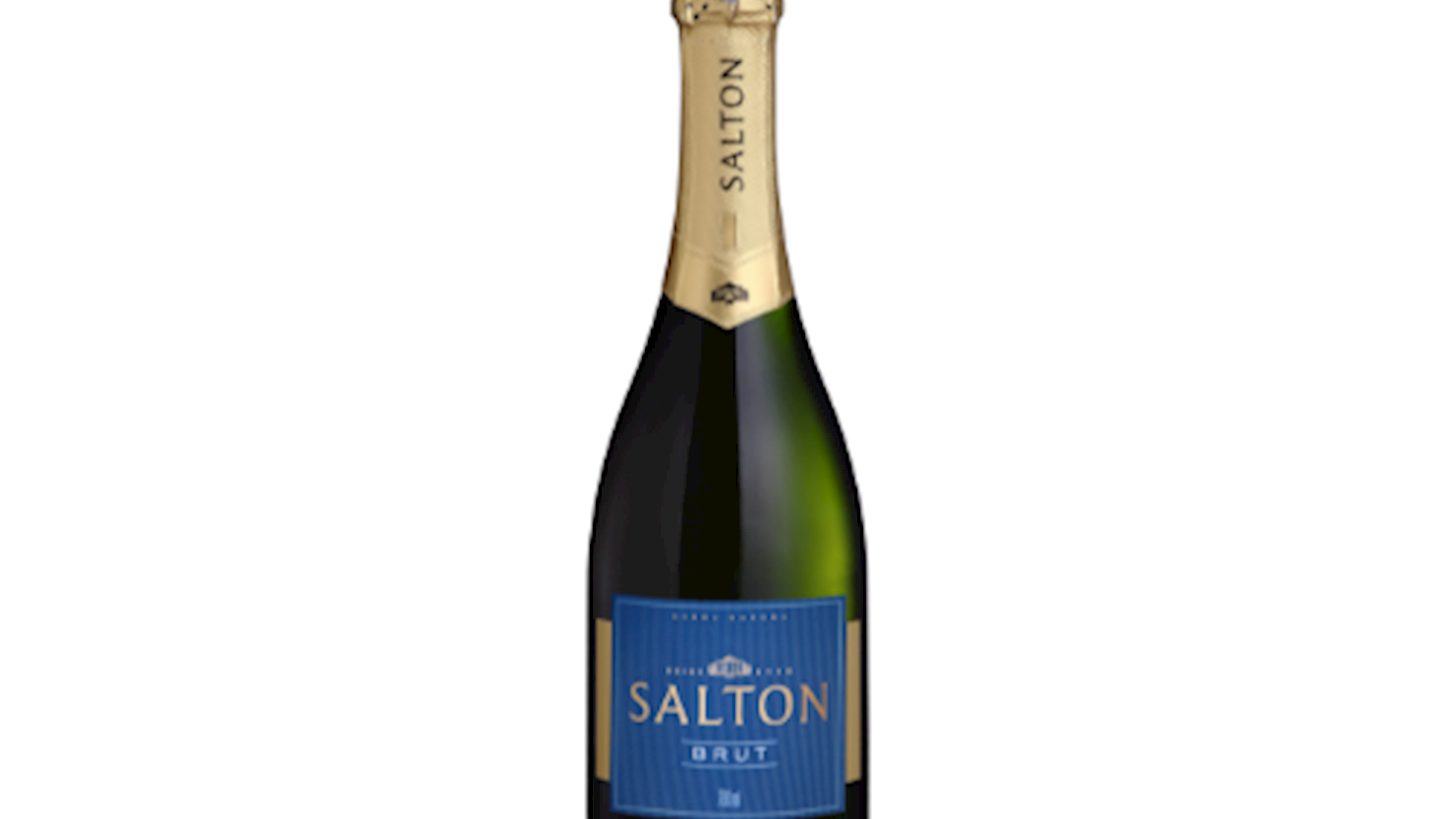
Vinícola Salton is one of the oldest and most influential Brazilian wineries, founded in 1910 in the Rio Grande do Sul region, where the combination of higher altitudes, cooler nights and volcanic soils allows for a balance between freshness and ripeness of the grapes. Family-run for more than a century, the winery has gradually built a portfolio that includes still wines, sparkling wines, frizzante styles and special lines aimed at the international market. Sparkling wines are a particularly important part of its identity, as Salton is considered one of the pioneers of both the traditional method and the Charmat method in Brazil. The modernization that began in the late 1990s enabled a shift from mass production towards wines with a clearer focus on quality, varietal expression and a recognizable house style. The vineyards are spread across several locations in the Serra Gaúcha and Campanha Gaúcha zones, which allows for different types of microclimates and terroir expression. Their white wines are dominated by varieties such as Chardonnay and Moscato, while the red ranges combine Merlot, Cabernet Sauvignon and locally adapted hybrids. Their wines often emphasize freshness, aromatics and drinkability, which reflects the tropical origin of the country, yet at the same time they show technical precision characteristic of a more European approach to viticulture. As a result, Salton has become a symbol of the evolution of Brazilian wine - a blend of tradition, innovation and ambition to position itself globally alongside the established wine regions of the world.
Valle del Itata is a wine-producing region located in the Ñuble Region of southern Chile. The viticultural roots of this area date back to 1551 when Spanish settlers planted the first vines near the city of Concepción, making it one of the earliest sites of viticulture in the Americas. For centuries, the region focused on the production of rustic wines for domestic consumption, primarily utilizing the Pais and Muscat of Alexandria varieties that were brought by European missionaries. The geography is characterized by rolling hills of weathered granitic soils and a Mediterranean climate that receives significantly higher rainfall than Chile’s northern valleys, allowing for a system known as secano interior, or dry farming. In this system, vines are grown without artificial irrigation, forcing roots to penetrate deep into the granitic subsoil. Many of the vineyards consist of bush-trained vines that are over one hundred years old, maintained through manual labor rather than machinery due to the steep slopes. Preparation involves harvesting the grapes by hand and often utilizing old-growth wood or concrete vats for fermentation to preserve the primary fruit characteristics and mineral qualities derived from the soil. The resulting wines, particularly those from Pais grapes, are light-bodied with high acidity and noticeable tannins, while the Muscat of Alexandria produces dry, aromatic whites with floral and citrus profiles. Serving these wines typically requires a slight chill, around 12 to 14 degrees Celsius for the reds and 8 to 10 degrees Celsius for the whites, to emphasize their freshness. In Chile, these wines are consumed both in local rural settings and in urban centers where there is a focus on viticultural heritage. They are frequently paired with regional dishes such as longaniza de Chillán, which is a local spiced sausage, or pastel de choclo, a corn and meat pie. The high acidity of Itata wines also makes them suitable companions for fatty meats, empanadas, and wood-fired stews common in the southern Chilean countryside.
Valle de Casablanca is a Chilean wine appellation situated in the Valparaíso Region, roughly 75 kilometers northwest of Santiago. Positioned as a coastal plain near the Pacific Ocean, it functions as a conduit for the cold Humboldt Current. The geography is defined by the Coastal Range, which allows the Camanchaca fog to enter the valley each morning. The climate is cool Mediterranean, with annual rainfall averaging 540mm. Soils are primarily decomposed granite, featuring layers of sandy loam and clay with low organic matter. Viticulture in this zone was established in 1982 by oenologist Pablo Morandé, who noted the area's similarity to coastal California. Before this, the land was used for livestock and grain farming. The first commercial plantings focused on Chardonnay and Sauvignon Blanc, shifting Chile's production focus toward cool-climate viticulture. The region was officially designated a DO in 1994. It now encompasses approximately 4,000 hectares, including newer plantings of Pinot Noir and Syrah. Vineyards often utilize wind machines and night-harvesting to preserve fruit quality. White varieties undergo cool-temperature fermentation in stainless steel to maintain acidity, while reds like Pinot Noir may experience cold maceration for flavor extraction. Service temperatures are set at 8°C to 10°C for whites and 14°C to 16°C for reds. To avoid wood influence, some producers use concrete eggs or clay amphorae for aging. A physical attribute of the terroir is the diurnal temperature variation, which can reach 20°C. This fluctuation slows the ripening process, balancing sugar levels with high natural acidity. Due to the presence of nematodes in the sandy soil, many vines are grafted onto resistant rootstocks, unlike the ungrafted vines common in central Chile. The valley floor is notably flatter than the surrounding hills, which creates a suction effect that pulls cool ocean air inland during the afternoon. Valle de Casablanca is paired with Chilean sea bass, king crab, and razor clams. Sauvignon Blanc is a standard match for ceviche and oysters, while Chardonnay is served with poultry in cream sauces. Pinot Noir is paired with mushroom risotto and tuna, and Syrah with spiced empanadas.
Valle de Limarí is a Chilean viticultural region in the northern Coquimbo Region. This semi-arid transversal valley lies between the Atacama Desert and the Pacific Ocean. The landscape is defined by the Limarí River and a "green oasis" appearance supported by Andean snowmelt irrigation. Its climate is moderated by the Camanchaca, a daily coastal fog that regulates temperatures and preserves acidity in the fruit. The region is notable for its calcareous soils (alluvial terraces containing calcium carbonate) which are unique in a country dominated by volcanic and granitic earth. Viticulture was established here in 1548, with the first recorded Chilean vintage in 1551. For centuries, the valley primarily produced Pisco from Moscatel and Pedro Ximénez grapes. The modern fine-wine era began in 1993 when pioneering producers identified the potential of the limestone-rich "caliche" soils for noble varieties. It was officially granted DO status in 1994. Today, it is recognized as a premier site for Chardonnay, Syrah, and Pinot Noir, with vineyards such as Talinay sitting on ancient prehistoric marine beds. Preparation of the wine focuses on maintaining the saline minerality and natural freshness derived from the cool maritime influence. Night-harvesting is standard practice to prevent oxidation. For Chardonnay, many winemakers utilize barrel fermentation and extended lees aging to create a voluminous texture that balances the sharp acidity. Red varieties undergo gentle extraction to highlight savory, peppery aromatics rather than heavy tannins. Serving temperatures are kept at 10°C to 12°C for whites and 16°C to 18°C for reds. Many vineyards feature ungrafted vines, as the region's desert-like isolation provided a natural barrier against phylloxera. A physical attribute of the terroir is the high pH of the soil, which contributes to a distinct "sapid" or salty finish in the wines. This is complemented by the high diurnal range, where afternoon sea breezes quickly cool the vines after warm, sunny mornings. Growers often utilize the pergola training system, an adaptation from the Pisco era, where wide canopies provide shade to protect the grapes from intense northern solar radiation while allowing air to circulate. Valle de Limarí is paired with sea bass ceviche, oysters, clams al parmesano, and crab gratin. The mineral-driven Chardonnay is a standard accompaniment for fatty fish and creamy pasta dishes, while the Syrah pairs with grilled lamb, savory empanadas, and beef stews. It is also served with mature goat cheese and candied papayas, which are regional agricultural staples.
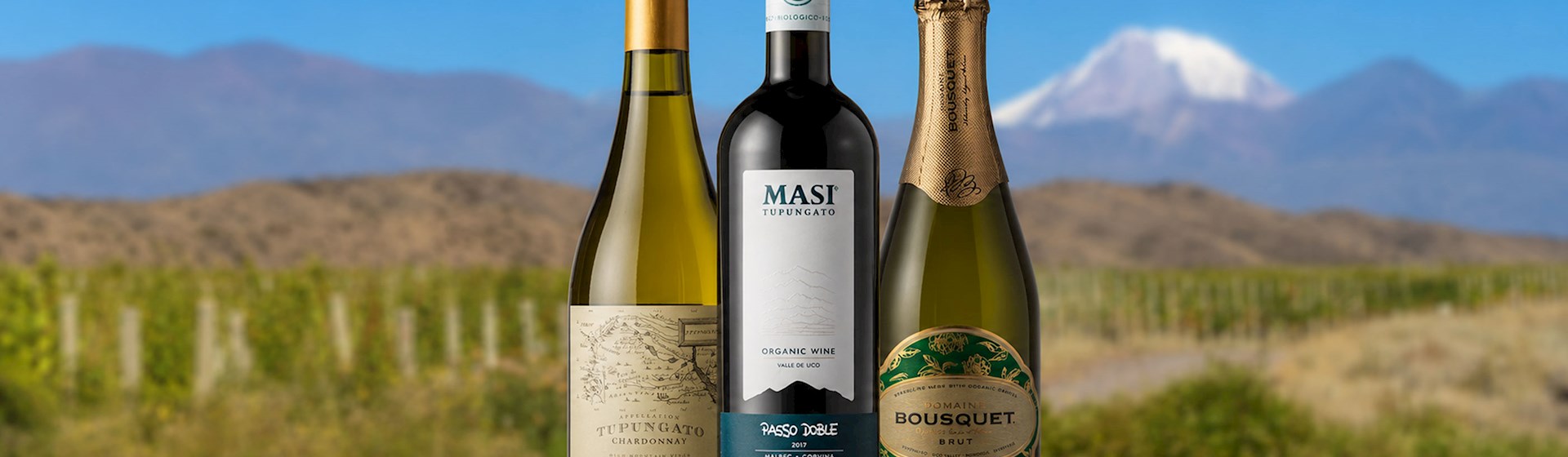
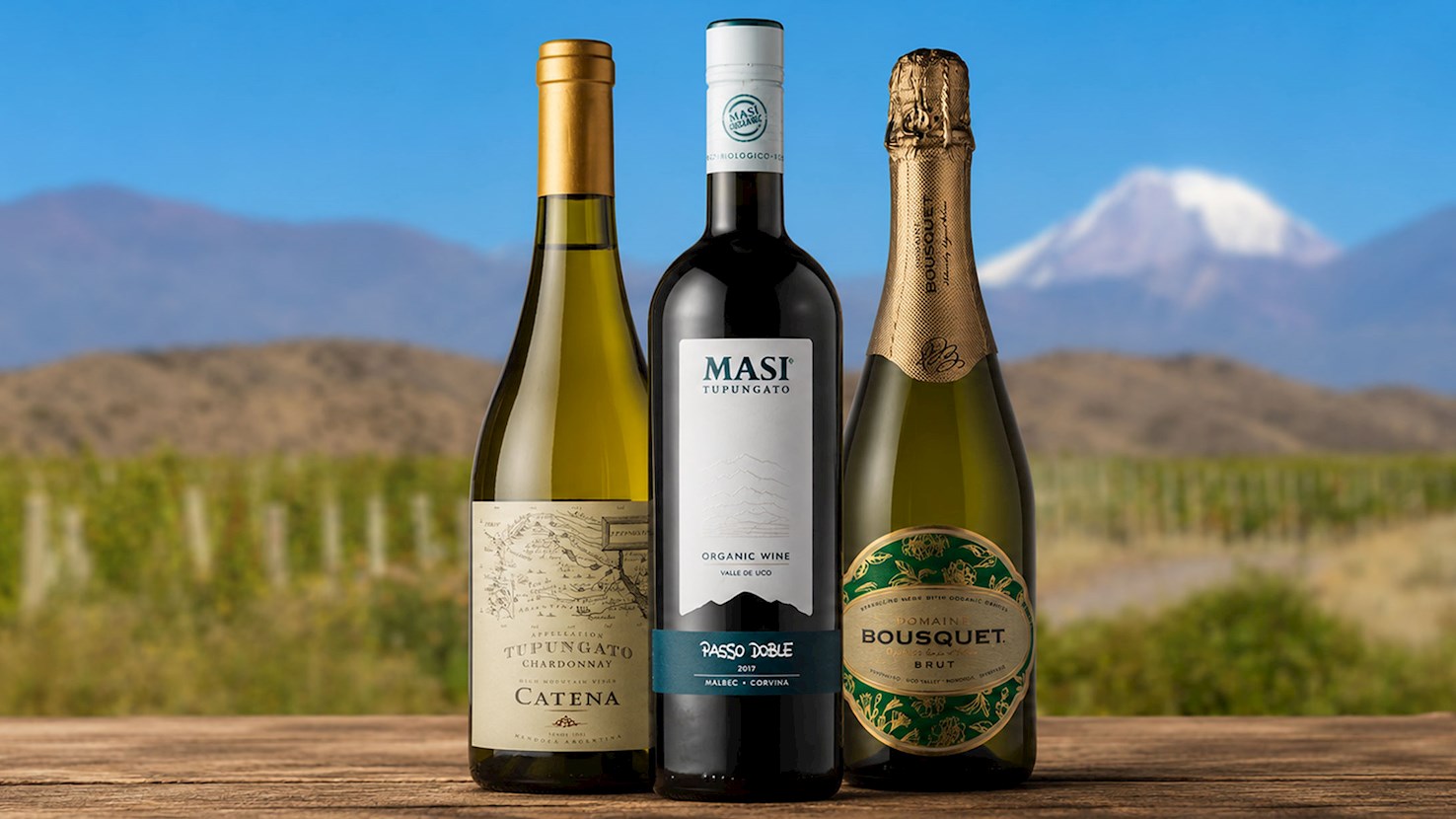
Tupungato is a prominent viticultural department located in the northern reaches of the Uco Valley in Mendoza. It is situated at the foot of the Andes Mountains, dominated by the 6,570-meter Tupungato volcano from which the region takes its name. Vineyard elevations are among the highest in Mendoza, typically ranging between 1,000 and 1,500 meters above sea level. The region's geography is characterized by an arid continental climate with a significant diurnal temperature variation of up to 15°C, which facilitates a slow ripening process. The soil is predominantly alluvial, consisting of sandy loam surface layers over a subsoil rich in limestone, calcium carbonate, and rounded pebbles. The establishment of viticulture in this department dates back to the mid-19th century, with the region gaining official status as a department on November 8, 1858. Significant development occurred in the 1990s when international investors and local producers began planting vineyards in previously uncultivated high-altitude zones to explore the potential for premium wine production. Today, vineyards cover approximately 21,000 hectares, representing roughly 30% of the department's cultivated land. Preparation of the wine often emphasizes minimal intervention to reflect the specific terroir. Grapes are manually harvested in small boxes and sorted before destemming. Some red varieties undergo cold maceration for up to 20 days at temperatures around 10°C to 12°C to extract color and aromatics without harsh tannins. Fermentation frequently involves native yeasts in stainless steel or concrete vats, followed by aging in a combination of concrete tanks and French oak barrels. White wines are typically fermented at cooler temperatures, near 15°C, to preserve natural acidity and fresh fruit profiles. Red wines are served at 16°C to 18°C, while white wines and sparkling varieties are served between 6°C and 10°C. A specific feature of this region is the presence of the Gualtallary and El Peral districts, which are recognized for their unique calcareous soil compositions. These soils, combined with high ultraviolet radiation at altitude, produce grapes with thicker skins and higher concentrations of anthocyanins and phenols. This results in red wines, particularly Malbec and Cabernet Franc, with intense color, firm tannins, and a characteristic mineral profile often compared to chalk or graphite. The region is also a major producer of base grapes for sparkling wines, utilizing the high natural acidity found in its Chardonnay and Pinot Noir. The wines are commonly consumed alongside the local cuisine of the Cuyo region. Red varieties like Malbec and Cabernet Sauvignon are paired with grilled red meats, specifically beef cuts cooked in the asado style, as the tannins complement the protein and fat of the meat. They also accompany mature cheeses, spicy vegetable dishes, and slow-roasted goat. White wines and sparkling expressions are paired with full-flavored fish, such as tuna or shellfish, as well as white meats, sushi, and grilled vegetables.
Perdriel is a Geographical Indication located in the Luján de Cuyo department of Mendoza, situated approximately 20 kilometers south of the provincial capital. The region occupies the southern bank of the Mendoza River at an elevation of approximately 950 to 980 meters above sea level. Its geography is characterized by a semi-arid continental climate with low annual rainfall, where vineyard hydration is sustained by snowmelt from the nearby Andes Mountains. The soil is primarily alluvial, consisting of a sandy loam surface with a high concentration of riverbed stones and gravel starting at a depth of about 20 centimeters, which facilitates deep root systems and efficient drainage. Viticulture in this district became a central economic activity during the late 19th century as winemaking shifted from the city center to the outskirts of Mendoza. By the early 20th century, the area had established several significant estates, some of which continue to operate with their original vineyards today. The region is notable for maintaining a high percentage of Malbec and Cabernet Sauvignon vines that are over 100 years old and remain on their original rootstocks. These heritage plantings are balanced and exhibit low vigor, producing fruit that winemakers have historically used to establish the region as a source for high-quality red wines. Preparation of the wine typically begins with hand-harvesting from selected vineyard lots followed by a cold maceration period of approximately five days to preserve fresh aromatics. Fermentation occurs at controlled temperatures, often around 25°C to 28°C, with extended skin contact for up to 30 days to extract depth and structure. Many red wines from this area undergo aging in French oak barrels for 12 months, followed by further maturation in the bottle for nearly a year before release. The recommended serving temperature for these red varieties is between 16°C and 18°C, which prevents the alcohol from overpowering the delicate floral and fruit profiles. A specific attribute of this territory is the presence of a natural air corridor created by the Mendoza River, which allows cold air from the mountains to descend through the vineyards. This creates a high diurnal temperature range where the heat of the day facilitates sugar development and the cold nights preserve natural acidity, leading to a refined style of Malbec frequently noted for distinct violet aromas. Additionally, the district is one of the few in Argentina to utilize a Controlled Designation of Origin (DOC) status for certain labels, which mandates specific production standards and grape sourcing. Perdriel wines are consumed primarily as an accompaniment to a meal and are commonly paired with grilled red meats such as ribeye steak or slow-cooked lamb, reflecting the region's local culinary habits. The robust tannins and structure of the Cabernet blends also complement aged hard cheeses and savory roast dinners. White varieties from the area, such as Chardonnay and Sauvignon Blanc, are often paired with seafood, particularly light salads or grilled chicken.
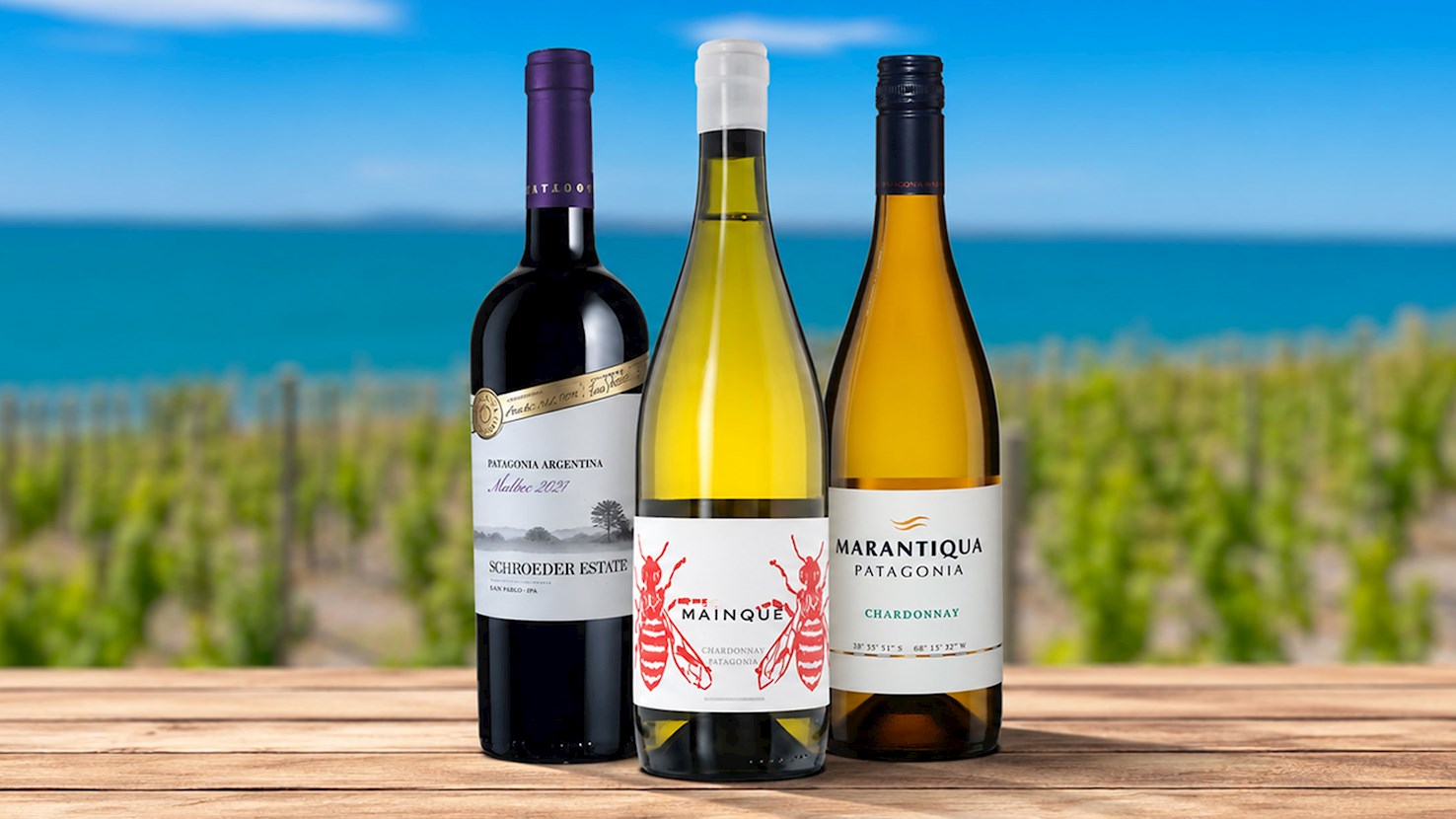
Patagonia wine is produced in the southernmost viticultural territory of Argentina, primarily within the provinces of Río Negro, Neuquén, and La Pampa, with emerging vineyards further south in Chubut. The region is situated at latitudes between 38° and 45° South and operates at significantly lower altitudes than northern Argentine regions, generally ranging from 300 to 500 meters above sea level. Its geography is defined by a cold, semi-arid continental climate and a vast desert landscape characterized by persistent, high-velocity winds and an average annual rainfall of less than 200 mm. The soil is predominantly alluvial, composed of river-washed gravel, sand, and varying concentrations of limestone and clay, which facilitates deep root penetration and efficient drainage. The expansion of viticulture in this territory began in the late 19th and early 20th centuries, initiated by the construction of massive irrigation networks by British railway engineers to facilitate fruit farming in the Río Negro Valley. By 1909, the first significant vineyard estates were established, focusing on European varieties that could withstand the shorter growing season. In the early 2000s, the region underwent a technical modernization as investors moved into the San Patricio del Chañar area of Neuquén, transforming previously barren desert into a high-tech viticultural hub. This development established a dual identity for the region: the historical, old-vine heritage of Río Negro and the modern, high-density plantations of Neuquén. Preparation of the wine is influenced by the region's intense ultraviolet radiation and low average temperatures, which extend the ripening period and allow for the development of complex aromatics without excessive sugar accumulation. Malbec and Pinot Noir are the dominant red varieties, while Chardonnay and Sauvignon Blanc lead the white production. Winemaking often involves low-intervention techniques, such as the use of concrete vats and neutral oak, to maintain the natural acidity and "tension" provided by the cool climate. Red wines are served at 14°C to 16°C to preserve their delicate floral notes, while white wines are presented at 8°C to 10°C. A specific feature of Patagonia is the "wind effect," where the constant gusts act as a natural sanitizing agent, preventing the development of fungal diseases and allowing for widespread organic and biodynamic farming. This environmental stress also causes the grapes to develop thicker skins, which increases the concentration of polyphenols and lends a distinct structural "nerve" to the wine. Additionally, the region contains some of the few remaining pre-phylloxera, ungrafted vineyards in the world, particularly Sémillon and Malbec vines that have remained in production for over a century. The wines are consumed as a staple of southern Argentine gastronomy, specifically during the outdoor preparation of Cordero al Palo (spit-roasted lamb). The high natural acidity of Patagonian Pinot Noir and Merlot serves to balance the fat and smoky flavors of the meat. Other pairings include grilled river trout, wild boar, and regional cheeses such as goat cheese from the Neuquén steppes. The region’s crisp white wines are commonly served with Atlantic seafood, specifically king crab and sea bass from the nearby Patagonian coast.
Río Negro wine is produced in the Río Negro province of northern Patagonia, specifically within the fertile valleys of the Río Negro and Río Colorado rivers. The region is situated at a latitude of approximately 39° South and at a low altitude for Argentine standards, ranging from 4 to 370 meters above sea level. Its geography is defined by a continental desert climate where the Andes mountains create a rain shadow, resulting in an arid environment with less than 200 mm of annual rainfall. The soil is predominantly alluvial, composed of a mix of clay, sandy loam, and river gravel with significant limestone components, providing efficient drainage and mineral depth. The establishment of viticulture in this sector began in the late 19th century after the construction of an extensive irrigation network by British engineers, which redirected Andean snowmelt into the dry valley. By the early 20th century, the region had become a center for fruit production, specifically pears and apples, alongside vineyards. During this period, it was one of the most important wine regions in the country, planted with a high diversity of varieties including Sémillon, Trousseau, and Riesling. While the total vineyard area decreased during the late 20th century, the presence of these original, ungrafted vines (some now exceeding 100 years of age) has led to a focus on high-quality, old-vine production in recent decades. Preparation of the wine involves managing the constant, intense winds characteristic of the Patagonian plateau, which naturally protect the vines from fungal diseases and lead to the development of thicker grape skins. This thickening of the skins increases the concentration of tannins and aromatic compounds. Winemaking for the region's reds, such as Pinot Noir and Malbec, often emphasizes long, cool fermentations to preserve the delicate floral and red fruit notes. For serving, red wines are typically presented at 14°C to 16°C to highlight their natural acidity and freshness, while the cool-climate white wines like Sauvignon Blanc and Sémillon are served at 8°C to 10°C. A specific feature of Río Negro is the pronounced diurnal temperature variation, which can reach a range of 20°C between day and night. This thermal amplitude slows the ripening process, allowing the grapes to develop phenolic maturity while retaining high levels of natural acidity and lower sugar content compared to warmer northern regions. This results in wines with lower alcohol levels and a more prominent mineral profile. Furthermore, the region is home to some of the oldest Trousseau and Sémillon vineyards in the world, which provide a density of flavor and a waxy texture that is not easily replicated in younger plantings. The wines are consumed as an accompaniment to the regional gastronomy of the Patagonian steppe and river systems. Red varieties, particularly Pinot Noir and Merlot, are paired with Cordero Patagónico (slow-roasted Patagonian lamb), where the wine's acidity balances the richness of the meat. They are also served with earthy dishes such as mushroom ragu or roasted beets. The region's white wines and fresh Merlots are paired with grilled river trout, king crab, and soft cheeses. In the 2026 market, these wines are frequently found in boutique settings that prioritize site-specific, low-intervention production.
Luján de Cuyo is a premium viticultural department located in the upper Mendoza River valley of western Argentina, approximately 20 kilometers south of Mendoza City. It is positioned at the foot of the Andes mountain range at elevations between 900 and 1,100 meters above sea level. The geography is characterized by a semi-arid desert climate with less than 200 mm of annual rainfall and high solar radiation. The soil is predominantly alluvial, consisting of a sandy-loam surface over a stony subsoil of gravel and clay, which provides the excellent drainage necessary for high-quality grape production. The establishment of vineyards in this area followed the migration of the Huarpe people, who engineered the initial network of irrigation canals to redirect Andean snowmelt. Following the founding of the city in the 16th century, viticulture expanded under Spanish influence, but the most significant transformation occurred in 1853 when French agronomist Michel Pouget introduced Malbec cuttings to the region. The industry further accelerated in 1885 with the arrival of the Great Western Railway, connecting Luján de Cuyo to the port of Buenos Aires. In 1989, local producers formed a regulatory council, and in 1991, the region became the first in South America to be officially recognized as a Denominación de Origen Controlada (DOC). Preparation of the wine involves strict management of the irrigation systems, as the lack of rainfall makes the vines entirely dependent on the acequias (canals). While modern drip irrigation is common, many vineyards still utilize the historical flood irrigation method. Malbec is the primary variety, alongside Cabernet Sauvignon and old-vine Sémillon. Grapes are fermented in temperature-controlled stainless steel or concrete vats. To meet DOC requirements, Malbec must be aged for at least 24 months, including a minimum of 12 months in oak barrels. Red wines are served at temperatures between 16°C and 18°C, and white wines are served between 8°C and 12°C. A specific feature of Luján de Cuyo is its high concentration of "centenarian" vineyards, with many plots of Malbec and Sémillon vines dating back to the early 20th century. These old vines have deep root systems and naturally low yields, producing fruit with high aromatic concentration. The region also experiences a significant diurnal temperature range, where daytime heat is balanced by cool night winds descending from the mountains, a process that preserves the natural acidity of the grapes. The wines are consumed as a central component of the asado, the Argentine social meal centered on grilled meats. Red wines from the region, specifically Malbec and Cabernet Sauvignon, are paired with grass-fed beef cuts like ojo de bife (ribeye) and entraña (skirt steak), as the wine's tannins effectively cut through the protein and fat. Other suitable pairings include spicy beef empanadas, grilled provolone cheese (provoleta), and roasted lamb. White varieties such as Sémillon or Chardonnay are paired with grilled river trout, roasted poultry, or dishes containing local olive oil and nuts.
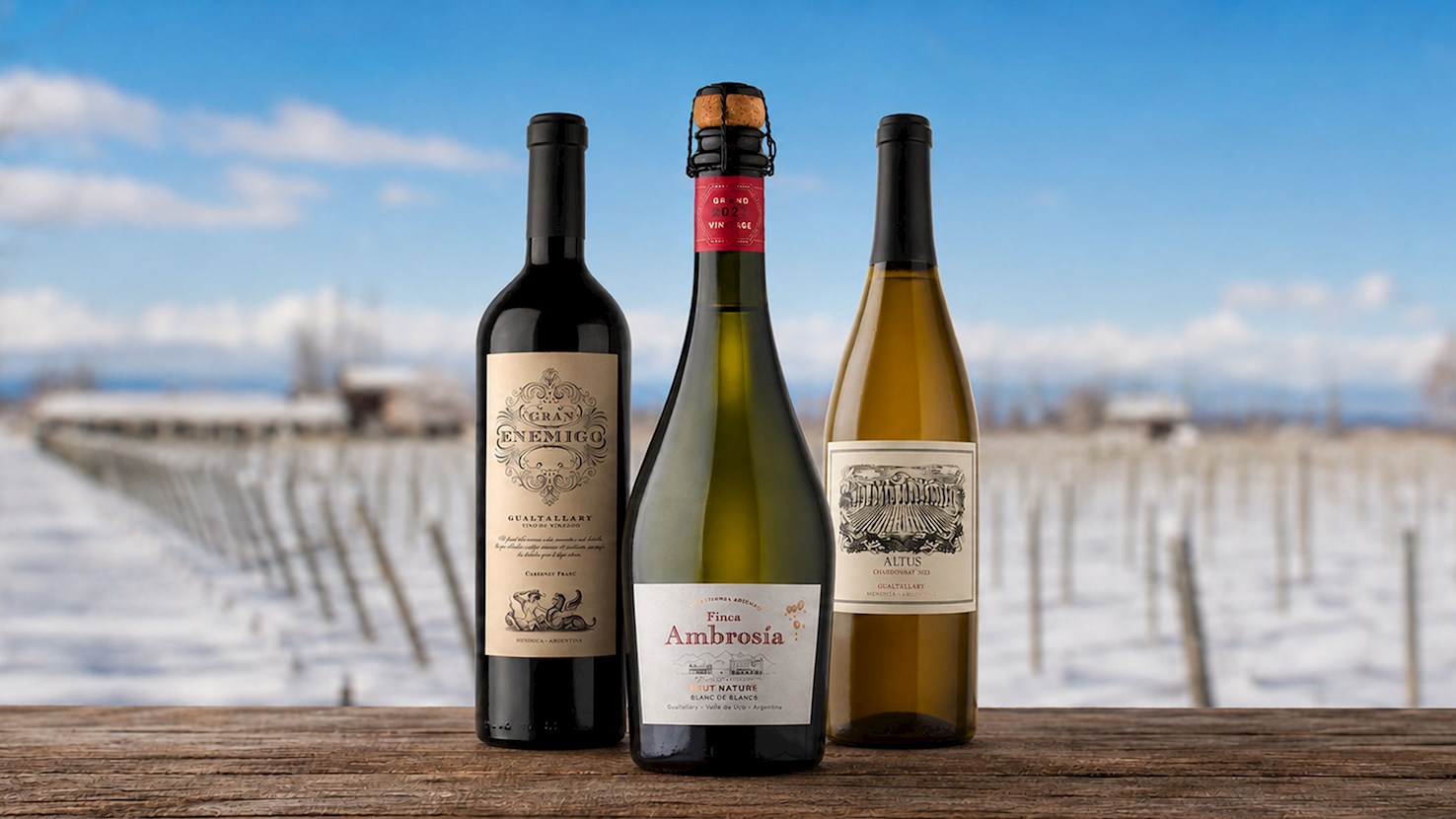
Gualtallary is a high-altitude viticultural sub-region located in the Tupungato district of the northern Uco Valley, within the Mendoza province of Argentina. It is situated at the foot of the Andes Mountains, with vineyards planted at elevations ranging from 1,100 to 1,600 meters above sea level. This elevation places it at the absolute climatic limit for grape cultivation in the region. The geography is characterized by a cool, semi-arid continental climate with extreme diurnal temperature variations, often exceeding 15°C between day and night. The soil is primarily alluvial, consisting of sand, gravel, and a significant presence of calcium carbonate, which appears as a white coating on stones known locally as "caliche." The establishment of viticulture in this specific area began in 1992, when the sparkling wine producer Chandon sought cooler climates to maintain higher acidity in their base wines. Shortly thereafter, in the mid-1990s, other producers followed to experiment with high-altitude still wines. These early developments proved that the previously ignored slopes of the Jaboncillo Hills could achieve full phenolic ripeness despite the lower average temperatures. Unlike the lower, warmer plains of Mendoza that were utilized in the late 19th century, Gualtallary’s development was driven by a modern technical search for freshness and mineral tension. The region is currently divided into five distinct sub-zones based on soil and height: Rio, La Vencedora, Albo, Monasterio, and Las Tunas. Preparation of Gualtallary wine involves managing the high levels of ultraviolet radiation, which causes the grapes to develop thicker skins and higher tannin concentrations. Malbec is the primary variety, alongside Cabernet Franc, Chardonnay, and Pinot Noir. Winemakers often utilize concrete eggs or large, neutral untoasted foudres for fermentation and aging to prevent oak flavors from masking the site-specific aromatics. White wines, particularly Chardonnay, are frequently fermented with indigenous yeasts and aged on the fine lees to enhance their saline quality. Red wines are served at 16°C to 18°C, while the region’s high-acid whites are presented between 10°C and 12°C. A specific feature of this region is the presence of "white stones" in the Monasterio zone, where vines are planted directly into the calcareous bedrock. This soil structure limits the vigor of the vines and results in extremely low yields of highly concentrated fruit. This environmental stress produces a distinct "chalky" or "grainy" tannin texture in the red wines and a flinty, mineral profile in the whites. Additionally, due to the cooling effect of the altitude, Gualtallary is often one of the last regions in Mendoza to finish its harvest, despite the intense sunlight. The wines are typically consumed with the high-protein cuisine of the Andean foothills. Red varieties, such as the region's prominent Cabernet Franc and Malbec, are paired with grilled ribeye, slow-roasted lamb, and game meats like venison. The firm tannins and high acidity also balance rich dishes like mushroom risotto or smoked eggplant. White wines from Gualtallary are served with grilled river trout, roasted poultry, and hard, nutty cheeses like Comté or aged Gruyère. Because of their structural intensity, these wines are frequently decanted for at least one hour before consumption.
Mendoza is the primary viticultural region of Argentina, situated in the western part of the country at the edge of the Andes Mountains. It accounts for approximately 75% of Argentina's total wine production and is located on a high-altitude plateau that ranges from 600 to over 1,500 meters above sea level. The geography is defined by a rain shadow effect created by the Andes, resulting in a semi-arid, continental climate with low humidity and high solar radiation. The soil is predominantly alluvial, consisting of a mix of sand, clay, and rock deposited by mountain rivers over millennia. Viticulture began in the mid-16th century when Spanish settlers and Jesuit missionaries introduced European grapevines, crossing the Andes from Chile. These early growers utilized and expanded upon advanced irrigation systems originally developed by the indigenous Huarpe and Inca populations to channel glacial snowmelt from the mountains into the desert plains. In 1853, the French agronomist Michel Pouget was commissioned by the provincial government to modernize local agriculture, at which time he introduced the Malbec variety from Bordeaux. The industry underwent a significant expansion following the completion of the Buenos Aires-Mendoza railroad in 1885, which allowed for large-scale transport and established the region as a major global producer by the early 1900s. Preparation of Mendoza wine is centered on the management of high-altitude sunlight and irrigation. While Malbec is the dominant variety, the region also produces significant quantities of Cabernet Sauvignon, Bonarda, and Chardonnay. Red wines often undergo fermentation in stainless steel or concrete vats, specifically concrete "eggs" which allow for natural convection, and are frequently aged in French or American oak barrels. White wines, particularly from the Uco Valley, are often fermented at low temperatures to maintain acidity. Red wines are served at 16°C to 18°C, while whites are served between 8°C and 12°C. Decanting is standard for premium Malbecs to allow the tannins to soften and the aromatics to develop. A specific feature of Mendoza's viticulture is the extreme diurnal temperature variation; the high altitude causes temperatures to drop significantly at night, which slows the ripening process and preserves the natural acidity of the grapes despite the intense daytime heat. Furthermore, the region is one of the few places in the world where flood irrigation is still widely practiced alongside modern drip systems, using the "acequias" or stone-lined canals that run through the vineyards and the city of Mendoza itself. The high level of ultraviolet radiation at these elevations results in thicker grape skins, leading to higher concentrations of polyphenols and deeper color in the red wines. Mendoza wines are consumed as a staple of the Argentine diet, particularly during social gatherings known as asados. Red varieties, especially Malbec and Cabernet Sauvignon, are paired with grilled beef, lamb, and spicy empanadas. They also accompany locro, a hearty Andean stew made of corn, beans, and meat. The white wines are paired with grilled trout from local mountain rivers, fresh salads, and soft cheeses like provoleta. For dessert, late-harvest wines or sparkling varieties are served with dulce de leche based dishes or the vigilante, a combination of sweet potato or quince paste with medium-hard cheese.
TasteAtlas food rankings are based on the ratings of the TasteAtlas audience, with a series of mechanisms that recognize real users and that ignore bot,
nationalist or local patriotic ratings, and give additional value to the ratings of users that the system recognizes as knowledgeable.
For the “Top 10 South American Sparkling Wines” list until June 15, 2026, 26 ratings were recorded, of which 22 were recognized by the system as legitimate.
TasteAtlas Rankings should not be seen as the final global conclusion about food. Their purpose is to promote excellent local foods,
instill pride in traditional dishes, and arouse curiosity about dishes you haven’t tried.
The initial list of top producers was compiled based on available reviews, awards, local recommendations, media and blog coverage, and consumer reviews.
The list will be updated with ratings from TasteAtlas local ambassadors and TasteAtlas users.