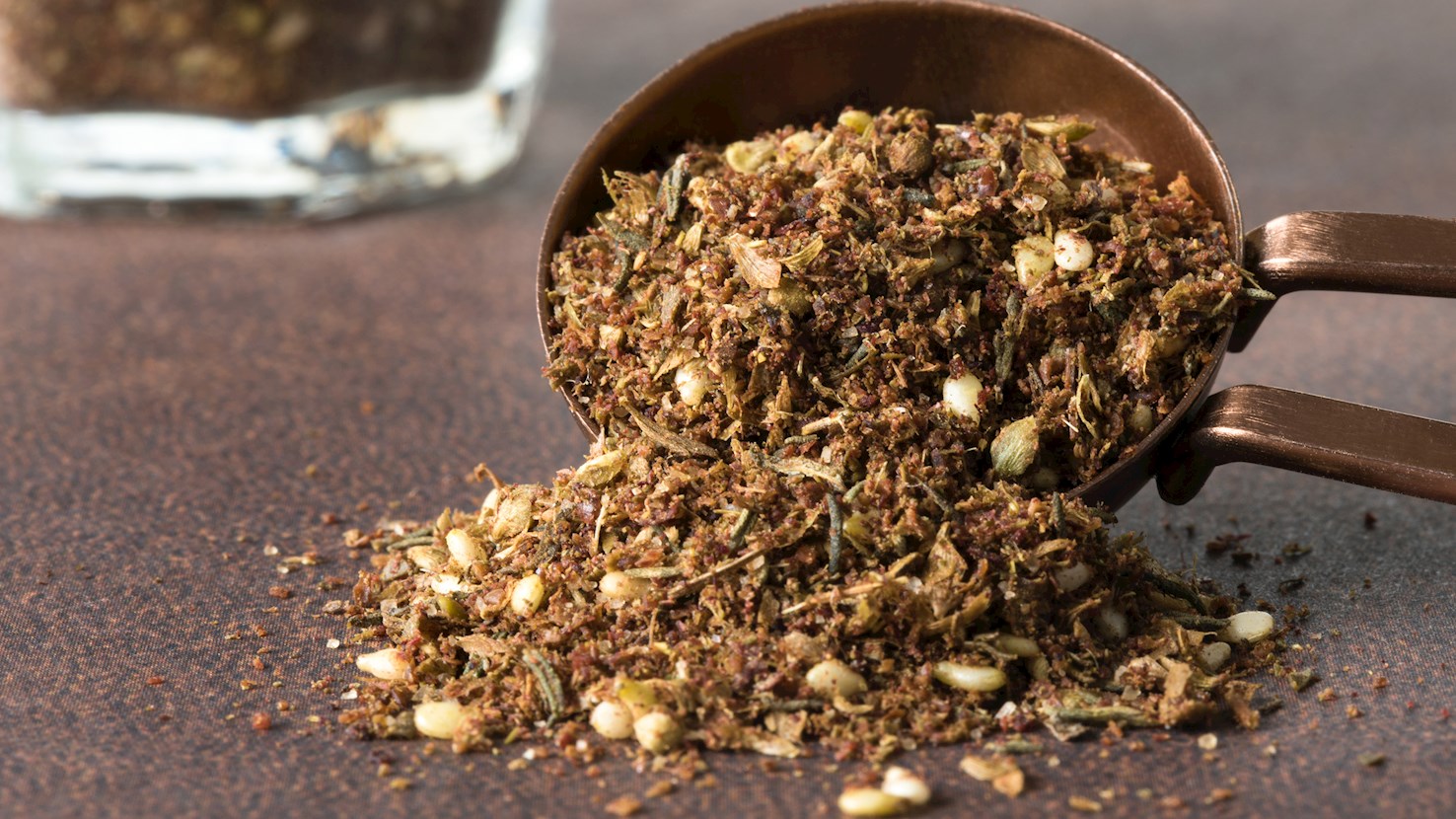
Za’atar is a herb and spice blend that comes from the Levant region, especially associated with Lebanon, Syria, Jordan, and Palestine, though its use extends across much of the Middle East. It is recognized by its earthy, tangy, and slightly nutty flavor, often made with a base of dried thyme or other herbs, combined with sumac, sesame seeds, and salt. Its name in Arabic refers both to the herb thyme itself and to the mixture that has become a defining element of Levantine cooking. References to za’atar go back to ancient times, with mentions of similar herb mixtures found in texts from the Eastern Mediterranean. For centuries it has been linked not just to culinary use but also to medicinal and cultural practices, as thyme and sumac were valued for both flavor and health properties. Families often developed their own preferred balance of ingredients, leading to variations from one region to another. In village markets, it became a product sold by weight, ground fresh and mixed with sesame, sumac, or other herbs like oregano and marjoram depending on local preferences. Preparation of za’atar starts with drying the chosen herbs until they can be crumbled into a fine texture. These are then blended with ground sumac, which adds acidity and a deep reddish hue, and sesame seeds, which are usually toasted to highlight their nutty aroma. Salt is added to preserve the mixture and balance the flavors. In some cases, other spices or wild herbs are included, reflecting regional differences. Za’atar is not eaten as a dish on its own but as a seasoning, yet its importance in daily meals is substantial. It pairs particularly well with fresh bread, labneh, roasted vegetables, and grilled meats. Its flavor stands out when combined with olive oil from the same regions, emphasizing the agricultural ties between land, spice, and table.
Translated from Arabian as spice, bahārāt is an aromatic blend of spices native to the Middle East. Although it is hard to pinpoint the exact spices used in the mix, the most common ingredients include black peppercorns, allspice, cassia bark, coriander, cardamom, chili peppers or paprika, cinnamon, cloves, and cumin. The amount of added spices influences the final aroma, which is typically smoky, sweet, and spicy. Bahārāt can be used as a seasoning for fish and meat, it is commonly added to soups and stews, but it also works well in marinades or as a dry rub.
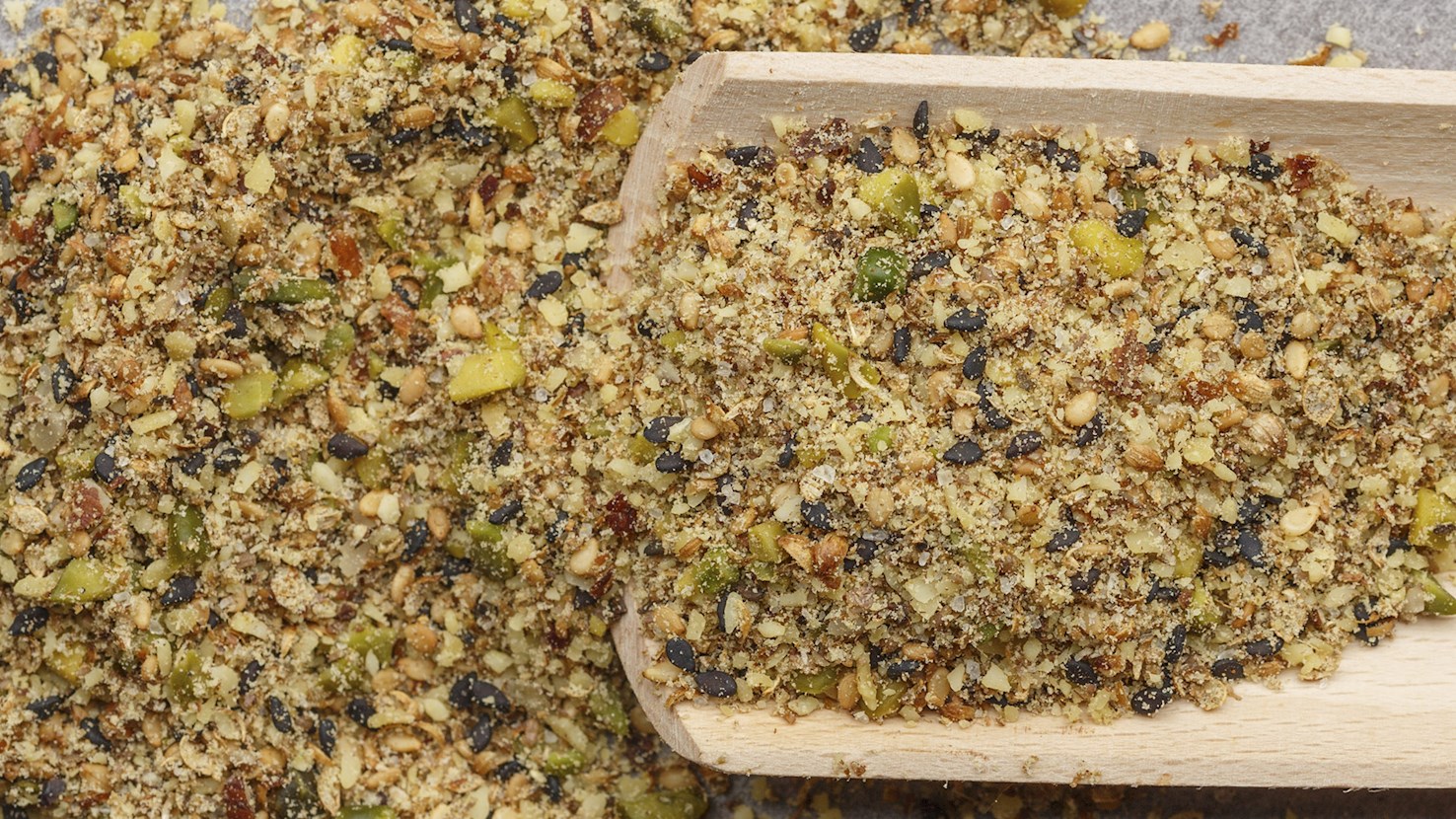
Duqqa is an Egyptian blend of herbs, toasted nuts, and spices such as cumin, sesame seeds, and coriander. The combination of these ingredients is ground into a coarse powder which can be used as a salad topping, a dip with olive oil and bread, or as a seasoning. Its name is derived from the Egyptian Arabic word for to crush or to pound, referring to the method of production. Duqqa originated as peasant food and people mostly consumed it as a seasoning for bread. Due to its high protein and fat content, it provided sustenance throughout the day. The blend has recently taken off in Australia, where it is consumed on its own, as a bar snack.
Hawaij is a traditional spice blend that is deeply rooted in Yemenite Jewish tradition. The spice mix consists of ingredients such as saffron, turmeric, black pepper, and cardamom. Variations include other ingredients such as cumin, coriander, cloves, cinnamon, and even ginger. The flavor of hawaij can be best described as earthy, peppery, and floral. It can be bought throughout Yemeni markets, but also in Arabian-specialized stores internationally. Although it is primarily used in soups, stews, as rice flavoring, and on grilled meats as a rub, it can also be combined with olive oil and lemon juice to make a stellar dressing for grilled fish.
Kabsa spice is a traditional spice blend used predominantly in Saudi Arabian cuisine, particularly for kabsa, a popular spiced rice and meat dish found throughout the Arabian Peninsula. This spice mix is crafted to infuse rice and meats with a rich, aromatic, and slightly smoky flavor. Kabsa spice typically includes black lime (loomi), cardamom, cinnamon, cloves, cumin, black pepper, coriander, turmeric, and occasionally saffron or nutmeg. Black lime is a key ingredient, adding a tart and slightly bitter citrusy note that balances the warmth of cinnamon and cloves, while cardamom and cumin provide earthy undertones. The resulting flavor of kabsa spice is warm, earthy, slightly sweet, smoky, and tangy with a touch of heat. It pairs well with long-grain rice like basmati and is used to season meats like lamb, chicken, and goat. This blend is commonly added to the cooking water for rice or used as a marinade or rub for meats, giving dishes a complex aroma that’s both inviting and distinct to the Gulf region.
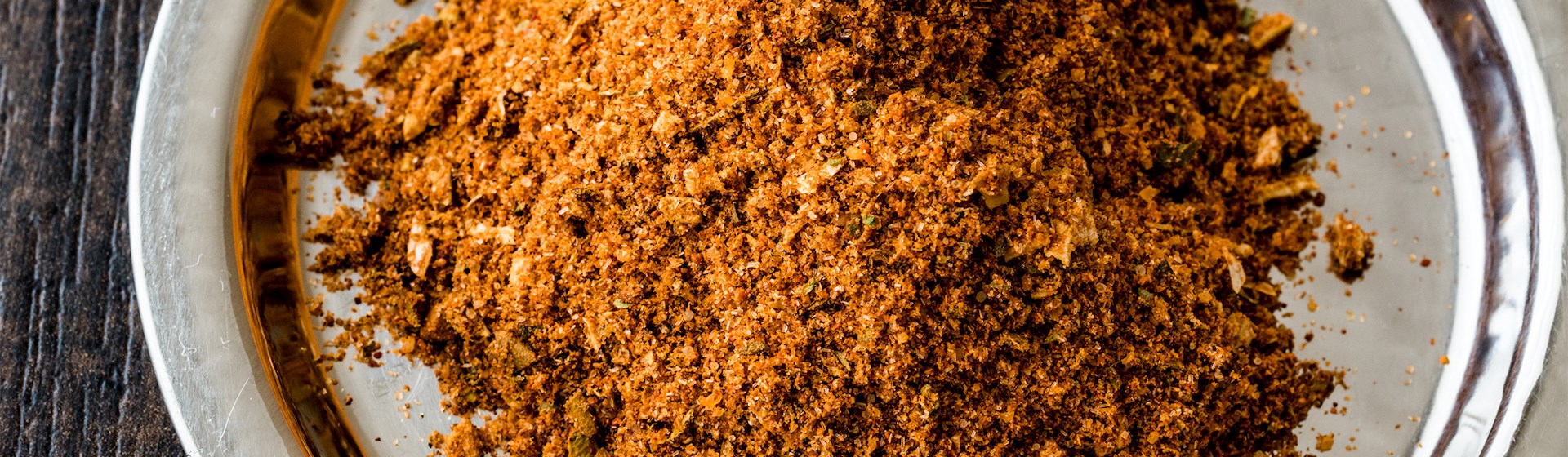
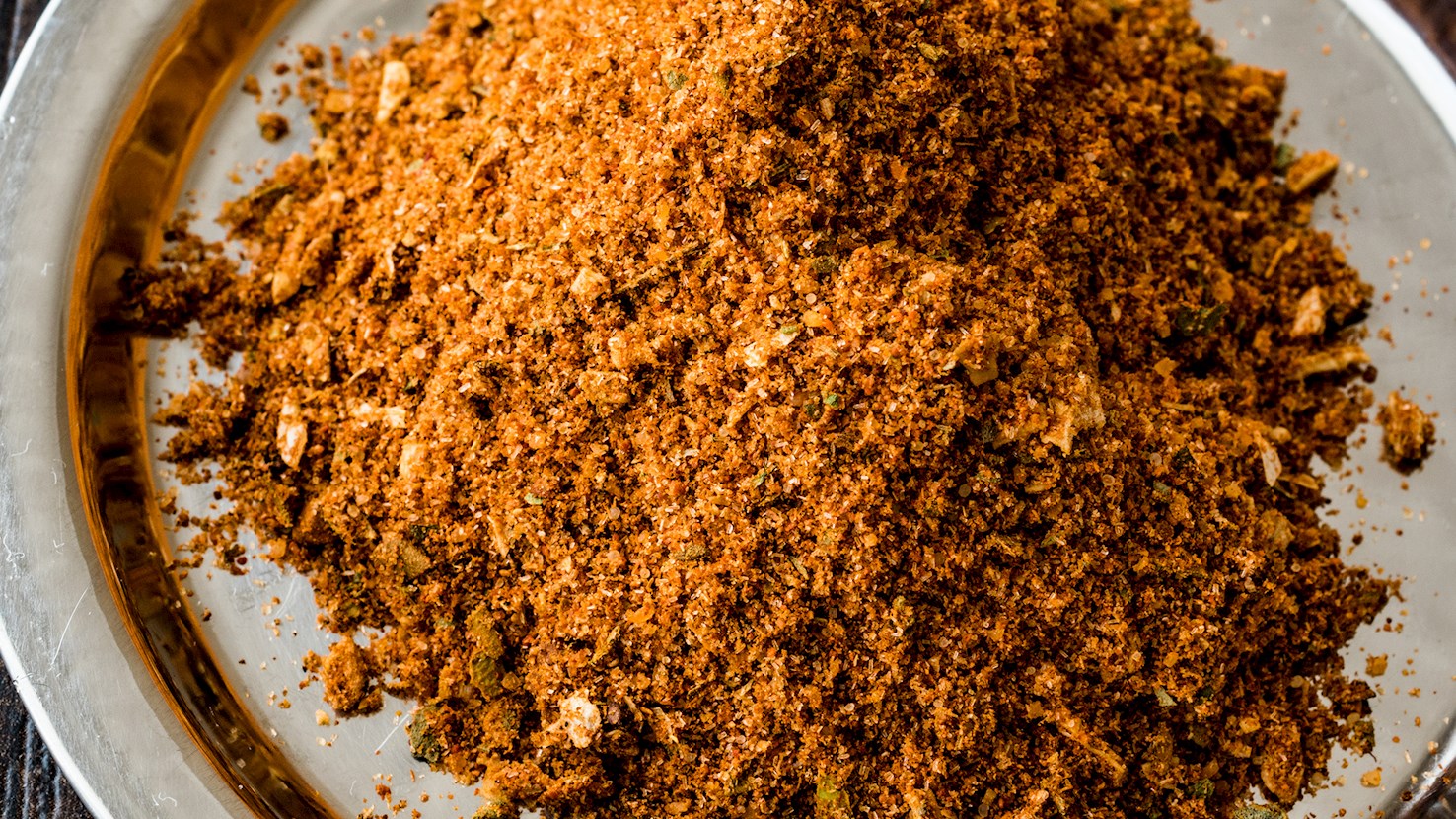
Bzar is a traditional and Gulf-region spice blend widely used in the United Arab Emirates, Oman, and other Gulf countries. Typically, Bzar includes cumin, coriander, black pepper, cinnamon, turmeric, and cardamom, with some variations adding cloves, fenugreek, or dried chili peppers for extra warmth. The blend is often made in large batches and stored for regular use. Bzar has a warm, earthy, slightly smoky flavor with mild spiciness and aromatic notes, creating a deep, rich taste that enhances the natural flavors of meats and vegetables without overpowering them. The cinnamon and cardamom contribute a hint of sweetness, while the cumin and coriander add earthy depth. It is incredibly versatile in cooking, used in marinades for lamb, chicken, and beef; in rice dishes like kabsa and machboos; in soups and stews where it infuses a warm, spiced aroma; and in grilled or roasted vegetables.
TasteAtlas food rankings are based on the ratings of the TasteAtlas audience, with a series of mechanisms that recognize real users and that ignore bot,
nationalist or local patriotic ratings, and give additional value to the ratings of users that the system recognizes as knowledgeable.
TasteAtlas Rankings should not be seen as the final global conclusion about food. Their purpose is to promote excellent local foods,
instill pride in traditional dishes, and arouse curiosity about dishes you haven’t tried.









What People Say