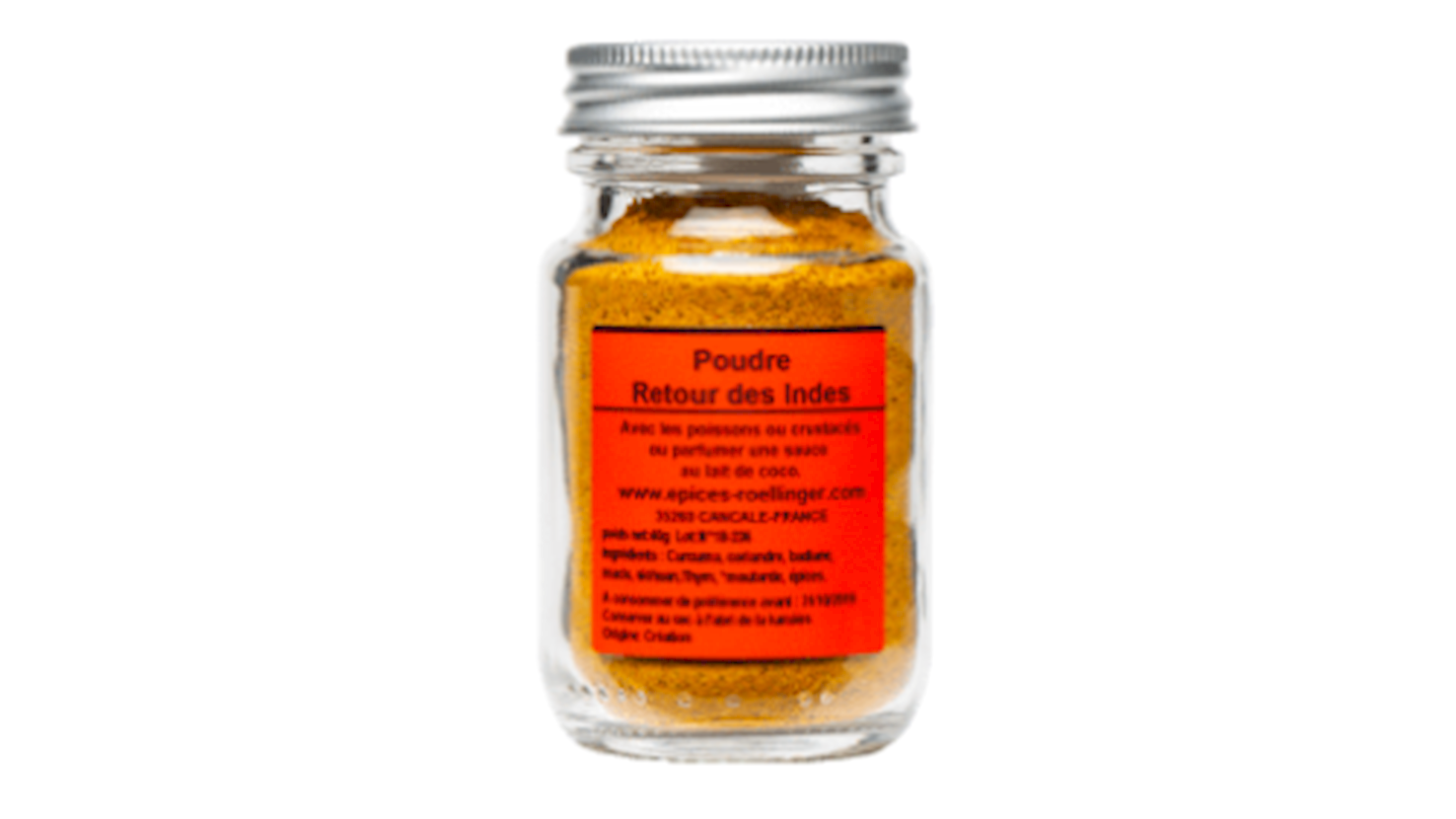
Épices Roellinger is a French gourmet spice house founded by chef Olivier Roellinger, closely linked to the maritime heritage of Saint-Malo and Cancale in Brittany. The brand grew out of Roellinger’s culinary work, where he began using spices as an aromatic language in 1984, inspired by the historic spice routes and the old trading culture of Saint-Malo.
Today, Épices Roellinger offers rare spices, peppers, salts, oils, vinegars, vanilla, seaweeds and original spice blends created with a distinctly French culinary sensibility. Its philosophy is based on direct sourcing from selected producers, freshness of harvest, and a strong preference for organic, sustainable, wild or agroecological ingredients.
The house is especially known for its original spice blends, designed not as generic seasonings but as precise culinary compositions connected to memories, journeys, places and dishes. Production and blending are associated with the Maison du Voyageur in Cancale, while the brand also operates boutiques in Cancale, Saint-Malo and Paris. Épices Roellinger is regarded as one of the reference names in the French gourmet spice world, valued for traceability, craftsmanship and its ability to translate the history of spices into contemporary cuisine.
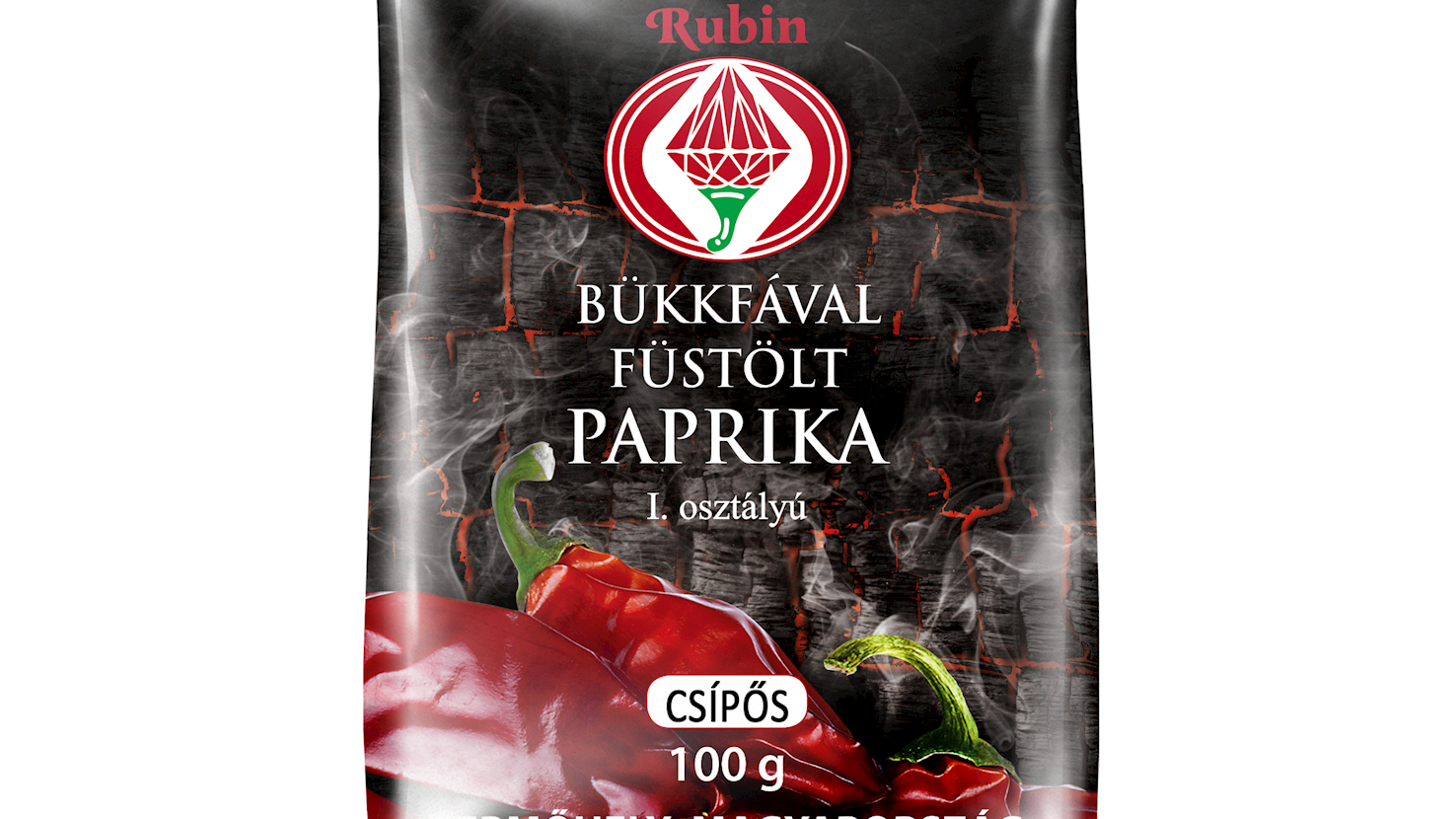
Rubin Paprika is a renowned producer of paprika-based seasonings based in Szeged, Hungary. Their product range includes high-quality offerings such as sweet and hot ground paprika, smoked paprika, paprika seed oil, chili flakes, and organic (BIO) paprika, available in both sweet and hot varieties.
Rubin Paprika is dedicated to preserving traditional production methods while adhering to modern quality and food safety standards. Their products are highly regarded both domestically and internationally, contributing to the global recognition of Hungarian culinary traditions.
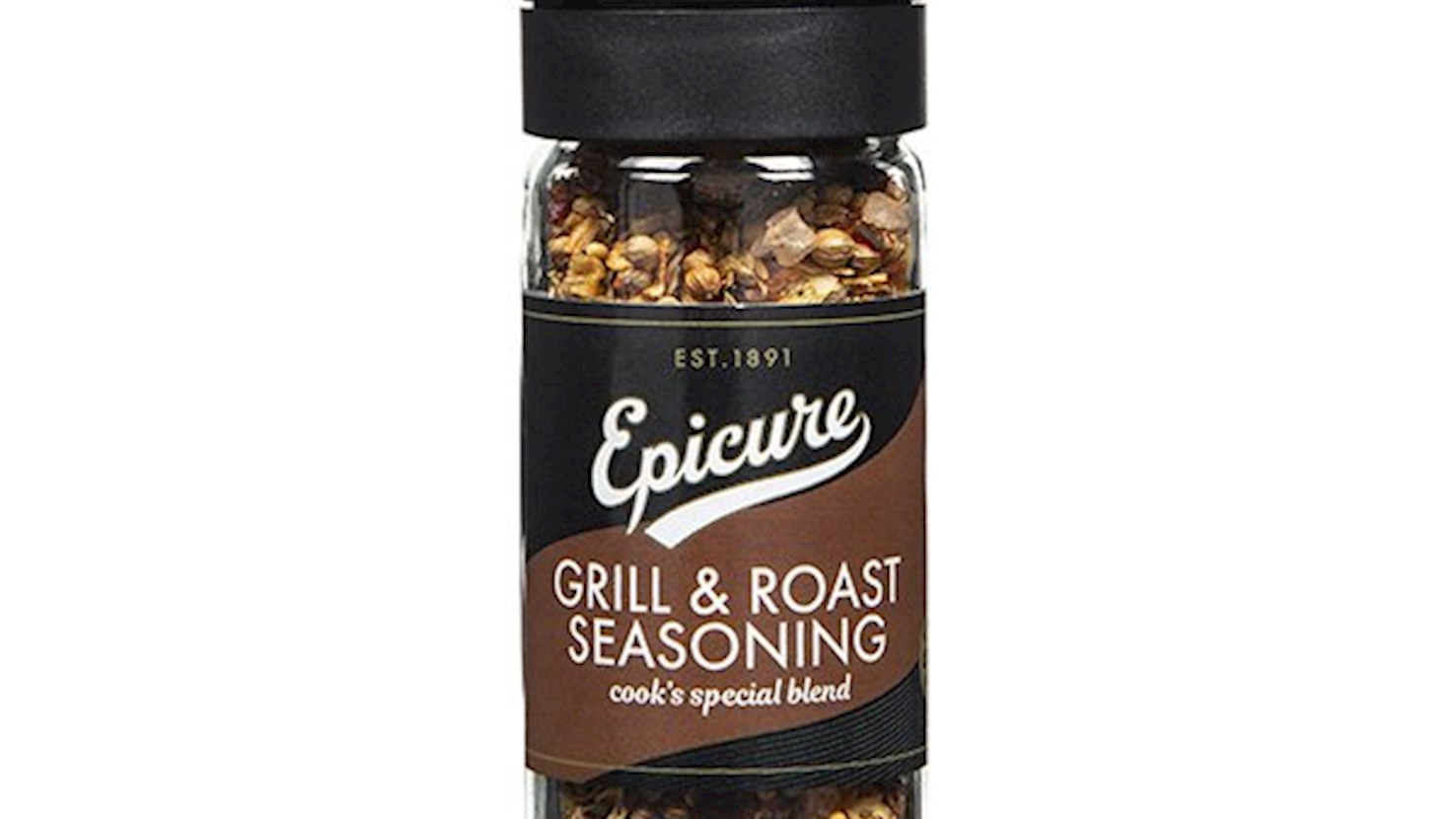
Epicure is a brand founded in 1891 in London, when the Wood family established the company with the idea of bringing new and authentic flavors from around the world to British consumers. Over time, it built a reputation as a brand that combines tradition and reliability with a constant exploration of new gastronomic trends.
They are particularly renowned for their selection of Canadian maple syrups, which they have imported and distributed for many years in collaboration with reputable producers. Today, Epicure’s portfolio includes a wide range of products - from exotic and dried fruits, spices, and gourmet preserves to fine condiments and beverages.
Their products are exported across Europe, Asia, the Middle East, and India. The blend of the Wood company’s history and carefully chosen partners makes Epicure a brand that faithfully conveys the spirit of authentic cuisine and inspires culinary creativity.
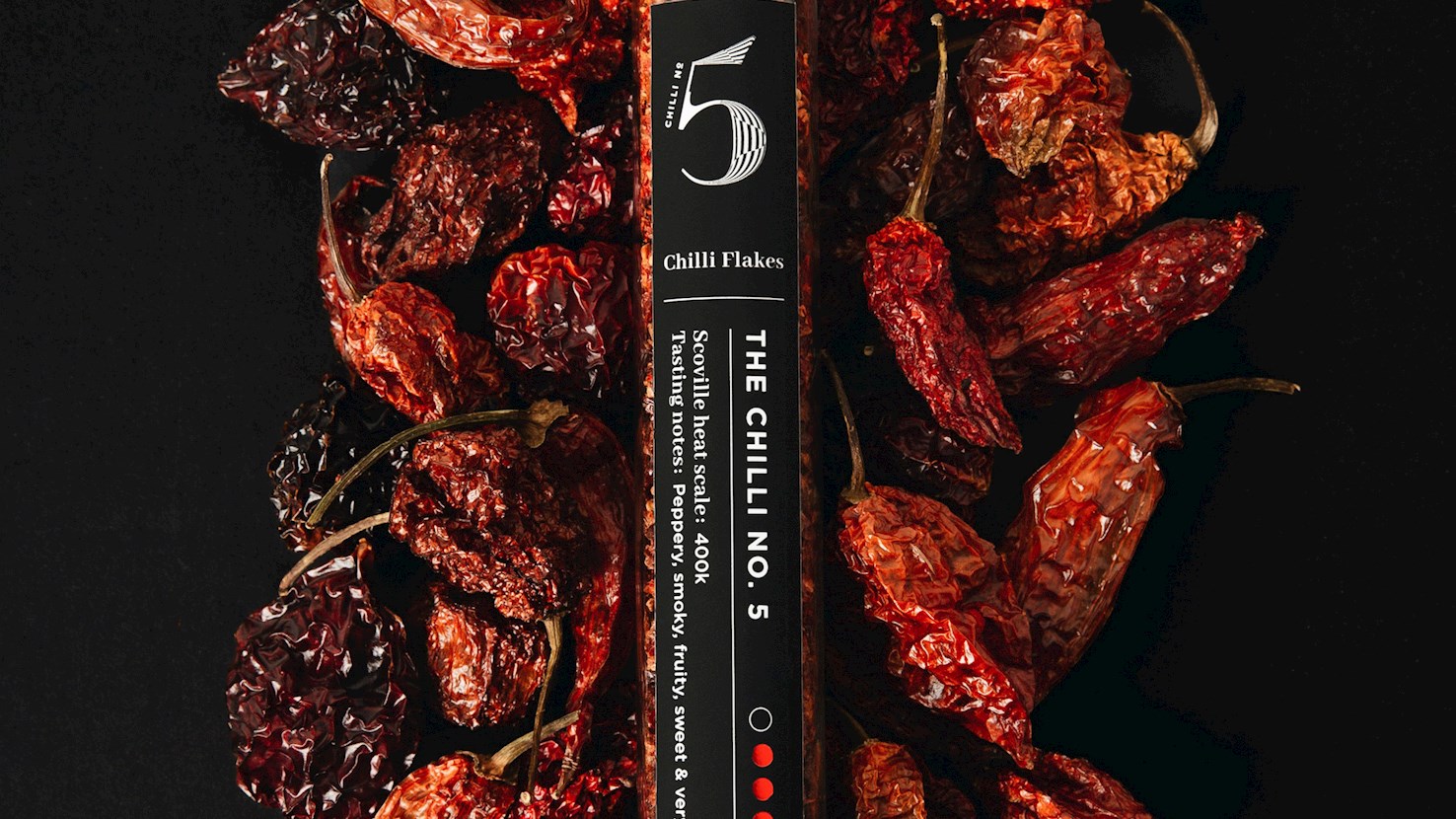
Chilli No. 5 Limited is a producer of spice blends and seasonings based in London. They specialize in creating gourmet chilli sauces and seasonings that focus on both flavor and health benefits.
The company emphasizes the use of high-quality, natural ingredients in their products, and they offer a variety of spice blends catering to diverse culinary preferences.
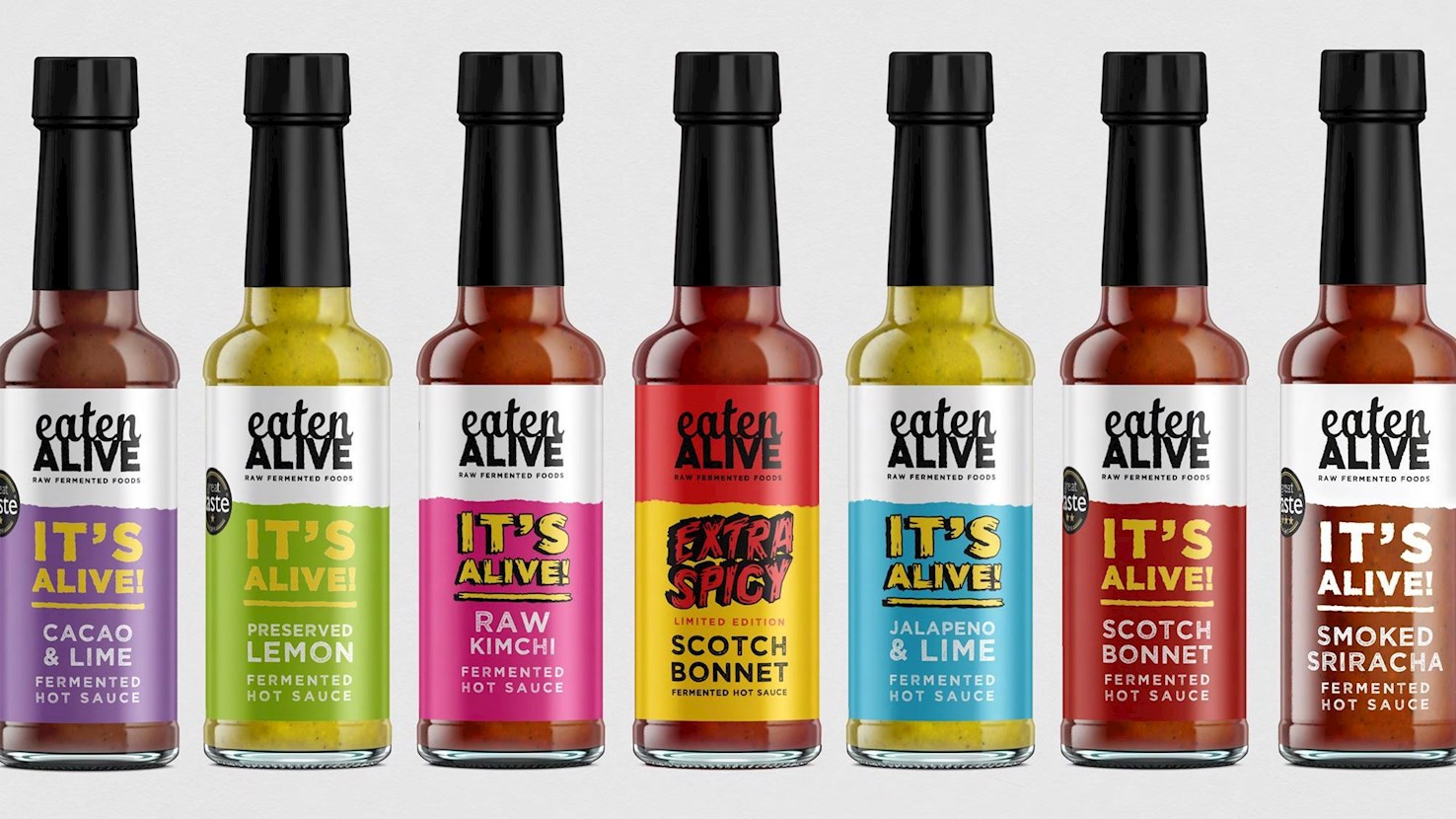
Eaten Alive is a London-based producer specializing in spice blends and seasonings. The company is known for its fermented hot sauces and kimchi, utilizing natural fermentation processes to create complex and unique flavors.
Eaten Alive emphasizes the use of high-quality, natural ingredients in its products. The company was founded by chefs who bring their culinary expertise to the creation of their spice blends and seasonings.
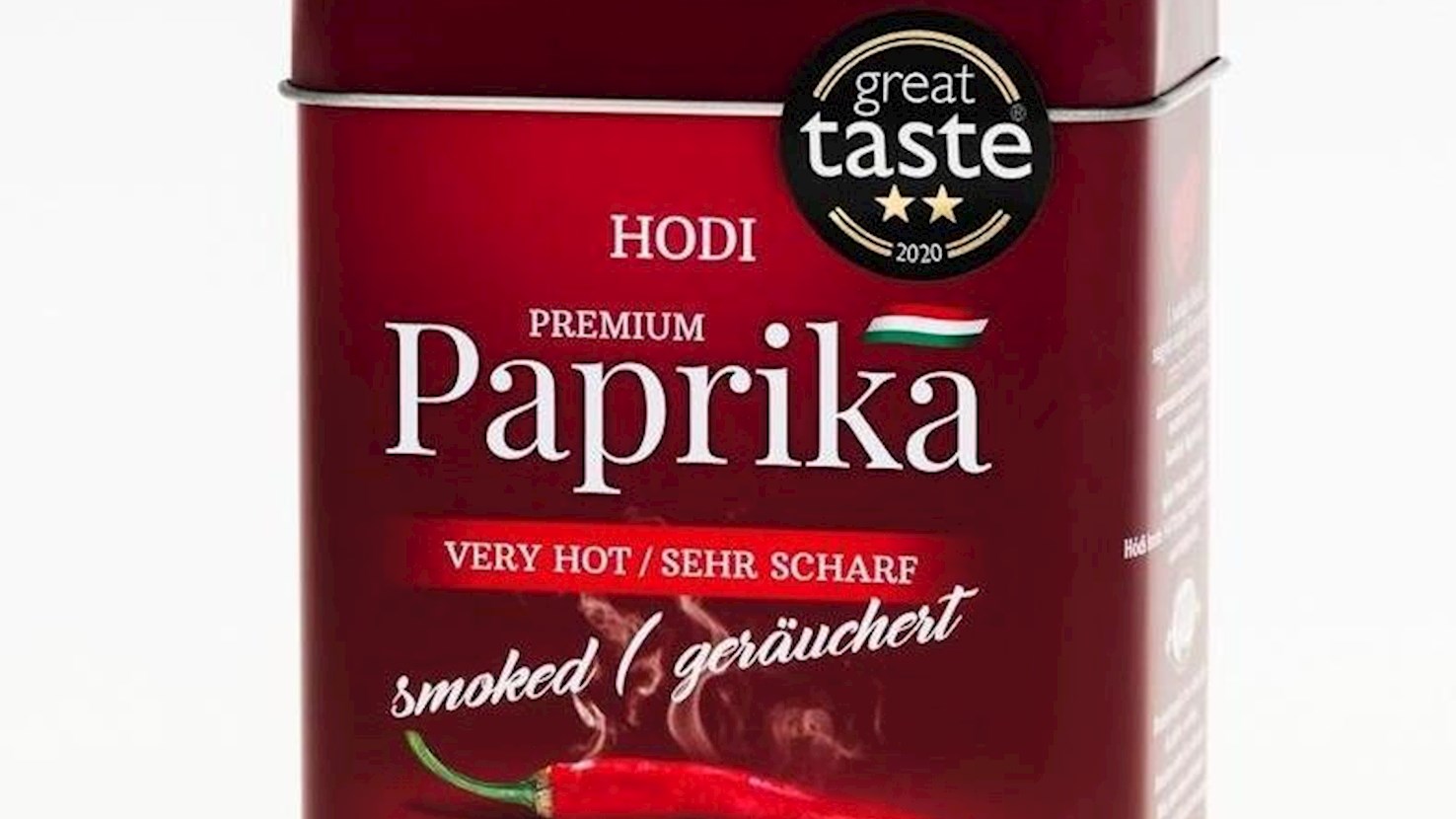
Hodi Paprika Ltd. is a producer of spice blends and seasonings. It specializes in paprika products.
The company aims to deliver high-quality spices to various markets. It focuses on maintaining traditional methods along with modern technology for processing spices.
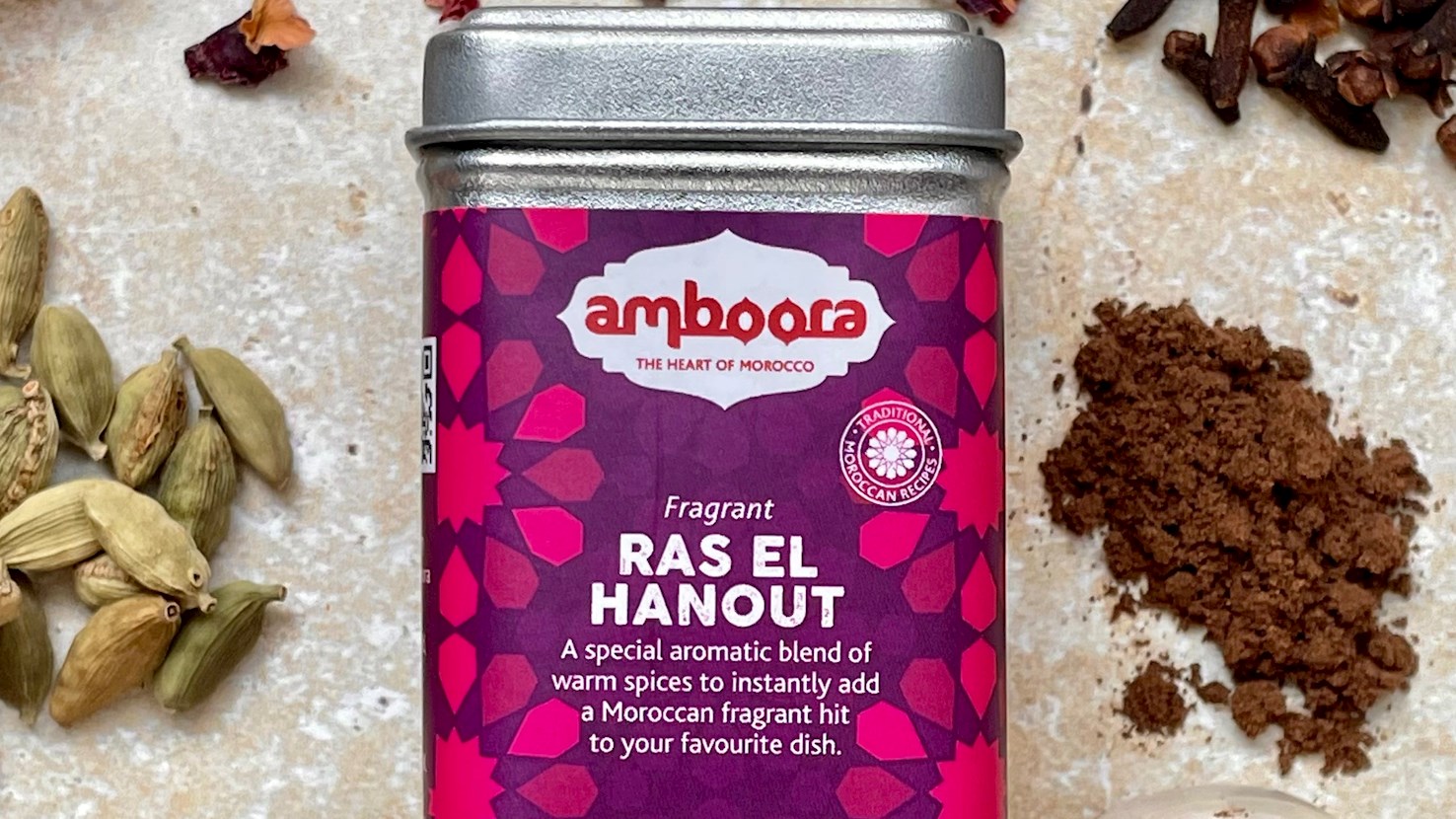
Amboora is a spice blend and seasoning producer based in London. The company specializes in crafting unique and high-quality spice blends that cater to a wide range of culinary needs.
They focus on sourcing premium ingredients to ensure authentic and flavorful products. Amboora's offerings include a variety of spices, herbs, and seasoning mixes inspired by global cuisines.
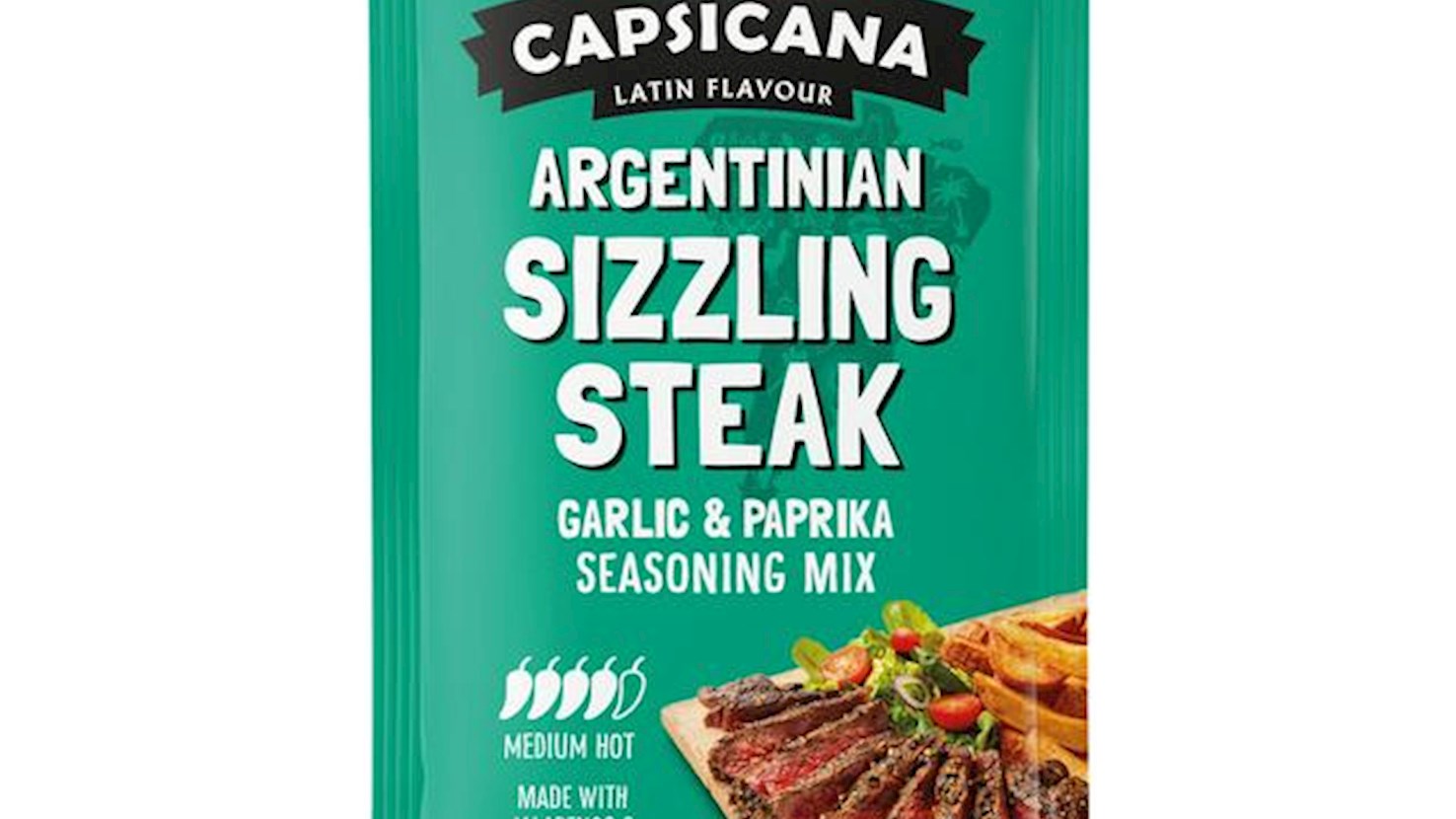
Capsicana Ltd. is an English producer specializing in Latin American-inspired spice blends and seasonings. The company’s products draw from the rich culinary traditions of countries such as Mexico, Brazil, and Peru.
Capsicana is known for its use of authentic ingredients and recipes to create flavors that bring a taste of Latin America to home cooking.
Khmeli suneli is a fragrant Georgian spice blend including fenugreek, coriander, peppercorns, dill, mint, marigold petals, and bay leaves. This spice blend is characterized by its combination of warm, bitter, nutty, and grassy flavors. It is traditionally used in various stews and meat dishes, but khmeli suneli also provides a depth of flavor to roasted vegetables and bean soups.
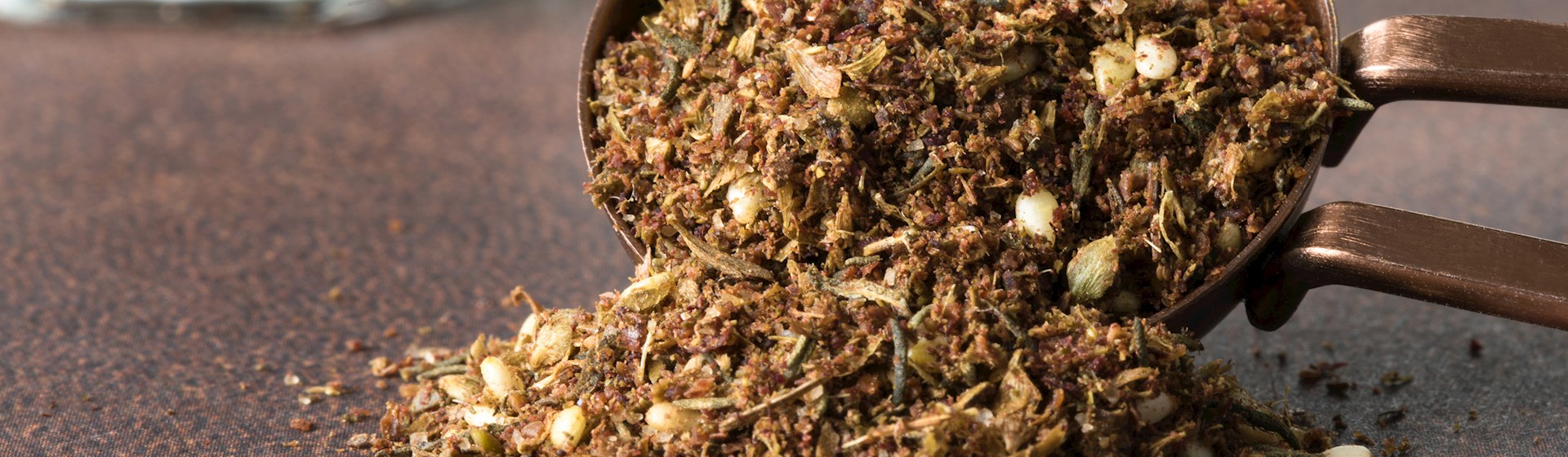
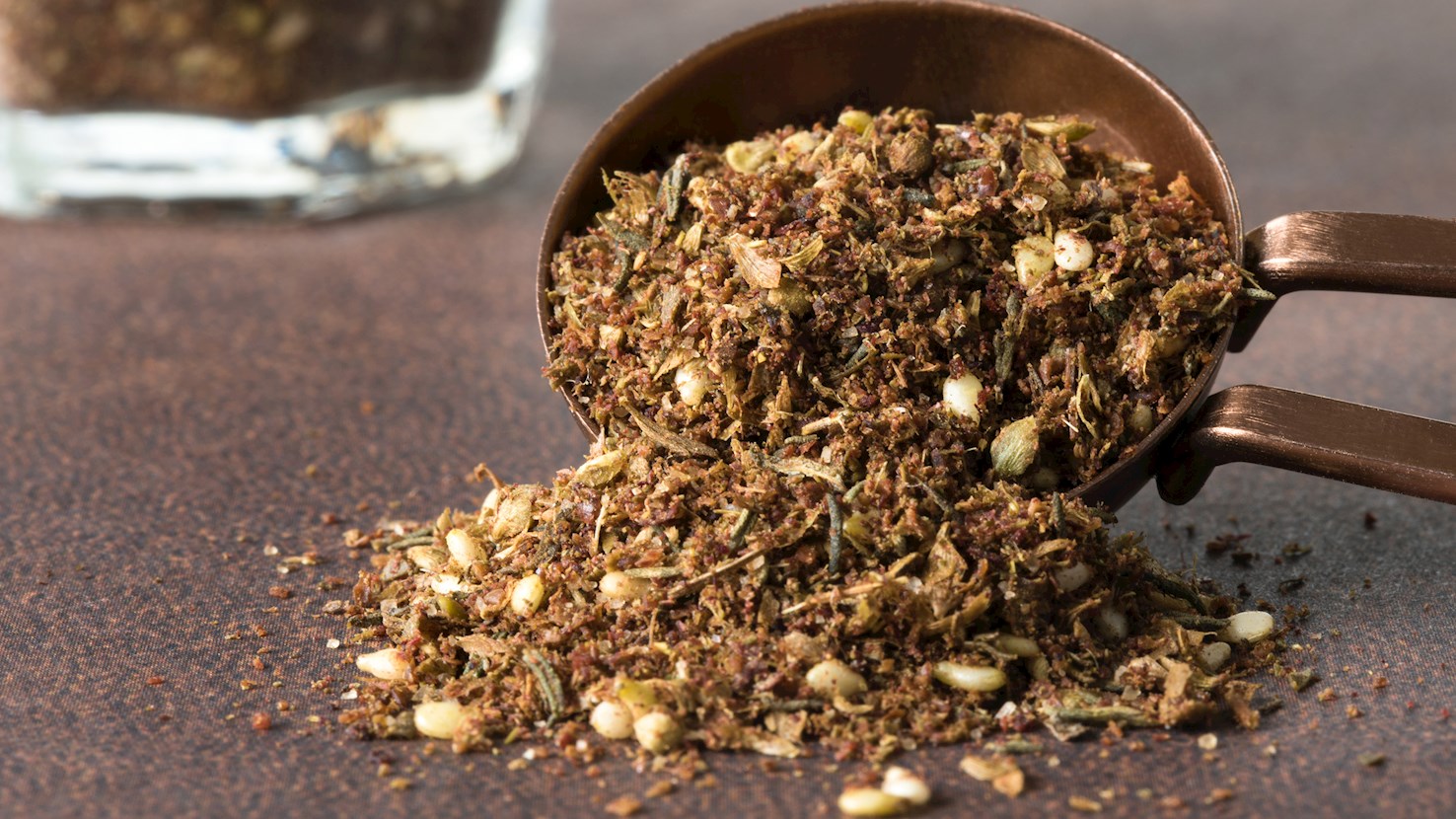
Za’atar is a herb and spice blend that comes from the Levant region, especially associated with Lebanon, Syria, Jordan, and Palestine, though its use extends across much of the Middle East. It is recognized by its earthy, tangy, and slightly nutty flavor, often made with a base of dried thyme or other herbs, combined with sumac, sesame seeds, and salt. Its name in Arabic refers both to the herb thyme itself and to the mixture that has become a defining element of Levantine cooking. References to za’atar go back to ancient times, with mentions of similar herb mixtures found in texts from the Eastern Mediterranean. For centuries it has been linked not just to culinary use but also to medicinal and cultural practices, as thyme and sumac were valued for both flavor and health properties. Families often developed their own preferred balance of ingredients, leading to variations from one region to another. In village markets, it became a product sold by weight, ground fresh and mixed with sesame, sumac, or other herbs like oregano and marjoram depending on local preferences. Preparation of za’atar starts with drying the chosen herbs until they can be crumbled into a fine texture. These are then blended with ground sumac, which adds acidity and a deep reddish hue, and sesame seeds, which are usually toasted to highlight their nutty aroma. Salt is added to preserve the mixture and balance the flavors. In some cases, other spices or wild herbs are included, reflecting regional differences. Za’atar is not eaten as a dish on its own but as a seasoning, yet its importance in daily meals is substantial. It pairs particularly well with fresh bread, labneh, roasted vegetables, and grilled meats. Its flavor stands out when combined with olive oil from the same regions, emphasizing the agricultural ties between land, spice, and table.
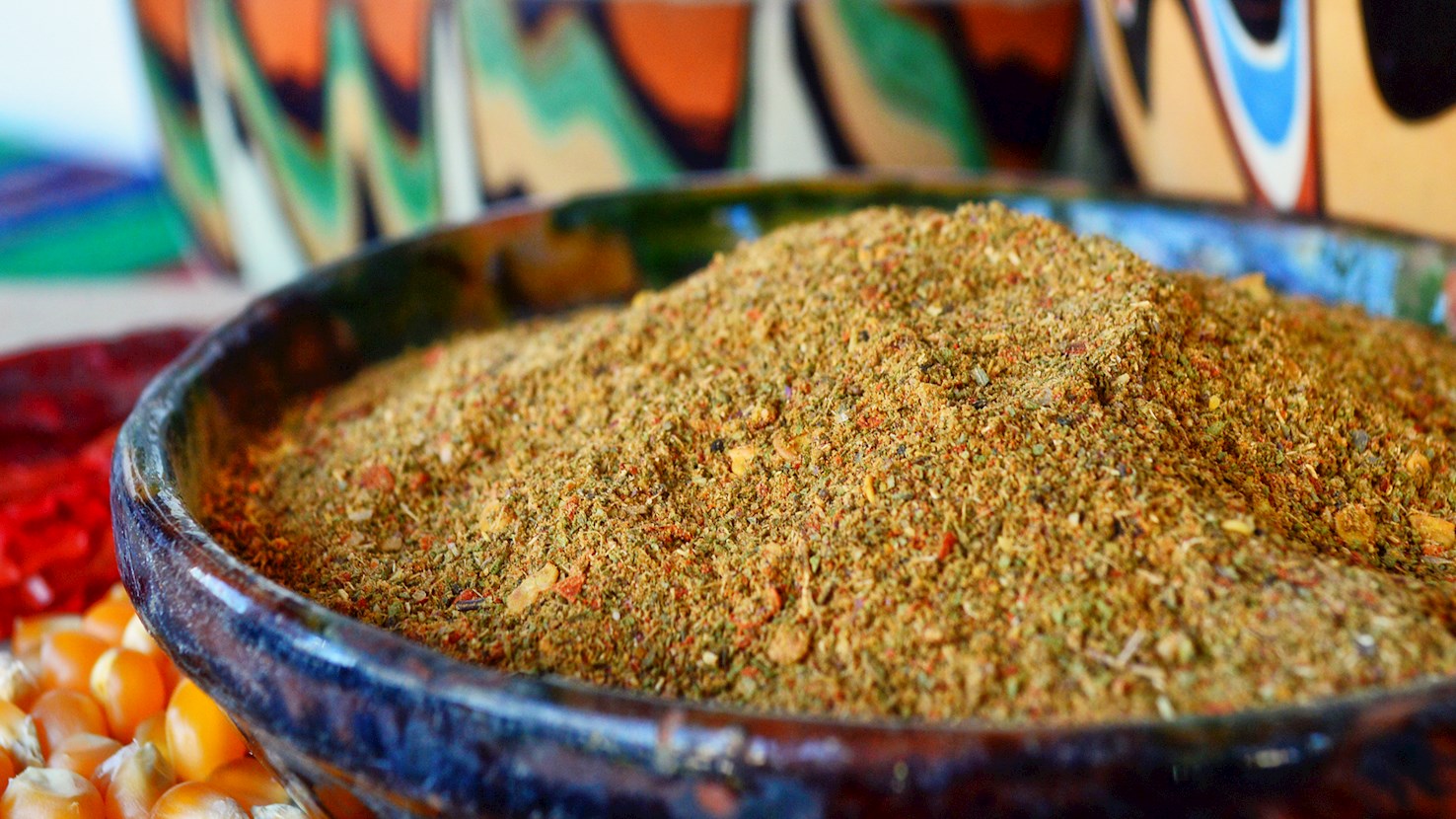
Sharena sol is the most popular Bulgarian spice mix that has been used in Bulgarian cuisine for centuries. It has a pleasant, mild, and aromatic flavor that enhances the taste of many meals. The key ingredients in sharena sol include paprika, salt, thyme, cumin, basil, dried fenugreek leaves, and summer savory. It is recommended to put sharena sol on bread, potatoes, fries, vegetables, or cheese. Interestingly, although sharena sol is translated as colorful salt, salt isn't a required ingredient and can be omitted from the spice mix.
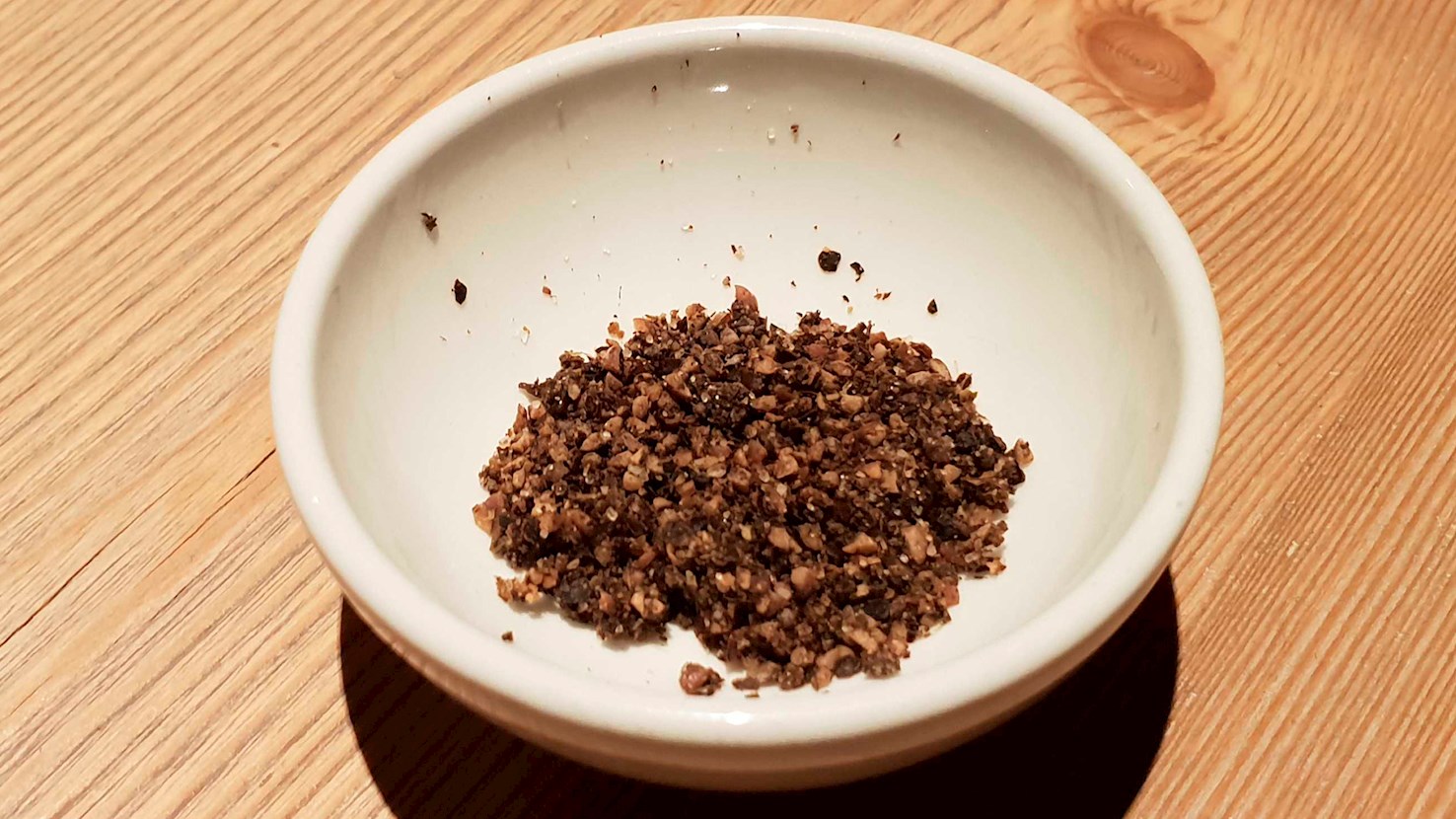
Pestèda is a traditional seasoning blend that hails from the ancient village of Grosio, consisting of garlic, salt, pepper, and aromatic herbs such as leaves of dwarf alpine yarrow or musk yarrow, wild thyme, juniper berries, or cinnamon. Its name means beaten, referring to the method of preparation that involves pounding the combination of herbs and spices in a mortar to produce a highly aromatic mixture, characterized by an intense, slightly spicy flavor. Due to its distinctive aroma and flavor, pestèda has spread throughout the whole region of Valtellina over the years, yielding numerous variations on the traditional blend with some calling for the addition of wine (such as Sasella), brandy, or grappa. This seasoning is nowadays a staple flavor enhancer incorporated into a wide range of traditional specialties of the region including meat, fish, carpaccios, vegetables, potatoes, raclette, guanciale, lard, Valtellina rice, and various pasta dishes such as pizzoccheri alla valtellinese. Pestèda is often found on the tables of traditional local restaurants and in grocery stores.
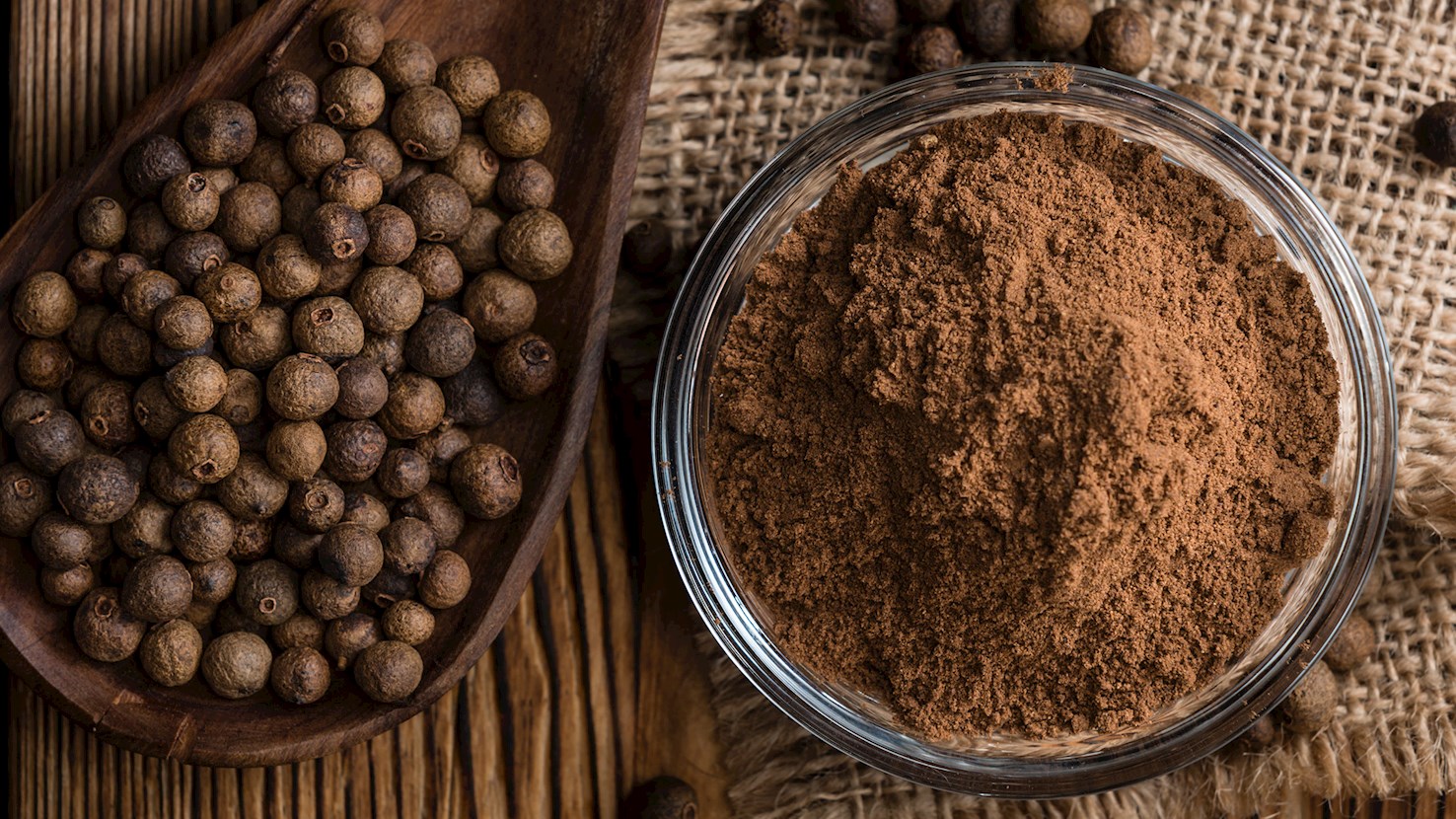
Quatre épices is a traditional spice blend that's used to season and flavor a wide variety of foods such as roulades, soups, terrines, stews, gratins, and even sausages. The name of the blend means four spices, and those are black or white pepper, cloves, nutmeg, and ginger. Some spices may be replaced or added in the mix, including allspice and cinnamon. The most common versions of the blend focus on the pepper, and those peppery notes are backed up by the pungency and sweetness of the other spices.
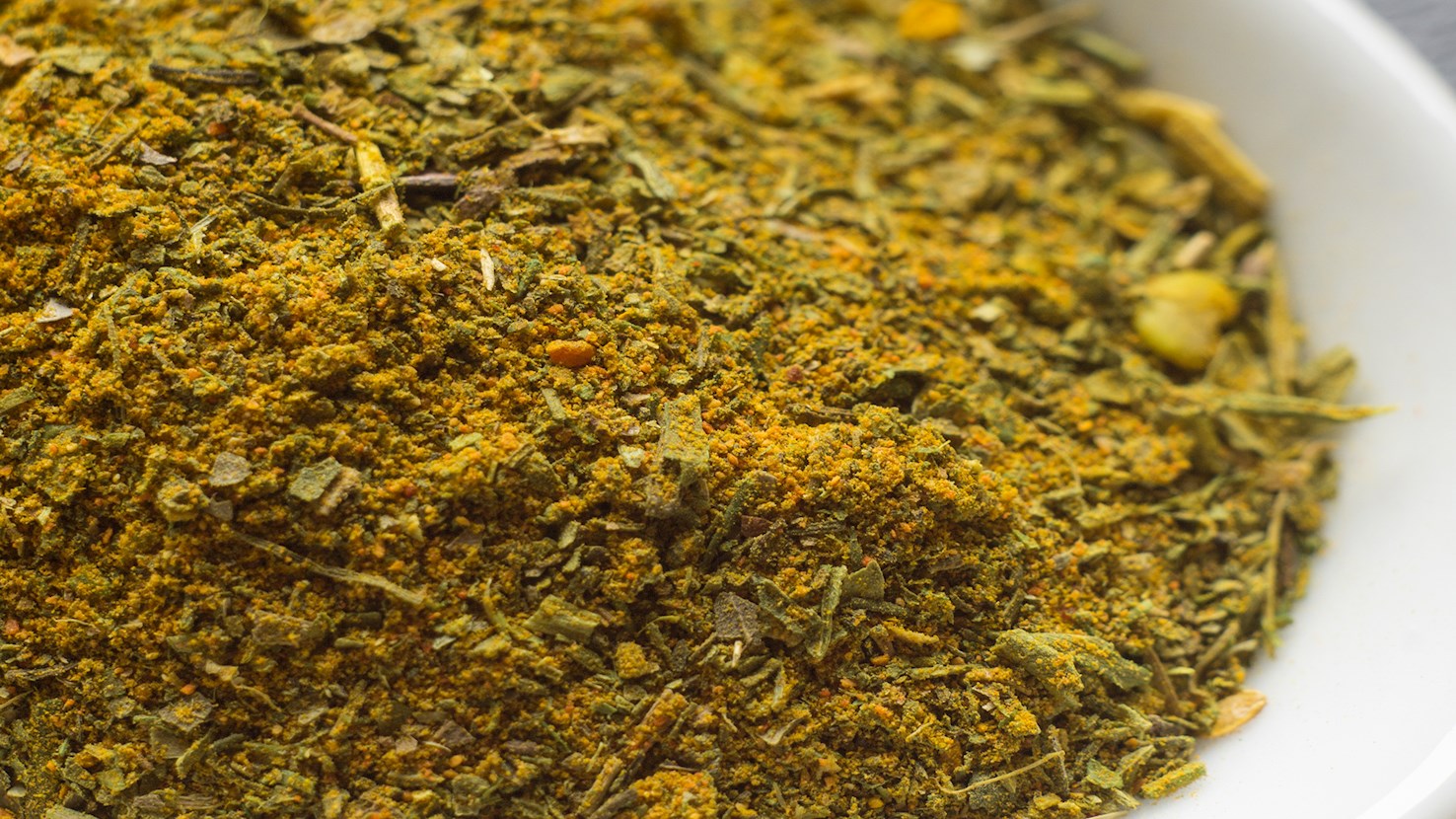
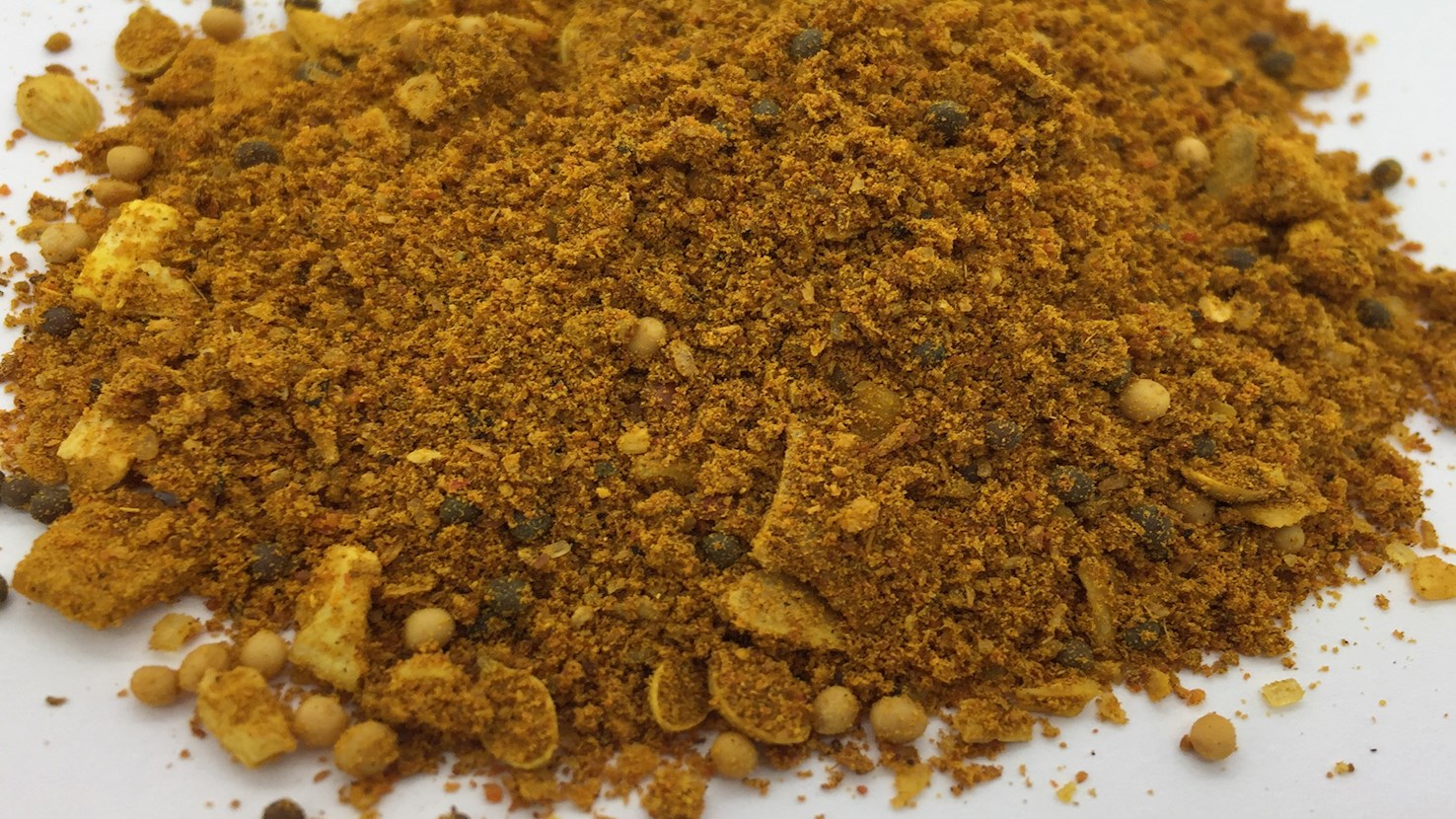
Vadouvan is a French-style curry mix consisting of ingredients such as shallots, onion, cumin, garlic, turmeric, cardamom, curry leaves, black mustard, black pepper, and fenugreek. All of the ingredients are traditionally dried and pounded into a coarse spice blend. Vadouvan is used in a variety of dishes featuring poultry, seafood, and vegetables, but it can also be added to salads. This spice blend is sometimes made into a paste by mixing it with oil and water.
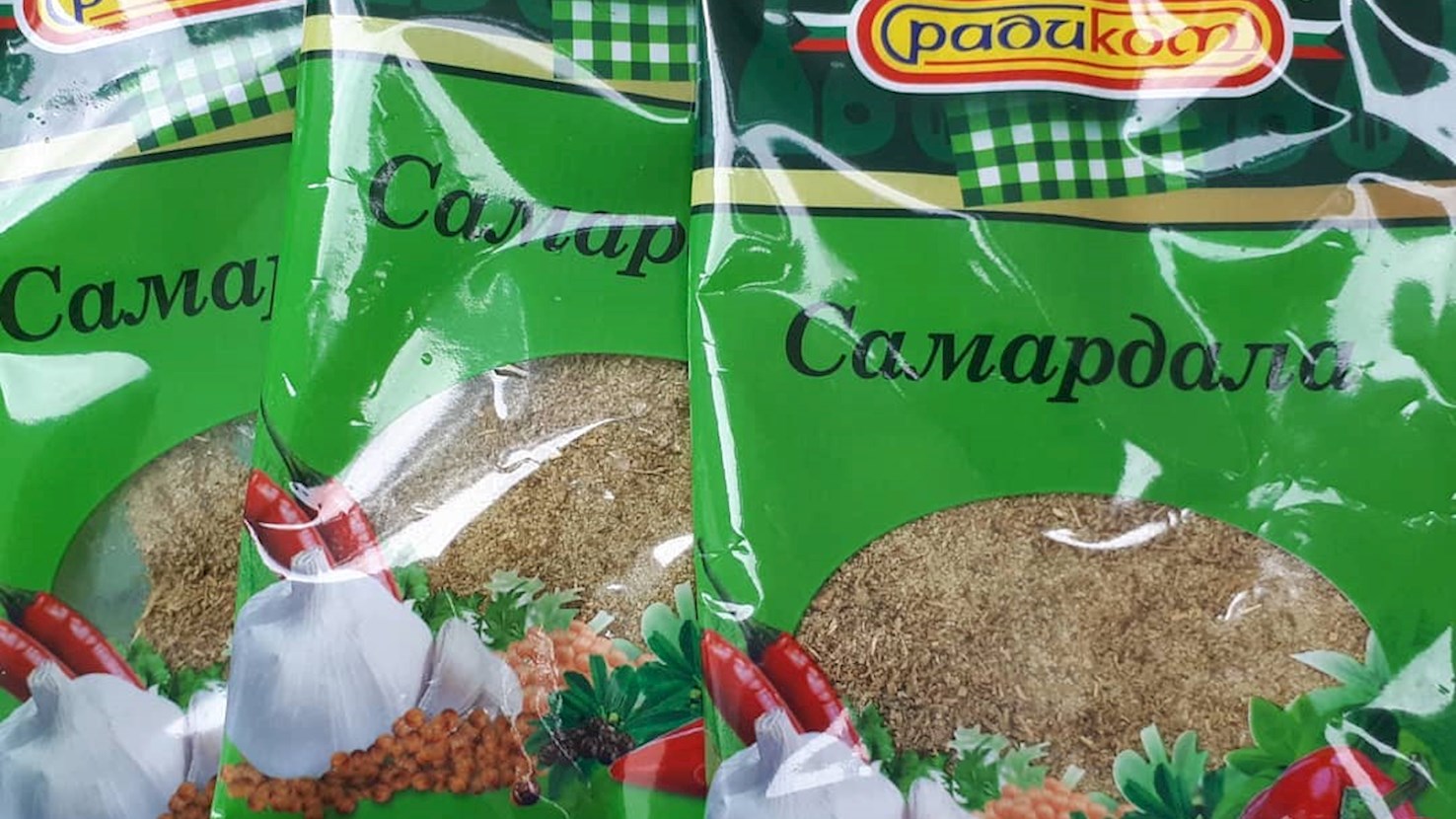
Samardala salt is a traditional spice mix originating from Stara Zagora. The spice mix consists of only two ingredients – salt and samardala (Nectaroscordum siculum bulgaricum or Allium siculum), also called Bulgarian honey garlic, a spice that belongs to the allium family and is endemic to the Balkans. This spice mix is often used on sandwiches with butter or minced meat, pizza, bread, potatoes, or hard-boiled eggs, and it adds a specific and slightly bitter and salty layer of flavor to the foods that it's used with. The ratio of samardala to salt should be 1:1.
Chaimen is an authentic Armenian spice blend that provides tons of flavor to numerous meat and vegetable dishes, as well as casseroles. However, it is mostly used for curing meats and sausages, although it can also be used in soups, stews, or as a dipping sauce for flatbreads. The blend is typically prepared with ingredients such as fenugreek, paprika, salt, black pepper, cumin, allspice, garlic, and cayenne pepper. When used as a marinade, the dry spice blend is added to tomato paste, parsley, crushed garlic cloves, and either olive oil or yogurt.
Mixed spice is a sweet, aromatic blend of ground spices used in baking across Ireland and the United Kingdom. It is composed mainly of cinnamon, nutmeg, and allspice, with smaller quantities of cloves, ginger, coriander seed, and mace. The blend is designed to provide a balanced warmth and depth of flavor to cakes, puddings, biscuits, and pastries, and it is especially common in fruit-based desserts such as fruitcake, gur cake, and mince pies. Its use is widespread in domestic and commercial baking, and it is sold pre-mixed under the name “mixed spice” in most Irish and British grocers. The blend developed during the eighteenth and nineteenth centuries, when imported spices became more accessible through colonial trade and European spice routes. Bakers began combining several sweet spices in fixed ratios rather than measuring them individually, creating a convenient and consistent seasoning mix. Over time, the name “mixed spice” came to refer to a specific flavor profile rather than a general mixture, becoming a recognizable standard in British and Irish recipes. Preparation involves grinding or blending dried spices to a fine, even powder. Cinnamon, nutmeg, and allspice form the base, with cloves and ginger providing sharper, aromatic notes, while coriander and mace add mild sweetness and roundness. The mixture is stored in airtight containers to preserve its volatile oils, which are responsible for the aroma. When added to batters, doughs, or fillings, mixed spice integrates quickly, giving baked goods a uniform flavor without dominating other ingredients. It is distinct from pumpkin spice, which is similar in composition but typically includes more ginger and less allspice, resulting in a sharper profile. Mixed spice is used throughout Ireland and the United Kingdom in home baking, especially in fruit loaves, steamed puddings, and sweet pastry fillings. It is added directly to dry ingredients or dissolved in liquids such as milk or melted butter before incorporation. While not consumed on its own, it influences the flavor balance of many seasonal desserts and pairs indirectly with foods that highlight warm sweetness, such as dried fruits, treacle, and brown sugar.
TasteAtlas food rankings are based on the ratings of the TasteAtlas audience, with a series of mechanisms that recognize real users and that ignore bot,
nationalist or local patriotic ratings, and give additional value to the ratings of users that the system recognizes as knowledgeable.
TasteAtlas Rankings should not be seen as the final global conclusion about food. Their purpose is to promote excellent local foods,
instill pride in traditional dishes, and arouse curiosity about dishes you haven’t tried.
The initial list of top producers was compiled based on available reviews, awards, local recommendations, media and blog coverage, and consumer reviews.
The list will be updated with ratings from TasteAtlas local ambassadors and TasteAtlas users.













What People Say