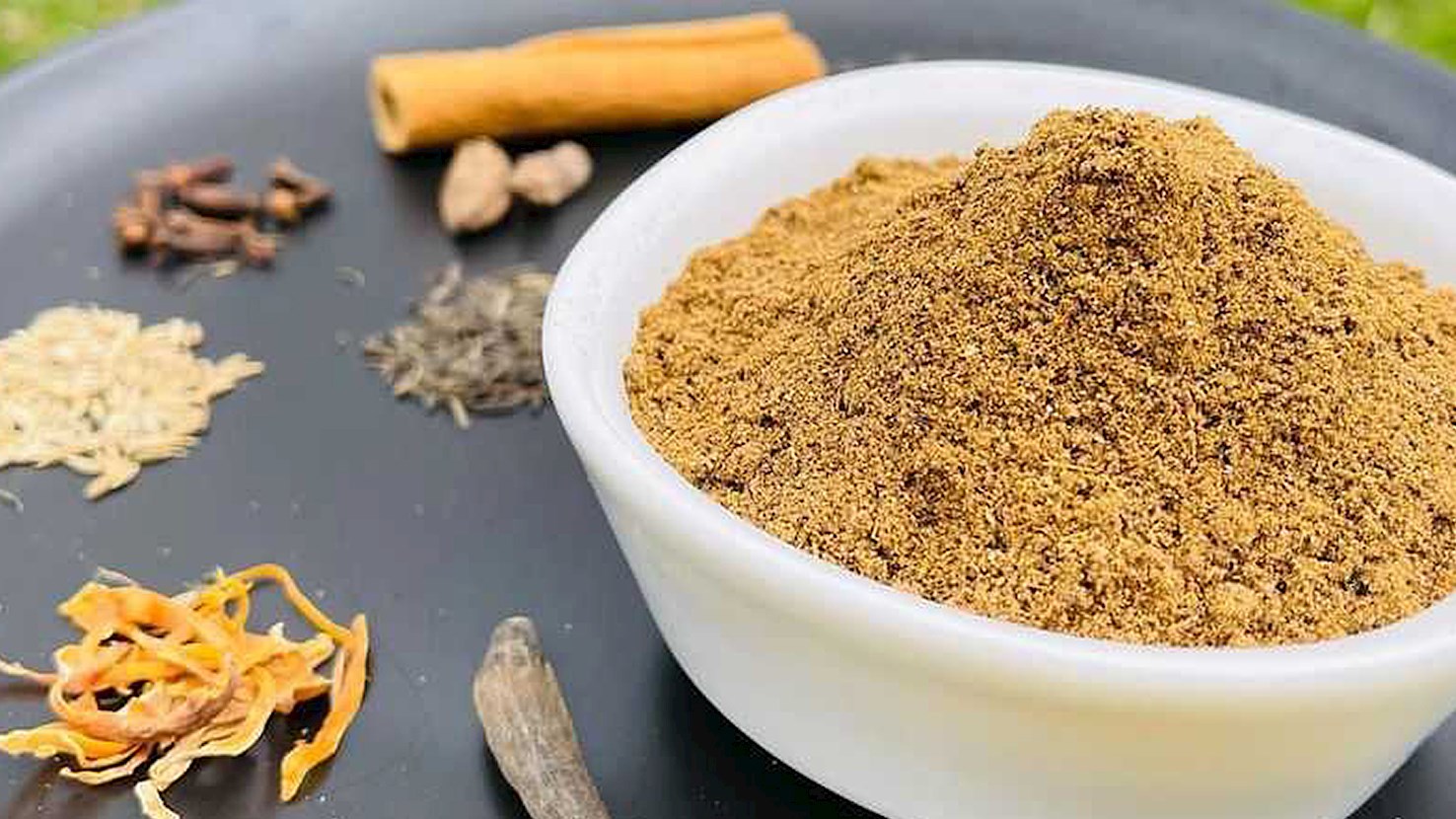
Garam masala is an intensely aromatic blend of ground spices such as cinnamon, cumin, cardamom, cloves, and peppercorns. Its name can be literally translated as hot ingredients, and is sometimes described as an aromatic blend that is meant to heat the body. This spice blend has origins in Northern India, where winters are typically colder than in the rest of the country. The spices used in garam masala vary from region to region, but no combination of spices is believed to be more authentic than another. It is recommended to use the spice blend at the end of the cooking process in order to achieve the best flavor, although it can also be used at the beginning of cooking, when it's usually added to ghee or cooking oil in order to provide a more pungent flavor. Garam masala is often used in the preparation of popular dishes such as rogan josh, a Kashmiri specialty, pulao, a Pakistani pilaf, or murgh kari.
Chettinad masala is a traditional spice blend originating from Tamil Nadu, India. The spice blend consists of 16 or more spices including cinnamon, green cardamom, mace, star anise, cloves, fenugreek seeds, black pepper, kapok buds, cumin seeds, coriander seeds, fennel seeds, mustard seeds, dry red chili peppers, curry leaves, poppy seeds, turmeric powder, grated coconut, and the key ingredient called stone flower. Also known as kalpasi or dagad phool, stone flower is a unique spice that releases an intense aroma when tempered. The spices are dry-roasted in a particular order, then left to cool and pounded in a mortar with a pestle. Chettinad masala is usually used in various Chettinad curries, both non-vegetarian and vegetarian.
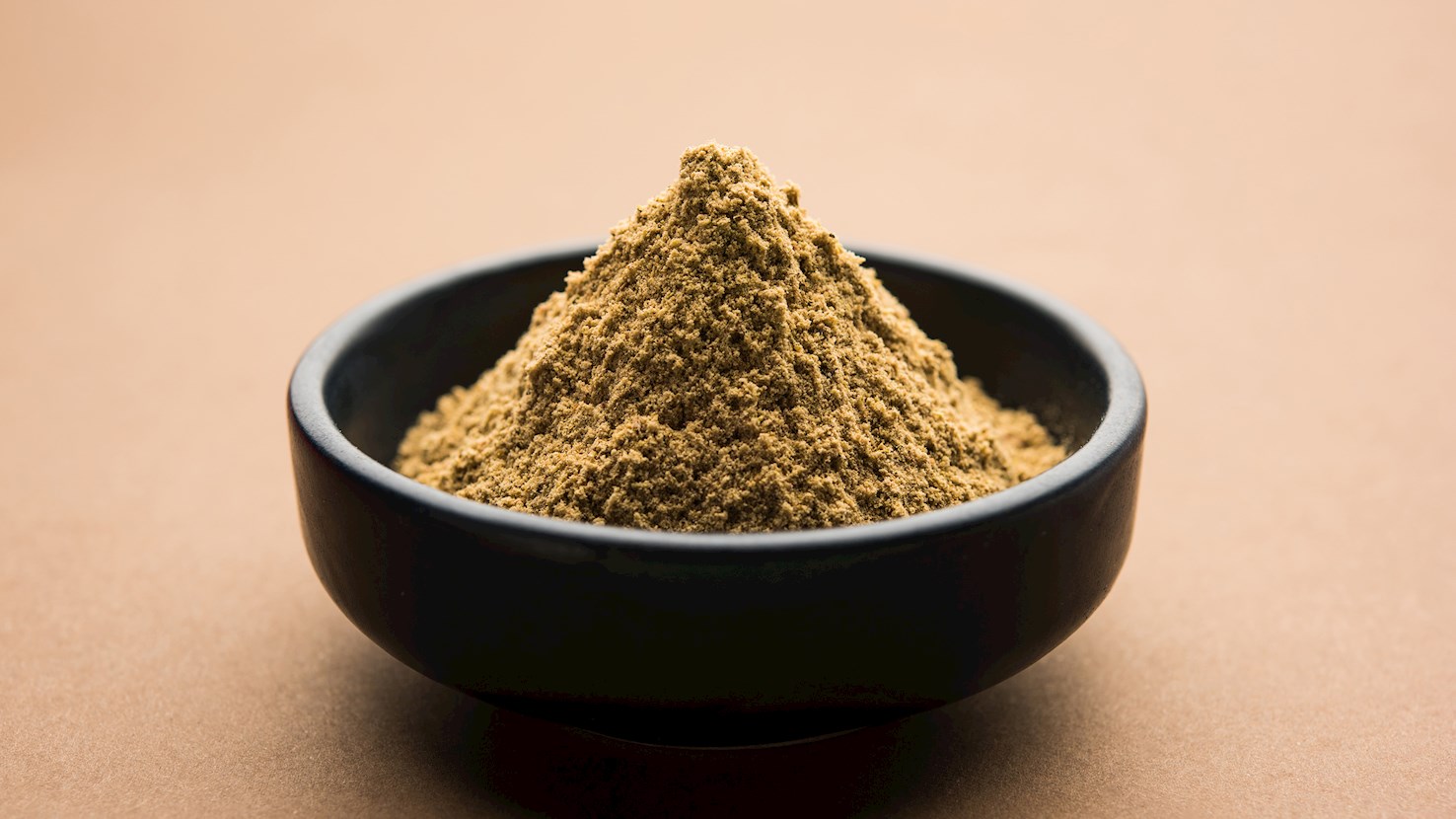
Chaat masala is a spice mixture that's widely used in Indian, Pakistani, and Bangladeshi cuisine. It often consists of coriander, asafoetida, red chili powder, tamarind powder, cumin, amchoor (dry mango powder), and kala namak (black salt). The origins are somewhat murky, but it is believed that the spice blend was invented in the 17th century by Mogal emperor Shah Jahan's kitchen staff. The flavors of chaat masala are best the day after it's been prepared, but it keeps for up to 3 months in airtight containers. Although it has an unusual aroma (mostly due to kala namak), people love it for its complexity and perfect flavors. It's recommended to use chaat masala on different Indian snacks called chaat, such as papri chaat, but it's also worth trying it over vegetables, salads, curries, dals, and fruit.
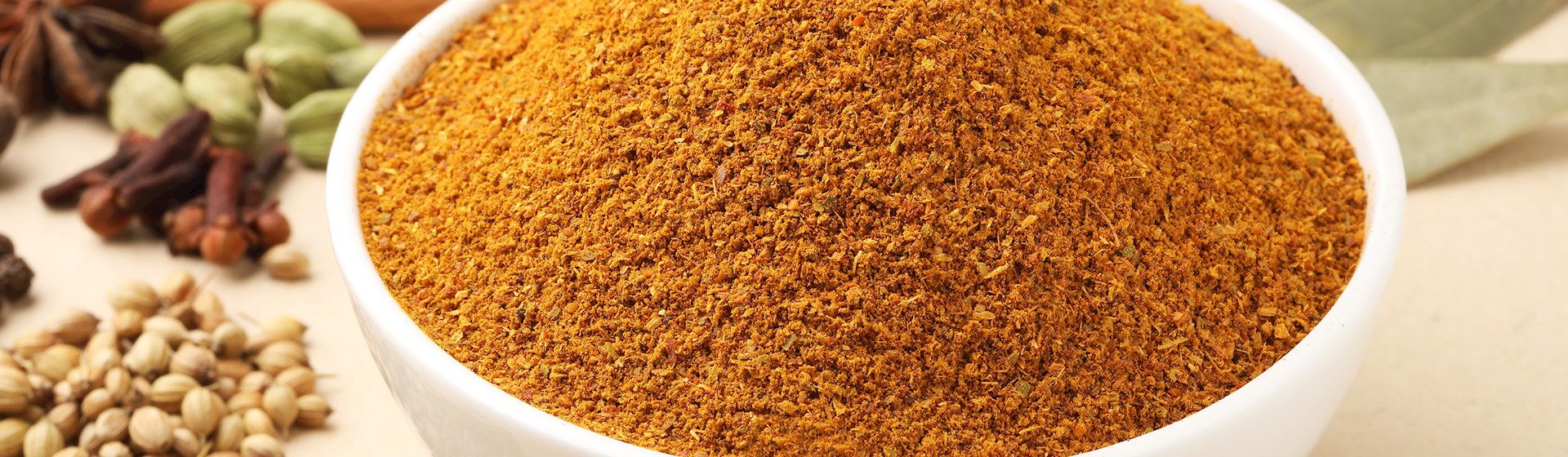
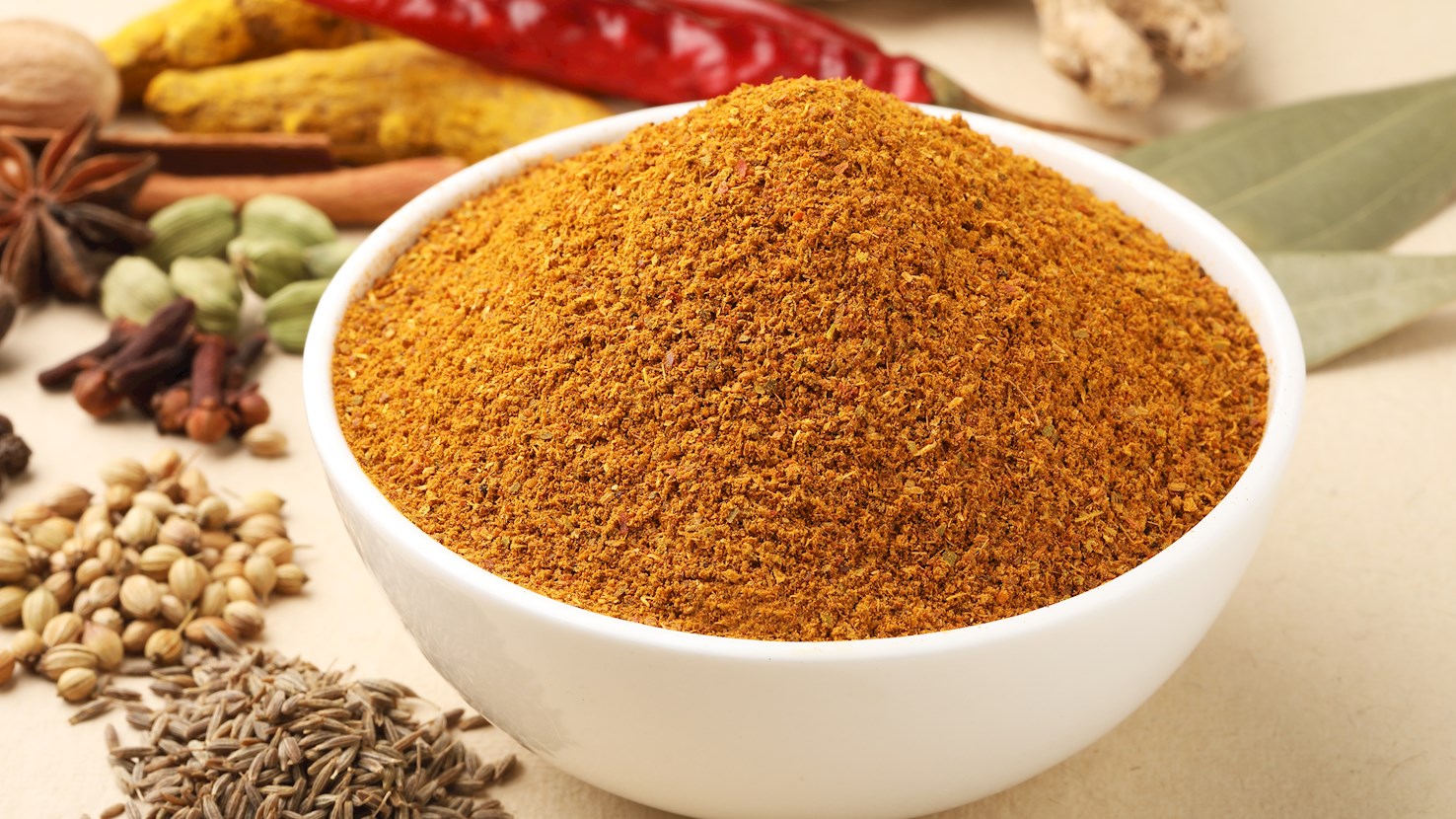
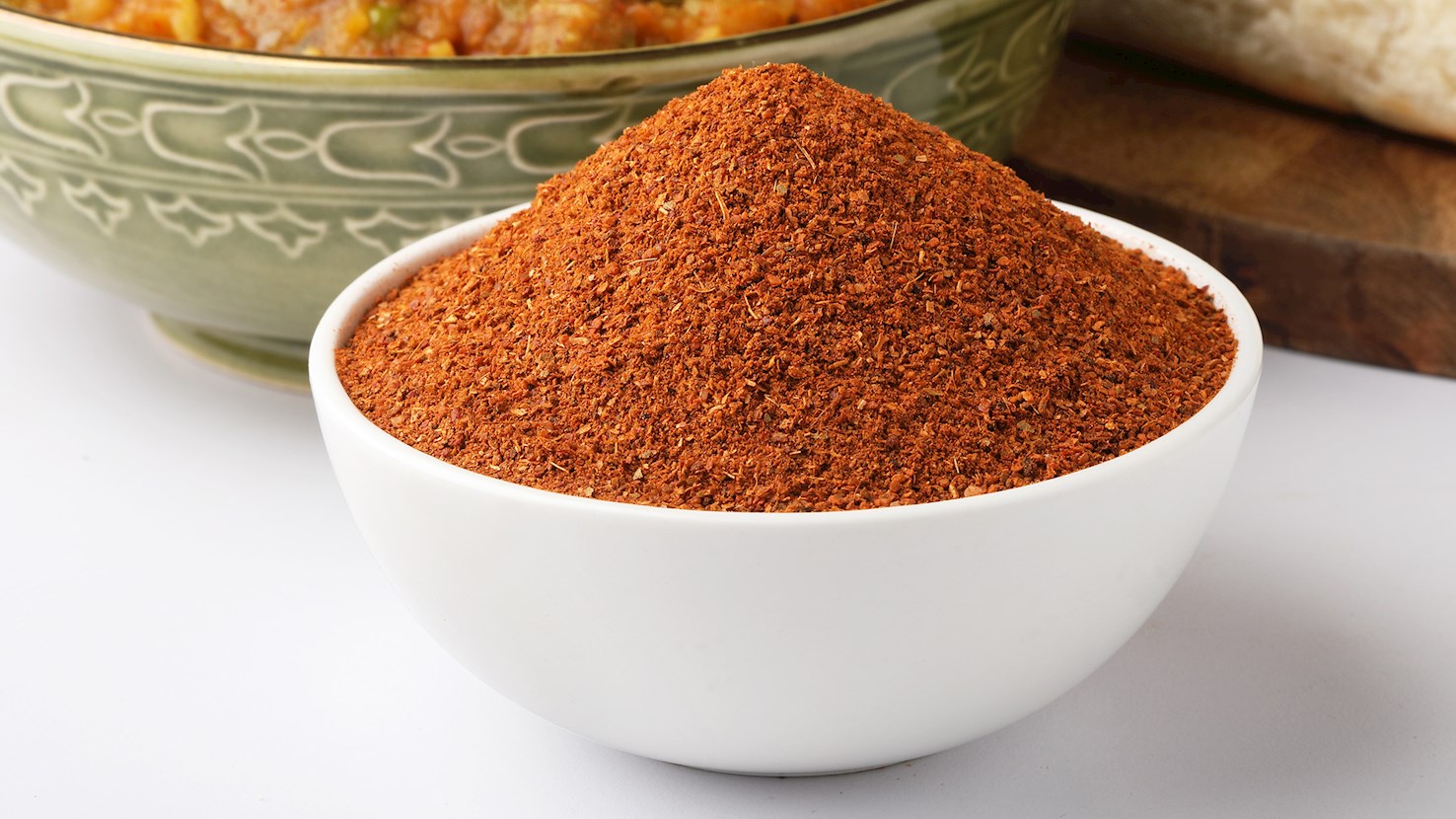
Pav bhaji masala is a special spice blend used to make pav bhaji, a popular Indian street food. It is a mix of aromatic spices that provide the characteristic flavor and aroma of the dish. This masala typically includes coriander seeds, cumin seeds, red chili powder, turmeric, dry mango powder, black pepper, cloves, cinnamon, fennel seeds, cardamom, fenugreek leaves, and dry ginger powder. The flavor profile of pav bhaji masala is a balanced blend of spicy, tangy, and earthy flavors, making it robust and savory without being overly hot. It is not only used in pav bhaji but also in dishes like tawa pulao, mixed vegetable curries, chaats, and spiced snacks. While it is widely available as a ready-made spice mix in stores, it can also be made at home by dry roasting and grinding spices such as coriander, cumin, fennel, cloves, cinnamon, and dried red chilies, then mixing them with turmeric, mango powder, and ginger powder.
Bafat is a traditional Mangalorean blend of ground spices such as red chilis, cumin seeds, coriander seeds, peppercorns, mustard seeds, and turmeric. Each spice is dry-roasted separately until fragrant and slightly browned, then all of them are combined and ground to a powdery consistency. The spices used for preparing this blend vary from one household to another, with each using their own unique selection of spices. This highly-aromatic and spicy blend is widely used in Mangalorean cuisine and is especially typical of the Mangalorean Catholic community. Bafat is available at most grocery stores in Mangalore, and it commonly enhances the flavor of various meat specialties, curries, and vegetarian dishes.
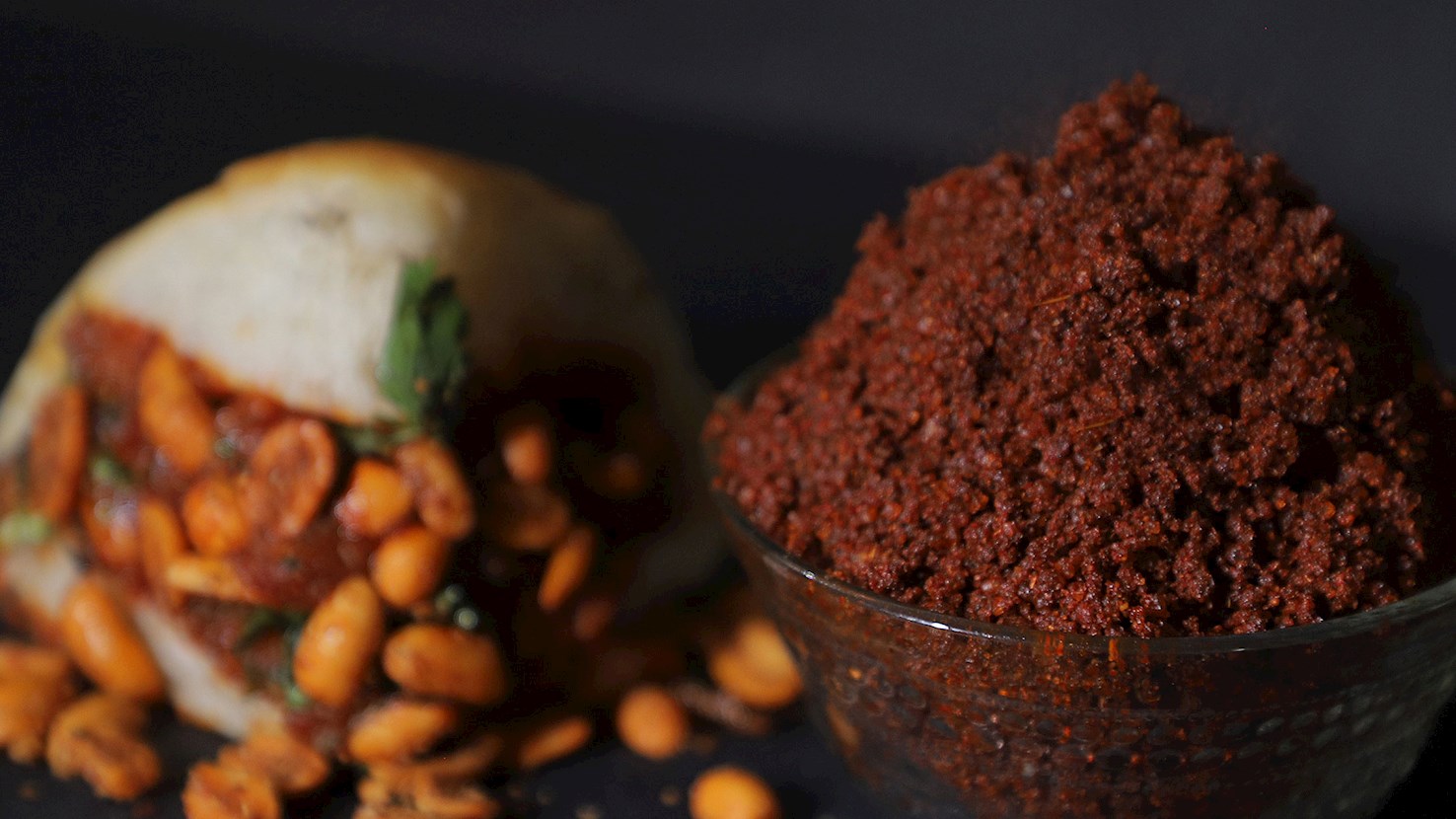
Dabeli masala is a special spice mix used to flavor the potato filling in dabeli, a popular Gujarati street food. This masala is a blend of aromatic spices with a hint of sweetness and tanginess, giving dabeli its unique and rich taste. It typically includes ingredients such as coriander seeds, cumin seeds, dried red chilies, cinnamon, cloves, black peppercorns, fennel seeds, bay leaf, amchur powder or tamarind powder, and sugar or jaggery. The flavor profile of dabeli masala is a balance of spicy, tangy, sweet, and aromatic notes, achieved through the combination of warm spices like cinnamon and cloves, the tanginess from amchur or tamarind powder, and the sweetness of sugar or jaggery. The spices are dry roasted until fragrant, then cooled and ground into a fine powder. While homemade versions are common, store-bought dabeli masala is also widely available for convenience.
Kolhapuri kanda-lasun masala is a strongly seasoned onion-and-garlic spice blend used as a concentrated flavor base in meat curries, vegetable dishes, pulses, misal, egg curries, and deeply colored gravies. Its name comes from Marathi: kanda means onion and lasun means garlic. It is also commonly referred to as Kolhapuri chutney or kanda-lasun chutney. Unlike a simple dry garam masala, it contains substantial amounts of roasted onion, garlic, red chili, and often dry coconut, sesame, ginger, and oil in addition to whole spices. This gives it both seasoning power and body, allowing a relatively small amount to provide much of the aromatic base of a cooked dish. There is no documented individual creator or precise date for the masala. It developed within household cooking in the Kolhapur, Sangli, Satara, and neighboring areas of western Maharashtra. Families commonly prepared large batches designed to last several months or even a full year. This made the masala both a seasoning and a practical preserved cooking base, since ingredients such as onion, garlic, ginger, coconut, chilies, and whole spices did not need to be roasted and ground separately for every meal. Red chili is central, but the blend is not simply meant to be as hot as possible. Different chili varieties are often combined because some contribute deep red color while others provide stronger heat. Byadgi-type chilies are valued for color and moderate pungency, while hotter varieties may be added for intensity. The finished masala should have a strong red to reddish-brown color, noticeable heat, and enough roasted spice character that chili does not dominate everything else. Coriander seed is one of the most consistent spices and often forms a major part of the blend. Cumin, black pepper, cloves, cinnamon or cassia, cardamom, bay leaf, fennel, fenugreek, sesame, poppy seeds, turmeric, asafoetida, and black stone flower can also appear. Recipes vary considerably between households, and some versions contain a very large number of individual spices. Dry coconut is another common ingredient. It is roasted until golden and contributes flavor, fat, and body. Sesame and poppy seeds serve a similar purpose. Onion and garlic are usually fried until deeply golden and much of their moisture has evaporated. Ginger may be cooked with them as well. This reduction of moisture is important because the masala is often stored for months. Preparation generally begins by drying and cleaning the chilies, then roasting the spices, coconut, and seeds separately. Onion, garlic, and ginger are fried in oil until well browned. Once everything has cooled, the ingredients are ground together with salt and chili powder. Depending on the recipe, the finished mixture can be relatively dry and powdery or slightly coarse and moist because of the onion and oil. Some versions are finished with a small amount of oil, which also helps produce the characteristic red oily surface in curries. Its best-known use is in Kolhapuri meat cooking. Tambda rassa, the city’s red mutton gravy, depends on this kind of onion-garlic-chili seasoning. The masala is cooked in oil with additional onion or a fresh paste before mutton stock is added. It is also widely used for mutton sukka, chicken curries, egg curries, and other meat preparations. The blend is equally useful in vegetarian cooking. It can season brinjal, potatoes, okra, gourds, beans, peas, sprouts, lentils, misal, and usal. A spoonful fried briefly in oil can provide much of the flavor base for a pulse or vegetable dish without the need to prepare a separate masala from scratch. Kolhapuri kanda-lasun masala should not be treated as identical to every product sold simply as “Kolhapuri masala.” Outside Maharashtra, that name may refer to a dry spice blend with chili and whole spices but very little onion or garlic. The regional kanda-lasun form places much greater emphasis on those two aromatics and often has the texture of a coarse chutney rather than a completely dry powder. It also differs from goda masala, another important Maharashtrian blend. Goda masala is generally darker, more aromatic, and less chili-forward, with roasted coconut and sesame contributing a warm, slightly sweet profile. Kanda-lasun masala is much more assertive in chili, garlic, and onion and is particularly suited to robust meat and pulse dishes. The masala can also be eaten directly. Freshly prepared Kolhapuri chutney is sometimes mixed with oil and served with hot jowar or bajra bhakri, allowing the roasted chili, garlic, onion, coconut, and spices to remain concentrated. More commonly, however, it appears through the dishes it seasons. In a complete meal, foods made with kanda-lasun masala are often served with bhakri, rice, or chapati. Raw onion, lemon, cucumber, or a simple salad can balance the richness and heat, while curd or taak, spiced buttermilk, provides a cooling contrast. A cold lager also works well with strongly seasoned mutton or chicken dishes.
TasteAtlas food rankings are based on the ratings of the TasteAtlas audience, with a series of mechanisms that recognize real users and that ignore bot,
nationalist or local patriotic ratings, and give additional value to the ratings of users that the system recognizes as knowledgeable.
TasteAtlas Rankings should not be seen as the final global conclusion about food. Their purpose is to promote excellent local foods,
instill pride in traditional dishes, and arouse curiosity about dishes you haven’t tried.




What People Say