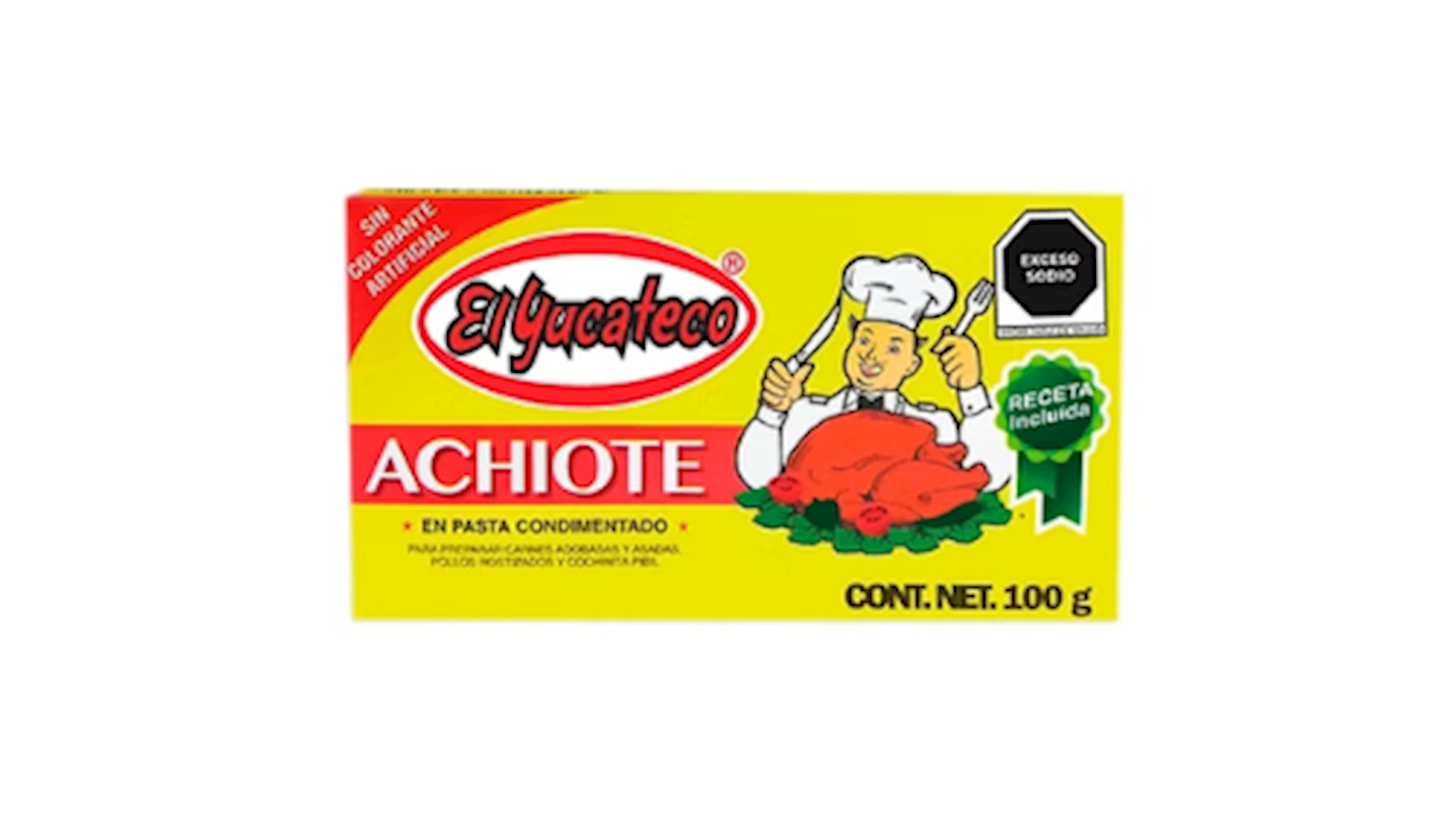
El Yucateco is a brand from Mérida, on the Yucatán Peninsula, founded in 1968 and developed from a small family workshop into one of the most recognized producers of habanero-based hot sauces. Its products rely on traditional recipes that highlight the natural flavor of the chili rather than a vinegar-heavy base, resulting in sauces with a more intense, authentic taste. The range includes classic red and green habanero sauces, as well as chipotle, jalapeño, and various fusion-style options featuring smoky or fruity notes. Today, El Yucateco is widely distributed across Mexico and internationally, especially in the United States and Canada, where it is appreciated for its consistent quality and distinctive heat. The sauces are used to enhance Mexican dishes, marinades, grilled foods, or everyday meals, adding depth, aroma, and the characteristic warmth of habanero chili.
Jerk seasoning is a Jamaican spice blend and marinade used for meat, poultry, and seafood, defined by the presence of Scotch bonnet peppers, allspice, thyme, scallions, and aromatics such as garlic and ginger. It is produced in dry and wet forms and is used throughout Jamaica and in Jamaican communities abroad. The seasoning reflects cooking practices that developed in Jamaica as Maroon communities used local spices and preserved European, African, and Indigenous techniques to prepare meat over low, smoky fires. As these methods spread across the island and into commercial cooking, cooks formalized combinations of allspice, hot peppers, and herbs into recognizable seasoning blends that could be applied to various proteins. By the twentieth century, bottled jerk marinades and packaged spice mixes became common in local shops, supporting widespread household use and enabling restaurants to standardize their flavor profiles. Preparation of jerk seasoning can take two forms. A dry blend is made by grinding allspice berries and mixing them with dried thyme, garlic powder, onion powder, black pepper, cinnamon, and Scotch bonnet powder or other dried chiles. A wet marinade is made by blending fresh Scotch bonnet peppers with scallions, fresh thyme, garlic, ginger, allspice berries, vinegar or lime juice, and salt. The wet version clings well to meat and creates a surface layer that chars slightly during grilling, while the dry version is often rubbed onto meat before cooking or added to sauces. Although the core ingredients remain consistent, cooks adjust the seasoning depending on availability and desired heat level. A defining characteristic of jerk seasoning is the use of Scotch bonnet peppers, which contribute both heat and a distinct fruity aroma, paired with allspice, which supplies a warm, resinous flavor that anchors the blend. Jerk seasoning is eaten across Jamaica in dishes such as jerk chicken, jerk pork, jerk fish, and jerk shrimp. It is used in street food stalls, home kitchens, and restaurants, often applied before grilling over pimento wood when available. It also appears in sandwiches, wraps, and modern dishes such as jerk pasta and jerk-seasoned fried foods. Beverage pairings typically include cold lager, ginger beer, fruit punches, limeade, or lightly sweetened iced tea, which balance the heat and complement the spices. When served with wine, off-dry Riesling or rosé works well due to their acidity and mild sweetness, which soften the intensity of the Scotch bonnet pepper.
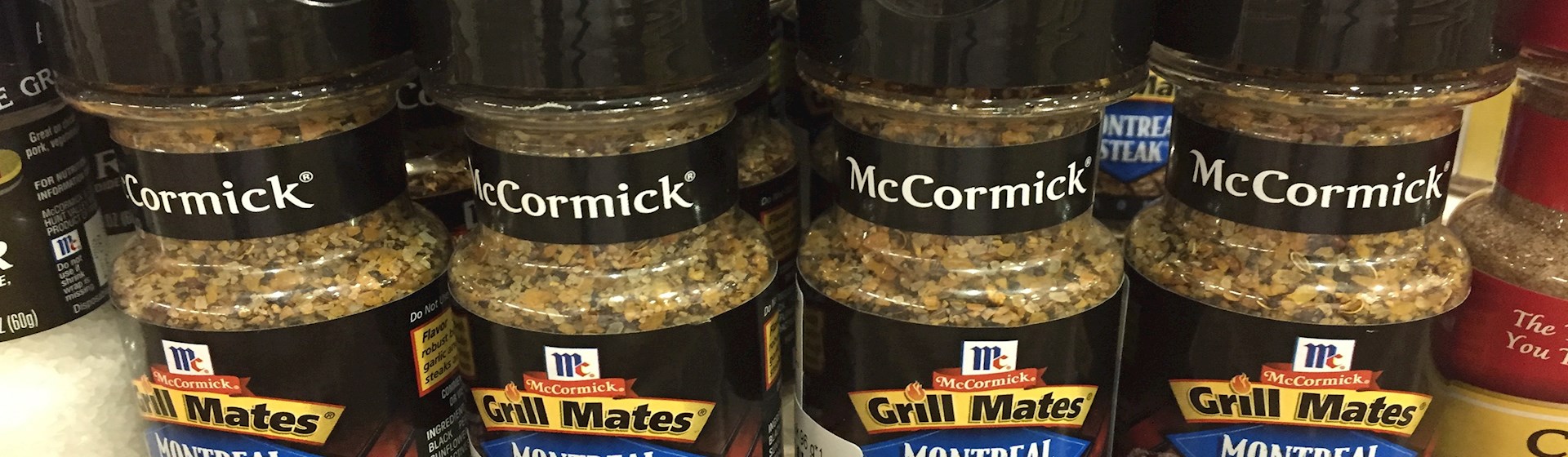
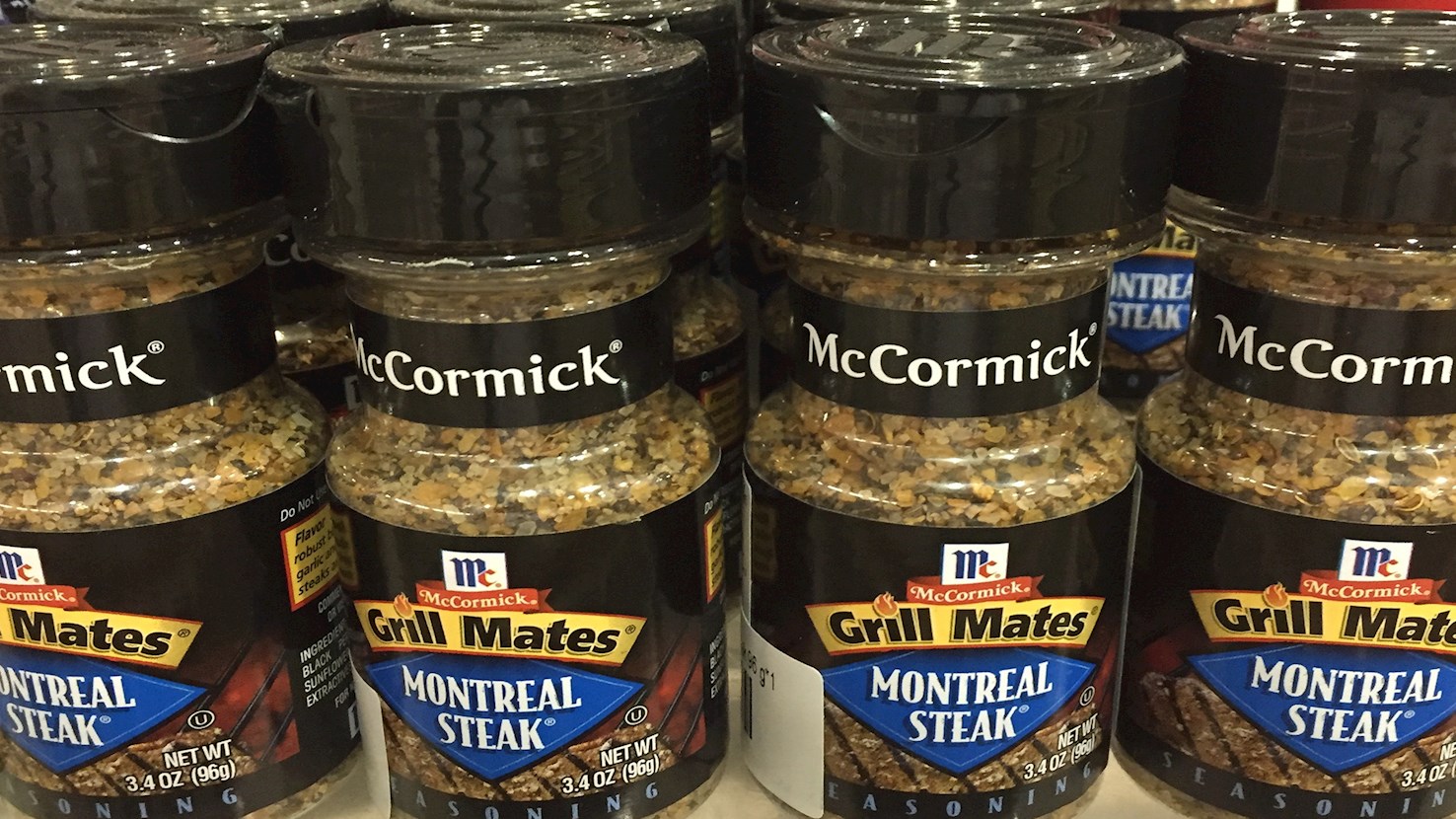
This spice rub is so popular that the version produced by McCormick is readily available in most Canadian grocery stores, although it can also easily be made at home. It provides heat and flavor to steaks, burgers, and potatoes even without the floral herbs of numerous old world spice blends. Montreal steak seasoning usually consists of coarse salt, black pepper, cayenne pepper, garlic, paprika, onions, coriander, and dill, but regarding the ingredients used in it, there are numerous variations throughout Canada.
Sazon is a versatile Puerto Rican seasoning mix that is prepared with a few simple spices such as cilantro, cumin, garlic powder, oregano, salt, and ground annatto seeds. Other possible additions include black pepper, saffron, and onion powder. The spices are simply mixed together, then stored in airtight containers. That way, sazon will keep fresh for about 3 months. It is recommended to use this seasoning mix with a variety of dishes based on chicken, beef, fish, beans, or rice.
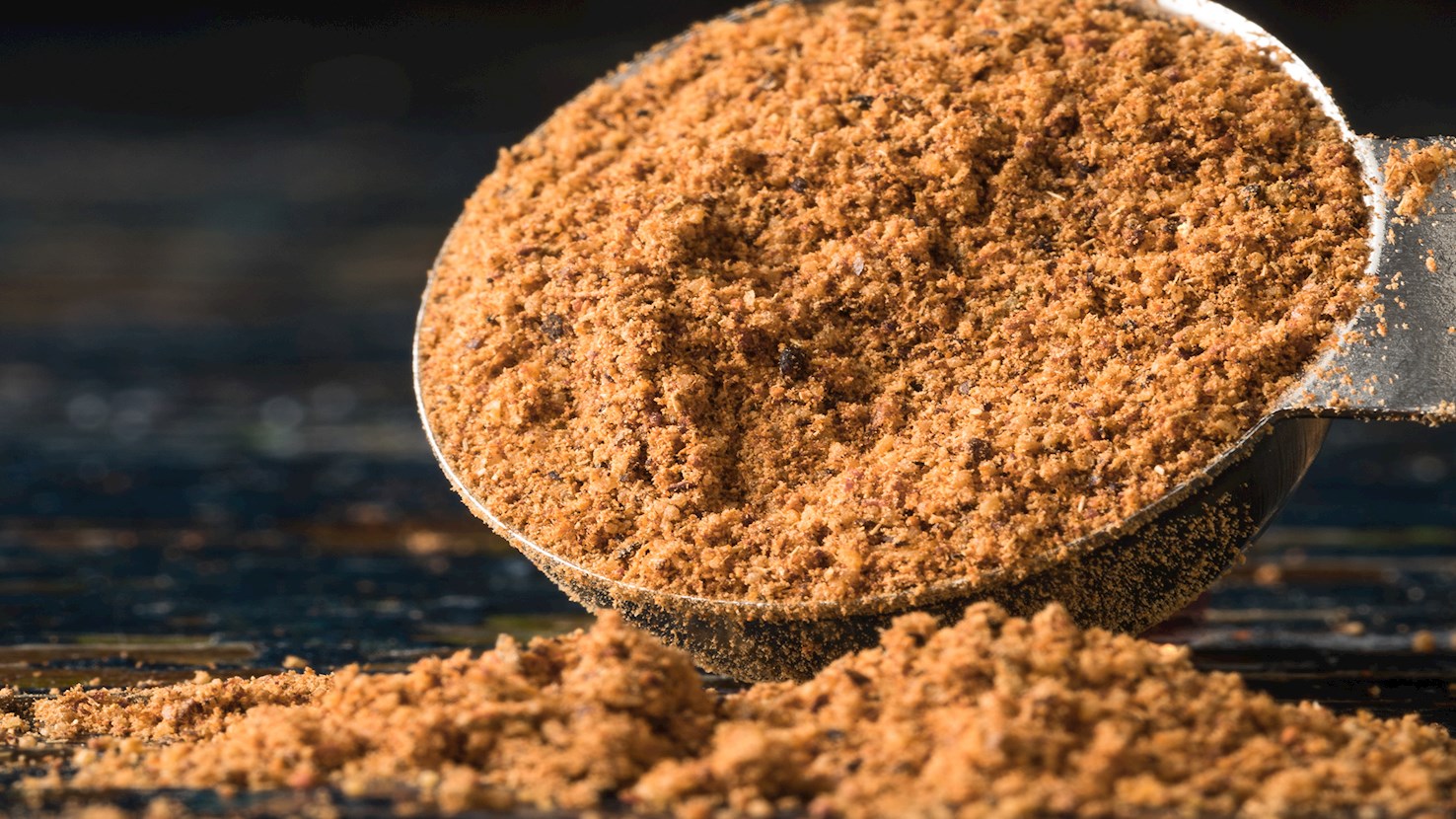
Recado rojo is a spice blend featuring ingredients such as annatto seeds, garlic, cumin, oregano, cinnamon, pepper, allspice, salt, and cloves. The blend is used for seasoning, rubbing, and marinating various types of meats, and it is especially useful for barbecued and grilled meat dishes. When combined with liquids such as water, oil, or lemon juice, recado rojo becomes a paste, with annatto seeds giving it a distinctive red color.
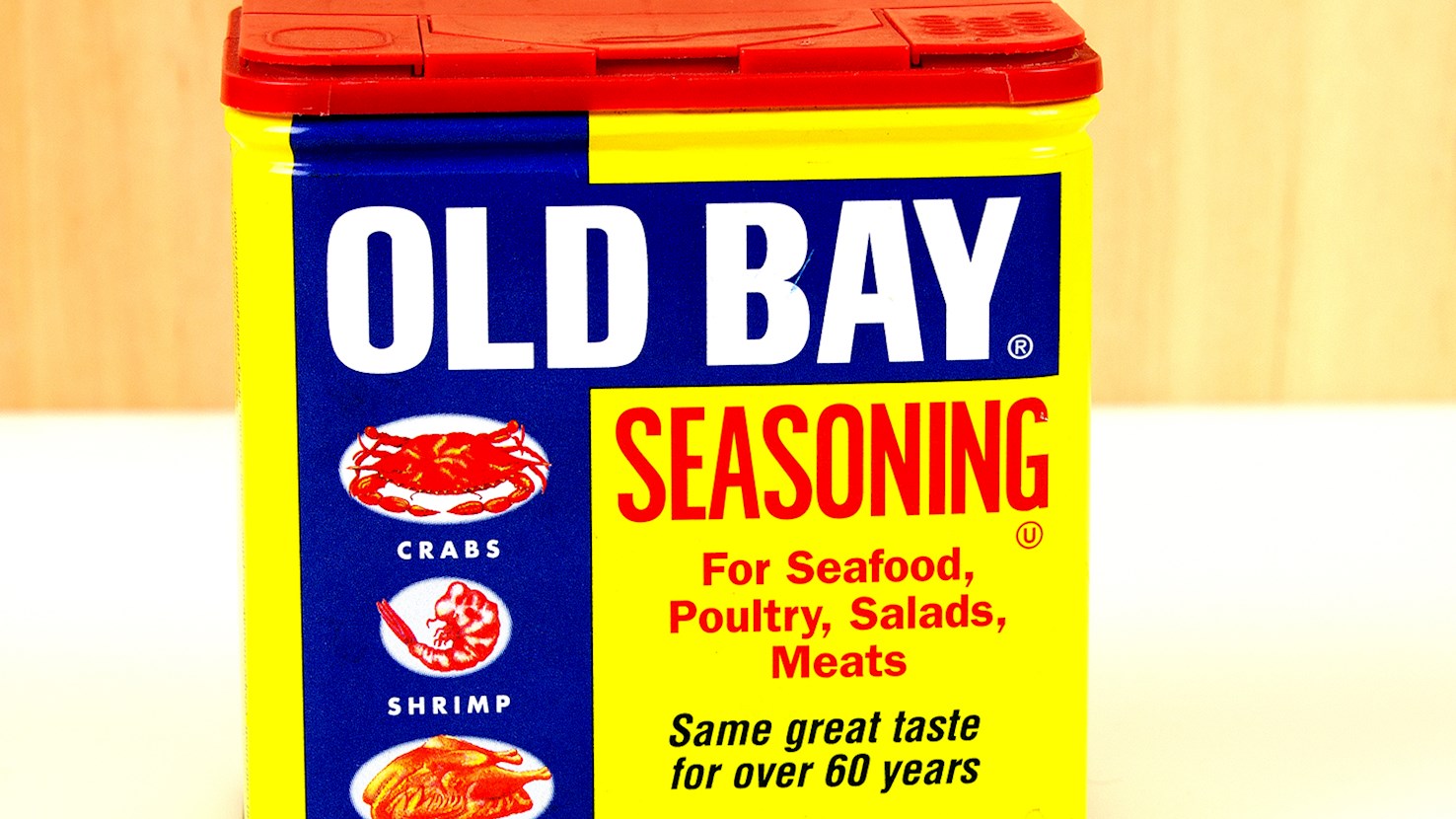
Old Bay Seasoning is a trademarked American seasoning mix originating from Baltimore, Maryland. The mix includes paprika, celery salt, crushed red pepper flakes, and black pepper, among other spices which are believed to include bay leaves, dry mustard, nutmeg, ginger, cloves, mace, cardamom, and allspice. The seasoning was originally sold in distinctive yellow cans by McCormick & Company, but today it's usually sold in plastic containers. The spice mix is primarily used to season seafood such as shrimp and crab, but it can also be used in clam chowders, oyster stews, or as a topping for eggs, french fries, corn on the cob, popcorn, fried chicken, and salads. In the Chesapeake Bay region, the seasoning is used as an ingredient in Bloody Marys. Interestingly, Old Bay Seasoning is named after a passenger ship that went from Chesapeake Bay to Norfolk in the early 1900s, and it was called the Old Bay Line.
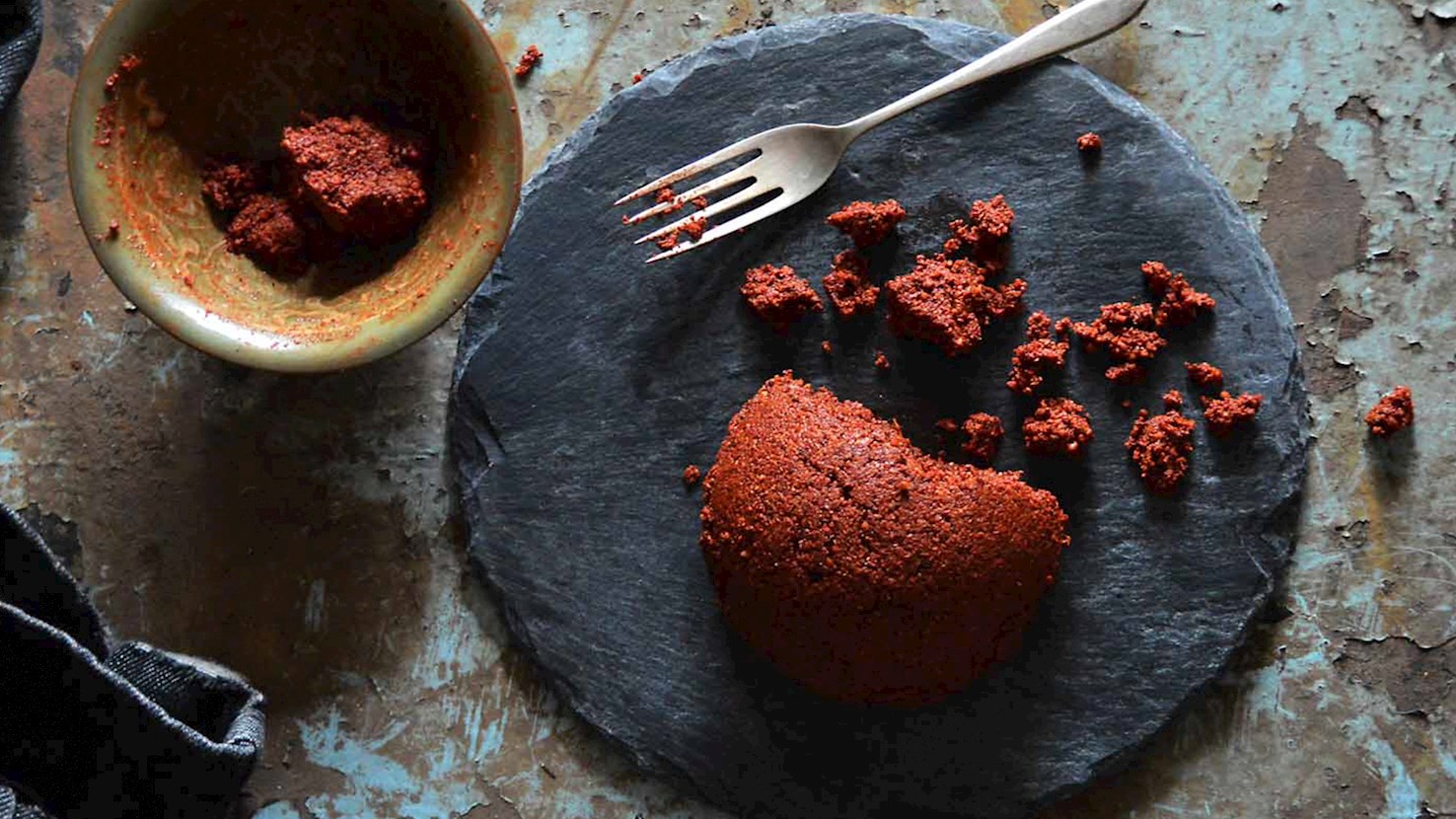
Recado negro, also known as black recado, is a traditional seasoning paste originating from the Yucatan Peninsula. The ingredients used in recado negro can vary depending on the region, but they typically include toasted chiles, achiote paste, black pepper, oregano, cumin, cinnamon, cloves, allspice, garlic, and vinegar. It is used in many different regional meat and vegetable dishes, as a marinade or rub, and as a base for soups and stews. It is particularly well-suited to slow-cooking dishes, as it has a complex flavor that develops over time. Recado negro is an essential ingredient in the cuisine of the whole Yucatan Peninsula, which includes the cuisines of Mexico, Belize, and Honduras.
Cajun seasoning is a spice blend from Louisiana composed of dried peppers, garlic powder, onion powder, paprika, black pepper, salt, and herbs such as oregano and thyme. It is used to season meats, seafood, rice dishes, and stews across the Gulf Coast and appears in both home kitchens and commercial products throughout the United States. The blend reflects the cooking practices of Cajun communities in southern Louisiana, where cooks relied on shelf-stable spices to build flavor in dishes prepared over long cooking times or on high heat. As dried spices became more widely available through regional trade, cooks began combining them into mixtures suited to blackening, frying, and stewing, and restaurants later standardized their own versions that were packaged for sale alongside prepared foods. Preparation begins with combining dried spices in proportions that balance heat, savoriness, and herbal notes. Paprika provides color and mild sweetness, while cayenne or other dried chiles supply heat. Garlic powder and onion powder contribute depth, and black pepper adds sharpness. Oregano and thyme supply herbal structure, and salt is included to make the seasoning usable as an all-purpose blend. Some versions add white pepper, celery salt, or mustard powder, depending on the dish it is intended for. Because the mixture is entirely dry, it stores well and can be adjusted to specific recipes without losing potency. A notable aspect of Cajun seasoning is the absence of a single fixed formula; cooks adjust it based on whether it will be used for blackened fish, crawfish boils, roasted meats, or rice dishes. Cajun seasoning is eaten across Louisiana and the broader United States in dishes such as blackened catfish, jambalaya, gumbo, fried shrimp, grilled chicken, and crawfish boils. It appears in marinades, dry rubs, soups, and sauces, and it is used heavily in restaurants that specialize in Gulf seafood. Beverage pairings depend on the heat level of the dish, with cold lager, pale ale, iced tea, and citrus-based soft drinks commonly served alongside spicy preparations. White wines with acidity, such as Sauvignon Blanc or dry Riesling, also match well with seafood dishes seasoned with Cajun spice blends.
TasteAtlas food rankings are based on the ratings of the TasteAtlas audience, with a series of mechanisms that recognize real users and that ignore bot,
nationalist or local patriotic ratings, and give additional value to the ratings of users that the system recognizes as knowledgeable.
For the “Top 7 North American Spice Blends and Seasonings” list until June 24, 2026, 338 ratings were recorded, of which 255 were recognized by the system as legitimate.
TasteAtlas Rankings should not be seen as the final global conclusion about food. Their purpose is to promote excellent local foods,
instill pride in traditional dishes, and arouse curiosity about dishes you haven’t tried.
The initial list of top producers was compiled based on available reviews, awards, local recommendations, media and blog coverage, and consumer reviews.
The list will be updated with ratings from TasteAtlas local ambassadors and TasteAtlas users.