Bo Tree Farm is a spice blend and seasoning producer located in Cambodia. The company specializes in cultivating organic Kampot pepper, a variety highly prized within the culinary world. Bo Tree Farm emphasizes sustainable farming practices and works closely with local communities to ensure ethical production. They export their pepper globally, and it is known for its distinct flavor profile and high quality.
Mayta Jaya Mandiri is an Indonesian company engaged in the production and distribution of various food products. Specializing in traditional Indonesian snacks and ingredients, the company is known for offering high-quality products such as fried shallots, spices, and other culinary essentials. Mayta Jaya Mandiri focuses on providing authentic flavors, aiming to deliver a premium experience of Indonesian cuisine to its customers. With a commitment to quality and excellence, the company has become a trusted name in the food industry.
Argo Pandan Wangi is a premier Indonesian company specializing in the production and export of high-quality dried galangal. Their flagship product is meticulously harvested and processed to preserve its distinctive flavor and aroma, ensuring an unparalleled culinary experience. The company is committed to sustainable farming practices and supports local farmers, reflecting their dedication to social responsibility. By choosing Argo Pandan Wangi, customers receive top-quality galangal while contributing to the well-being of local communities and the environment.
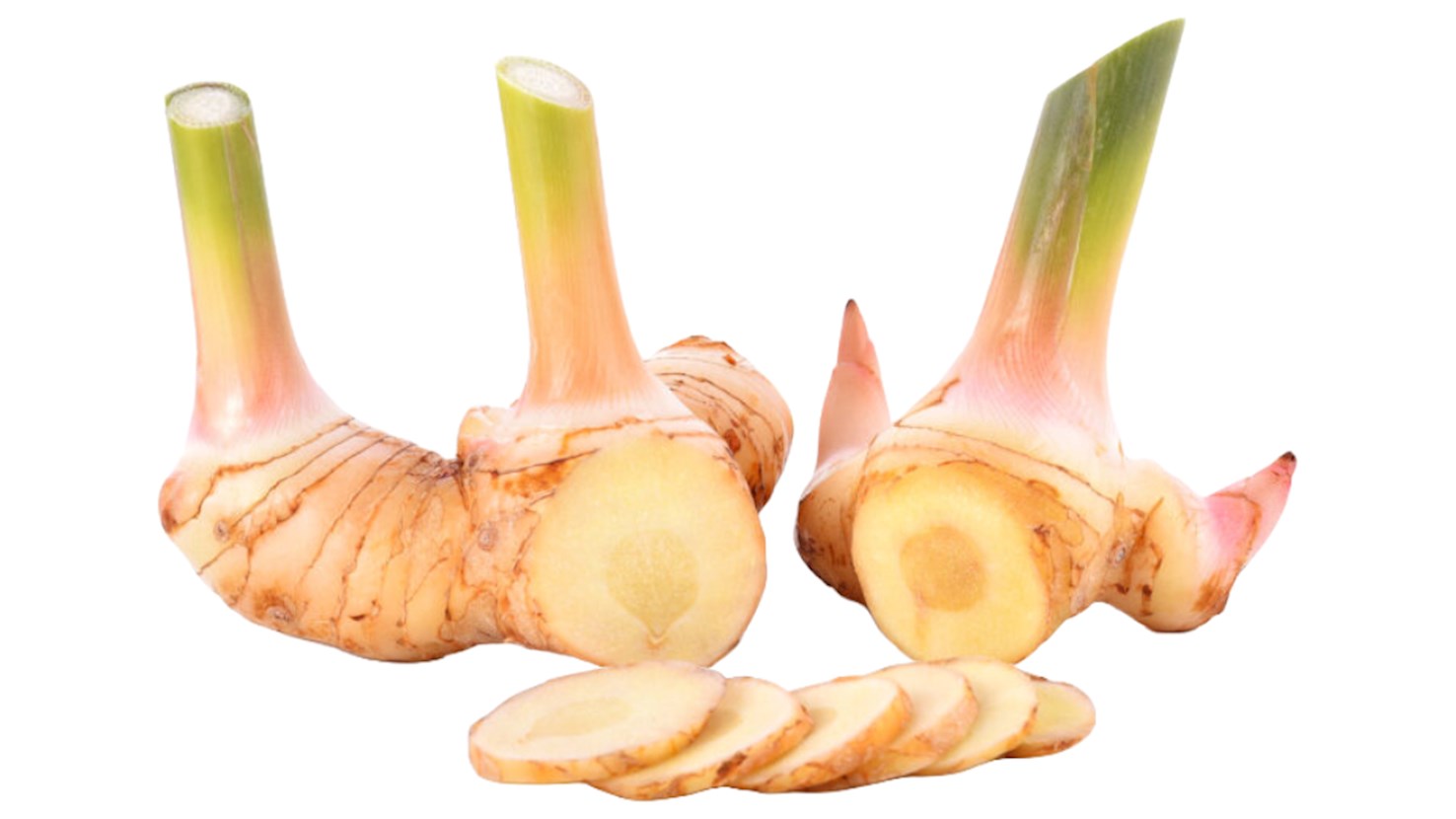
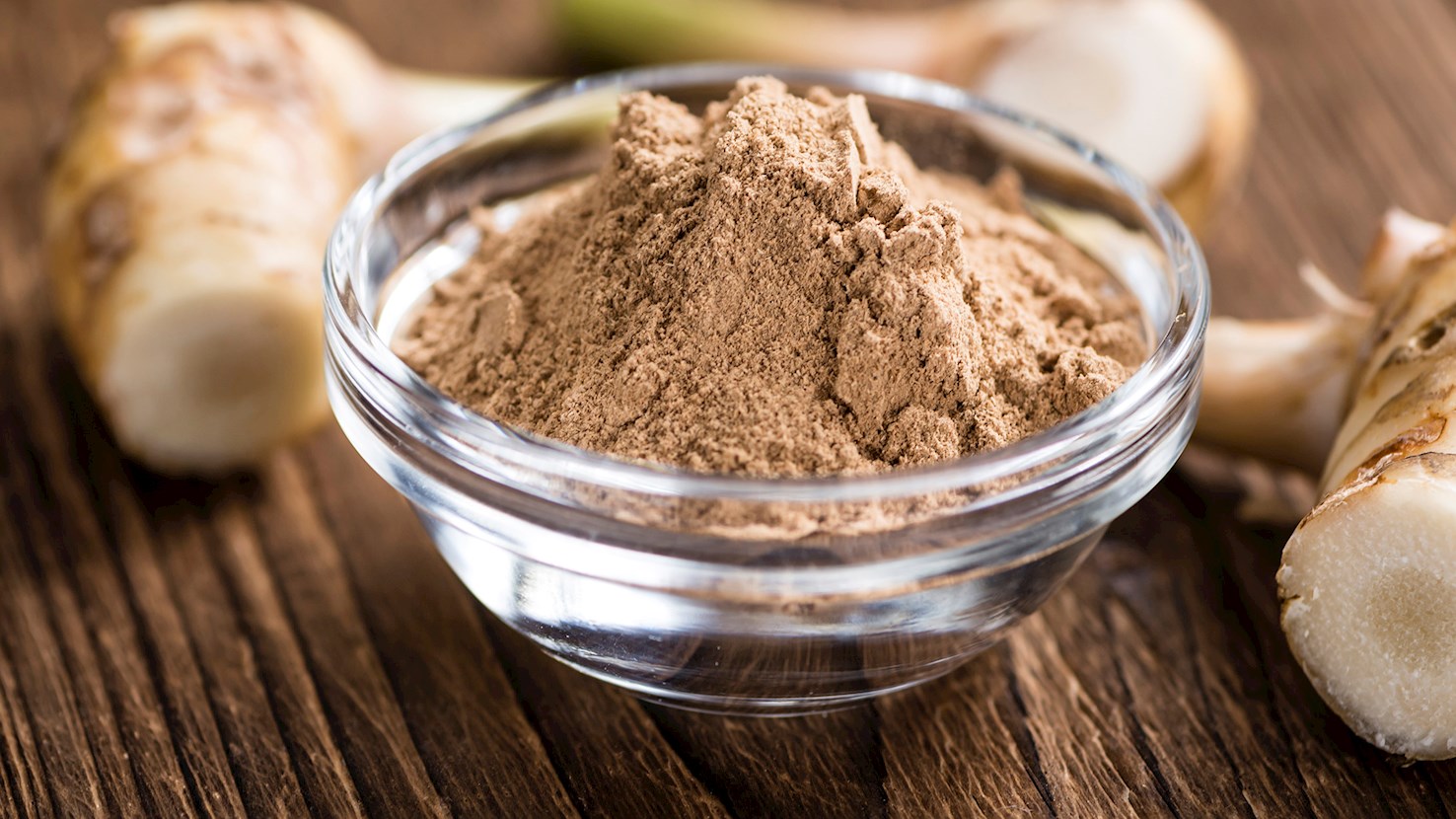
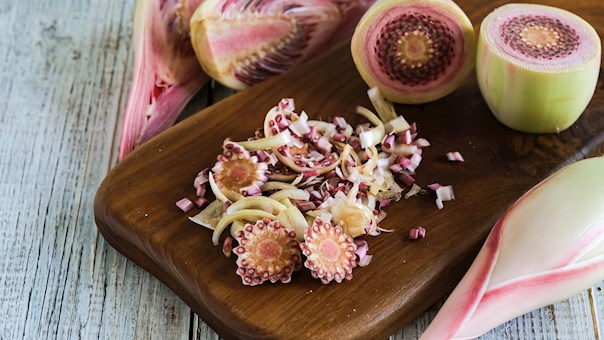
Galangal is a ginger-like root that is widely used in Thai and Indonesian cuisine as a flavoring or a spice, characterized by its pungent aroma. There are two varieties of galangal: greater galangal, which is lighter in color and with a more subtle aroma, used mostly in Thai cooking, and lesser galangal, which is native to China. Galangal is hard and woody on the exterior, with a strong citrus scent on the inside. It gives a citrus note to numerous dishes, and it is an important ingredient in Thai curry pastes. Galangal can come in many forms: as fresh root, dried root, or ground into a fine powder. It also has many medicinal properties - it settles the stomach, eases nausea, reduces cramps, and removes toxins from the body.
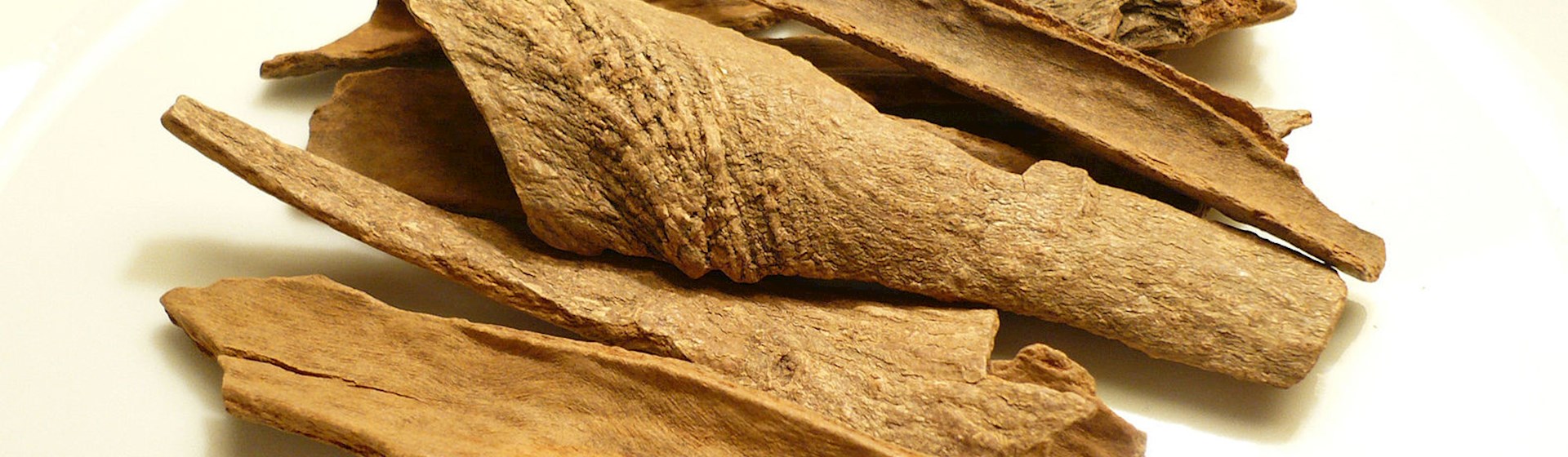
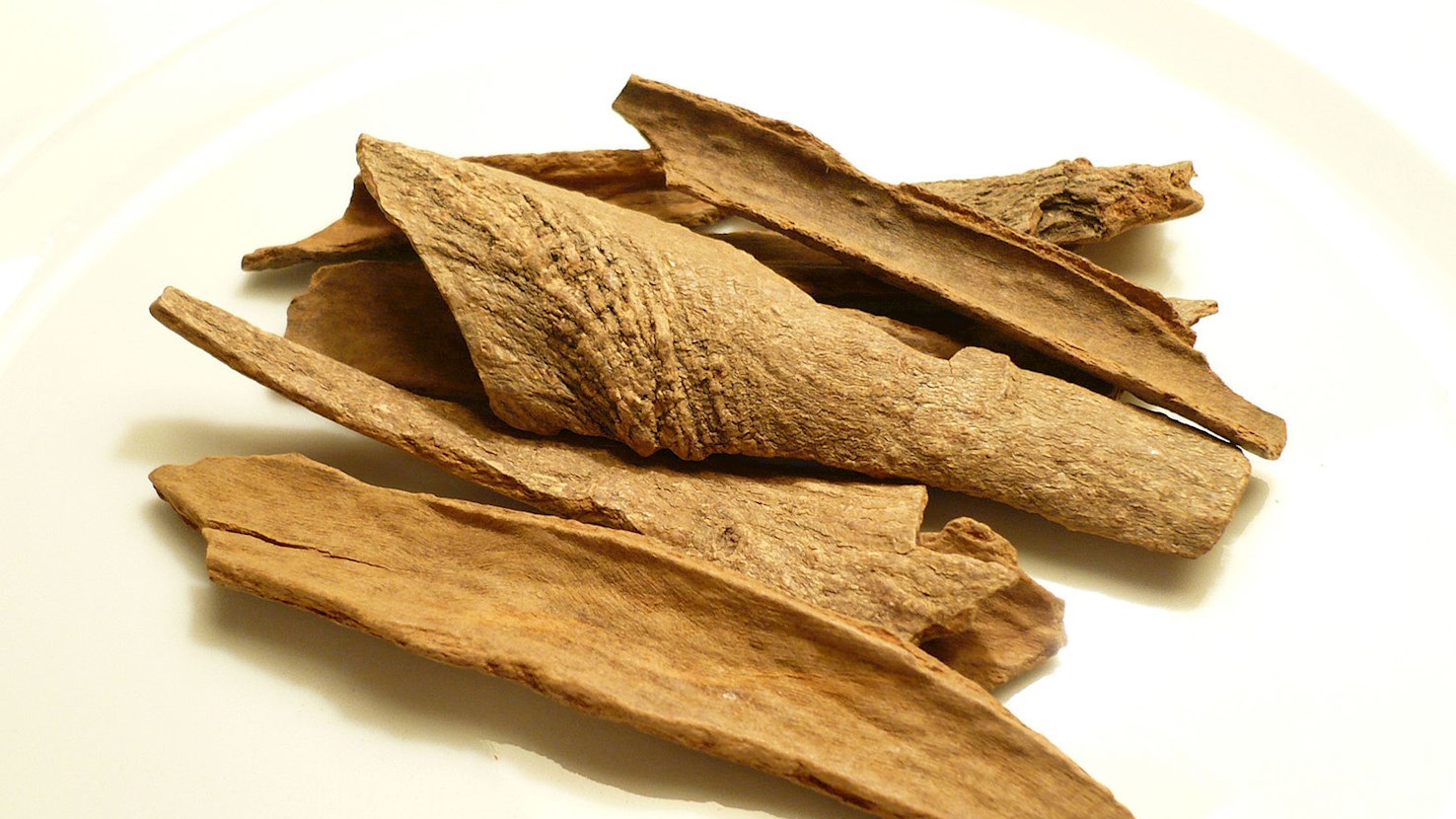
Saigon cinnamon or Vietnamese cinnamon is a type of cinnamon coming from the Cinnamomum loureiroi tree. This type of cinnamon has the strongest flavor of them all, and it's the essential oils in the bark that give it its unique aroma and flavor. However, all the cassia varieties, such as this one, have higher levels of coumarin, a compound which can damage the liver if consumed in large amounts. Saigon cinnamon is often used in baked goods, curries, and pho.
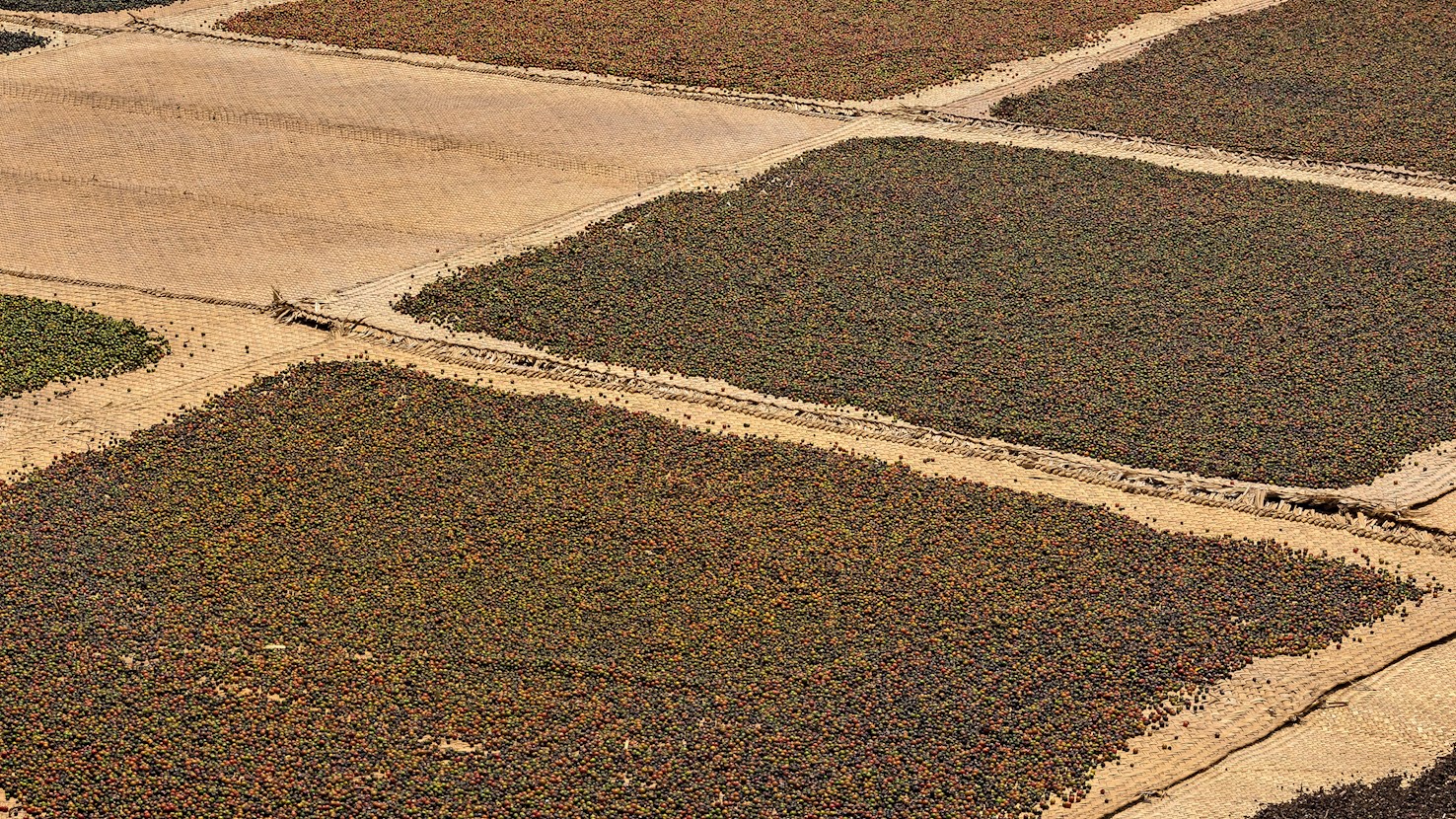
This Vietnamese pepper originates from the island of Phú Quốc, which produces over 1000 tons of it annually. The pepper is well-known for its strong aroma, pungency, and heat. The red pepper has an especially strong aroma and a sweet, citrusy heat, while the black one has large and solid corns. There's also a third variety (but they're all the same pepper species) – white pepper, and the fourth one is green pepper (unripe, good for cooking and making herbal teas). The farmers use only organic fertilizers and dry the pepper in the sunlight. Once ripe, the peppercorns are hand-harvested, then organized by type or color. The pepper is used in a variety of dishes such as fish simmered in caramel sauce, beefsteak, soups, stir-fries, and noodle soups.
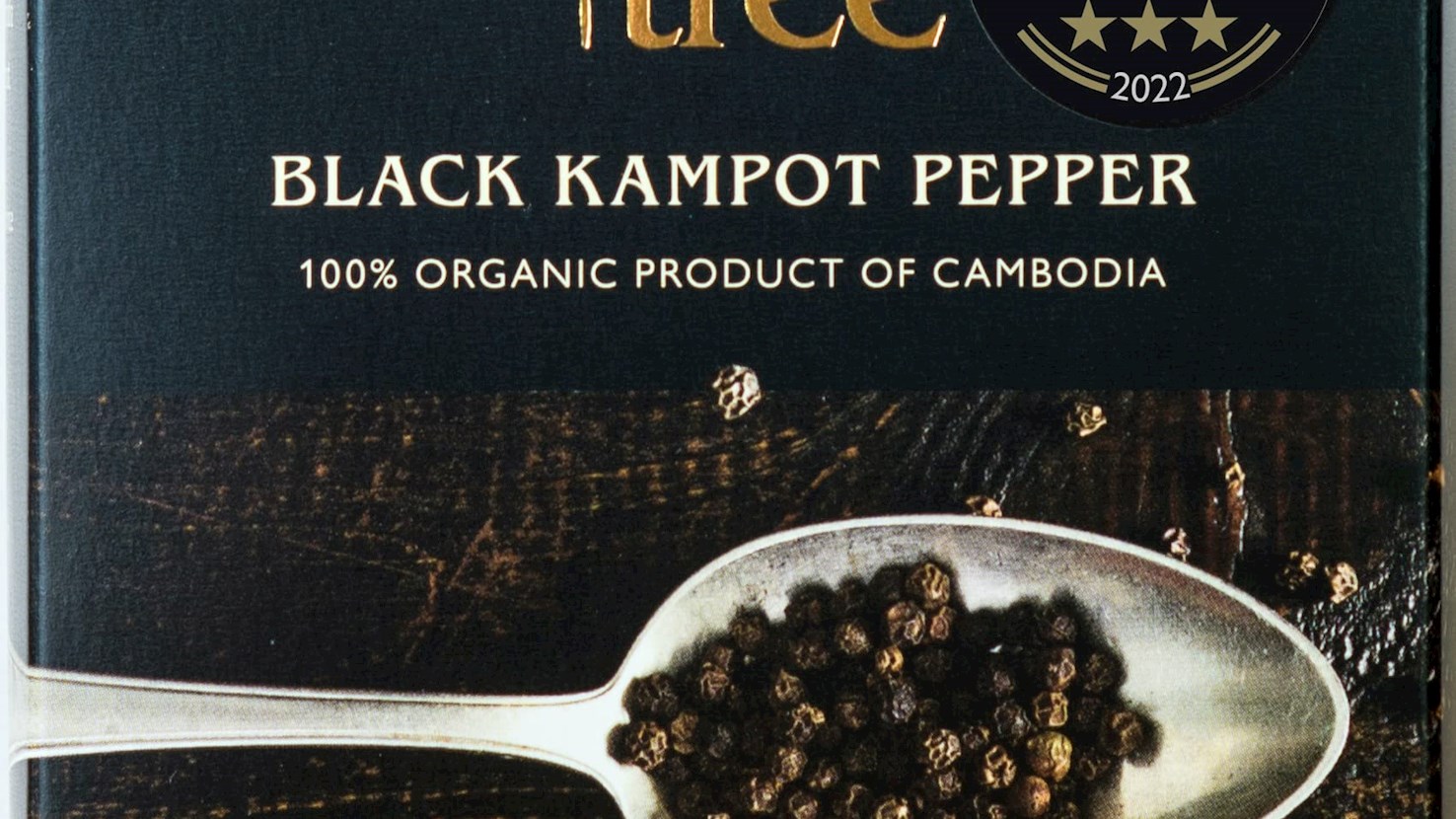
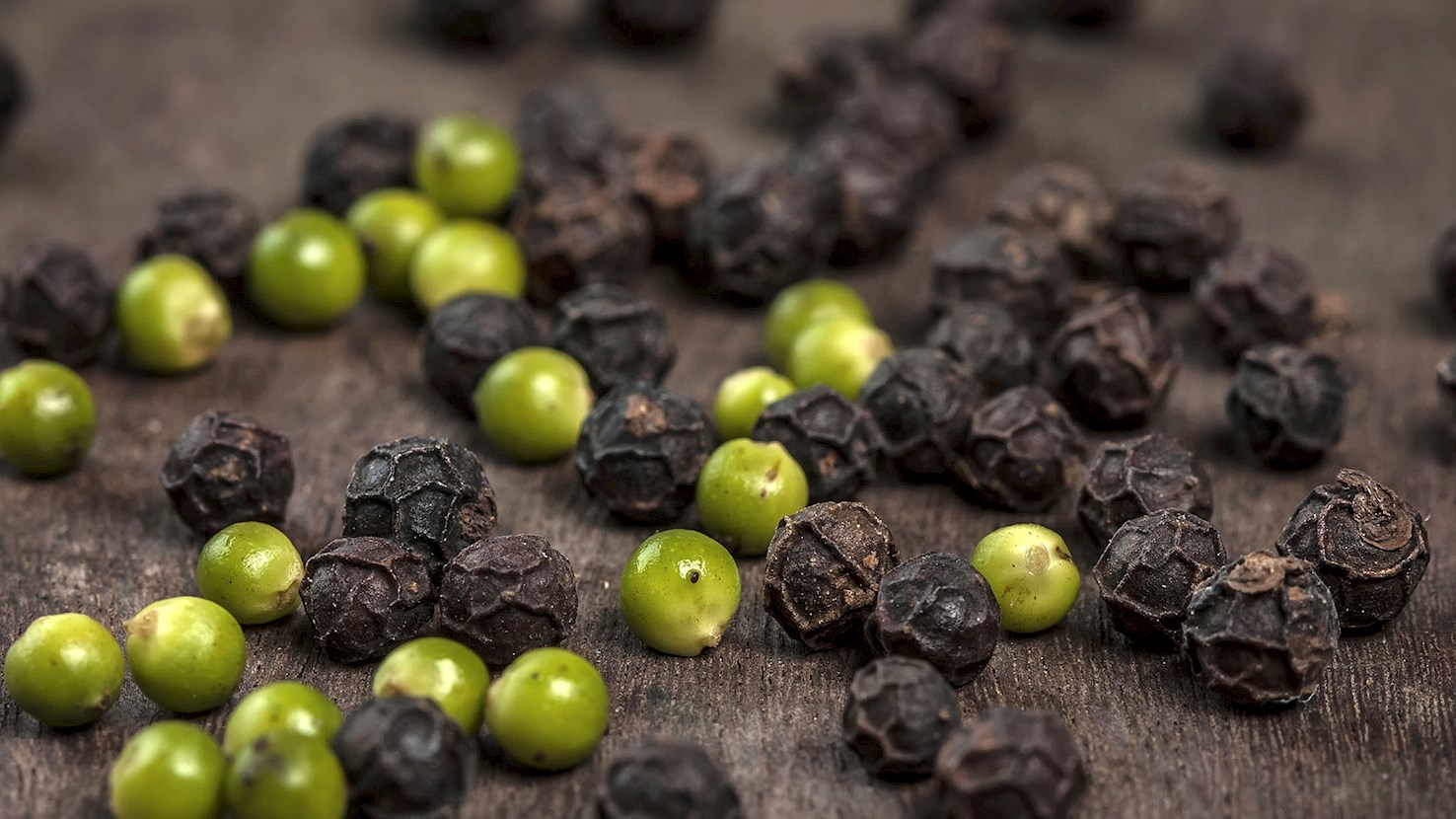
Kampot pepper or poivre de Kampot is pepper from two berry varieties, the Kamchay and the Lampong, of the species Piper nigrum L. grown in the provinces of Kampot and Kep in southern Cambodia. There are four types of Kampot pepper – green, black, red, and white. The green variety is harvested while still young on the vine. It's aromatic with a mild peppery flavor, and it's recommended to use it with grilled or fried squid dishes. The black variety has a delicate and strong aroma, and the flavor ranges from mild and sweet to intensely spicy. It has notes of mint, flowers, and eucalyptus, and it's recommended to use it with most dishes, and especially with grilled fish. The rare red variety is harvested when fully mature on the vine. The aroma is intense and fruity, while the flavors are spicy and sweet. It's recommended to use it in meat dishes and desserts. The rare white variety is developed by soaking red berries in water. The aroma is intense and delicate, and the flavors are strong and spicy with notes of lime and fresh grass. The pepper production in this area started blooming with the arrival of French colonists and made Kampot a synonym for a high-quality product known in France and the rest of Europe. With the Khmer Rouge regime and civil law at the end of the 20th century, the production completely stopped. Finally, when the war ended, the producers started from scratch and began cultivating pepper once again using traditional methods. Thanks to the amazing climate and soil conditions of the area and techniques aimed at ensuring the drainage of the soil, this pepper is of the finest quality, well known for its aroma and balanced pungency.
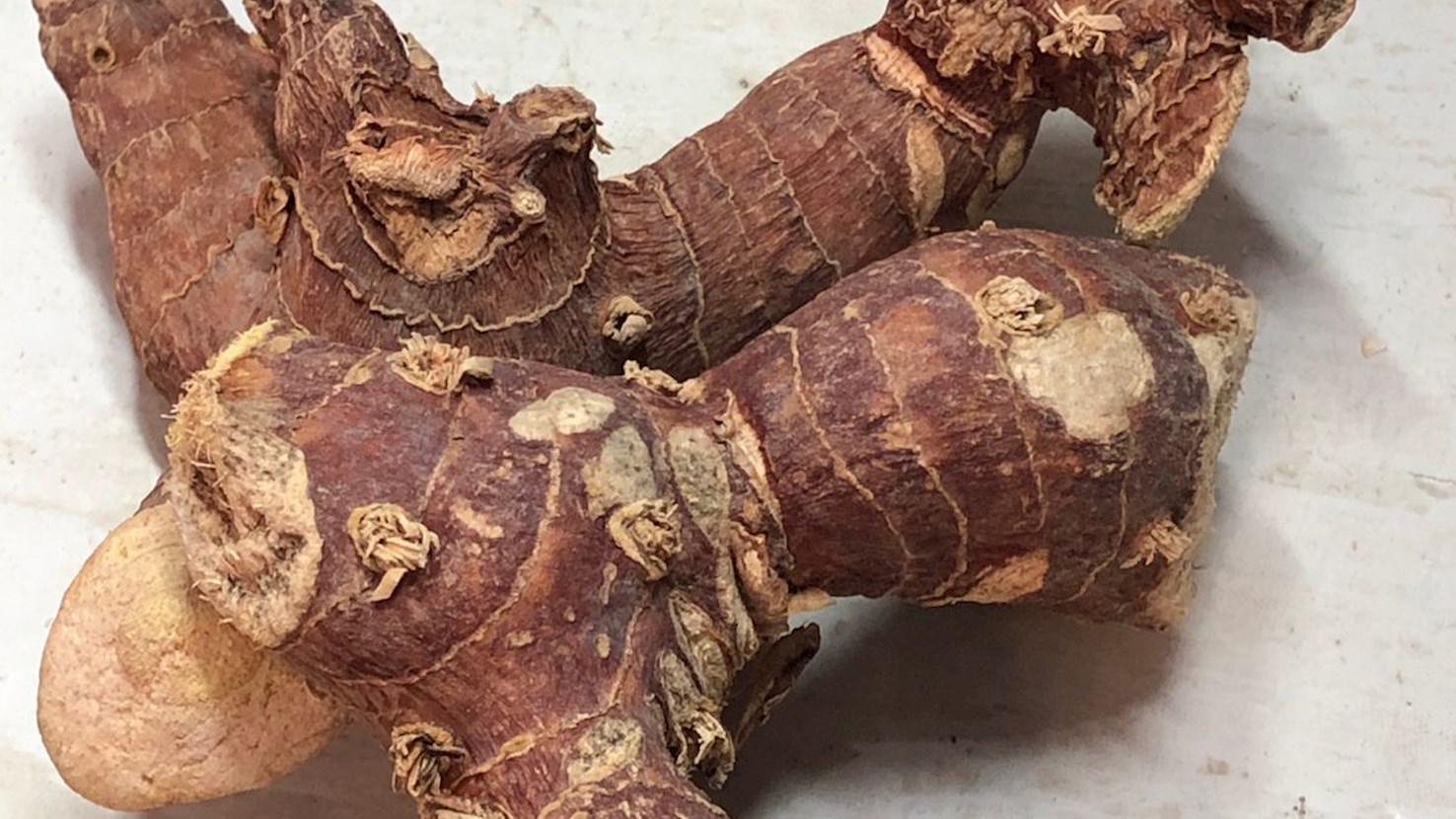
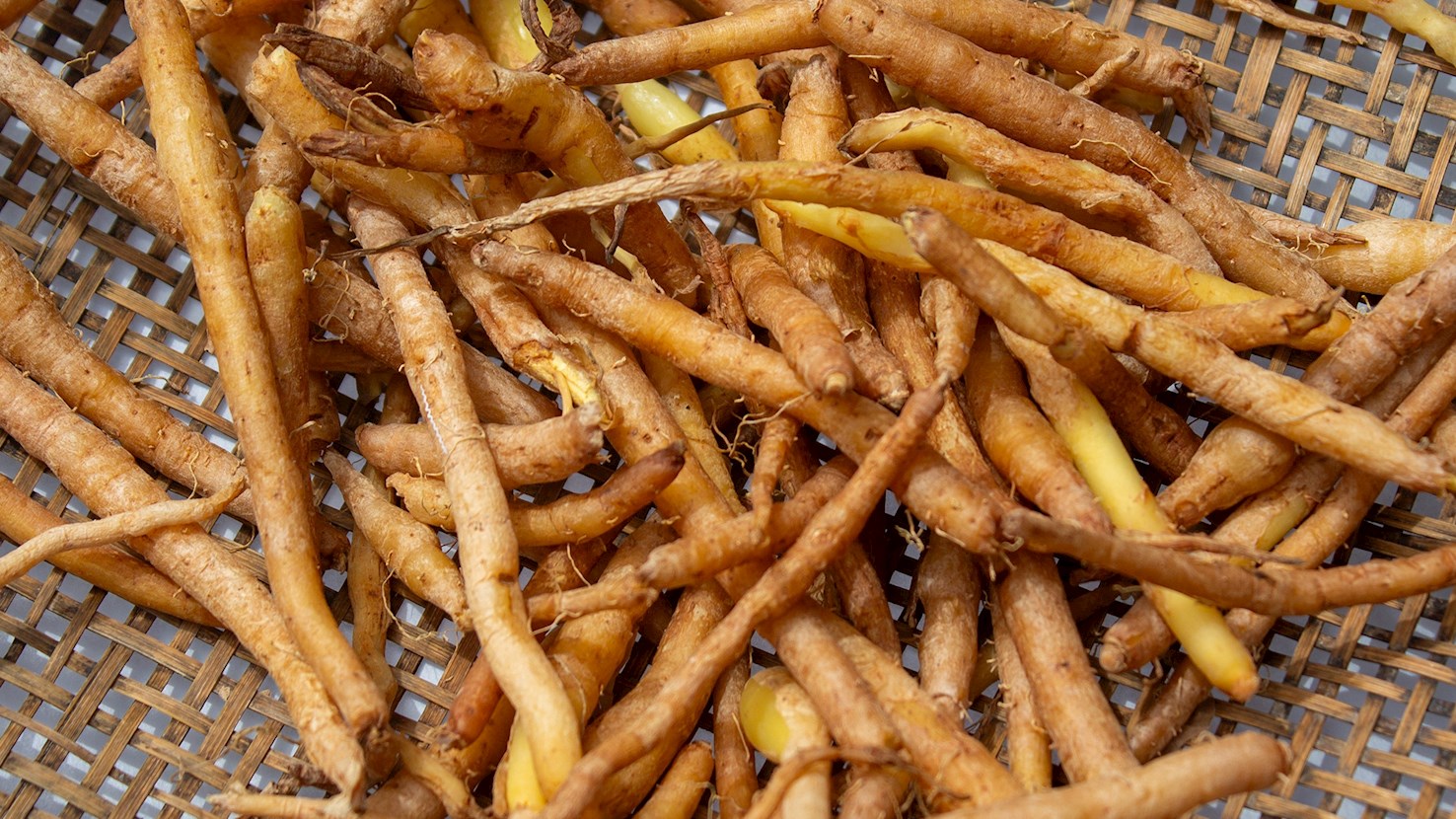
Lesser galangal (lat. Alpinia officinarum) is a plant species in the ginger family, closely related to galangal and used widely across Asia for culinary and medicinal purposes. The plant is native to China, growing primarily in the southeastern part of the country. Lesser galangal is notable for its aromatic rhizomes, which are smaller and have a distinct taste compared to the more commonly known greater galangal (lat. Alpinia galanga). The rhizomes (root-like organs) of lesser galangal are used both as a spice and as an herbal remedy. In cooking, it adds a sharp, slightly sweet flavor and is a component in various Asian dishes, including soups, curries, and seafood. It's particularly prevalent in Indonesian, Thai, and Vietnamese cuisines. Medicinally, lesser galangal has been utilized in traditional Chinese and Ayurvedic medicine for its potential benefits, including anti-inflammatory, antimicrobial, and digestive properties. It has been used to treat a range of conditions, such as colds, nausea, indigestion, and pain relief.
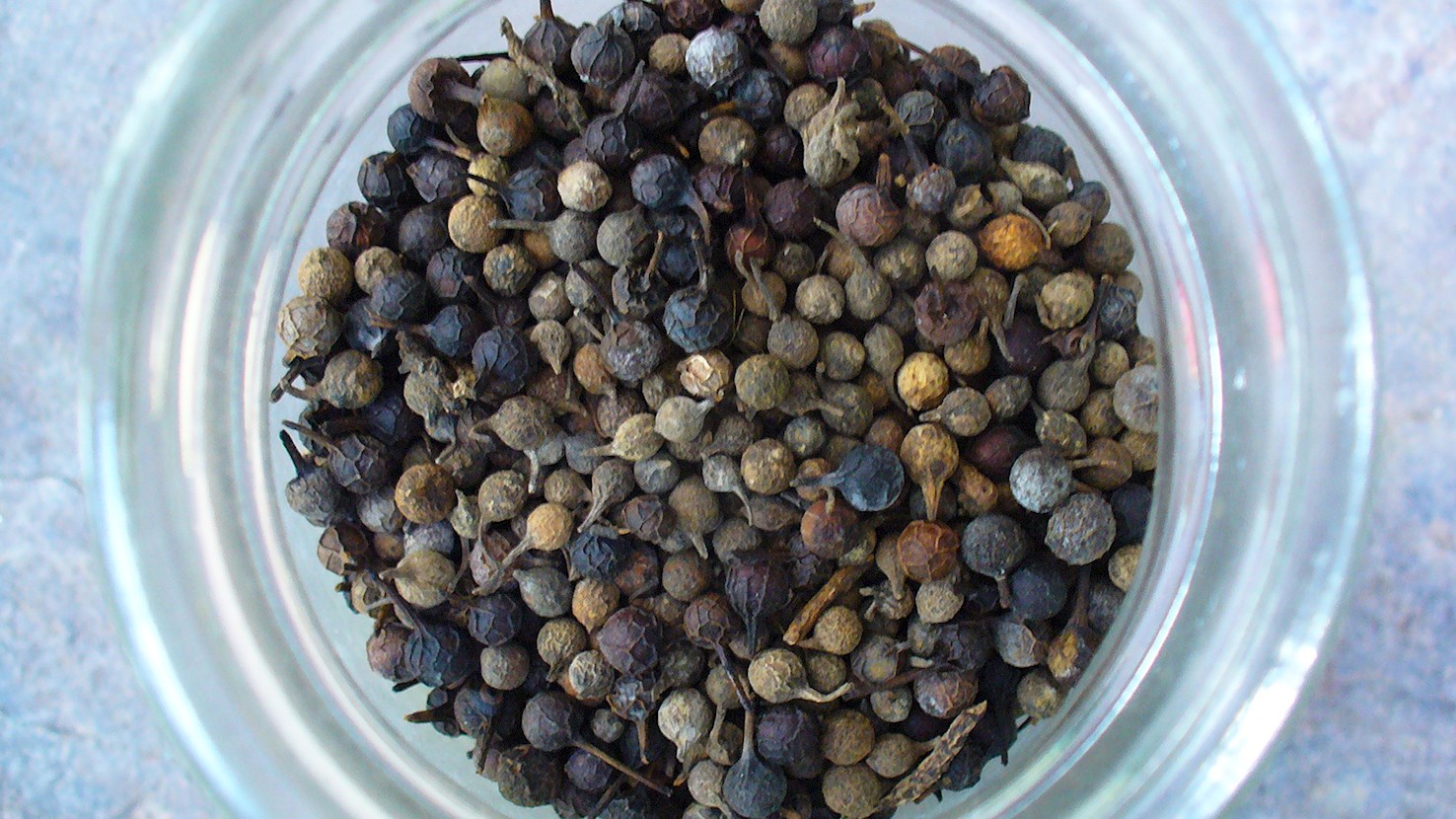
Cubeb is a complex pepper variety native to Java, Indonesia. The pepper starts out as the immature fruit of a tropical climbing vine that sometimes grows in coffee plantations. The vines produce small flowers that turn into berries, which are gathered in the early summer. The berries are then dried in the sun until they turn wrinkly and brown-black. Cubeb pepper barely has any heat, and the flavors are bitter, refreshing, and slightly numbing. Originally, it was grown for medicinal purposes, but over time it became popular as an ingredient due to its peppery and bitter notes. This pepper variety is often used in ras el hanout, gulai curries, and mutton tagine. The spice pairs well with nutmeg, orange peel, lemongrass, and cloves.
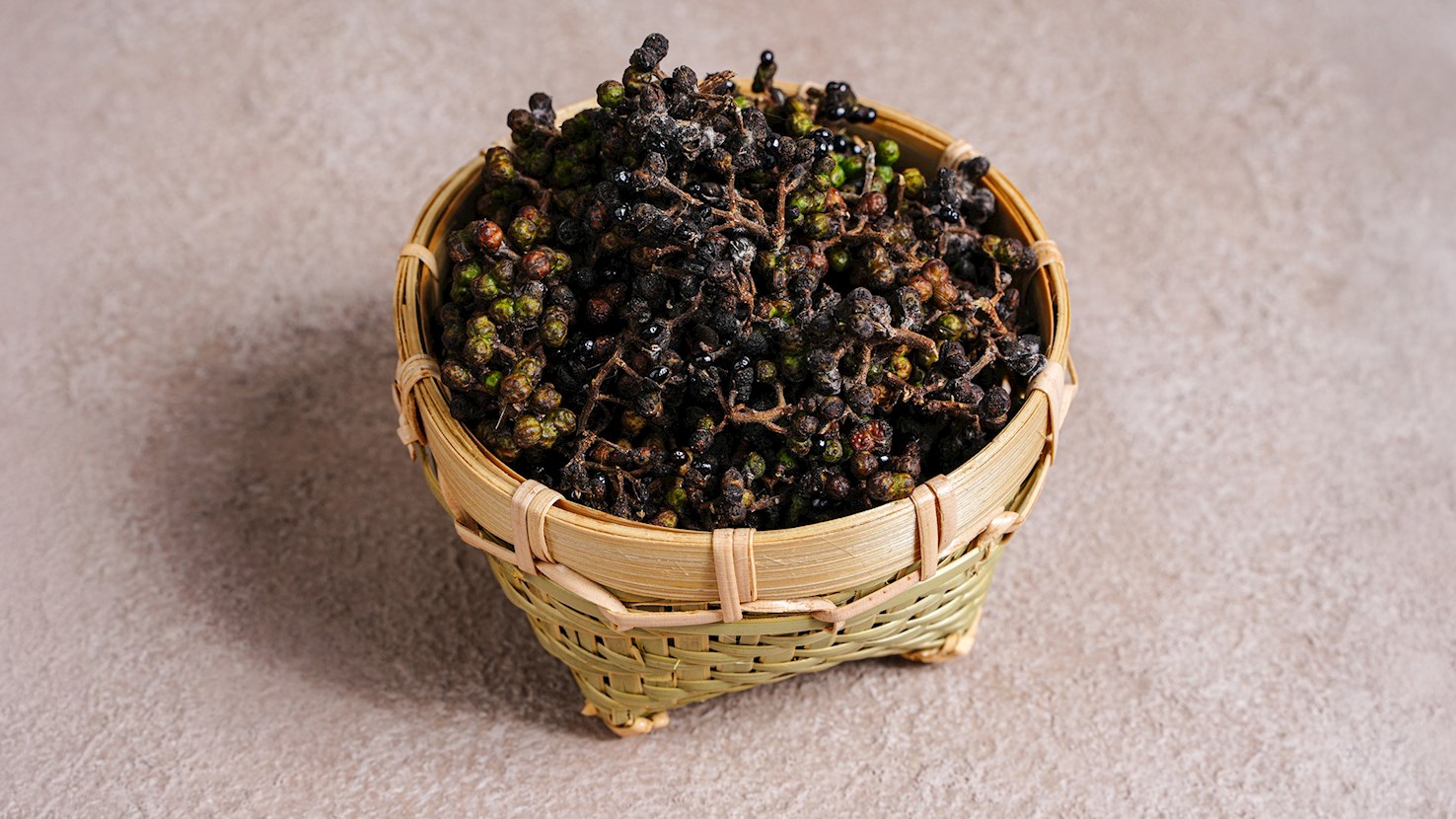
Andaliman (lat. Zanthoxylum acanthopodium), is a wild peppercorn-like spice native to parts of Southeast Asia and the Himalayan region, most notably found in North Sumatra, northern Laos, northern Myanmar, and parts of southwestern China. It belongs to the larger Zanthoxylum genus, which also includes better-known cousins like Sichuan pepper (Z. bungeanum) and Japanese sansho (Z. piperitum). Although andaliman is botanically related to these more globally recognized spices, it is distinguished by its bold citrus aroma, mildly numbing effect, and slightly floral bitterness. The plant grows on thorny shrubs that thrive in highland environments, and its small, clustered berries are harvested when mature, then used fresh, dried, or ground into powder for culinary use. What sets andaliman apart from other species in the Zanthoxylum family is its intensely fragrant profile. It emits strong notes of lemongrass, lime peel, and wild herbs, making it a versatile but dominant spice that rarely plays a background role. In North Sumatra, particularly among the Batak people, andaliman is central to local cuisine and features in iconic dishes like arsik and saksang, where it provides the distinctive tang and tongue-tingling sensation that define Batak flavor. Outside of Indonesia, the spice appears in small pockets of traditional cooking in regions of Yunnan, northern Laos, and eastern India, though it is far less widely used or recognized compared to its Chinese or Japanese relatives. In some Himalayan communities, Z. acanthopodium is used medicinally for its antimicrobial and digestive properties, or as a seasoning in foraged herb mixes. Despite its broad native range, andaliman remains a regional and largely foraged spice, not widely cultivated or commercialized. It is relatively delicate, losing much of its aroma and numbing quality if not handled or stored properly, and has thus struggled to find a large export market. However, as global interest in heirloom and indigenous ingredients grows, chefs and spice experts are beginning to appreciate andaliman for its uniqueness. Though similar in effect to Sichuan pepper, it offers a more aromatic and less aggressive profile, suitable for seafood, grilled meats, and aromatic spice blends.
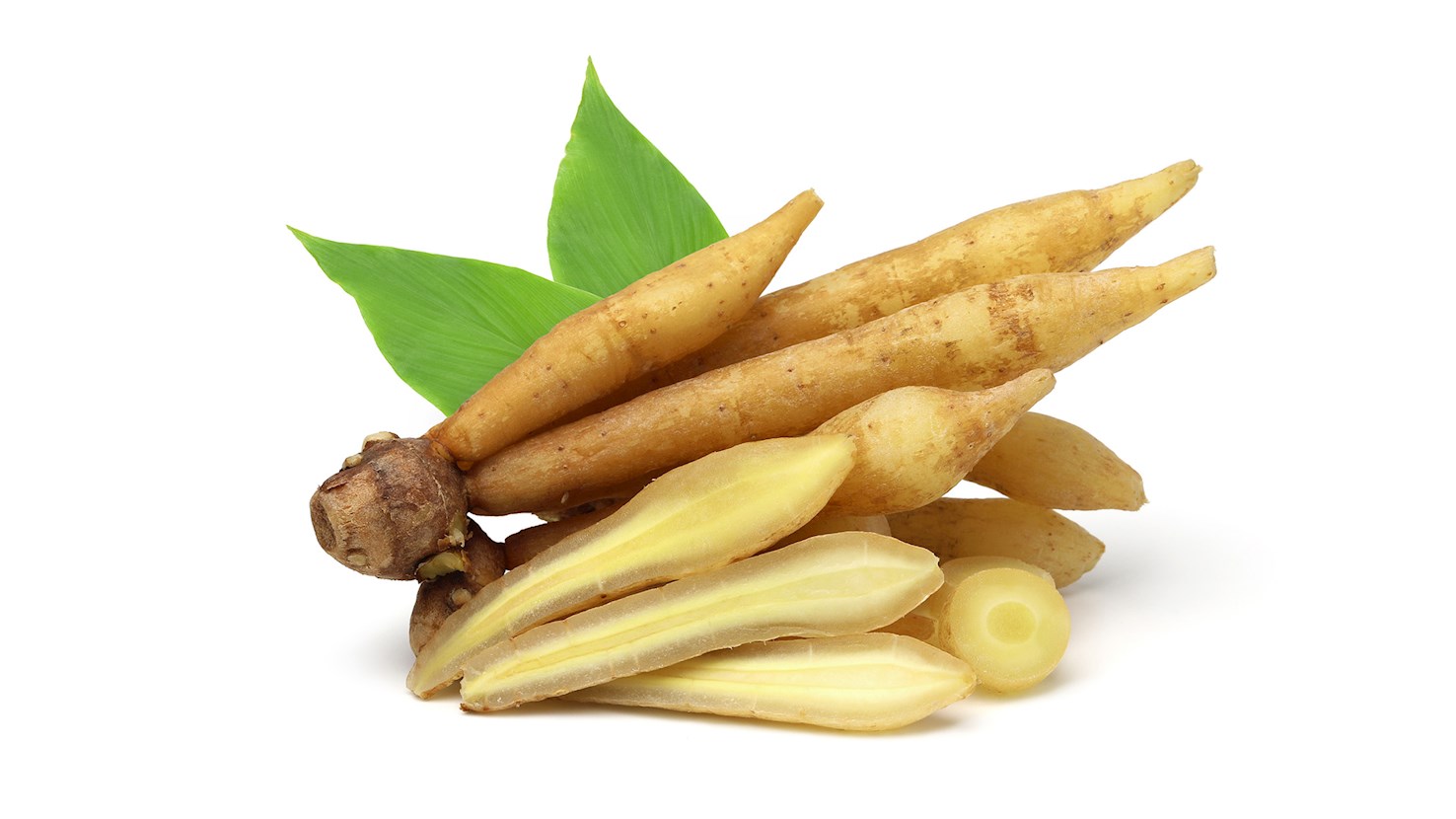
Fingerroot, known scientifically as Boesenbergia rotunda, is a type of rhizome that is native to China and Southeast Asia. It belongs to the ginger family and is widely used in the culinary traditions of countries like Thailand, Indonesia, and Malaysia. The rhizome resembles fingers growing out of a piece, which is why it's called fingerroot. It has a slightly spicy and medicinal flavor, making it a popular ingredient in traditional dishes and for medicinal purposes. Fingerroot is often used in soups, curries, and traditional remedies due to its distinctive flavor and health benefits, including anti-inflammatory and antimicrobial properties.
In the Malaysian state of Sarawak, more precisely near the river Rimbàs, a local variety of black pepper known as Kuching is cultivated by the Ibans native group. The rows in small pepper fields are arranged on a slight slope in order to avoid the accumulation of excess water – a result of abundant tropical rains. The pepper plant has the form of a bush and grows around a post of one of the most resistant woods in nature – ironwood or belian. The grains of pepper are collected when they turn from green to pale yellow color, and are then washed and left to dry in the sun. Nowadays, approximately 13,000 hectares of pepper are cultivated in the area.
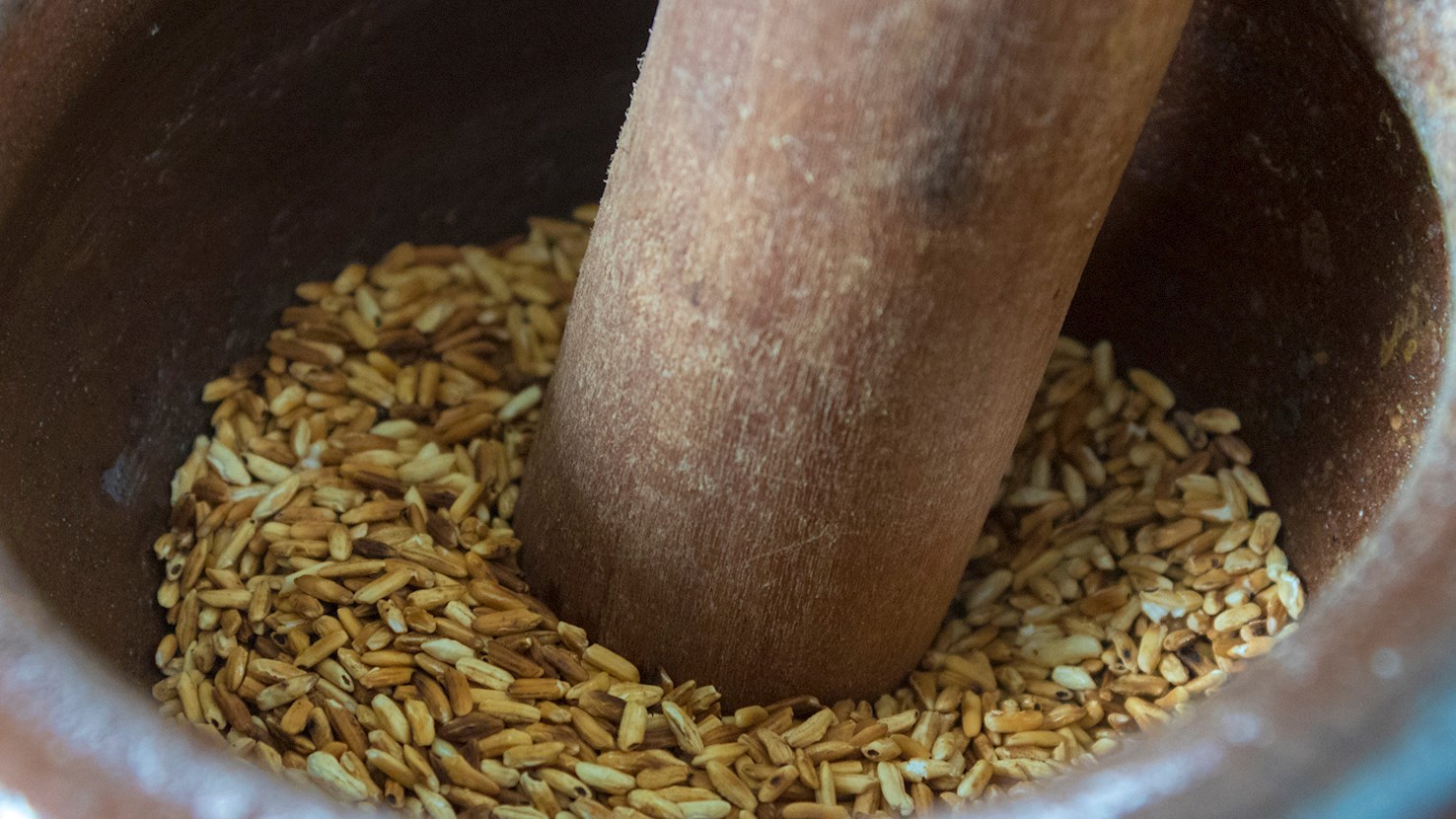
Khao khua is ground roasted rice powder made from a particular rice variety called sticky rice, popular in Northern Thailand and Laos. The recipe is very straightforward - sticky rice (or glutinous rice, as it is also known) is dry roasted in a pan for about 15 minutes, until golden-brown. Then, after it has cooled down, the rice is ground with a pestle and mortar or a coffee grinder. The coarse powder can then be used in a variety of favorite local dishes such as larb, jeow, or just about any type of salad, enriching them with an aromatic, nutty flavor.
TasteAtlas food rankings are based on the ratings of the TasteAtlas audience, with a series of mechanisms that recognize real users and that ignore bot,
nationalist or local patriotic ratings, and give additional value to the ratings of users that the system recognizes as knowledgeable.
For the “Top 11 Southeast Asian Spices” list until June 15, 2026, 153 ratings were recorded, of which 117 were recognized by the system as legitimate.
TasteAtlas Rankings should not be seen as the final global conclusion about food. Their purpose is to promote excellent local foods,
instill pride in traditional dishes, and arouse curiosity about dishes you haven’t tried.
The initial list of top producers was compiled based on available reviews, awards, local recommendations, media and blog coverage, and consumer reviews.
The list will be updated with ratings from TasteAtlas local ambassadors and TasteAtlas users.