shutterstock

Top 3 Southeastern European Spices

Last updated on June 04, 2026

Best Southeastern European Spices

01

Nadia's Saffron

4.5 ·
Awards
Great Taste Awards - 3 Stars (2024)
02

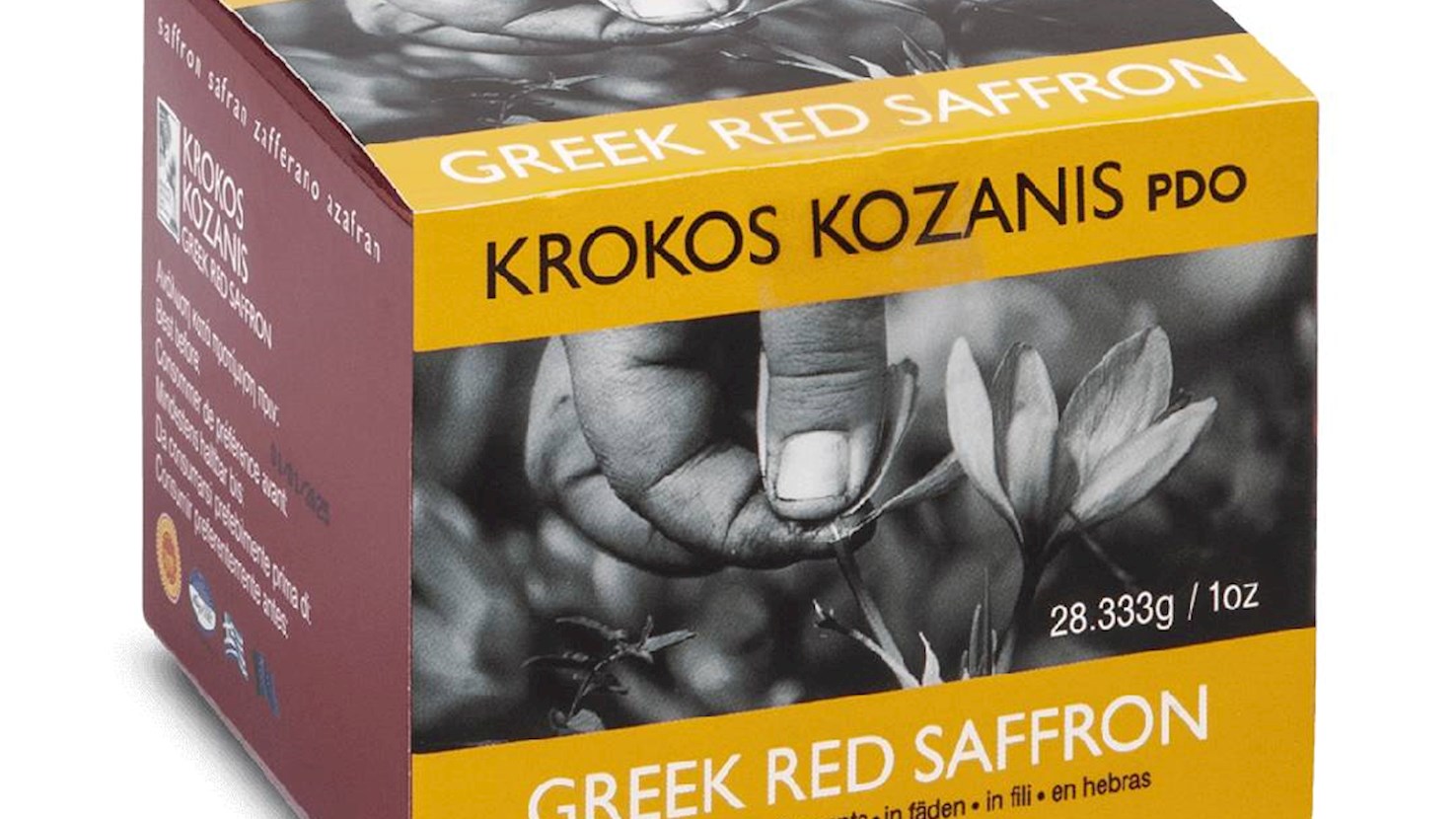
Krokos Kozanis

4.3 ·
The Kozani Saffron Producers Cooperative, established in 1971, is headquartered in the village of Krokos, Kozani Prefecture, Greece. The cooperative comprises approximately 1,000 members and holds the exclusive rights to collect, process, package, and distribute saffron cultivated in the region. The cooperative's primary objectives include coordinating saffron cultivation to enhance both yield and quality, as well as standardizing the product's appearance. To achieve these goals, the cooperative engages in scientific research on saffron cultivation and implements innovative programs to train its staff and farmers. Kozani saffron, also known as "Krokos Kozanis," is renowned for its high quality, characterized by a guaranteed minimum coloring strength of 230 degrees. This superior quality has earned it a Protected Designation of Origin (PDO) status, distinguishing it in both domestic and international markets.

Best Southeastern European Spice Types
01

Krokos Kozanis

4.2 ·

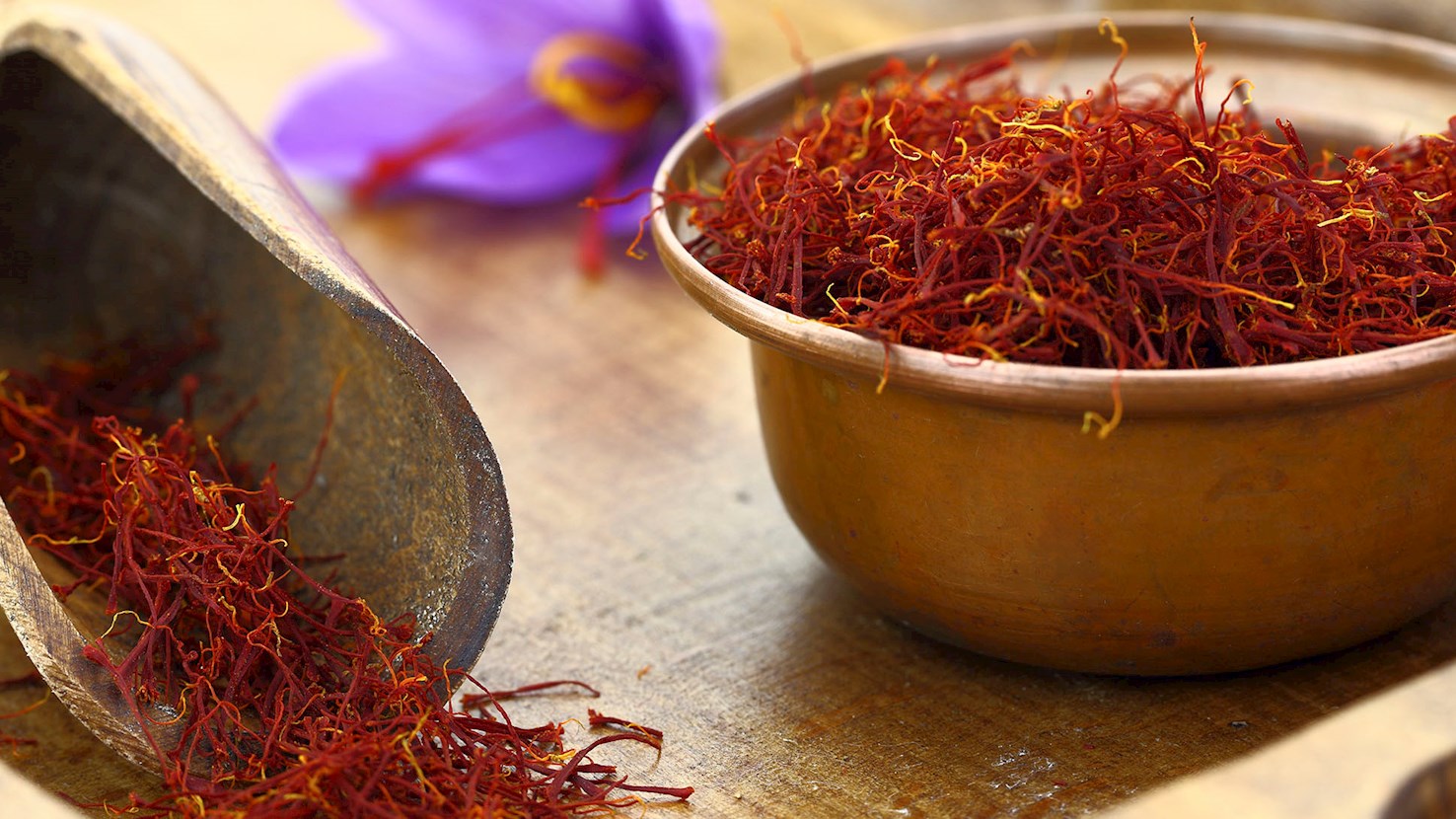
Krokos kozanis is a spice taken from the bulb stigmas of the saffron plant, part of the Iridaceae family. It is produced within the various municipal areas of Kozani, in the region of West Macedonia in the northern part of Greece. The exclusive rights for the collection, distribution and packing of Greek Saffron is held by the Cooperative de Safran. Annual production depends upon weather conditions and ranges from 6 to 12 tons of pure red saffron per year. It takes 150,000 flowers to produce 1 kilogram of dried crocus stigmas and about 50,000 stigmas to obtain 100 grams of red saffron which makes saffron the most expensive spice in the world. The locals are planting saffron every summer and then manually gather them when they start maturing around the middle of October. The stigmas have a shiny red-orange color, a strong flavor and an intense scent. It seems that crocus was cultivated in Greece ever since the Minoan period, but the production in the Kozani area dates back to the 17th century. It should be kept in glass containers, keeping it away from light sources and humidity. With its unique taste, it can enrich a variety of meals, rice dishes, meat or fish courses. It is also perfect served with cheese. Saffron is used to flavor and give color to sweets and ice creams, as well. In Greece, it is also used to flavor coffee or tsipouro. Greek saffron is among the best saffron in the world, quality-wise and, therefore, a very sought after product in Europe and beyond.

Best producers
02

Mahlep

3.3 ·

Mahlep is a fragrant spice derived from the seeds of the mahaleb cherry (lat. Prunus mahaleb), native to the Mediterranean region, particularly prevalent in Middle Eastern and Mediterranean cuisines. It is created by grinding the pits of the cherry into a fine powder that imparts a distinctive aroma combining subtle hints of almond, cherry, and mild bitterness. Mahlep is commonly used as a flavoring agent in baked goods such as breads, pastries, and cookies, lending an aromatic complexity that enhances the sensory experience of these dishes. The use of mahlep dates back centuries, rooted in the culinary traditions of countries such as Iran, Lebanon, Syria, Greece, and Türkiye. Its cultivation and incorporation into food reflect the longstanding agricultural and gastronomic heritage of the Mediterranean basin, where local resources were transformed into unique flavor profiles that define regional dishes. Preparation of mahlep involves first extracting the small seeds from the cherry pits, drying them, and then grinding them into a powder. The resulting spice is used sparingly due to its potent aroma and flavor. In baking, mahlep is mixed into doughs or batters, often alongside other spices like cinnamon or cardamom, to enrich breads such as pita or festive sweets. Its flavor profile complements both sweet and savory preparations, providing a nuanced background note that elevates the dish without overpowering other ingredients. Mahlep remains popular in contemporary Middle Eastern and Mediterranean kitchens, appearing in both home cooking and artisanal baking. It is typically purchased as a ground powder, but some cooks prefer to grind the seeds fresh for maximum potency. Mahlep-spiced breads and pastries are enjoyed with tea or coffee and are often part of celebrations and religious festivals.

03

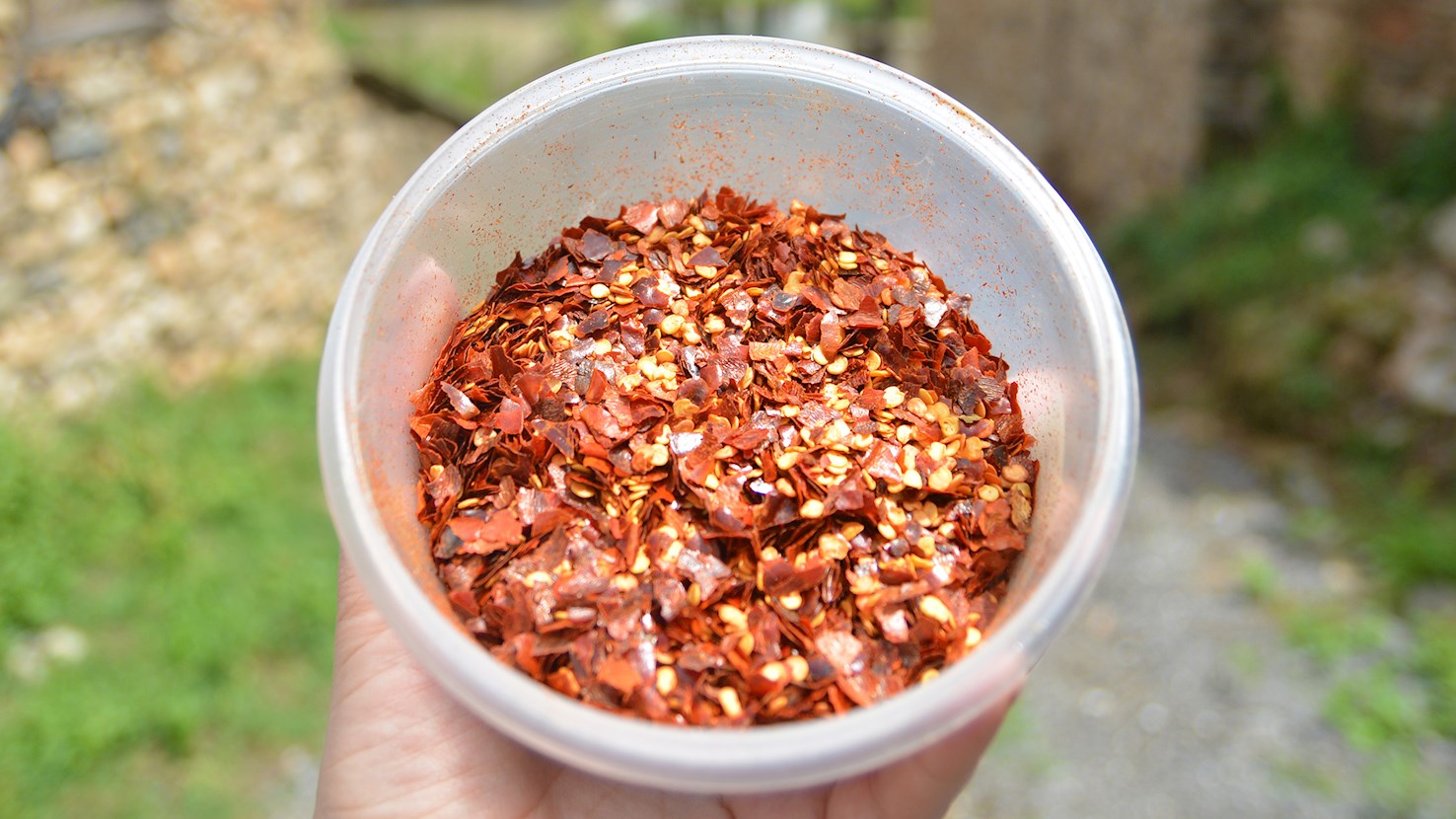
Bukovska paprika (Bukovska pepper)

n/a ·

Bukovska paprika refers to a spice that is indigenous to the Bukovo region of North Macedonia. It is a ground red pepper seasoning esteemed in Balkan cuisine for its distinctive flavor profile, which can range from mildly spicy to moderately hot. The process involves sun-drying the peppers before they are ground into a fine flakes. This spice is known for its deep red color, smoky aroma, and ability to add both heat and depth of flavor to various dishes.

Read more
View all
View map
About this ranking

TasteAtlas food rankings are based on the ratings of the TasteAtlas audience, with a series of mechanisms that recognize real users and that ignore bot, nationalist or local patriotic ratings, and give additional value to the ratings of users that the system recognizes as knowledgeable. For the “Top 3 Southeastern European Spices” list until June 04, 2026, 358 ratings were recorded, of which 38 were recognized by the system as legitimate. TasteAtlas Rankings should not be seen as the final global conclusion about food. Their purpose is to promote excellent local foods, instill pride in traditional dishes, and arouse curiosity about dishes you haven’t tried.

The initial list of top producers was compiled based on available reviews, awards, local recommendations, media and blog coverage, and consumer reviews. The list will be updated with ratings from TasteAtlas local ambassadors and TasteAtlas users.

Similar lists