Top 4 Abruzzese Spirits and Liqueurs

Last updated on June 15, 2026

Best Abruzzese Spirits and Liqueurs
01

Enrico Toro

4.5 ·
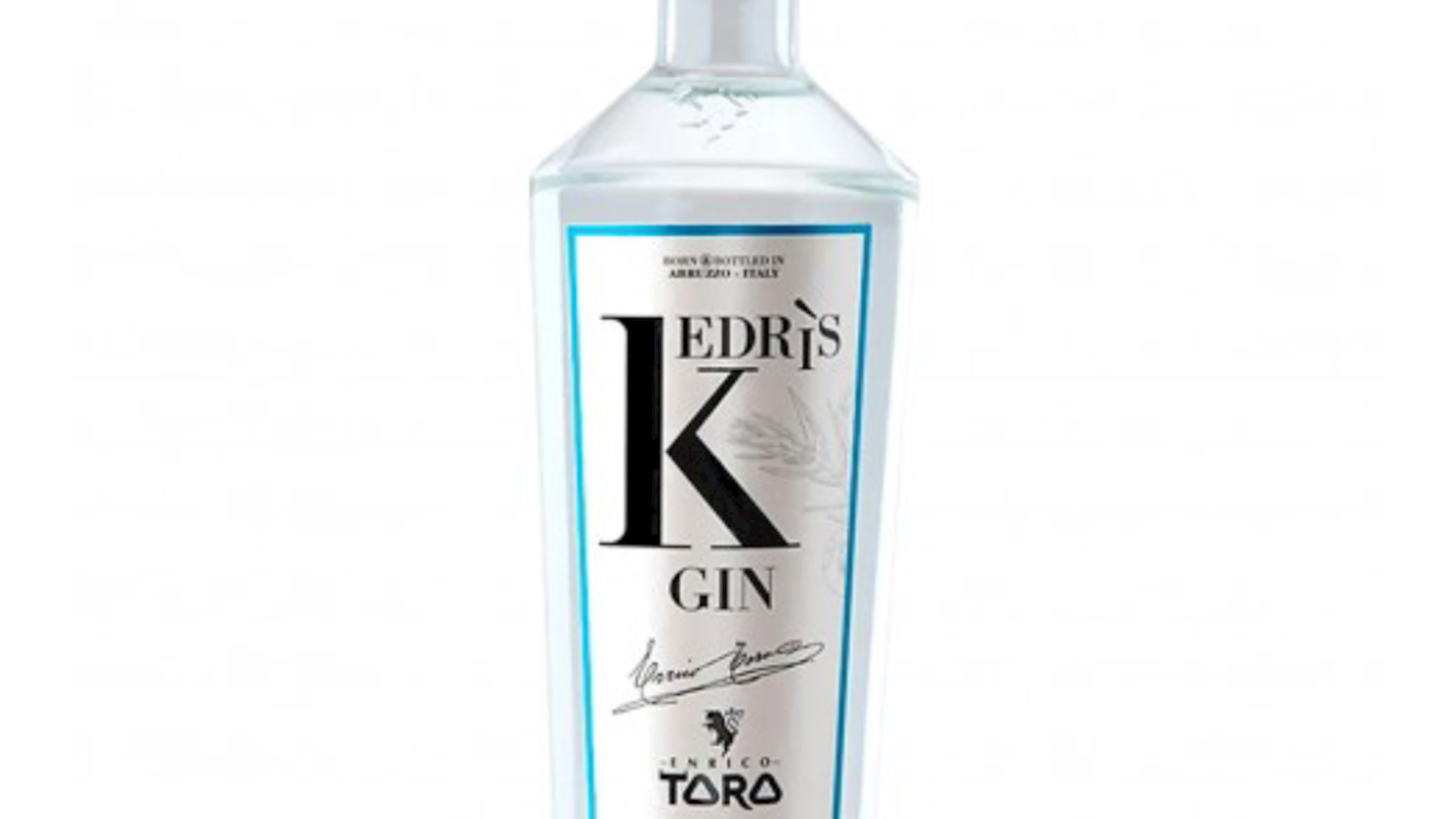
Distilleria Toro, founded in 1817 by pharmacist Beniamino Toro in Tocco da Casauria, Abruzzo, Italy, is renowned for its iconic Centerba Forte liqueur. Located at the entrance to the Tremonti Gorge, the distillery utilizes aromatic and medicinal herbs harvested from the slopes of Mount Morrone, which lend a unique flavor to its products. Throughout its long history, the company has combined traditional recipes with modern technologies, producing a diverse range of liqueurs and spirits, including Centerba 72, Genziana 72, and Amaro 72. The distillery is also recognized for its dedication to quality and innovation, making it one of the leading liqueur producers in the region.
Awards
London Spirits Competition - Gold (2024)

Best Abruzzese Spirit/Liqueur Types
01

Centerba

n/a ·

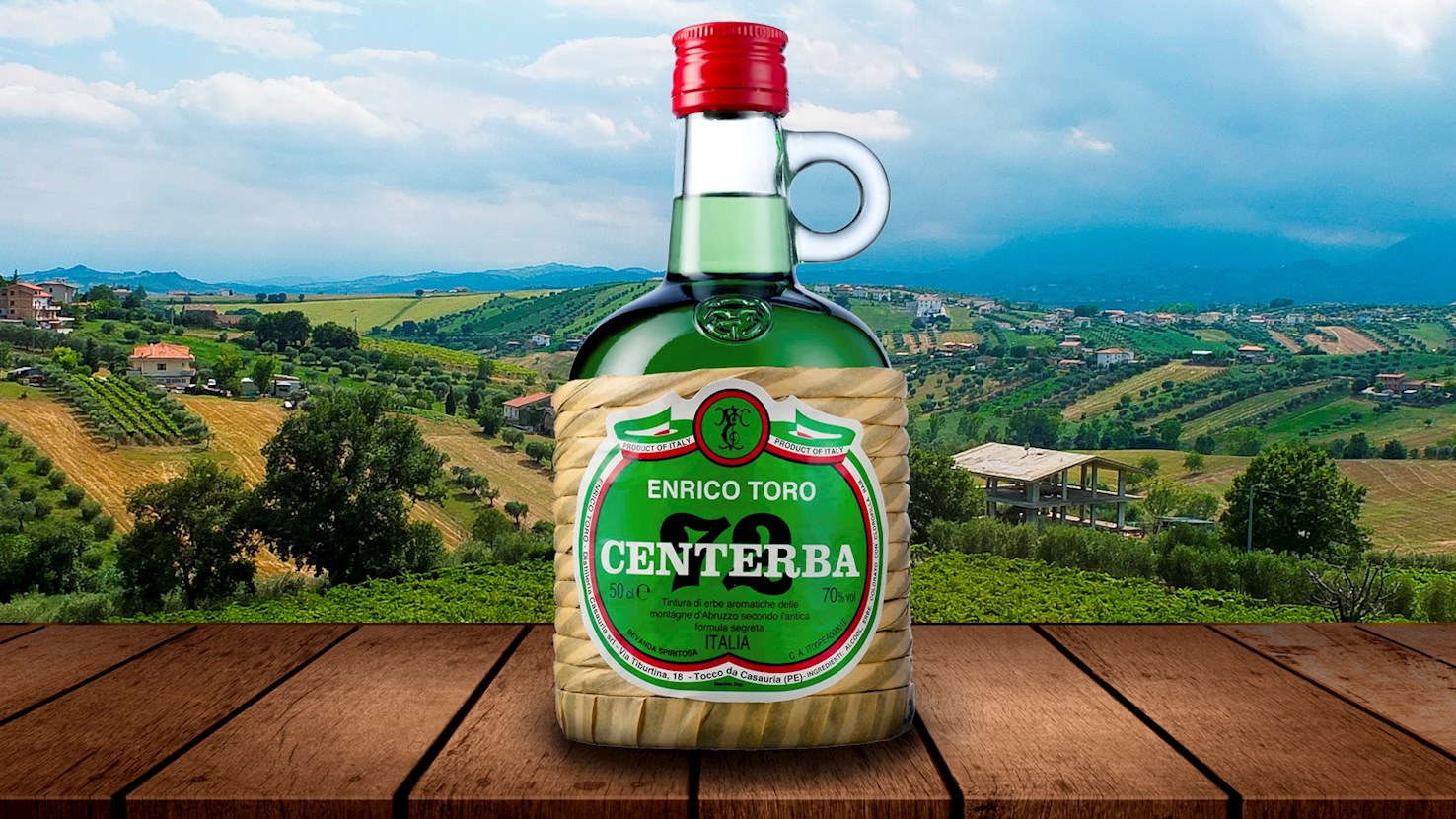
Centerba is distilled from various plants indigenous to the alpine regions of Abruzzi. The name suggests that a hundred herbs are required to produce this greenish conconction, but the manufacturers keep the ingredients a closely guarded secret. The most powerful of all Italian liqueurs, Centerba was originally made by herbalists as a digestive. True to Abruzzi tastes, “the spicier the better,” Centerba produces such a powerful burning sensation in the throat that you might believe it was spiced with peperoncino. The bottle is presented in an attractive straw basket.

02

Punch Abruzzo

n/a ·

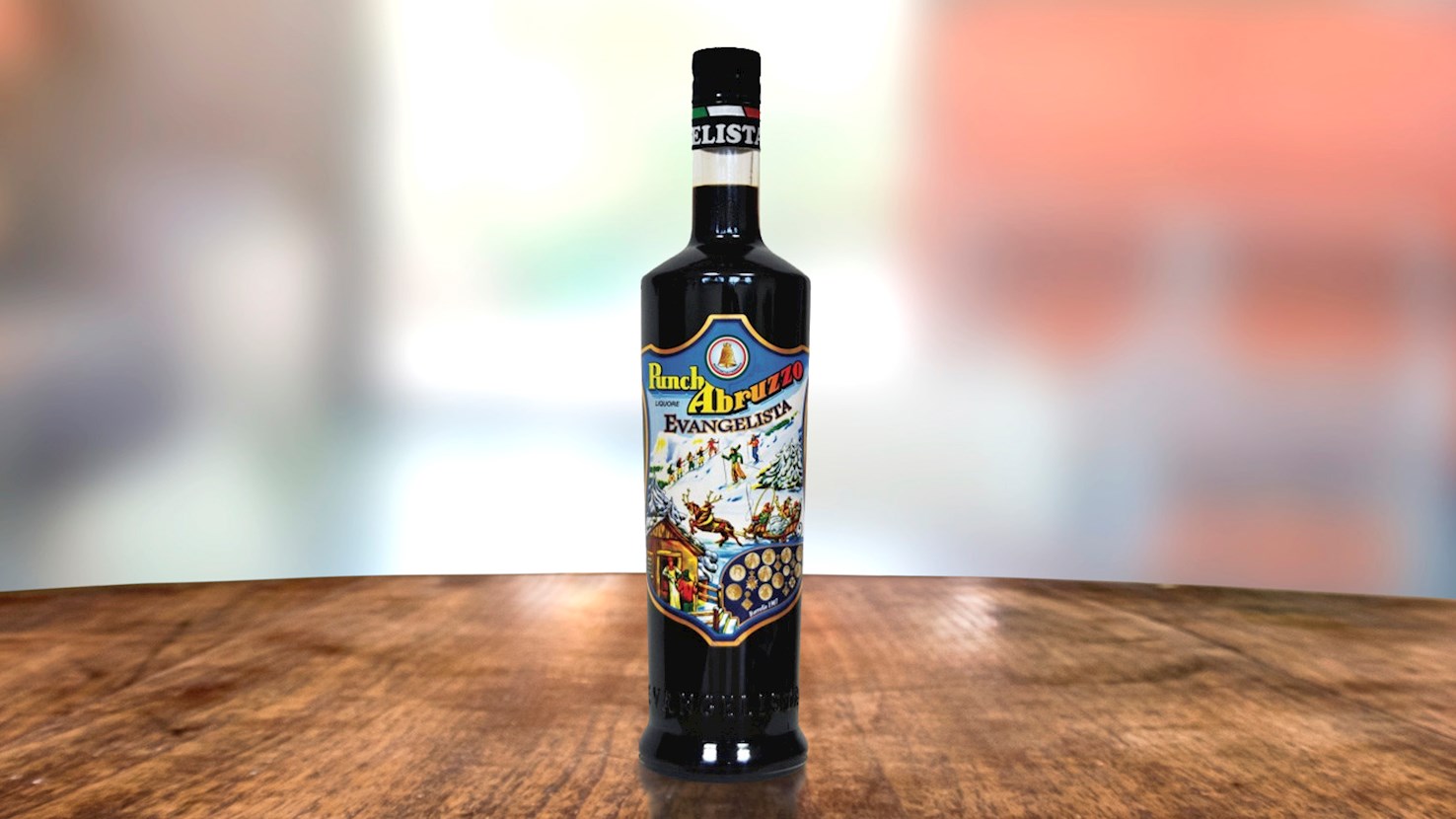
Punch Abruzzo is an Italian liqueur hailing from Borello, Italy. The recipe is a closely guarded family secret, but it is known that the drink is infused with coffee, citruses, and various spices. It is a strong and richly-flavored liqueur with a syrupy texture and a long finish. The aroma is reminiscent of citrus fruit, coffee, spices, and toffee. The drink was invented in 1907 by Antonio Evangelista, who served as Borello’s mayor. Initially, he made it at home as a warming winter drink, but as it quickly caught up, he started commercial production. He named it Punch Abruzzo and marketed it as a soothing and warming drink that warms the soul. Although it was initially meant to be enjoyed as a hot wintertime drink, this aromatic liqueur proved to be an excellent digestif that is served straight or on the rocks. It can also be added to ice cream or used in affogato—a delicious Italian combination of espresso and ice cream. The company is now based in Sambuceto.

03

Corfinio

n/a ·

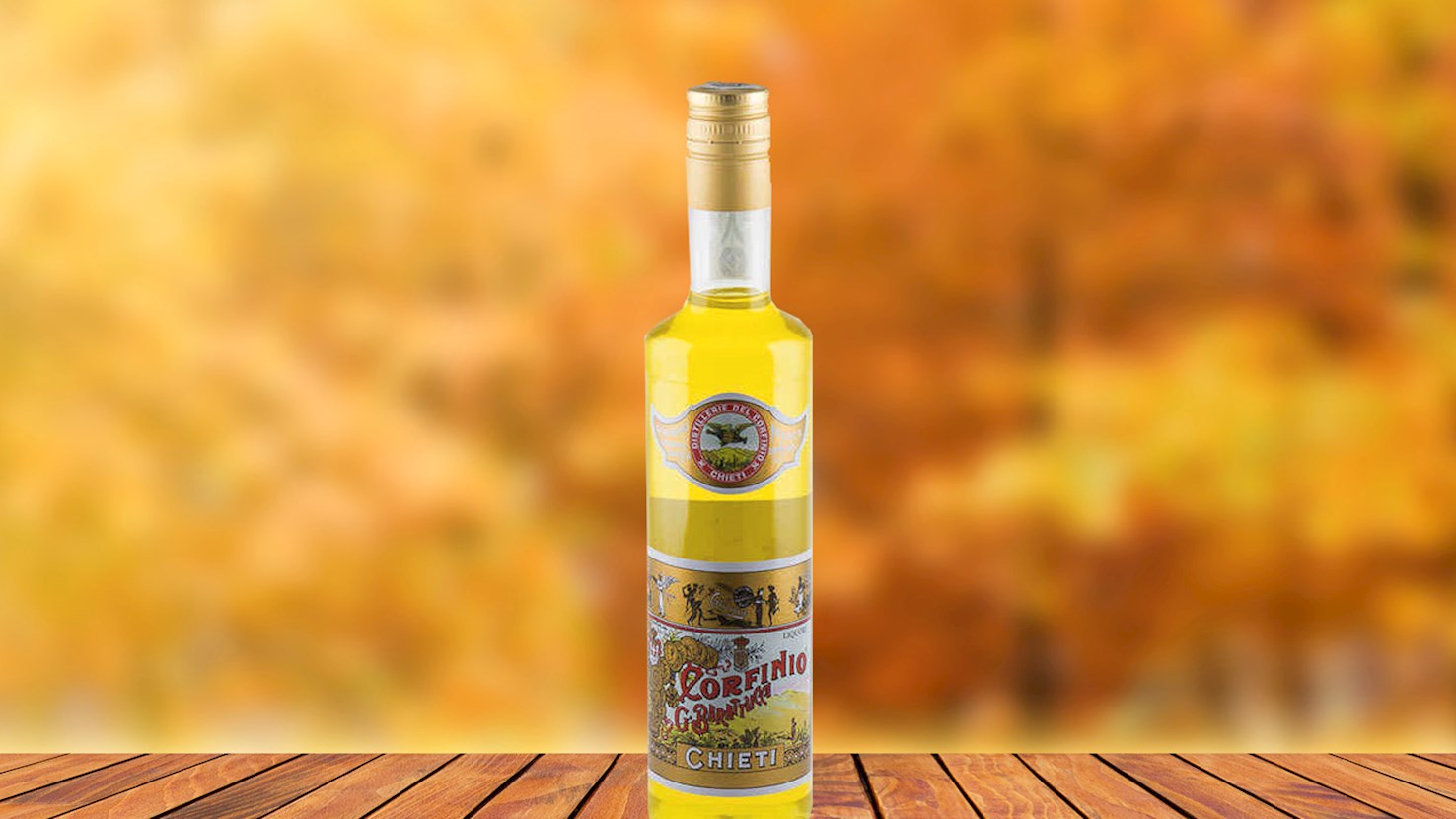
Corfinio is a herbal liqueur created in 1858 by Giulio Barattucci. The liqueur is produced in Chieti, and it is made with a secret recipe that combines 42 different herbs, roots, and seeds. It is flavored and colored with saffron harvested in the Abruzzo region. The liqueur has a distinctive yellow color, smooth texture, and intense herbal flavors and aroma. It is still produced following the original recipe. Corfinio slipped into obscurity in the 1970s, but Baratucci's descendants reintroduced it in 1988. This herbaceous liqueur works great as an aperitif or a digestif, served neat or over ice. It is often used in desserts and fruit salads or as an ingredient in cocktails and long drinks. Corfinio is bottled at 39% ABV, and it was named after Corfinio, a city in L'Aquila.

04

Aurum

n/a ·

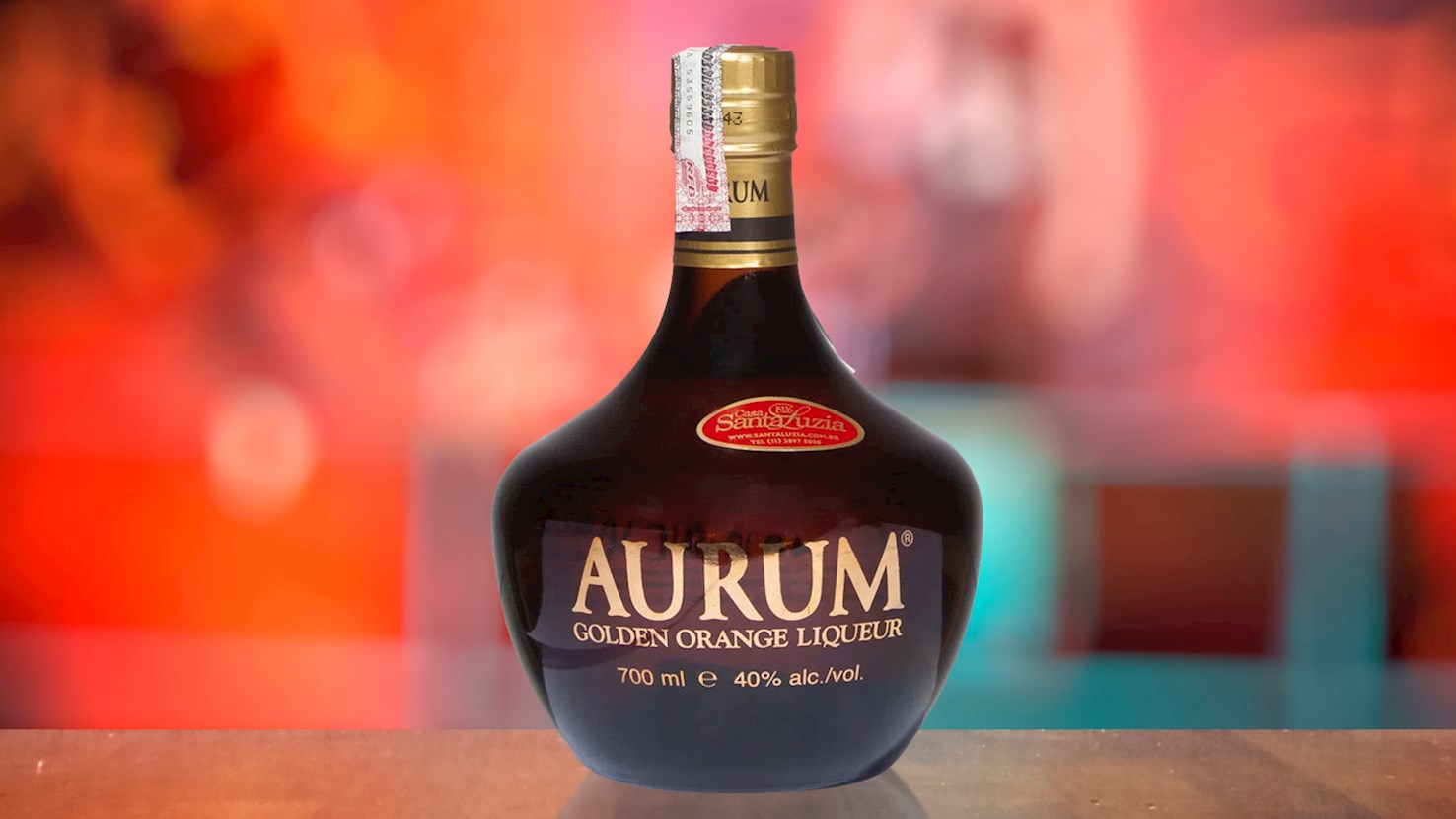
Aurum is a brandy-based, orange-flavored liqueur that hails from Pescara. It is made with aged brandy and an orange infusion, while the distinctive orange color is also attained with the addition of saffron. The liqueur is aged before it is bottled. Aurum is sweet and smooth, with a flavor and aroma dominated by orange notes. It was first created in 1925, and its name stems from Latin—aurum stands for gold, while aurantium translates as orange. Aurum is best served on the rocks, but it is also a great addition to desserts and ice cream.

Read more
View all
View map
About this ranking

TasteAtlas food rankings are based on the ratings of the TasteAtlas audience, with a series of mechanisms that recognize real users and that ignore bot, nationalist or local patriotic ratings, and give additional value to the ratings of users that the system recognizes as knowledgeable. For the “Top 4 Abruzzese Spirits and Liqueurs” list until June 15, 2026, 3 ratings were recorded, of which 2 were recognized by the system as legitimate. TasteAtlas Rankings should not be seen as the final global conclusion about food. Their purpose is to promote excellent local foods, instill pride in traditional dishes, and arouse curiosity about dishes you haven’t tried.

The initial list of top producers was compiled based on available reviews, awards, local recommendations, media and blog coverage, and consumer reviews. The list will be updated with ratings from TasteAtlas local ambassadors and TasteAtlas users.

Similar lists