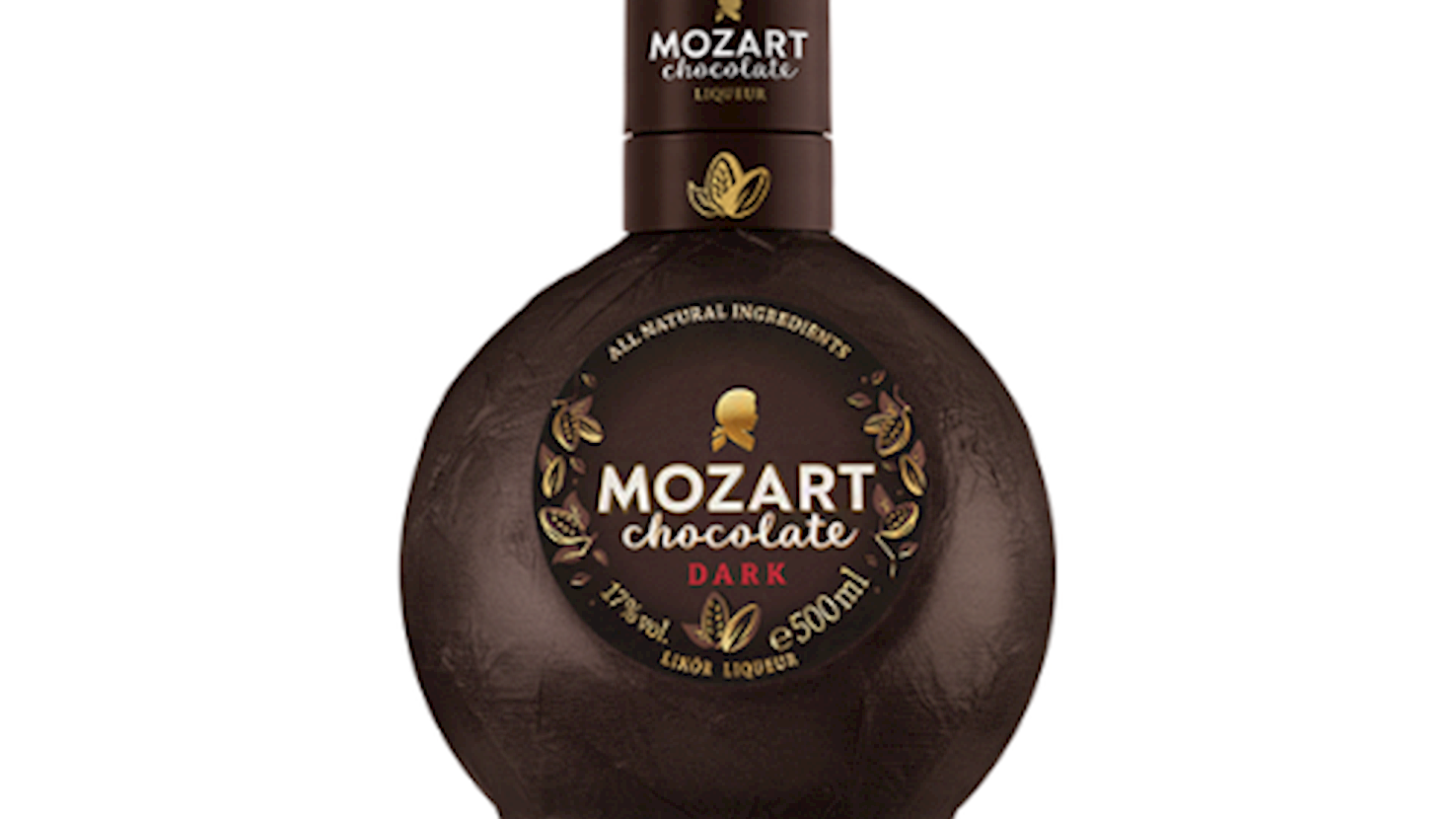
Mozart Chocolate Liqueur is an Austrian brand founded in 1954 in Salzburg, specializing in chocolate-based liqueurs that combine cocoa and distillates in a smooth, dessert-oriented format. The brand identity is closely linked to Salzburg’s cultural heritage and the name of Wolfgang Amadeus Mozart, reflected in its distinctive gold-foil bottle design.
Production focuses on natural ingredients such as cocoa, Bourbon vanilla, and beet sugar, blending traditional techniques with modern quality standards. The portfolio includes milk, dark, and white chocolate expressions, as well as coffee-infused variants, positioning the brand both as a digestif and as a versatile ingredient in contemporary mixology.
The combination of Austrian origin, clearly defined branding, and consistent product quality has established it as one of the most recognizable chocolate liqueur brands globally.
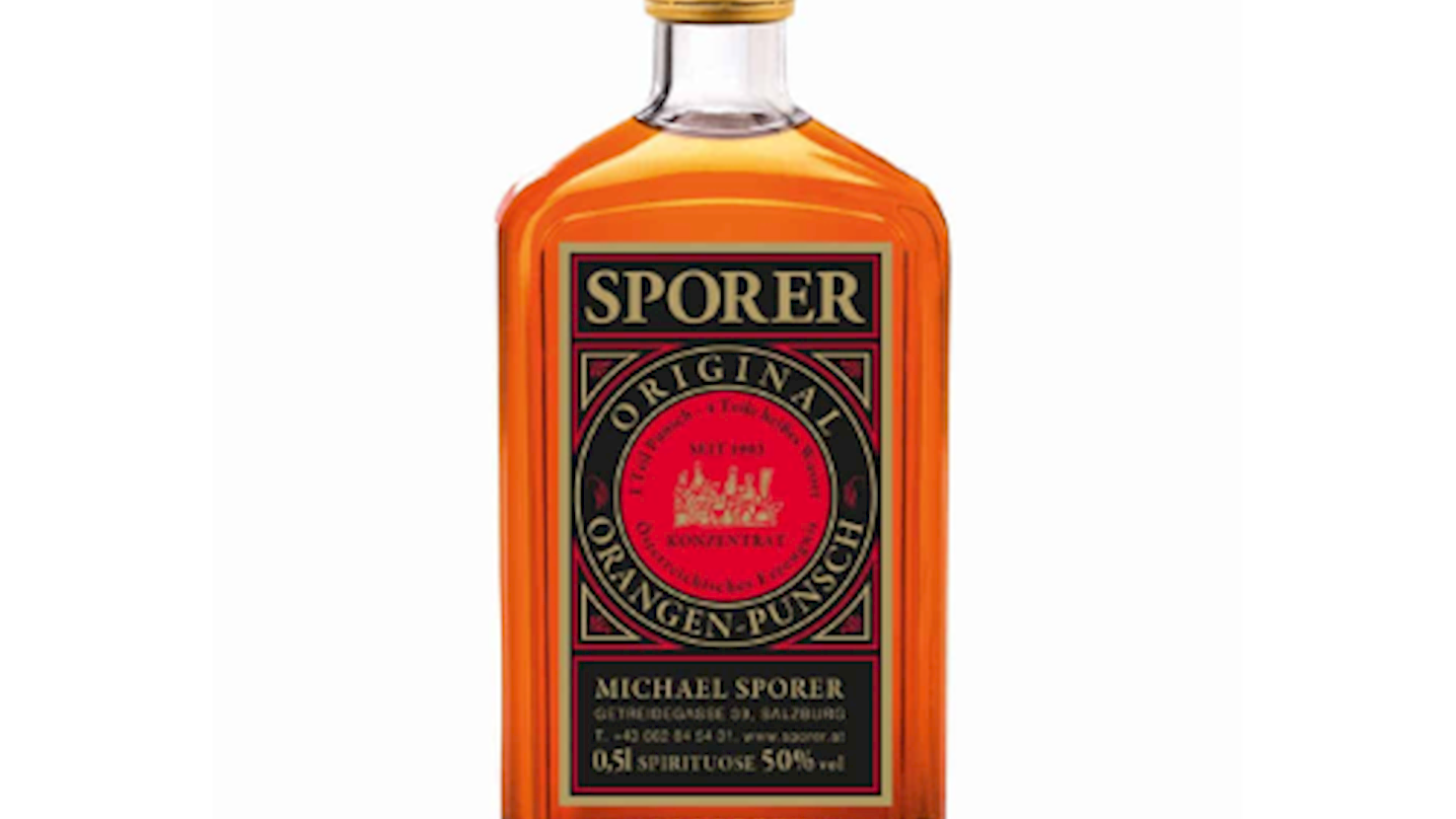
Sporer Likör & Punschmanufaktur is a family-owned liqueur and punch manufactory based in Salzburg, founded in 1903 and still operating at its original address in Getreidegasse 39. For more than a century, the business has remained in the hands of the same family, preserving its artisanal identity and small-scale production methods.
The portfolio includes a broad range of herbal liqueurs, bitters, fruit spirits, vermouth, and seasonal specialties. One of its most recognized products is the historic Orange Punsch, made according to a recipe that dates back over 100 years and closely associated with the house’s heritage.
Production relies on traditional maceration techniques and carefully selected botanicals, with many spirits aged in old wooden barrels that contribute depth and structure to the final profile.
The range spans classic alpine herbal blends with pronounced bitter and spicy notes, as well as fruit-based expressions such as walnut, juniper, and citrus. Beyond their role as digestifs, many of the liqueurs are also suited for contemporary cocktail use, bridging historical recipes with modern bar culture.
The shop itself functions as both retail space and tasting venue, allowing visitors to sample different labels in a setting that reflects Salzburg’s historic character. The combination of long-standing craftsmanship, continuity of ownership, and consistent product quality positions Sporer as a significant example of Austria’s enduring liqueur tradition.
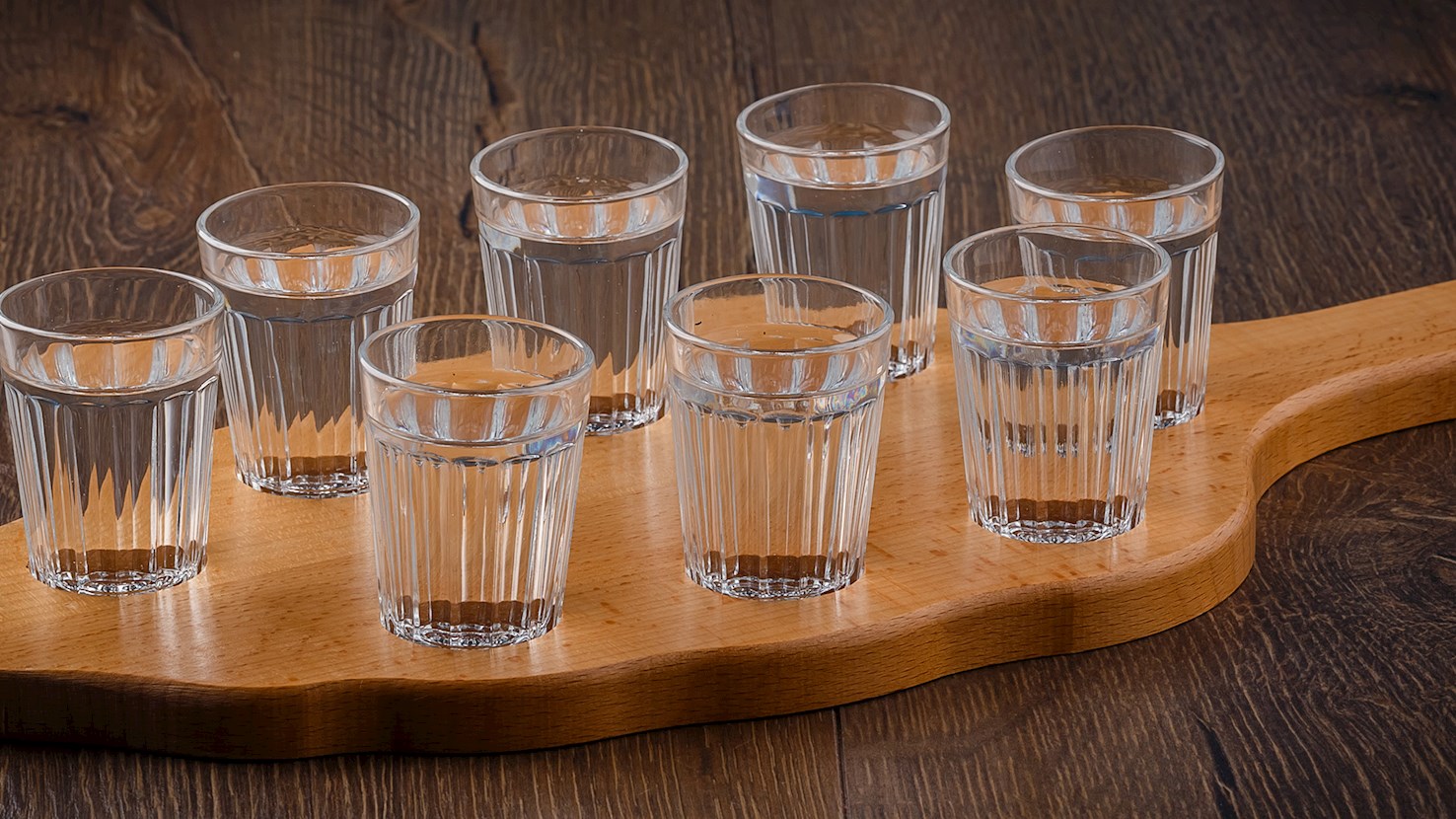
Pálinka is a fruit brandy from Hungary, made by fermenting and distilling fruits such as plums, apricots, pears, apples, and cherries. Its production is deeply connected to the country’s agricultural regions, where orchards provide the raw material for a spirit that is known for both strength and aromatic intensity. The origins of pálinka reach back centuries, when small-scale distilling was practiced in villages and estates, with the drink consumed both socially and in everyday life. Over time, it became a central part of Hungary’s culinary culture, appreciated not only for its alcohol content but for the way it captures the essence of the fruit used in its making. Preparation begins with ripe fruit that is crushed and allowed to ferment naturally or with added yeast until the sugars turn into alcohol. The fermented mash is then distilled, often in copper stills, to concentrate the flavor and produce a spirit of high strength, typically between 40 and 55 percent alcohol. The resulting brandy may be consumed young, retaining fresh fruit character, or it can be aged in wooden casks, which impart color and additional complexity. Pálinka is usually served in small glasses at room temperature to allow the aroma to develop fully before tasting. It is often consumed in small sips, either before a meal as an aperitif or afterwards as a digestif, and may also accompany rich dishes or desserts in Hungarian dining. Since 2008, pálinka has held PGI (Protected Geographical Indication) status, which means that only fruit brandy produced in Hungary, and a few Austrian border regions with historical ties, may legally be called pálinka. The regulations also specify that the spirit must be made entirely from fruit grown in the region, without added flavors or alcohol, and distilled to a specific standard. This recognition safeguards authenticity, ensures quality, and highlights its cultural and economic importance to Hungary. Pálinka is still widely consumed across Hungary today, offered in homes, restaurants, and festivals, where it symbolizes hospitality and local pride. It is often presented to guests, shared during family gatherings, and enjoyed as part of national celebrations, maintaining its role as one of the most distinctive beverages of Hungarian gastronomy.
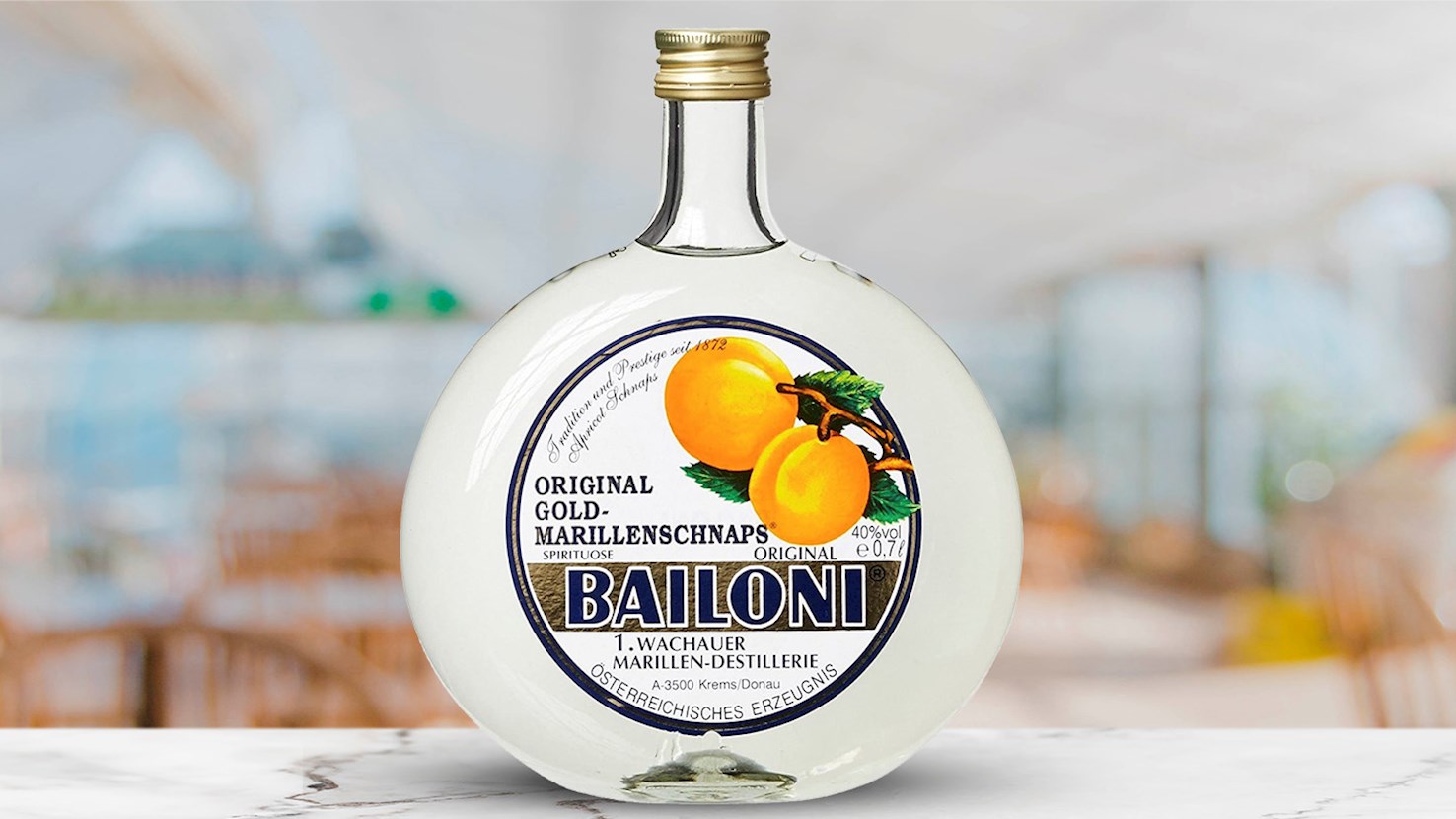
Marillenschnaps is a type of fruit brandy that is distilled from apricots. The drink is traditionally associated with Wachau—a region known for apricot production—though it is also produced in other Austrian and German regions. High-quality apricot brandy should be double-distilled from fresh apricot mash to create a clear and potent spirit with an alcohol content that typically goes around 40% ABV. This brandy will display apricot and floral aromas with a warming, fruity, and long aftertaste. Like other types of fruit brandies, apricot schnaps is also traditionally enjoyed neat, though it can also work as an ingredient in cocktails and long drinks.
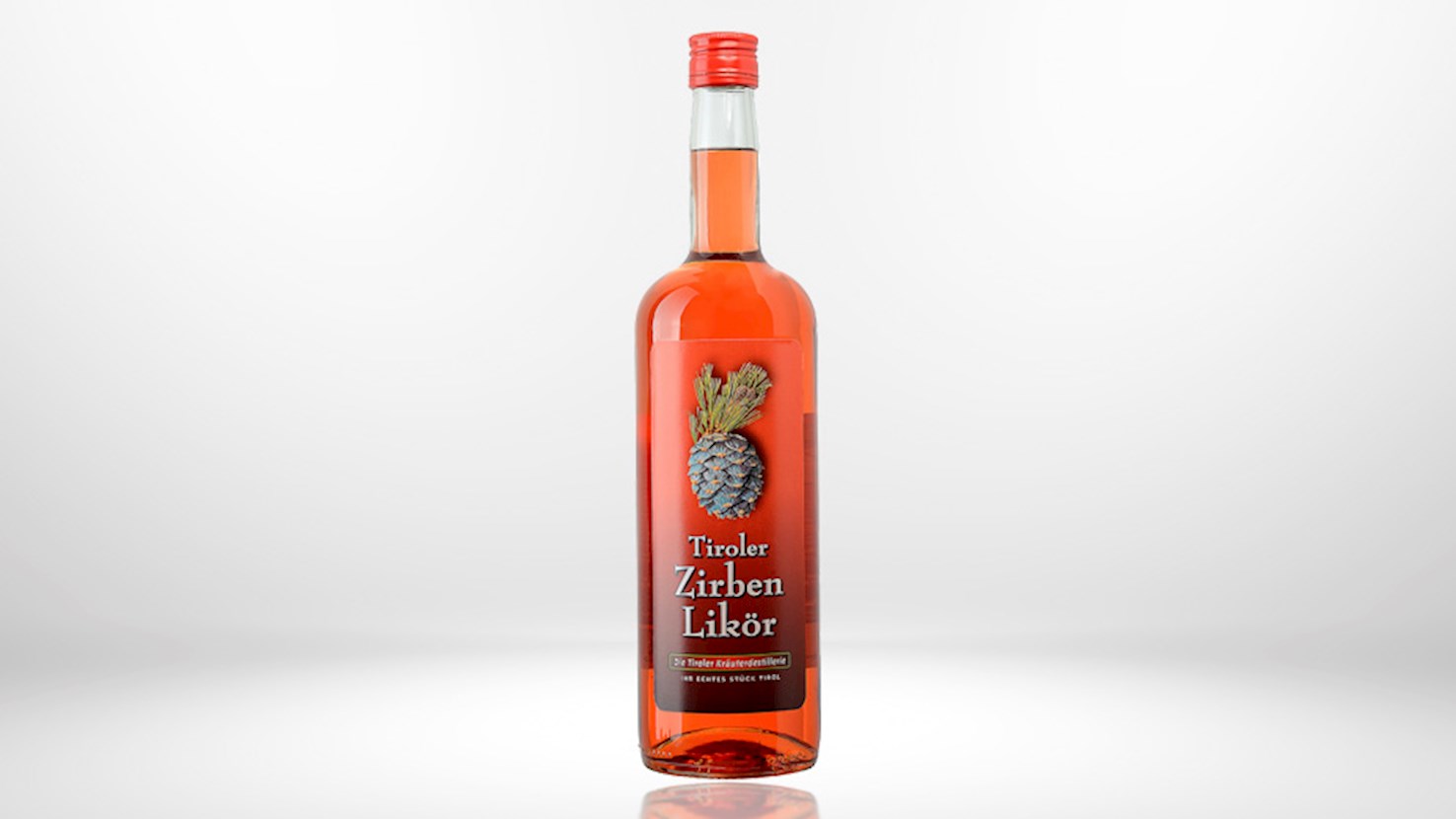
Zirbenlikör is a pine liqueur that is produced in Alpine countries, but which is mostly associated with Austria. The spirit is made with pine cones, usually Arolla Stone Pines, which are harvested during summer, when they are still green. They are then sliced and macerated in grain spirit or fruit brandy. While they mature in the spirit, they impart the base with a distinctive reddish hue. Zirbenlikör is warming, fresh and smooth with typical floral and pine notes. It is often enjoyed on its own as an après-ski drink, but it also incorporates well into cocktails or long drinks. Tonic, soda water, whisky, rum, gin, and ginger ale pair especially well with Austrian pine liqueur.
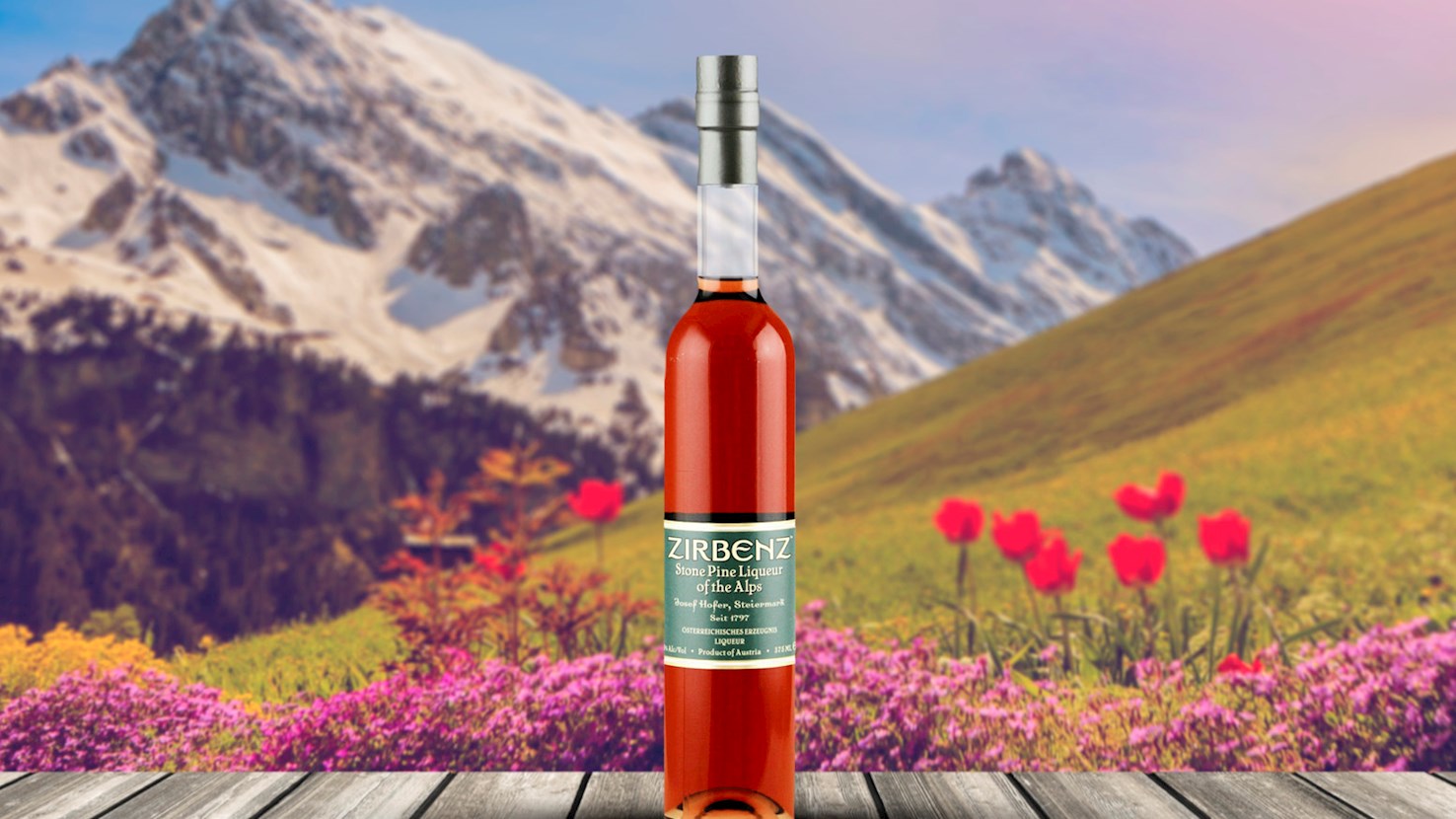
Zirbenz is an Alpine-style Austrian liqueur flavored with the young red cones of the Arolla Stone Pine. The cones are macerated in neutral alcohol, and the result is a pine liqueur with a light pink hue and a distinctive herbal aroma. The liqueur is smooth, subtly sweet, and has a dry finish. The aroma is pine-like, with hints of nuts and caramel. The liqueur can be sipped on its own, but it also works as a cocktail ingredient. It has 35% ABV. Zirbenz is produced by Josef Hofer an old family distillery from Steiermark, Austria.
Inländerrum is a type of rum-flavored spirit produced primarily in Austria, where it has long been a staple ingredient in baking and confectionery rather than a drink consumed on its own. Despite its name, it is not distilled from sugarcane like Caribbean rum but is instead a locally produced spirit flavored with rum essence, developed to replicate the aroma and taste of imported rums that were once difficult or expensive to obtain. Its creation is closely tied to the era of the Austro-Hungarian Empire, when colonial products like rum were highly prized yet not always readily available in Central Europe. To address this, distillers and confectioners began producing a domestic substitute using neutral spirits infused with natural or synthetic rum flavoring. Over time, this domestic rum (literally “inländer” meaning “domestic”) became an established category in its own right and a distinct part of Austrian culinary culture. Brands such as Stroh became especially well-known for producing versions with a strong, aromatic profile suited to cooking and baking. The process of making Inländerrum typically involves distilling a neutral base spirit from molasses or grains and then blending it with flavoring compounds that mimic the complex notes of aged Caribbean rum. The resulting product is often high in alcohol content, with varieties ranging from around 38% to over 80% ABV, and it is known for its intense, sweet, and slightly spicy aroma. Its flavor profile tends to emphasize vanilla, caramel, and warm spice notes, which integrate well into desserts and batters. In Austrian kitchens, Inländerrum is most often used as a flavoring agent rather than as a beverage. It appears in cakes, cookies, chocolates, and pastries, where even small amounts lend depth and aroma. Classic sweets such as rum balls, gugelhupf, and various Christmas cookies rely on its distinctive flavor, and it is also used to soak fruit or as part of glazes and sauces. Occasionally, it is added to coffee or hot chocolate, particularly in cold weather, though it is rarely consumed neat due to its strong character.
TasteAtlas food rankings are based on the ratings of the TasteAtlas audience, with a series of mechanisms that recognize real users and that ignore bot,
nationalist or local patriotic ratings, and give additional value to the ratings of users that the system recognizes as knowledgeable.
TasteAtlas Rankings should not be seen as the final global conclusion about food. Their purpose is to promote excellent local foods,
instill pride in traditional dishes, and arouse curiosity about dishes you haven’t tried.
The initial list of top producers was compiled based on available reviews, awards, local recommendations, media and blog coverage, and consumer reviews.
The list will be updated with ratings from TasteAtlas local ambassadors and TasteAtlas users.









What People Say