
shutterstock

Top 100 Central European Spirits and Liqueurs

Last updated on June 04, 2026

Best Central European Spirit/Liqueur Types

01

Teranino

4.1 ·

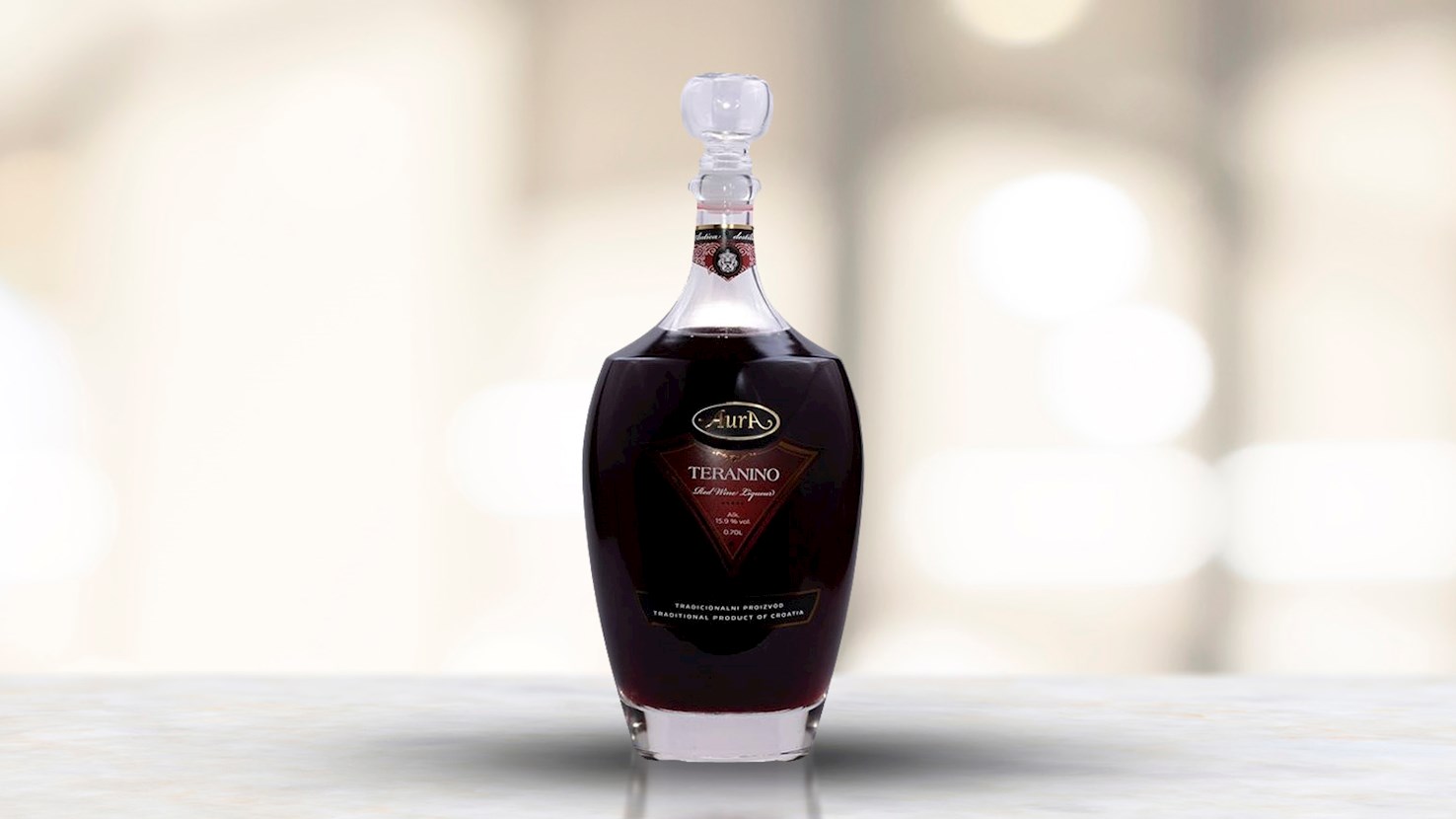
Teranino is a unique Croatian liqueur produced with fruit or pomace brandy and red wine made from Teran variety—hence the name. This liqueur is usually sweetened and flavored with various botanicals such as cinnamon, cloves, star anise, lemon, vanilla, or fennel. The result is a ruby red liqueur with an earthy and herbaceous character, fruity notes, and sweet, spicy aromas. Teranino is sweet and typically has between 15 to 20% ABV. It is best to serve it chilled and enjoy it as an aperitif or a digestif. Teranino can be served neat or on the rocks. This traditional liqueur is mainly produced in Istria, where Teran is one of the most common red grape varieties.

02

Slavonska šljivovica (Slavonian plum brandy)

4 ·

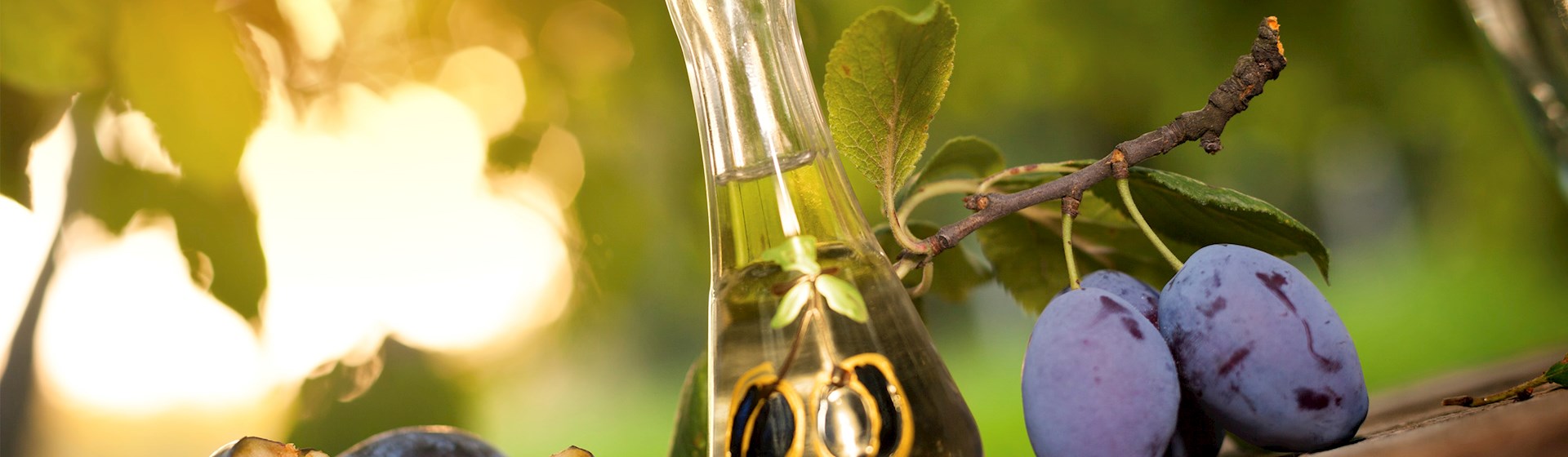
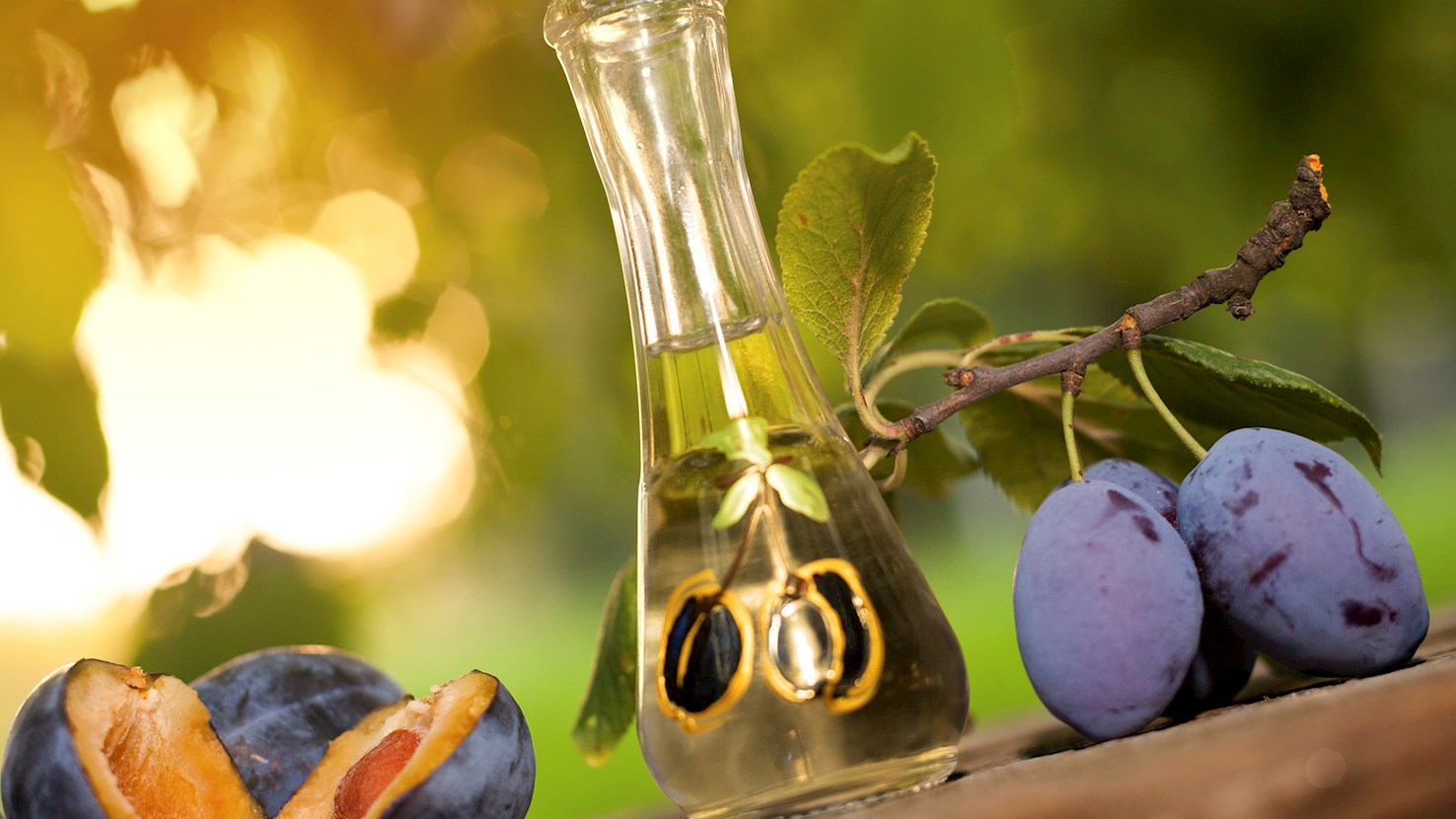
Slavonian plum brandy is the most popular drink in eastern Croatia. It is distilled from locally grown fresh and ripe plums such as Bistrica, which have been cultivated in the region for centuries. This clear drink can range from light yellow to amber in color, depending on whether it is aged in Slavonian oak. It is characterized by harmonious aromas of plums and a long finish, while its alcohol content may range from 37.5 to 42.5%. Slavonian šljivovica is not merely a drink, it is deeply integrated into Slavonian tradition, and no special event or gathering is complete without a shot of well-chilled šljivovica. Traditionally, this plum brandy was served in small-sized bottles called čokanjčići.

03

Goldwasser

4 ·

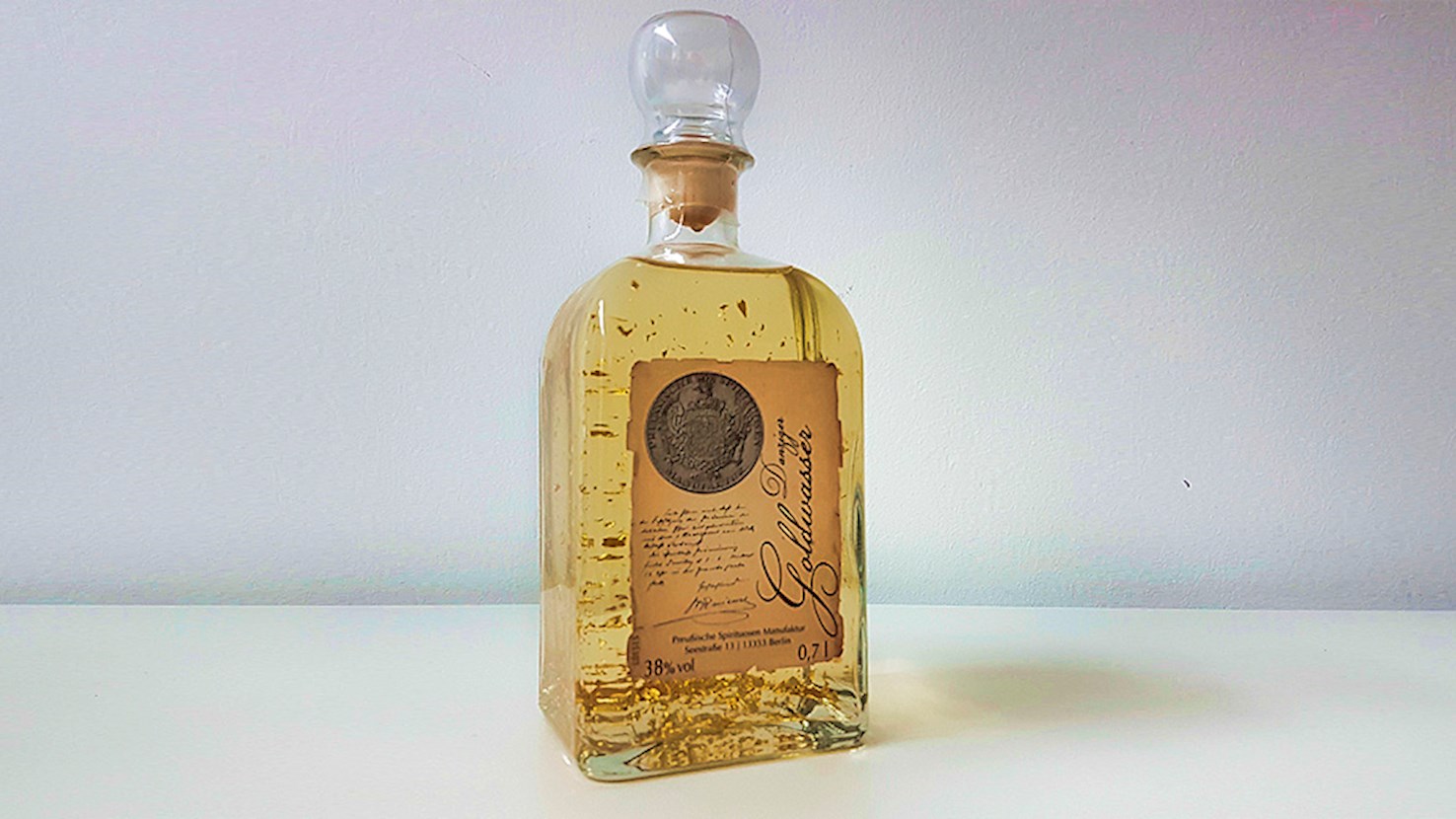
Hailing from Gdańsk, this herbal liqueur is easily distinguished by the flakes of real gold. According to the written records, it first appeared in 1598, and it was an invention of a Dutch Ambrose Vermollen who created a recipe that was based on a secret combination of 20 different herbs and roots. Considered as one of the oldest liqueurs in the world, Goldwasser comes at 40% ABV and displays both sweet and spicy cinnamon aromas, with underlying notes of licorice and mint. Though its history is closely intertwined with Poland, following the political turmoil and the Second World War Goldwasser is now produced in Germany, but it remains a symbol of the city of Gdańsk.

04

Dunjevača

3.8 ·

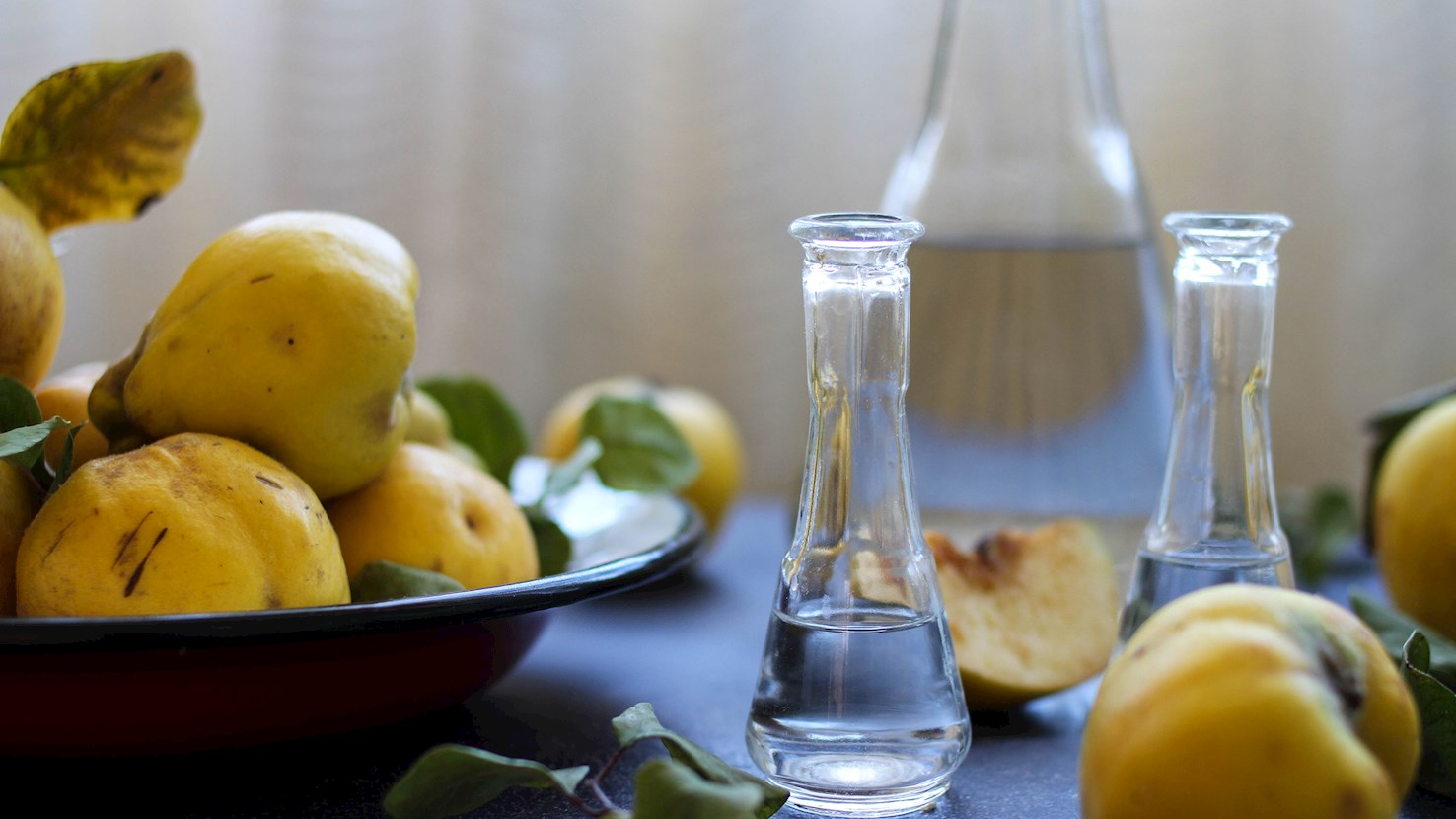
Dunjevača (rakija od dunje) is a clear and colorless spirit distilled from ripe fermented quinces. This fruit brandy—known as rakija—is one of the most popular spirits in the Balkans and is usually of excellent quality. Dunjevača is a potent spirit (40% ABV) that has a pleasant quince aroma. Most examples are colorless, but some producers opt for oak-aging, which typically imparts golden color and woody notes. Dunjevača is served neat, preferably well chilled. It is mainly enjoyed as an aperitif.

05

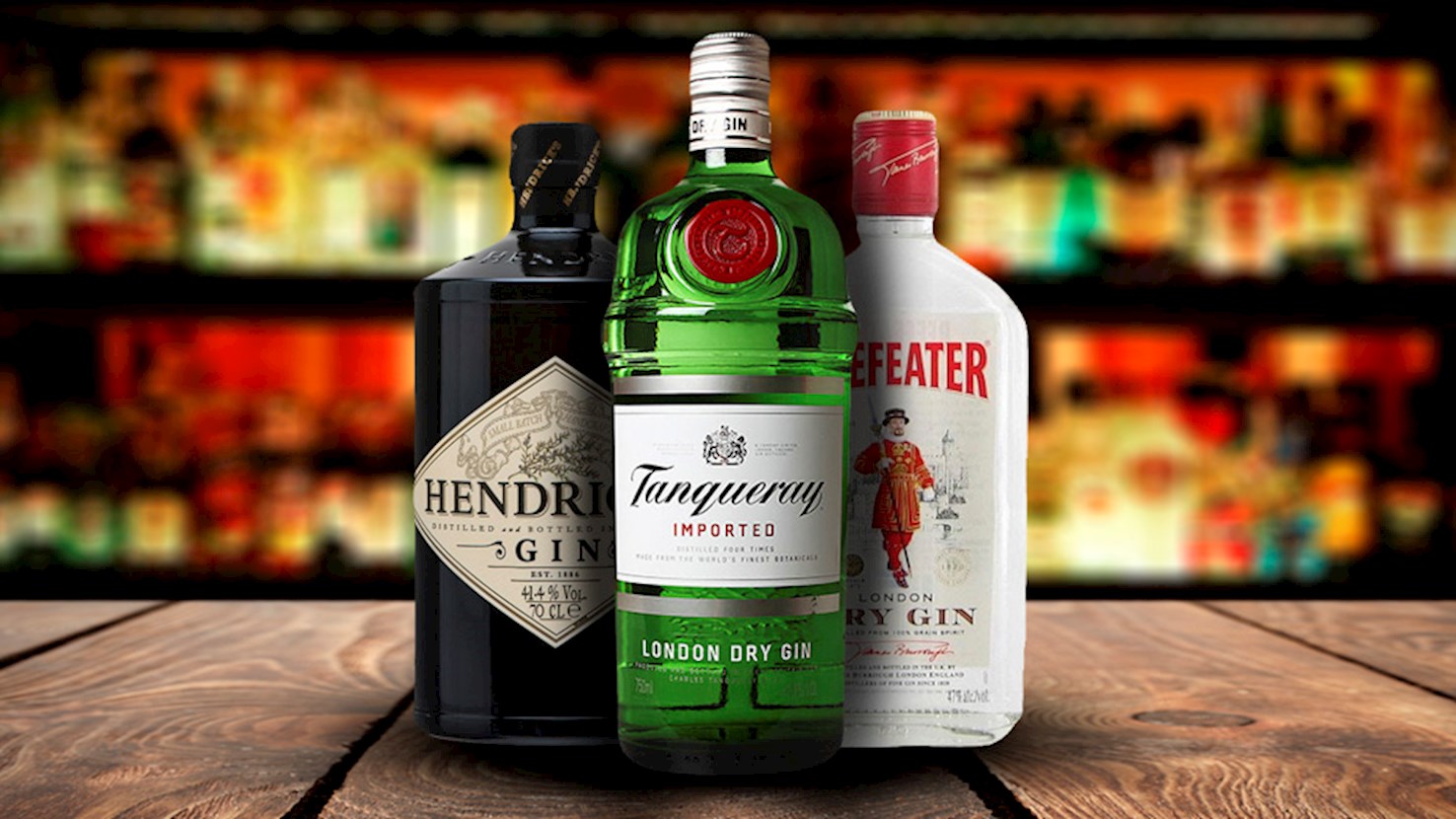
Gin

3.8 ·

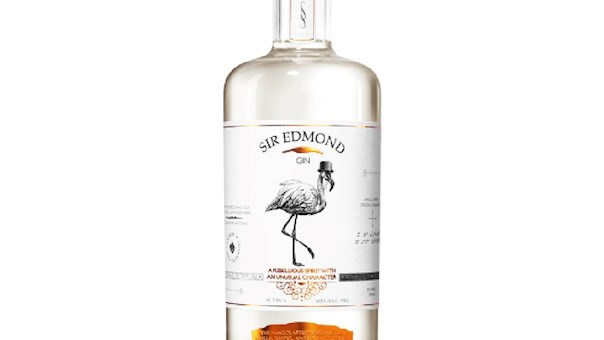
Gin is a clear, light-bodied spirit that owes its taste profile to a variety of spices (primarily juniper) which are added to the basic grain. Most producers usually avoid distilling their base spirit and prefer to buy supplies of neutral alcohol. The combination of spices that are added to the base differs, and though juniper is always dominant, other botanicals commonly include coriander, nutmeg, anise, cinnamon, ginger, and citrus zest. Depending on the process of production, gin traditionally comes in three styles: the highly-prized London dry, distilled, and compound gin. Because of its complex flavor, gin is used in many classic cocktails such as Martini, Gin and tonic, Gimlet, Vesper, Negroni, Singapore sling, Tom Collins, and Gin fizz. Jenever—the Dutch juniper-flavored spirit that was invented in the 16th century—is believed to be a predecessor of all gin varieties.

06

Bimber

3.8 ·

IT IS ILLEGAL TO PRODUCE AND SELL TRADITIONAL HOMEMADE BIMBER DUE TO HEALTH RISKS.

Bimber is a type of Polish homemade or illicitly distilled alcohol, much like moonshine in English-speaking countries. Bimber has deep roots in Polish rural culture, where it has been produced for centuries, particularly in times of economic hardship or during periods when alcohol was heavily taxed or regulated. Historically, people in rural areas would distill their own alcohol to avoid the cost of commercial spirits. The process of making bimber was often passed down through generations, and it became a symbol of self-reliance and tradition in many communities. Bimber can be made from various ingredients, most commonly grains (such as wheat, rye, or barley), potatoes (a common base in Eastern European spirits), or fruits (such as plums, apples, or cherries). The process begins with the fermentation of these ingredients, where yeast is used to convert the sugars into alcohol. After fermentation, the mixture is distilled, often in makeshift or homemade stills. The distillation process involves heating the fermented mixture to separate the alcohol from the other components. The result is a clear, strong spirit with a high alcohol content, often reaching 40-80% alcohol by volume (ABV), depending on the number of distillations. Because bimber is typically made in unregulated settings, the equipment used and the skill of the distiller greatly influence the quality and safety of the final product. Poorly made bimber can contain harmful substances, such as methanol, which can lead to serious health risks. In Polish culture, bimber has been both romanticized and vilified. On one hand, it is seen as a symbol of resilience and independence, especially during times of political oppression, such as during World War II or the communist era, when access to commercial alcohol was restricted. On the other hand, the production and sale of bimber are illegal in most places due to the lack of safety standards and government taxation. Despite its illegal status, bimber remains popular in certain regions and among certain groups. It is often consumed during family gatherings, weddings, or other celebrations, sometimes as a point of pride for those who produce it.

07

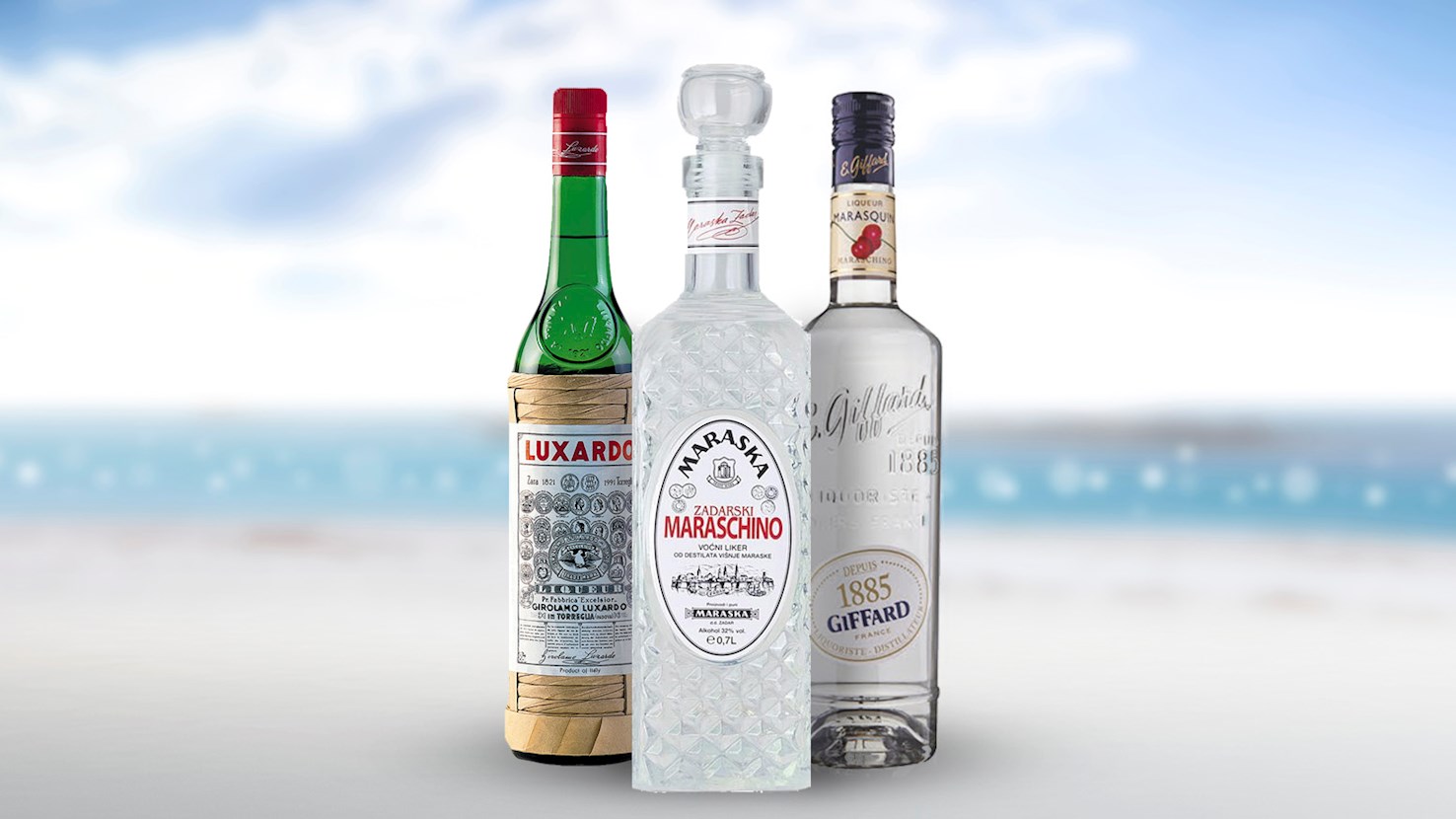
Maraschino

3.7 ·

This clear cherry-flavored liqueur dates back to the 16th century when it was first made by Dominican monks in Zadar. It is produced from the fruits (including the pits) of Marasca cherries, which give Maraschino its unique, intense aroma, and subtle bitterness. The commercial production started in the 18th century by Francesco Drioli, while Dalmatia was still under the rule of Venetian Republic. In the mid-20th century, during political turmoil, the production was abruptly stopped, and the Yugoslav government later unified it under one enterprise, which would later be named Maraska. Present-day Maraschino is now produced in other regions and countries, namely Italy. It is usually enjoyed as a digestif, served neat or mixed with tonic water or orange juice. Maraschino also works well in cocktails, and it easily blends in a variety of desserts.

Best producers
08

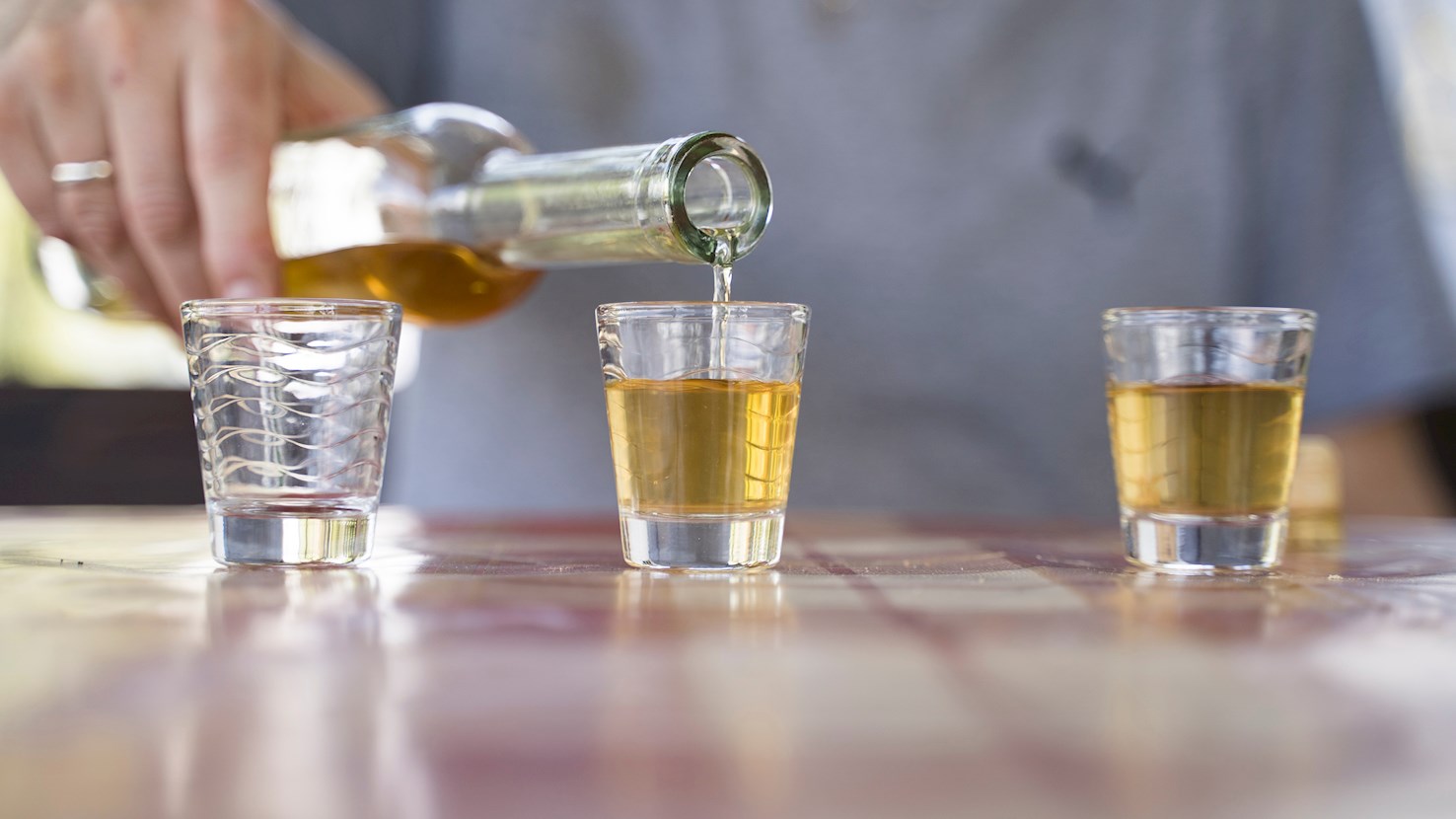
Rakija

3.6 ·

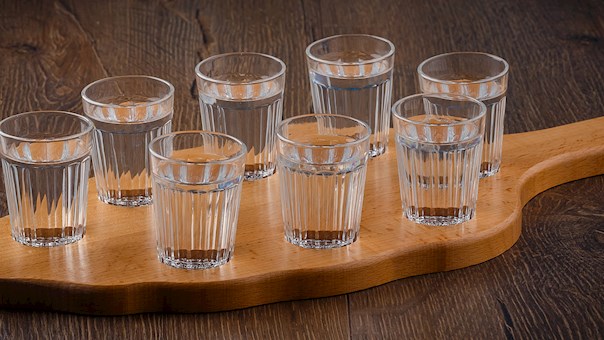
Rakija is a universal term used for various fruit brandies produced in several Balkan countries (Southeast Europe). This strong spirit is distilled from different fruit and is sometimes additionally flavored or used as a liqueur base. The most common versions are made from plums (šljivovica), Williams pear (viljamovka), quinces (dunjevača), apricots (kajsijevača), apples (jabukovača), grapes (lozovača/komovica), and many more. Rakija has present in the region for centuries. It is mainly associated with Croatia, Serbia, Bosnia, Montenegro, and North Macedonia. Although fruit brandies are produced in other European countries and regions, in the Balkans, rakija is a household name and has a large following among all generations. This potent spirit typically falls between 40% to 60% ABV. It is usually served neat, preferably well chilled, in a shot glass. Rakija is primarily a social beverage meant to be consumed with friends or as a welcome drink. Locals also like to believe that rakija is a terrific health remedy, and they use it boosts their immune system or ease any minor medical problems. Rakija can be in the form of a pure distilled spirit, but sometimes it is flavored with herbs and fruits. Many producers often use rakija as a liqueur base, but although these liqueurs are often labeled as rakija—such as orahovac made with walnuts or honey-flavored medica—they are technically liqueurs and not fruit brandies. Although rakija holds a reputation as a crude and harsh drink, many producers try to break away from its traditional image and create exceptional labels, which they promote as savoring and sipping drinks.

09

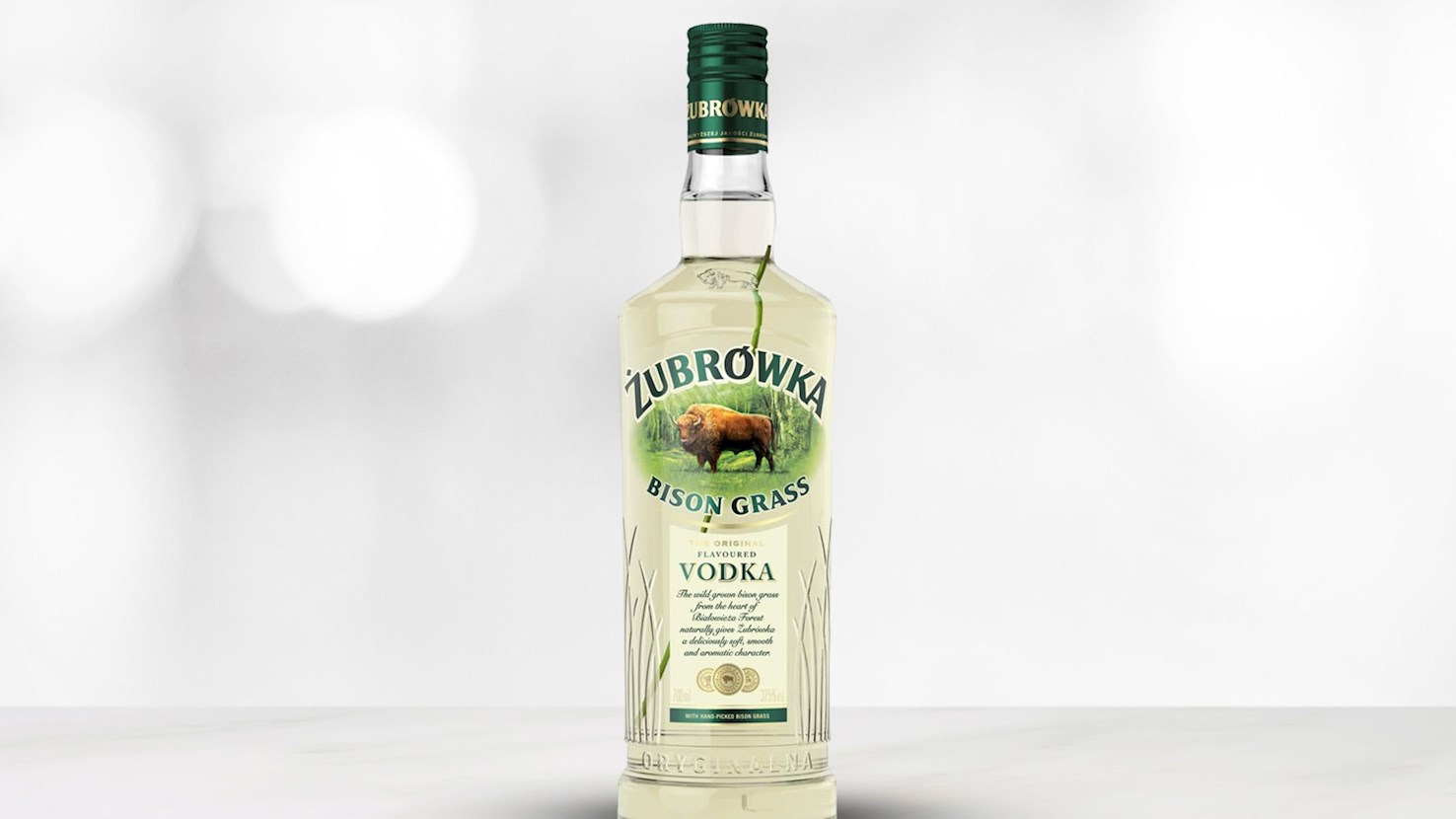
Żubrówka

3.6 ·

Żubrówka is a Polish vodka flavored with bison grass (Hierochloe odorata), and each bottle contains a blade of bison grass. The original recipe for this vodka allegedly dates to the 14th century, but commercial production started in 1928. It is made from a rye base and bison grass picked at the height of summer. Żubrówka is clear and has a slight green tinge. It is rounded and refreshing with subtle herbal and earthy notes and a touch of spice. The finish is soft and mellow with lingering herbal and vanilla-like nuances. Bison grass is picked in Białowieża Forest in Northern Poland. The plant has been used for various medicinal and ritual purposes, and the forest is a place where bison (buffalo) freely roam, hence the name. Żubrówka is produced by Polmos Bialystok Distillery. The brand also produces standard, non-flavored vodka. Żubrówka is best served ice-cold. It is traditionally enjoyed neat or on the rocks, and it is sometimes mixed with apple juice to make tatanka/szarlotka cocktail. Żubrówka is the third best-selling vodka in the world.

10

Krupnik

3.6 ·

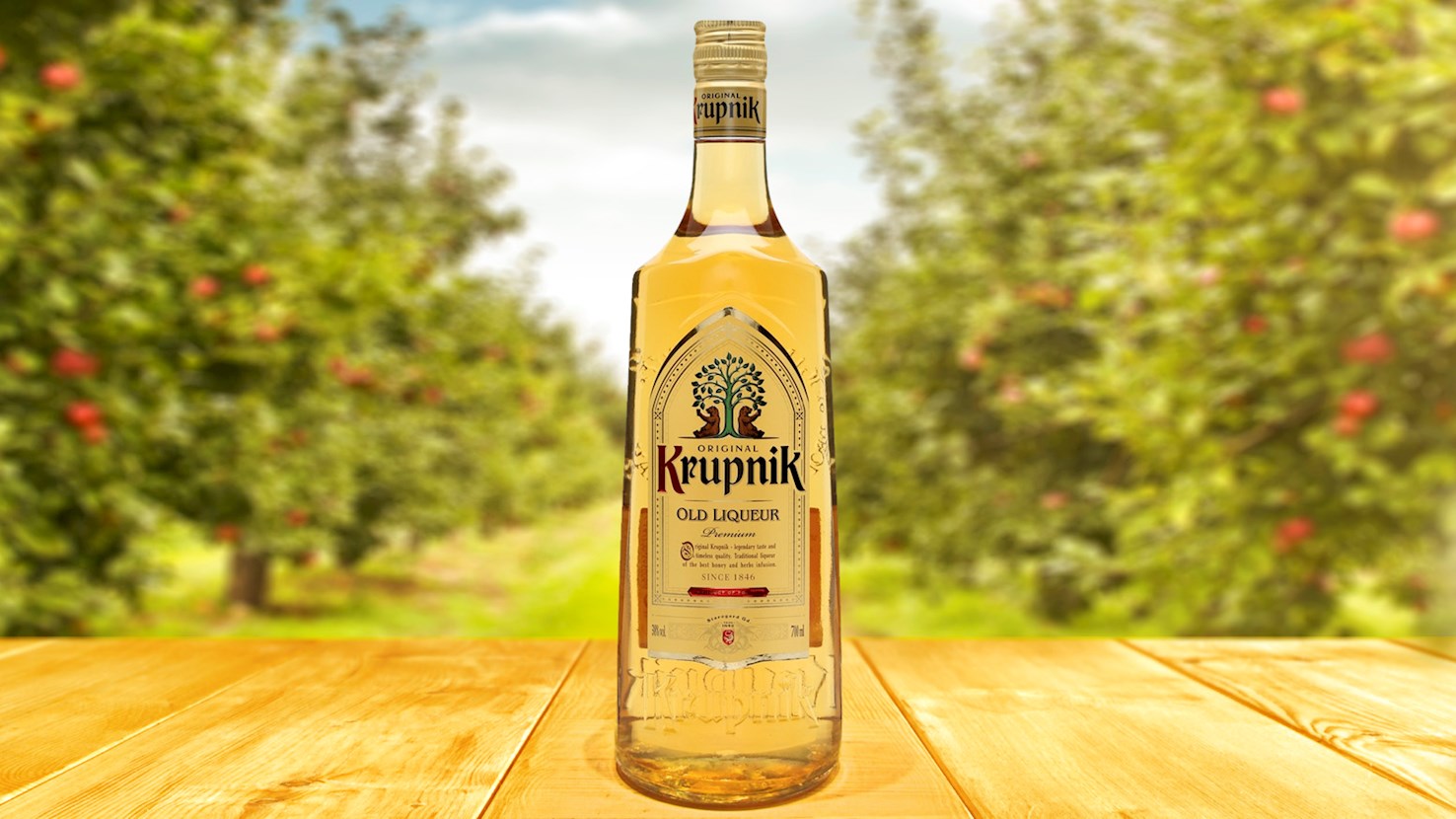
Dubbed as the favorite drink in Poland, krupnik is based on a neutral spirit, typically vodka of fruit brandy, which is enriched with honey. The drink is commonly prepared at home, but mass-produced brands are also available on the market, and each family or a producer has a unique recipe that may incorporate a variety of herbs and spices. Krupnik has been produced since the 16th century, and the legend of its creation is usually associated with the Benedictine monks at a monastery in Niaśviž. This honey-infused drink can be enjoyed neat or on the rocks, while the lightly heated version is a favorite option during wintertime. Apart from Poland, it is available in Belarus and Lithuania. Krupnik is also the name of a brand that produces various alcoholic beverages such as spirits, liqueurs, and krupnik.

12

Biska

3.5 ·
13

Pálinka

3.5 ·
15

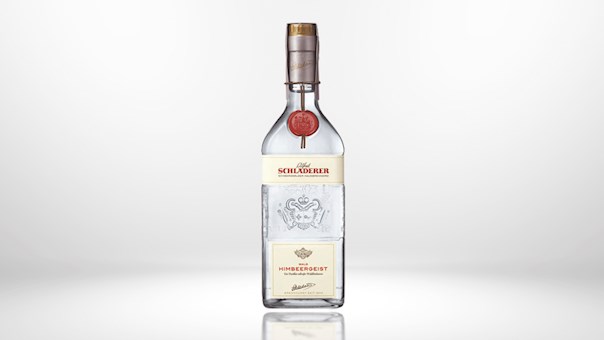
Himbeergeist

3.4 ·
16

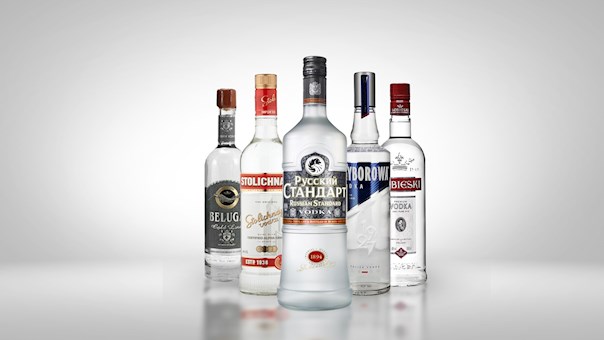
Vodka

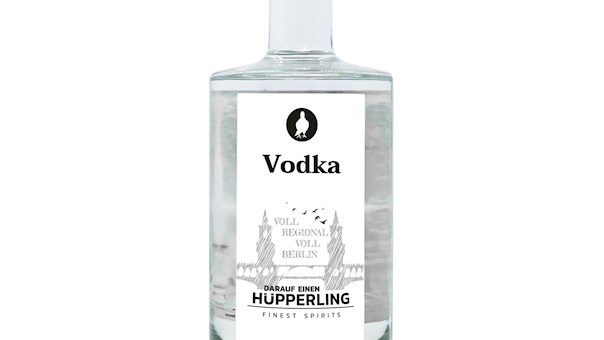
3.4 ·
17

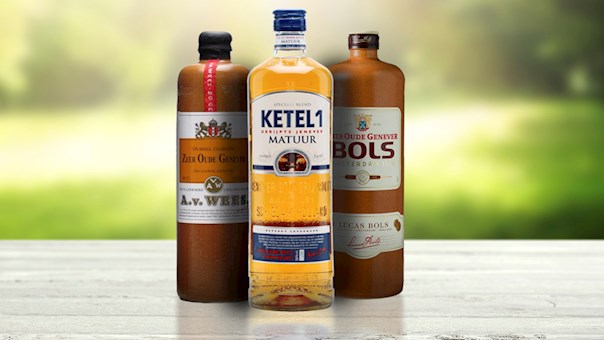
Jenever

3.4 ·
20

Pelinkovac

3.3 ·

Best Central European Spirits and Liqueurs
01

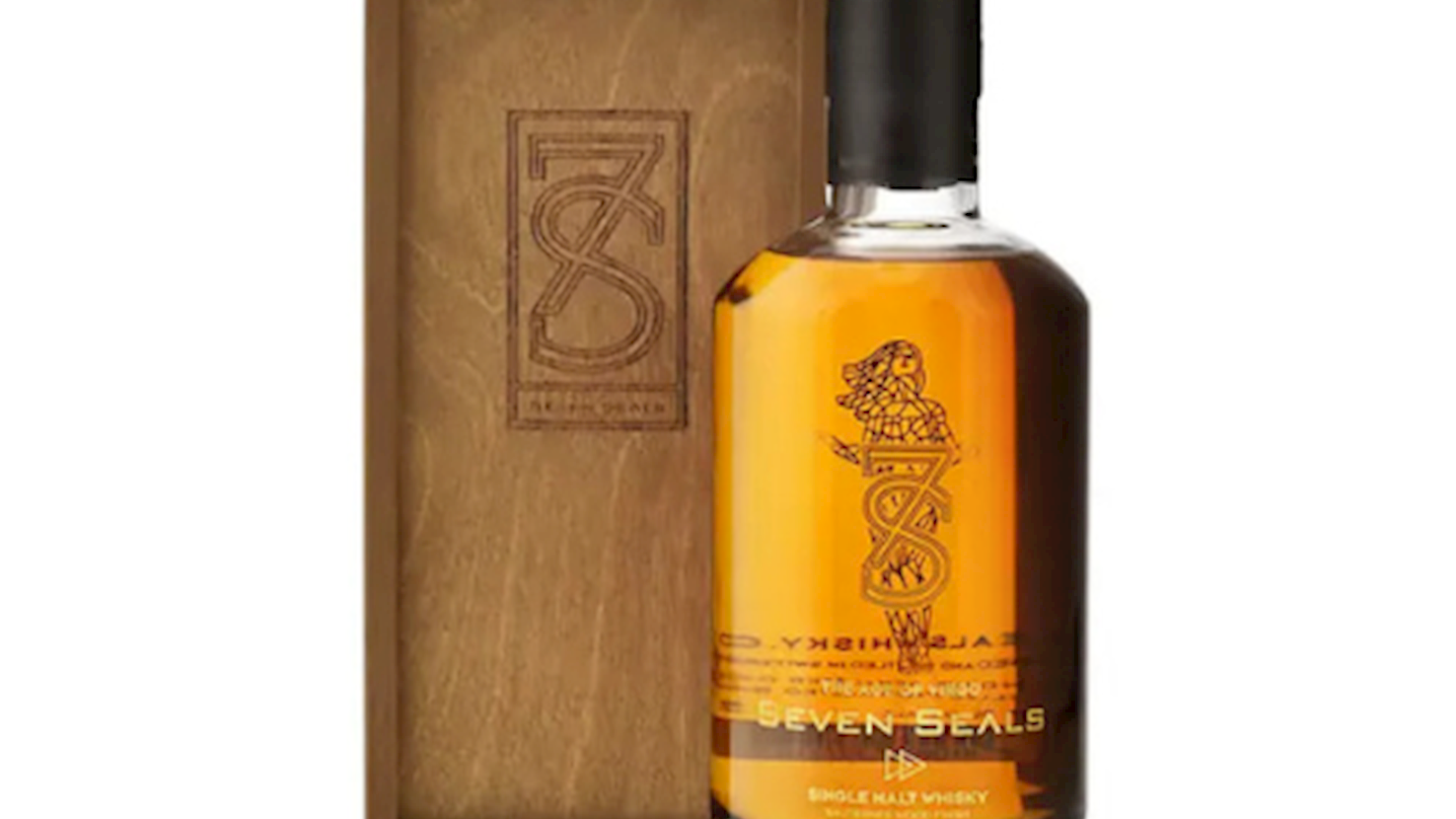
Seven Seals Innovation

5 ·
Seven Seals Innovation, based in Stans, Switzerland, is a pioneering company specializing in the production of whisky and rum. Known for its innovative "Stockhausen" method, the company has revolutionized the maturation process by significantly reducing the time required for spirits to reach their optimal flavor profile. Seven Seals combines traditional craftsmanship with cutting-edge technology, offering a range of premium products that cater to diverse tastes. Their portfolio includes the Classic Line, featuring finishes such as Amarone, Peated Port, Port, and Sherry Wood, as well as the Zodiac Line, a series of limited editions inspired by the zodiac signs, each with unique flavor profiles. The Rumundo line represents Caribbean rums refined in Switzerland, blending exotic flavors with Swiss precision, while Beaver's Dram is a Canadian rye whisky aged in port wine casks to develop sweet and rich aromas. With a focus on sustainability and innovation, Seven Seals has garnered numerous awards for its exceptional quality and innovative approach. The company continues to set new standards in the spirits industry, offering distinctive products that reflect its dedication to excellence and creativity.
Awards
SFWSC - San Francisco World Spirits Competition - Double Gold (2024)
European Spirits Challenge - Gold (2023)
02

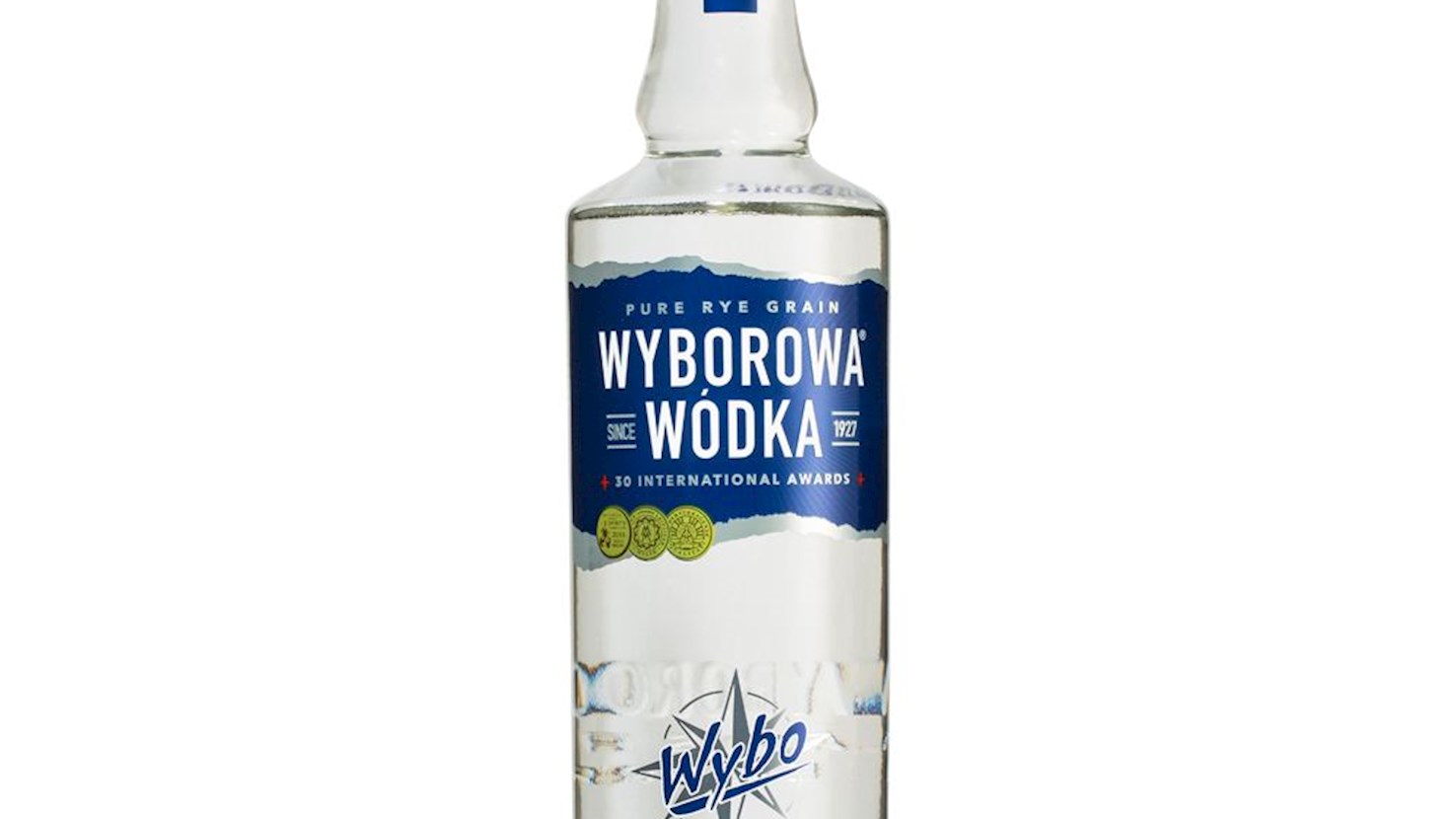
Wyborowa

5 ·
Wyborowa is a renowned Polish vodka brand with a rich heritage dating back to 1823. Crafted exclusively from pure Polish rye and water, its production process honors nearly 600 years of Polish distilling tradition, resulting in a vodka celebrated for its velvety texture and natural, subtle sweetness. Over the years, Wyborowa has garnered significant international acclaim, securing over 40 awards at various global fairs and competitions. Notably, according to the Drinks International 2020 ranking, it ranked among the top ten best-selling vodkas in the world's most popular bars. In 1999, Wyborowa became part of the Pernod Ricard portfolio, further expanding its global reach. The brand's commitment to quality and authenticity is underscored by the "Made in Poland" inscription on its bottles, emphasizing its origin and the artistry of Polish craftsmanship.
Awards
ISC-International Spirits Challenge - Double Gold (2023)
IWSC- International wine & spirit competition - Spirit Gold (2024, 2019)
03

BGV

5 ·
Awards
ISC-International Spirits Challenge - Gold (2024)
The World Whiskey Masters - Gold (2023)
04

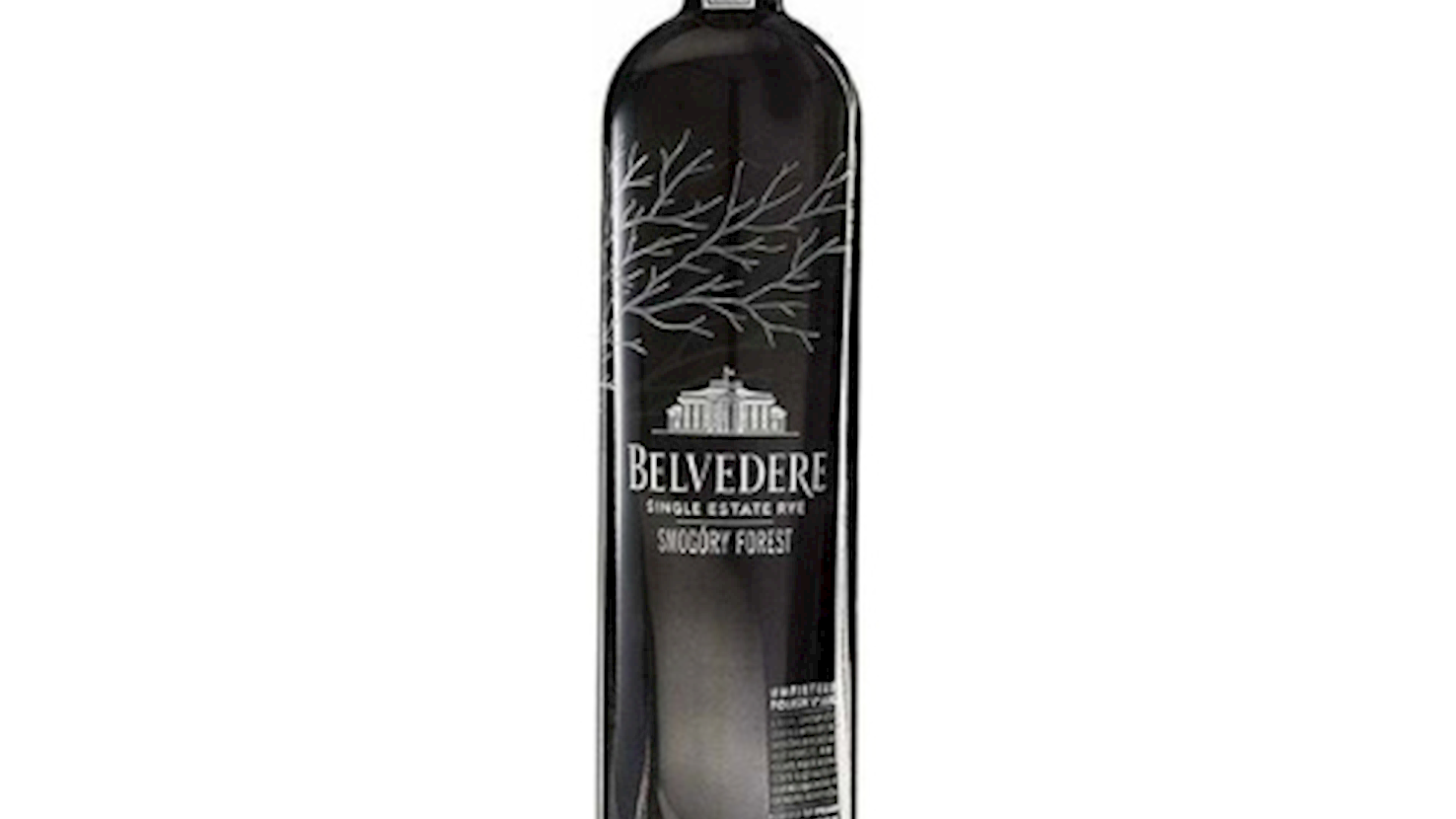
Belvedere

5 ·
Belvedere is a premium vodka brand crafted in Żyrardów, Poland, by Polmos Żyrardów, with over a century of distilling tradition. It is made from Dankowskie Gold Rye, a heritage grain, and undergoes a meticulous quadruple distillation process for a smooth, velvety taste. Belvedere adheres to the strict standards of Polish Vodka certification, using only natural ingredients with no additives or sugar. The flagship Belvedere Pure is celebrated for its purity, while the brand also offers Single Estate Rye and Organic Infusions. Sustainability is a core focus, with renewable energy and eco-friendly practices in production. The vodka has won numerous international awards for its quality and craftsmanship. Belvedere is globally recognized as a symbol of luxury and Polish heritage, often featured at high-profile events and occasions.
Awards
The Vodka Masters - Gold (2022)
The Vodka Masters - Master & Taste Master (2022)
05

De Kuyper

5 ·
De Kuyper Royal Distillers is a renowned Dutch family-owned company specializing in the production of premium liqueurs and spirits. Founded in 1695 by Petrus De Kuyper, the company began as a manufacturer of barrels and casks for transporting spirits and beer. By 1752, the family owned a distillery in Schiedam, the epicenter of Dutch gin production. Over the centuries, De Kuyper expanded its operations and product range, establishing partnerships and exporting to markets across Europe, Great Britain, and Canada. In 1911, the company built a new distillery in Schiedam and commenced liqueur production, gradually introducing a variety of flavors. The mid-20th century saw liqueurs become the company's primary focus, aligning with changing consumer tastes and the rising popularity of cocktails.
Awards
ISC-International Spirits Challenge - Double Gold (2022, 2019)
IWSC- International wine & spirit competition - Spirit Gold (2024, 2023, 2021, 2020)
06

Stock Plzen‐Božkov

5 ·
Božkov is a renowned Czech spirits brand established in 1948, known for its high-quality products and rich tradition. Its flagship product, Božkov Original, is a classic "tuzemák" and the best-selling spirit in the Czech Republic. The brand offers a wide range of rums, vodkas, and liqueurs, crafted using premium ingredients such as molasses alcohol, soft Pilsen water, sugar syrup, special caramel, and vanilla aroma. These elements give Božkov products their characteristic golden color and natural flavor. Božkov has earned a reputation as one of the most trusted brands, with a significant presence in the Czech market.
Awards
European Spirits Challenge - Gold (2023)
The Rum & Cachaça Masters - Gold (2022)
07

St. Kilian Distillers

5 ·
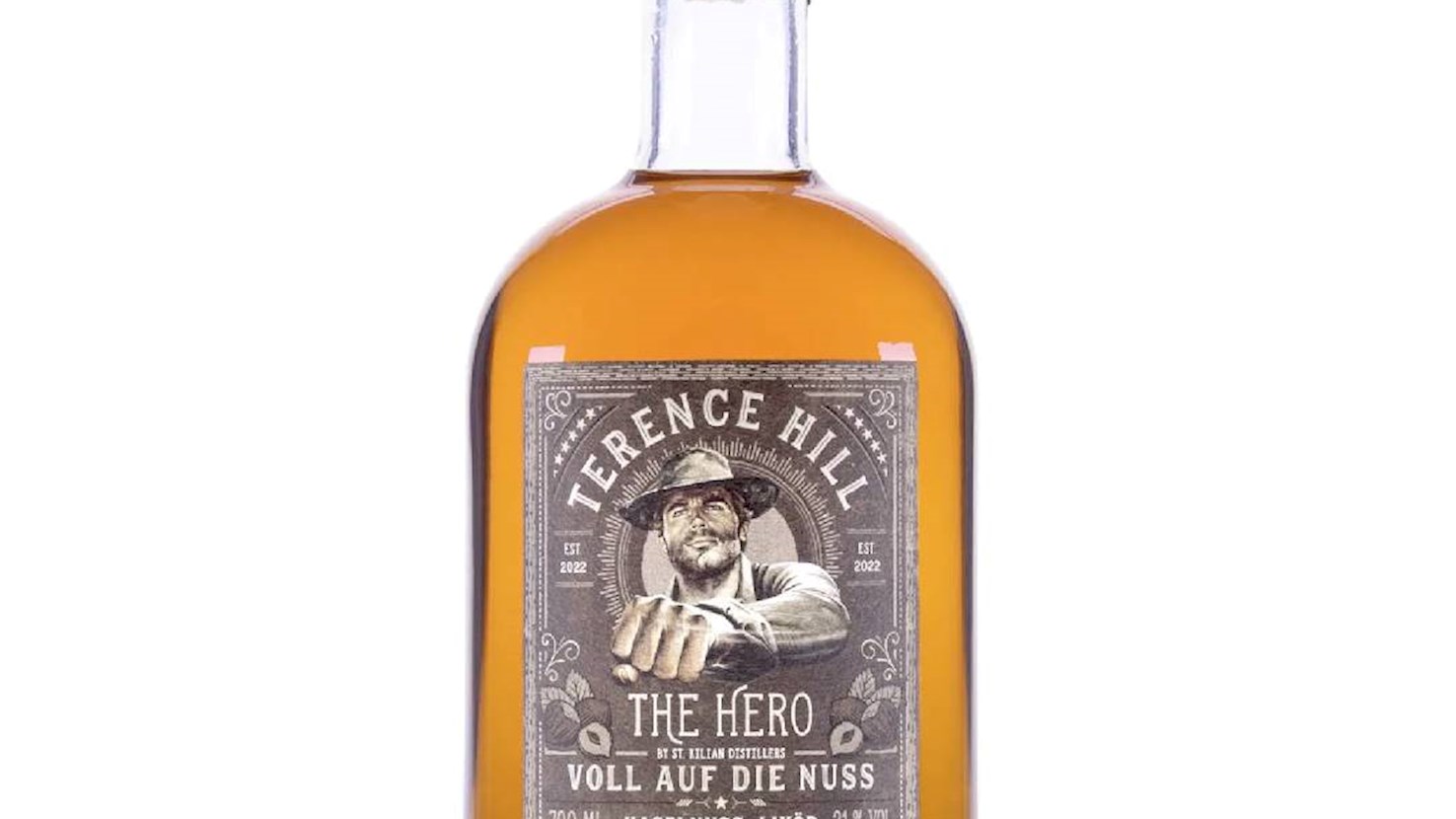
St. Kilian Distillers is a German single malt whisky distillery founded in 2012 in Rüdenau, Bavaria. Located in a former textile factory, the distillery is named after St. Kilian, an Irish-Scottish missionary who worked in Würzburg. St. Kilian Distillers is renowned for its innovation and diverse product range, including special editions created in collaboration with famous personalities and musical bands. Their "White Dog" won the award for the best in the world in 2018.
Awards
IWSC- International wine & spirit competition - Spirit Gold (2024, 2023, 2022)
European Spirits Challenge - Gold (2023)
08

Slyrs Distillery

5 ·
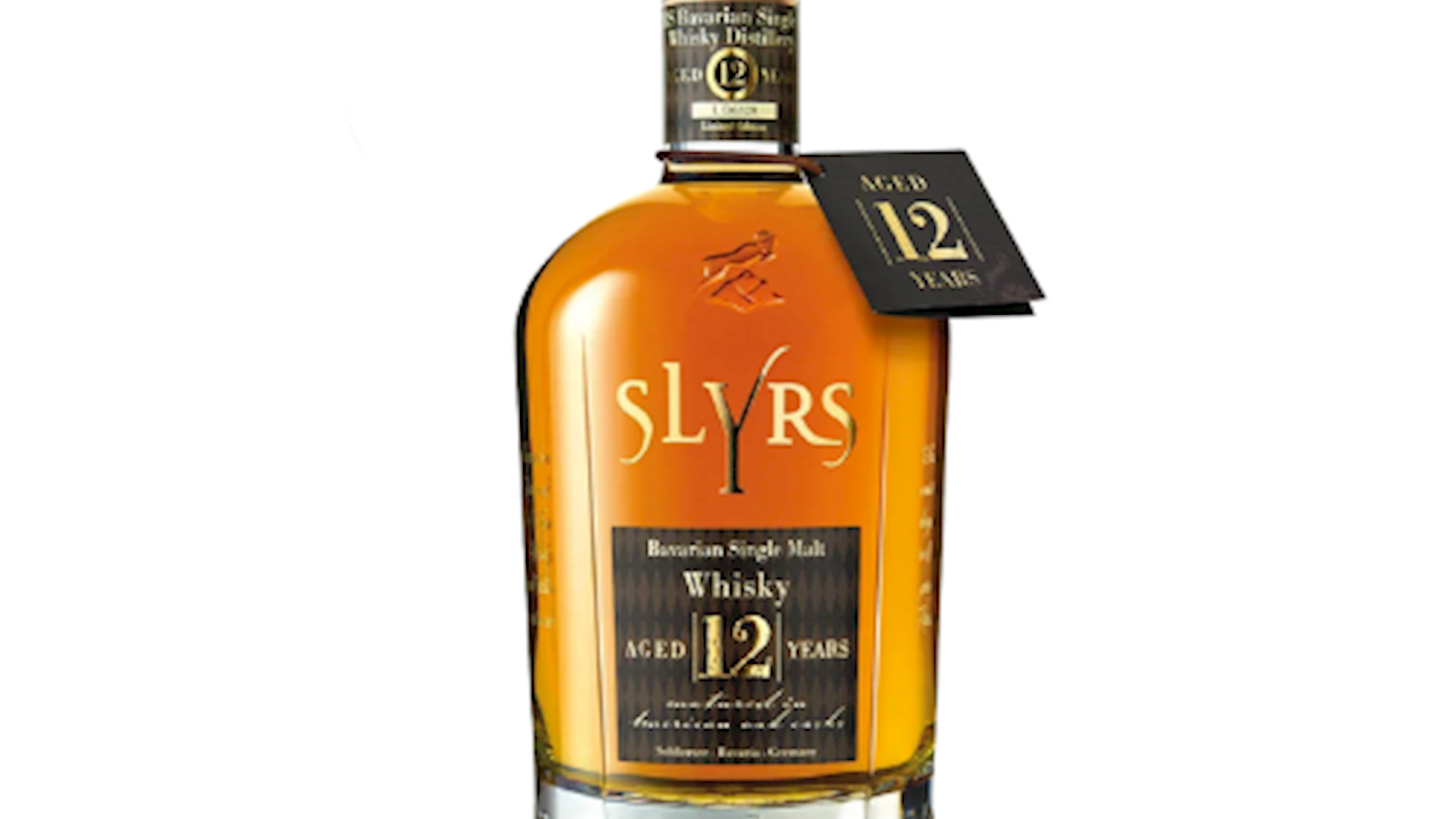
Slyrs Distillery is a pioneering German whisky distillery located in Schliersee, Bavaria, founded in 1999 and widely regarded as a benchmark for Bavarian single malt whisky. Inspired by Scottish whisky-making traditions but firmly rooted in its Alpine environment, Slyrs produces single malt whisky from Bavarian malted barley and pure Alpine spring water. Distillation takes place in traditional copper pot stills, followed by maturation primarily in new American white oak casks, with additional expressions finished in sherry, port, or other specialty barrels. The continental Alpine climate - marked by warm summers and cold winters - accelerates interaction between spirit and wood, resulting in whiskies that are typically rounded, expressive, and gently fruity, with notes of vanilla, malt, spice, and soft oak. Over the years, Slyrs has built a strong reputation both in Germany and internationally, combining regional identity, technical consistency, and a clear house style. The distillery is also positioned as a visitor destination, offering tours and tastings that emphasize transparency and craftsmanship, reinforcing its role as a leading figure in modern German whisky production.
Awards
IWSC- International wine & spirit competition - Spirit Gold (2019)
International Spirits Award - Gold (2025)
09

Spirits of the Alps

5 ·
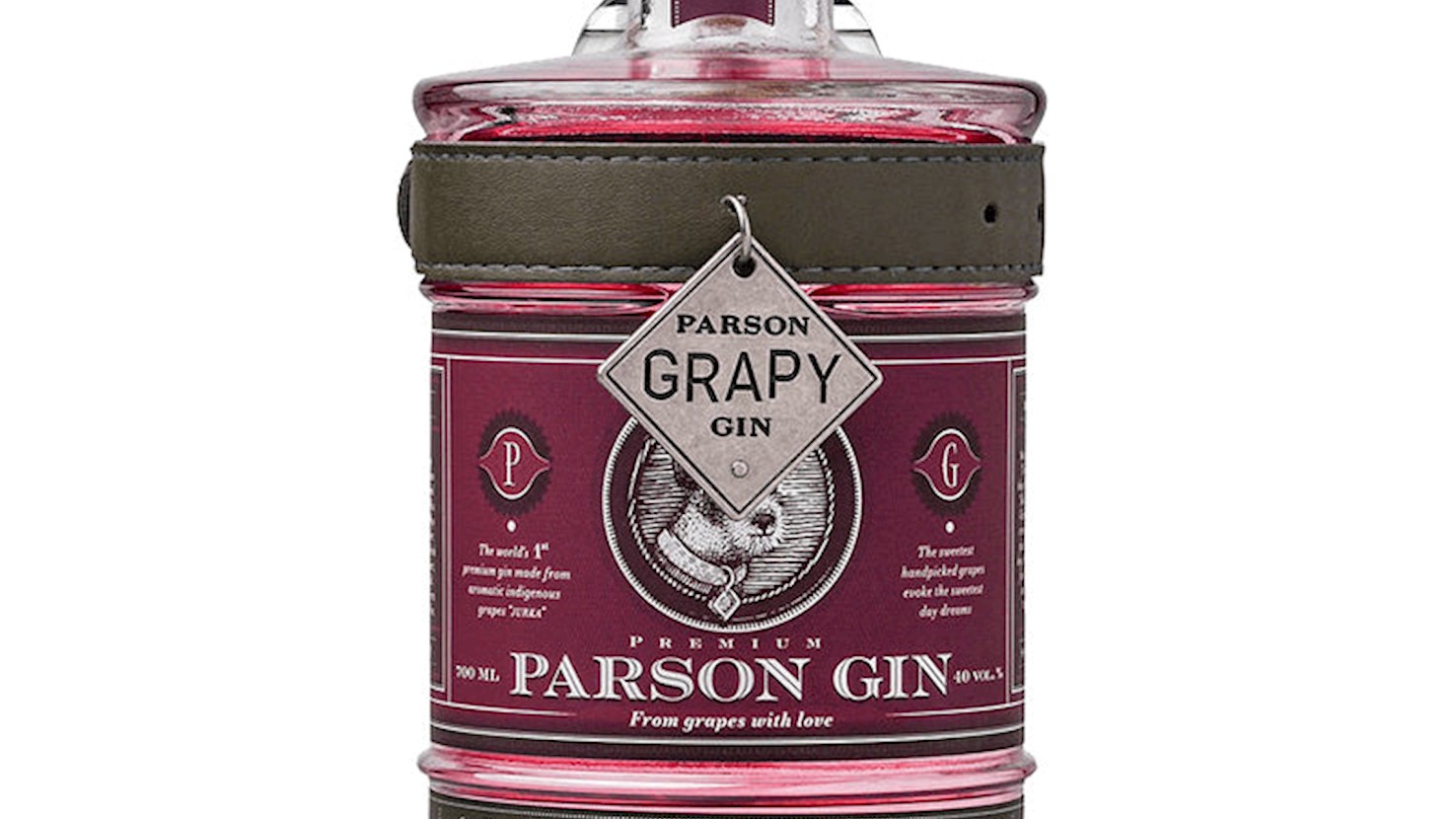
Spirits of the Alps d.o.o. is a Slovenian company based in Maribor, specializing in the distribution of premium spirits. They are the official online distributor of Parson Premium Gin, a gluten-free certified gin crafted from aromatic Styrian Jurka grapes. The company offers a range of products, including gift sets and a cocktail inspiration book, aiming to provide unique and high-quality experiences for gin enthusiasts.
Awards
European Spirits Challenge - Gold (2023)
The Gin Masters – Second Tasting - Gold (2022)
10

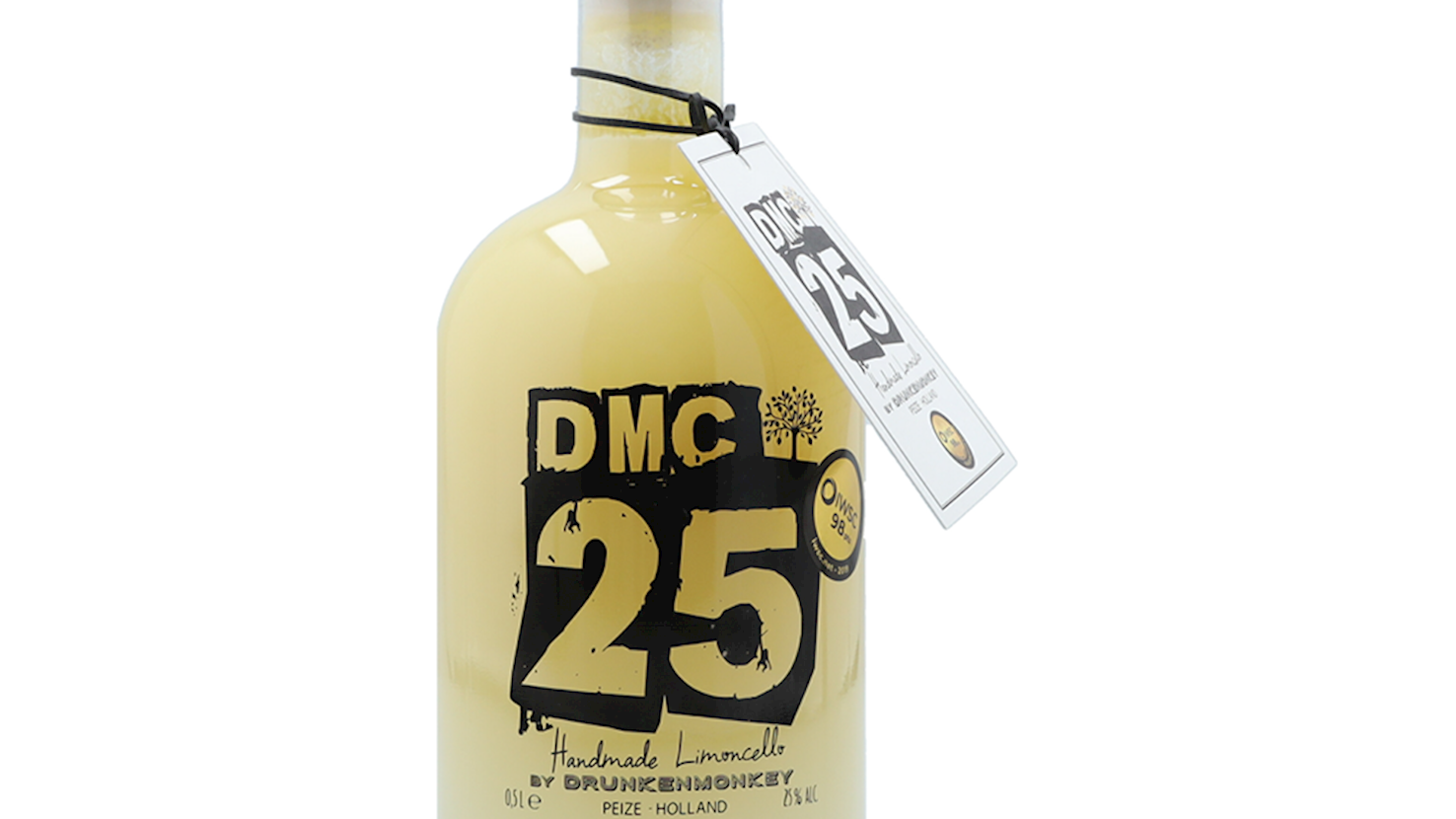
DMC Limoncello

5 ·
Awards
IWSC- International wine & spirit competition - Spirit Gold (2019)
IWSC- International wine & spirit competition - Spirit Gold Outstanding (2019)
Read more
View all
View map
About this ranking

TasteAtlas food rankings are based on the ratings of the TasteAtlas audience, with a series of mechanisms that recognize real users and that ignore bot, nationalist or local patriotic ratings, and give additional value to the ratings of users that the system recognizes as knowledgeable. For the “Top 100 Central European Spirits and Liqueurs” list until June 04, 2026, 2,960 ratings were recorded, of which 2,428 were recognized by the system as legitimate. TasteAtlas Rankings should not be seen as the final global conclusion about food. Their purpose is to promote excellent local foods, instill pride in traditional dishes, and arouse curiosity about dishes you haven’t tried.

The initial list of top producers was compiled based on available reviews, awards, local recommendations, media and blog coverage, and consumer reviews. The list will be updated with ratings from TasteAtlas local ambassadors and TasteAtlas users.

Similar lists