shutterstock

Top 17 Croatian Spirits and Liqueurs

Last updated on June 24, 2026

Best Croatian Spirits and Liqueurs
01

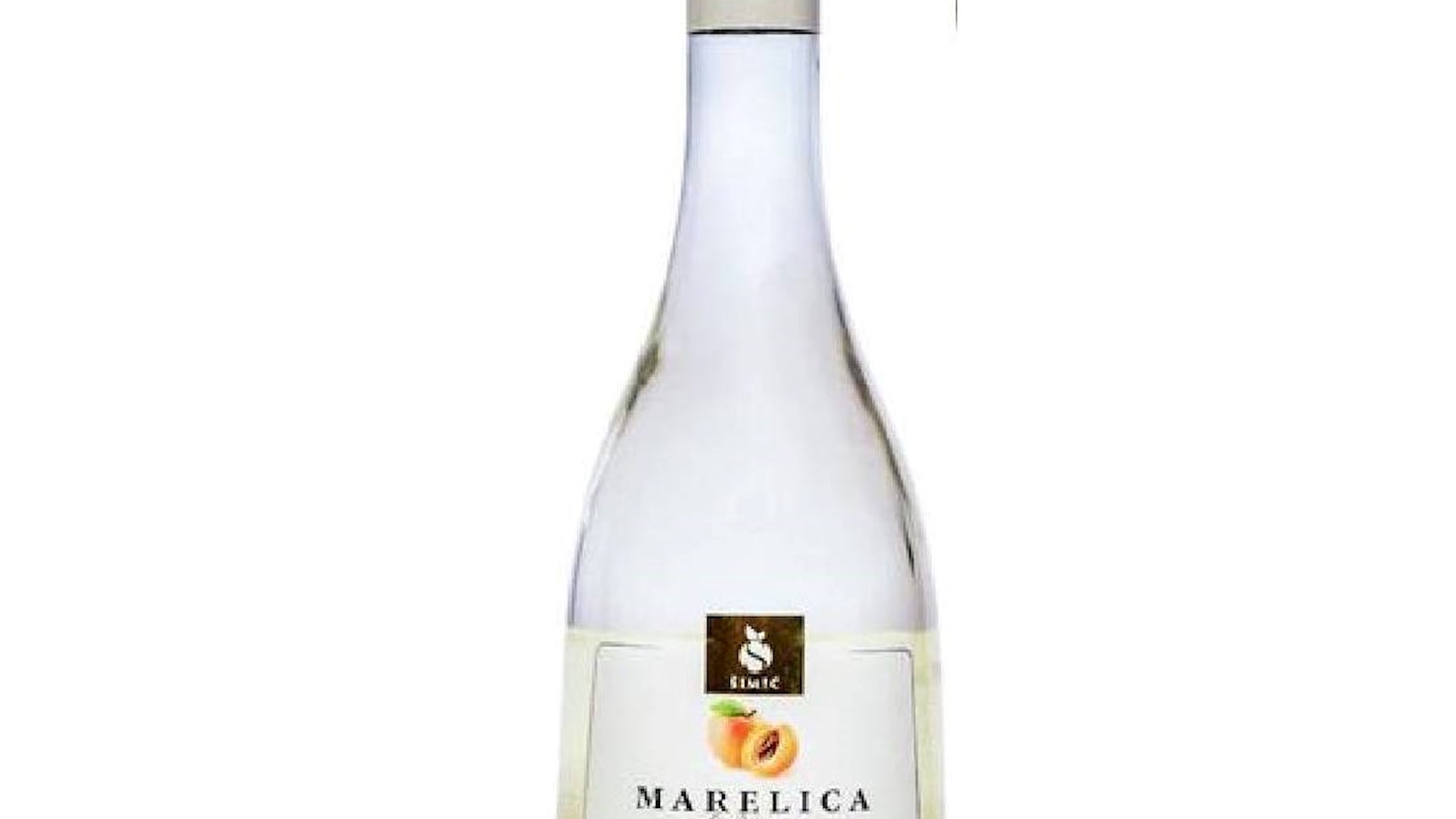
Šimić Distillery

5.0 ·
Šimić Distillery is a family-owned craft distillery dedicated to producing high-quality fruit brandies and liqueurs, grounded in tradition, knowledge, and deep respect for nature. Born out of a passion for fruit and artisanal distillation, the distillery combines decades of experience with a modern approach to deliver truly authentic flavors. All products are made from 100% natural ingredients, carefully grown in the family’s own orchards and harvested at peak ripeness. Each rakija is distilled in small batches using traditional copper stills, then aged in oak barrels to develop depth, aroma, and character. Every bottle reflects the family’s unwavering commitment to quality and craftsmanship. The range includes classic brandies made from plum, pear, and apricot, as well as innovative fruit liqueurs with distinctive character. Šimić Distillery is a name synonymous with purity, balance, and flavor integrity. Their spirits don’t just win awards—they win the hearts of those who truly appreciate the art of fine rakija.
Awards
IWSC- International wine & spirit competition - Spirit Gold Outstanding (2024, 2022)
ZGrappa festival - The World’s 15 Best Rakijas - Marin Levaj (2025)
02

Rossi Distillery

5.0 ·
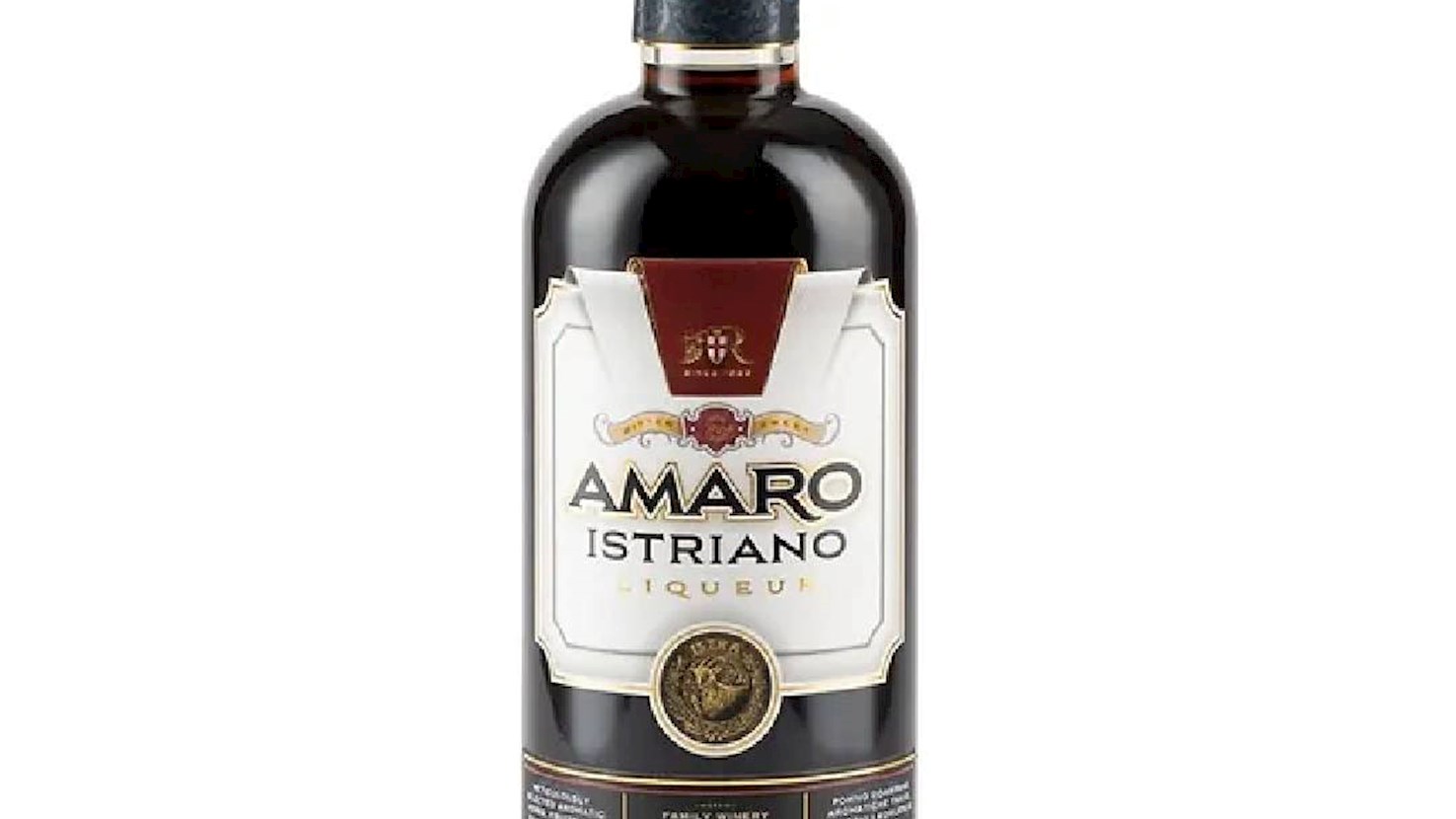
Rossi Winery is a family-owned winery and distillery with a long-standing tradition and a deep passion for viticulture and artisanal production. Since 1885, the Rossi family has been cultivating authentic grape varieties and crafting wines and spirits that reflect quality, character, and meticulous attention to detail. Every step—from the vineyard to the bottle—embodies a blend of tradition and modern expertise. The winery is known for its outstanding Malvazija wines, complex reds, and innovative products such as Malvazija-based gin and aged brandies. All creations are produced in limited batches, with great respect for nature, terroir, and varietal expression. Their work is recognized through numerous awards and the trust of those who value honest and refined craftsmanship. Rossi wines and spirits are not just products of skill and knowledge—they are expressions of family values and a deep connection to heritage. Enjoying their creations is a true wine and sensory experience. Rossi Winery stands as a symbol of quality, consistency, and a modern approach to lasting tradition.
Awards
European Spirits Challenge - Gold (2024)
European Spirits Challenge - Silver (2024)
03

Old Pilot’s

4.9 ·
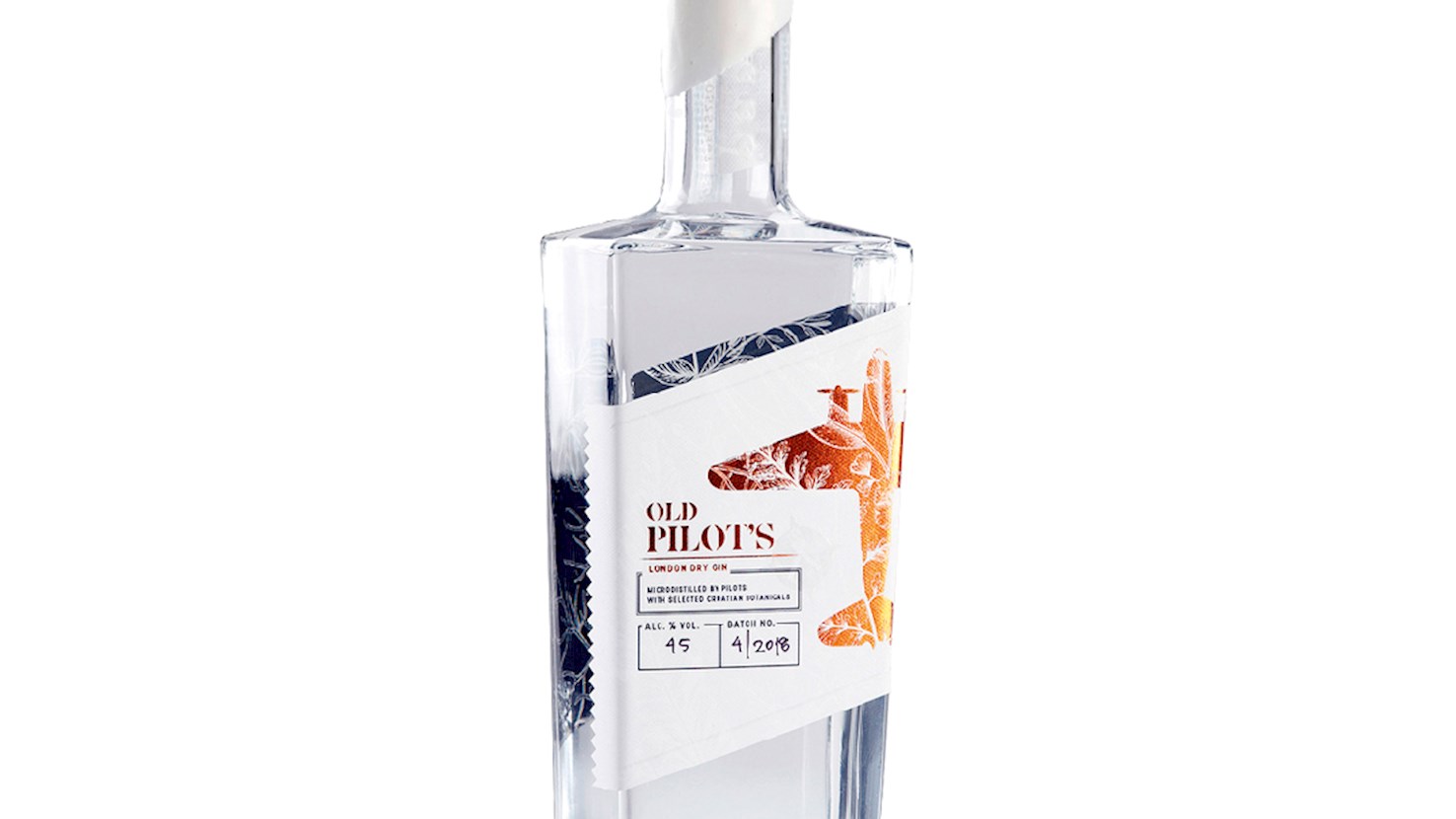
The Spirit in the Bottle is a Croatian distillery dedicated to producing premium quality spirits. Their flagship product, Old Pilot's Gin, is crafted using handpicked, homegrown strawberries at peak ripeness, free from artificial flavors or coloring, and aged in Croatian and American oak barrels. The distillery emphasizes a blend of heritage and innovation, aiming to capture the essence of tradition in each bottle. Additionally, they support noble causes by donating €5 from every bottle sold to the Indigo Animal Protection Association.
Awards
World Gin Awards - Country Winner (2022)
IWSC- International wine & spirit competition - Spirit Gold (2019)
04

Wise Grus

4.9 ·
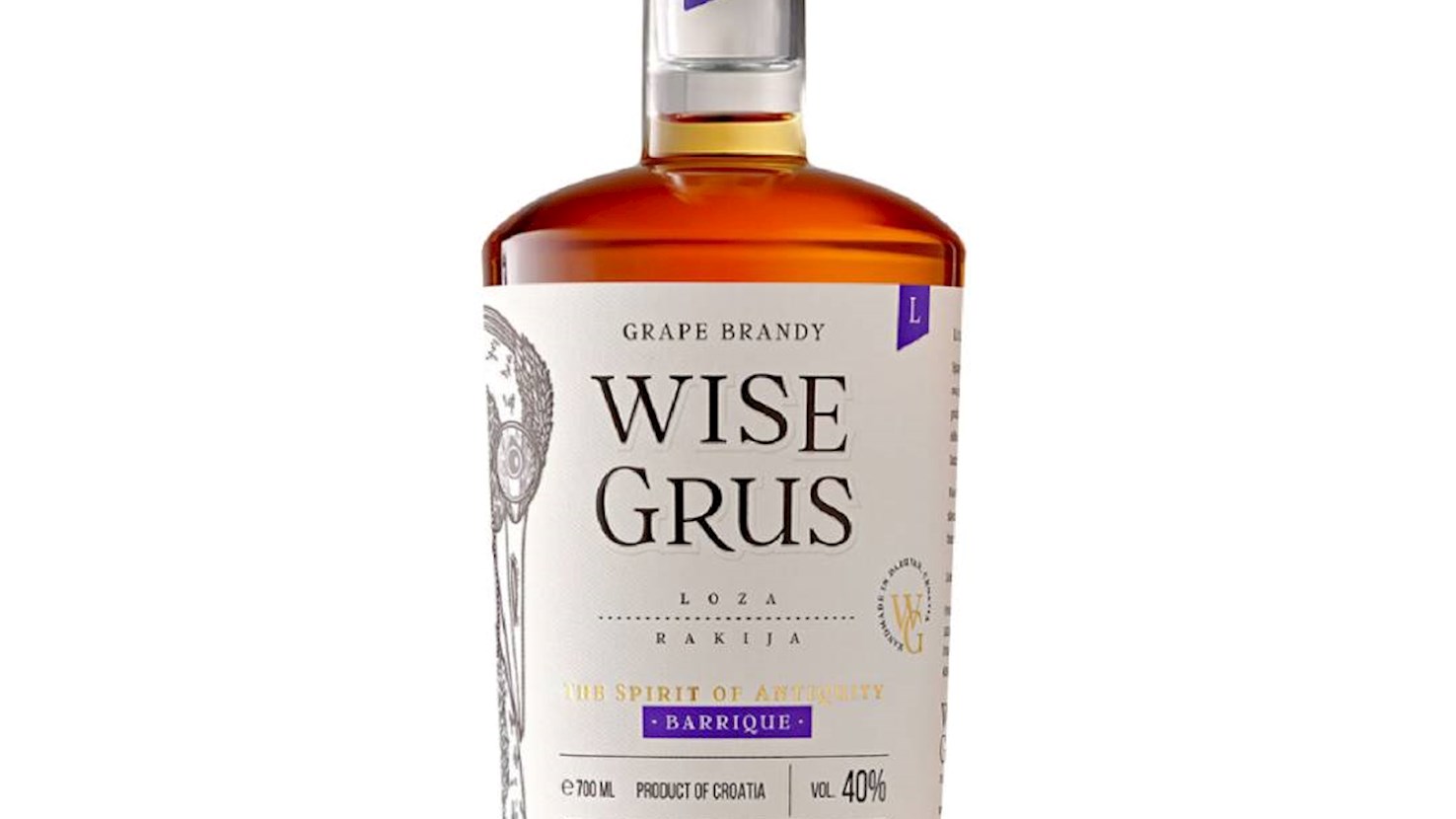
Wise Grus is a distinguished distillery located in Daruvar, Croatia, a town historically associated with cranes, symbolizing magic, longevity, and mystery. The name "Wise Grus" reflects this heritage, with "Grus" being the Latin term for crane. The distillery is committed to producing high-quality fruit brandies, emphasizing traditional methods and local ingredients. The production process begins with the careful selection and preparation of fruits, ensuring optimal quality and ripeness. This is followed by controlled fermentation at lower temperatures to enhance fruit aromas, and a sophisticated distillation process utilizing advanced equipment like deflegmators and reinforcing columns. The brandies are then aged to allow essential chemical processes such as oxidation and esterification, resulting in a smoother and more harmonious spirit.
Awards
SFWSC - San Francisco World Spirits Competition - Double Gold (2023)
ZGrappa festival - The World’s 15 Best Rakijas - Marin Levaj (2025)
05

Vertigo Distillery

4.9 ·
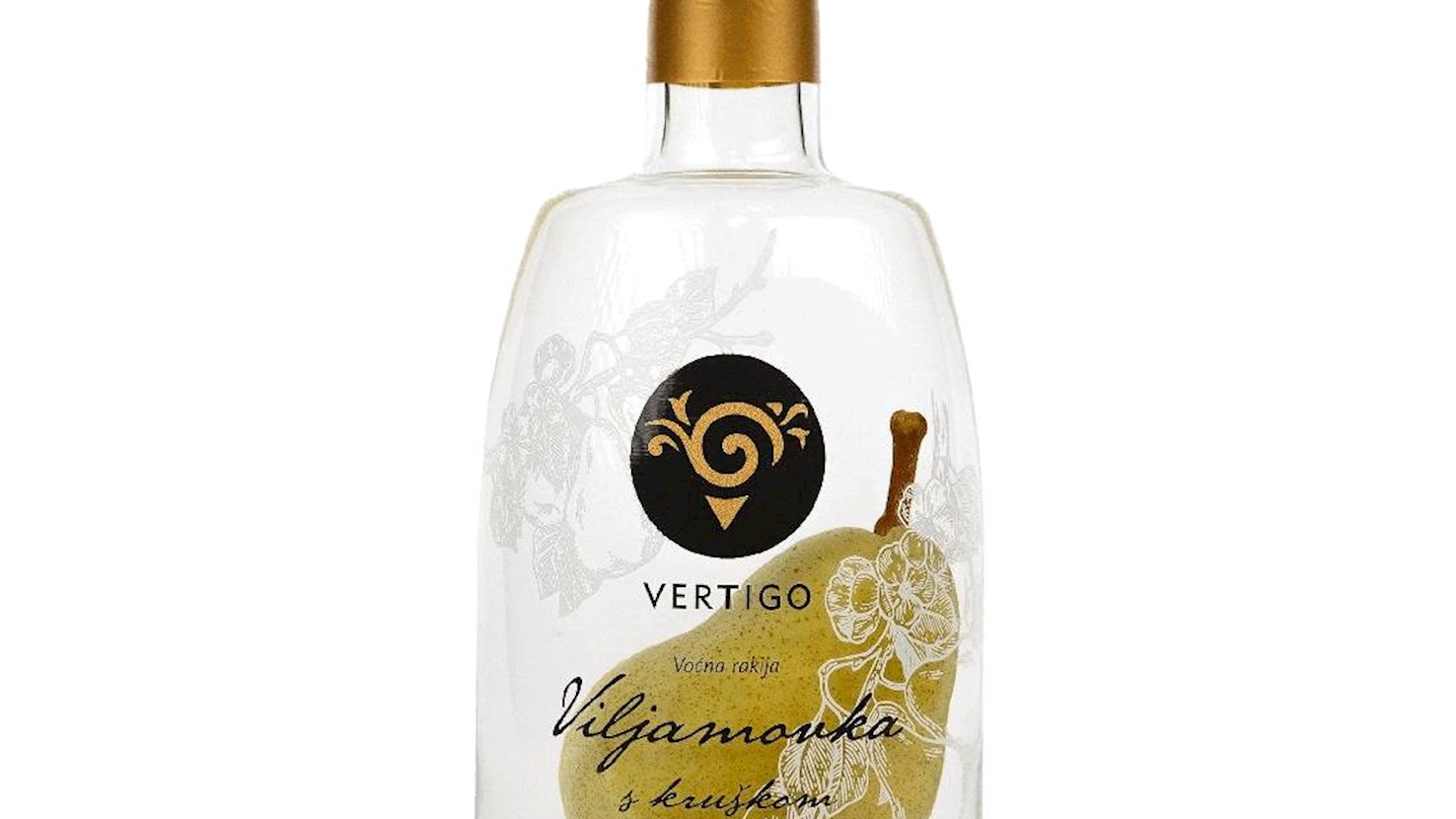
Vertigo is a family-owned distillery dedicated to crafting premium fruit brandies with character, purity, and authenticity. At the heart of their philosophy is a simple principle: no additives, no shortcuts—just fully ripe, hand-selected fruit and traditional craftsmanship. Each brandy is produced in small batches, double-distilled in copper stills, and nurtured with care until it reaches perfection. Every bottle reflects a blend of expertise, precision, and deep passion for the craft. Vertigo brandies are known for their vibrant fruit aromas, crystal clarity, and smooth, elegant finish. Each bottle contains the essence of up to ten kilograms of fruit—pure concentration of nature and skill. Production is entirely manual, with attention paid to every detail, ensuring consistency and authenticity. Vertigo doesn’t just make brandy—they create a sensory experience. Their dedication to excellence has been recognized at international competitions, but their greatest reward remains the satisfaction of those who truly appreciate a refined spirit.
Awards
IWSC- International wine & spirit competition - Spirit Gold (2023)
ZGrappa festival - The World’s 15 Best Rakijas - Marin Levaj (2025)
06

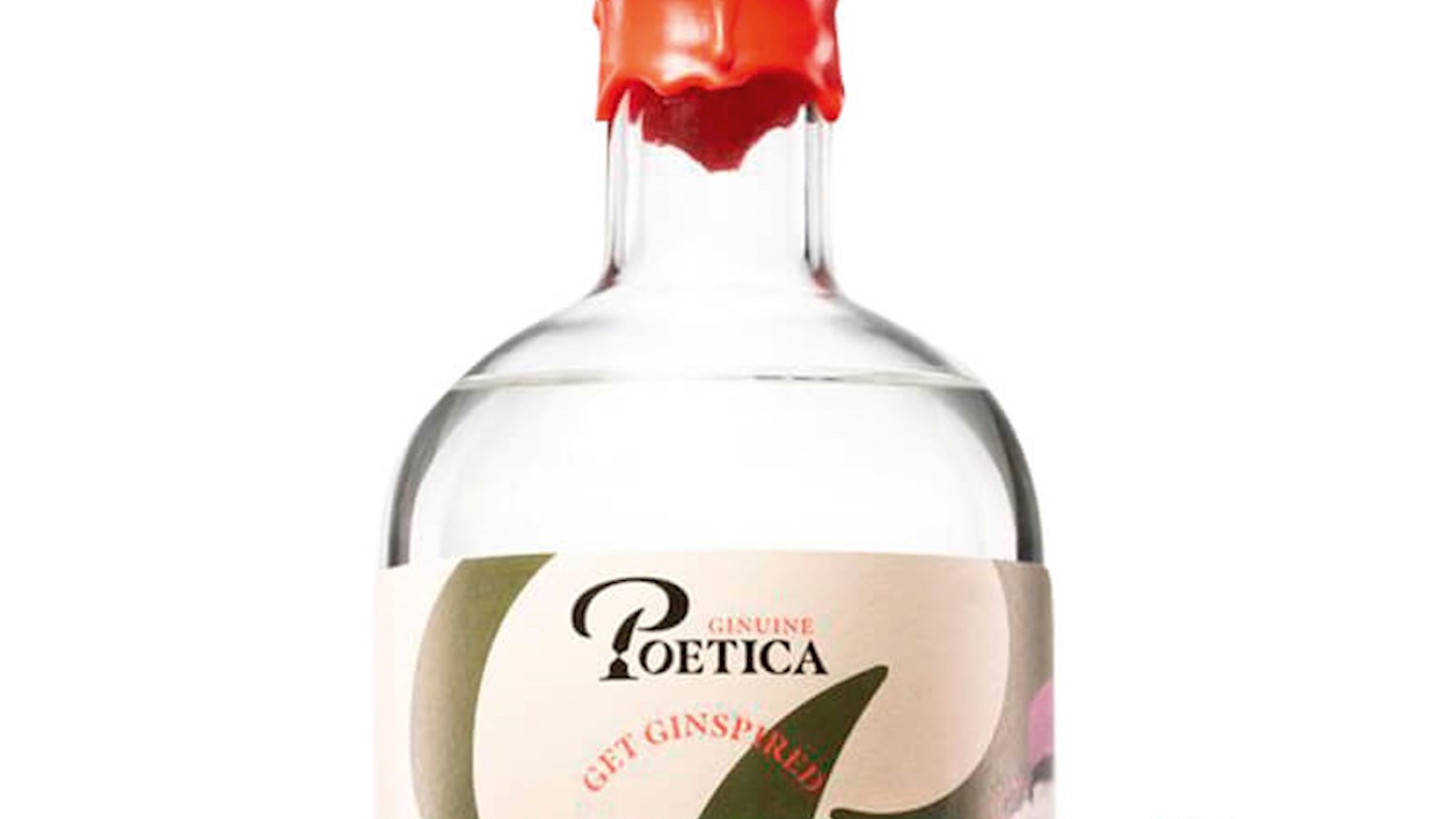
Poetica Distillery

4.8 ·
Awards
IWSC- International wine & spirit competition - Spirit Gold (2024)
07

Aura Distillery

4.8 ·
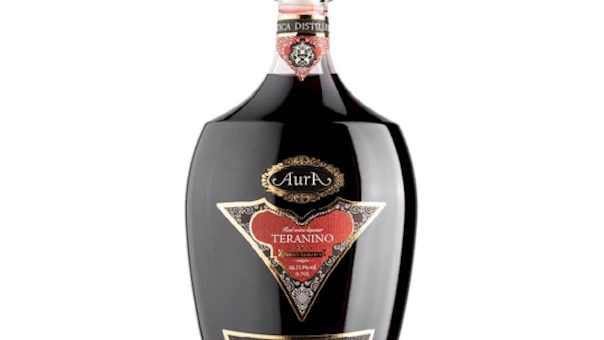
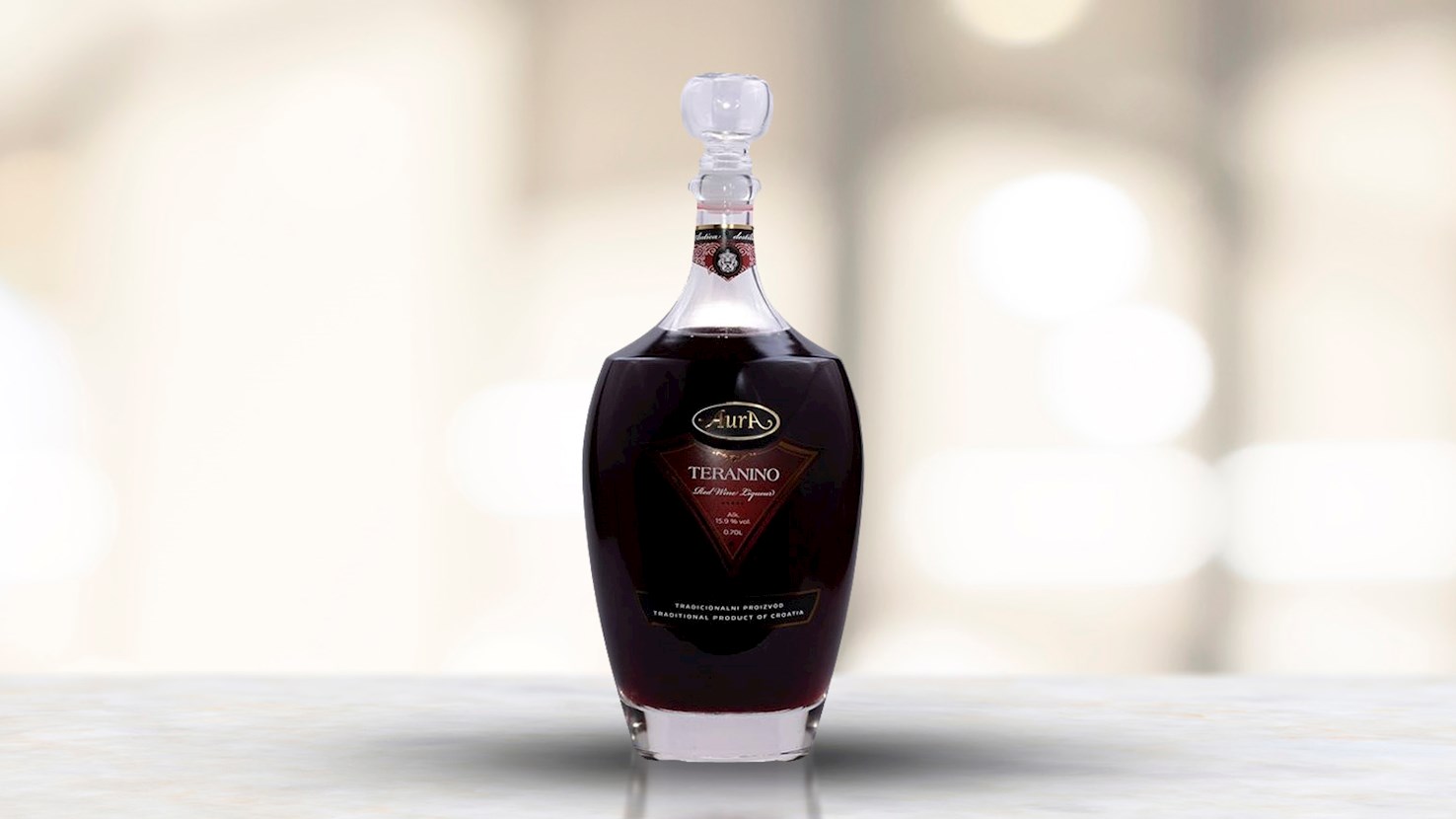
Aura Distillery is a family-run business specializing in the production of spirits, liqueurs, jams, and gins made from wild herbs and fruits harvested in unspoiled nature. Their products are entirely natural, with no additives, artificial flavors, or colorings. The distillery offers a diverse range of 25 types of brandies and liqueurs, four types of gin, and nine types of jams, alongside products like extra virgin olive oil and elderflower vinegar. Their flagship product, Teranino, is a liqueur made from Teran red wine and ten spices, renowned for winning numerous gold medals at prestigious global competitions. Visitors to the distillery can experience the entire production process, from fermentation and distillation to bottling and packaging. Aura’s dedication to quality and tradition has made their products highly regarded both locally and internationally, with specialized stores across Istria, Rijeka, and several islands. Aura products reflect the richness of Istrian nature and heritage, earning recognition through awards at international events in the UK, France, Germany, and more. The brand is committed to preserving tradition while offering authentic and premium Istrian delicacies.
Awards
European Spirits Challenge - Gold (2024, 2023)
London Spirits Competition - Gold (2024)
08

Romić

4.8 ·
Awards
IWSC- International wine & spirit competition - Spirit Gold (2024, 2023)
09

Maraska

4.7 ·
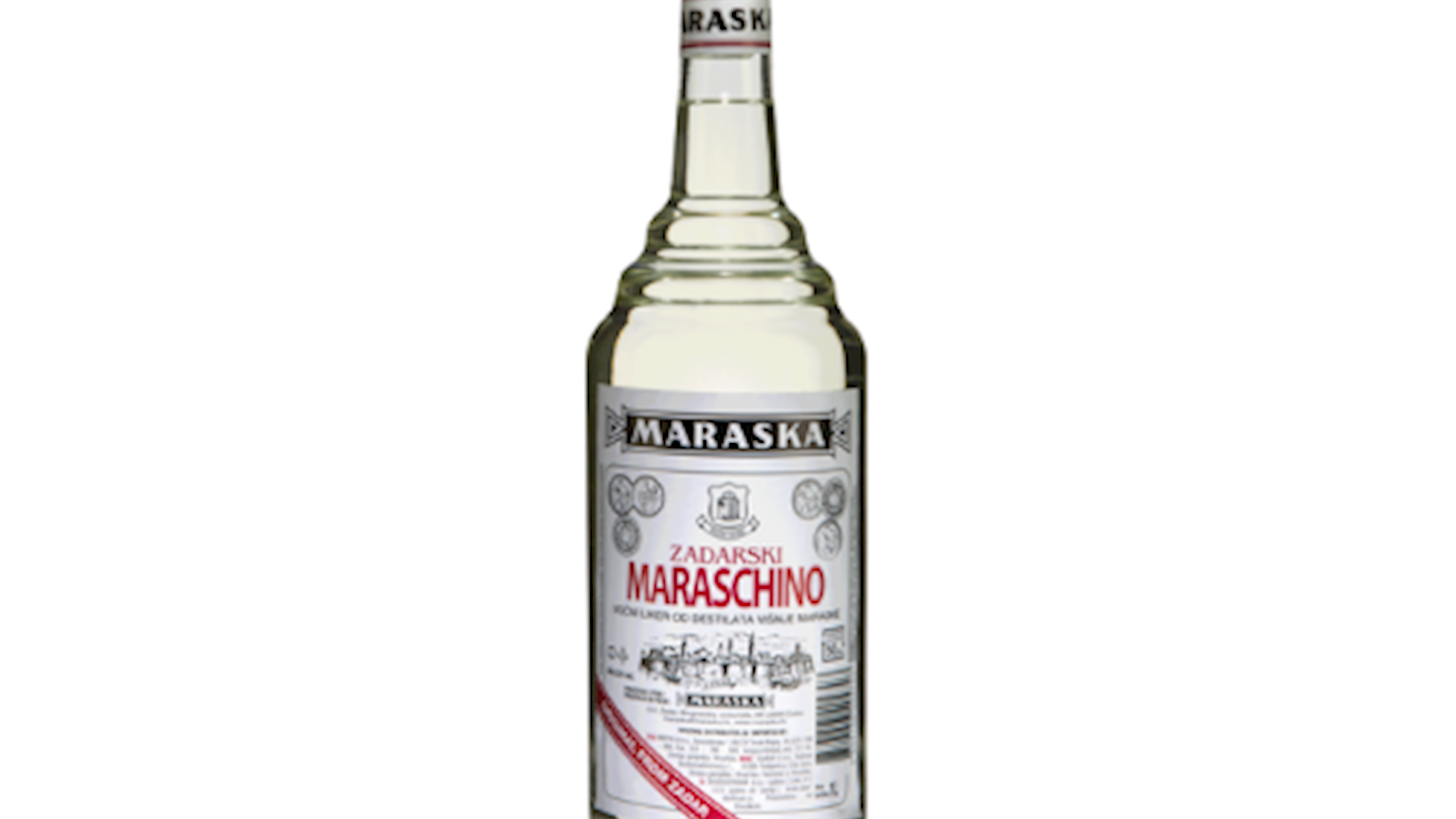
Maraska is a Zadar-based distillery with centuries of tradition in crafting liqueurs and beverages made from the indigenous marasca cherry, the key ingredient in its most famous product - Maraschino liqueur. The company blends historical recipes and local heritage with modern technological processes, enabling the production of a wide range of alcoholic and non-alcoholic drinks, including fruit liqueurs, brandies, syrups, and juices. Maraschino is produced by distilling ripe marasca cherries together with their pits, stems, and leaves, which creates its characteristic almond-like aroma and rich fruity complexity. Today, Maraska operates from a modern facility in Zadar and is part of the Stanić Group, contributing to the brand’s stability and international reach. Maraska remains recognized as a custodian of Dalmatian liqueur-making tradition, offering products that combine authenticity, quality, and a long continuity of craftsmanship.
10

Martin Albus

4.7 ·
Awards
IWSC- International wine & spirit competition - Spirit Gold Outstanding (2024)

Best Croatian Spirit/Liqueur Types

01

Teranino

4.1 ·

Teranino is a unique Croatian liqueur produced with fruit or pomace brandy and red wine made from Teran variety—hence the name. This liqueur is usually sweetened and flavored with various botanicals such as cinnamon, cloves, star anise, lemon, vanilla, or fennel. The result is a ruby red liqueur with an earthy and herbaceous character, fruity notes, and sweet, spicy aromas. Teranino is sweet and typically has between 15 to 20% ABV. It is best to serve it chilled and enjoy it as an aperitif or a digestif. Teranino can be served neat or on the rocks. This traditional liqueur is mainly produced in Istria, where Teran is one of the most common red grape varieties.

02

Slavonska šljivovica (Slavonian plum brandy)

4.0 ·

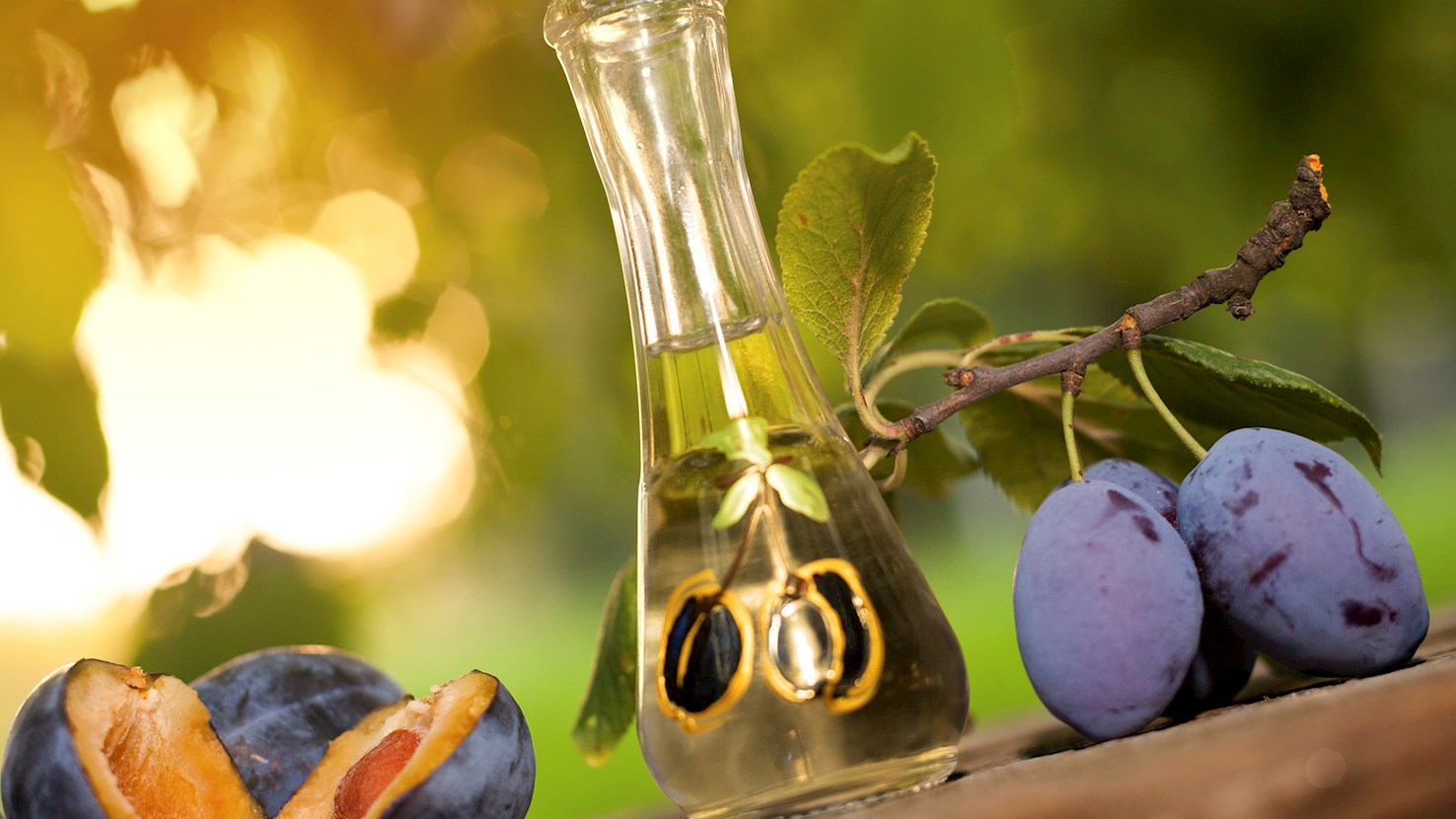
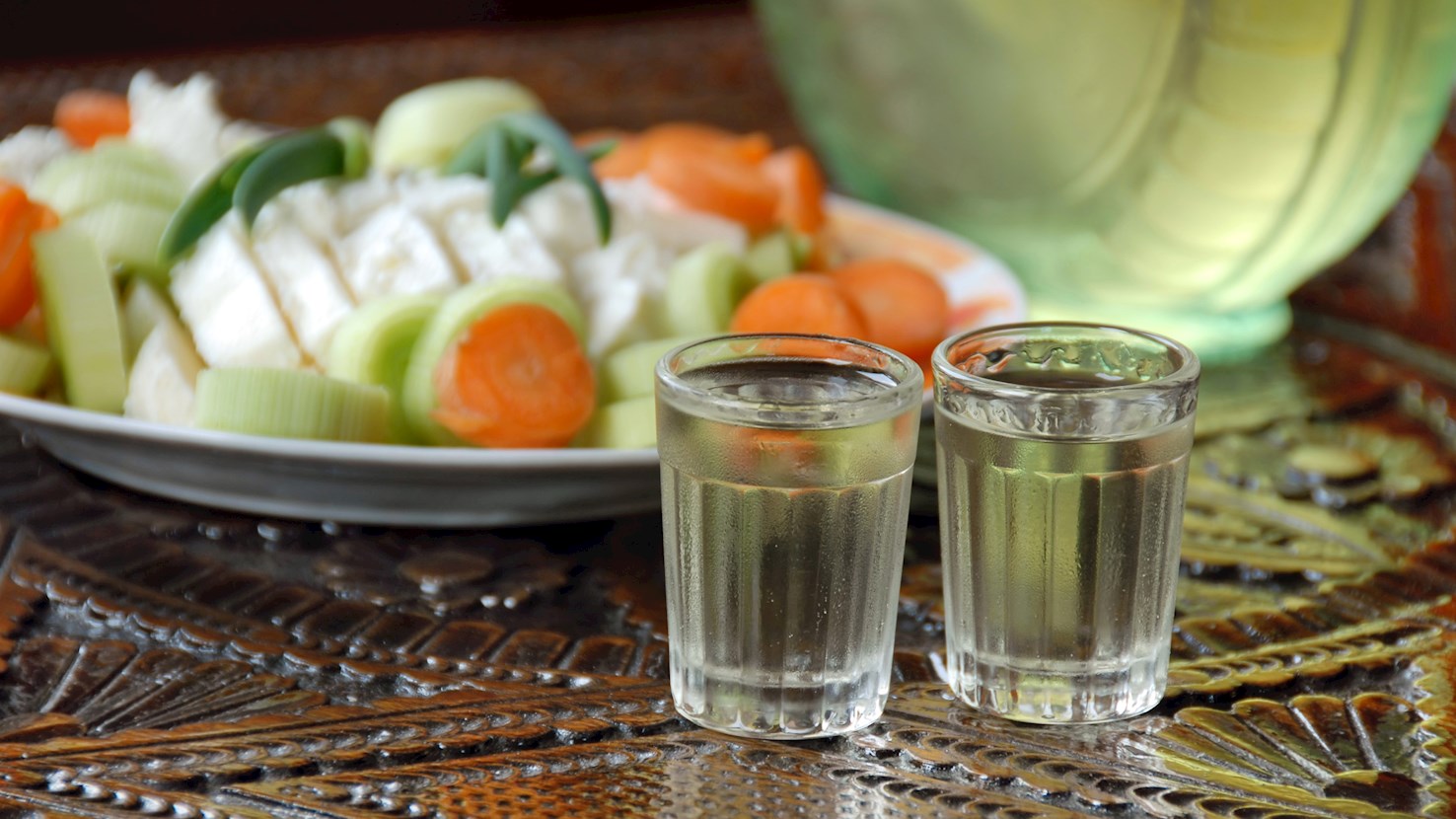
Slavonian plum brandy is the most popular drink in eastern Croatia. It is distilled from locally grown fresh and ripe plums such as Bistrica, which have been cultivated in the region for centuries. This clear drink can range from light yellow to amber in color, depending on whether it is aged in Slavonian oak. It is characterized by harmonious aromas of plums and a long finish, while its alcohol content may range from 37.5 to 42.5%. Slavonian šljivovica is not merely a drink, it is deeply integrated into Slavonian tradition, and no special event or gathering is complete without a shot of well-chilled šljivovica. Traditionally, this plum brandy was served in small-sized bottles called čokanjčići.

03

Dunjevača

3.8 ·

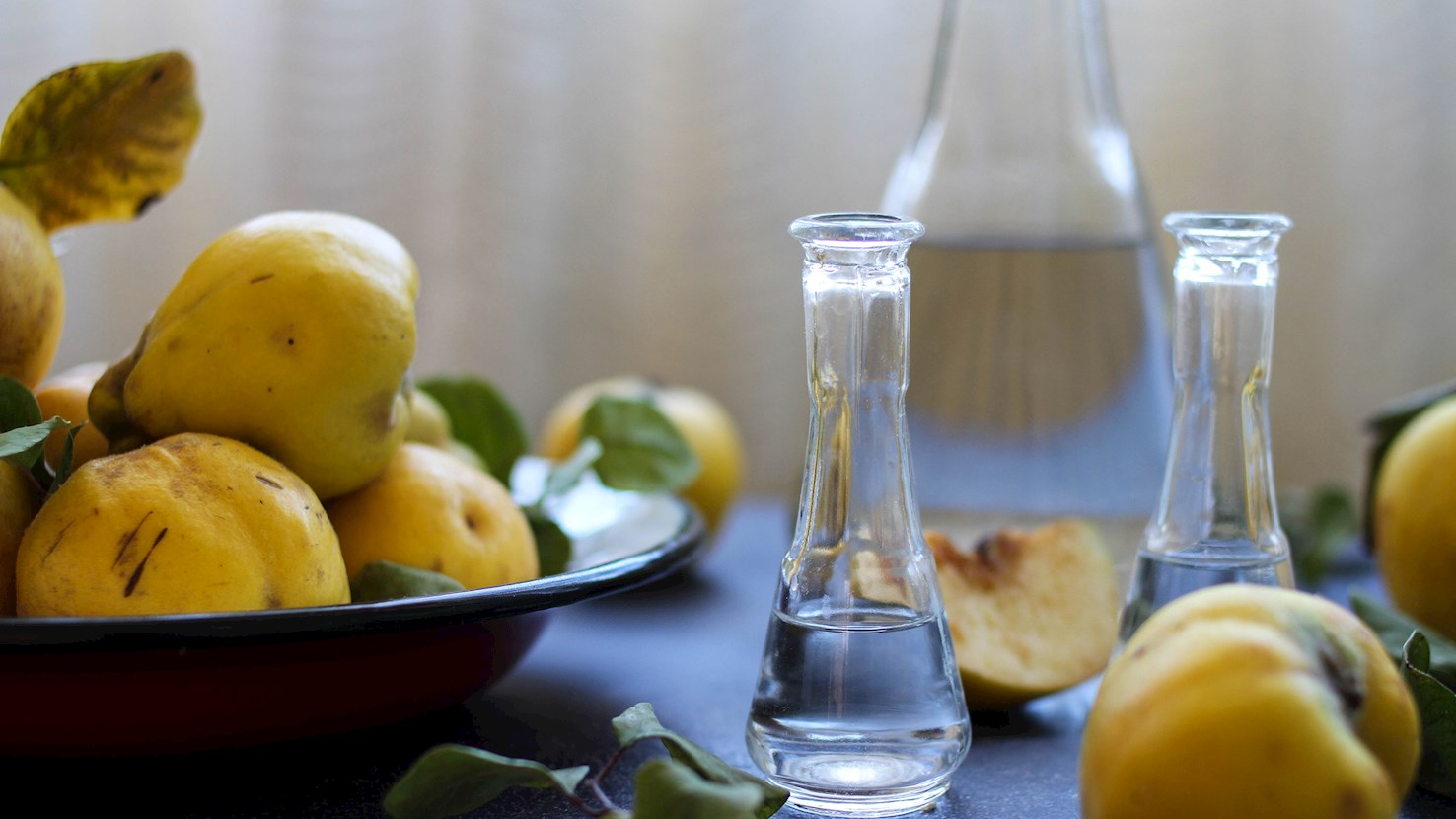
Dunjevača (rakija od dunje) is a clear and colorless spirit distilled from ripe fermented quinces. This fruit brandy—known as rakija—is one of the most popular spirits in the Balkans and is usually of excellent quality. Dunjevača is a potent spirit (40% ABV) that has a pleasant quince aroma. Most examples are colorless, but some producers opt for oak-aging, which typically imparts golden color and woody notes. Dunjevača is served neat, preferably well chilled. It is mainly enjoyed as an aperitif.

04

Maraschino

3.7 ·

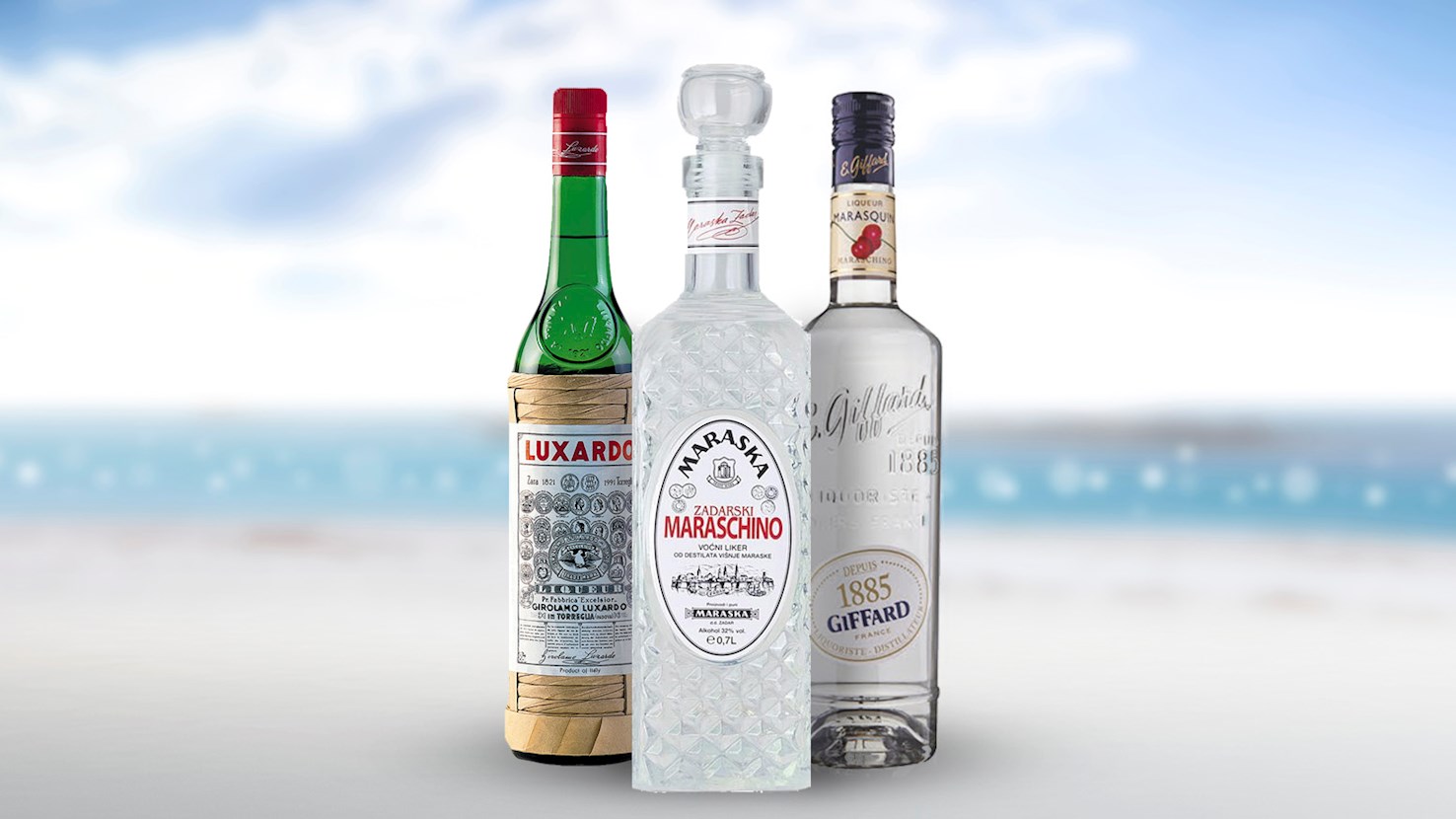
This clear cherry-flavored liqueur dates back to the 16th century when it was first made by Dominican monks in Zadar. It is produced from the fruits (including the pits) of Marasca cherries, which give Maraschino its unique, intense aroma, and subtle bitterness. The commercial production started in the 18th century by Francesco Drioli, while Dalmatia was still under the rule of Venetian Republic. In the mid-20th century, during political turmoil, the production was abruptly stopped, and the Yugoslav government later unified it under one enterprise, which would later be named Maraska. Present-day Maraschino is now produced in other regions and countries, namely Italy. It is usually enjoyed as a digestif, served neat or mixed with tonic water or orange juice. Maraschino also works well in cocktails, and it easily blends in a variety of desserts.

Best producers
05

Rakija

3.6 ·

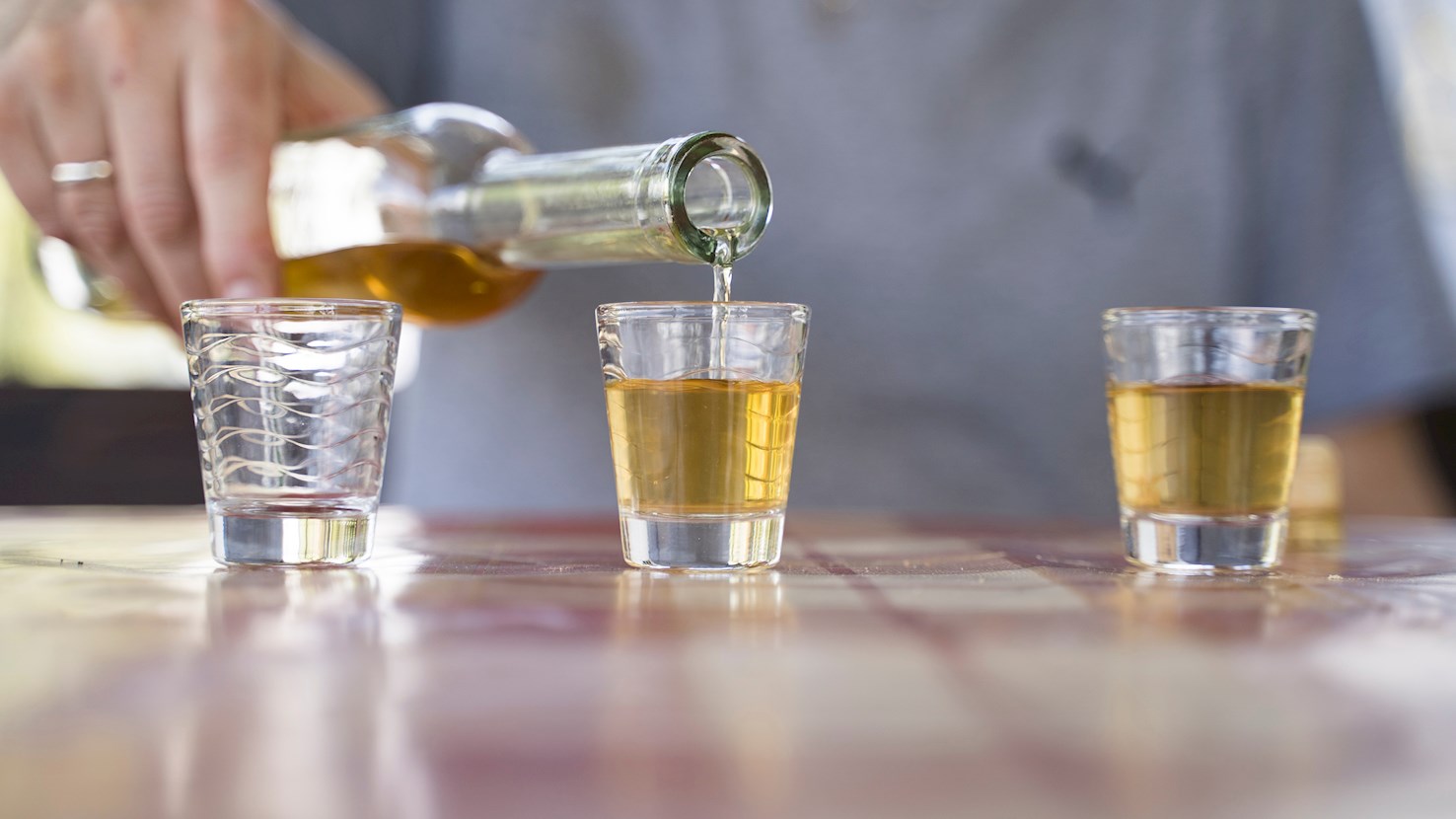
Rakija is a universal term used for various fruit brandies produced in several Balkan countries (Southeast Europe). This strong spirit is distilled from different fruit and is sometimes additionally flavored or used as a liqueur base. The most common versions are made from plums (šljivovica), Williams pear (viljamovka), quinces (dunjevača), apricots (kajsijevača), apples (jabukovača), grapes (lozovača/komovica), and many more. Rakija has present in the region for centuries. It is mainly associated with Croatia, Serbia, Bosnia, Montenegro, and North Macedonia. Although fruit brandies are produced in other European countries and regions, in the Balkans, rakija is a household name and has a large following among all generations. This potent spirit typically falls between 40% to 60% ABV. It is usually served neat, preferably well chilled, in a shot glass. Rakija is primarily a social beverage meant to be consumed with friends or as a welcome drink. Locals also like to believe that rakija is a terrific health remedy, and they use it boosts their immune system or ease any minor medical problems. Rakija can be in the form of a pure distilled spirit, but sometimes it is flavored with herbs and fruits. Many producers often use rakija as a liqueur base, but although these liqueurs are often labeled as rakija—such as orahovac made with walnuts or honey-flavored medica—they are technically liqueurs and not fruit brandies. Although rakija holds a reputation as a crude and harsh drink, many producers try to break away from its traditional image and create exceptional labels, which they promote as savoring and sipping drinks.

06

Biska

3.5 ·

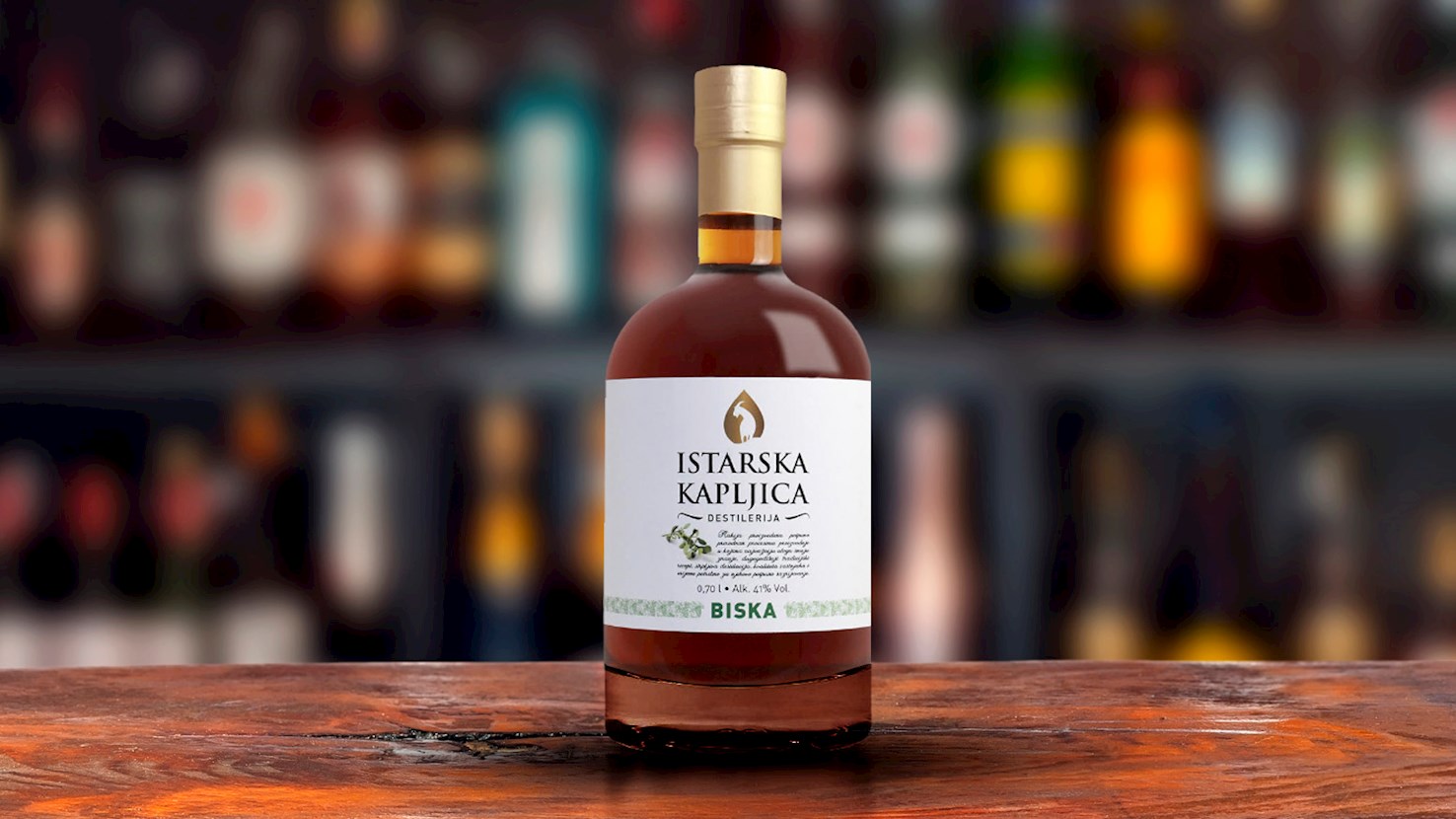
Biska is a traditional Istrian mistletoe-flavored brandy. The base is usually made with komovica, a type of brandy produced from grape marc (grape pomace) combined with dry mistletoe leaves. The macerate is left until the base spirit is thoroughly infused. Biska can vary in color, from light yellow to dark green. It can also be made with green or yellow mistletoe, while the base is sometimes made with lozovača (another type of brandy made from grape marc) or jabukovača (apple brandy). Occasionally, some producers will add sugar and honey. Although there are numerous commercial varieties of the drink, many locals still prepare their homemade versions. Biska is a potent spirit with a prominent herbaceous character. It should always be served well chilled, and the locals mainly drink it as an aperitif or a digestif. It is said that the Celts were the first who started producing biska in Istria. The name biska is the local term for mistletoe.

Best producers
07

Pelinkovac

3.3 ·

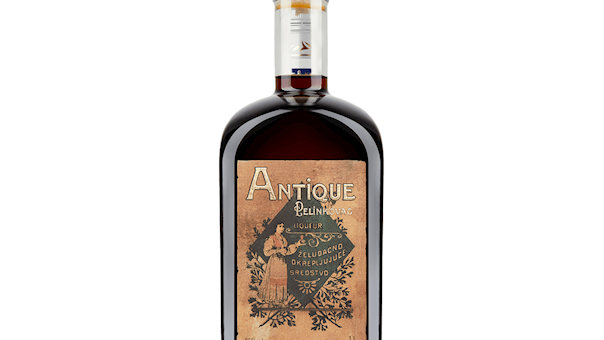
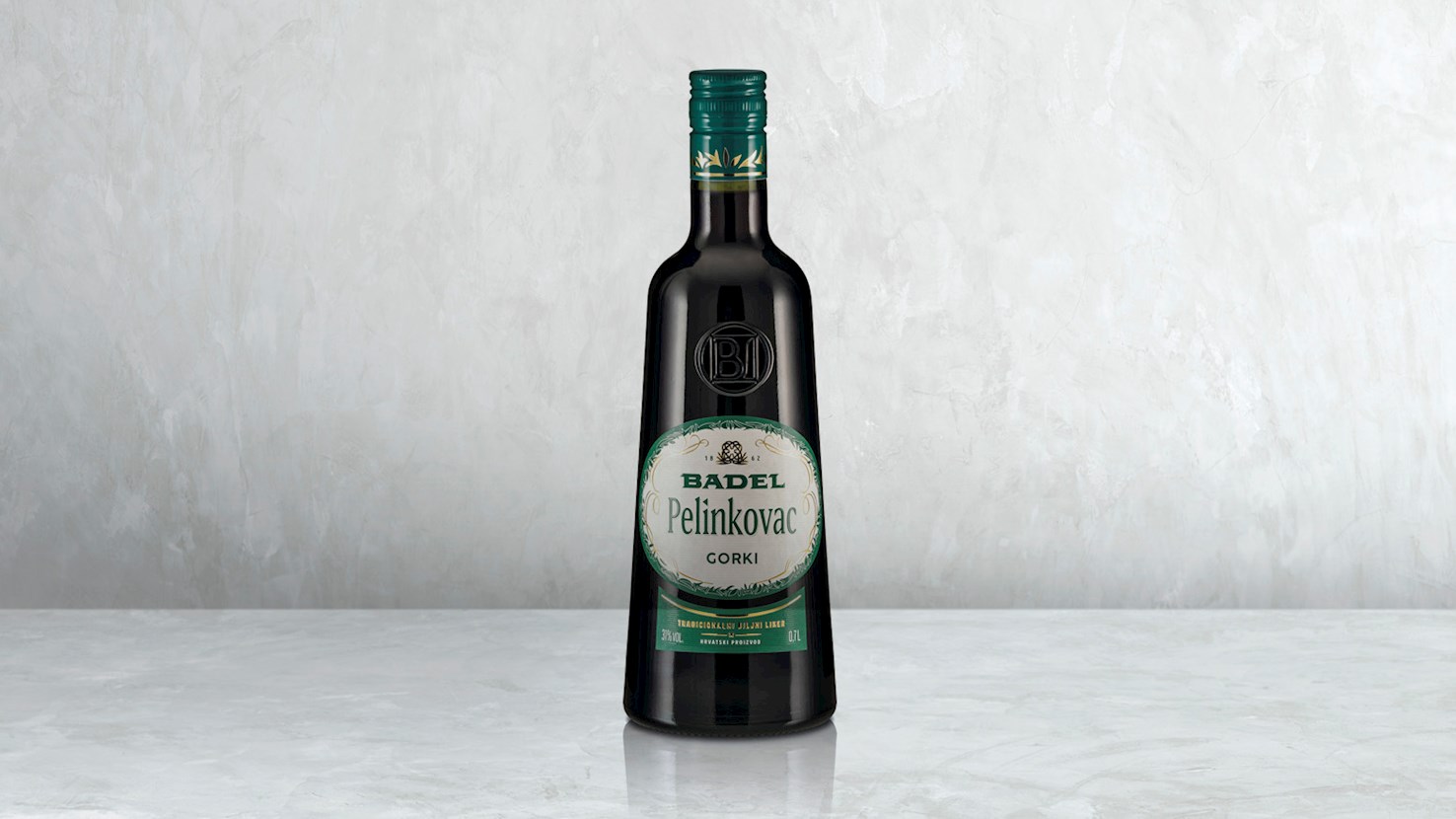
Pelinkovac is a traditional herbal liqueur produced with a distillation of herbal macerates. The distillate is adjusted and blended with water, alcohol, and the macerate base. Pelinkovac should always have dominant wormwood (Artemisia absinthium) element, typically complemented by fennel, sage, and peppermint, but the final herbal composition can vary depending on the region and the season. Pelinkovac is generally dark brown, full-bodied, and aromatic. The aroma is intense and herbaceous, usually dominated by wormwood, while the flavor should always have a distinctive bitter-sweet note. Pelinkovac is traditionally enjoyed as an aperitif or a digestif, usually served neat or on the rocks, often with a lemon slice. It also works well mixed with lemon juice or tonic water. The liqueur was introduced in 1862, and since then, it has been continuously produced in Croatia, and most local distilleries make their version of the liqueur. This first commercial version was produced by Badel, a company that was was founded in 1862 by Franjo Pokorny. Badel has a basic version of the drink and a more exclusive Pelinkovac Antique, allegedly crafted on the original version. Pelinkovac was initially promoted as a health remedy, and many locals still believe in its healing properties. The name pelinkovac stems from pelin, which is the Croatian term for wormwood.

Best producers
08

Loza

3.1 ·

Loza is a clear and colorless spirit distilled from fermented fresh grapes. The result is a potent spirit with a grape aroma, a long-lasting, warming finish, and a minimum of 37.5 % ABV. Loza can be made with many grape varieties, and the grapes are separated from those used in winemaking. The best version would be made with aromatic grapes that have good acidity. Loza is sometimes aged in tanks, while the best styles are oak-aged to attain subtle notes reminiscent of wood and spices. Loza is best enjoyed as an aperitif, preferably served in shot glasses. It is often used as a base for macerates and liqueurs. Croatian loza is registered as a protected item, but similar spirits are produced in many Balkan countries.

09

Komovica

3.0 ·

Komovica is a type of pomace brandy that is produced in the Balkans. It is distilled from fermented pomace—solid components of grapes that are left after the juice has been pressed. The resulting drink is a potent, clear, and colorless spirit. After distillation, the spirit is usually aged to attain smoother and more mellow character. Komovica can be enjoyed on its own, but it is also often used as a base for other types of rakija—signature spirit from the Balkans—and various types of liqueurs and macerates.

10

Travarica

2.8 ·

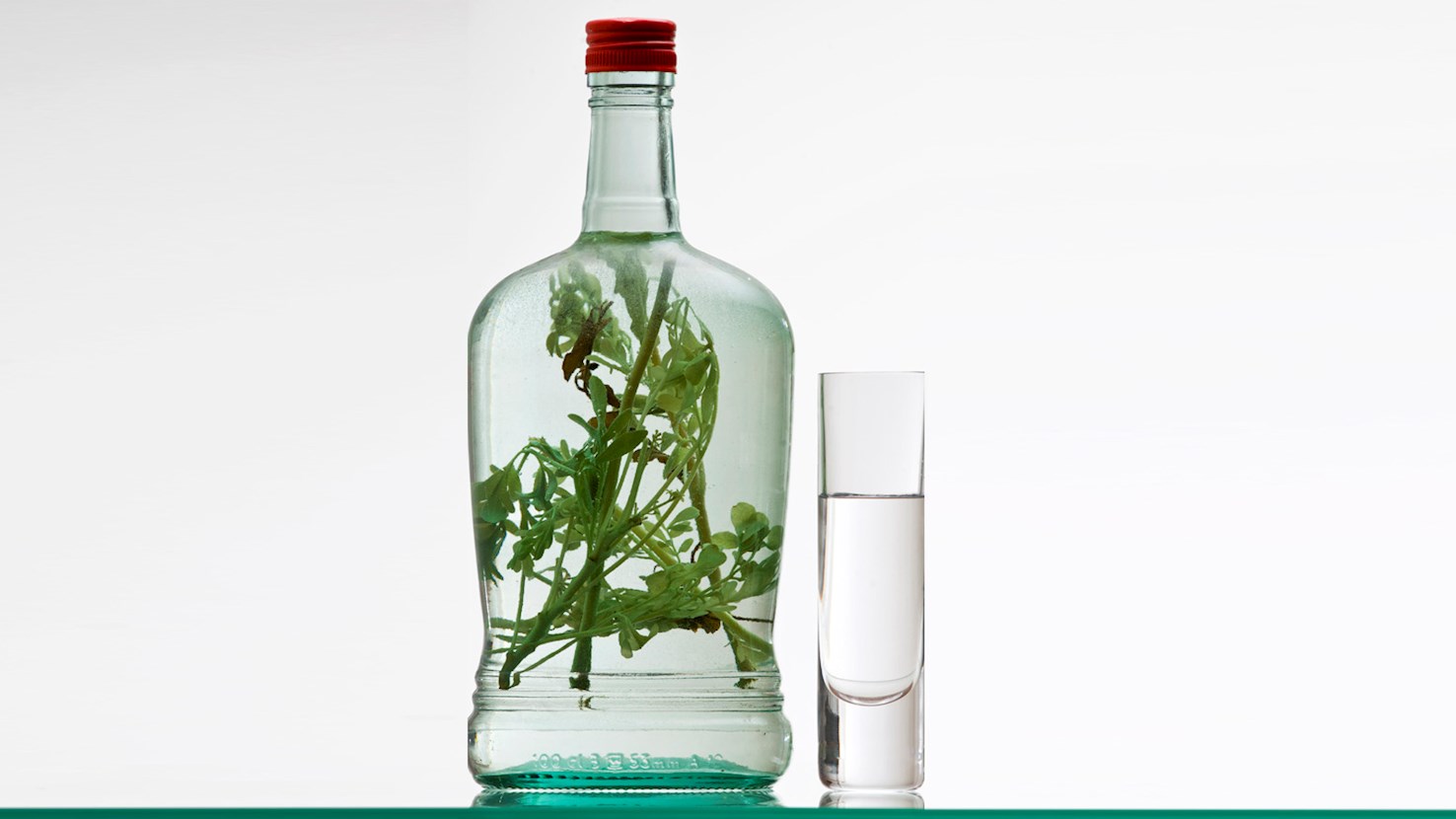
Travarica is a type of rakija that is infused with local aromatic herbs. It is a traditional spirit usually associated with Croatian coastal regions. The base of the spirit is made with pomace or fruit brandy, while the choice and the number of herbs varies, usually depending on the area and the season. Some of the most common options include sage, fennel, mint, chamomile, rosemary, lemon balm, anise, myrtle, thyme, marjoram, wormwood, and bay leaves. The herbs can be macerated for several days, weeks, or even months. After maceration, the spirit is filtered, and the plants are removed. Sometimes, several herbs can be left inside the bottle. The resulting drink is a clear spirit with green-yellow hues. It has a distinctive herbal character and subtly bitter flavor, but the final profile depends on the choice of herbs and the length of maturation. Croatian travarica has been granted protected status by the European Union. It is said that the herbs found in the Croatian coastal and mountainous regions are intensely aromatic, which creates a distinctive aromatic profile of this herbal spirit. Apart from Croatia, travarica is traditionally made and enjoyed in several other Balkan countries. Travarica has a long history in the region, and it is believed that it was first made as a health remedy that would help ease stomach aches. Although many still believe in its healing properties, travarica is nowadays mainly enjoyed as an excellent aperitif or a digestif. It is traditionally served in shot glasses.

11

Višnja

n/a ·
12

Jabuka

n/a ·
13

Kajsijevača

n/a ·
Read more
View all
View map
About this ranking

TasteAtlas food rankings are based on the ratings of the TasteAtlas audience, with a series of mechanisms that recognize real users and that ignore bot, nationalist or local patriotic ratings, and give additional value to the ratings of users that the system recognizes as knowledgeable. For the “Top 17 Croatian Spirits and Liqueurs” list until June 24, 2026, 508 ratings were recorded, of which 322 were recognized by the system as legitimate. TasteAtlas Rankings should not be seen as the final global conclusion about food. Their purpose is to promote excellent local foods, instill pride in traditional dishes, and arouse curiosity about dishes you haven’t tried.

The initial list of top producers was compiled based on available reviews, awards, local recommendations, media and blog coverage, and consumer reviews. The list will be updated with ratings from TasteAtlas local ambassadors and TasteAtlas users.

Similar lists