Top 100 Western European Spirits and Liqueurs

Last updated on July 29, 2026

Best Western European Spirit/Liqueur Types
01

XO Cognac

4.2 ·

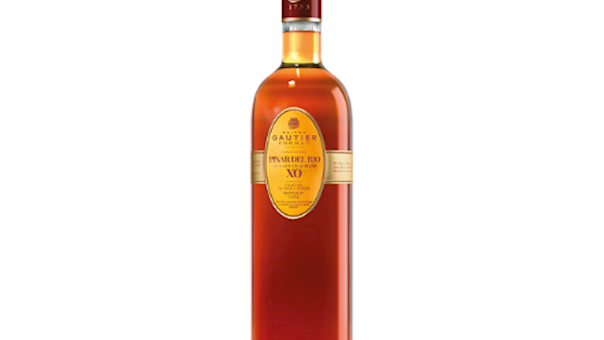
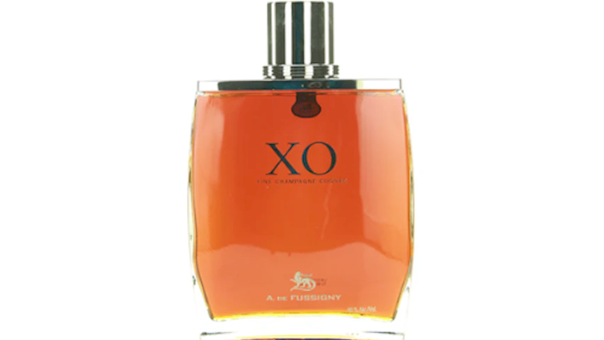
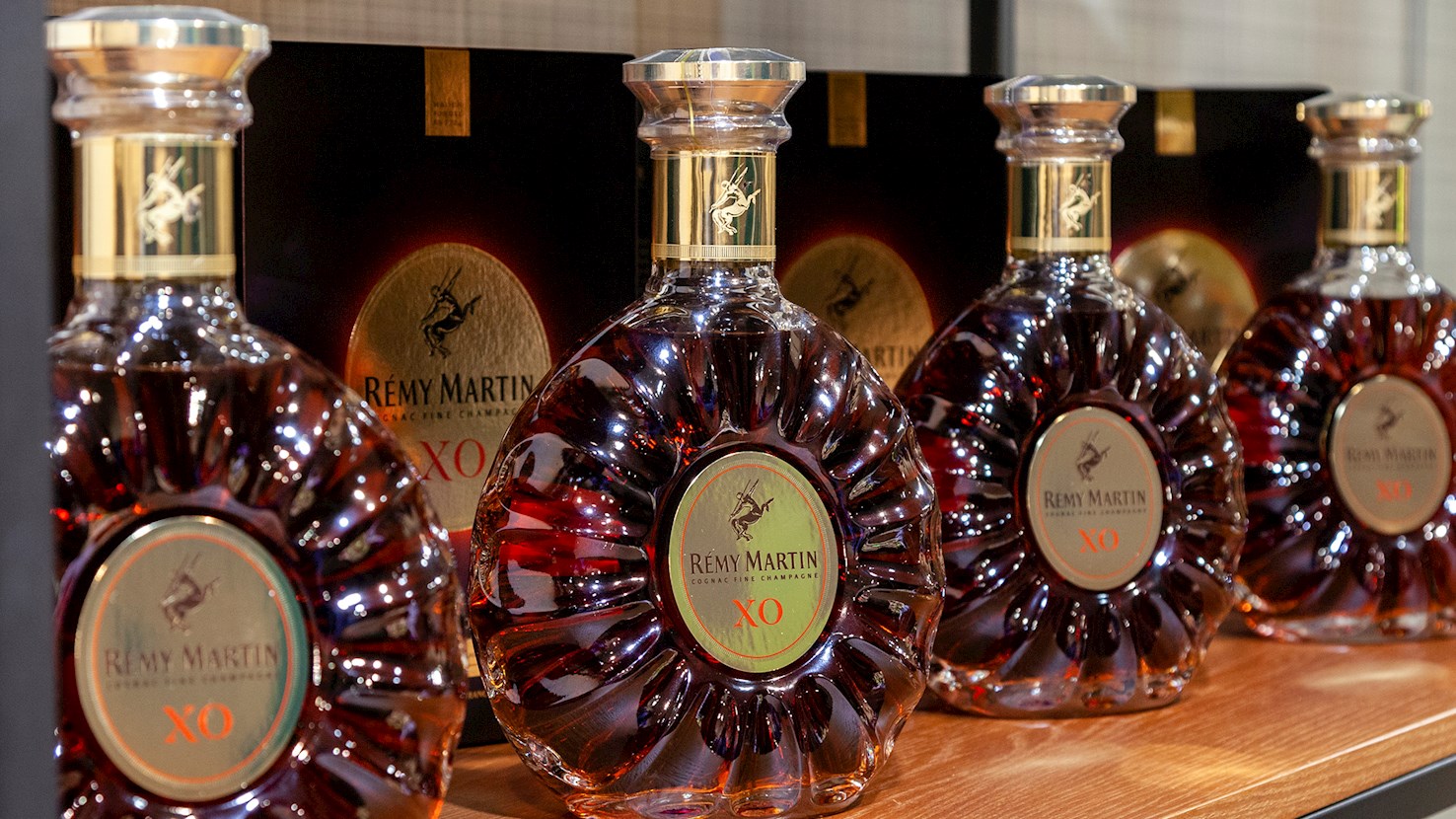
Extra old Cognac label is the one with a blend that has been aged the longest. Although the previous legislation stated that XO needs to be at least six years old, new categorization, which will be fully implemented by March 31, 2019, will indicate that to be labeled as an XO, the blend will have to be at least ten years old. However, the age limitation only signifies that the youngest in the blend is six (ten) years old, but when it comes to XO most blends are significantly older than that. XO Cognac should always be served neat in a snifter glass, and are best enjoyed as a digestif.

02

Averna

4.1 ·

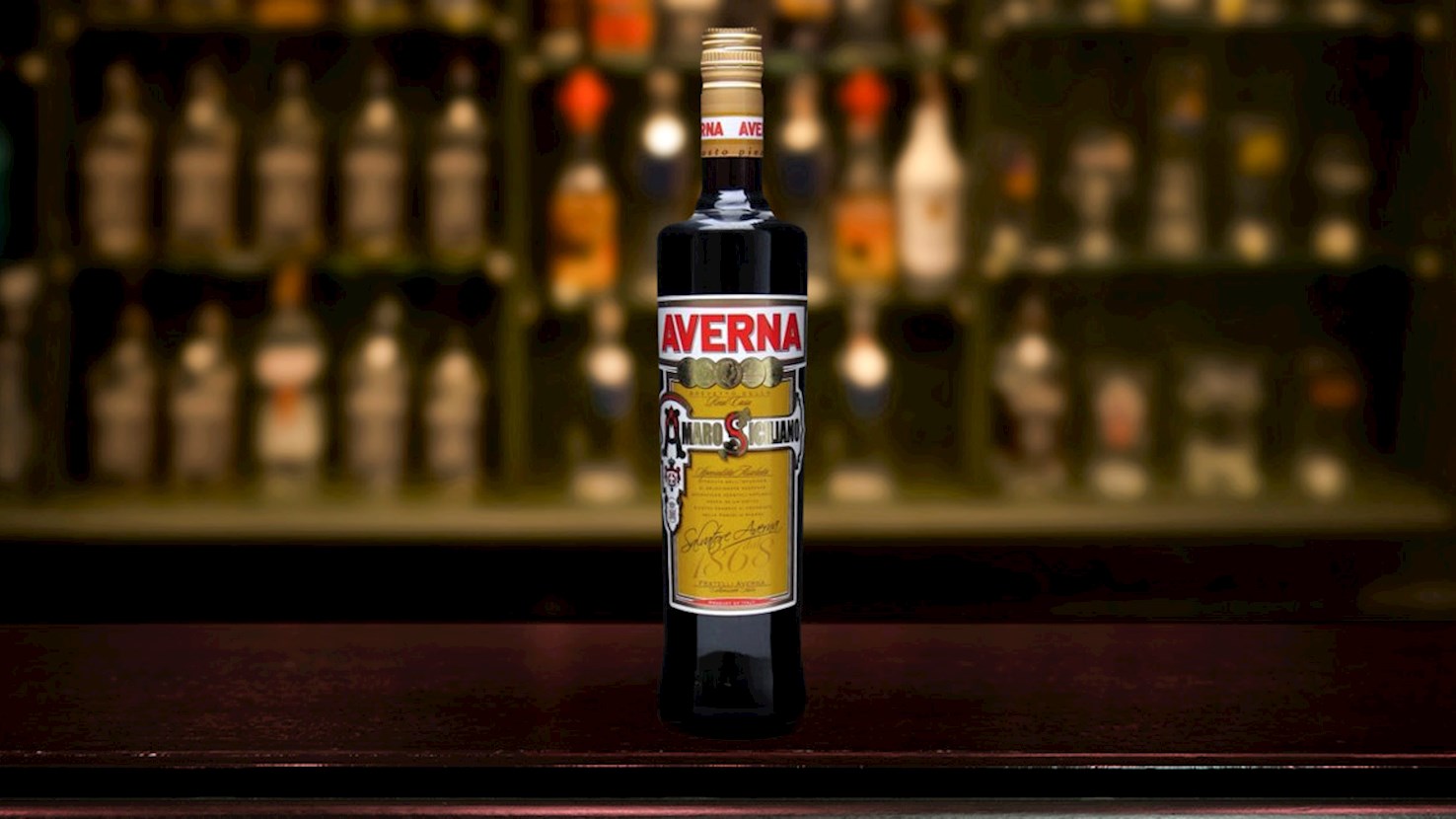
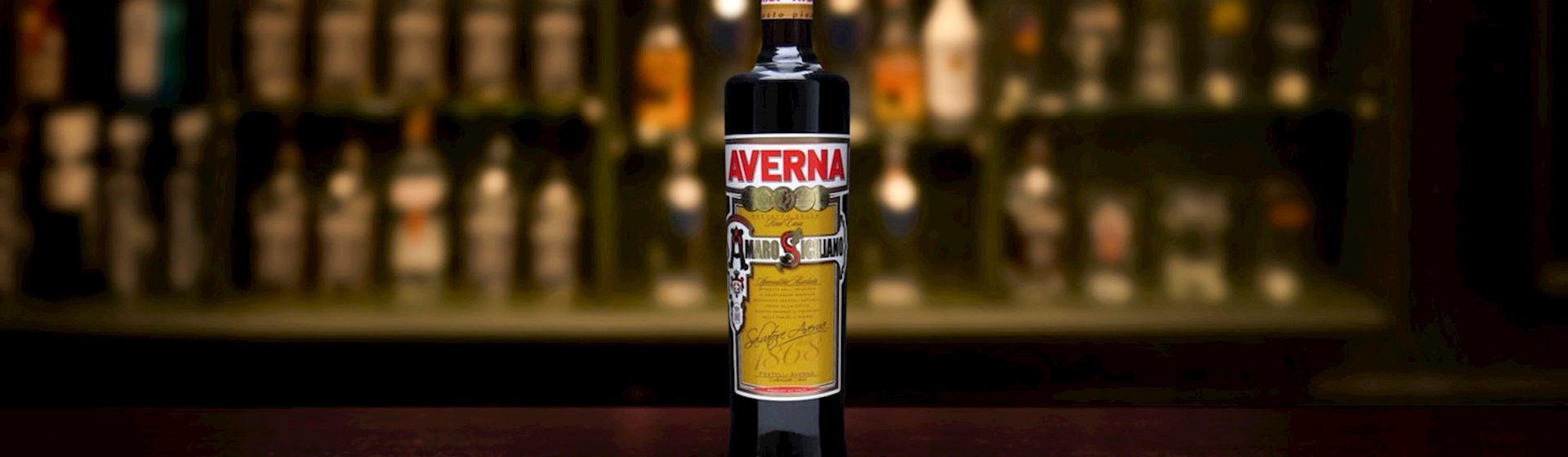
Averna is a popular Italian bitter digestif that was named after its inventor Salvatore Averna who created it in 1868. Some sources state that the recipe was handed to the Avernas by a monk of the local San Spirito monastery. The exact ingredient list remains the Averna family secret, but this bittersweet liqueur is said to be made with more than 60 different herbs, roots, pomegranate, and the essential oils of bitter Sicilian lemons. Though Averna is typically enjoyed on its own, served on the rocks or neat, it can also be used for various cocktails.

03

Disaronno

4.1 ·

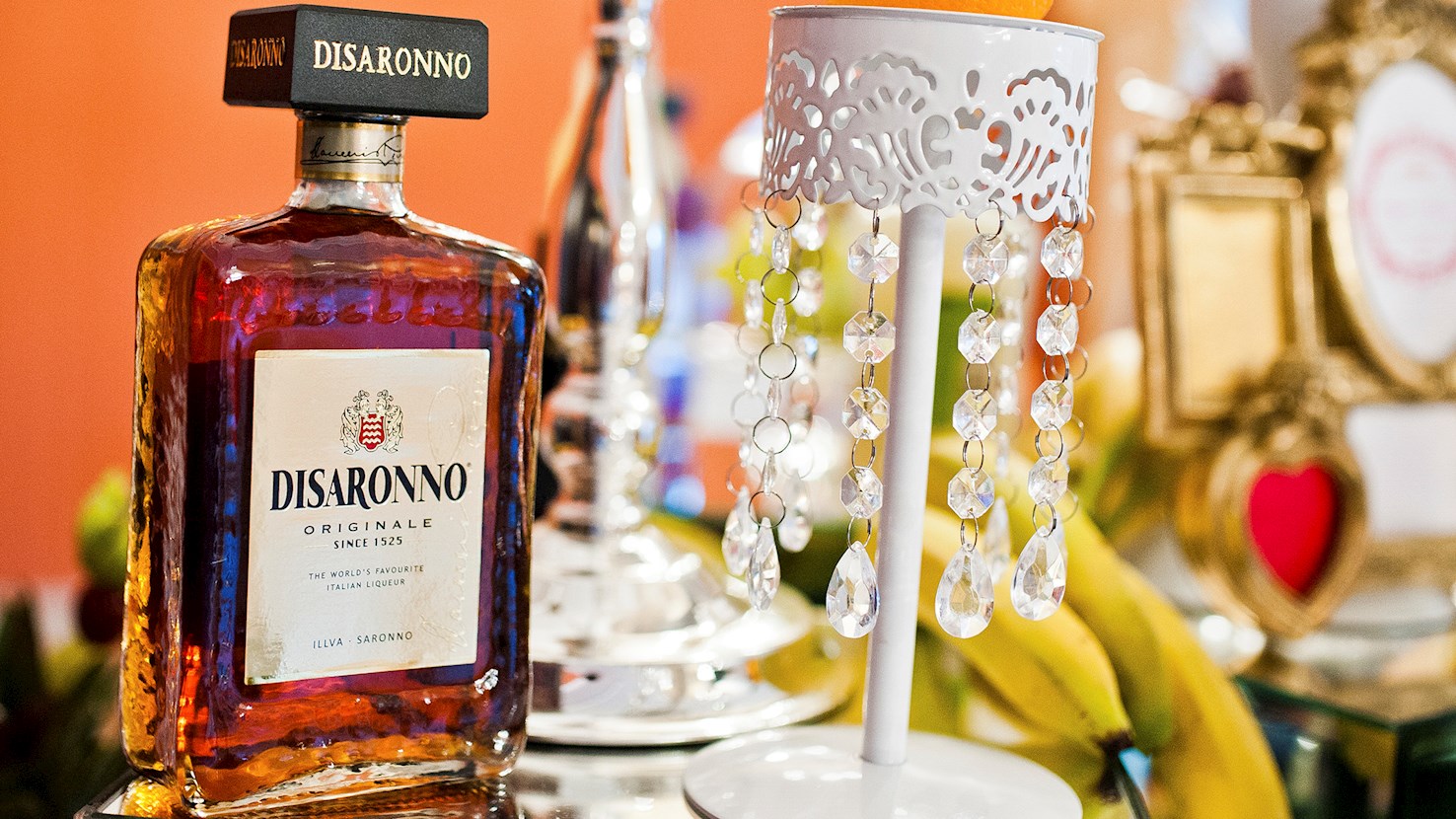
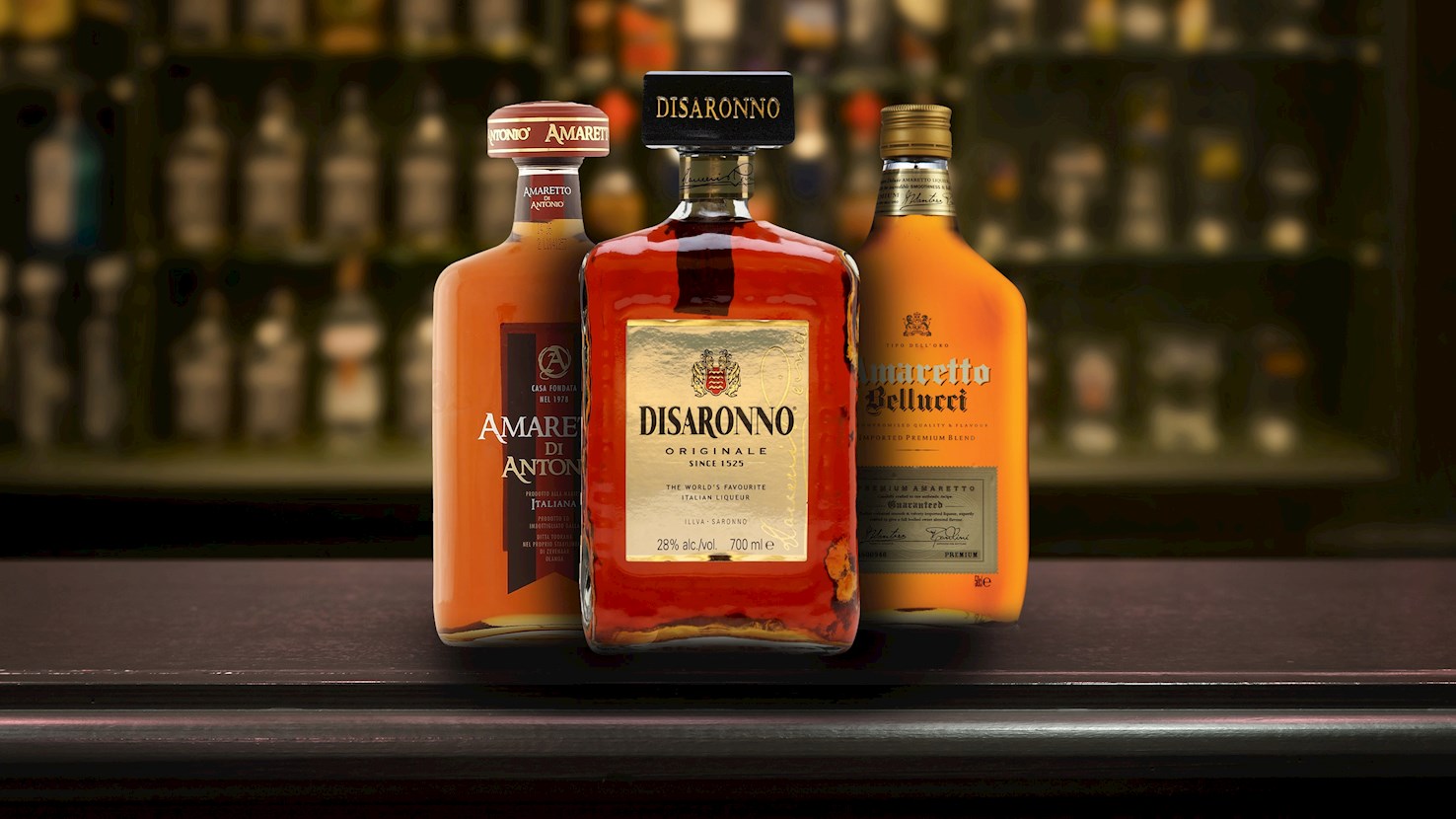
Hailing from Saronno, this renowned amaretto brand is produced with a base spirit, apricot kernel oil, burnt sugar, and 17 different herbs, fruits, and spices. The brand claimed the invention of the original amaretto in the 16th century, and throughout history, its production has remained in the hands of Reina family. Disaronno is distinguished for its use of apricot kernel oil, which provides it with a distinctive combination of almond and apricot flavors. Because of its sweetness and smooth texture, it can be enjoyed neat or on the rocks, but it can also work well in a variety of cocktails and long drinks.

04

Liquore di mirto

4.0 ·

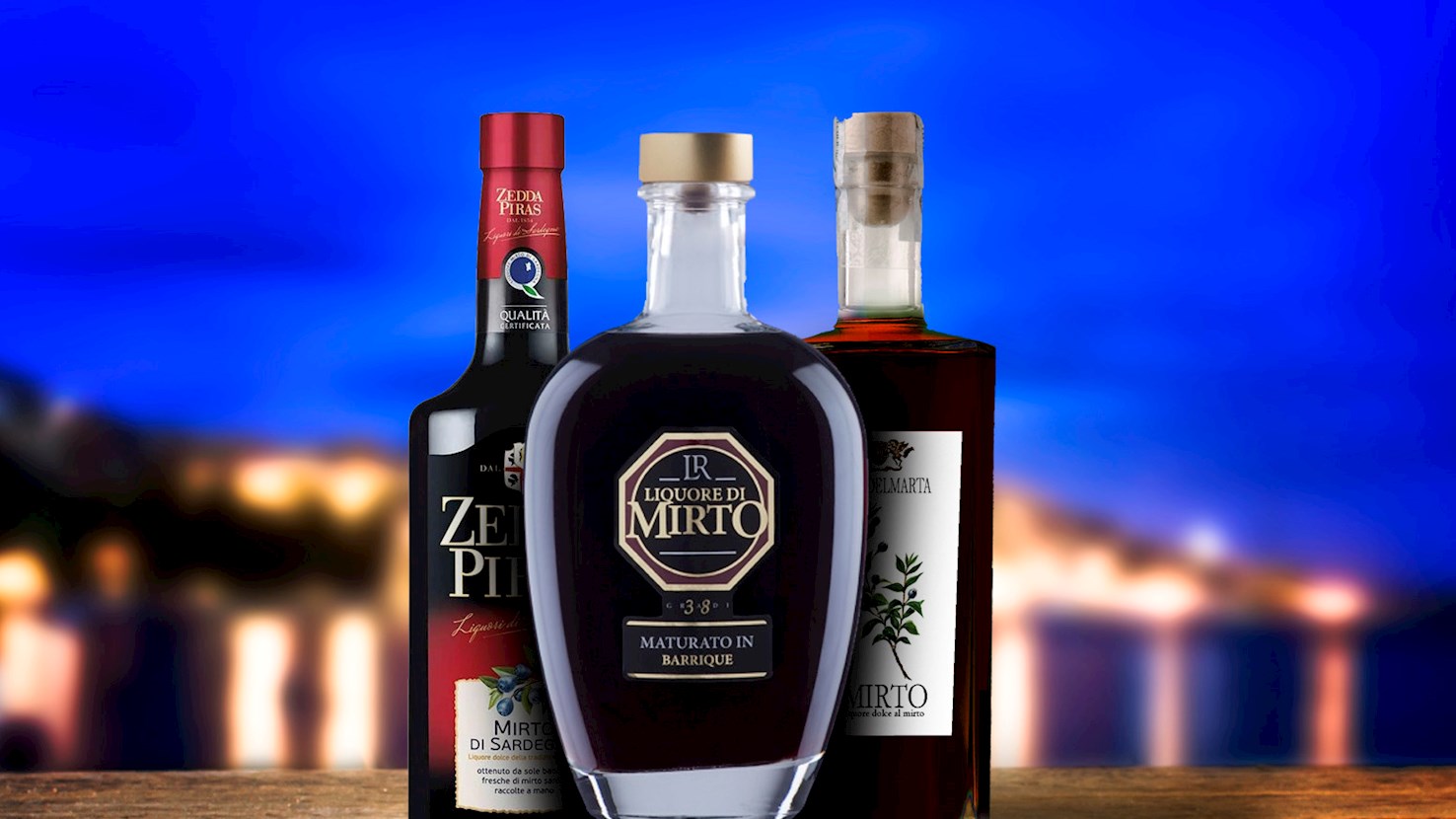
Liquore di mirto is a sweet liqueur typical for Sardinia, though it also found in other parts of southern Italy. It is usually made by macerating red myrtle berries (mirto rosso), sometimes with added myrtle leaves, in alcohol. The berries are usually macerated for several weeks, and then the liquid is strained and sweetened. Before the berries are discarded, they are usually squeezed, and the juice is added to the infusion. The final version is subtly sweet with myrtle and herbaceous aromas. Myrtle liqueur is commonly homemade, but several bottled versions are also available. It is usually enjoyed as an aperitif, digestif, or a cocktail ingredient. If served neat, it should always be well chilled. Apart from the red myrtle liqueur, some varieties are made with white (bianco) berries or only with myrtle leaves.

05

Ginjinha

4.0 ·

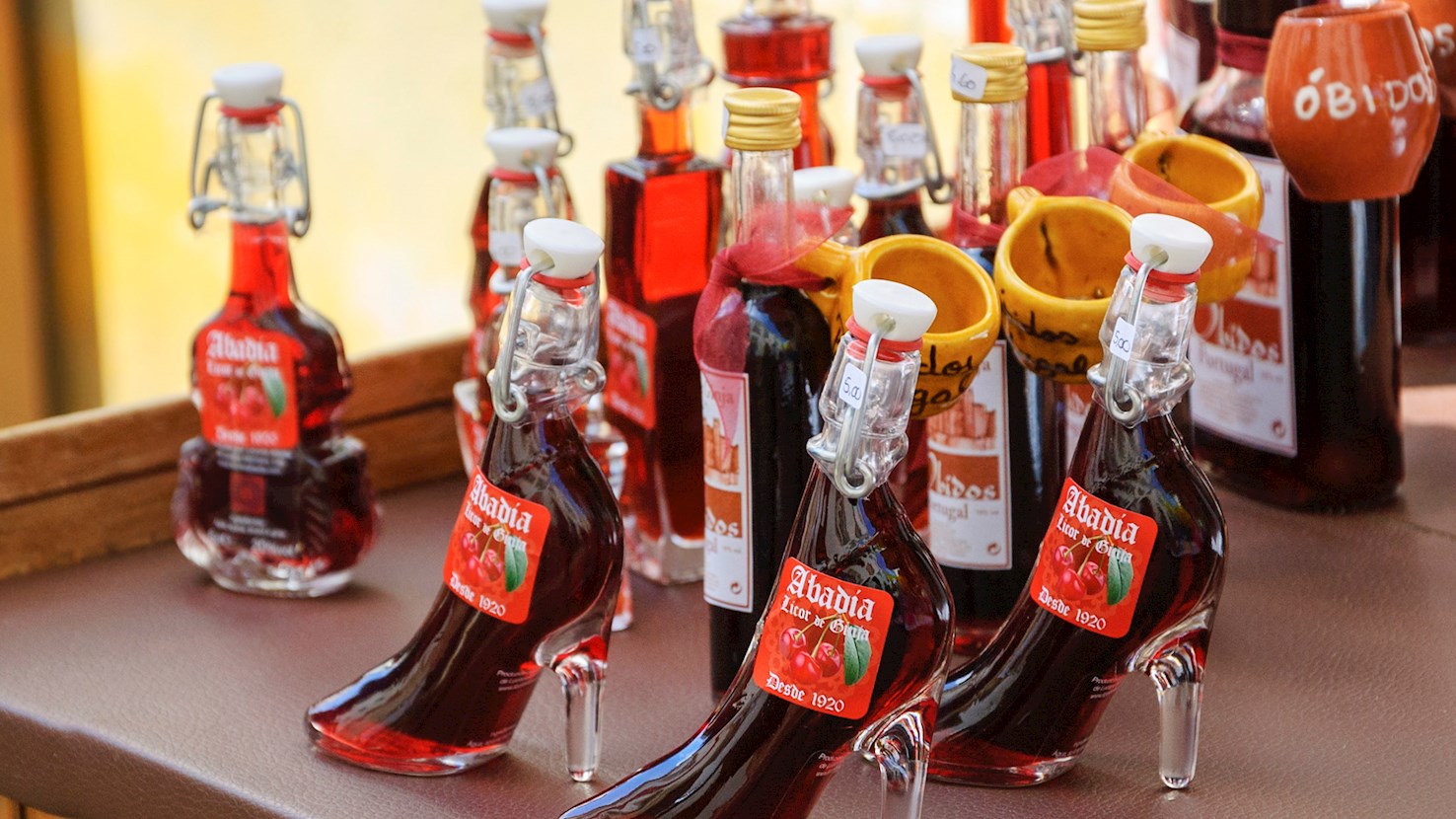
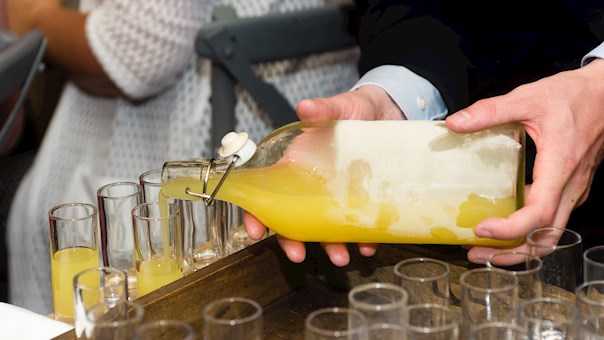
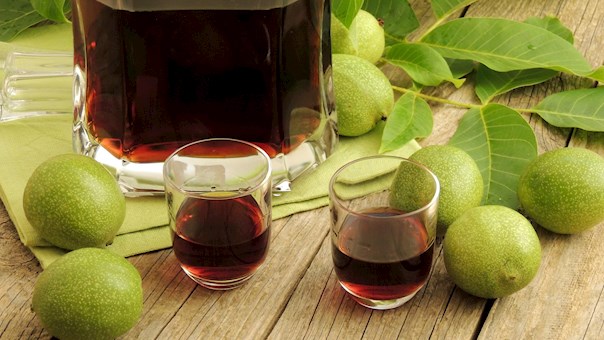
Ginjinha (Ginja) is a traditional sour cherry liqueur that is mostly associated with Óbidos and Alcobaça, but the drink is enjoyed throughout the country, and it is also especially popular in Lisbon and Algarve. The creation of the liqueur was inspired by the ancient recipes of Cistercian monks, and only fresh, natural products should be used, with no artificial preservatives. The liqueur is typically ruby red, subtly sweet with strong cherry aromas. It is best served as an aperitif or a digestif, preferably neat, in shot cups, and with or without the alcohol-soaked cherry. Ginja can also work well in cocktails and remains a true hallmark of the region. It is greatly appreciated by locals and foreigners alike.

06

Armagnac

4.0 ·

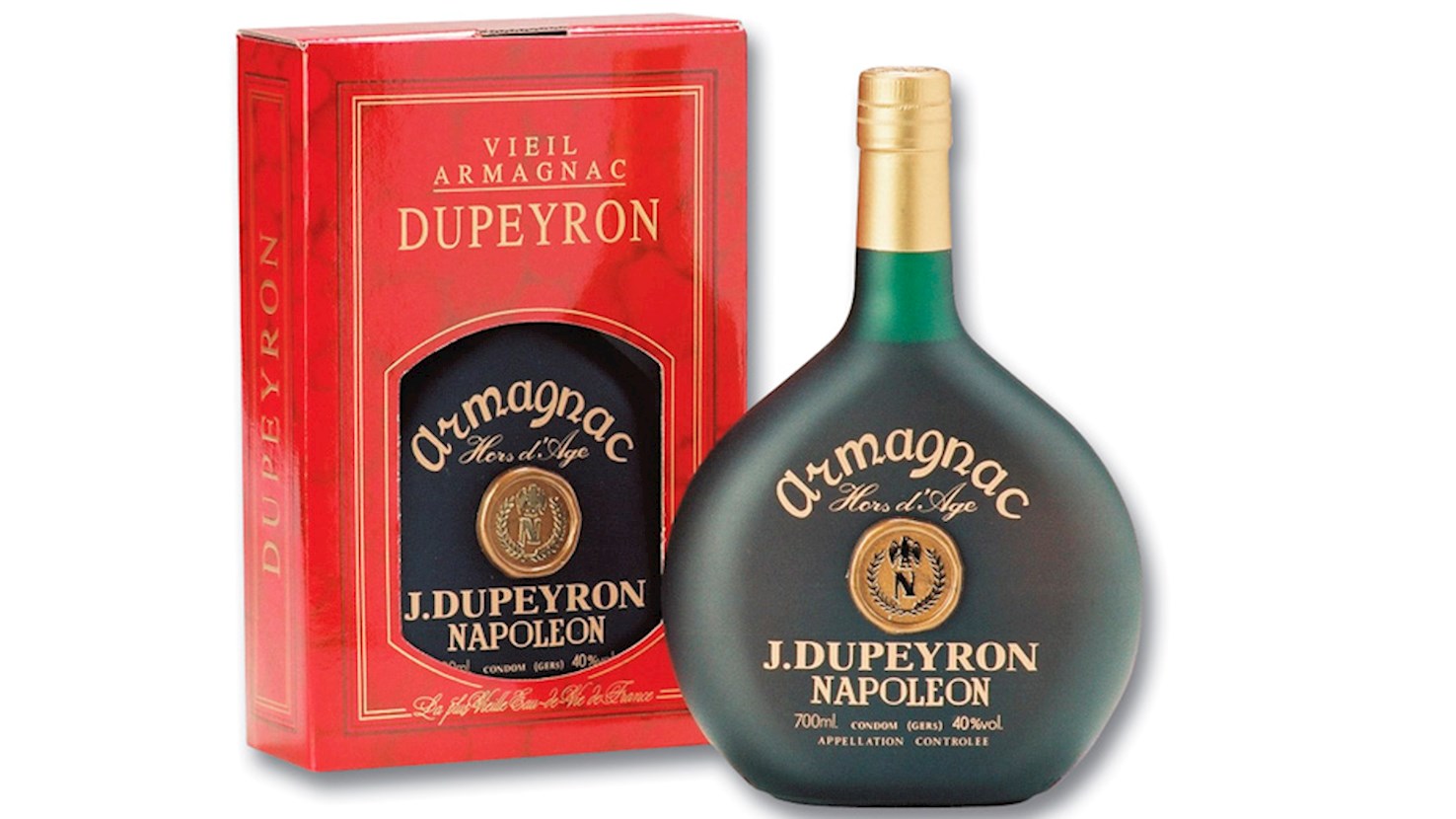
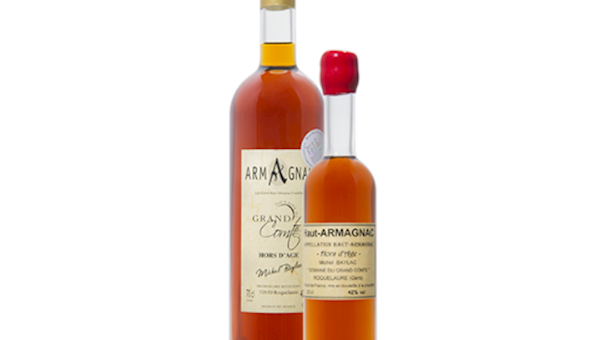
Considered to be one of the first grape brandy varieties produced in France, Armagnac originated in Gascony, a historic area now divided between the regions of Nouvelle-Aquitaine and Occitanie. The first written records on Armagnac date back to the 15th century, when it was mainly used as a stomach remedy. Although the predominant grape is Ugni Blanc, ten different grapes are allowed in its production, and since the 19th century, Armagnac is almost always distilled once. The final blend is then aged in oak casks for a minimum of two years. Maturation provides Armagnac with the signature complex flavor, and while young varieties show vanilla and honey notes, matured versions are typically characterized by the flavor of roasted nuts, licorice, and tobacco. Armagnac is best enjoyed as a digestif, served in a wide brandy snifter glass.

07

Frangelico

4.0 ·

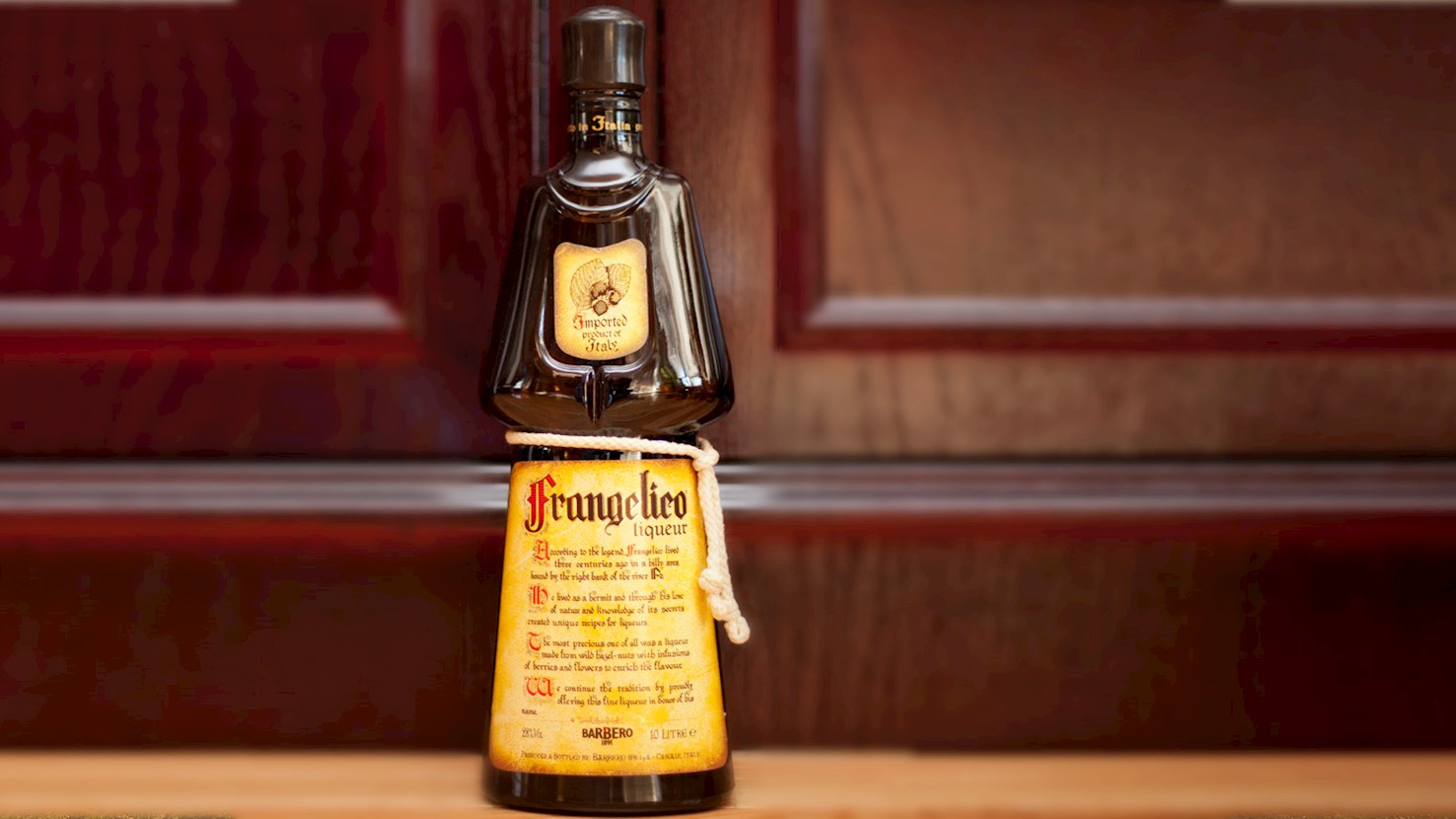
This pale gold liqueur is distilled from a hazelnut infusion which is blended with various flavoring agents such as vanilla, chocolate, or coffee. The base concentrate is then combined with alcohol, sugar, and water before it is left to age. Frangelico is a well-balanced, sweet liqueur, characterized by its strong hazelnut, chocolate, and vanilla aromas. The story of its origin is mainly associated with Christian monks who resided in Piedmont and were allegedly the first to produce hazelnut distillates. The original shape of the bottle, reminiscent of monks’ habit, and its name were also inspired by a similar legend of a hermit monk named Fra’ Angelico. The drink is mainly enjoyed neat and paired with coffee or espresso, but it can also be served on the rocks, or incorporated into cocktails and long drinks.

08

VSOP Cognac

4.0 ·

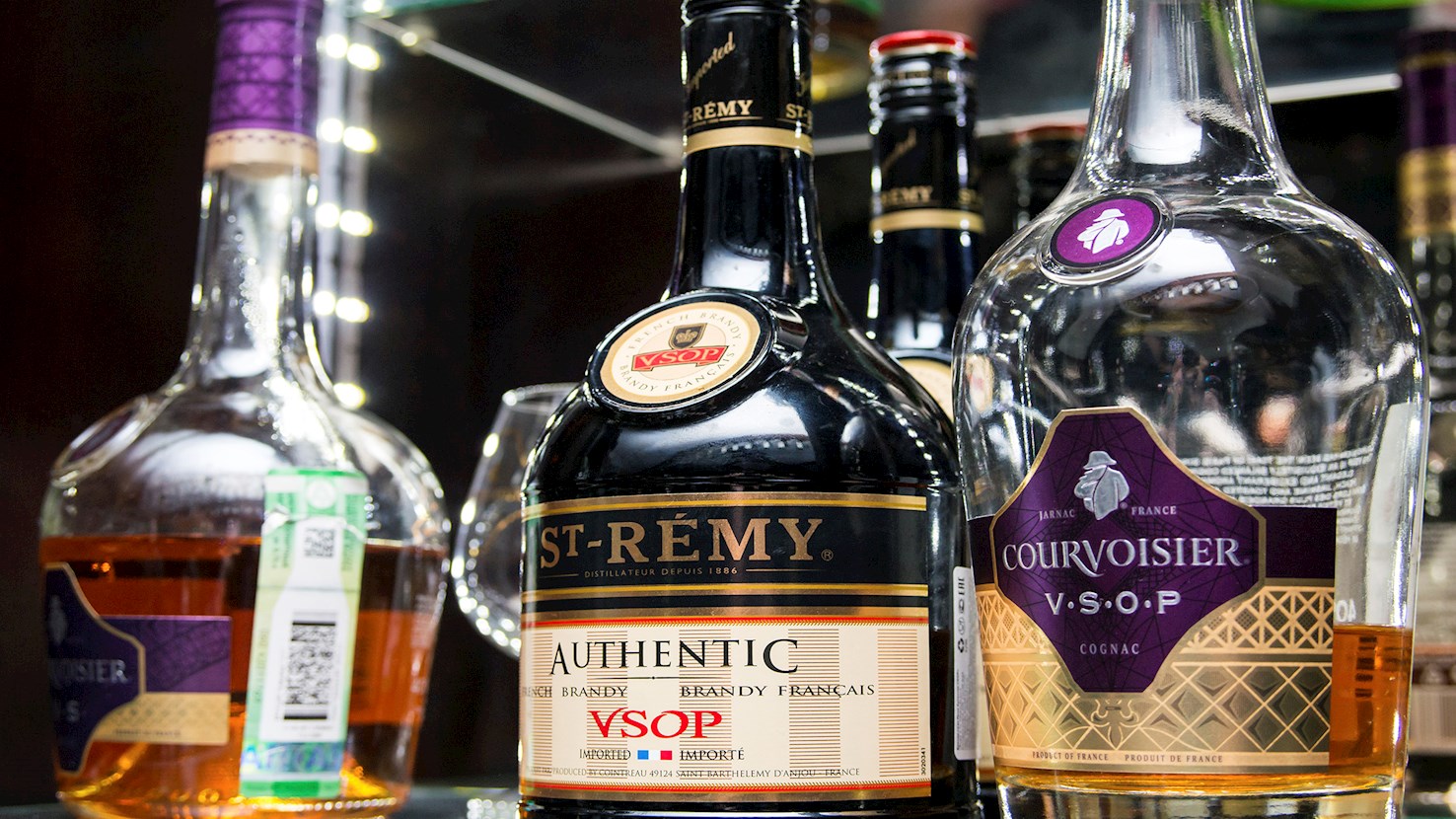
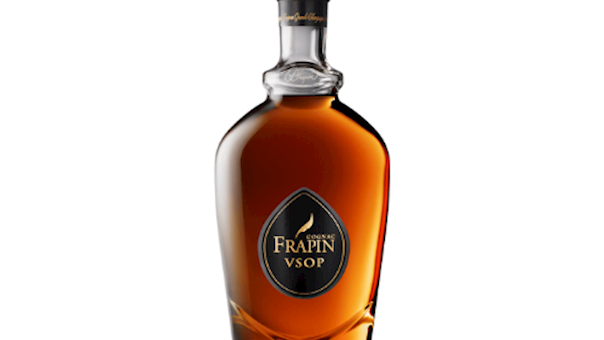
Very superior old pale is a Cognac category whose blend is aged for at least four years—which means that the youngest brandy mixed in the blend is four years old, while the others can be aged for longer. VSOP is both lively and serious, and it can be enjoyed on its own, preferably slowly sipped from a snifter glass, but it also incorporates well into mixed drinks and cocktails.

09

Amaretto

3.9 ·

This classic liqueur is made with different combinations of neutral spirits, caramel, sweet or bitter almonds, various herbs, spices, and occasionally apricot kernel oil. Though its name stems from the Italian amaro, meaning bitter, amaretto is characterized by its sweet almond flavor and hints of bitter notes. It can be served neat, over ice, with lemon juice or coffee. Amaretto is often used in the preparation of various desserts, while the most popular amaretto-based cocktails include Godfather, Amaretto sour, Almond kiss, and Nutcracker Martini. The history of amaretto is closely associated with Saronno, and it is believed that the first version appeared in the 16th century. Apart from Italy, notable amaretto producers can be found in the Netherlands and the United States.

10

Chartreuse

3.8 ·

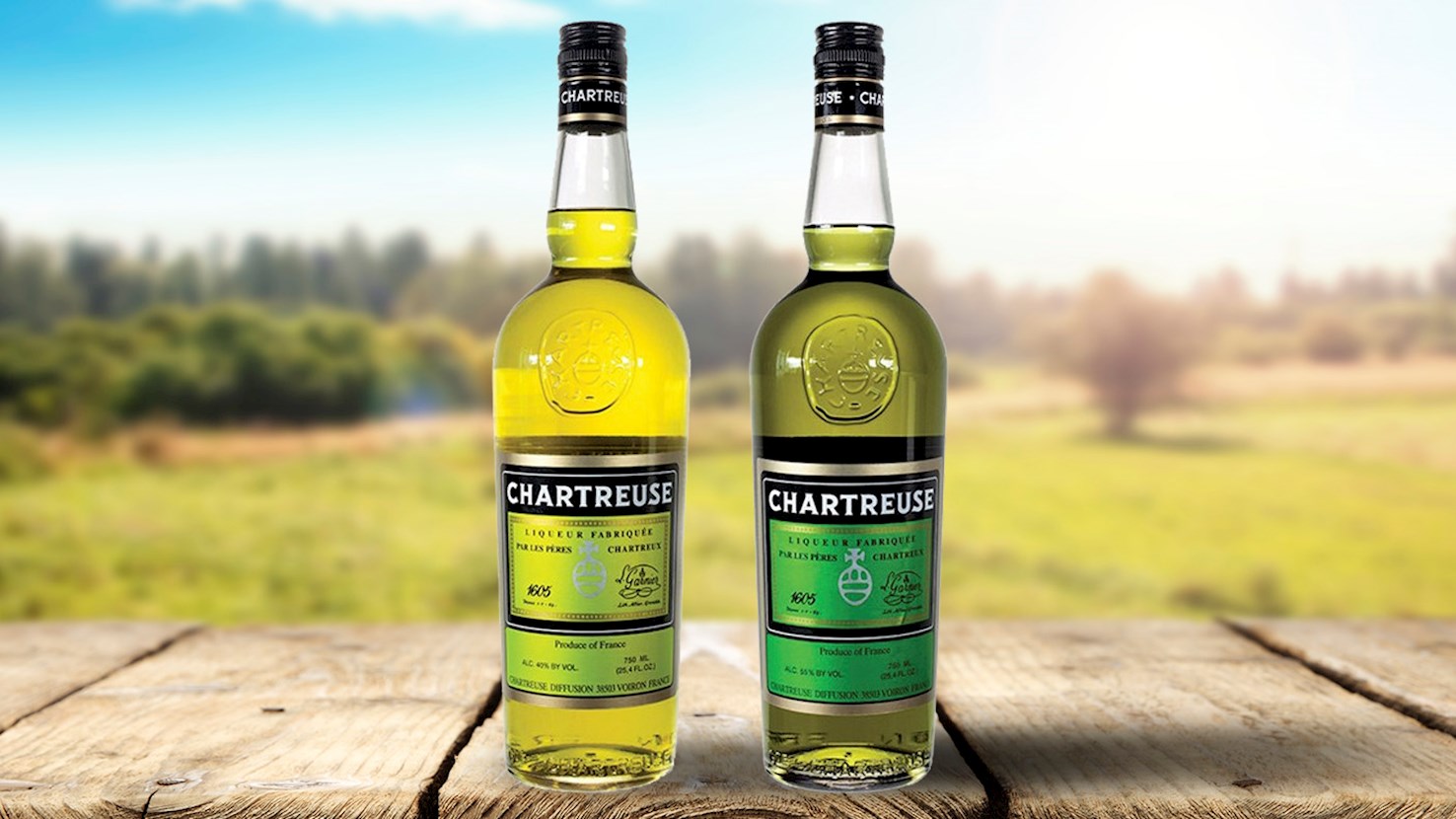
Chartreuse is one of the oldest and most popular French liqueurs. It is believed that the drink originates from an ancient manuscript that was sent to the Grande Chartreuse monastery at the beginning of the 18th century. In 1764, the Carthusian Monks decoded the paper and produced the first version of a health elixir that was mostly used as a medicine. The monks then adapted the recipe in 1840 to create the original Green Chartreuse—the first version of Chartreuse liqueur that is still prepared following a secret formula that includes around 130 herbs, spices, and other botanicals. The macerate is distilled and then aged in oak casks. Chartreuse comes in several varieties, including the original Green Chartreuse (55% ABV) characterized by its complex herbal and floral aromas. Yellow Chartreuse (43% ABV) is produced in the same manner, but it results in a slightly milder and sweeter drink due to the use of different herbs. Chartreuse is best appreciated as a digestif, served neat or on the rocks. It can also work well as a cocktail ingredient. Limited editions of the drink included various flavored versions such as orange, anise, or myrtle.

Best Western European Spirits and Liqueurs
01

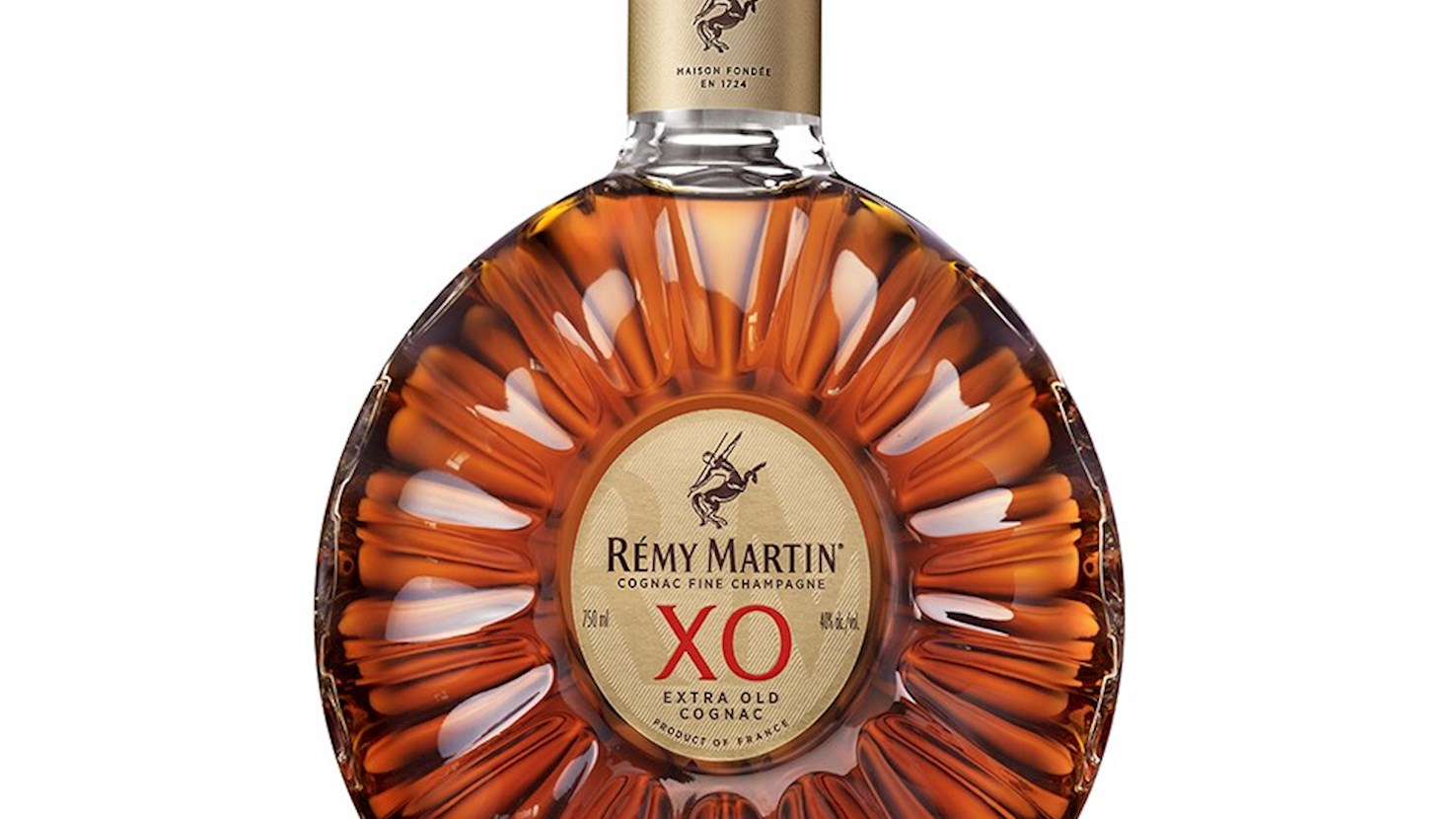
Rémy Martin

5.0 ·
Awards
SFWSC - San Francisco World Spirits Competition - Double Gold (2024, 2023)
SWSC - Singapore World Spirits Competition - Double Gold (2023)
02

Fundador

5.0 ·

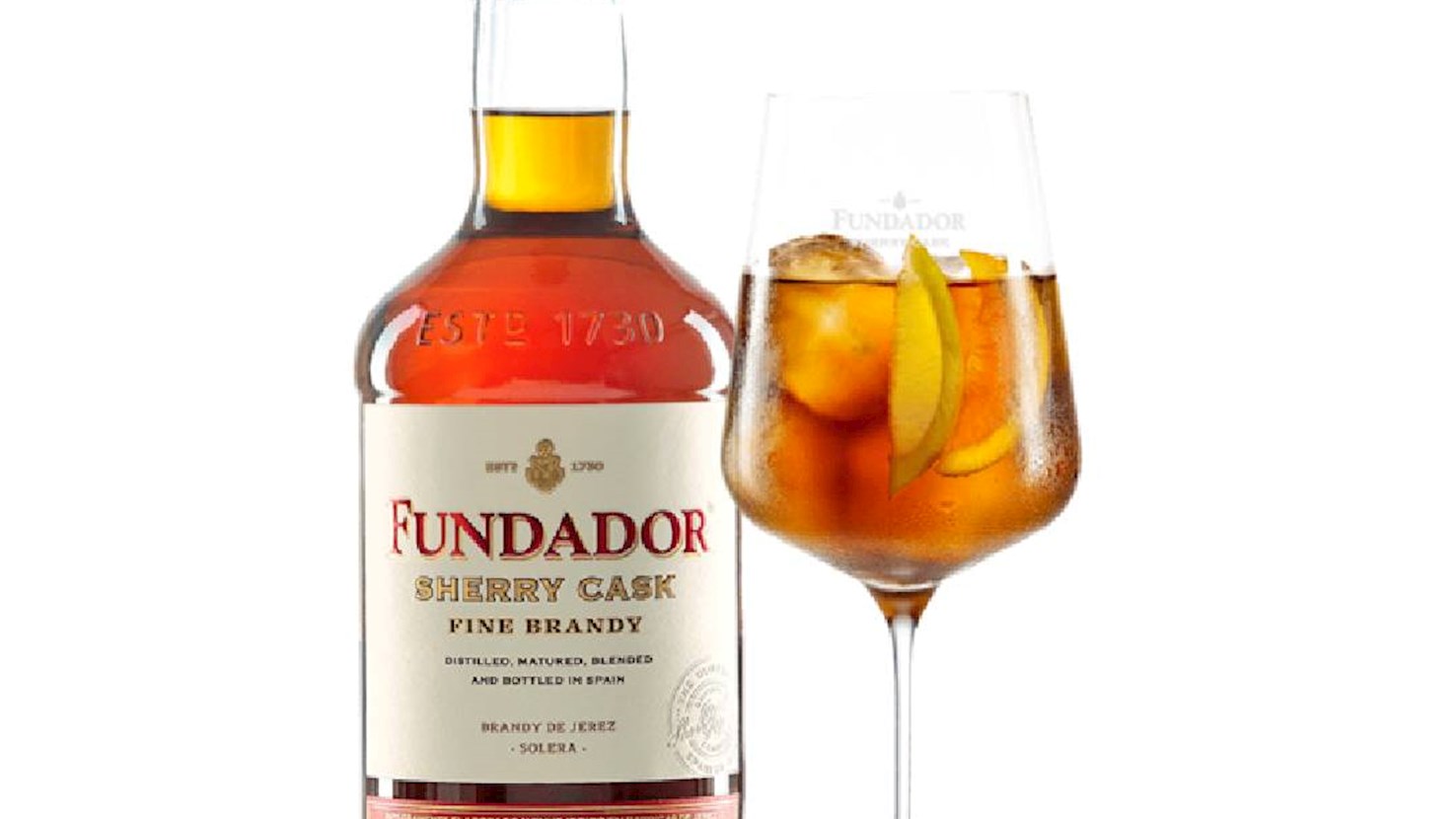
Fundador is a distinguished Spanish brandy producer, renowned for crafting the first Brandy de Jerez. Established in 1730, it stands as the oldest bodega in Jerez, Spain, with a rich history spanning nearly three centuries.

The brand's legacy began in 1874 when it introduced Fundador, the inaugural Spanish brandy, marking a significant milestone in the spirits industry. Over the years, Fundador has maintained its commitment to quality and tradition, producing brandies aged in Sherry Casks that previously held some of the finest sherry wines. Today, Fundador continues to be a leader in the production and exportation of Brandy de Jerez, offering a diverse range of products that honor its storied heritage while embracing innovation.

Awards
SFWSC - San Francisco World Spirits Competition - Double Gold (2024, 2023)
ISC-International Spirits Challenge - Double Gold (2022, 2021, 2019)
03

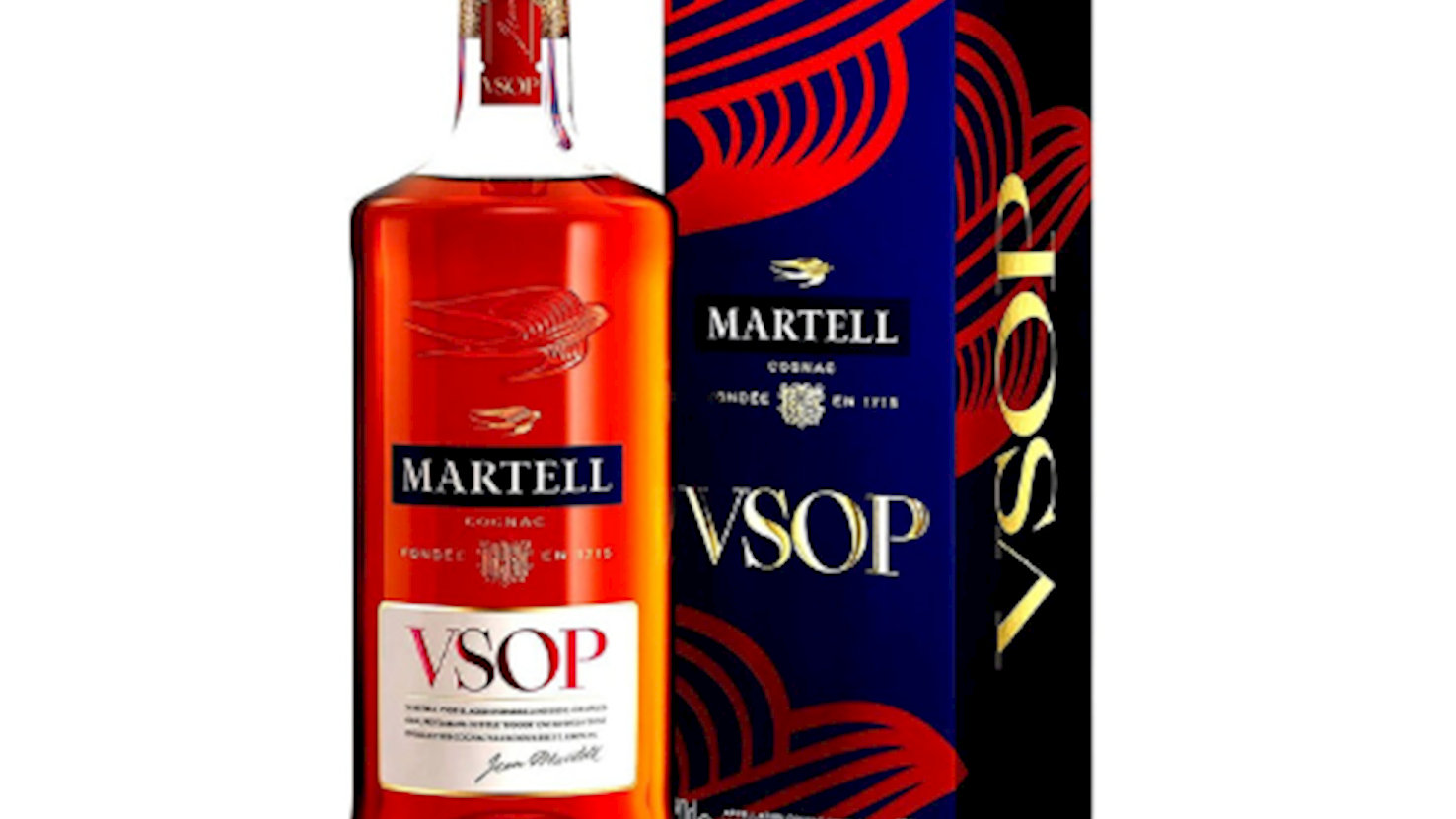
Martell

5.0 ·

Martell is one of the oldest and most prestigious cognac houses, founded in 1715 in Cognac, France. Known for its expertise, Martell uses grapes from the finest vineyards and traditional double distillation methods.

Their portfolio includes iconic cognacs like Martell VS, VSOP, Cordon Bleu, and XO. Visitors can explore the brand’s rich history, book tours, and enjoy tastings at their distillery in Cognac.

Awards
SFWSC - San Francisco World Spirits Competition - Double Gold (2024, 2023)
SWSC - Singapore World Spirits Competition - Double Gold (2023)
04

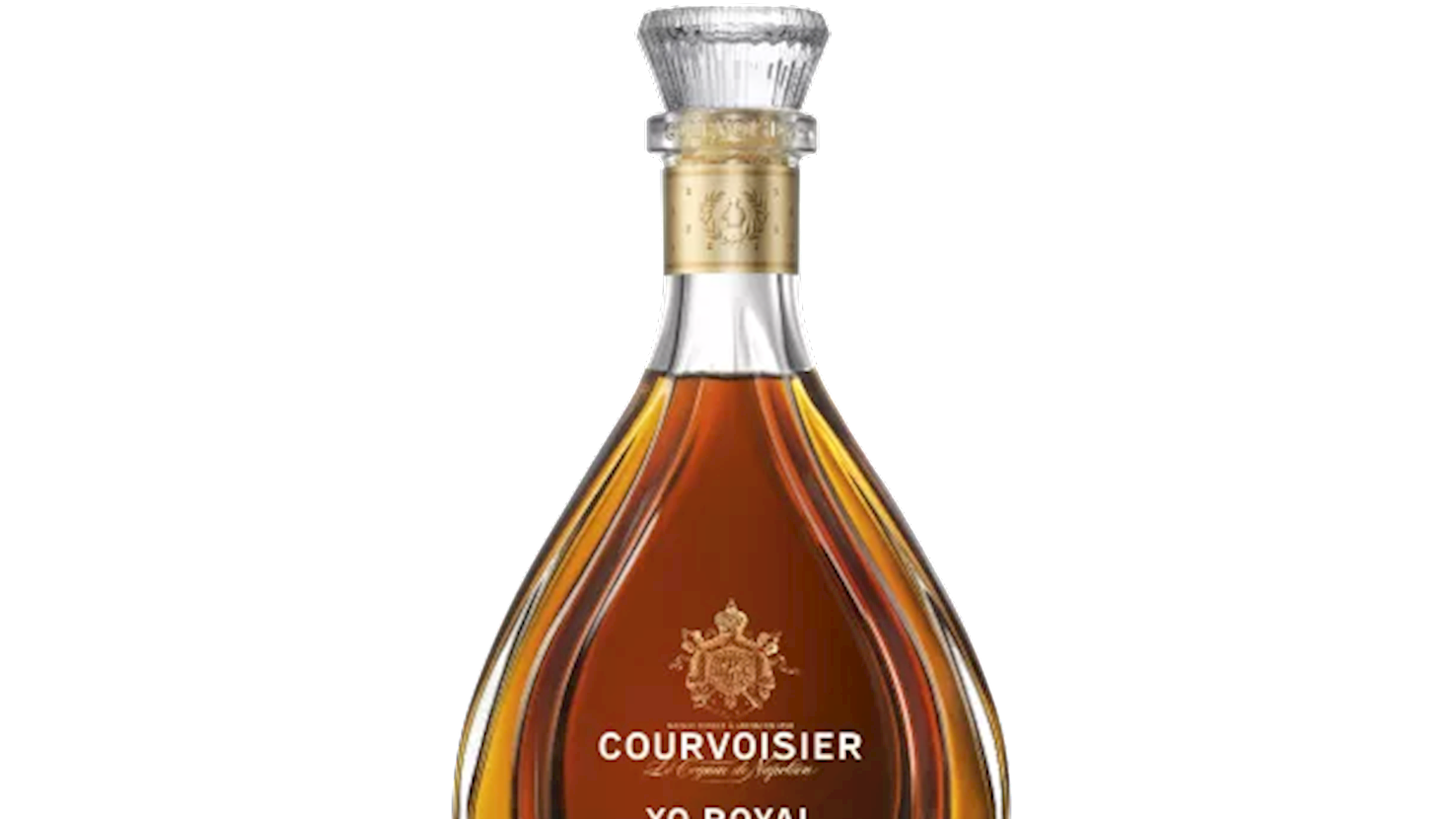
Courvoisier

5.0 ·

Courvoisier is a prestigious French cognac producer known for its high-quality craftsmanship and rich history. Founded in the early 19th century, it is located in Jarnac, in the heart of the Cognac region.

Courvoisier blends tradition with innovation, using meticulously sourced grapes and a refined distillation process to create its premium cognacs. The brand has earned a reputation for luxury, often associated with French elegance and heritage.

Awards
SFWSC - San Francisco World Spirits Competition - Double Gold (2024, 2023)
NYWSC - New York World Spirits Competition - Double Gold (2023)
05

González Byass

5.0 ·

González Byass is one of the most important and influential wine houses in Spain, founded in 1835 in Jerez de la Frontera, with a strong identity built on the tradition of Sherry production. Over nearly two centuries, this family-owned company has preserved stylistic continuity while growing into an international group whose portfolio now includes wines, vermouths, and spirits from several Spanish regions.

The best-known symbol of the house is Tío Pepe, one of the most recognizable Fino Sherries in the world, which has largely shaped the global perception of Sherry. González Byass is renowned for its long-standing solera systems, some of which have been operating for more than a century, ensuring consistency of quality and clarity of style across generations.

Its cellars in Jerez, Sanlúcar de Barrameda, and El Puerto de Santa María represent key reference points for understanding the diversity of Sherry, from Fino and Manzanilla to Amontillado, Oloroso, and Pedro Ximénez. The philosophy of the house is based on a balance between respect for tradition and openness to innovation, without compromising the identity of its wines.

Special emphasis is placed on preserving cultural heritage, visible in the architecture of the bodegas and the historical archives that trace the brand’s development. Today, González Byass is seen not only as a wine producer but as an institution of Spanish wine culture.

Its role in the internationalization of Sherry has made the house one of the main ambassadors of Jerez around the world.

Awards
ISC-International Spirits Challenge - Double Gold (2023)
Decanter World Wine Awards - Platinum (2023, 2022, 2020, 2019, 2018)
06

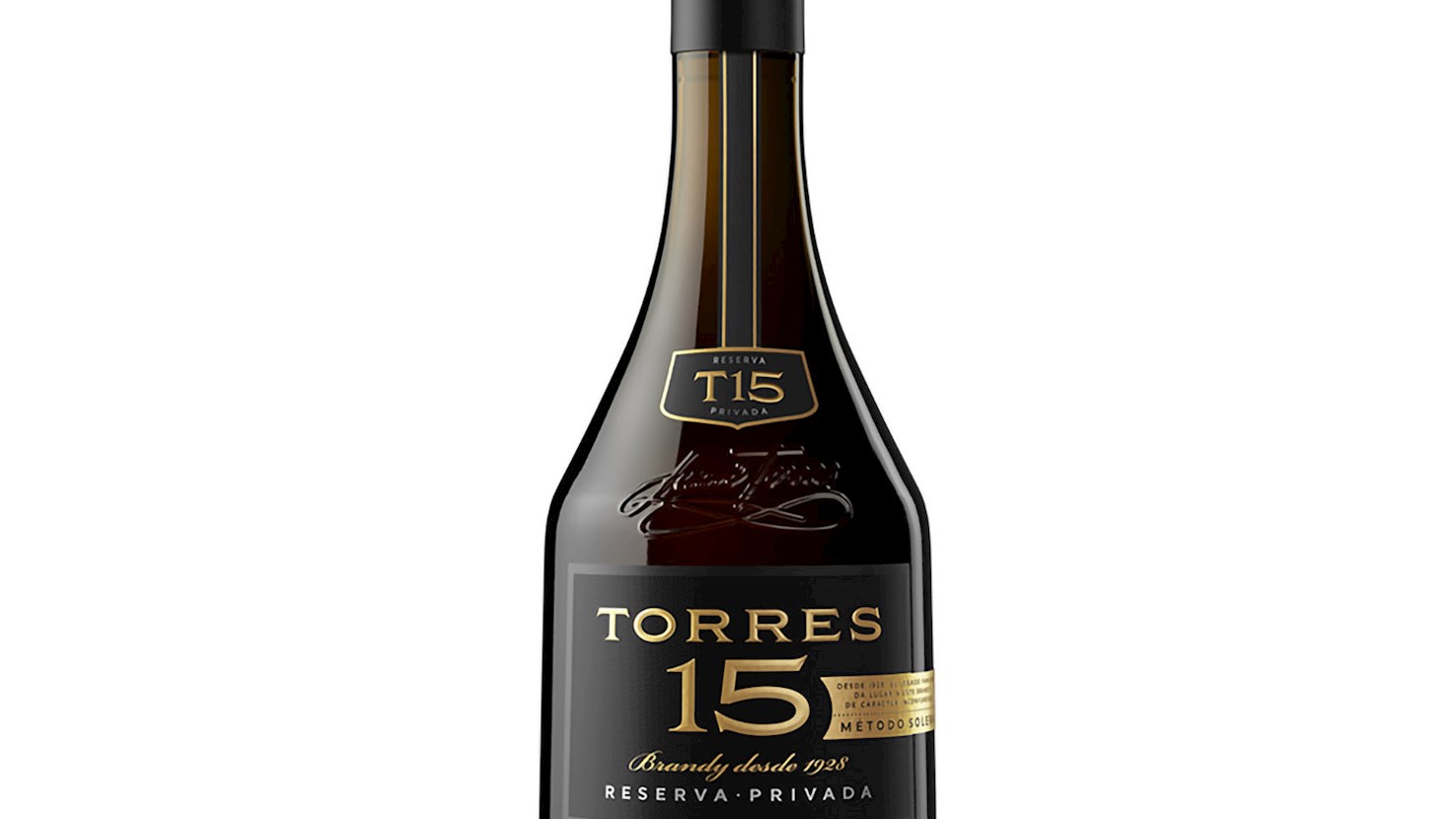
Torres Brandy

5.0 ·

Torres Brandy is a renowned Spanish producer of high-quality brandies and spirits, based in Vilafranca del Penedès, Barcelona. The brand is part of the Torres family legacy, which has been dedicated to winemaking and distillation for generations since 1928.

They are recognized for blending tradition with innovation, producing premium spirits crafted from select white wines and aged meticulously in oak barrels. Their product portfolio includes various expressions of brandy, such as Torres 10, Torres 15, Torres 20, and Jaime I, each representing distinct levels of aging and complexity. These spirits are celebrated worldwide for their rich aromas, smooth textures, and exceptional craftsmanship.

Awards
SFWSC - San Francisco World Spirits Competition - Double Gold (2024, 2023)
ISC-International Spirits Challenge - Double Gold (2019)
07

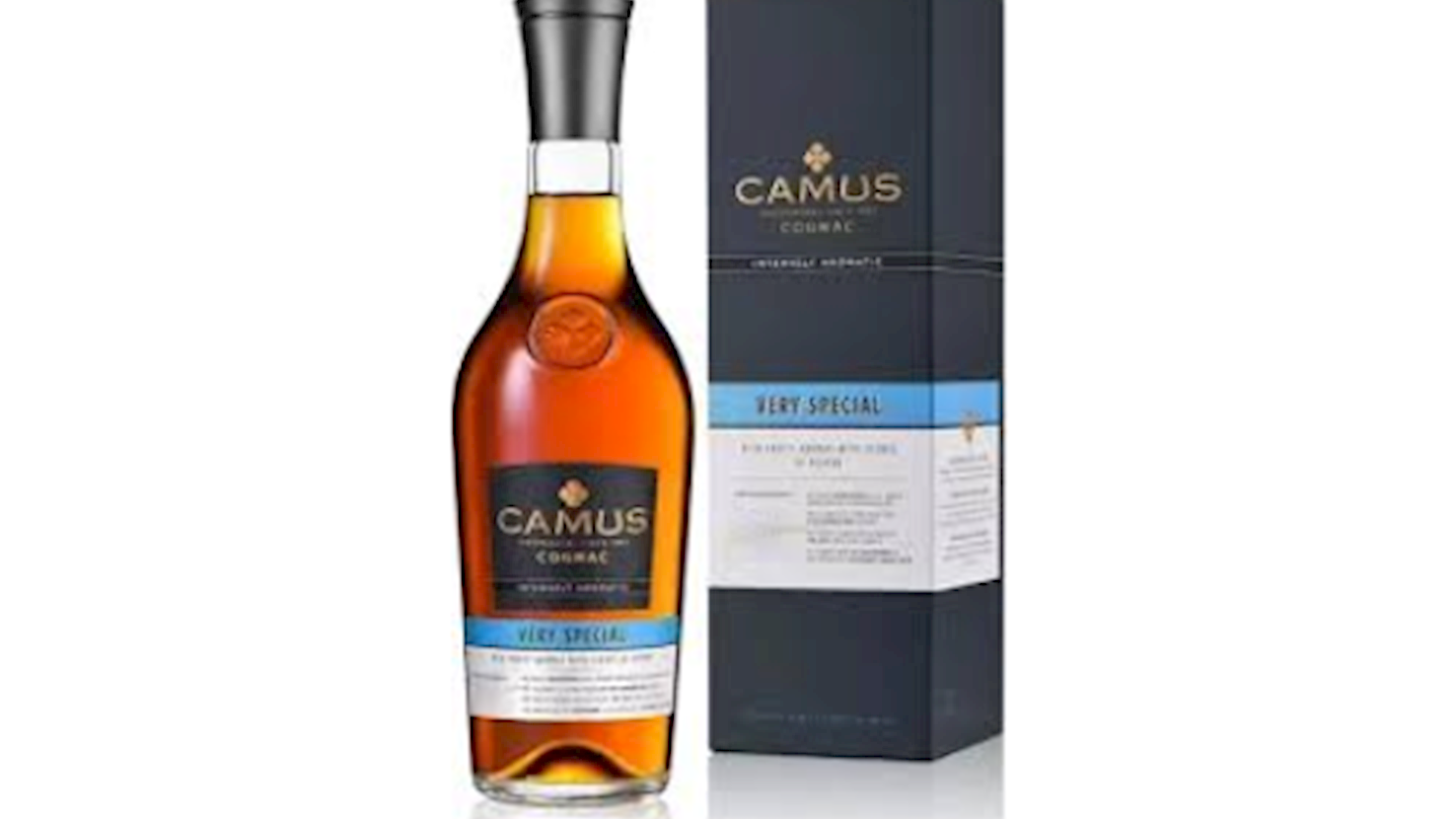
Camus Cognac

5.0 ·

Camus is a historic, family-owned Cognac house founded in 1863 by Jean-Baptiste Camus and still independently run by the same family today, making it the largest family-owned producer in the Cognac region. The house is known for its strong emphasis on aromatic intensity and terroir expression, supported by proprietary techniques such as distillation using non-filtered wines and extended contact with the lees to preserve natural esters.

Camus places particular importance on small-batch distillation and careful aging to enhance fragrance, texture, and complexity. Its portfolio spans classic expressions such as VS, VSOP, XO, and Extra, alongside more terroir-driven and distinctive lines, including Borderies Single Estate Cognac, which highlights the floral character of this rare cru, and Île de Ré Fine Island Cognac, shaped by Atlantic maritime influences.

Innovation plays a key role in the house’s identity, seen in both production methods and limited, high-end releases. Camus positions itself at the intersection of tradition and modern craftsmanship, with a clear focus on aromatic precision and stylistic clarity.

Awards
SFWSC - San Francisco World Spirits Competition - Double Gold (2024, 2023)
The Cognac Masters - Gold (2023)
08

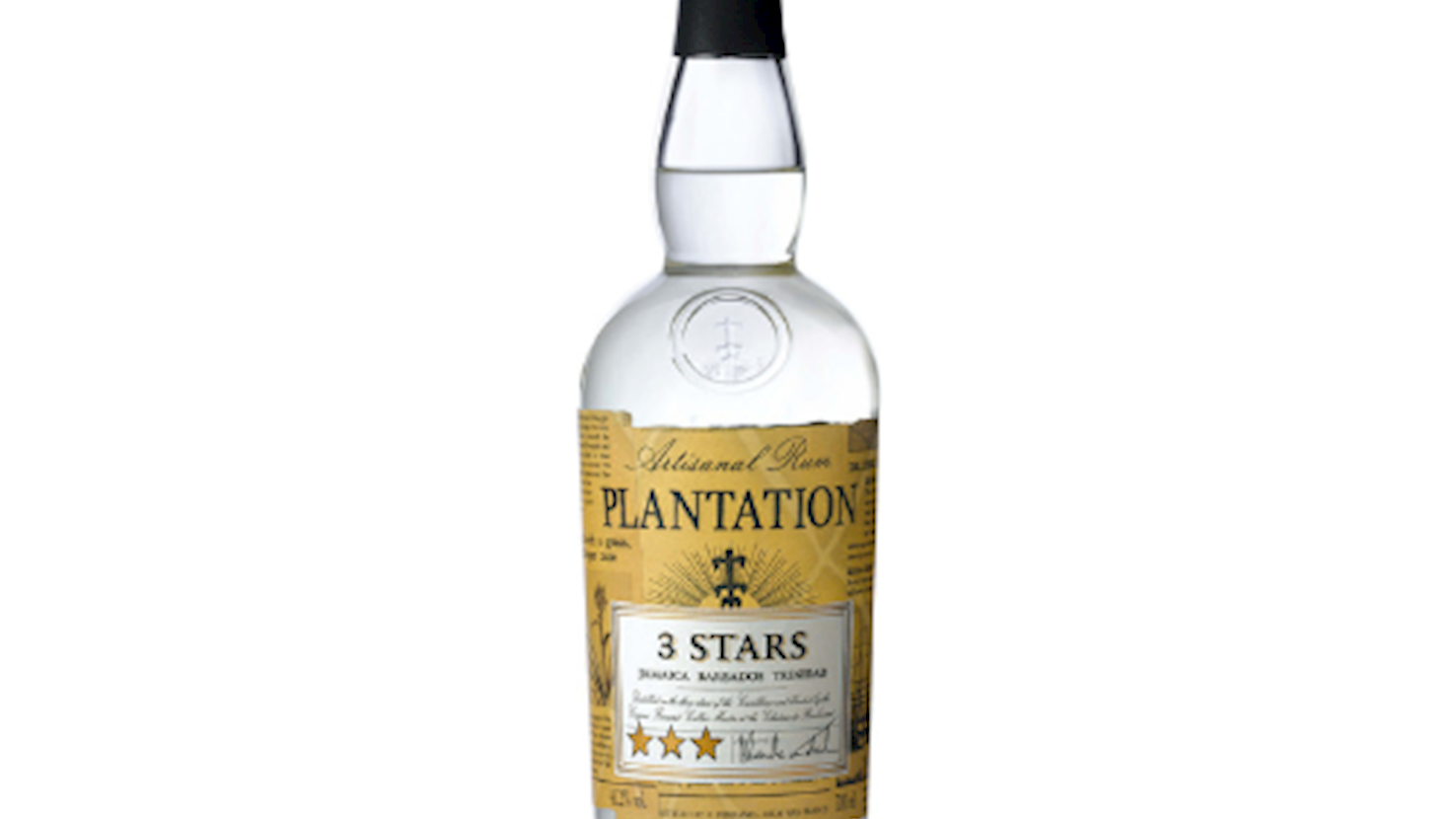
Plantation Rum

5.0 ·

Plantation Rum is a distinguished rum brand known for producing high-quality spirits with a focus on traditional craftsmanship and distinctive flavors. It is part of the Maison Ferrand family, a renowned producer of fine spirits, including cognac.

Plantation Rum is sourced from various regions around the world, including the Caribbean and Central America, where it is distilled using time-honored methods and aged in a combination of tropical and European barrels to enhance its complexity and character. Plantation Rum is celebrated for its range of expressions, from rich, spiced varieties to more delicate, fruity offerings. The rum is crafted to highlight the unique characteristics of the sugarcane and the aging process, with each bottle reflecting the terroir of its origin.

The brand’s portfolio includes various age statements and limited editions, including rare, single-cask releases.

Awards
SFWSC - San Francisco World Spirits Competition - Double Gold (2023)
The Rum & Cachaça Masters - Gold (2023, 2022)
09

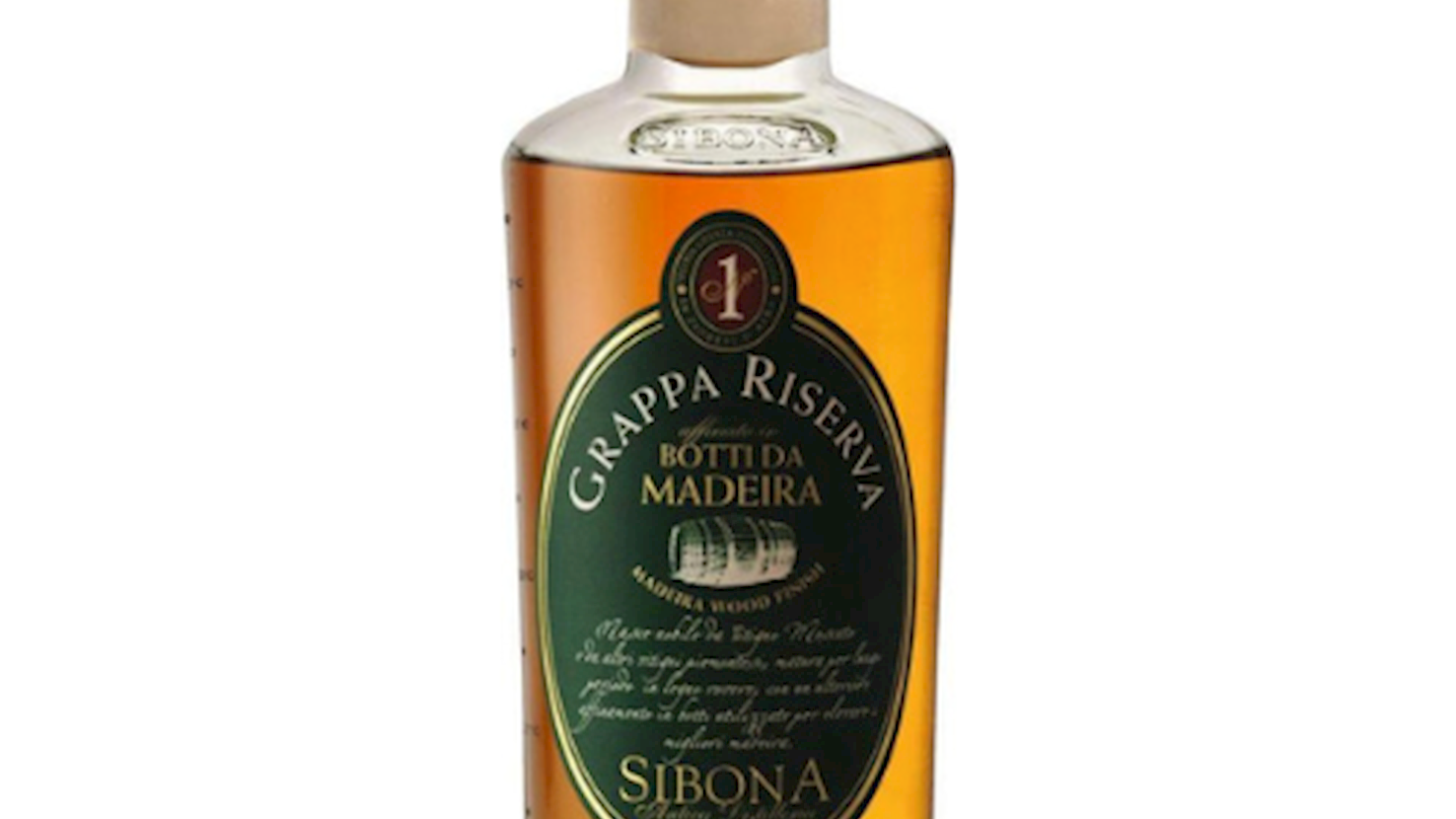
Distilleria Sibona

5.0 ·

Distilleria Sibona is one of the oldest distilleries in the Piedmont region, located in the heart of Roero. It is renowned for its artisanal production of grappa, utilizing fresh pomace from prestigious local wineries.

Sibona holds a unique historical distillation license and prides itself on its deep connection to traditional methods while incorporating modern techniques to ensure high-quality products. Their grappa is aged in various types of barrels, including those used for sherry, port, and whiskey, enhancing the flavor profile and creating distinctive spirits.

Awards
ISC-International Spirits Challenge - Double Gold (2020)
IWSC- International wine & spirit competition - Spirit Gold (2024, 2022, 2021, 2019)
10

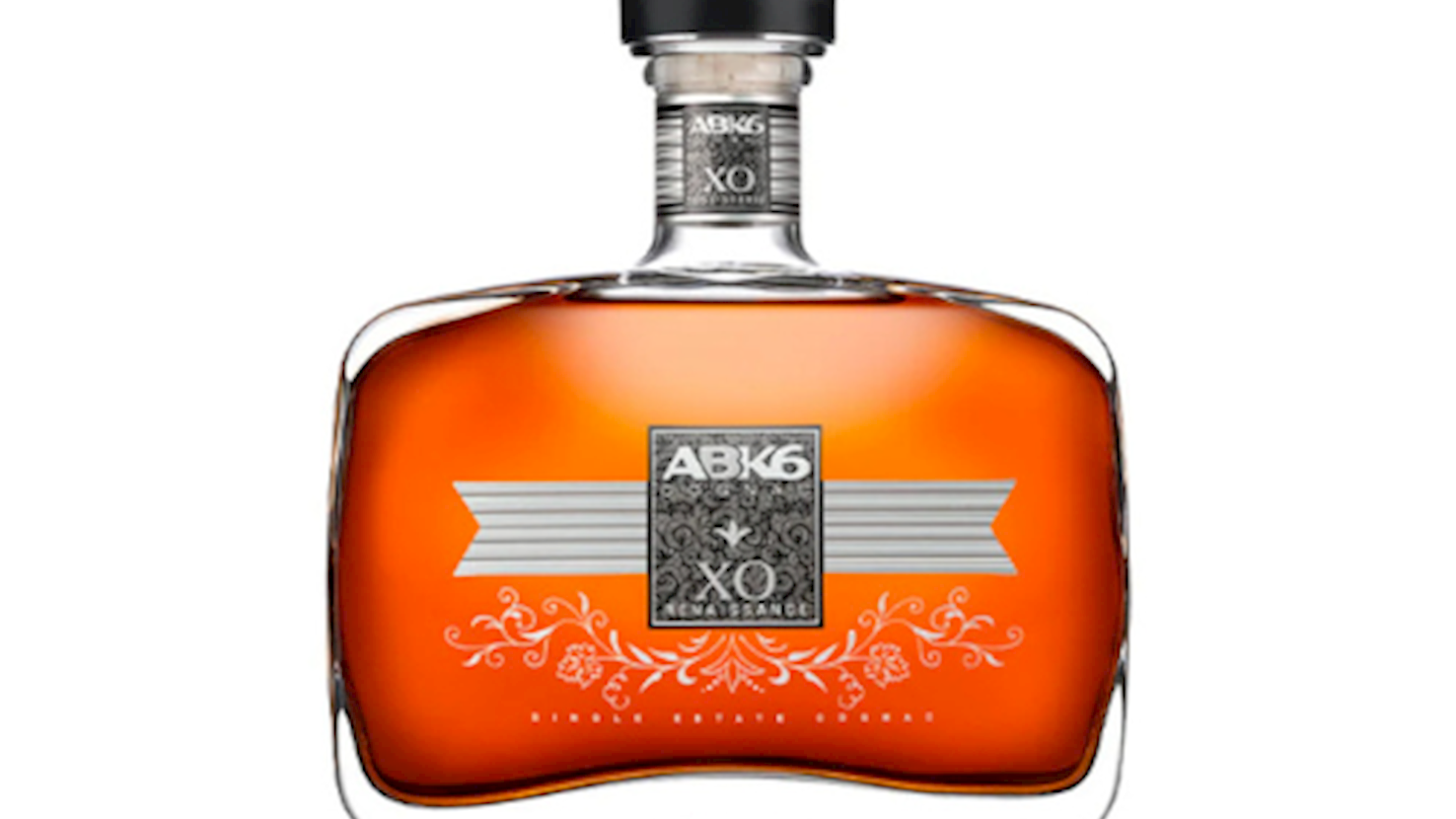
ABK6 Cognac

5.0 ·

ABK6 Cognac is a prestigious brand created in 2005 by Francis Abécassis. The name "ABK6" is a condensed version of the family name and represents the fusion of tradition and modernity.

The brand focuses on producing Single Estate Cognac, meaning the entire process, from vineyard cultivation to bottling, is handled on their own estate. This ensures a unique and high-quality product that reflects the expertise of their Master Blender.

ABK6's offerings include a wide range of cognacs, all crafted with meticulous attention to detail and respect for tradition.

Awards
SFWSC - San Francisco World Spirits Competition - Double Gold (2024, 2023)
World Cognac Awards - Best V.S.O.P. (2021)
Read more
View all
View map
About this ranking

TasteAtlas food rankings are based on the ratings of the TasteAtlas audience, with a series of mechanisms that recognize real users and that ignore bot, nationalist or local patriotic ratings, and give additional value to the ratings of users that the system recognizes as knowledgeable. For the “Top 100 Western European Spirits and Liqueurs” list until July 29, 2026, 3,437 ratings were recorded, of which 2,810 were recognized by the system as legitimate. TasteAtlas Rankings should not be seen as the final global conclusion about food. Their purpose is to promote excellent local foods, instill pride in traditional dishes, and arouse curiosity about dishes you haven’t tried.

The initial list of top producers was compiled based on available reviews, awards, local recommendations, media and blog coverage, and consumer reviews. The list will be updated with ratings from TasteAtlas local ambassadors and TasteAtlas users.

Similar lists