Top 5 Indonesian Spirits

Last updated on June 10, 2026

Best Indonesian Spirits
01

Nusa Caña

4.7 ·
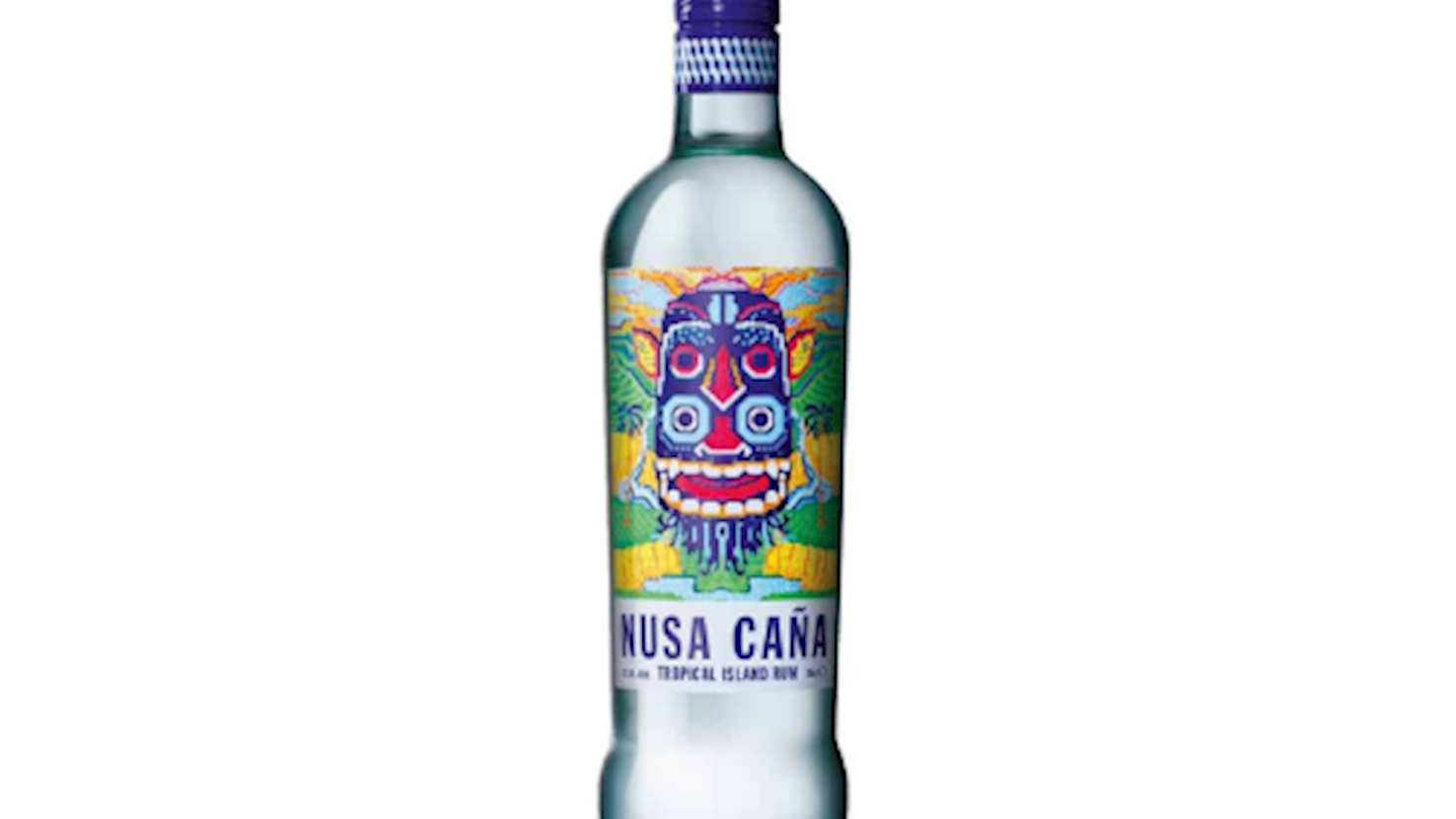
Nusa Caña is an Indonesian rum brand that draws on the country’s long, largely forgotten rum-making heritage, using locally grown sugarcane and traditional fermentation and distillation techniques to craft an authentic island-style spirit. Aged in oak and shaped by Indonesia’s tropical climate, the rum shows clear notes of sugarcane, warm spice, herbs, and subtle fruitiness, reflecting the character of the archipelago. The brand blends this historical identity with a modern, cocktail-oriented approach, offering expressions that range from light and mixable to richer, more aromatic styles suitable for sipping. Positioned internationally, Nusa Caña brings Indonesian terroir back into the global rum scene, presenting a distinctive alternative to Caribbean profiles while celebrating the spirit-making roots of Southeast Asia.
02

Spice Islands Distilling

4.5 ·
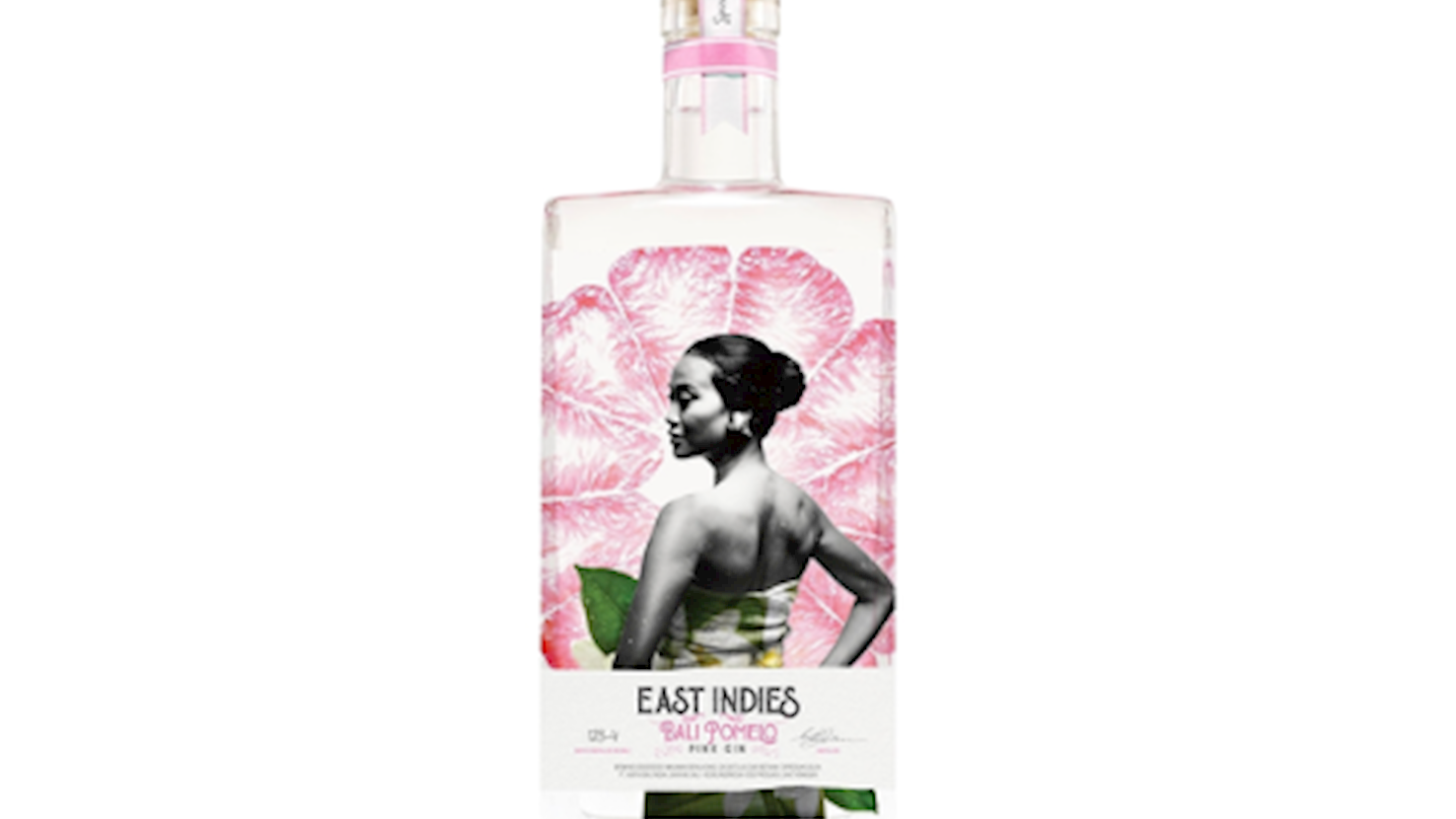
Spice Islands Distilling is a craft distillery based in Bali that relies on local ingredients and traditional techniques to create spirits inspired by the richness of the Indonesian archipelago. Distillation takes place in a handcrafted 550-liter copper still, allowing precise control over the aromatic profile and purity of each distillate. Their portfolio highlights include East Indies Archipelago Dry Gin, which blends classic gin botanicals with Indonesian herbs and spices, and Nusantara Cold Brew, a liqueur built on the depth and aroma of Indonesian coffee. The brand positions itself as a pioneer of craft distillation in Indonesia, emphasizing authenticity, small-batch production, and the use of local raw materials without artificial additives. Their products have earned international recognition, and the distillery’s identity rests on the idea that the spirit of Indonesia - its spices, plants, and terroir - can be captured in modern, high-quality distilled beverages.
Awards
Bartender Spirits Awards - Double Gold (2023)
World Gin Awards - Country Winner (2024, 2022)

Best Indonesian Spirit Types

01

Arrack

3.2 ·

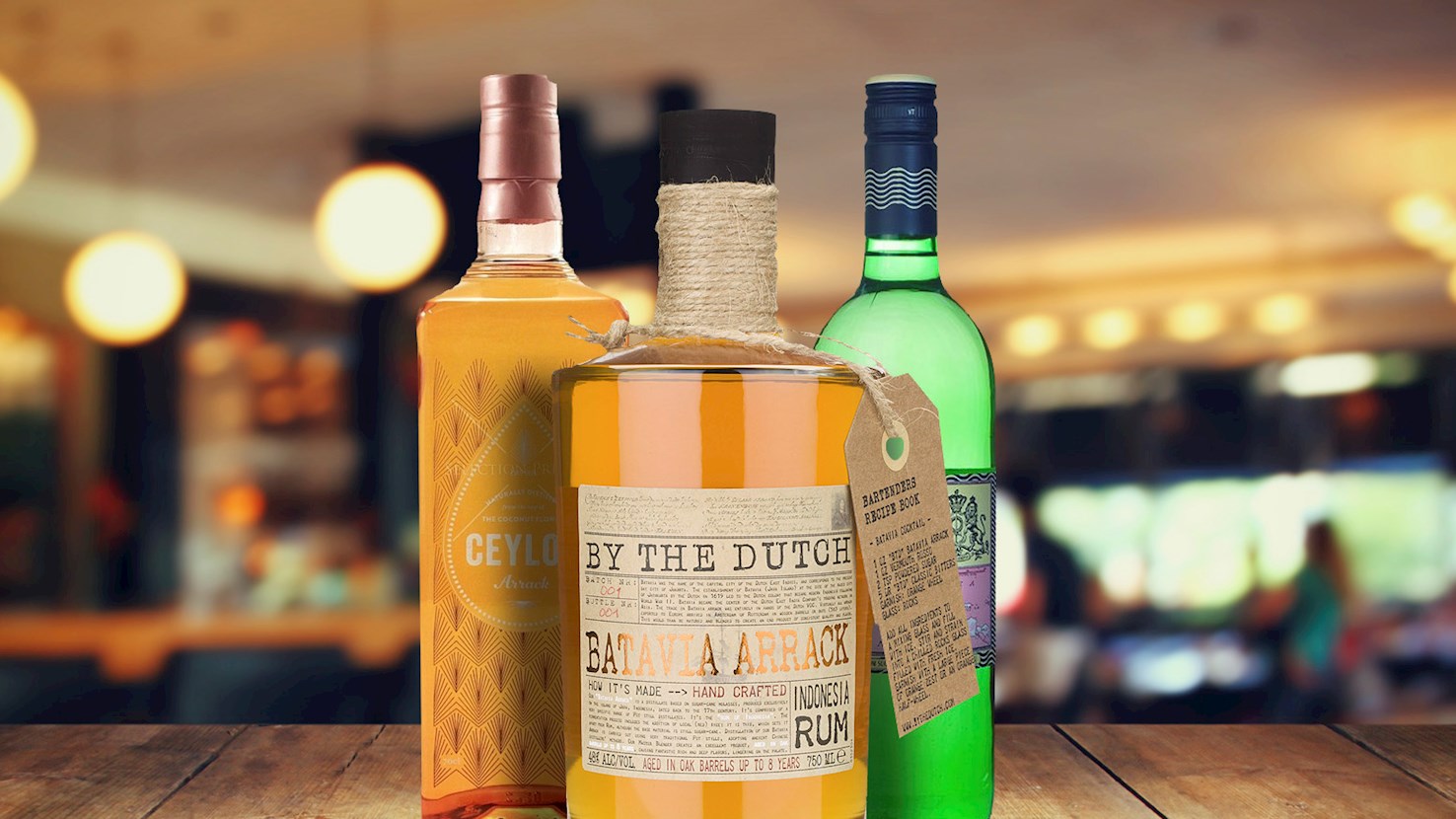
Arrack is a generic term used for a variety of distilled spirits that are often unrelated and can be made from different ingredients. They are found throughout East Indies—predominantly India, Sri Lanka, Indonesia, and the Philippines. The two dominant varieties include Ceylon arrack that is distilled from fermented juice of the coconut palm and Batavian arrack that is made from molasses. The origin of arrack is vague, and though it cannot be precisely stated when and where it was exactly invented, some of the oldest references date back to the 15th century. The reports mention various distillates which were collectively known as arrack. This makes arrack one of the oldest distillates in the world, and certainly a predecessor to all new world spirits such as gin, whisky, or brandy. The etymology of the word is believed to stem from the Arabic arak (perspiration) or areca, a nut from which arrack was produced in India. Although it is not clear, it is presumed that arrack originated in India, which was a result of contact with Arabic or Chinese distillation techniques. Depending on the main ingredients from which it is distilled, arrack can significantly differ in character and style. However, it should not be confused with arak—the anise-flavored distillate usually found in the Middle East.

02

Bali arak

n/a ·

Bali arrack is a traditional Balinese alcoholic beverage made from the fermentation and distillation of palm sap (or palm wine). The production process of Bali arrack involves collecting the sap from palm flowers, which is then fermented and distilled to produce a clear to slightly amber-colored liquor. This spirit has a strong, distinct flavor and a high alcohol content, often consumed in social gatherings, religious ceremonies, and used in traditional medicine. Bali arrack is noteworthy for its traditional artisanal production methods, which can vary from one producer to another, leading to a wide range of flavors and potencies. Some local producers have started to commercialize Bali arrack, focusing on quality and safety standards to cater to both the local and international markets. This includes creating premium versions of the spirit that may be aged or infused with local ingredients such as fruits, herbs, and spices to enhance its flavor profile.

Despite its cultural significance, it's important for consumers, especially tourists, to be cautious about where they obtain Bali arrack due to past incidents of methanol poisoning from improperly distilled spirits.

03

Batavia arrack

n/a ·

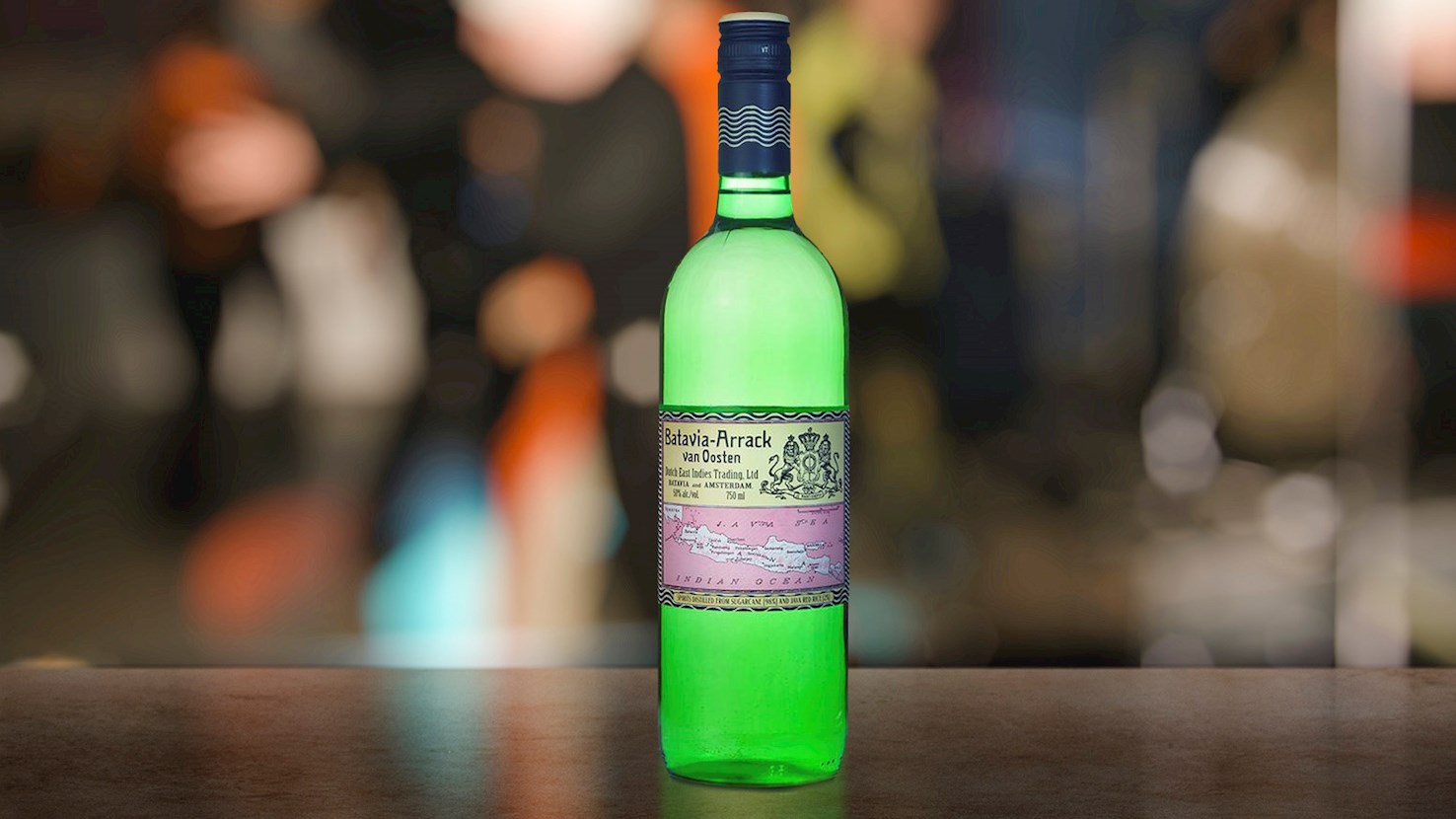
Batavia arrack is a spirit that hails from Java, and it is produced from sugarcane molasses, red rice cakes, and occasionally small amounts of toddy (fermented palm juice). Often compared to rum, the drink is quite potent with herbaceous, nutty, smoky, and subtly spicy flavors and aromas. The exact time when Batavia arrack originated is not known, but it has long been in existence before the Dutch settled East India Company on Java, which makes arrack one of the oldest distillates in the world, and a predecessor to all old world spirits such as gin, whisky, or brandy. The Dutch started exporting arrack and promoting the drink outside its native country, and throughout the 18th and 19th century, Batavia arrack was considered far superior to Caribbean rum, but it was later overshadowed by its counterpart. In the past, arrack was mainly used as the base for punch, but recently it has been promoted as a suitable cocktail ingredient. It is also the base for punsch, traditional Swedish arrack-based liqueur. The name Batavia stems from the old colonial Dutch name for Jakarta.

04

Sopi

n/a ·

Sopi is a traditional distilled alcoholic beverage from East Nusa Tenggara (NTT), Indonesia, particularly popular among the Timorese and other indigenous communities in the region. It is made from the fermented sap of the lontar palm tree (Borassus flabellifer), similar to other palm-based liquors found across Southeast Asia. The process of making sopi starts with tapping the sap from the lontar palm, which is collected in bamboo containers. The fresh sap, known as nira, naturally ferments due to the presence of wild yeast, creating a mild alcoholic beverage. To increase its potency, the fermented liquid undergoes distillation, resulting in a strong, clear liquor with an alcohol content that can range between 30% and 50% ABV, depending on the distillation process. Sopi is deeply rooted in local traditions and is often consumed during ceremonial events, social gatherings, and cultural rituals. It is considered a symbol of hospitality and is commonly shared among family and friends. In some regions, sopi is also used in traditional medicine or mixed with herbs for added health benefits. Due to its high alcohol content and home-based production methods, sopi is sometimes compared to other regional distilled spirits like lambanog from the Philippines,arak from Bali, and lao-lao from Laos. Despite being a locally made liquor, it remains largely unregulated, and its production varies in quality and strength.

05

Tua Sabu

n/a ·

Tua Sabu is a traditional alcoholic beverage from Sabu Island, located in East Nusa Tenggara, Indonesia. It is a type of palm wine made from the fermented sap of the lontar palm tree (Borassus flabellifer). The drink is deeply embedded in the culture of the Sabu-Raijua people, often consumed during social gatherings, traditional ceremonies, and religious rituals. The production process begins by tapping the sap from the lontar palm tree, which is collected in bamboo containers. The fresh sap, known as "nira", has a naturally sweet taste and a low alcohol content. However, after fermentation, it becomes tua Sabu, developing a stronger, slightly sour, and mildly effervescent character. The alcohol content varies but can reach up to 30% ABV when distilled into a stronger liquor. Tua Sabu is commonly enjoyed in village celebrations, weddings, and traditional rituals, symbolizing hospitality and unity among the local people. It is similar to other Southeast Asian palm wines like lambanog from the Philippines, toddy from India, and arak from Bali.

Read more
View all
View map
About this ranking

TasteAtlas food rankings are based on the ratings of the TasteAtlas audience, with a series of mechanisms that recognize real users and that ignore bot, nationalist or local patriotic ratings, and give additional value to the ratings of users that the system recognizes as knowledgeable. For the “Top 5 Indonesian Spirits” list until June 10, 2026, 26 ratings were recorded, of which 15 were recognized by the system as legitimate. TasteAtlas Rankings should not be seen as the final global conclusion about food. Their purpose is to promote excellent local foods, instill pride in traditional dishes, and arouse curiosity about dishes you haven’t tried.

The initial list of top producers was compiled based on available reviews, awards, local recommendations, media and blog coverage, and consumer reviews. The list will be updated with ratings from TasteAtlas local ambassadors and TasteAtlas users.

Similar lists