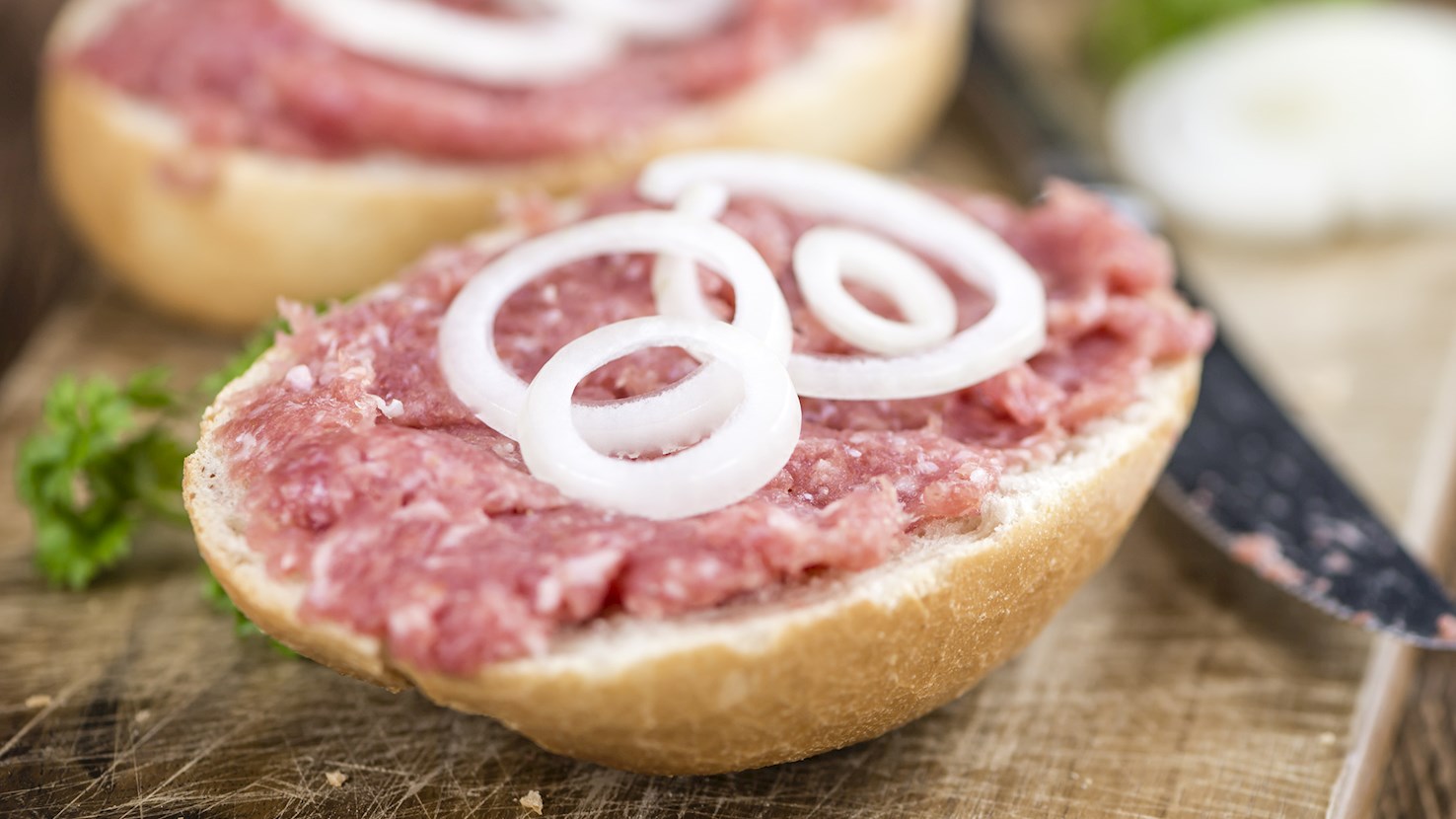
Called hackepeter or mett, this unusual German specialty consists of raw pork mince which is meant to be eaten as it is - fresh and raw. The raw meat is typically seasoned with salt and pepper, though it is usually enhanced with crushed caraway, marjoram, nutmeg, and garlic for added flavor. When raw onions are added to the basic mett, the resulting concoction is called zwiebelmett, while the addition of onions and marjoram makes what is known as a thüringermett. In Germany, seasoned raw pork mince is typically enjoyed slathered over bread rolls (mettbrötchen) or slices of bread, usually sprinkled with raw onion rings on top. Another common way of serving this delicacy is in the form of a mettigel (also known as hackepeterigel or hackepeterschwein), referring to the hedgehog-shaped presentation of mett which was popularized in the 1970s.
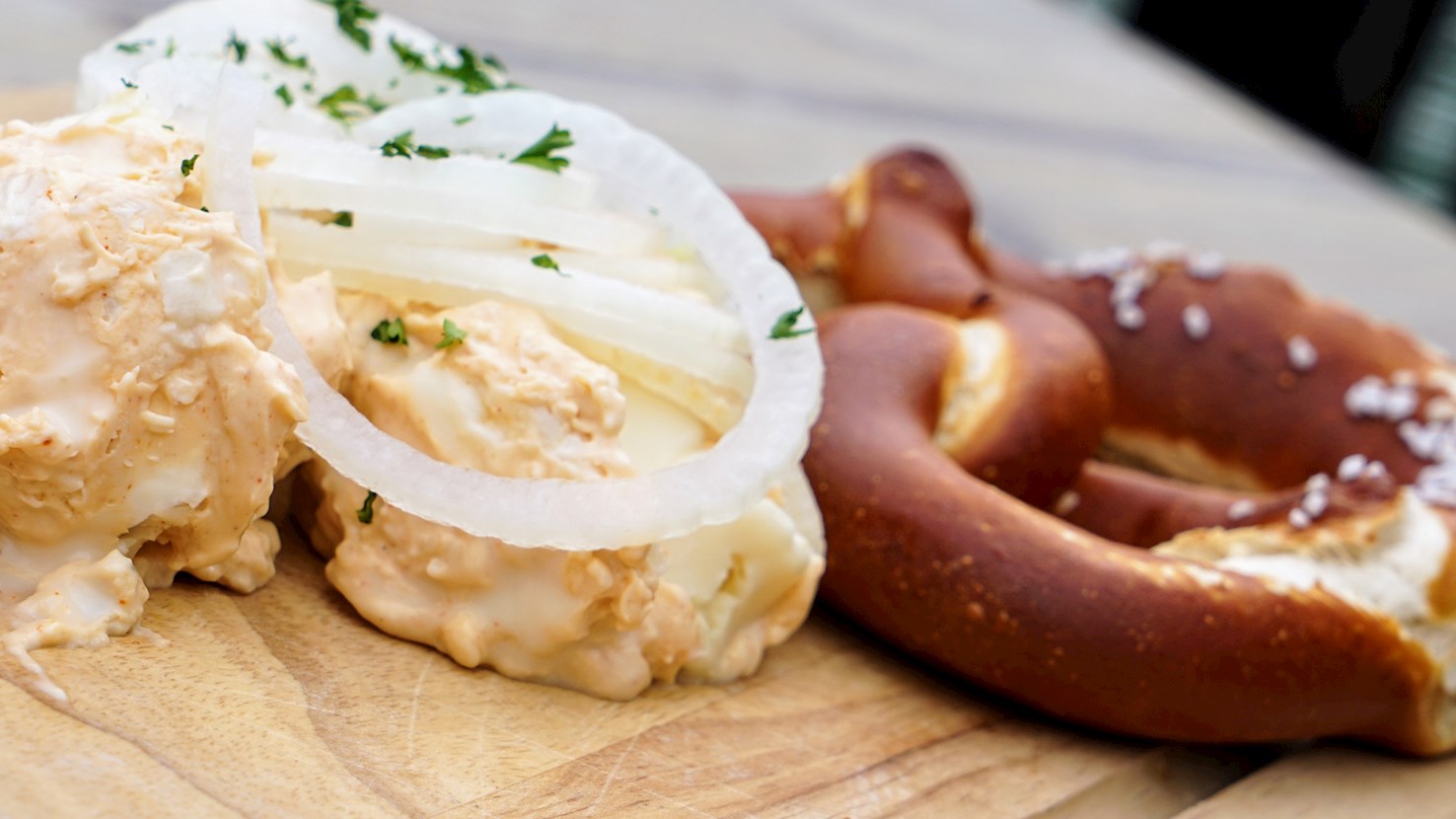
This Bavarian cheese spread was originally invented to make use of ripened soft cheese. It consists of a creamy combination of butter, paprika, and typically Camembert and Brie, or optionally Romadur, Limburger, and sometimes even cottage cheese. The spread is usually enriched with onions or shallots, caraway, or various herbs, while some versions may include beer, wine, or milk-based products. It is believed that obazda was popularized in the 1920s by Katharina Eisenreich, who served it at her Braustuberl pub in Freising. Nowadays, the spread is a Bavarian staple that is served in numerous restaurants and pubs, usually alongside pretzels and various snacks.
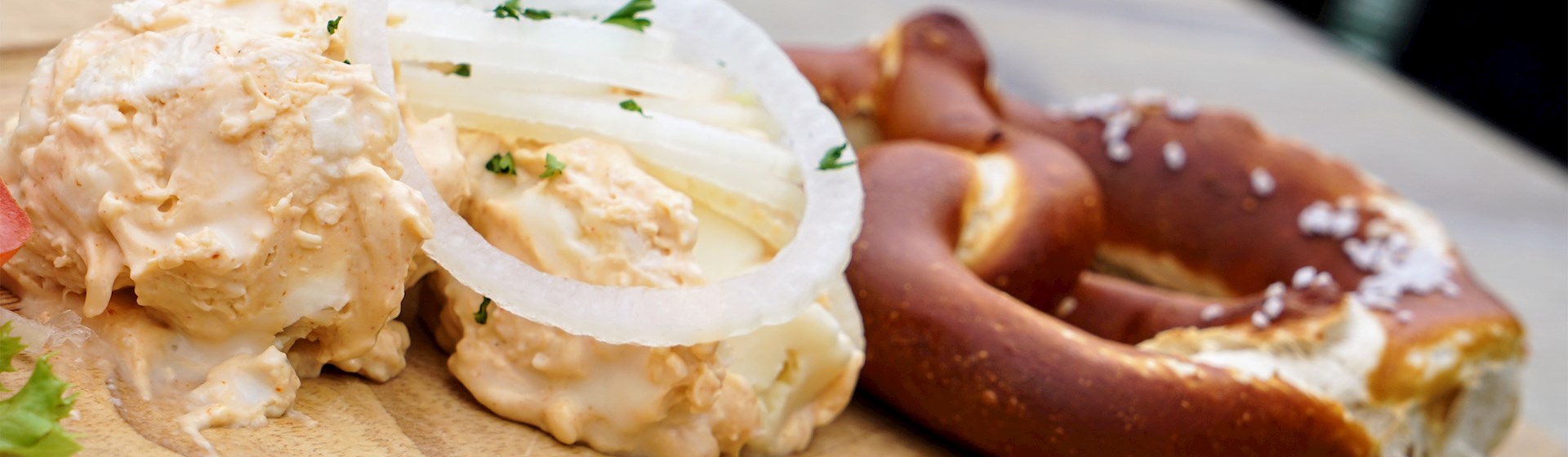
Originally from Mainz, meenzer spundekäs is a type of traditional cream cheese dip or spread. It typically consists of a mixture of cream cheese, quark, sour cream, finely chopped onions, and garlic, seasoned with sweet paprika, salt, and freshly ground pepper. The dip is usually topped with sliced onions and served with salty pretzels. It is typically paired with a glass of wine or a cold beer. Boiled potatoes and radishes can also accompany the dip, or they can be smeared on bread. Rich and creamy, this cheese dip is a staple at restaurants and wine taverns throughout the region. Besides Mainz, the dip is also commonly consumed throughout Rheinhessen and Rheingau regions. Its name is derived from the German words Spund, referring to the conical cork of a wooden wine barrel, and Käse, meaning cheese. Every year, a Spundekäs competition is held in honor of this Mainz specialty, known as Rheingau sucht den Super-Spundekäs, meaning Rhine District seeks the Super-Spundekäs.
Kartoffelkäse is a creamy potato-based spread that originates from the southern regions of Germany, particularly Bavaria and Upper Austria (where it's called Erdäpfelkäse), where it is often served in beer gardens and at countryside gatherings. Despite its name, which translates to "potato cheese," the dish contains no actual cheese; instead, it refers to the smooth, spreadable texture that resembles soft cheese. Made primarily from boiled and mashed potatoes mixed with sour cream or quark, finely chopped onions, chives, and mild seasonings, kartoffelkäse is a savory, tangy, and lightly fluffy accompaniment commonly enjoyed with rye bread, pretzels, or as a cold side to meats and sausages. Its origins lie in agrarian communities where potatoes were a dietary staple and dairy products like quark were readily available from local farms. The preparation is uncomplicated, requiring only the gentle blending of starchy potatoes with the creamy base, then chilled slightly to allow the flavors to meld. Each household might have its own version, varying the proportions of cream, the type of onion used, or the presence of additions like caraway seeds or fresh herbs. Served cold or at room temperature, kartoffelkäse is a common sight at buffets, seasonal festivals, and wine tastings across southern Germany and Austria. It pairs especially well with sourdough or Bauernbrot and often accompanies a glass of local beer or white wine.
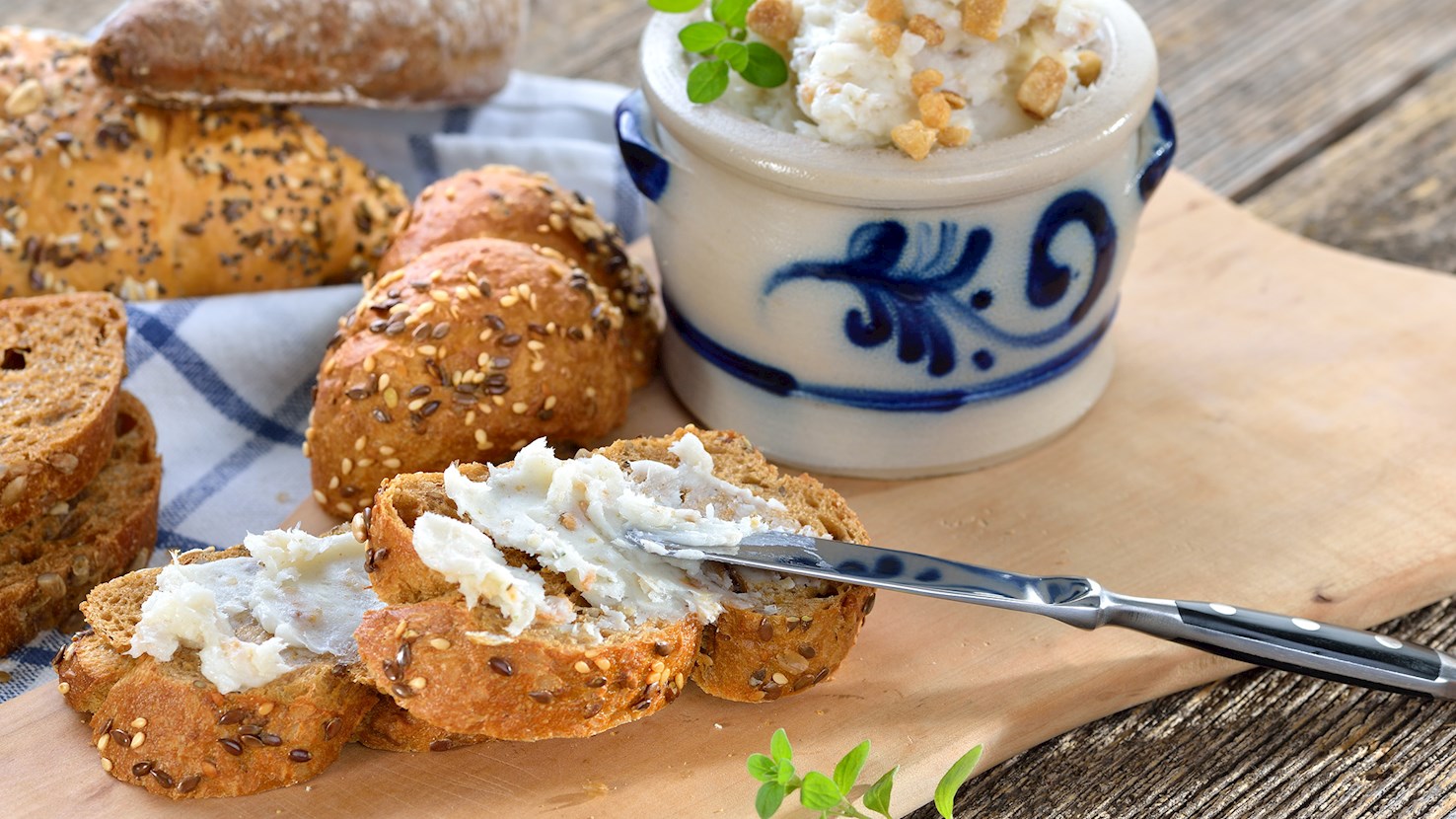
Griebenschmalz is a traditional spread that consists of rendered pork fat (schmalz) and cracklings (grieben). The crunchiness of the pork cracklings perfectly complements the smooth and creamy texture of the lard, and the spread is often flavored with apples, onions, and spices such as marjoram, thyme, bay leaves, allspice, salt, and pepper. Griebenschmalz is typically spread on a slice of sourdough or rye bread or atop a pretzel bun. It is often topped with caramelized onions and served with pickled gherkins and a glass of beer on the side. Usually associated with the region of Bavaria, this German specialty is commonly available in beer pubs, beer gardens, and numerous traditional restaurants in the country.
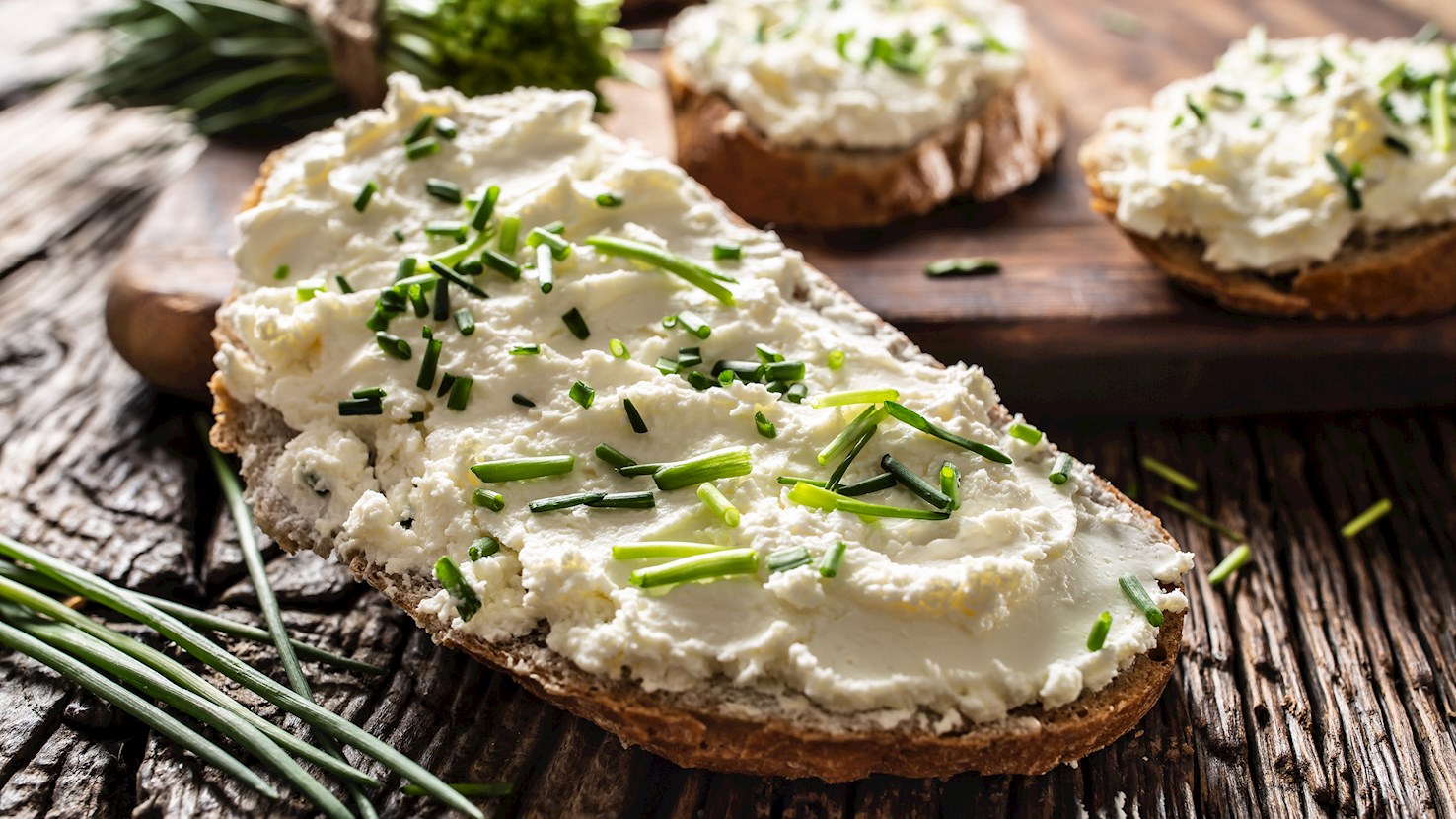
Luckeleskäs is a regional specialty from Swabia, a cultural and linguistic region in southwestern Germany, encompassing parts of Baden-Württemberg and Bavaria. It is typically a soft to semi-soft fresh cheese spread made from quark and various herbs and seasonings. The cheese is often homemade or produced on a small scale by local dairies. Luckeleskäs is commonly eaten with rustic bread, potatoes, or cold cuts, and is sometimes served as part of a larger meal. It may also be used as a filling for savory pastries or dumplings in local cooking. Its low production volume and focus on direct consumption within farming communities mean it is not widely available commercially, though it is occasionally sold at regional farmers' markets or featured in agritourism settings.
Frankfurter schneegestöber is a traditional cheese spread originating from Frankfurt. This regional specialty is made with a combination of cream cheese, Camembert, butter, onions, paprika, parsley, and black pepper. The cream cheese, Camembert, and butter are first crushed with a forked and mixed well until all the ingredients blend together. The mixture is enriched with the addition of paprika powder, onions, and black pepper. Once mixed, frankfurter schneegestöber is sprinkled with finely chopped parsley, and it's then served with farmhouse bread as an appetizer. The dish is especially popular in Sachsenhausen's (largest district in Frankfurt, south of the Main river) inns, where it's often paired with Apfelwein.
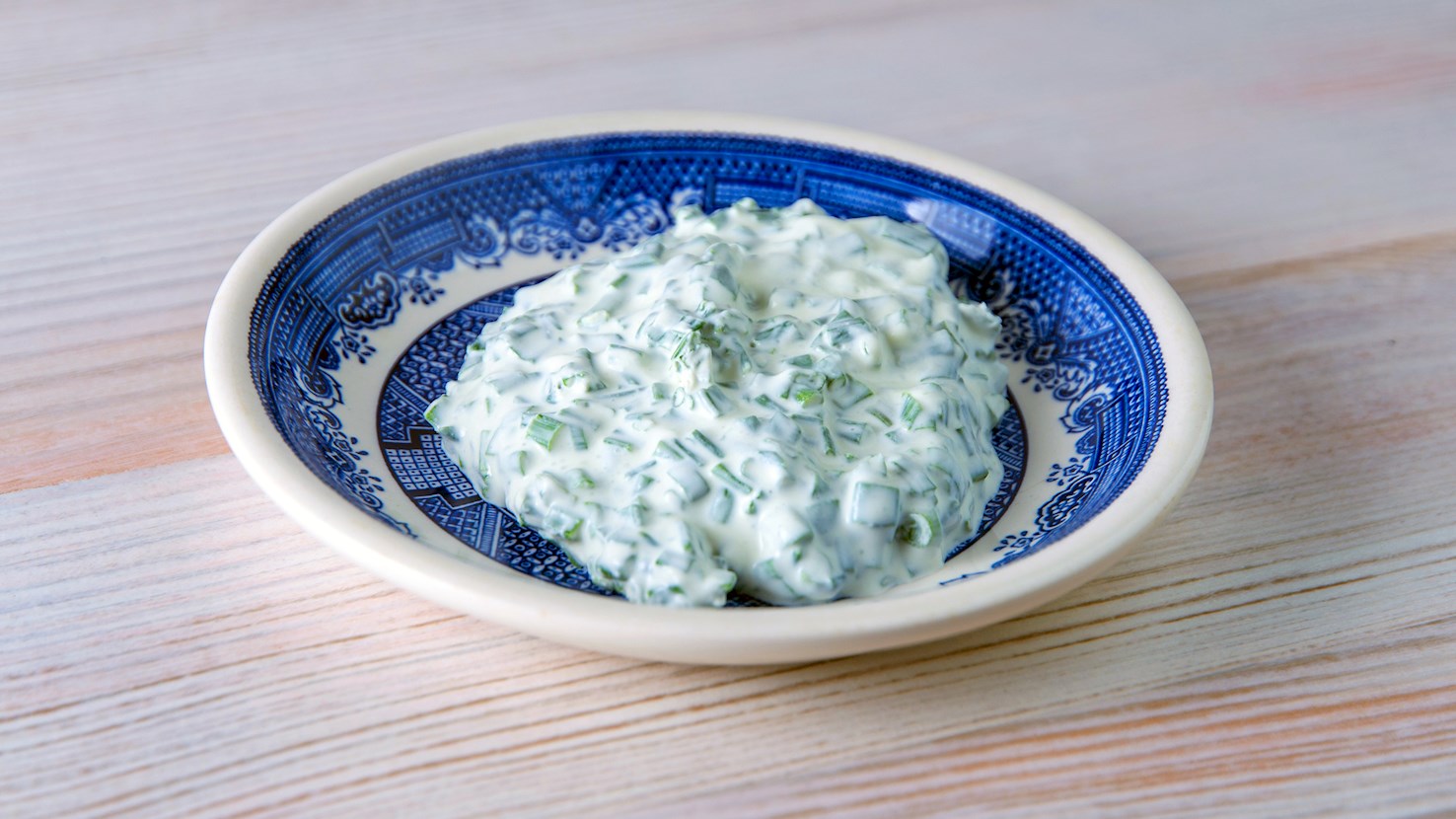
Schmand und glumse is a traditional dip or spread originating from East Germany. It’s usually made with a combination of onions, sour cream, yogurt, olive oil, hard-boiled eggs, chives, lemon juice, sugar, salt, and pepper. Originally, this dip and spread was made with schmand, a type of thick cream with a minimum of 20% fat, but sour cream is used today as a substitute. The onions are blanched, drained, cooled, and finely chopped. Yogurt is mixed with sour cream and olive oil until smooth, and the mixture is then enriched with onions, eggs, chives, lemon juice, sugar, and seasonings. Schmand und glumse is chilled, and it’s then served as a dip for potatoes cooked in their skins or as a bread spread.
TasteAtlas food rankings are based on the ratings of the TasteAtlas audience, with a series of mechanisms that recognize real users and that ignore bot,
nationalist or local patriotic ratings, and give additional value to the ratings of users that the system recognizes as knowledgeable.
For the “Top 8 German Spreads” list until July 15, 2026, 326 ratings were recorded, of which 286 were recognized by the system as legitimate.
TasteAtlas Rankings should not be seen as the final global conclusion about food. Their purpose is to promote excellent local foods,
instill pride in traditional dishes, and arouse curiosity about dishes you haven’t tried.