


Top 5 Croatian Squid Dishes

Last updated on May 16, 2026
01

Jadranske lignje na padelu

4 ·

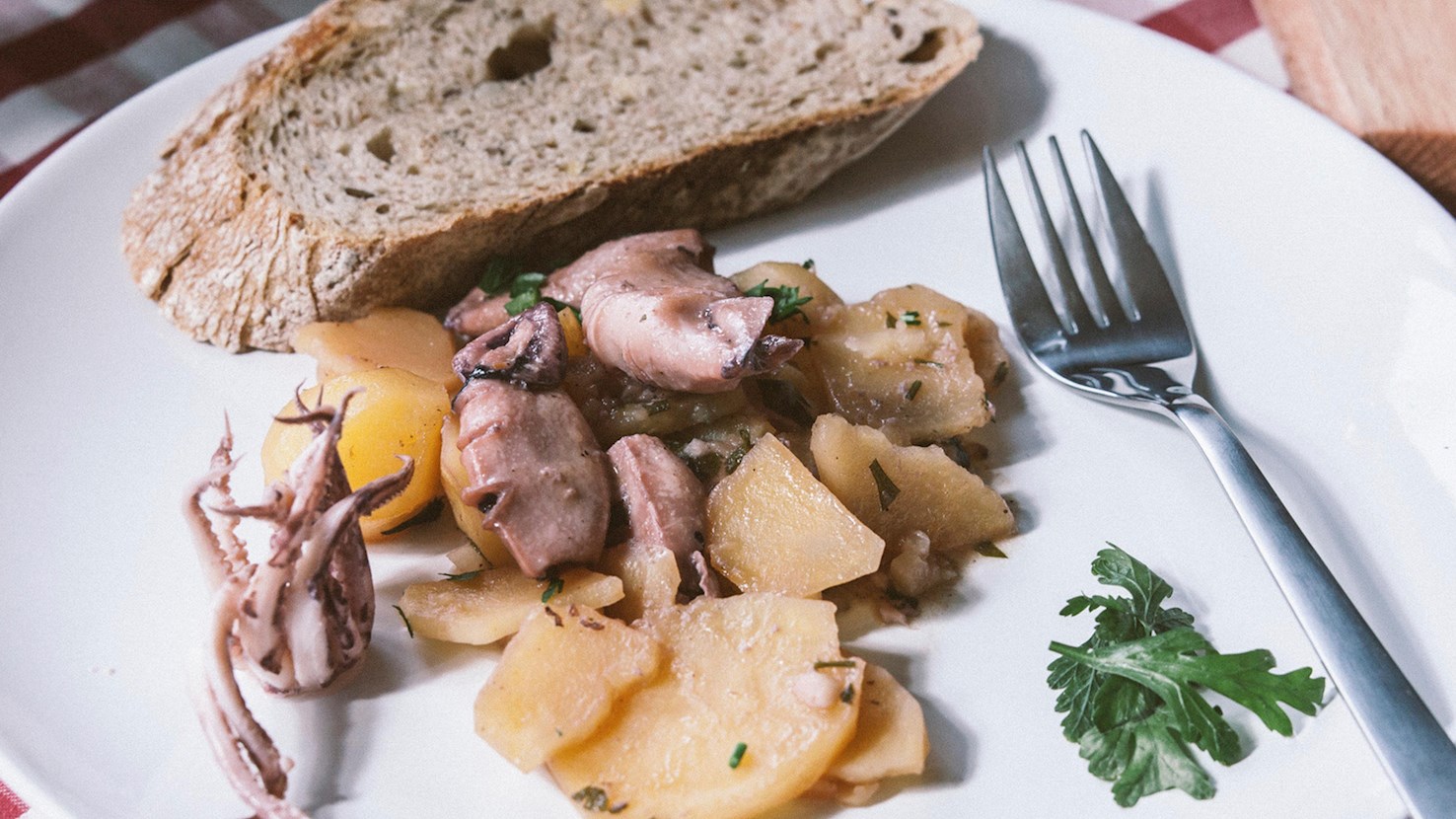
Jadranske lignje na padelu (lit. Adriatic squid in a pan) is a traditional Dalmatian dish made with fresh squid, olive oil, white wine, fish stock, garlic, parsley, pepper, and potatoes. The squids are first cleaned and seasoned, then fried in olive oil with garlic and parsley. The combination is further enriched with the addition of wine, fish stock, and potatoes. The dish is a staple during summer in Dalmatia, and it is recommended to pair it with a glass of white wine on the side.

02

Lignje ispod peke

n/a ·

Lignje ispod peke is a traditional dish originating from Dalmacija. In order to prepare the dish, the squids are seasoned with salt, pepper, and olive oil. They're placed into a baking dish that's usually layered with potatoes, onions, and other seasonal vegetables. The baking dish is covered with a metal lid (peka) and the dish is baked for about one hour. The metal lid is covered with hot embers and ashes as the dish is cooking. The squid and vegetables should be stirred and mixed when halfway done. Once done, the squid and vegetables are left to rest for a bit, and the dish is then ready to be enjoyed.

03

Šufigane lignje

n/a ·

Šufigane lignje is a traditional dish originating from Dalmatia. The dish is made with a combination of squid, olive oil, salt, pepper, parsley, and garlic. The squid are fried in olive oil, seasoned with salt and pepper, and sprinkled with garlic and parsley. The pan is covered and the dish is sautéed over medium heat. Once done, the sautéed squid is ready to be served. If desired, capers and olives can also be added to the pan for extra flavor. It's recommended to serve the dish with boiled and sautéed potatoes on the side.

04

Salata od liganja i krumpira

n/a ·

Salata od liganja i krumpira is a traditional salad originating from Dalmatia. It's made with a combination of squid, potatoes, onions, salt, pepper, vinegar, and olive oil. The potatoes (with their skin on) and squid are boiled in salted water. Once the potatoes become tender, they're peeled and thinly sliced, while the squid is cut into rings, as well as the onions. The ingredients are mixed and seasoned with salt, pepper, olive oil, and vinegar. Once prepared, the salad can be served warm or chilled.

05

Lignje na žaru

n/a ·

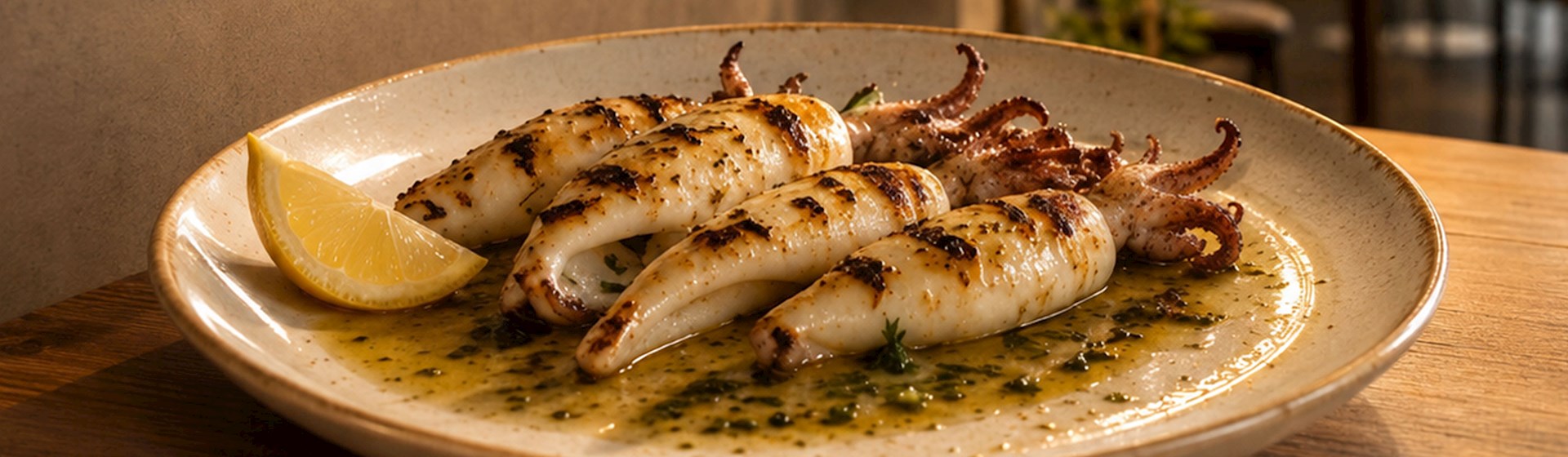
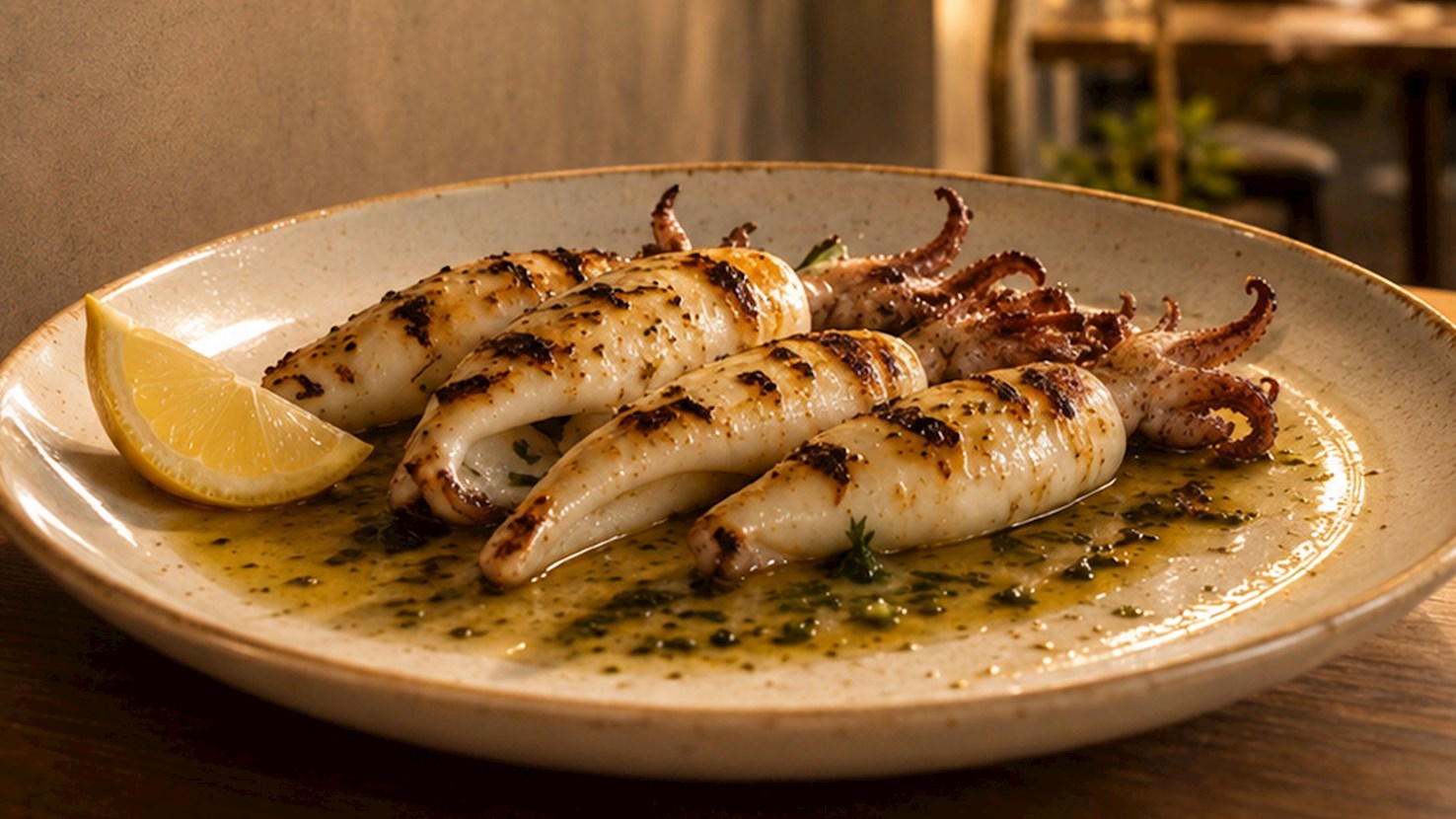
Lignje na žaru is a grilled squid dish commonly found along the Adriatic coast, especially in Croatia, where seafood has long been a central part of coastal cooking. Squid has been caught and eaten in this region for generations, with fishing communities relying on the abundant marine life of the Adriatic Sea to supply both local markets and household kitchens. Over time, grilling became a favored method for preparing squid, allowing the natural sweetness of the meat to come through while adding the light smokiness of open-fire cooking. Preparation begins with cleaning the squid thoroughly, removing the innards, beak, and cartilage, then rinsing it in cold water. The squid is often marinated briefly in olive oil, garlic, lemon juice, and parsley before being placed on a hot grill. Cooking is quick, just long enough to achieve a lightly charred exterior while keeping the flesh tender. It is served whole or sliced into rings, often accompanied by a drizzle of olive oil, more lemon juice, and sometimes a side of blitva, a local chard and potato dish, or fresh bread. Lignje na žaru is eaten in homes, konobas, and seaside restaurants throughout Dalmatia and Istria, enjoyed both by locals and visitors, often as part of a shared meal with other seafood dishes and a glass of white wine from the region.

Read more
View all
View map
About this ranking

TasteAtlas food rankings are based on the ratings of the TasteAtlas audience, with a series of mechanisms that recognize real users and that ignore bot, nationalist or local patriotic ratings, and give additional value to the ratings of users that the system recognizes as knowledgeable. For the “Top 5 Croatian Squid Dishes” list until May 16, 2026, 42 ratings were recorded, of which 30 were recognized by the system as legitimate. TasteAtlas Rankings should not be seen as the final global conclusion about food. Their purpose is to promote excellent local foods, instill pride in traditional dishes, and arouse curiosity about dishes you haven’t tried.

Similar lists