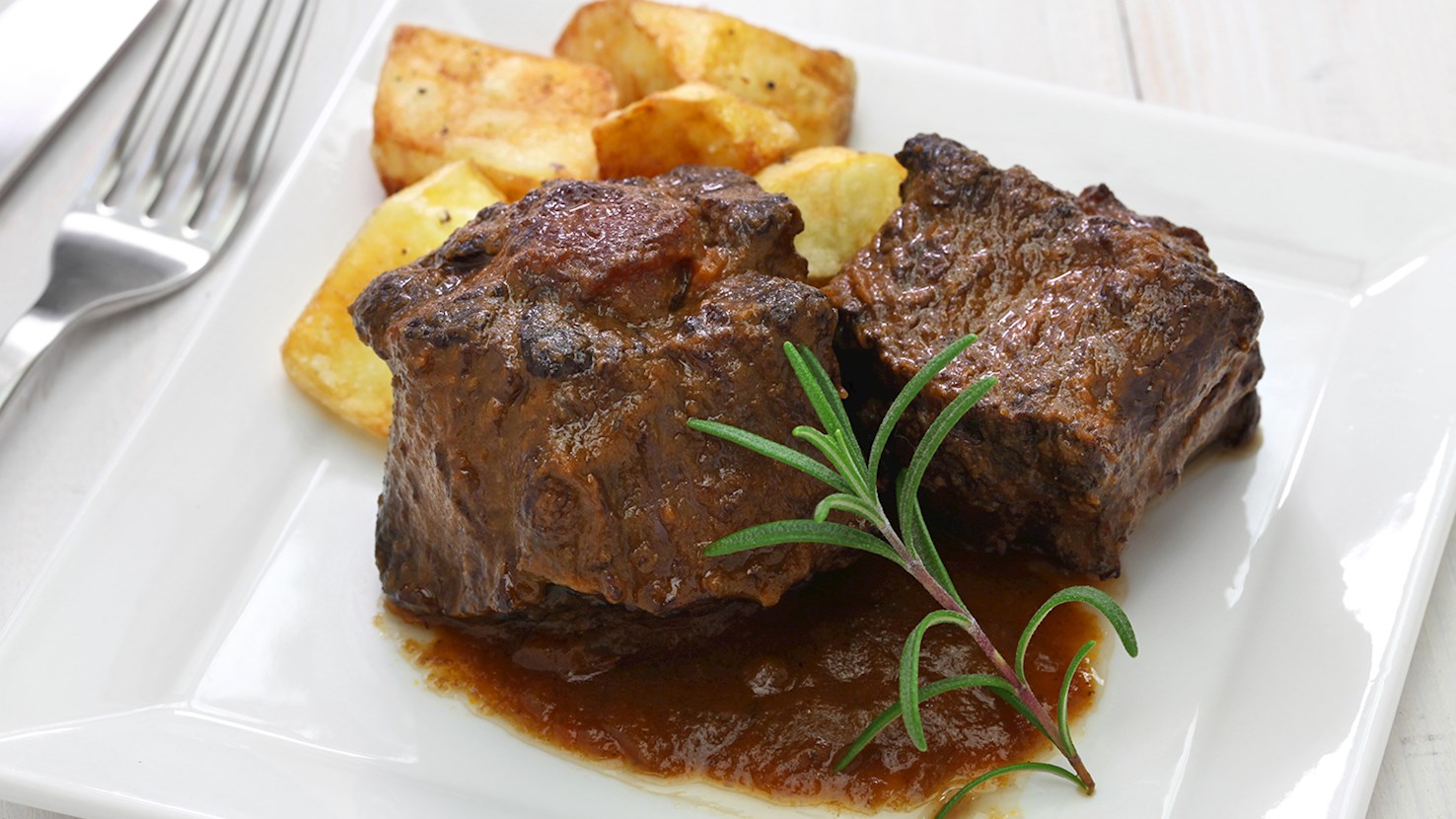
Rabo de toro is a traditional dish originating from Córdoba, although it's eaten throughout Andalusia. Each restaurant and region has their own recipe, but it's usually made with a combination of oxtail, olive oil, onions, garlic, carrots, celery, paprika, tomatoes, red wine, dry sherry, bay leaves, and parsley. Once cooked, this slow-braised stew is typically served with fried potatoes on the side. It is believed that rabo de toro dates back to Roman times, when the bull would be killed at a bullfight, and its tail would be braised and enjoyed in celebration. Nowadays, the dish is especially popular during the colder months of the year.
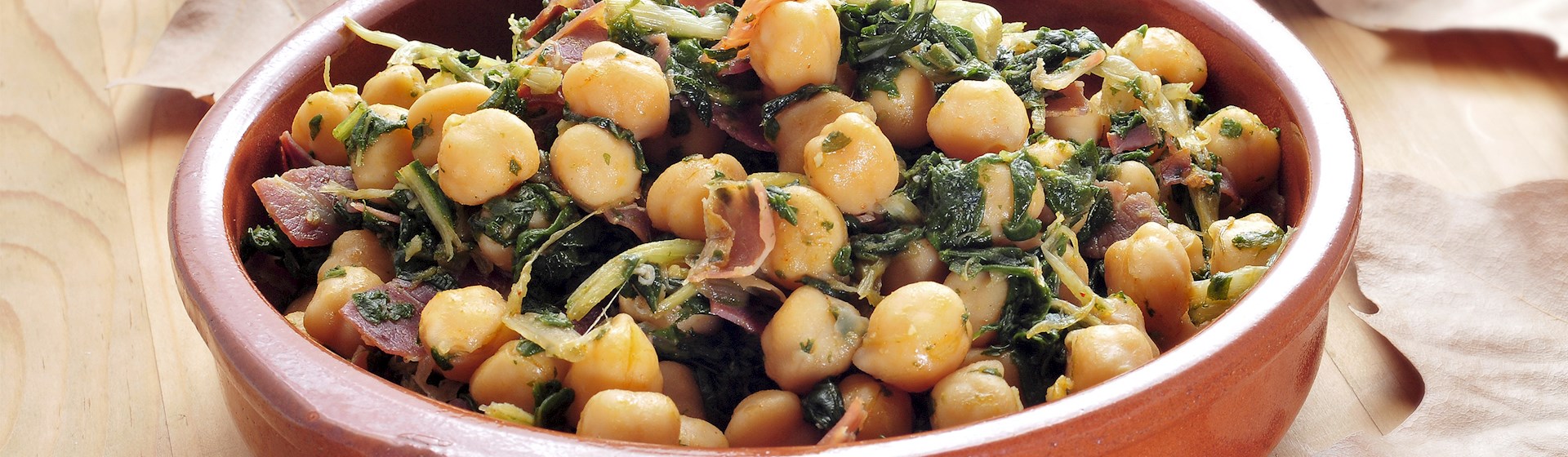
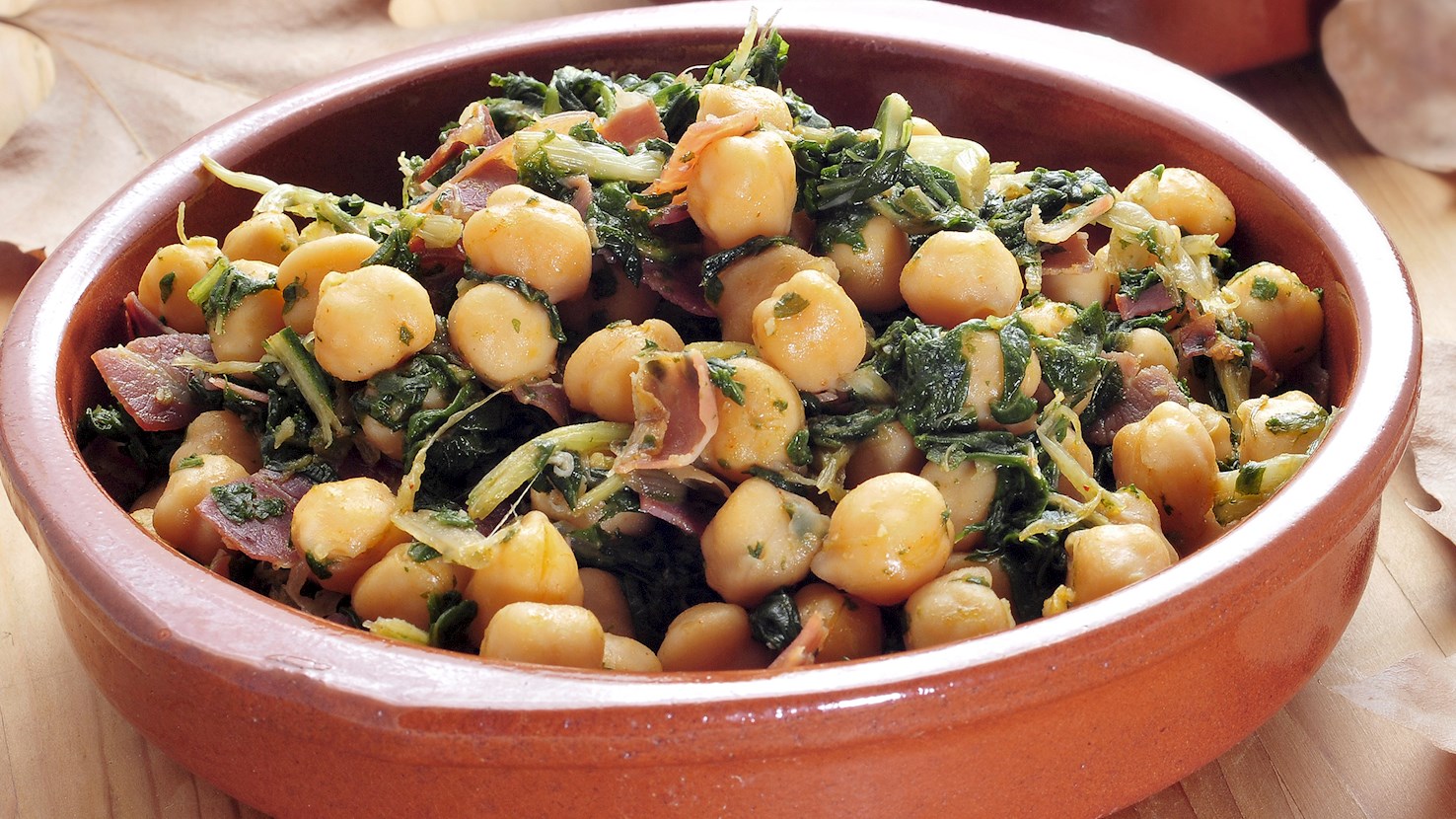
Espinacas con garbanzos is a nutritious Andalusian dish made with spinach and chickpeas as the main ingredients. There are many recipes and version of this vegetarian dish, but it is most commonly flavored with garlic, olive oil, tomatoes, paprika, vinegar, and cumin. Espinacas con garbanzos is served piping hot during the colder months in Spain, often with a wedge of fried bread on the side.
Puchero is a hearty Spanish stew belonging to the cuisine of the poor, featuring different types of meat, rice, noodles, and vegetables such as chickpeas, cabbage, carrots, and potatoes. The name of the dish, puchero, means stewpot, referring to the big clay pots in which the stew was originally prepared. Traditionally, puchero is consumed over several days, and each time it is accompanied by a different side dish. Thick and flavorful, this stew is often consumed during the colder days of the year.
Olla de trigo is a traditional soup that’s especially popular in Almeria. It’s usually made with a combination of chickpeas, whole wheat, bacon, chorizo, morcilla, pimentón, hot chili peppers, fennel, and a slice of bread fried in olive oil. The chili peppers, pimentón, and fried bread are pounded with a pestle and added to the cooked ingredients in the pot. Once prepared, this soup is served in deep plates, and some people like to add a bit of vinegar to help their digestion. Olla de trigo is popular on cold days and during winter.
Choto al ajillo is a traditional dish originating from Granada. It consists of succulent and tender kid goat meat, olive oil, stale bread, garlic, smoked paprika, bay leaves, sherry, white wine, and a bit of oregano or marjoram. The stew should have a bit of liquid before serving and it's simmered until the meat becomes tender. Choto al ajillo is a staple during the colder months because it's hearty and nutritious. It's recommended to serve it with homemade bread on the side.
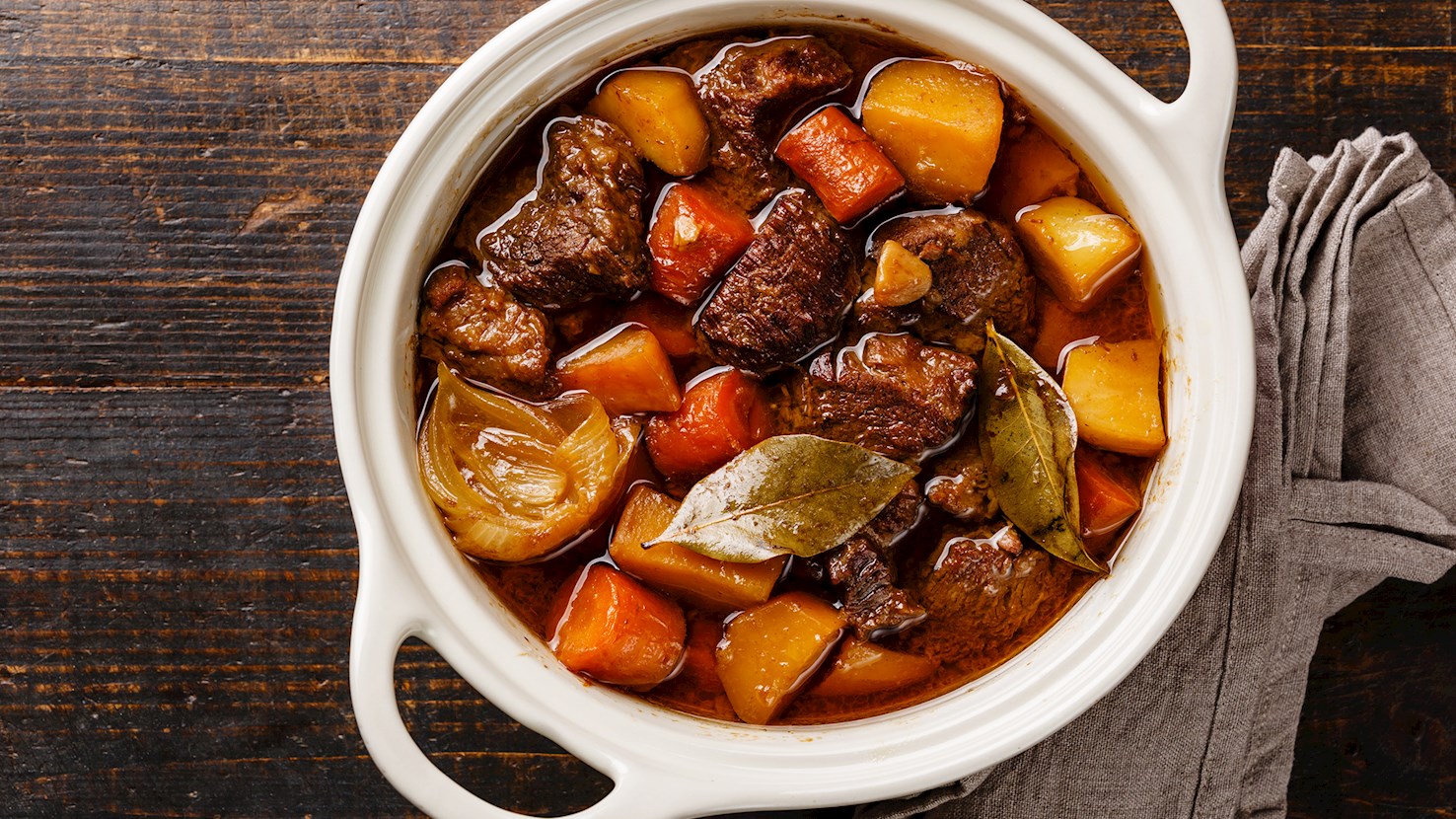
Estofado de carne de lidia is a traditional dish hailing from Málaga. It’s made with a combination of stewing beef, bacon or jamón serrano, red wine, bouquet garni, peppercorns, celery, carrots, onions, garlic, olive oil, and flour. The dish is also called bullring stew because carne de lidia means meat from the bullfight, referring to the days when young bulls were brought to market through the streets and provided the houseviwes with cheap meat the morning after the bullfight. The meat is a bit on the tough side but makes for a good stew. It’s cubed, rolled in flour, and browned in olive oil. The other ingredients are added to the pot, and the stew is simmered gently until the meat becomes tender. This dish is usually served with rice or mashed potatoes on the side.
Olla de San Antón is a rich winter stew from Granada, Spain, made with dried broad beans, white beans, rice, and a generous assortment of pork. Traditionally prepared during the coldest part of the year, it is closely associated with the feast of San Antón on January 17 and with the winter pig slaughter, or matanza. The dish developed as part of Granada's rural cooking traditions, when the annual slaughter of a pig provided families with fresh meat and cured cuts to use throughout the year. San Antón, or Saint Anthony the Abbot, is traditionally regarded as the protector of domestic animals, and pig slaughtering commonly took place around his January feast day. Olla de San Antón became closely associated with this time of year. Today it remains particularly popular in Granada during January, when restaurants throughout the city and province put it on their menus. The stew's exact origin is not well documented, although it has been part of Granada's cooking for centuries. What defines it is the combination of dried legumes with pork, particularly cuts that benefit from long, slow cooking. Preparation begins the day before, when dried broad beans and white beans are soaked in water. The following day, they are slowly cooked with several pork ingredients. Typical additions include pork ribs, ear, tail, pancetta or bacon, aged pork fat, salted pork spine and a cured ham bone. The precise mixture varies by household and what is available, reflecting the dish's close connection to the matanza. Onion, a whole head of garlic, and dried pimiento choricero are commonly added to the pot. Thyme and fresh fennel are characteristic seasonings in many Granada recipes, giving the rich broth a fresh herbal note. The stew cooks slowly until the beans are tender and the pork has softened. Potatoes, rice, and morcilla are generally added toward the end because they require much less cooking time. The rice releases starch into the broth and helps give the finished dish its thick consistency, while the potatoes and beans make it particularly substantial. The morcilla is usually added whole or in large pieces so that it remains intact rather than dissolving into the stew. A good olla de San Antón is thick and hearty, not soupy. The beans and broad beans become very soft, the rice absorbs the pork-rich broth, and collagen-rich cuts such as the ear and tail become tender after the long simmer. Despite its reputation as an exceptionally heavy dish, much of its character comes from the contrast between the rich pork and the earthy beans, fennel and other seasonings. It is often served in two parts. The beans, broad beans, rice, potatoes and broth are spooned into bowls first, while the pork, morcilla and other meats are placed on a separate platter. The meat portion is sometimes called the pringue or pringá and can be eaten alongside the stew or afterward. Bread is normally served at the table, and pickled vegetables are a common accompaniment because their acidity works particularly well with the rich pork. Recipes are not completely fixed. Some versions contain chickpeas in addition to broad beans and white beans, while others omit the potatoes. The amount of rice also varies. Pork trotters, snout, cheek, backbone, ribs, ear, tail and different types of bacon or cured pork may appear depending on the cook. Some versions include chorizo, but morcilla is much more characteristic of the dish.
Berza de acelgas is a traditional Andalusian peasant stew originating from the Isla Menor, just south of Seville. The dish is usually prepared with a combination of lean pork, pork belly, pimentón, nutmeg, marjoram, haricot beans, chard or spinach, lard, and chorizo sausage. The pork cubes are seasoned with salt, pepper, snutmeg, and marjoram. The pork belly and drained beans are boiled in a large saucepan until the beans become soft. The marinated pork, chorizo, chard (or spinach), and lard are then placed into the pot and simmered until the meat becomes tender and most of the liquid evaporates. This stew is served in deep dishes, and each one should contain a slice of pork belly and a piece of the sausage. It's recommended to serve berza de acelgas with plenty of fresh bread for mopping up the sauce.
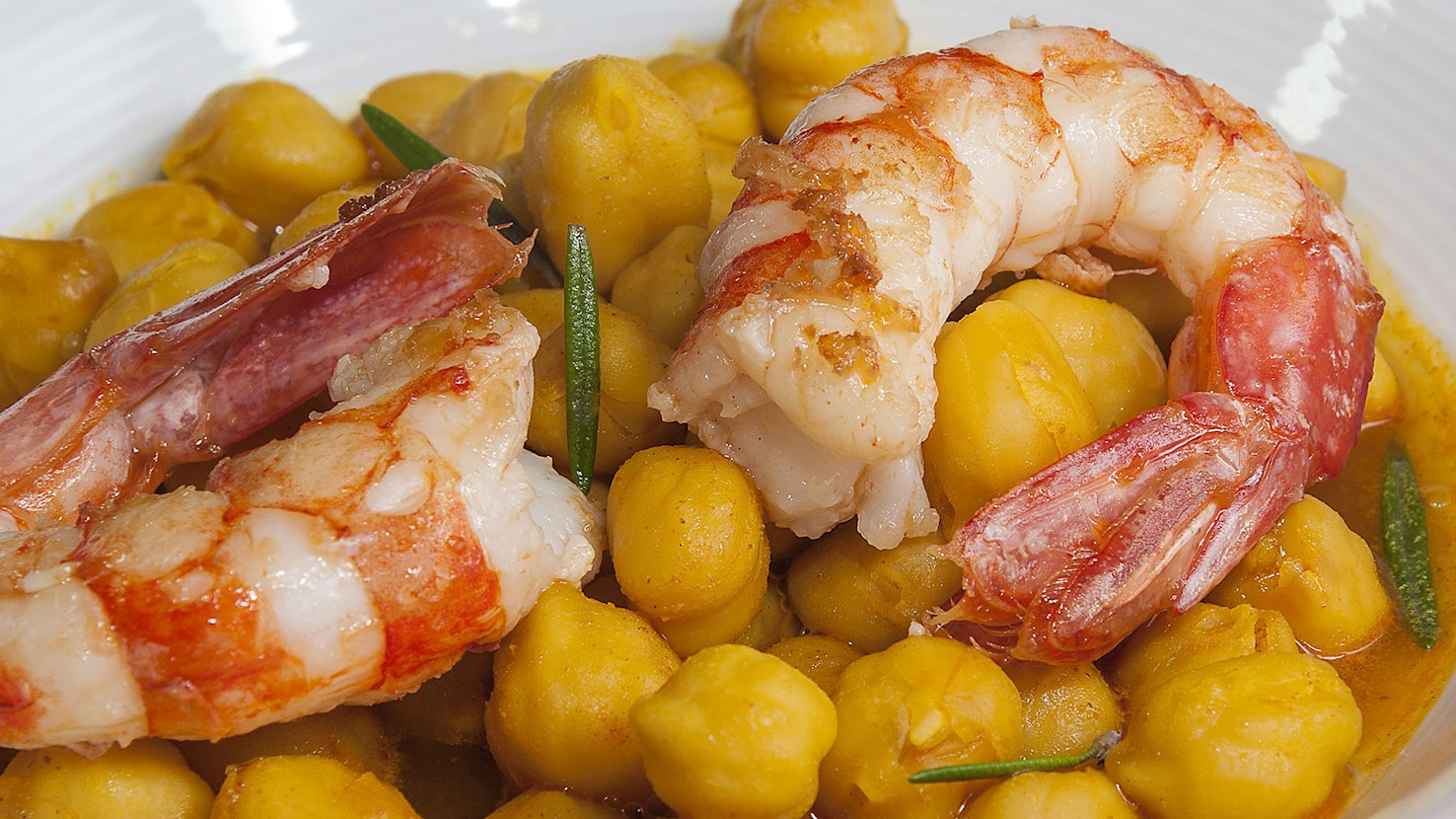
Garbanzos con langostinos is a chickpea and prawn stew, most closely associated with the Province of Cádiz and the wider coastal cooking of southern Spain. It is made with cooked chickpeas, langostinos, olive oil, vegetables, paprika, wine, and seafood stock, with prawn shells providing the broth's main marine flavor. The dish sits between a legume stew and a seafood potaje: substantial enough to serve as a main course, but lighter than pork-based chickpea stews because the richness comes from shellfish, sofrito, and olive oil rather than cured meat. Chickpeas are one of the region’s basic pantry legumes, while langostinos are common along the Atlantic and Mediterranean sides of southern Spain. The dish became especially visible in Andalusian restaurants and home kitchens during the late 20th century, with Cádiz province often named as its strongest reference point. It is not a tightly codified dish with one official recipe. Some versions are brothier, some are thicker, some use dried chickpeas cooked from scratch, and others use good jarred or canned chickpeas for a faster meal. The common structure stays the same: chickpeas, prawns, a vegetable sofrito, paprika, and a stock that clearly tastes of shellfish. In that sense, the dish is defined more by technique and balance than by exact measurements. A good garbanzos con langostinos starts with the prawns. Raw langostinos are peeled, and the heads and shells are not thrown away. They are sautéed in olive oil, often with a little salt, until they release their juices and deepen in aroma. Water, fish stock, or a combination of both is then added, and the mixture is simmered briefly before being strained. A cook may press the shells lightly while straining to capture more flavor, but overcooking them can bring harshness, so the stock is usually kept short and clean. This fumet is what separates a careful version from a quick pot of chickpeas with prawns dropped in at the end. The sofrito provides the base. Onion and garlic are standard, with green pepper, red pepper, tomato, or grated tomato often added. The vegetables are cooked slowly in olive oil until they lose their raw edge and begin to concentrate. Sweet paprika is common, sometimes with a little hot paprika, cayenne, or dried guindilla for a sharper finish. White wine, especially a dry Andalusian wine, can be poured in and reduced before the chickpeas and stock are added. Bay leaf, black pepper, cumin, parsley, or saffron appear in some recipes, but they should support the stew rather than cover the prawn flavor. The chickpeas need to be tender before the seafood stock is added. Dried chickpeas are soaked overnight, then cooked with water until soft, sometimes with a bay leaf or vegetables. Faster versions use already-cooked chickpeas, which makes the dish possible on a weekday, but they should be firm enough not to fall apart when simmered in the sauce. Once the chickpeas are in the pot with the sofrito and fumet, the stew is left to settle into itself for a short time. Some cooks mash a spoonful of chickpeas or blend part of the sofrito to thicken the broth. Others leave it looser, closer to a soup-stew. The peeled langostino tails go in near the end. This timing is important. Prawns cook quickly, and if they stay in the pot too long, they turn tough and dry. They only need a few minutes in the hot broth, just enough to become opaque and warm through. The final texture should be spoonable, with chickpeas that hold their shape, a broth that is savory but not muddy, and prawns that still feel juicy. A little chopped parsley or a thread of olive oil can finish the dish, but heavy garnishing is unnecessary. Garbanzos con langostinos is usually served hot in a shallow bowl or deep plate. It is not meant to be dry, so bread is useful, especially a plain white loaf or a rustic country bread that can take up the broth. In restaurants, it may appear as a starter for sharing or as a first course before grilled fish, fried seafood, or a simple meat dish. At home, it can stand alone as lunch, especially in cooler months, although it is not limited to winter because the seafood base keeps it lighter than many legume stews. The best versions avoid two common mistakes: boiling the prawn tails until they lose their texture, and making the paprika or tomato so dominant that the shellfish disappears. It works well with dry white wines from Cádiz, including young Palomino-based wines, manzanilla from Sanlúcar, or fino from Jerez. A cold lager is also practical, especially if the stew has a little heat from cayenne or guindilla. For food pairings, it needs simple company: green salad with vinegar, fried green peppers, grilled artichokes, tomato salad, crusty bread, or a plate of marinated olives. If it is served as part of a larger meal, follow it with grilled hake, fried puntillitas, roasted vegetables, or a citrus dessert rather than another heavy stew.
Habas con calzones is a traditional dish originating from Andalusia. The dish is usually made with a combination of fava beans, jamón, potatoes, onions, garlic, olive oil, and salt. The garlic and onions are sautéed in olive oil until soft. The beans, potatoes, and jamón are added to the pan, seasoned with salt, covered with water, and cooked for about half an hour. The jamón slices are placed in a baking dish and baked for a few minutes until they harden. This bean stew is served in plates with the crispy jamón sliced arranged on top. Habas con calzones is especially popular in springtime.
TasteAtlas food rankings are based on the ratings of the TasteAtlas audience, with a series of mechanisms that recognize real users and that ignore bot,
nationalist or local patriotic ratings, and give additional value to the ratings of users that the system recognizes as knowledgeable.
TasteAtlas Rankings should not be seen as the final global conclusion about food. Their purpose is to promote excellent local foods,
instill pride in traditional dishes, and arouse curiosity about dishes you haven’t tried.






What People Say