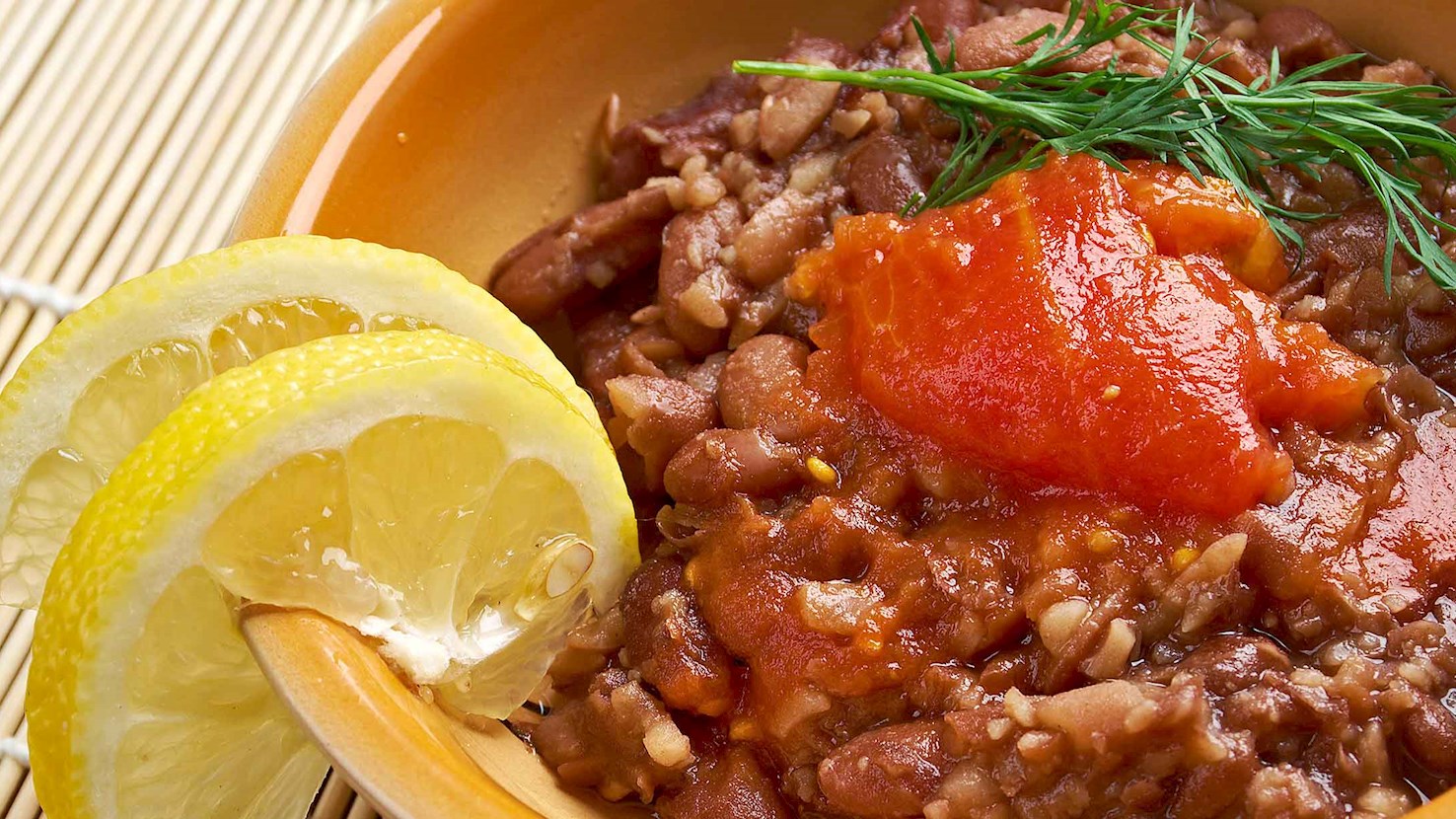
Ful medames is an ancient, pre-Ottoman and pre-Islamic national dish of Egypt, a traditional breakfast food consisting of slowly simmered fava beans seasoned with a squeeze of lemon juice, olive oil, garlic, and selected spices. Some remnants of the dish were found in the 12th Dynasty Pharaonic tombs in Egypt, and any food that has been found in an ancient tomb must have been a wildly popular culinary treat. Because it is a breakfast food that is also good for breaking the fasting, the dish is extremely popular during Ramadan. Although it's an Egyptian dish, it is also prepared throughout North Africa and the Middle East. Ful medames is a staple of the Egyptian diet, so much that the price of beans is regulated by the government in order to ensure that they are affordable to the poorest citizens. The creamy, earthy stew is usually spiced with the addition of chilis and cayenne pepper. It is recommended to prepare it a day in advance because the beans need to be soaked and cooked overnight. When eaten, the hearty stew is traditionally served out of big metal jugs, and once on the plate, it is often mopped up with pieces of fresh pita bread and topped with pickled beets, parsley, onions, tomatoes, and cumin. Filling, savory, nutritious, and easy to prepare, ful medames is a literal blast from the past.
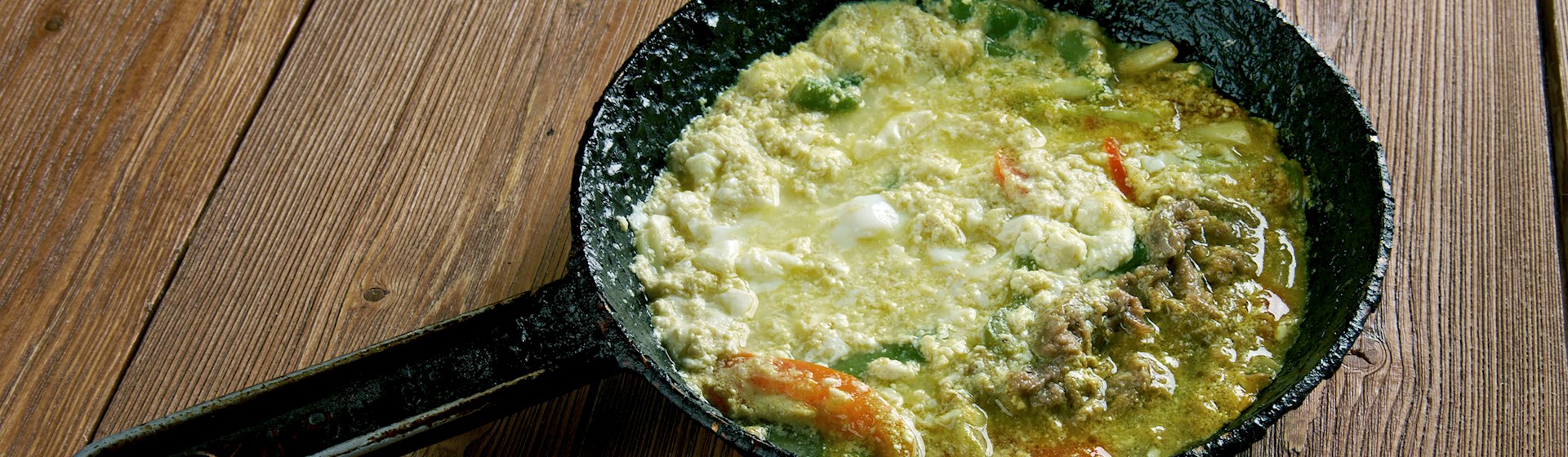
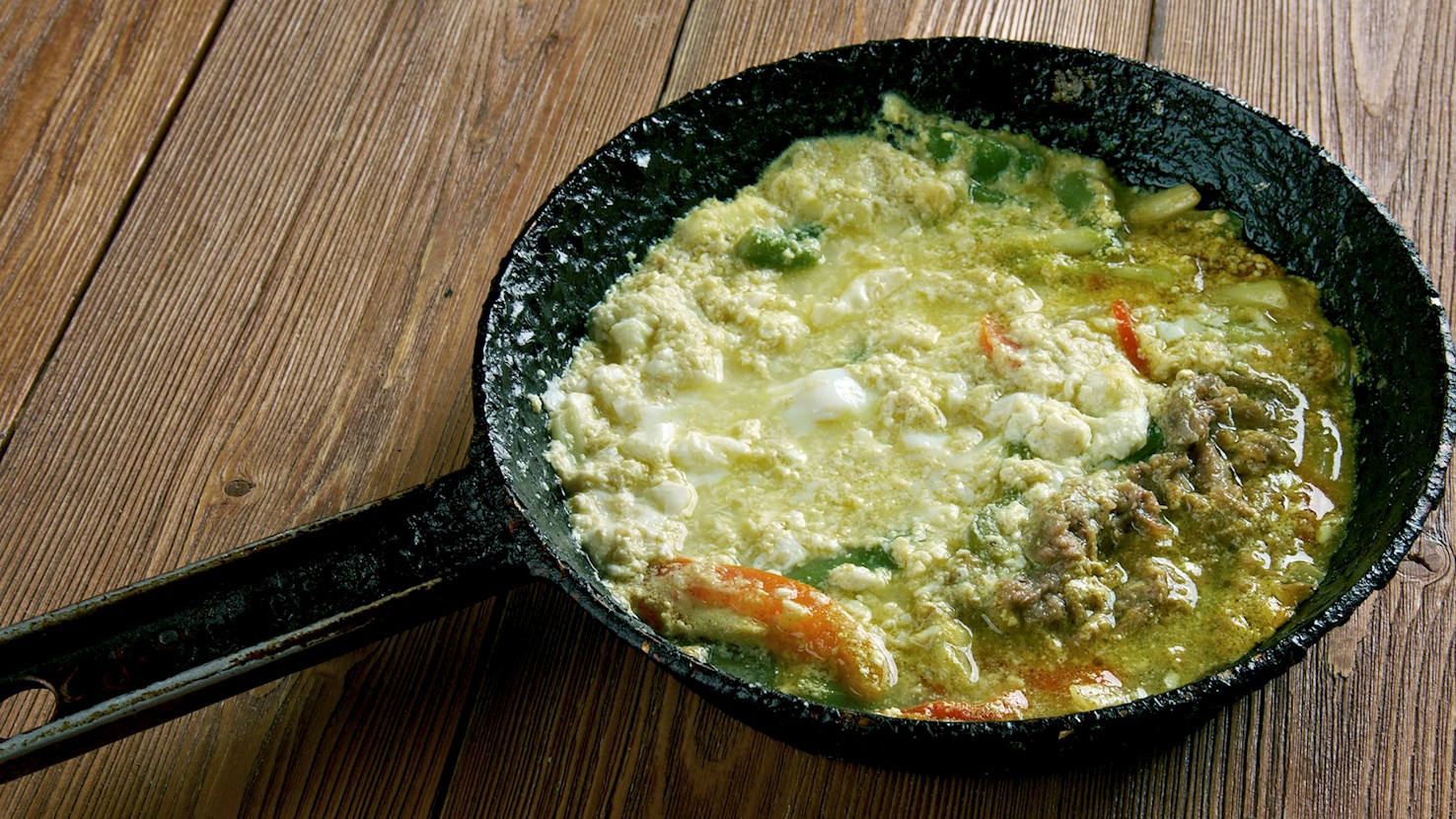
Saltah is the national dish of Yemen, a hearty stew usually eaten for lunch. It can be prepared with or without meat. The key ingredients in saltah are hilbeh, a condiment based on fenugreek, and zhug, a condiment consisting of chillies, oil, cumin, garlic and coriander. Hilbeh and zhug are added to the brown stew that often contains lamb or chicken meat, if used at all. It is quite likely that the dish is of Turkish origin when it was made from leftover ingredients. Common accompaniments to saltah include rice, tomato, potatoes, vegetables and scrambled eggs, and saltah is traditionally served piping hot in a metal or stone bowl and eaten with Yemeni flatbread that can serve as a utensil to scoop up the food.
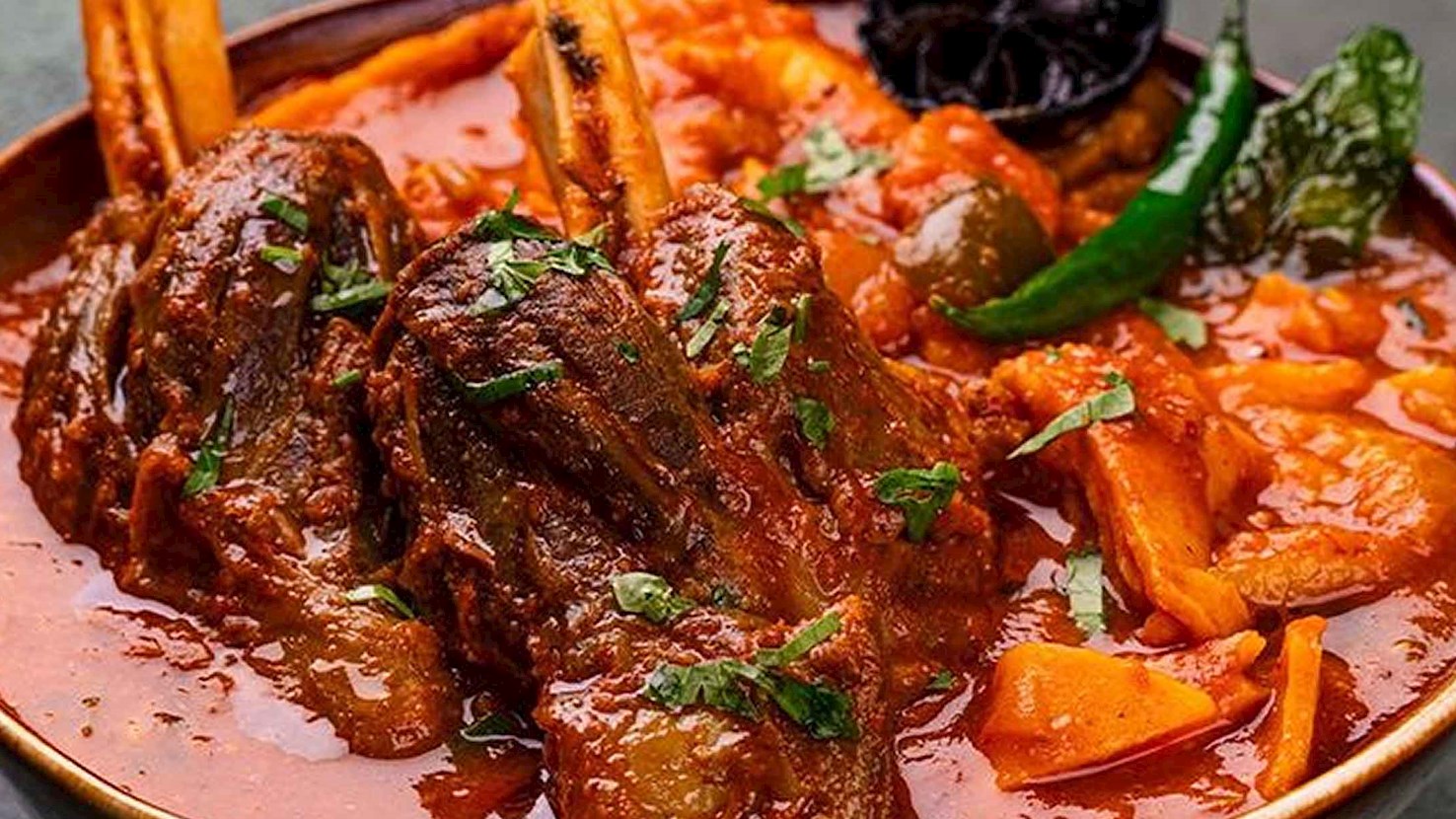
This traditional Arabian dish is most often described as a spicy lamb stew thickened with barley bread, though the word tharīd also refers to a large earthenware bowl. According to legend and several Hadith teachings, tharīd was one of the Prophet Muhammad’s favorite dishes, even though its origins are said to date back to the pre-Islamic times. Today, this satisfying dish is prepared with a variety of halāl meats which are stewed with vegetables and ladled over thin, unleavened bread. In Islamic countries, tharīd is typically enjoyed for al'iiftar, the evening meal served at sunset when Muslims end their daily Ramadan fast.
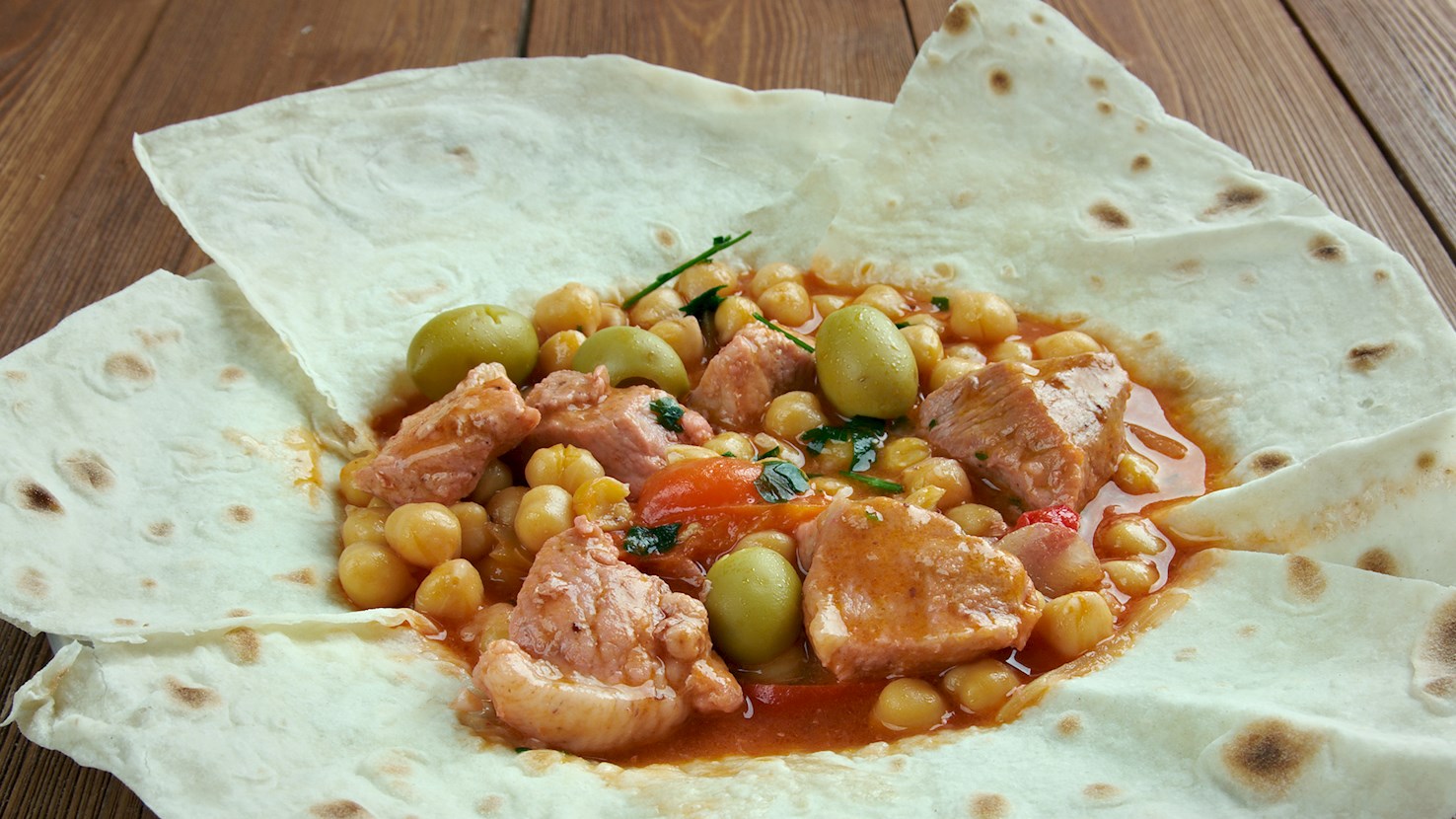
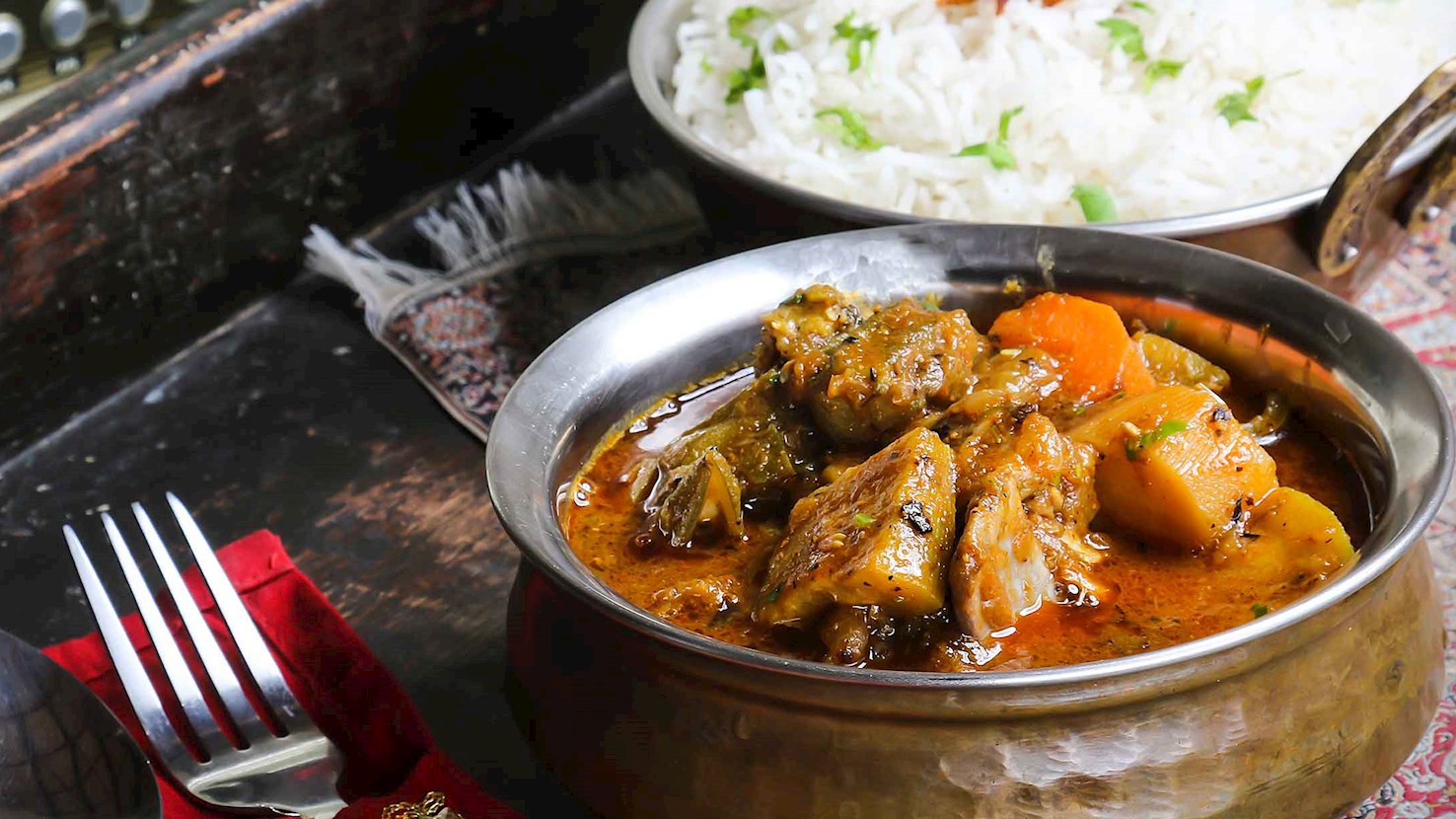
Saloona or salona is a classic Arabian stew that is usually enjoyed as an everyday, home cooked meal. The most common variety is prepared with chicken (dejaj), but vegetables, other types of meat such as beef or lamb, and fish can also be used as the main ingredient. Although it is quite versatile, saloona usually combines generously-seasoned, tomato-based broth with sautéed onions, garlic, ginger, vegetables, and the optional choice of the main ingredient. This hearty dish is believed to have Bedouin origins, and it is often prepared during the month of Ramadan. It is usually accompanied by rice or bread.
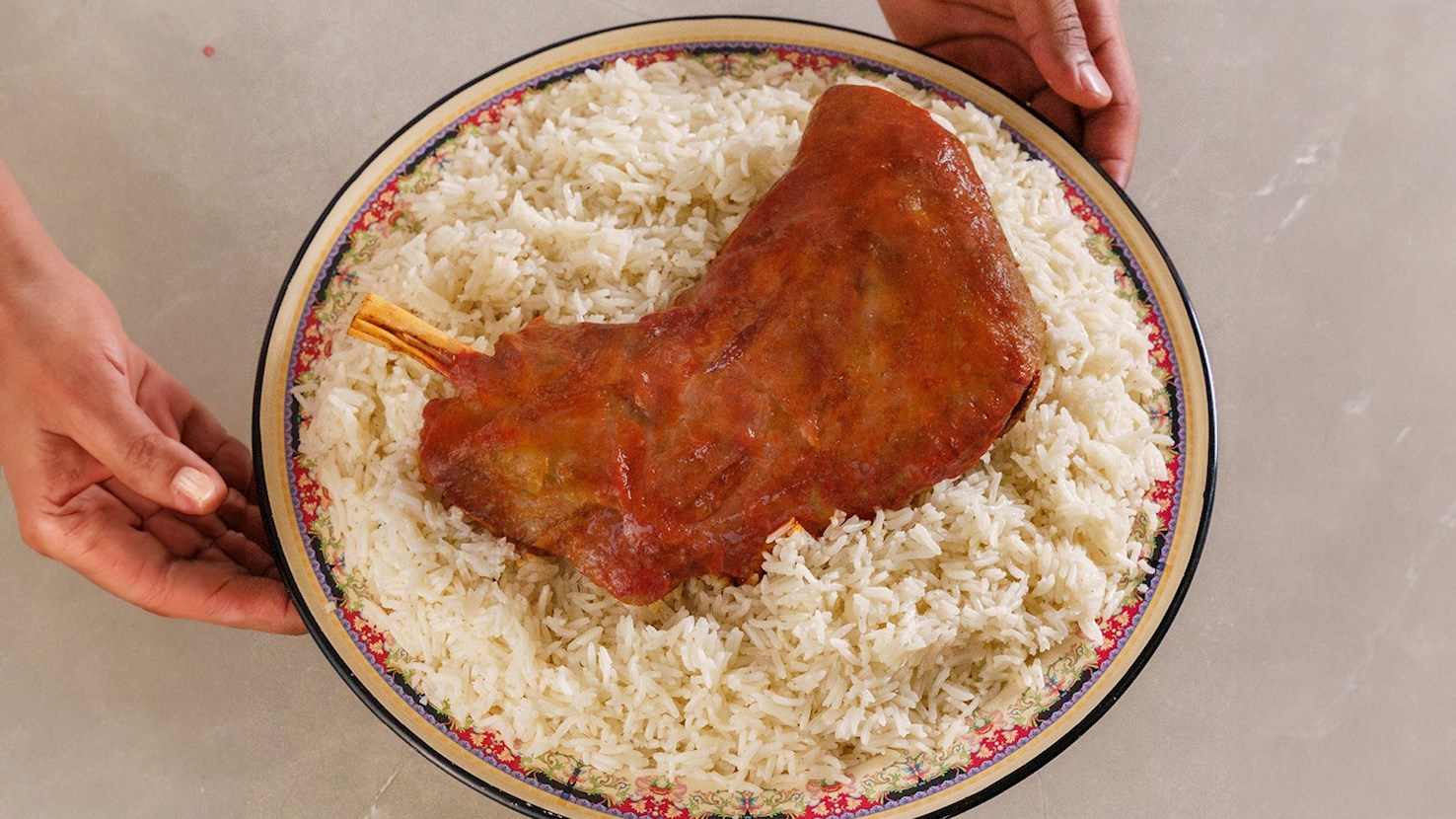
Madini rice is a traditional dish from the Al-Madinah region in Saudi Arabia, consisting of white steamed rice topped with tender meat, served in a rich and flavorful broth that gives it a distinctive red color. The madini rice recipe involves marinating chicken (or lamb) in a blend of spices, then cooking it with rice in a pot. The meat is cooked until tender, and the rice is infused with the flavors of the spices and the meat. It's part of the Saudi Culinary Arts Commission's initiative to highlight and celebrate the unique culinary heritage of each province in Saudi Arabia.
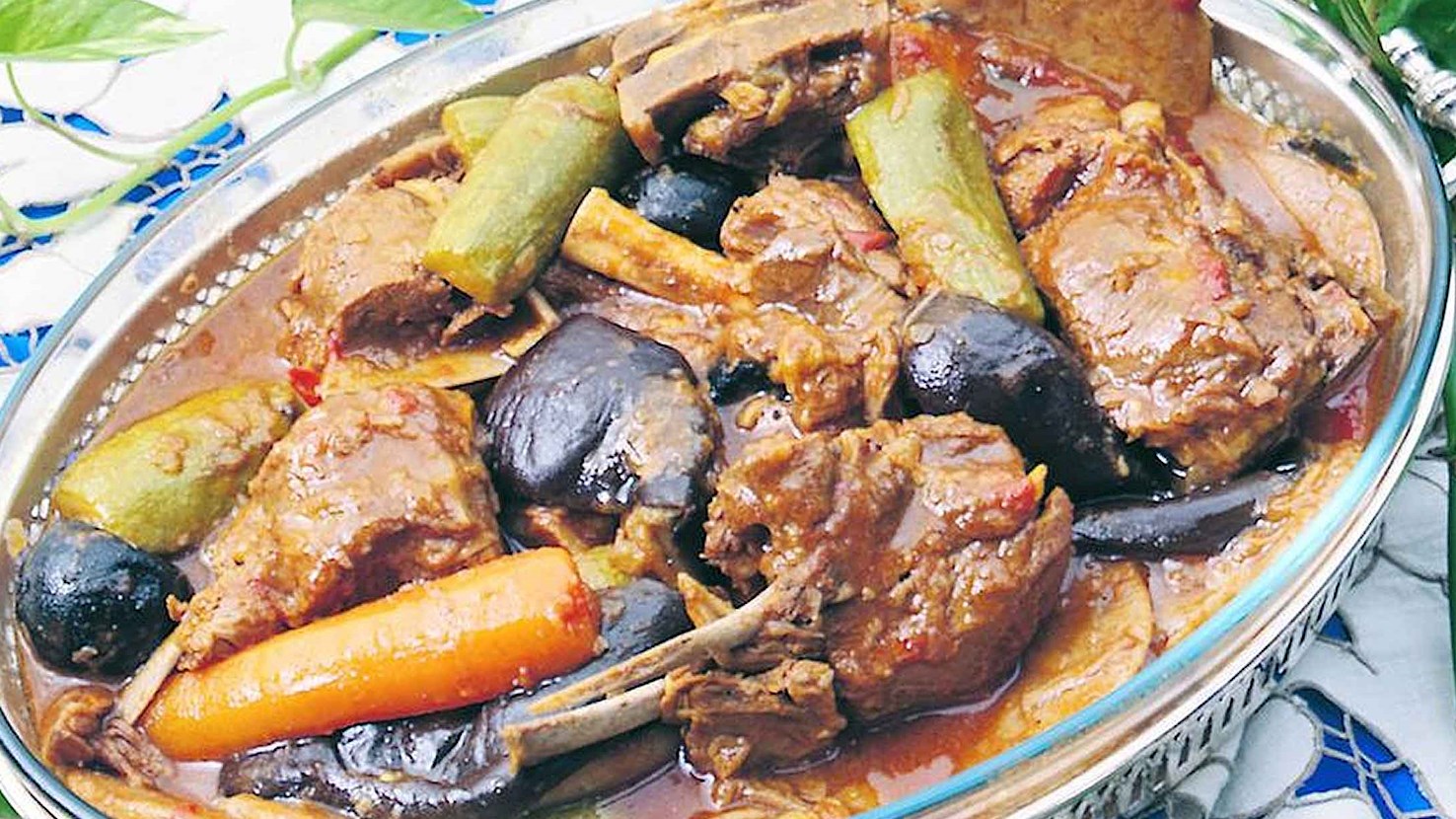
Al-Margaouq is a meat, pasta, and vegetable stew typical of the Riyadh Province, with roots dating back to antiquity. This dish is crafted from whole wheat dough, rolled into thin, round pieces, and cooked in a flavorful broth made from meat and an array of vegetables, including eggplant, pumpkin, and zucchini. To prepare al-Margaouq, whole wheat flour is mixed with water and salt, creating a soft, cohesive dough. Meanwhile, the meat is partially cooked, and the vegetables are added. The dough is rolled out into delicate, thin rounds, which are then placed in the pot, ensuring they cook individually to prevent sticking. The dish simmers on low heat until al-Margaouq reaches perfection.
Madrooba ribyan is a traditional Gulf shrimp dish, particularly popular in countries like Saudi Arabia. The term "madrooba" refers to a thick, porridge-like stew made by cooking grains such as wheat or rice with meat, chicken, or seafood until the mixture becomes soft and creamy. In this case, "ribyan" indicates that shrimp is the main ingredient. To prepare madrooba ribyan, shrimp is cooked with a blend of onions and garlic, with spices like bahārāt. The grains are added to the pot and cooked with the shrimp until they become tender and mushy, resulting in a hearty, flavorful dish. This dish is often served as a comforting meal during the cooler months or as a special dish during Ramadan and other festive occasions, embodying the rich culinary traditions of the Gulf region.
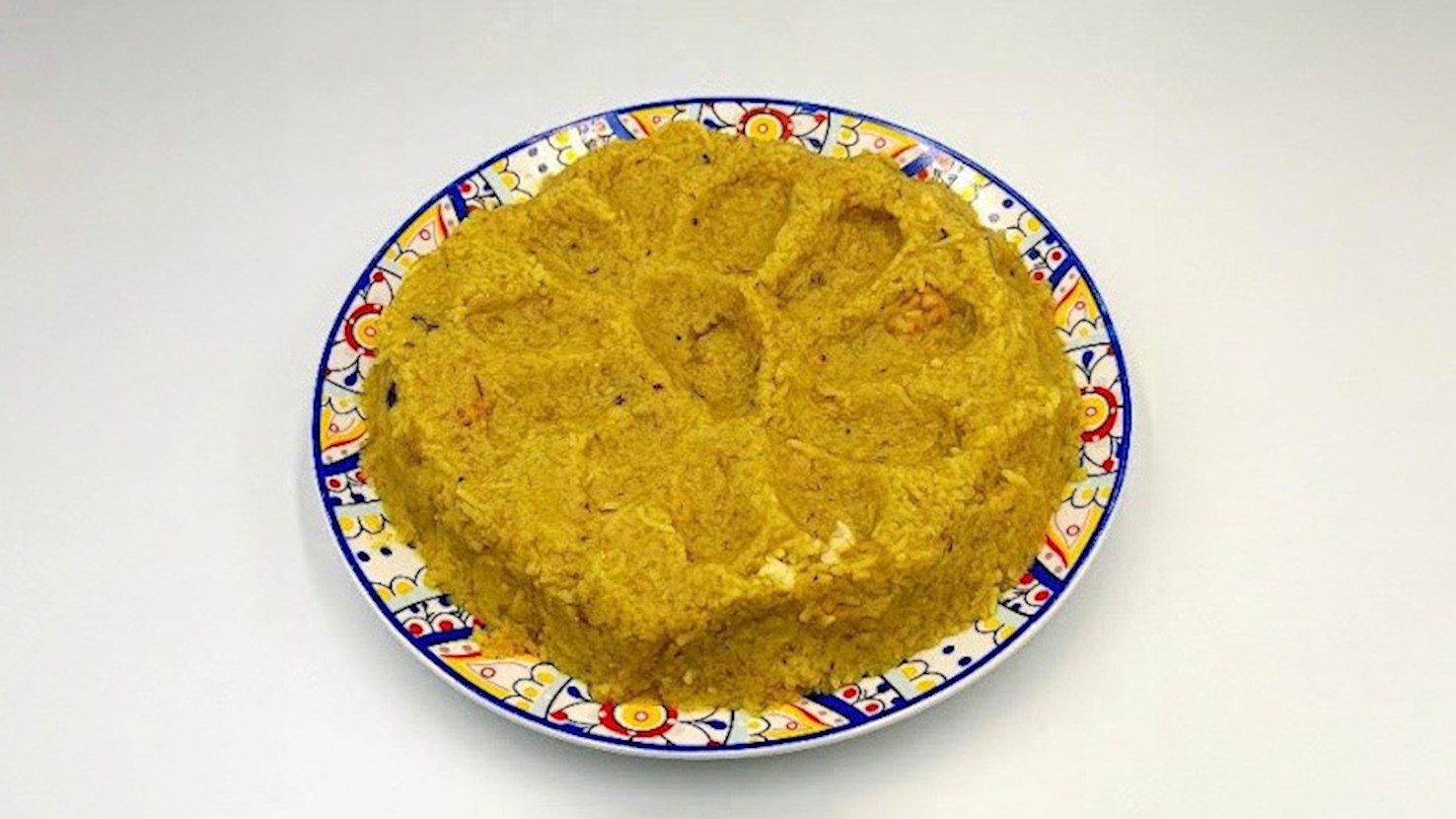
Matazeez is a traditional Arabian dish consisting of flat dumplings that are cooked and served in a rich stew of meat, vegetables, tomato sauce, and spices. The dough is typically made by combining whole-wheat flour, water, salt, and oil, and it is then cut into flattened circles. Lamb is the most common choice of meat for the stew, while the combination of vegetables may include cauliflowers, eggplants, carrots, pumpkins, zucchinis, tomatoes, and onions. A mix of spices such as cumin, cinnamon, loomi (dried limes), bahar spice blend, and black pepper is often added to the dish for extra flavor. Although it is similar to margoog (also marqooq, another pasta-like specialty), matazeez is usually less soupy in consistency as it usually soaks up all of the flavorful juices. This dish is mostly consumed in the central and eastern regions of the country, and it is often sprinkled with fresh coriander before serving.
TasteAtlas food rankings are based on the ratings of the TasteAtlas audience, with a series of mechanisms that recognize real users and that ignore bot,
nationalist or local patriotic ratings, and give additional value to the ratings of users that the system recognizes as knowledgeable.
TasteAtlas Rankings should not be seen as the final global conclusion about food. Their purpose is to promote excellent local foods,
instill pride in traditional dishes, and arouse curiosity about dishes you haven’t tried.



What People Say