




Top 9 Austrian Stews

Last updated on June 15, 2026
01

Wiener Saftgulasch

4.3 ·

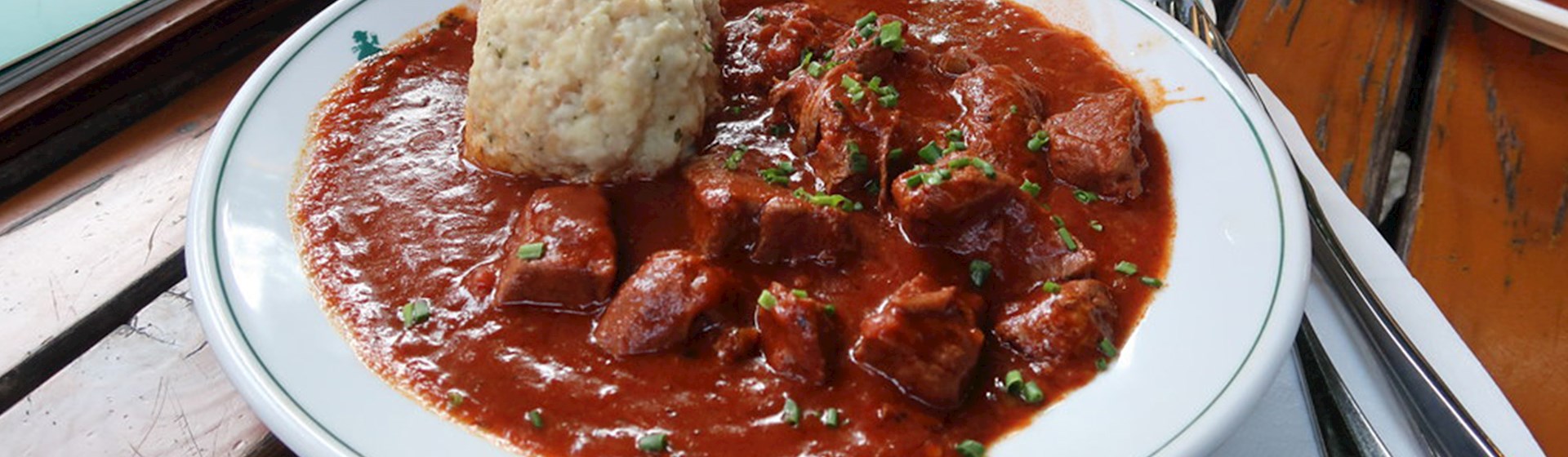
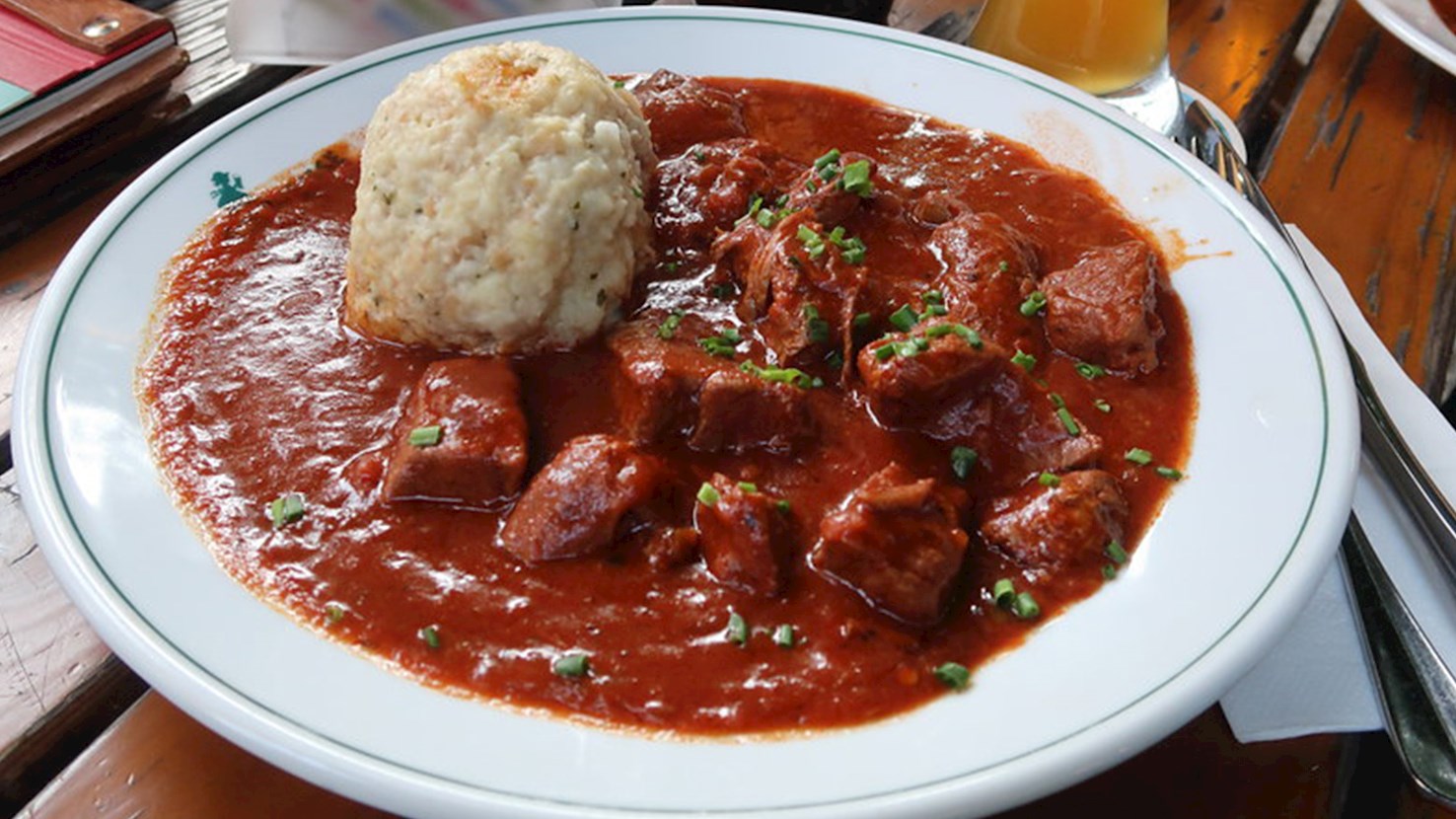
Regarded as the Austrian answer to Hungarian-style goulash, Wiener saftgulasch is a hearty stew that consists of diced lean beef drenched in a thick, flavorful gravy. Although it has evolved from the Hungarian version of the dish, Austrian beef goulash is believed to be a gourmet delicacy of its own kind. It is usually prepared with beef (traditionally lean beef shank), onions, tomato paste, and lard, while the combination is typically flavored with vinegar, Hungarian paprika, bay leaves, marjoram, caraway, lemon zest, juniper berries, sugar, salt, and black pepper. What makes this variety of goulash stand out from the rest is the thick and smooth consistency of the sauce that is achieved through the cooking process, without the addition of any thickeners such as roux, sour cream, or flour, as well as the stew's rich, savory, and spicy flavor. It is recommended to prepare this Austrian specialty at least a day ahead of consumption since the flavor is said to improve significantly with time. Traditionally, Wiener saftgulasch is enjoyed with accompaniments such as nockerl (a type of dumplings), spätzle (noodles), potatoes, or kaiser rolls (crusty round bread rolls). The beef stew's popularity has given rise to numerous variations throughout the country, including the one that is known as fiakergulasch (coachman's goulash).

Best restaurants
02

Rindsgulasch

4 ·

Rindsgoulasch is an Austrian and German take on the Hungarian goulash that is considered a staple of Viennese cuisine. It is typically prepared with beef, onions, garlic, powdered paprika, tomato paste, caraway seeds, marjoram, vinegar, salt, and pepper. And if done right, the meat should be tender and the gravy dark, smooth, and thick. Once all ingredients are sauteed, either water, stock, or red wine is added, and the goulash is cooked for hours until the meat is exceptionally tender. However, variations abound, and recipes usually differ in the number and type of spices used, the order in which the ingredients are added and sauteed, and the type of liquid used. Rindsgoulasch is typically served with potatoes, spätzle, various dumplings, and even homemade bread.

Best restaurants
03

Kalbsrahmgulasch

3.7 ·

Kalbsrahmgulasch is a creamy veal stew originating in Austria, especially associated with Viennese cuisine and Central European culinary practices. It is a variation of goulash that replaces the strong paprika-heavy seasoning of its Hungarian cousin with a milder, cream-based sauce, creating a more delicate and subtle dish. The use of veal, known for its tender texture and light flavor, reflects a preference in Austrian cooking for refined meat preparations, especially in dishes that prioritize balanced richness over intensity. The word "Rahm" refers to cream, indicating the defining element of the sauce, which sets it apart from other types of goulash found across Central Europe. The dish is made by slowly braising cubes of veal, typically from the shoulder or leg, in a sauce built from sautéed onions, broth or stock, and light seasoning such as white pepper, lemon juice, and sometimes a splash of white wine. The onions are finely chopped and cooked gently until they become soft and nearly melt into the base of the sauce, contributing body and sweetness. Once the veal is tender, sour cream or heavy cream is added to the cooking liquid, giving the dish its creamy consistency and pale color. The sauce is sometimes lightly thickened with flour or roux to help it coat the meat evenly. The seasoning is intentionally mild, designed to let the flavor of the veal and the richness of the cream come through without overpowering them with spice or acidity. Kalbsrahmgulasch is commonly served with soft, neutral sides that absorb the sauce well. In Austria, it is often accompanied by egg noodles such as spätzle, potato dumplings, or bread dumplings, depending on regional preference and occasion. While it is rooted in domestic cooking, it also appears on the menus of restaurants specializing in Austrian and Central European fare.

04

Fiakergulasch

3.6 ·

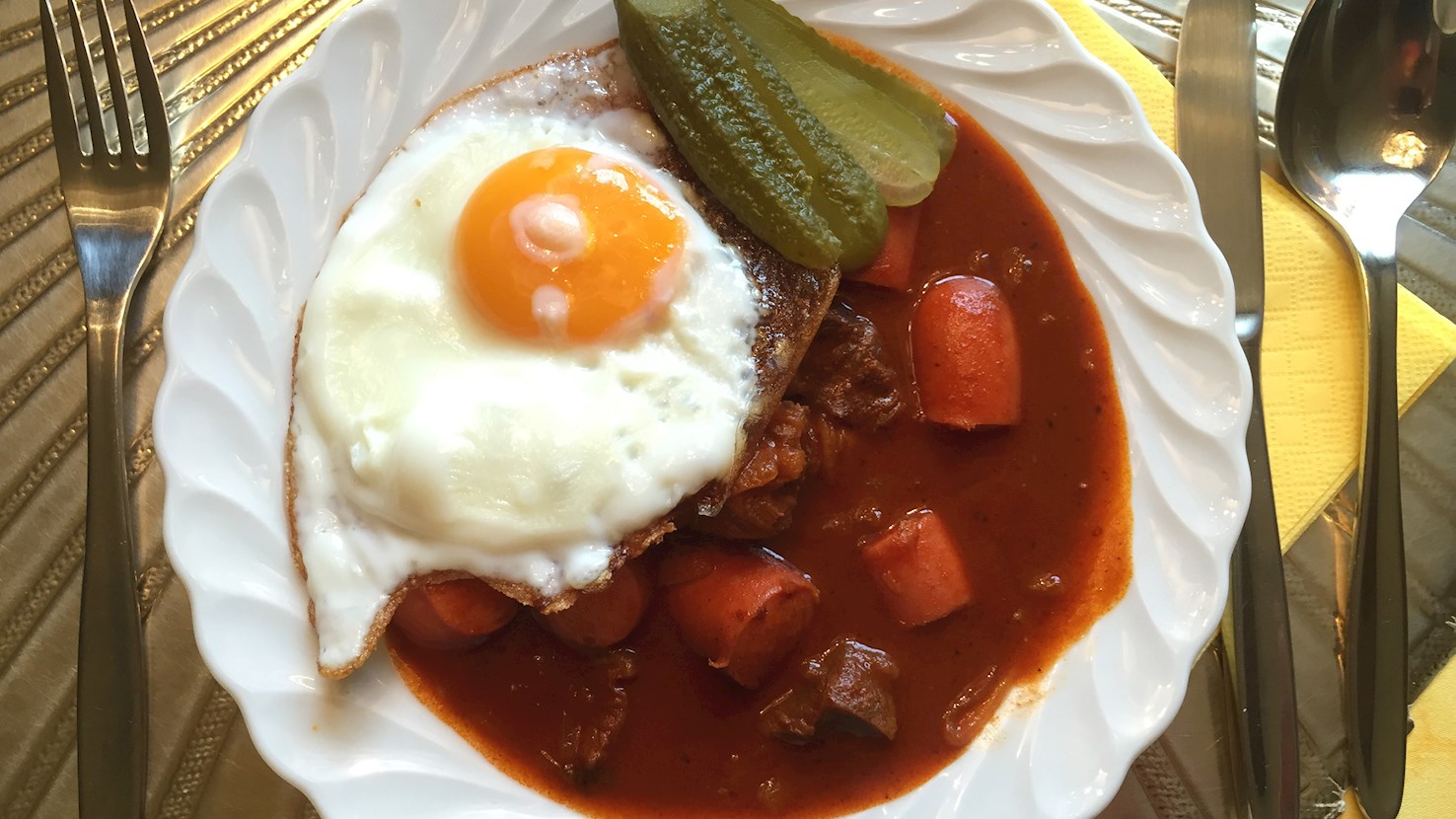
Fiakergulasch is a popular variation on the traditional Viennese goulash, or Wiener saftgulasch, as it is known in Austria. The dish is usually made with diced beef that is simmered in a flavorful sauce consisting of onions, tomato purée, garlic, water, vinegar, smoked paprika (hot and mild or sweet), bay leaves, marjoram, caraway seeds, salt, and pepper. What distinguishes this version from other Viennese goulash versions is the choice of garnishes and accompaniments that are traditionally served with the beef stew. These include fried Wiener sausages (known as Frankfurter würstel in Austria), fan-cut pickled gherkins, bread dumplings or boiled potatoes, and a fried, sunny-side-up egg. This specialty is said to have been a favorite of the Viennese coachmen who drive the famous 19th-century horse-drawn carriages or fiakers around the city, hence the name of the dish, which translates to coachman’s goulash. In Vienna, this dish is also known by the name herrengulasch (meaning gentlemen’s goulash). The beef stew is thought to be an excellent hangover remedy, which is why it is a popular meal choice in the morning, served in many cafés throughout Vienna.

05

Erdäpfelgulasch

3.2 ·

Erdäpfelgulasch is a traditional potato stew or goulash from Austria made by simmering potatoes in a rich sauce seasoned primarily with paprika, a spice central to many Central and Eastern European cuisines. Other common ingredients include onions, garlic, and bell peppers, all contributing to the savory and comforting nature of the dish. While it often includes meat (typically beef or sausage, depending on regional preferences or personal taste), erdäpfelgulasch can be a fantastic vegetarian option, as potatoes are the main ingredient. The name comes from the Austrian term "erdäpfel" which means potatoes, and "gulasch" which refers to a type of stew. The finished dish is often served with a side of bread or pickles.

06

Beuschel

3.1 ·

Beuschel is one of the classics of Austrian cuisine. Often compared to a ragout, this hearty dish is made with offal, usually heart and lungs, and it is served in a delicious, dark brown sauce. Usually, calf offal is used in the dish, but other animals or organs can also be utilized. Due to the consistency of the offal, beuschel is a time-consuming dish found only in traditional and notable Austrian restaurants. Even though it can be found in all parts of Austria, it is usually associated with Vienna and represents a real example of the old Viennese cuisine. It became popular in the 19th century, during the Austrian Empire, when animal offal was introduced on the menus of numerous high-end Viennese restaurants. Its importance has recently slightly faded, but for true experts, it is still regarded as a delicious heritage of the Austrian Empire. To achieve the creamy and mild consistency, the dish is usually finished with cream, and is most commonly served with traditional, aromatic bread dumplings.

07

Paradeiskraut

n/a ·

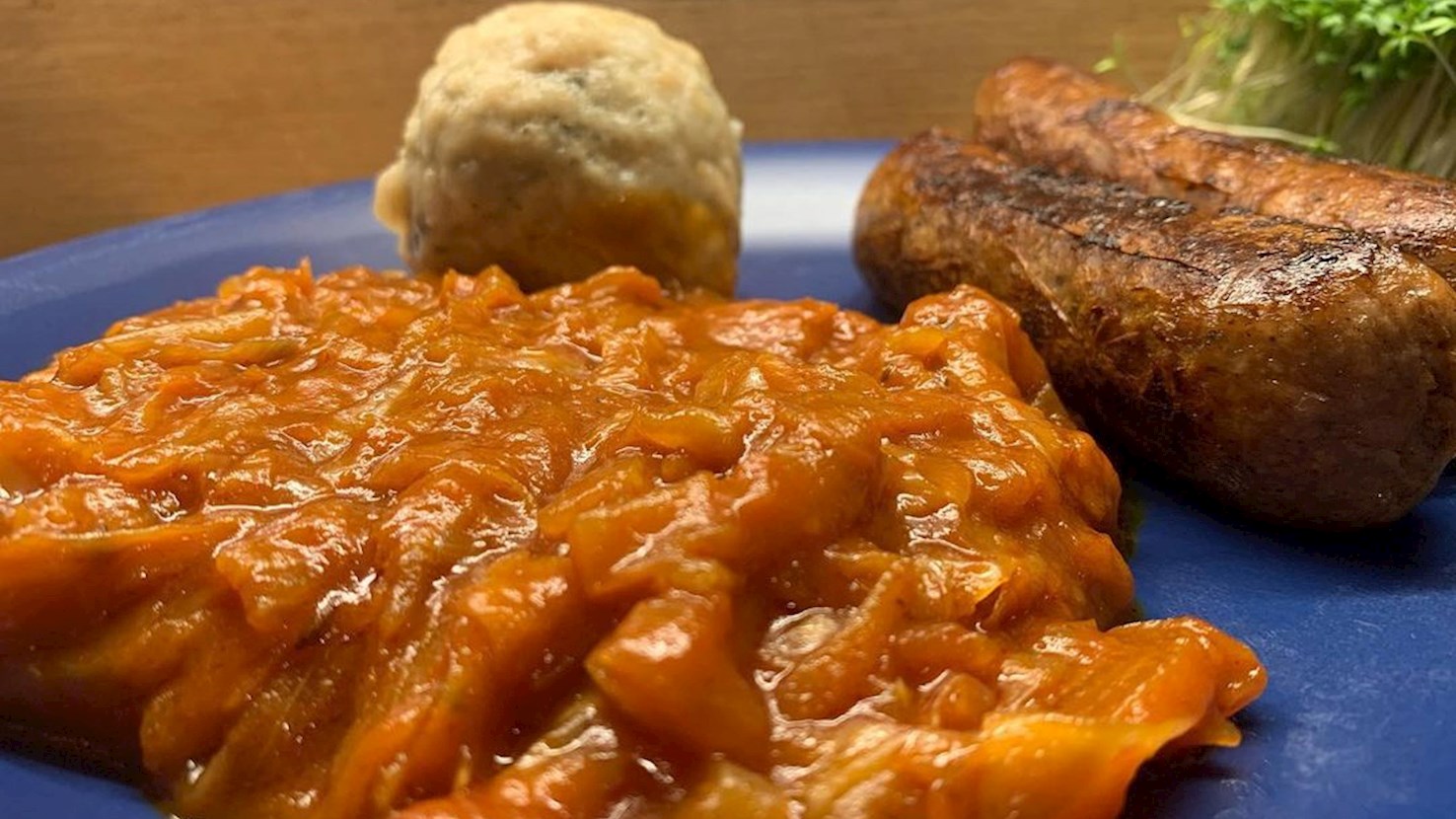
Paradeiskraut is a specialty of Burgenland cuisine, consisting of, as the name suggests, tomatoes (paradeis) and cabbage (kraut). This traditional dish is typically made by sautéing chopped white cabbage with caramelized onions and a handful of spices before the cabbage mixture is simmered with tomato paste (paradeismark) and tomato sauce. The dish is usually seasoned with salt, pepper, and cumin, while the use of schmalz (lard) and einbrenn (flour browned in fat) contribute to its unique flavor. Often referred to as Apetloner paradeiskraut, this flavor-packed cabbage-and-tomato stew is particularly associated with Apetlon, where no feast or celebration is complete without a serving of warm paradeiskraut. Typical accompaniments served with this stew include fleischlaibchen (fried meat patties or rissoles), boiled beef (usually from the local gray steppe cattle), and boiled potatoes with parsley.

08

Böhmisches Schwammerlgulasch

n/a ·

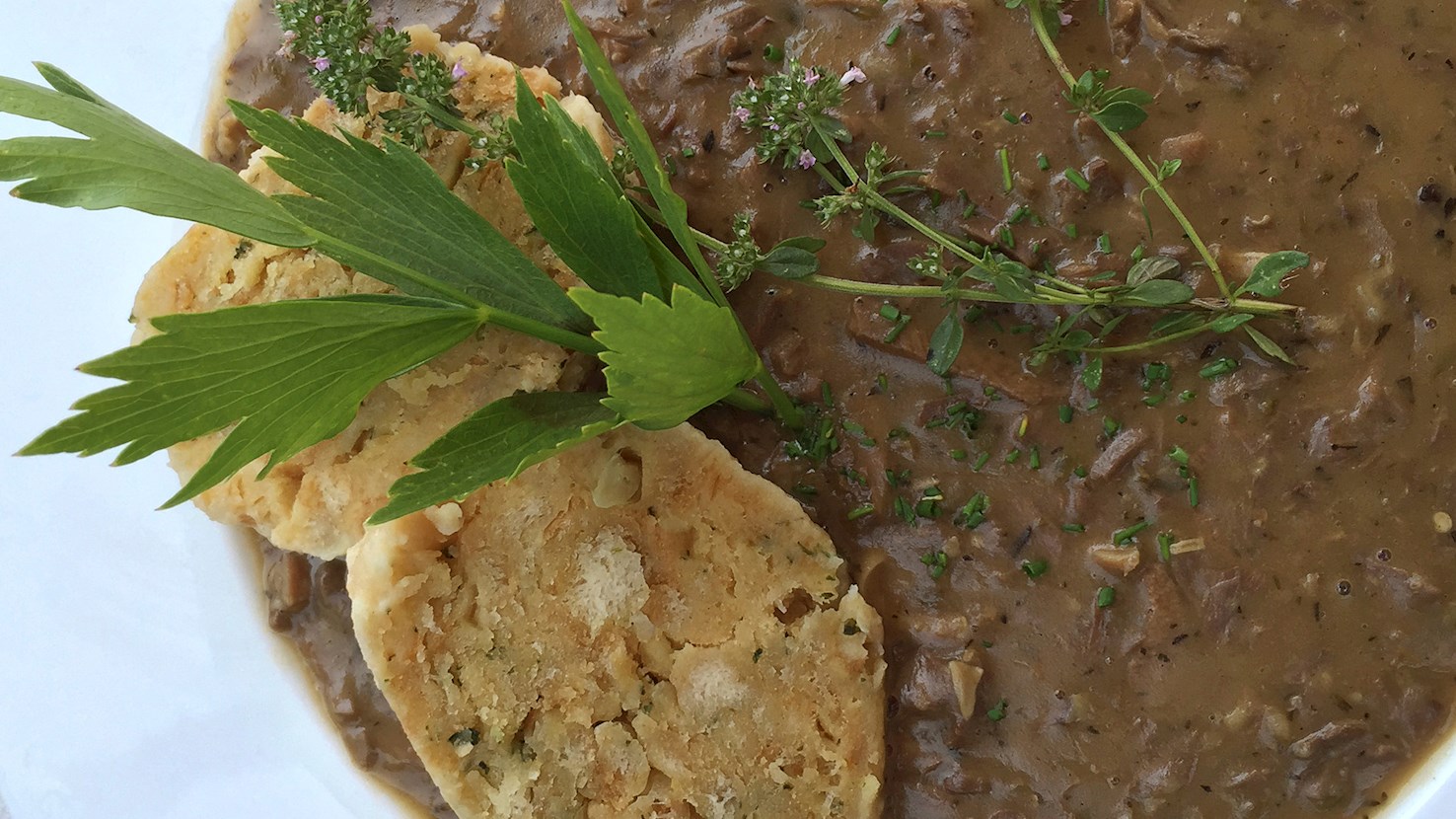
Böhmisches Schwammerlgulasch is a traditional stew originating from Vienna. It's usually made with a combination of mushrooms, carrots, celery, potatoes, scallions, shallots, chicken stock, white wine, sour cream, butter, paprika, bay leaves, juniper berries, caraway seeds, dill, lovage, vinegar, salt, and white pepper. The shallots are sautéed in butter, then mixed with paprika, white wine, and all the vegetables and bay leaves. The mixture is covered with stock, seasoned with salt and pepper, and simmered until the broth becomes thick. Mushrooms are added to the pot, and juniper berries and bay leaves are removed. The sour cream, dill, and lovage are finally added to the stew, it's simmered for a few more minutes, and vinegar is then added to taste. It's recommended to serve the stew with rye bread or dumplings on the side.

09

Lungauer Schöpsernes

n/a ·

Lungauer schöpsernes is a traditional dish originating from the Lungau region. This hearty meal primarily consists of mutton or lamb cooked in a stew or prepared casserole-style. While the exact recipe can vary, common ingredients in Lungauer schöpsernes include mutton or lamb, potatoes, onions, garlic, and a variety of herbs and spices. The meat is often marinated in a mixture of vinegar and water, sometimes with the addition of wine, and then stewed with the other ingredients until tender. The dish is typically served with local bread, making it a rich, satisfying meal that is particularly comforting in the cold Alpine winters.

Read more
View all
View map
About this ranking

TasteAtlas food rankings are based on the ratings of the TasteAtlas audience, with a series of mechanisms that recognize real users and that ignore bot, nationalist or local patriotic ratings, and give additional value to the ratings of users that the system recognizes as knowledgeable. For the “Top 9 Austrian Stews” list until June 15, 2026, 255 ratings were recorded, of which 205 were recognized by the system as legitimate. TasteAtlas Rankings should not be seen as the final global conclusion about food. Their purpose is to promote excellent local foods, instill pride in traditional dishes, and arouse curiosity about dishes you haven’t tried.

Similar lists