

shutterstock

Top 5 Bahian Stews

Last updated on June 15, 2026
01

Moqueca Baiana

4.3 ·

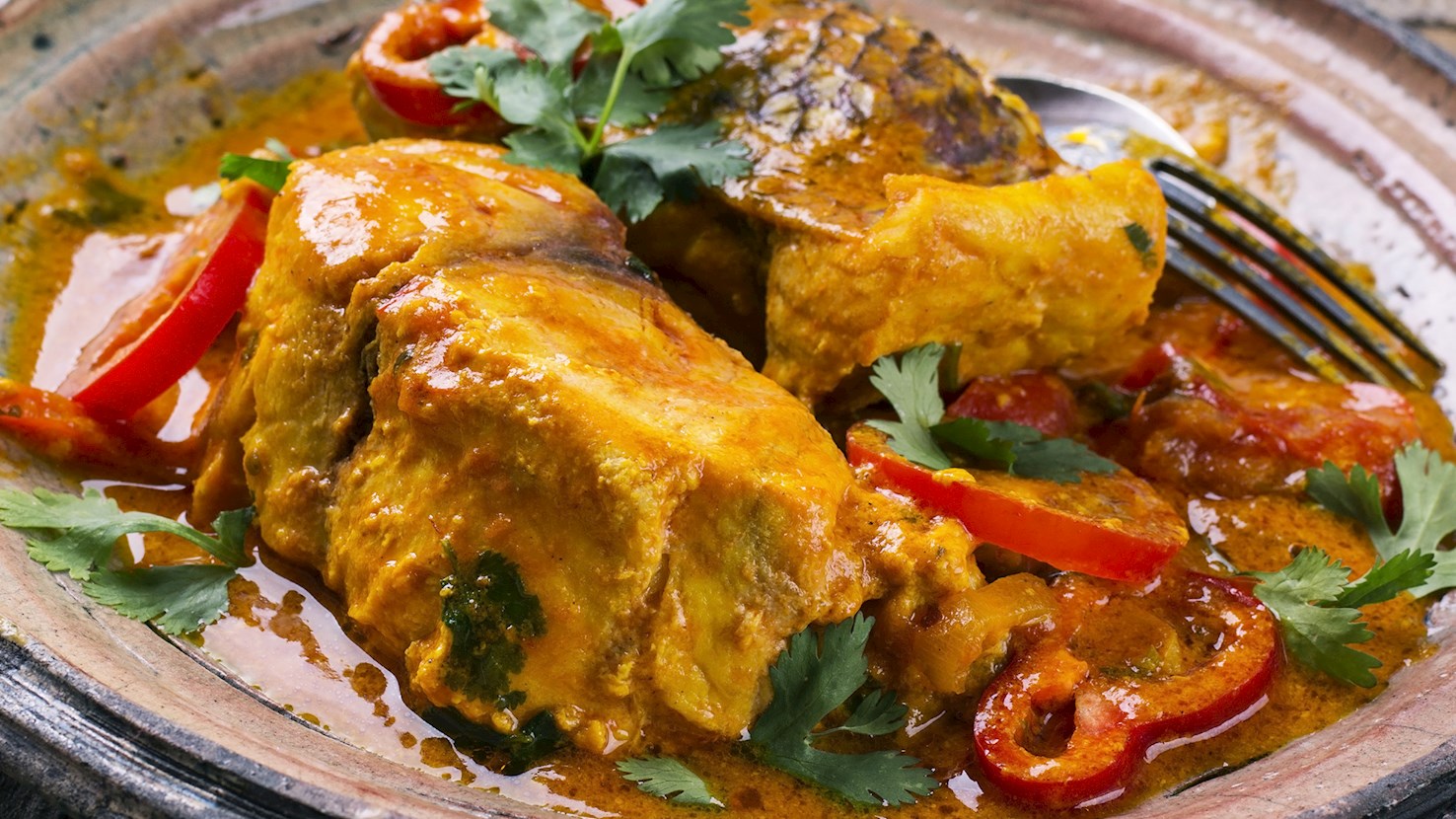
Moqueca Baiana is a seafood stew originating from the Brazilian state of Bahia, hence the word Baiana in its name. It consists of white fish, shrimps, or other seafood combined with coconut milk, dendê oil, lime juice, and various vegetables such as red and yellow peppers, tomatoes, spring onions, garlic, onions, and sometimes ginger. When done, the dish is typically garnished with chopped coriander, then served with rice and farofa. This seafood stew was originally prepared by the native people of Brazil. Over time, new elements were added to the stew, such as coconut milk, which was first introduced to Brazil by Portuguese colonists, and palm oil, which was brought over to the country by African slaves.

02

Bobó de camarão

4.3 ·

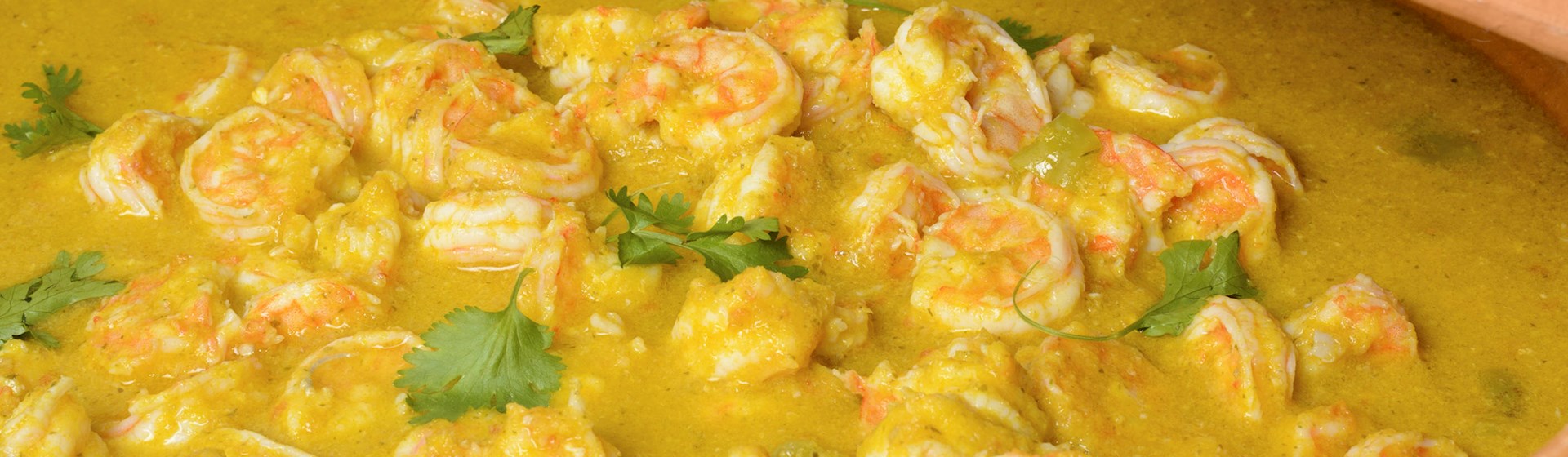
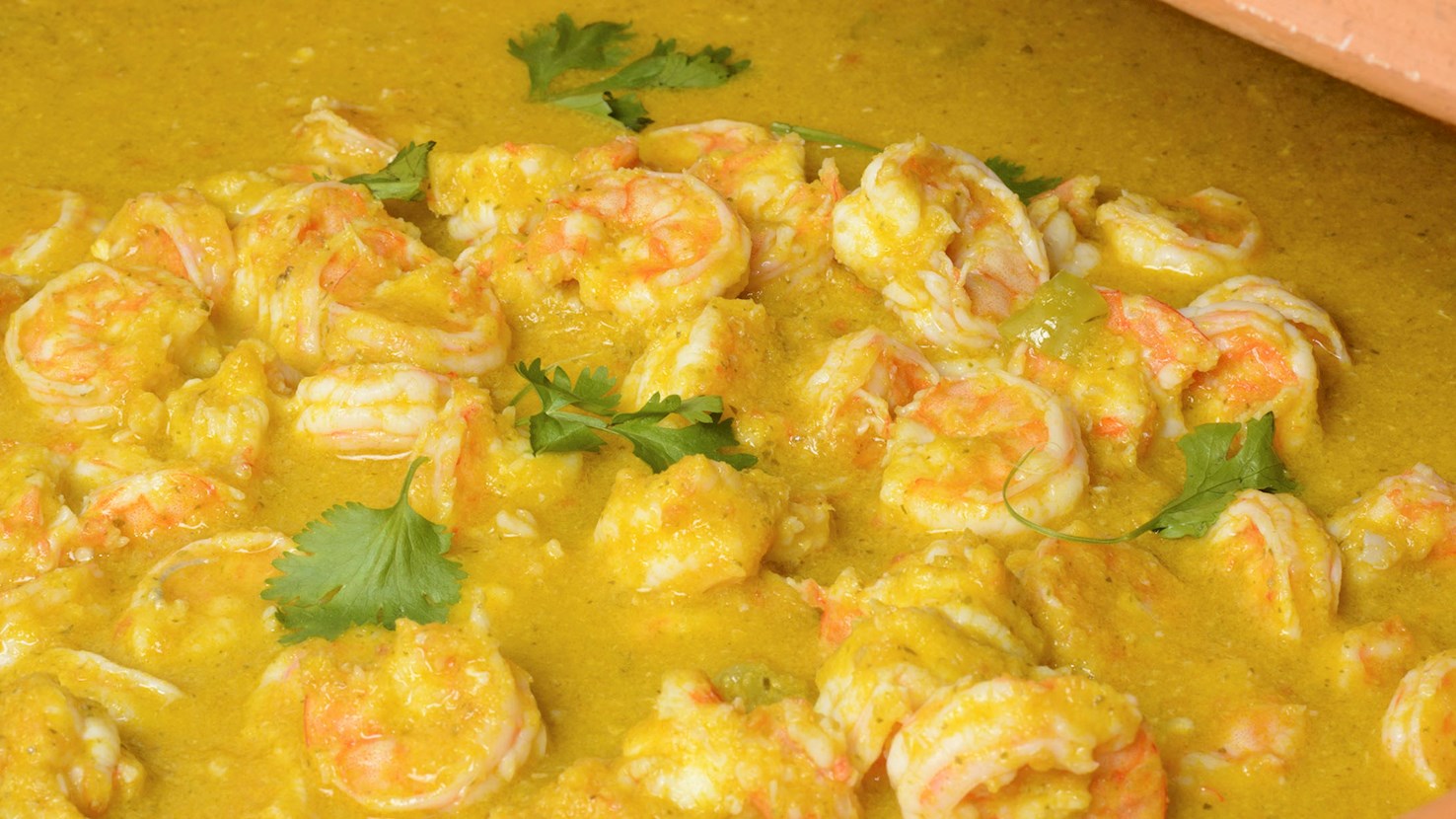
A classic dish of the Brazilian Bahia region, bobó de camarão is a stew made with puréed cassava (bobó), fresh shrimps, coconut milk, and dendê palm oil. The word bobó comes from the Ewe people who were brought to Brazil as slaves, denoting a dish made with beans, although there are no beans in bobó de camarão as we know it today, due to the fact that the Afro-Brazilians enthusiastically took to cassava when they were first introduced to it. The dish is traditionally accompanied by rice on the side, and is a staple of most traditional Brazilian eateries and Bahian self-service restaurants.

03

Vatapá

4.2 ·

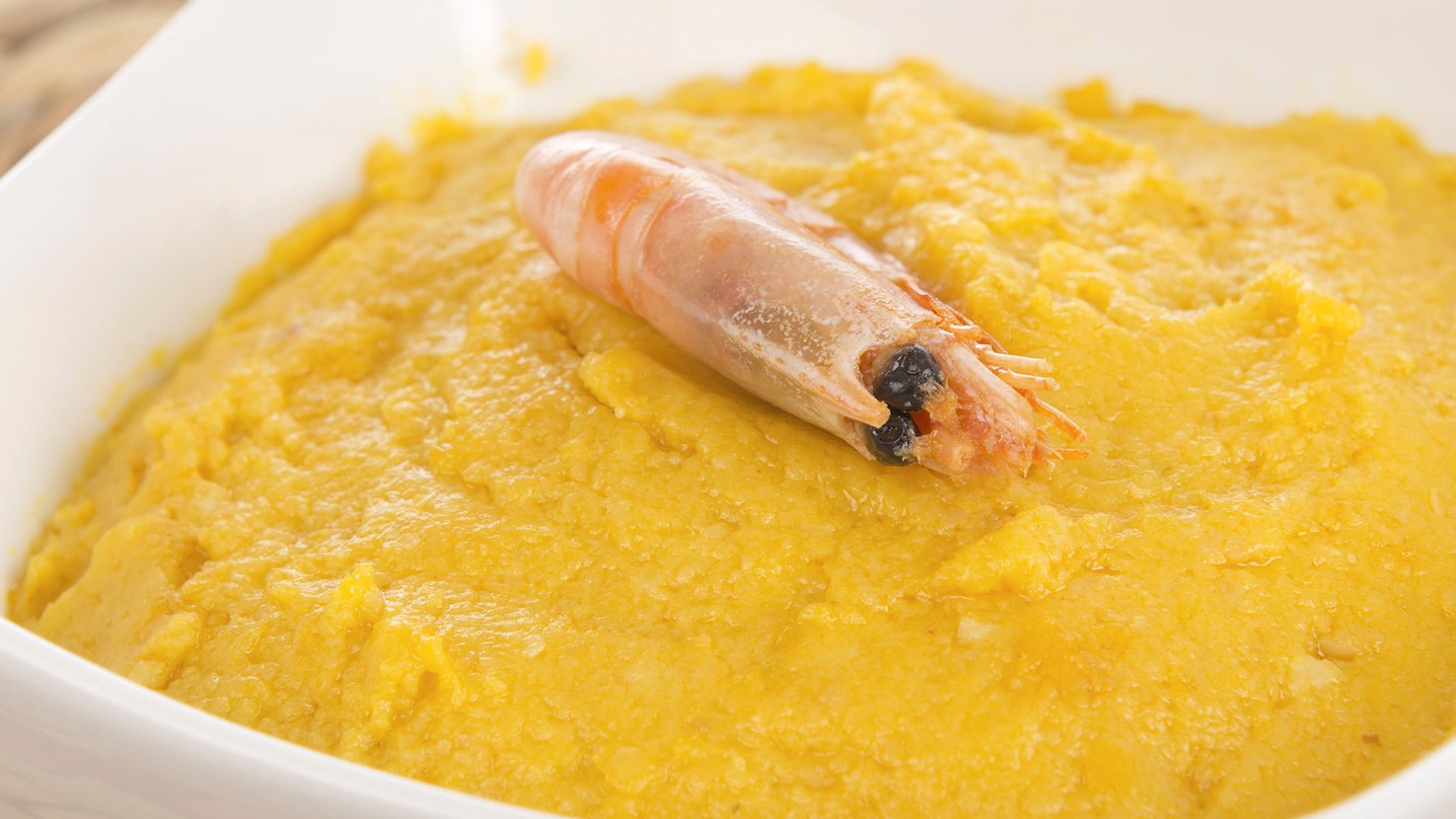
Rich, substantial, and tropically flavored - vatapá is one of the most famous Brazilian dishes, a main course consisting of a combination of stale bread, fish (usually cod), shrimp, coconut milk, manioc flour, dendê palm oil, and cashews. The dish is often consumed with white rice, or as a filling for acarajé fritters, another popular Brazilian dish. Bright yellow in color, vatapá is a specialty of Bahia, a state on the country's northeastern coast that is heavily influenced by the West Africans who were brought to the country as slaves. Although the origins of this dish are unknown, most culinary historians agree that it was invented in Bahia, even if the basic concept for the dish came from Africa.

Best restaurants
04

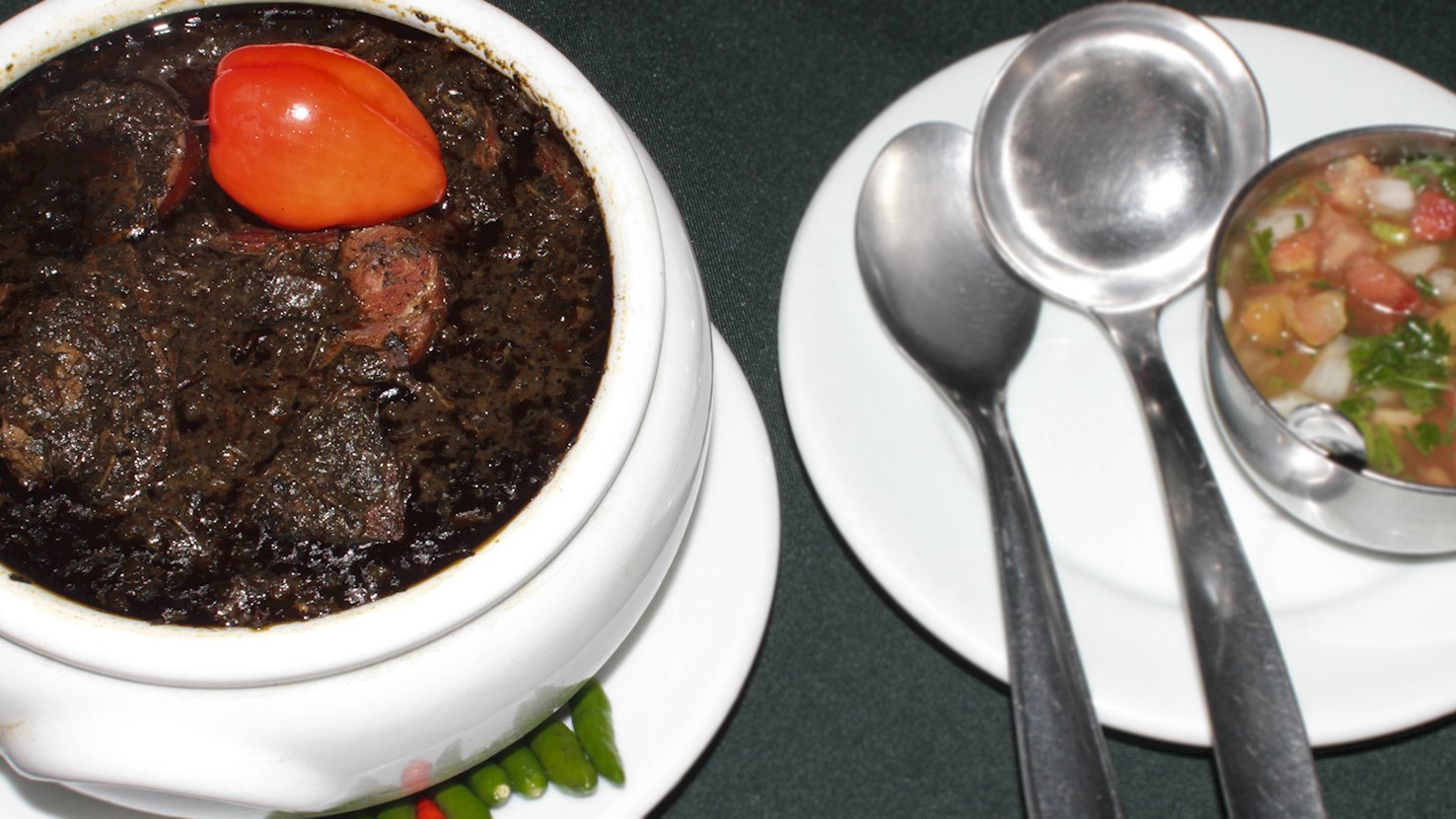
Maniçoba

3.8 ·

A specialty dish from the Brazilian regions of Pará and Bahia, maniçoba is a part of the feijoada family of Brazilian dishes. In addition to dried meat, salted pork, bacon, and sausages, chopped cassava leaves are used instead of beans which are commonly used in a traditional feijoada. One must be extra careful when preparing the dish due to the toxic cyanides found in cassava leaves, which is why they need to be ground and boiled for at least one week in order to remove the toxins. Since it is a lengthy process, maniçoba is mostly prepared for festivities and religious celebrations, when it's consumed by large groups of people. In Bahia, peppers and farofa are often added to the dish, while in Pará, the usual accompaniment is white rice.

05

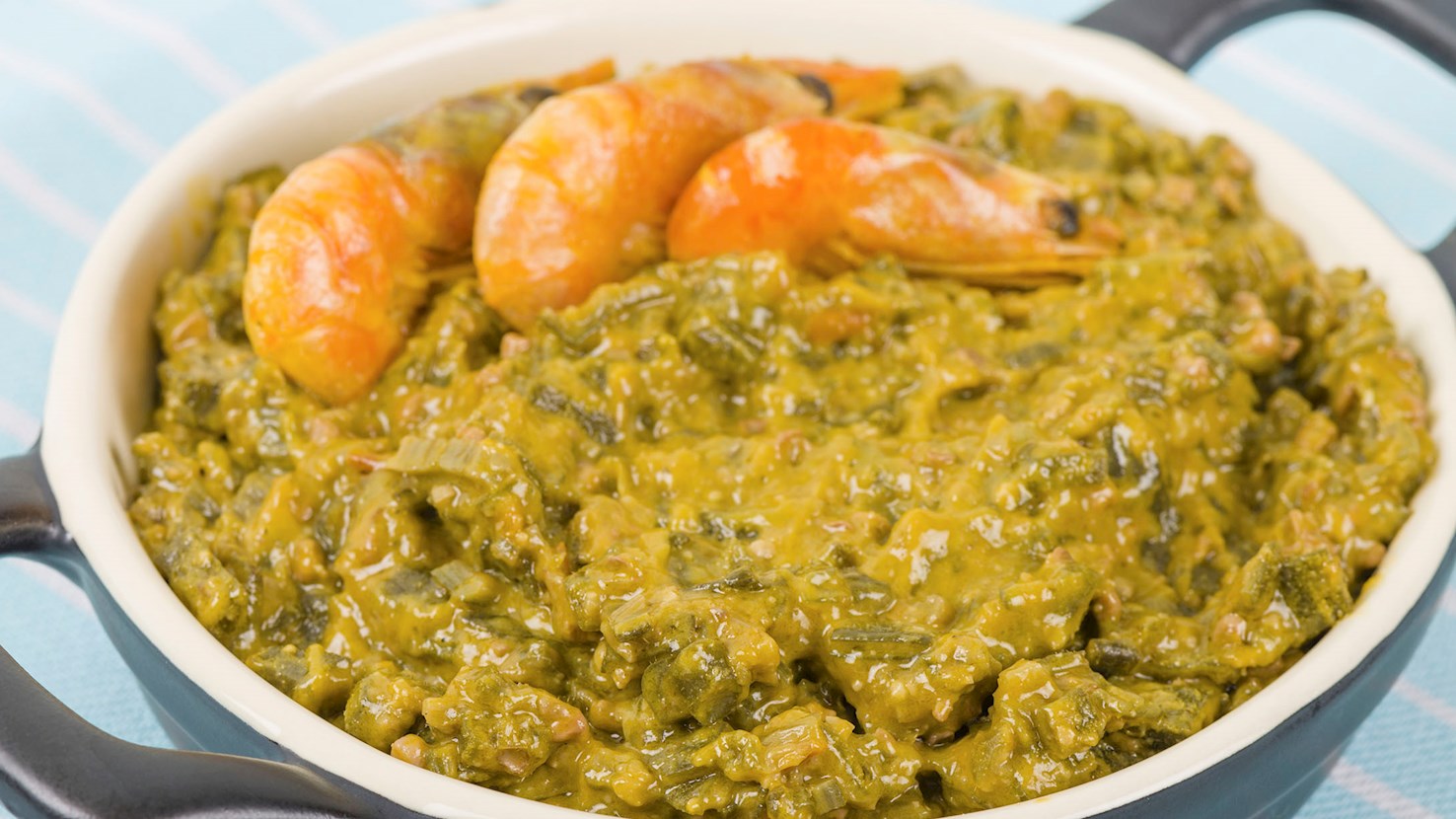
Caruru

3.5 ·

Caruru is a dish that is a blend of okra, dried shrimps, onions, and toasted nuts cooked in dendê palm oil. In the Bahia region, caruru is traditionally consumed as a condiment alongside acarajé, a type of street food consisting of fried black-eyed peas. Although the dish has African origins, it is considered to be a Brazilian dish which was exported out of Africa by the slaves who worked on sugar plantations in Brazil. Caruru is a staple of Afro-Brazilian religious ceremonies, where it's known under the name amalá, and it is a favorite of Xango, the Yoruba African god of fire. It is also the main meal that is served during the September festivities honoring Cosme and Damien, the twin saints of Bahian Afro-Catholic culture. The dish is traditionally served to guests as a sign of celebrating family ties and friendship.

Best restaurants
Read more
View all
View map
About this ranking

TasteAtlas food rankings are based on the ratings of the TasteAtlas audience, with a series of mechanisms that recognize real users and that ignore bot, nationalist or local patriotic ratings, and give additional value to the ratings of users that the system recognizes as knowledgeable. For the “Top 5 Bahian Stews” list until June 15, 2026, 477 ratings were recorded, of which 331 were recognized by the system as legitimate. TasteAtlas Rankings should not be seen as the final global conclusion about food. Their purpose is to promote excellent local foods, instill pride in traditional dishes, and arouse curiosity about dishes you haven’t tried.

Similar lists