

Top 7 Cameroonian Stews

Last updated on July 15, 2026
01

Ndolé

2.9 ·

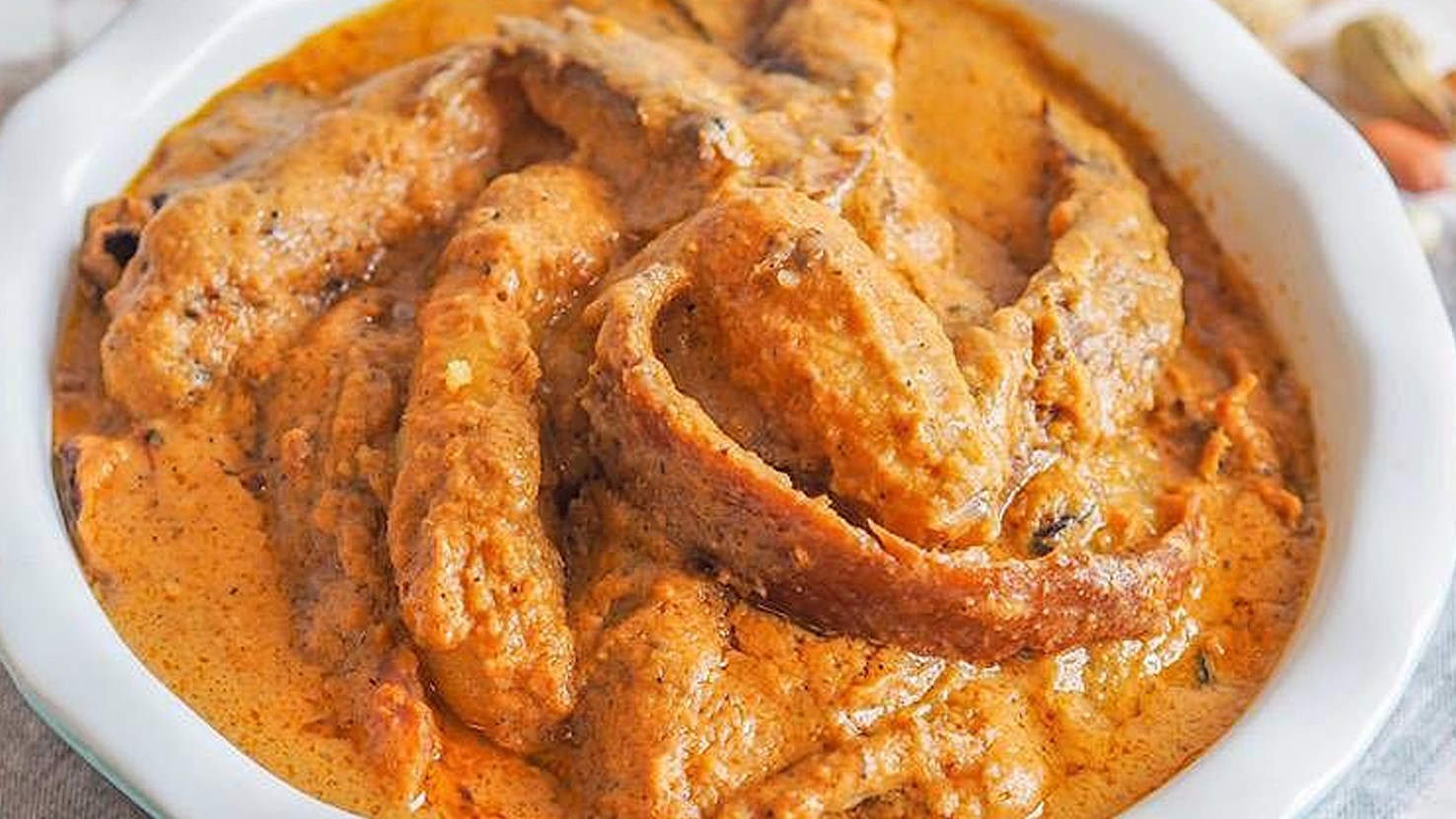
Ndolé is one of the two national dishes of Cameroon, traditionally made with boiled bitterleaf, peanuts, and melon seeds. Seasoned with spices and hot oil, ndolé can be cooked with either fish or meat. This flavorful stew is usually served with bobolo – fermented cassava shaped into a loaf. It is a rich, highly caloric dish that is always present at parties and festivities. Ndolé can also be accompanied by fufu corn, yams, rice, or fried plantains as side dishes.

02

Mbongo tchobi

n/a ·

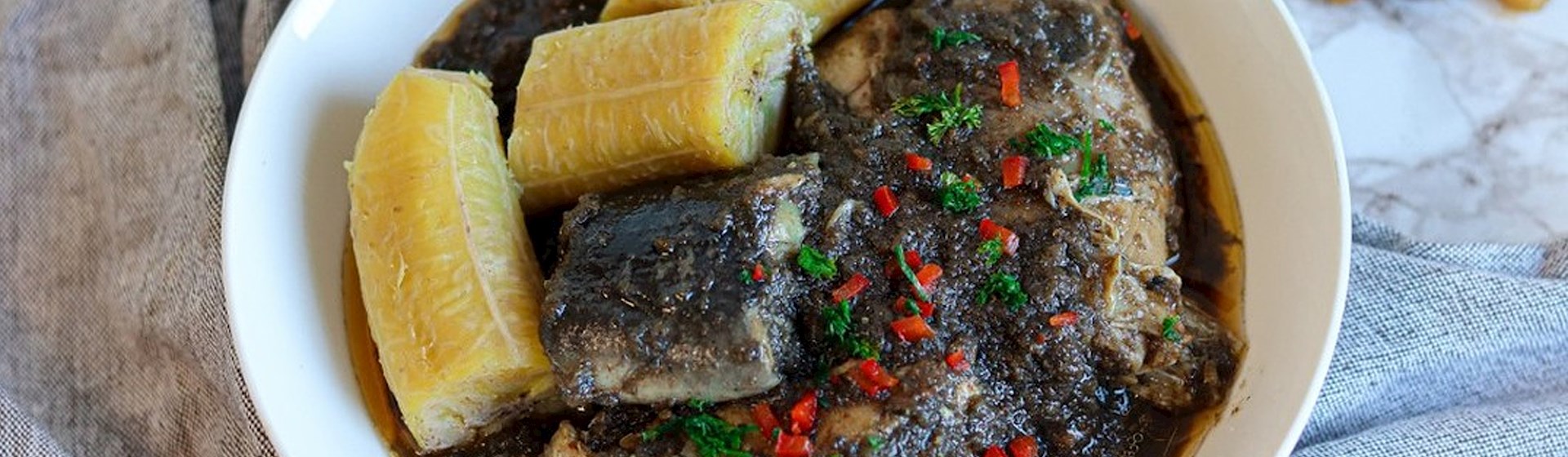
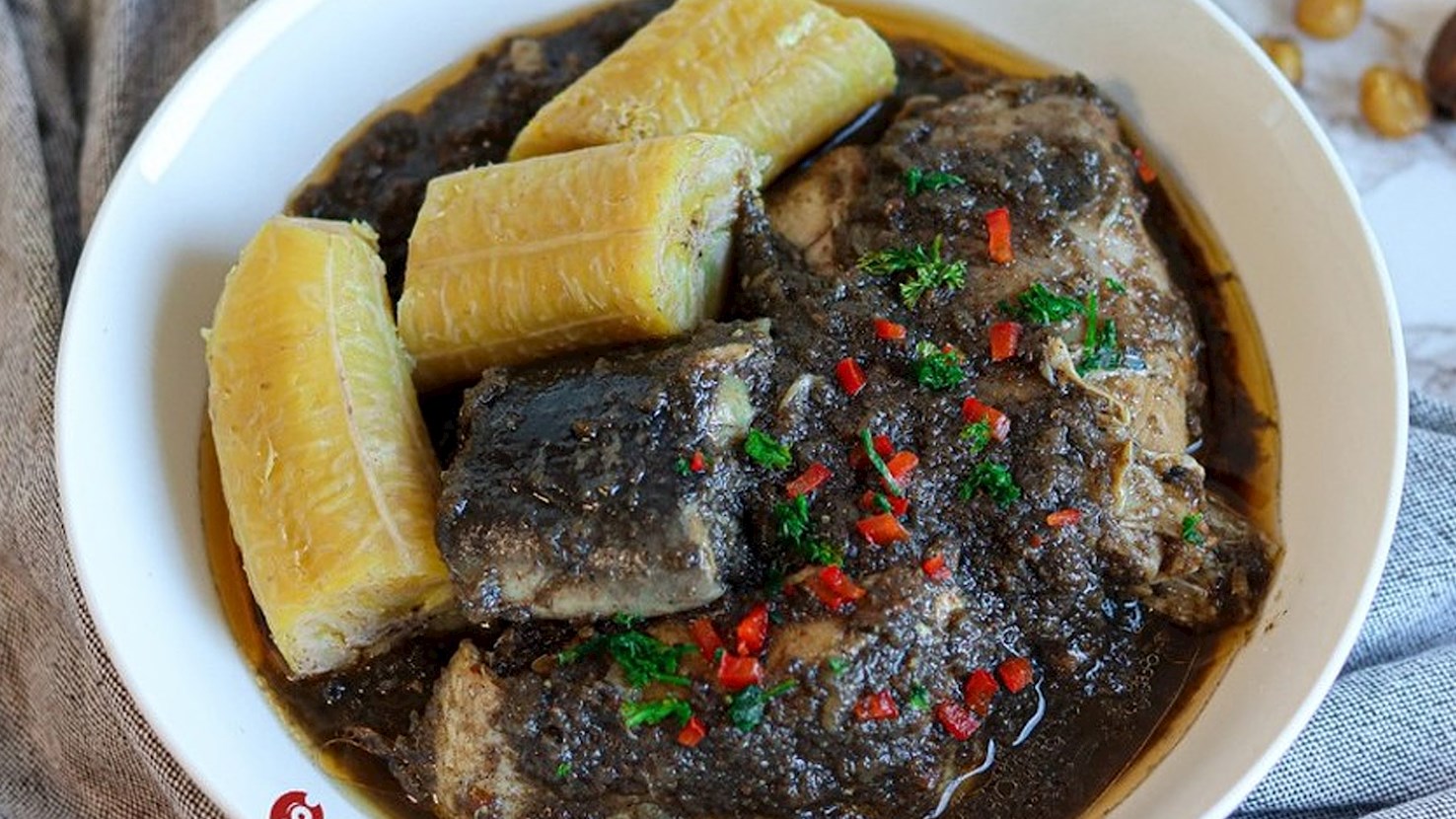
Although some people may be taken aback by the unappealing grayish-black color of mbongo tchobi, also known as black stew, it is actually a flavorful meal that is typically made with onions, tomatoes, fish, and meat such as lamb, beef, or goat, along with hiomi powder, alligator pepper, and a nutty spice known as njansa. Mbongo refers both to the name of the dish and the spice used in its preparation. After the stew has simmered for the required amount of time, it is traditionally served warm with boiled plantains on the side.

03

Ekwang

n/a ·

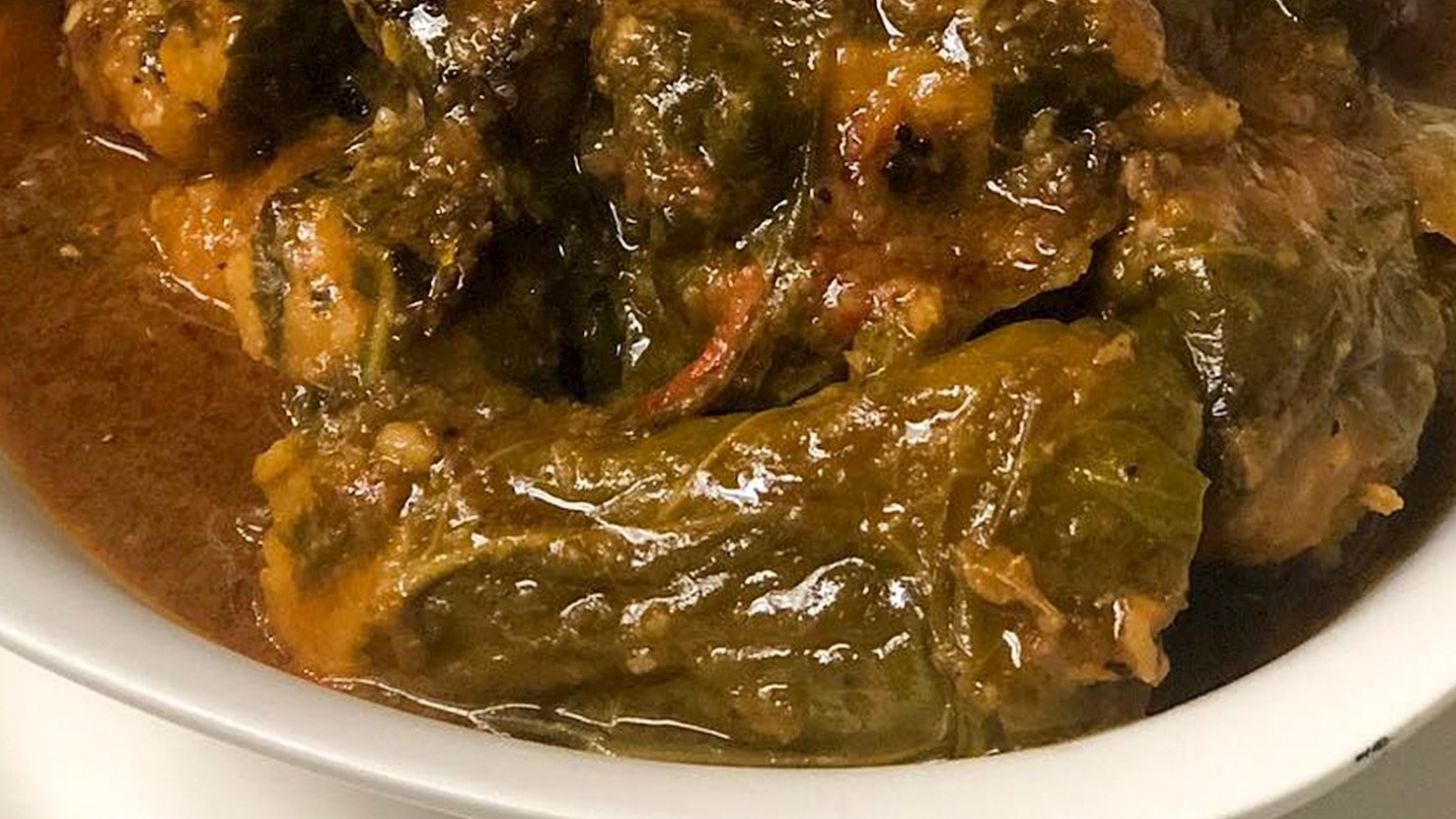
Ekwang is a popular Cameroonian and Nigerian dish consisting of grated cocoyams that are tied in cocoyam leaves, then slowly simmered with crayfish, palm oil, and various spices. This delicacy is traditionally prepared by the Bafaw people from the Southwest region of Cameroon and several ethnic groups in the Nigerian state of Cross River. Although making ekwang is a laborious, time-consuming process due to all the grating and wrapping, most cooks claim that it disappears from the plates quite fast after it has been served.

04

Kondre

n/a ·

Kondre is one of the two national dishes of Cameroon, consisting of platains, tomatoes, onions, spices, and meat such as beef, goat, chicken, or pork. Originally from Bafang, kondre used to be a ceremonial dish that was reserved for special occasions such as weddings, baby welcomings, and funerals. Visually, it is a thick, hearty stew that looks similar to a butternut squash soup. With its unique flavor and appearance, kondre is guaranteed to remain a staple of Cameroonian cuisine.

05

Banane malaxé

n/a ·

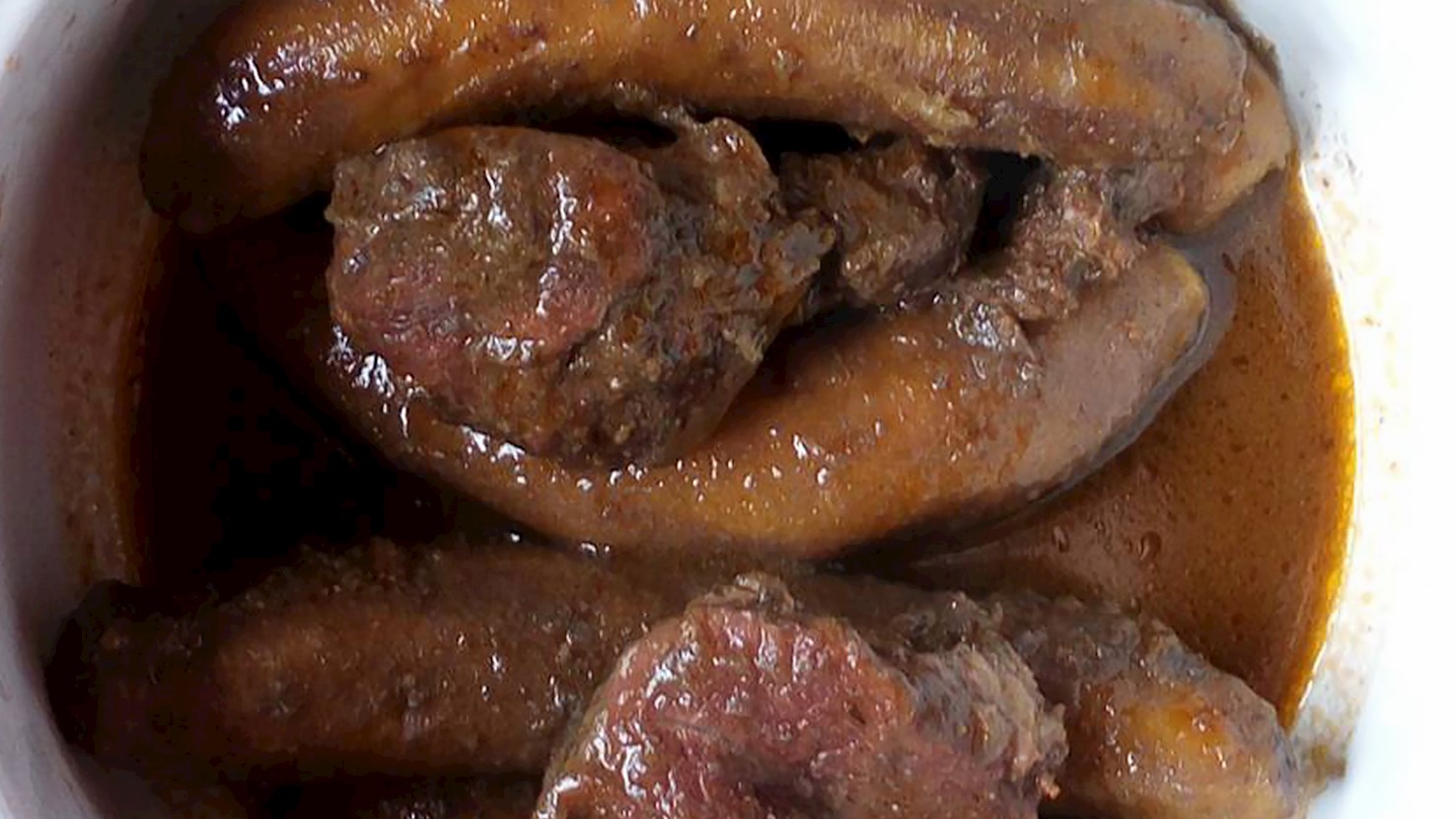
Banane malaxé or topsy bananas is a traditional stew originating from Cameroon. Although there are many variations, the stew is usually made with a combination of unripe bananas, ginger, garlic, onions, peanuts, hot peppers, tomatoes, crayfish, palm oil, salt, and bouillon cubes. The ingredients are first sautéed in palm oil and then covered with water and left to simmer until everything is tender and fully cooked. The stew should be light, and as it cools down, the sauce will thicken. If desired, beef tripe or chicken can be added for extra flavor and different texture.

06

Ndolé crevettes (Shrimp ndolé)

n/a ·

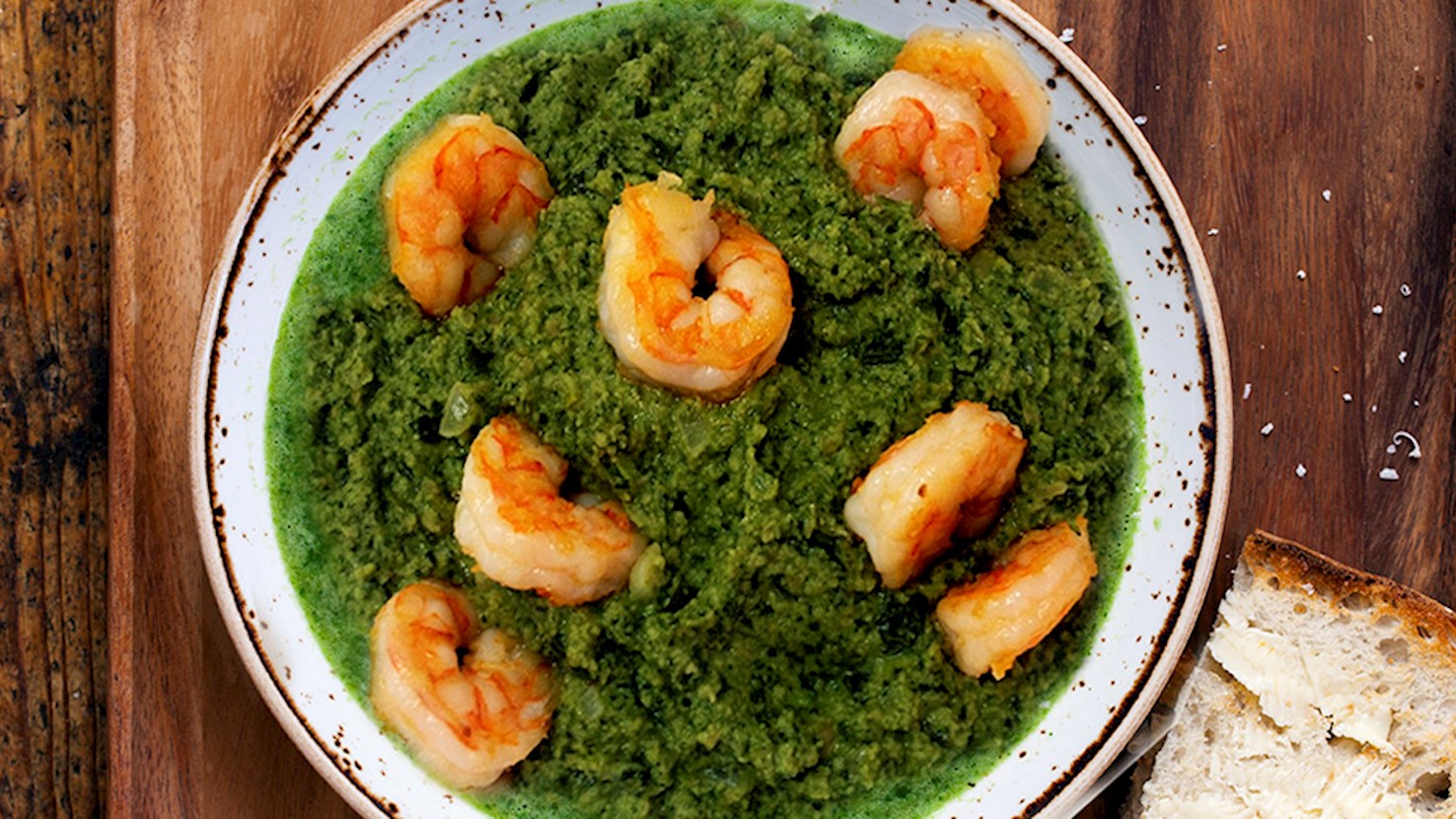
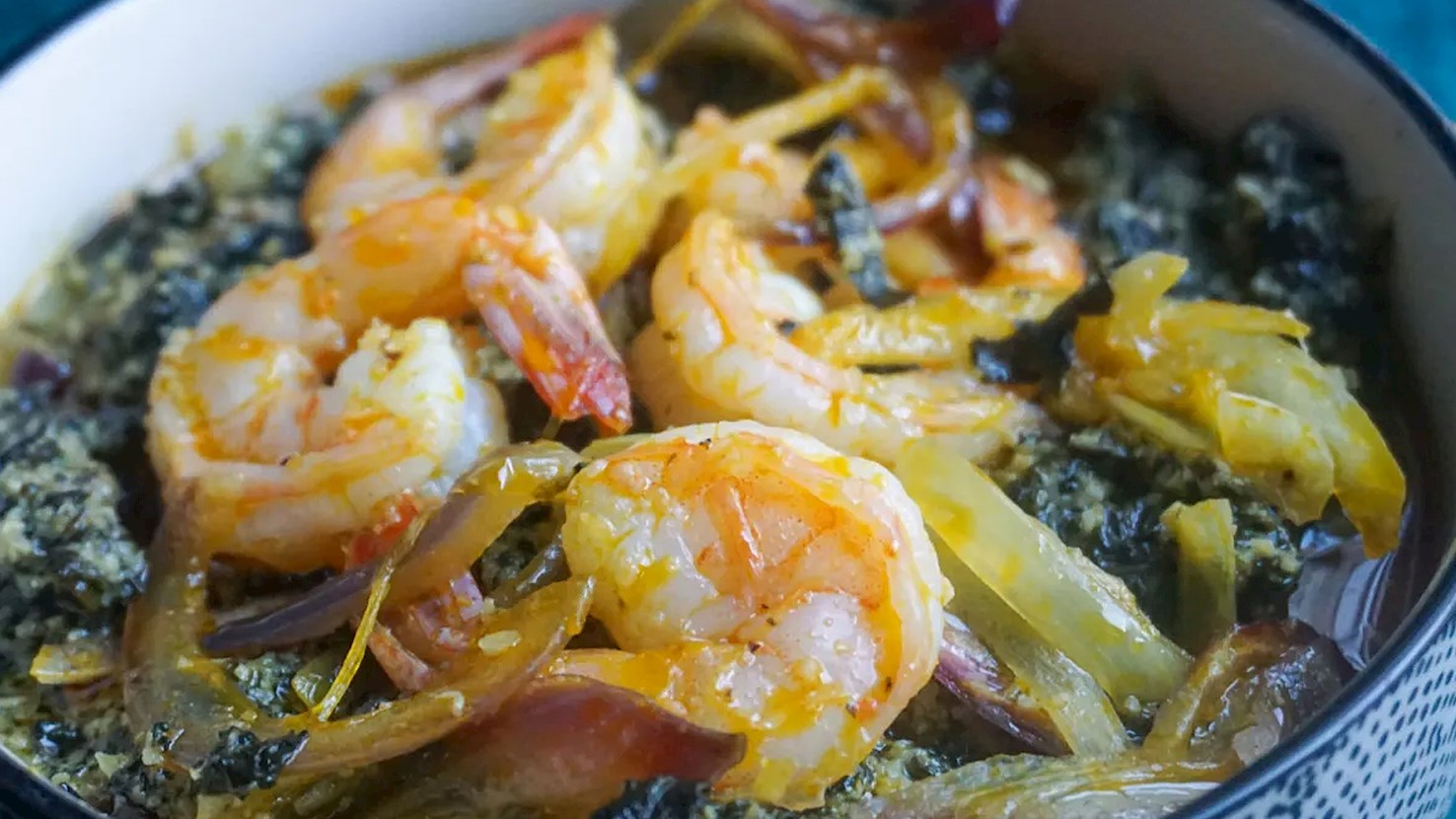
Ndolé crevettes is a stew made with boiled ndolé (bitter leaves), peanuts, and shrimp. It is a specialty of the Cameroonian Littoral region, often served for special occasions and festivities. The green leaves of ndolé are boiled in order to reduce the bitterness of the plant and mixed with the creamy peanut paste and spices. Finally, peeled shrimp tails are added to the stew and cooked briefly, just until pink. Ndolé crevettes is served with fried plantains, bobolo (fermented cassava shaped into a loaf), rice, or macabo.

07

Corn chaff

n/a ·

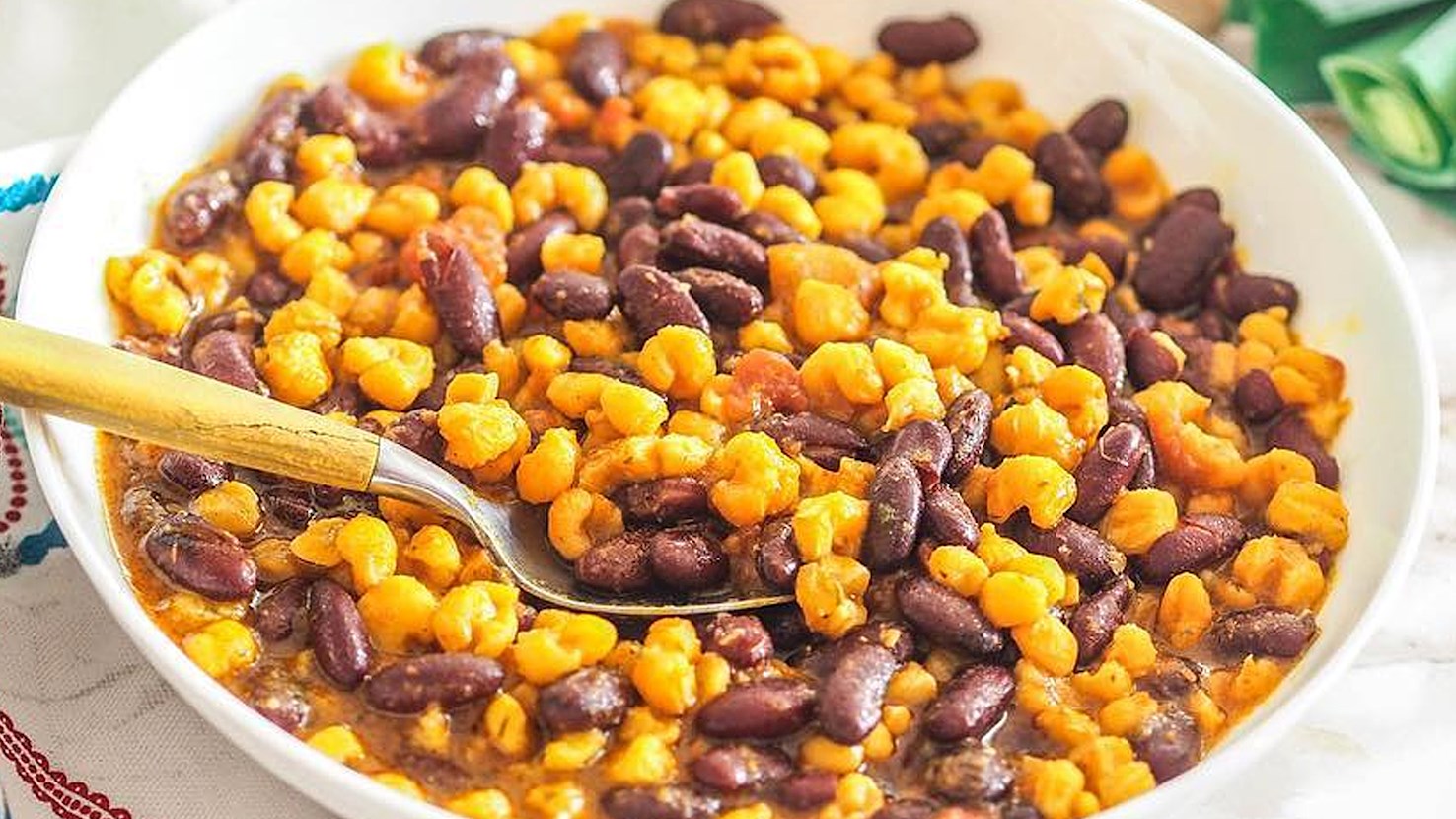
Adalu is a hearty Nigerian and Cameroonian (commonly known there as corn chaff) stew utilizing corn and beans as the key ingredients. Corn and beans are slowly simmered with ingredients such as onions, palm oil, tomatoes, various spices, and beef, crayfish or smoked fish, depending on personal preference, although beef and fish can be omitted from the dish. Its high fiber and protein content make it a highly nutritious choice for any meal. Adalu is traditionally served hot and can be enjoyed on its own or paired with sides like fried plantains or bread.

Read more
View all
View map
About this ranking

TasteAtlas food rankings are based on the ratings of the TasteAtlas audience, with a series of mechanisms that recognize real users and that ignore bot, nationalist or local patriotic ratings, and give additional value to the ratings of users that the system recognizes as knowledgeable. For the “Top 7 Cameroonian Stews” list until July 15, 2026, 61 ratings were recorded, of which 32 were recognized by the system as legitimate. TasteAtlas Rankings should not be seen as the final global conclusion about food. Their purpose is to promote excellent local foods, instill pride in traditional dishes, and arouse curiosity about dishes you haven’t tried.

Similar lists