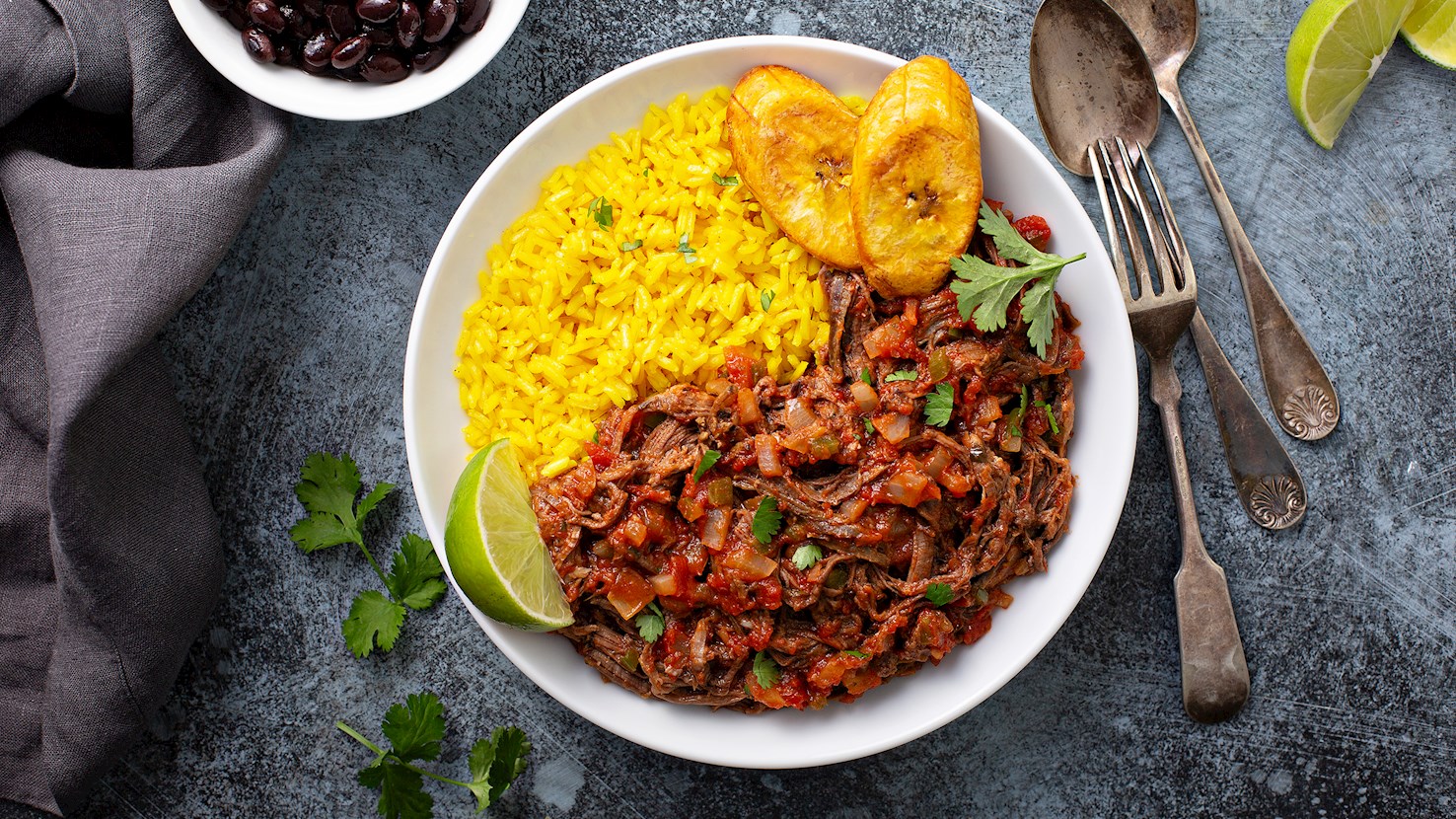
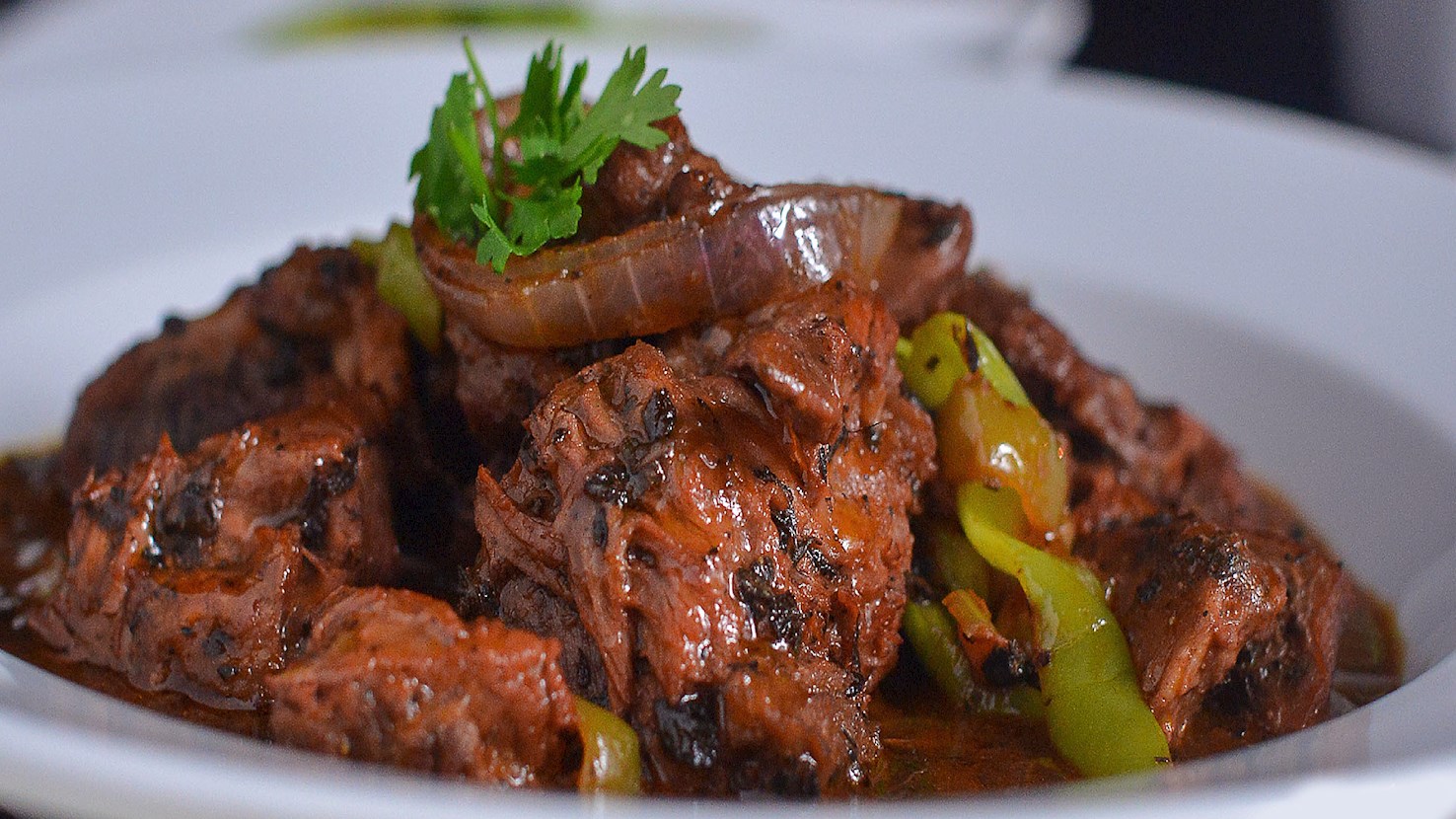
Ropa vieja is the national dish of Cuba, a hearty stew made with shredded beef, tomatoes, onions, and peppers. The stew is traditionally served with yellow rice and a glass of cold beer on the side. Like many Cuban dishes, this one also originated in Spain and was brought over to Cuba and the Caribbean territory by the Spaniards. It is believed that the Sephardic Jews from the Iberian Peninsula invented the dish because they could not cook on the Sabbath, so they prepared this hearty stew a day in advance. Ropa vieja means old clothes, referring to an unusual story saying that a poor man once shredded and cooked his clothes because he could not afford to buy food. As he prayed over the pot, a miracle happened and turned his clothes into a flavorful meat stew. Today, ropa vieja is a staple across the Caribbean and Cuba, with tweaks and modifications in the recipes throughout the regions.
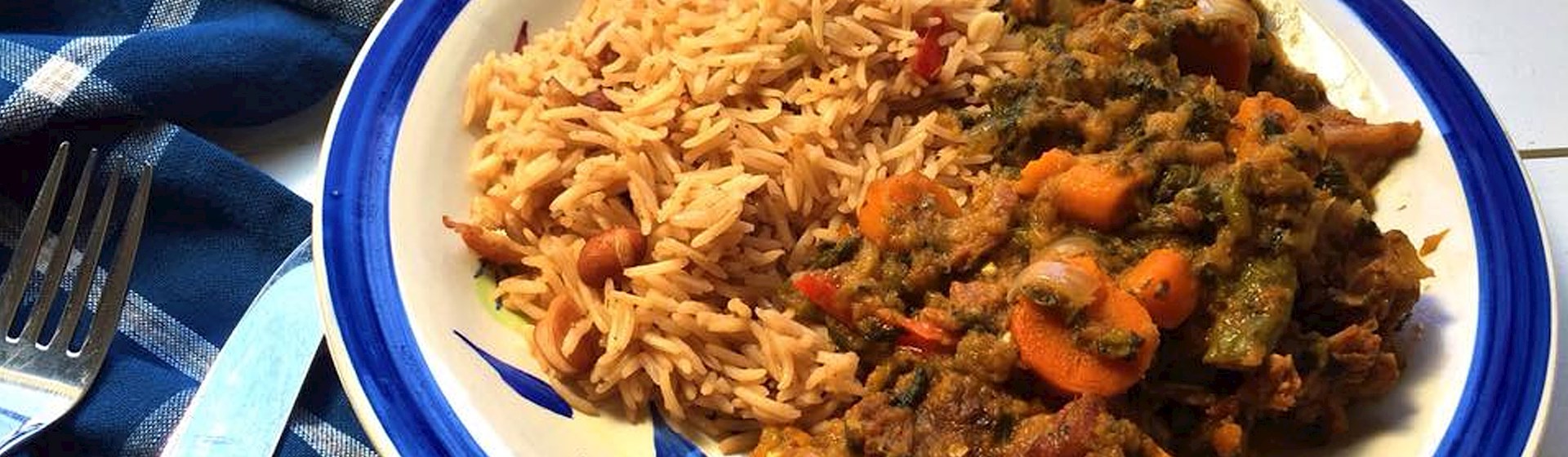
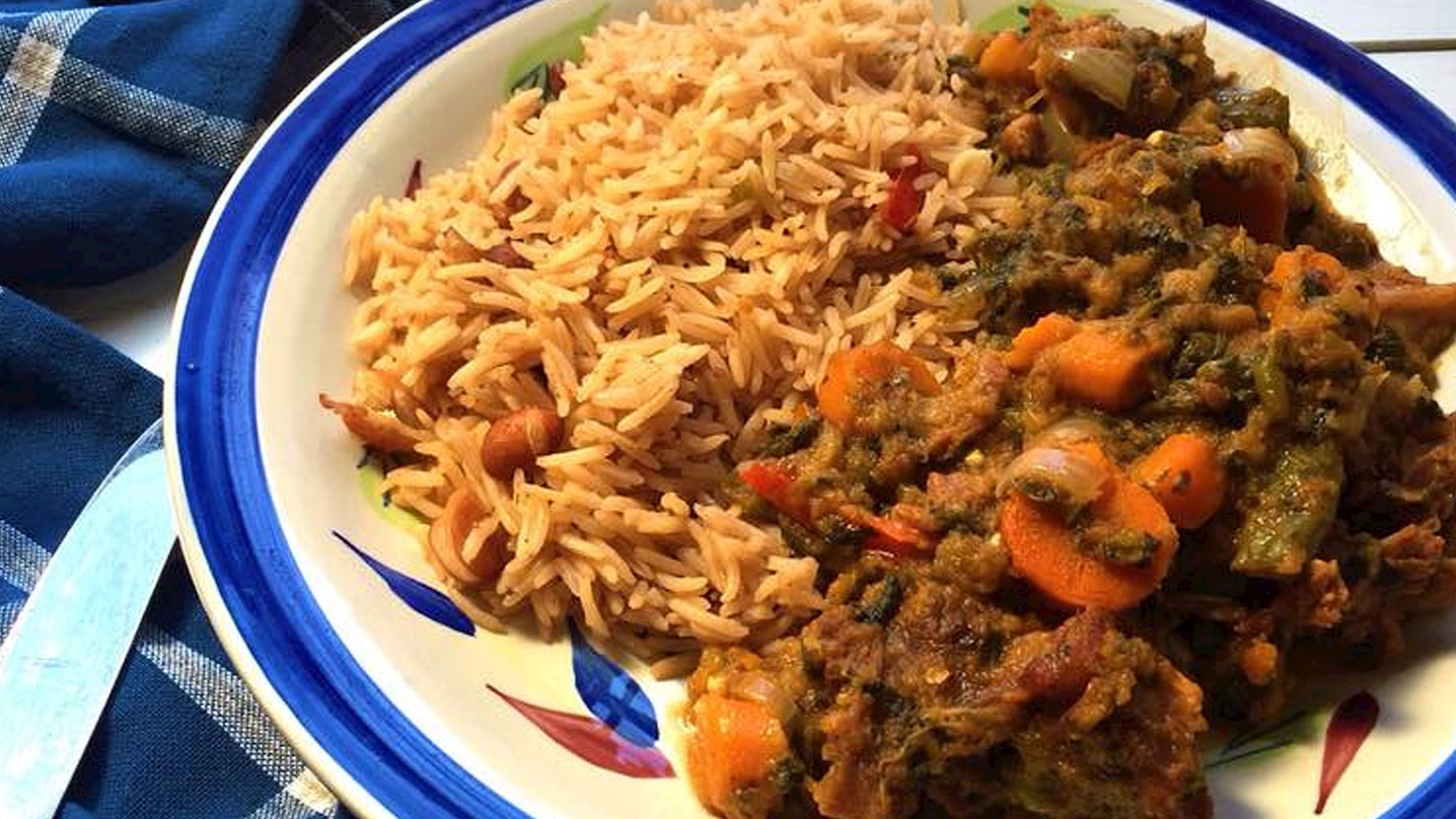
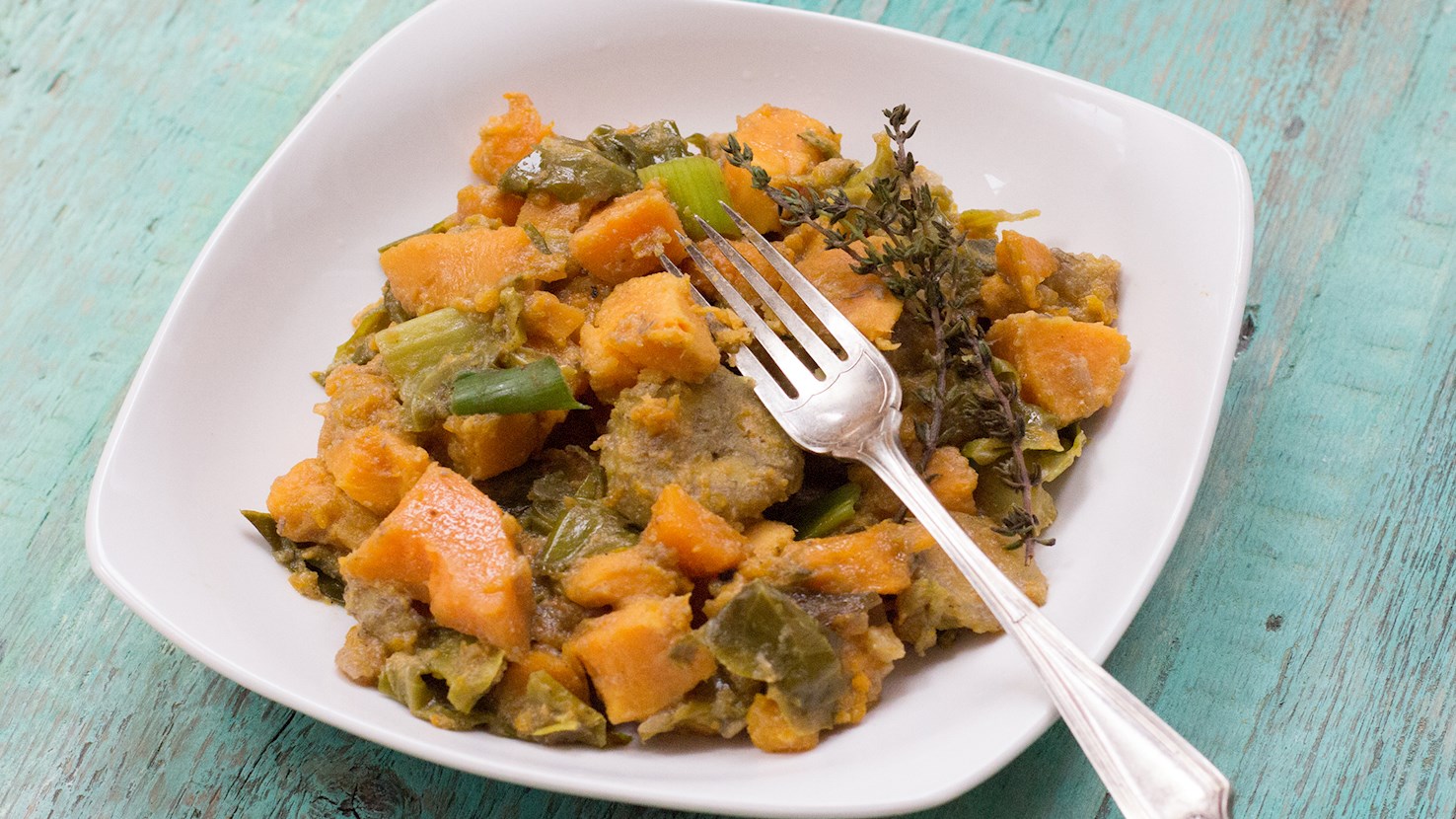
Heavily influenced by African cooking traditions, legim is a popular Haitian dish with many variations regarding the ingredients. It typically consists of various mixed vegetables that are cooked with meat (usually beef) and then mashed together. Legim (meaning legumes or vegetables) usually contains cabbage, eggplant, watercress, green beans, carrots, and chayote squash. The stew is traditionally prepared on Saturdays, and it is often accompanied by cornmeal or rice.
Curried goat and pigeon peas is a Trini dish consisting of cubed goat meat, onions, hot peppers, garlic, curry powder, pigeon peas, and various spices. The stew is slowly cooked until the meat becomes tender and the pigeon peas are fully cooked. It is recommended to serve curried goat and pigeon peas hot over white rice.
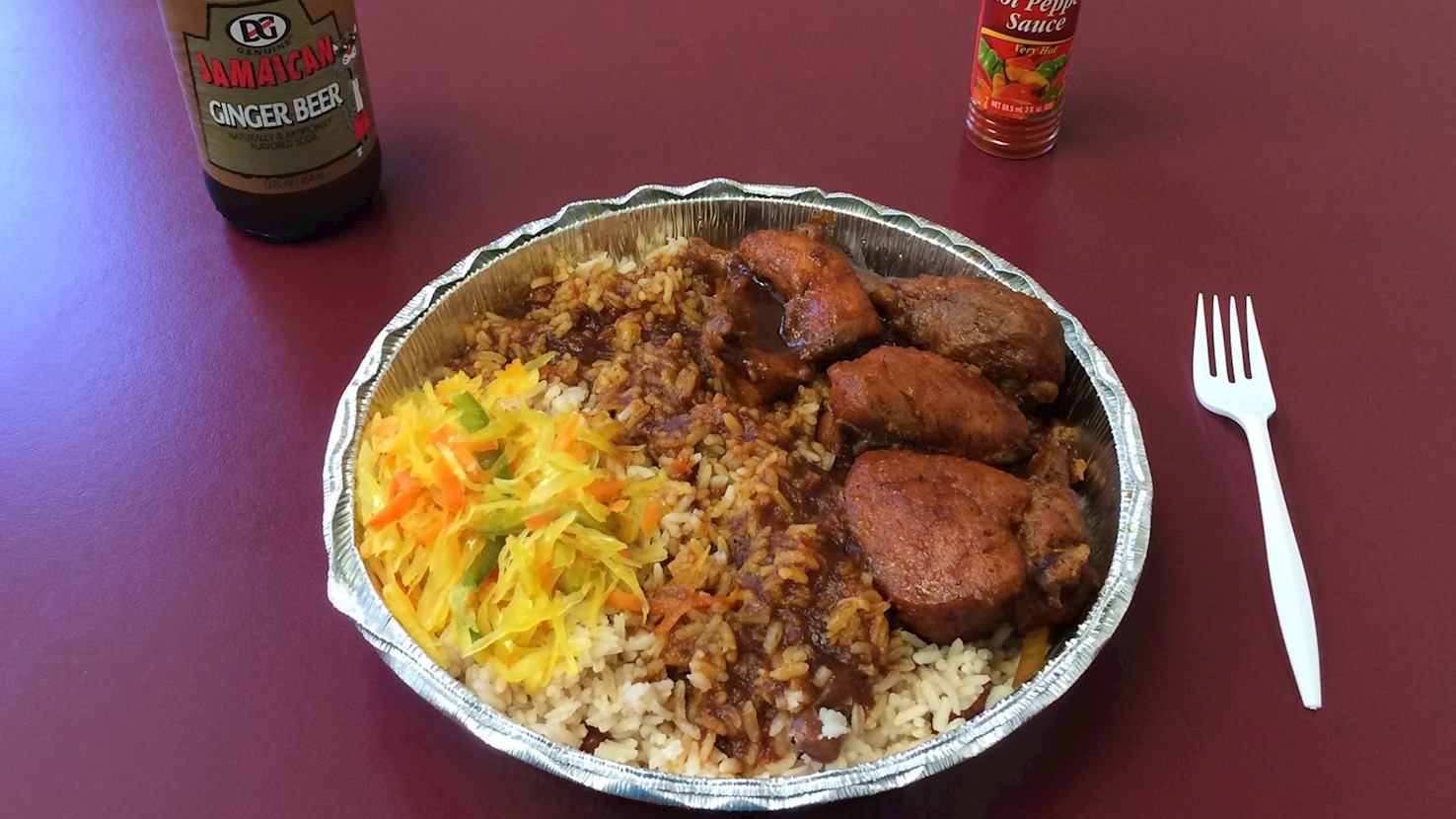
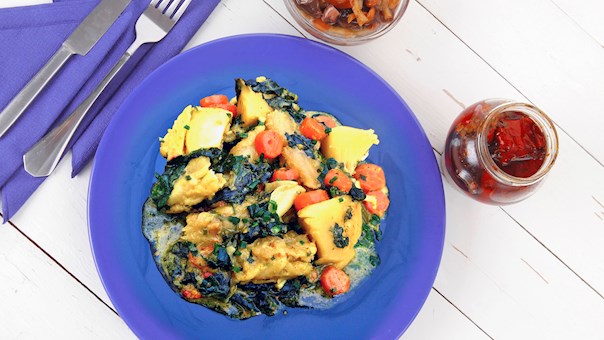
Brown stew chicken is made by browning seasoned chicken pieces in oil and sugar, then simmering them with aromatics, vegetables, and savory seasonings until the meat becomes tender and coated in a dark, flavorful gravy. It is widely eaten throughout Jamaica and across the Caribbean, appearing in homes, local cookshops, and community gatherings. The dish relies on a combination of searing and slow braising that creates its characteristic color and depth, and it is commonly served with rice and peas, plain rice, or boiled starches. The development of brown stew chicken is linked to cooking practices established in Jamaica during the eighteenth and nineteenth centuries, when stewing and browning techniques became common in households. Browning meat or sugar to create a deep caramel base was a method used across the Caribbean, influenced by African cooking approaches, European stews, and the ingredients available on plantations and in rural settlements. The use of browning sauce, caramelized sugar, and seared meats in Jamaican kitchens evolved as cooks combined local herbs such as thyme, Scotch bonnet peppers, scallions, and pimento (allspice) with methods of slow simmering that suited the tougher cuts of chicken available at the time. As access to store-bought ingredients increased in the twentieth century, brown stew chicken became standardized across Jamaican households and cookshops, holding its place as one of the country’s most common everyday dishes. Preparation begins with washing and seasoning chicken pieces with salt, black pepper, thyme, garlic, scallion, onion, and Scotch bonnet pepper. Some cooks include pimento, paprika, or a small amount of browning sauce during marination. The chicken is left to absorb the seasonings before being browned in a pot with oil or with sugar that has been melted to a dark caramel. After browning, water is added to create a stew, and vegetables such as carrots, bell peppers, and potatoes are incorporated. The chicken simmers until the meat becomes tender and the liquid reduces to a glossy brown gravy. The final flavor reflects a balance of savory herbs, caramelization, and mild heat from the pepper. Brown stew chicken is eaten throughout Jamaica as part of lunch or dinner, often in cookshops where it is served alongside rice and peas, plain rice, fried plantains, or boiled dumplings. It appears in daily home cooking and is served with foods such as festival, bammy, or provision (yam, green banana, or dasheen). Common beverage pairings include sorrel drink, ginger beer, limeade, rum punch, or cold beer, all of which complement the dish’s savory richness.
Oxtail with broad beans in Jamaica is a slow-cooked dish made from seasoned oxtail braised with butter beans, aromatics, and herbs until the meat becomes tender and the sauce thickens through natural gelatin released during cooking. It is prepared across the island in homes, canteens, and small restaurants, and is one of the most widely recognized Jamaican stews. The dish developed as cooks made use of oxtail, a cut that required long cooking but offered strong flavor and richness, and combined it with imported canned butter beans, which became readily available in Jamaican shops during the twentieth century and blended easily into the stew. The preparation reflects the influence of Afro-Caribbean cooking techniques centered on slow braising, seasoning with allspice and thyme, and creating a thick, savory gravy that pairs well with starchy sides common in the region. Preparation begins by cutting the oxtail into sections, seasoning them with salt, pepper, allspice, garlic, thyme, and often browning sauce or soy sauce for color. The meat is usually browned first to develop flavor, then simmered in water or stock with onions, scallions, carrots, and Scotch bonnet pepper placed whole or pierced for controlled heat. As the stew cooks, the collagen in the oxtail thickens the liquid, creating a gravy-like sauce. Butter beans are added toward the end so they remain intact but take on the flavor of the broth. Some cooks add a small amount of flour or cornstarch if they prefer a thicker sauce, though many rely solely on the natural gelatin from the meat. The combination of slow-cooked oxtail and soft beans gives the dish a characteristic contrast between rich, sticky meat and tender legumes. Oxtail with broad beans is eaten throughout Jamaica and in Jamaican communities abroad, often served with rice and peas, plain rice, fried dumplings, or boiled ground provisions such as yam or banana. It appears on lunch menus, at family gatherings, and at weekend cookshops where long-cooked stews are common. Beverage pairings include sorrel drink, ginger beer, dark rum, or simple iced water, depending on the setting. When served in restaurants or at home, the dish is often accompanied by sliced vegetables or a small salad to provide contrast to the richness of the stew.
Carne guisada is a simple, traditional beef stew flavored with cumin, jalapeños, and chili powder. It is popular throughout Latin America, especially in Mexico, Puerto Rico and the Dominican Republic. The dish is usually simmered over low heat for about two hours until the meat becomes tender. It is recommended to serve it on flour tortillas, although it can also be paired with rice or potatoes.
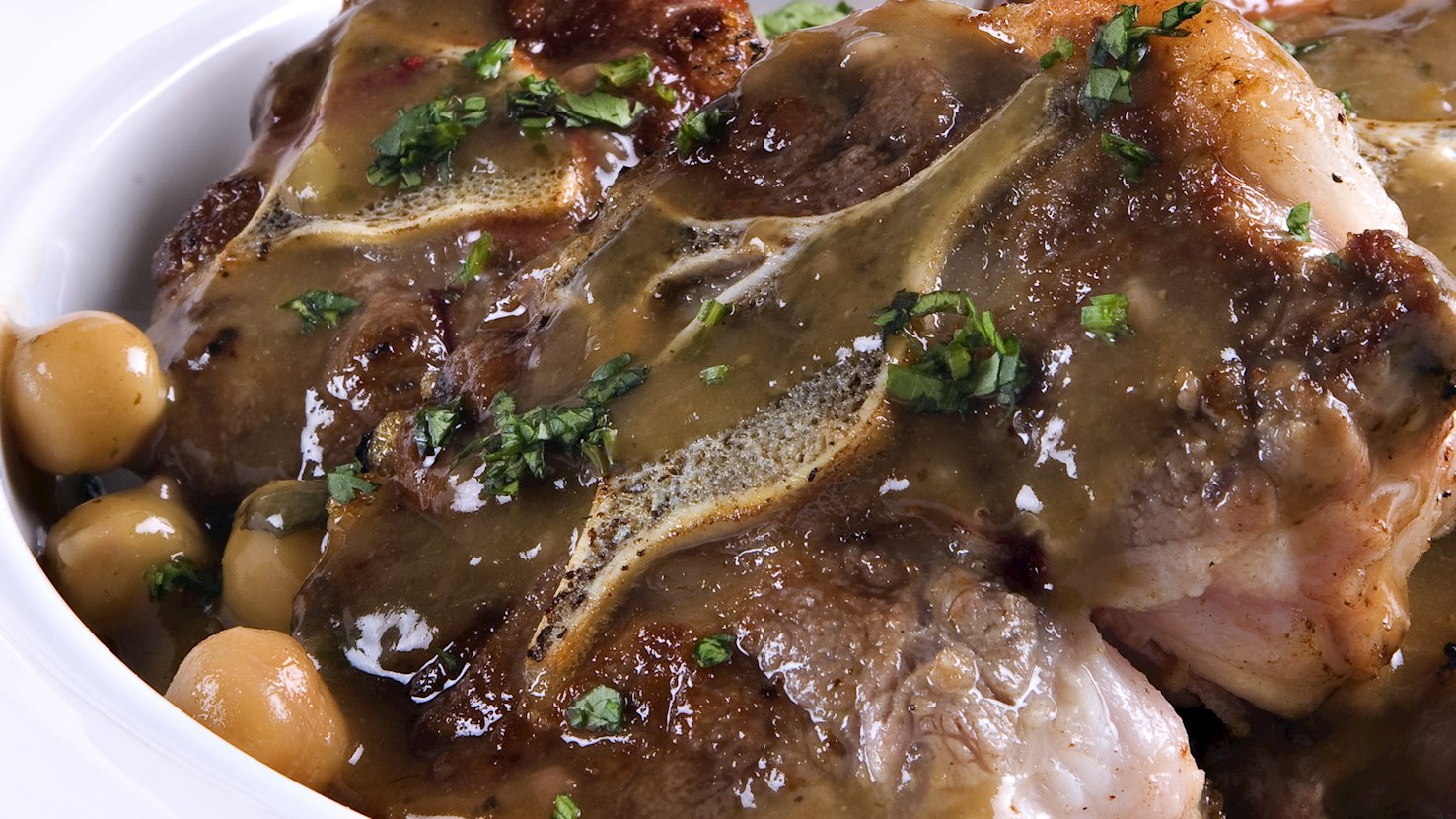
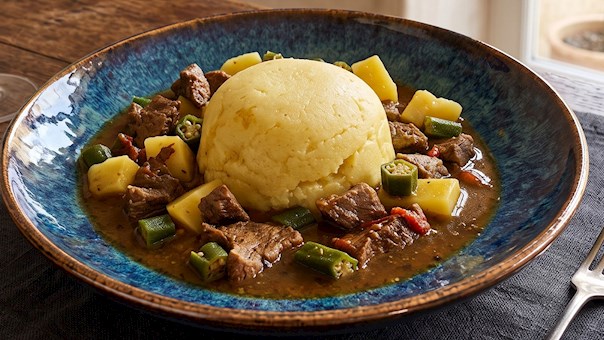
Chivo guisado is a Dominican goat stew. It is usually prepared with pieces of goat meat, onions, bitter oranges, garlic, and tomatoes, while the secrets to this delicacy are wild oregano and Scotch bonnet peppers. Local goats feed on wild oregano, which is the reason for great flavors of chivo guisado. It is recommended to serve this tender and flavorful stew with chenchén (cracked corn pilaf), which is another delicacy from this country.
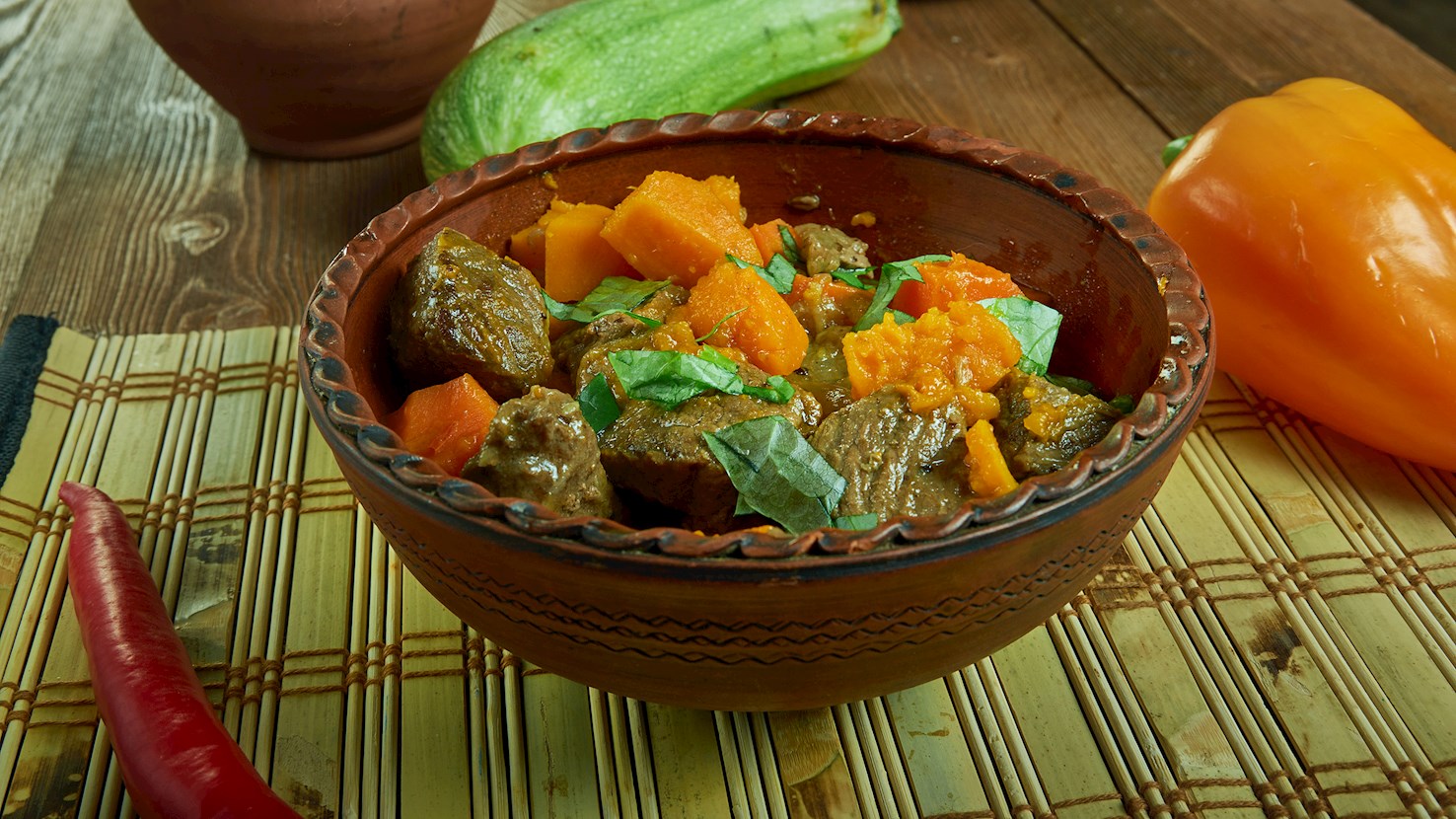
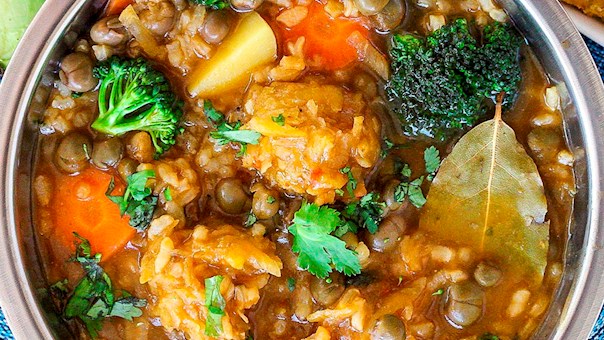
Ital stew is a plant-based Jamaican dish prepared with vegetables, legumes, coconut milk, herbs, and natural seasonings, cooked without meat and often without salt. The name “Ital” refers to the Rastafarian dietary principle that food should be vital, pure, and derived directly from natural sources, avoiding processed ingredients, artificial additives, or anything seen as diminishing the life force of the eater. Ital food is therefore centered on whole foods, minimal intervention, and methods that preserve the integrity of the ingredients. Ital stew appears in homes, community gatherings, and Ital cookshops, and has become widely recognized outside Jamaica as one of the core expressions of Rastafarian cooking. Its development is linked to the growth of Rastafari in the mid-twentieth century, when adherents shaped dietary practices to align with spiritual beliefs that emphasize natural living and a close relationship with the earth. As Ital cooking spread in urban and rural areas, the stew evolved into a flexible preparation that accommodates local produce such as pumpkin, callaloo, beans, and ground provisions. Preparation begins with a base of onions, scallions, garlic, thyme, and Scotch bonnet pepper, which are sautéed in coconut oil or cooked directly in coconut milk. Vegetables such as pumpkin, carrots, okra, and chocho are added along with red peas or broad beans. Coconut milk provides the liquid and helps thicken the stew. Ingredients such as Irish potato or sweet potato may be included to increase the stew’s body. Salt is often omitted or replaced with natural substitutes such as seaweed or celery, in keeping with Ital practice. The stew simmers until the vegetables are tender and the coconut milk reduces to a cohesive, lightly creamy texture. Its character depends on the use of fresh herbs and natural seasonings rather than manufactured sauces. Ital stew is eaten across Jamaica, especially in Rastafarian communities and in Ital restaurants that focus on plant-based meals. It is served with rice, bulgur, quinoa, or boiled ground provisions such as yam and green banana. Beverage pairings include coconut water, herbal teas, sorrel, and fresh fruit juices, all of which align with the emphasis on unprocessed foods and complement the clean, earthy flavors of the stew.
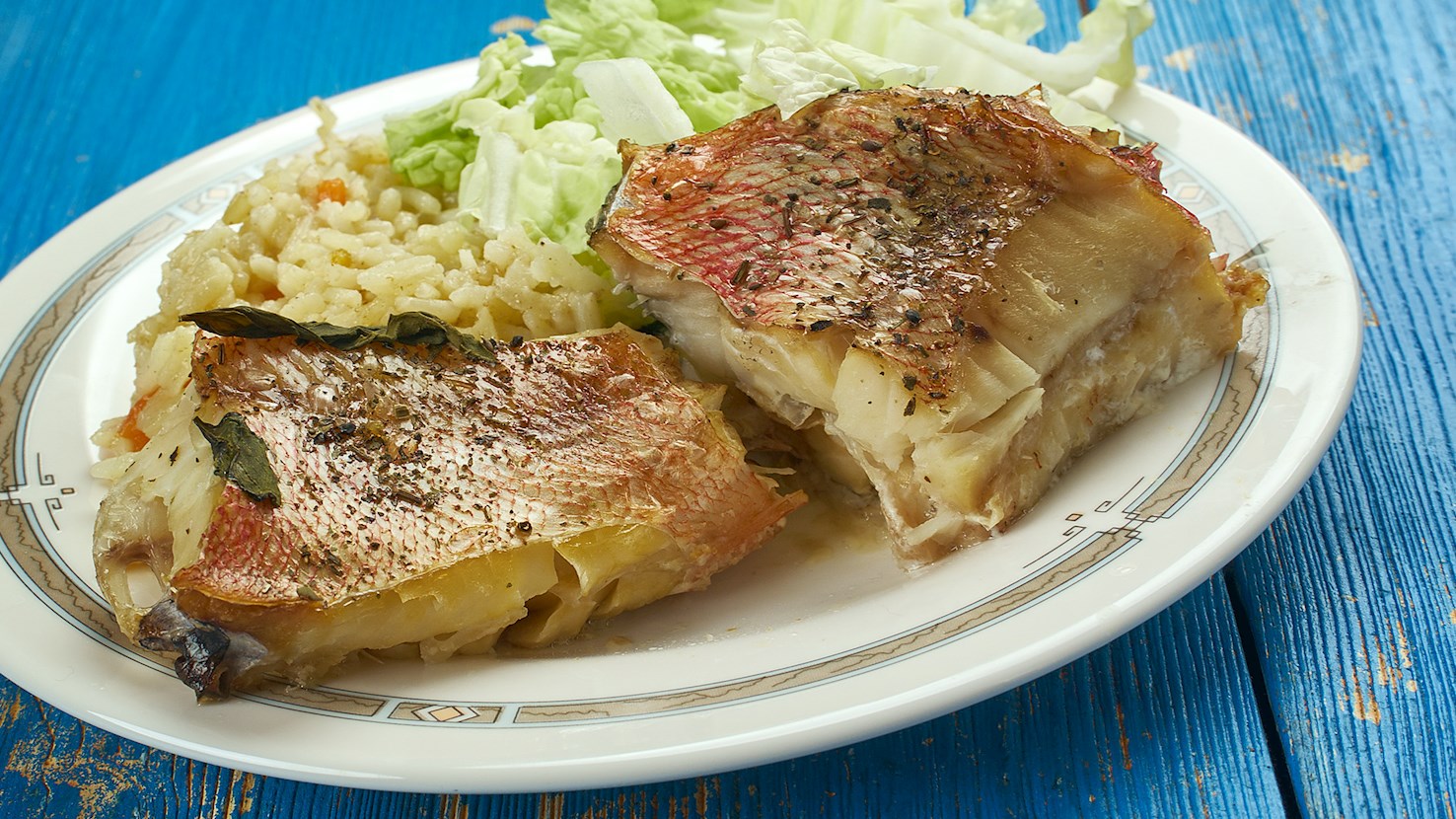
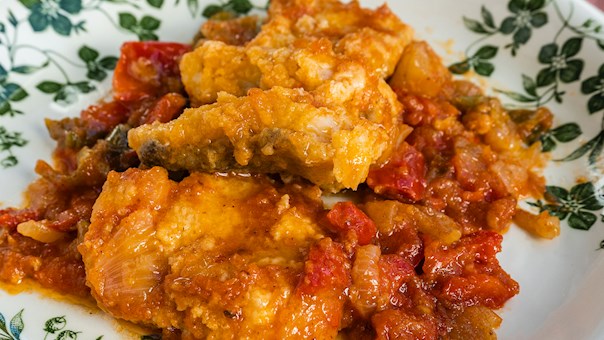
Brown stew fish is a Jamaican dish made by frying seasoned fish until browned and then simmering it in a sauce of onions, tomatoes, bell peppers, thyme, garlic, Scotch bonnet pepper, and browning or caramelized sugar. It is prepared across Jamaica using fish such as snapper, grunt, parrotfish, and kingfish, and appears in home kitchens, cookshops, and restaurants. The dish developed within Jamaican stewing practices, which combine pan-frying with a secondary braising step to build depth and color. As cooks adapted methods used for brown stew chicken and brown stew beef, they applied the same approach to fresh coastal fish, which were readily available in seaside communities and urban markets. The use of browning sauce or caramelized sugar reflects local cooking patterns where color and flavor are developed early in the cooking process before vegetables and liquids are added. Preparation begins by cleaning and scoring the fish, then seasoning it with salt, pepper, thyme, all-purpose seasoning, garlic, and sometimes lime or vinegar for rinsing. The fish is fried in oil until the exterior is firm and browned. In a separate step, onions, bell peppers, tomatoes, Scotch bonnet pepper, and garlic are sautéed in the same pan to absorb the flavor from the fish. Browning sauce or caramelized sugar is added to create the base color. Water or broth is poured in to form the stew, and the fish is returned to the pan to simmer gently until the sauce thickens and the vegetables soften. Some cooks add pimento berries or butter for additional flavor. Brown stew fish is eaten throughout Jamaica for lunch or dinner and is served with rice and peas, white rice, ground provisions, fried dumplings, or bammy. It is also sold in Jamaican restaurants abroad, often as part of daily menu rotations. Beverage pairings include ginger beer, sorrel, lime juice, or cold lager, which complement the heat and acidity present in the stew. Some diners prefer coconut water or lightly sweetened iced tea, which softens the spice and balances the savory sauce.
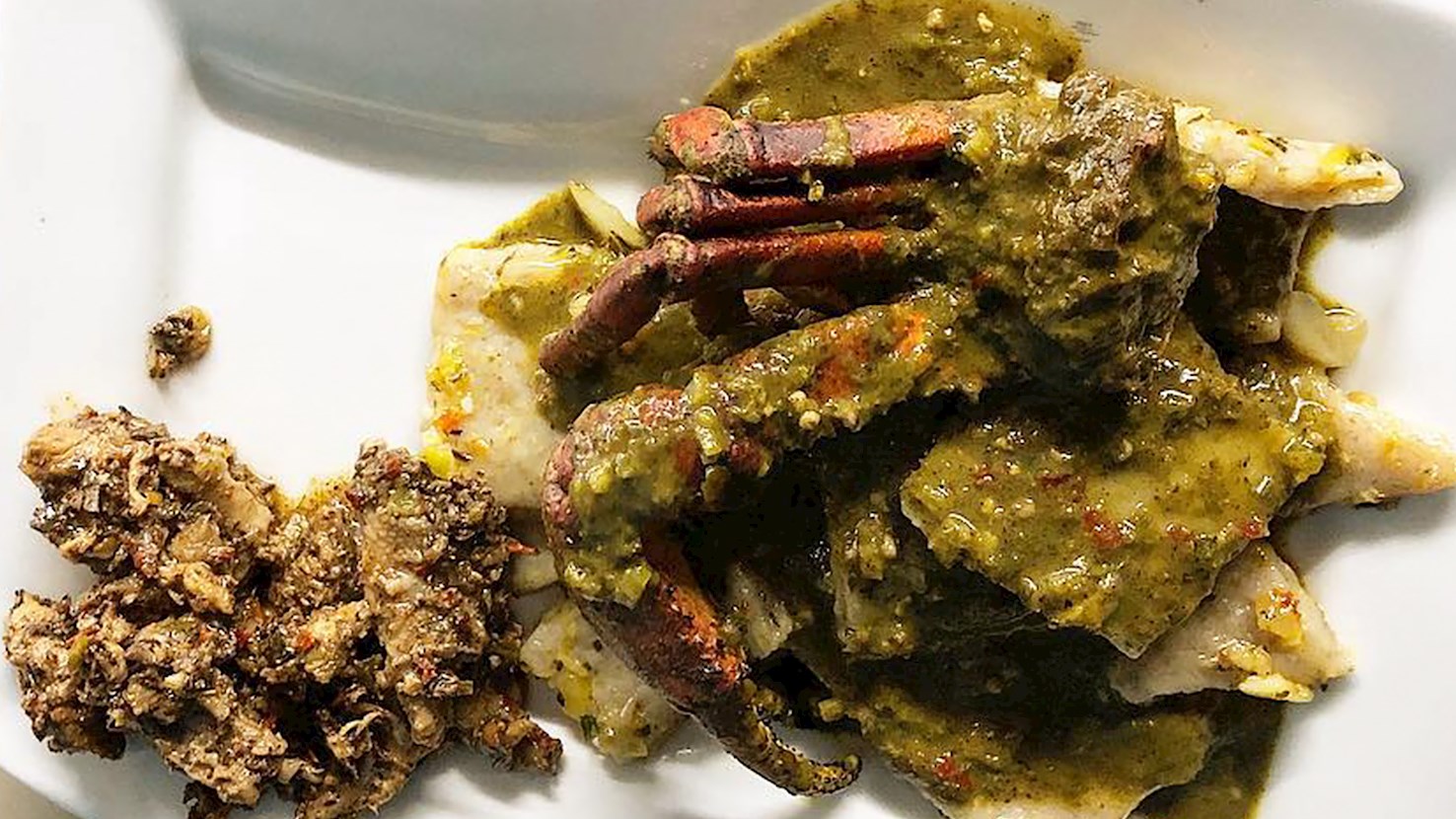
Curried crab and dumplings is a traditional dish originating from Trinidad and Tobago. The crabs are cleaned, soaked in lime water, then drained. They are then seasoned with celery, pimento peppers, onions, garlic, and chives. After the crabs have been marinated, they are placed in a pot with curry powder paste, coconut milk, and hot peppers. The dumplings are made with a combination of flour, grated cassava, sugar, salt, and water. They are also added to the pot with the crab, simmering until the sauce thickens. Once prepared, curried crab and dumplings are served in the same bowl with lots of sauce. It's recommended to garnish the dish with cilantro and lime.
TasteAtlas food rankings are based on the ratings of the TasteAtlas audience, with a series of mechanisms that recognize real users and that ignore bot,
nationalist or local patriotic ratings, and give additional value to the ratings of users that the system recognizes as knowledgeable.
TasteAtlas Rankings should not be seen as the final global conclusion about food. Their purpose is to promote excellent local foods,
instill pride in traditional dishes, and arouse curiosity about dishes you haven’t tried.




What People Say