



shutterstock

Top 17 Eastern European Stews

Last updated on July 15, 2026
01

Chashushuli

4.3 ·

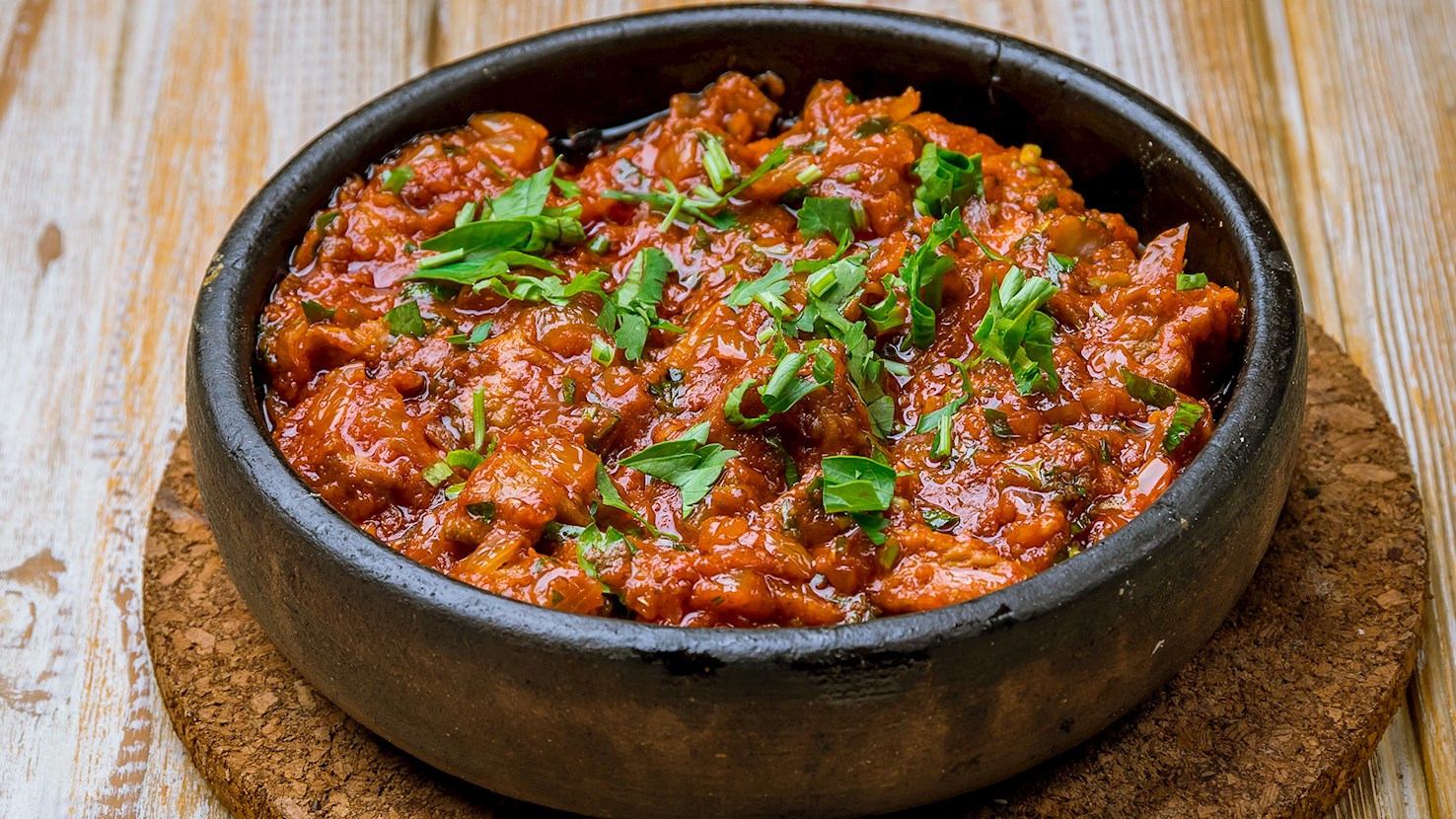
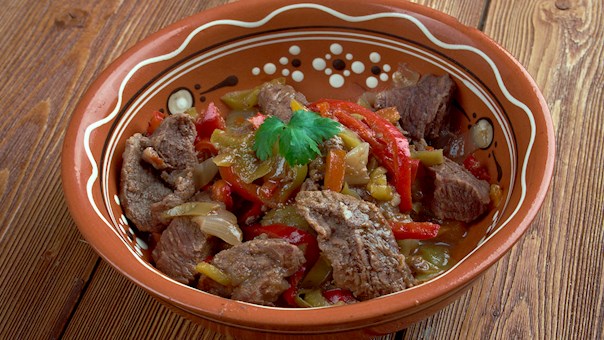
Similar to a goulash, chashushuli is a hearty beef and tomato stew hailing from Georgia. The stew is typically made with a combination of beef (sometimes veal or pork), tomatoes, onions, water or meat broth, garlic, and a generous amount of spices and herbs such as basil, chili pepper, parsley, fenugreek, summer savory, and bay leaves, yielding a highly aromatic and flavor-packed dish. Chashushuli is considered a version of another traditional Georgian beef stew called ostri, which uses almost all of the same ingredients as chashushuli, but it also contains coriander seeds and involves a different method of preparation. When preparing chashushuli, the meat needs to be fried before it is mixed with the rest of the ingredients and stewed, whereas the preparation of ostri requires no pre-cooking of the meat and everything is cooked in one pot from the beginning. Spicy and filling, the stew is typically served hot with Georgian bread such as shoti and a glass of fine Saperavi wine.

02

Machanka

4.2 ·

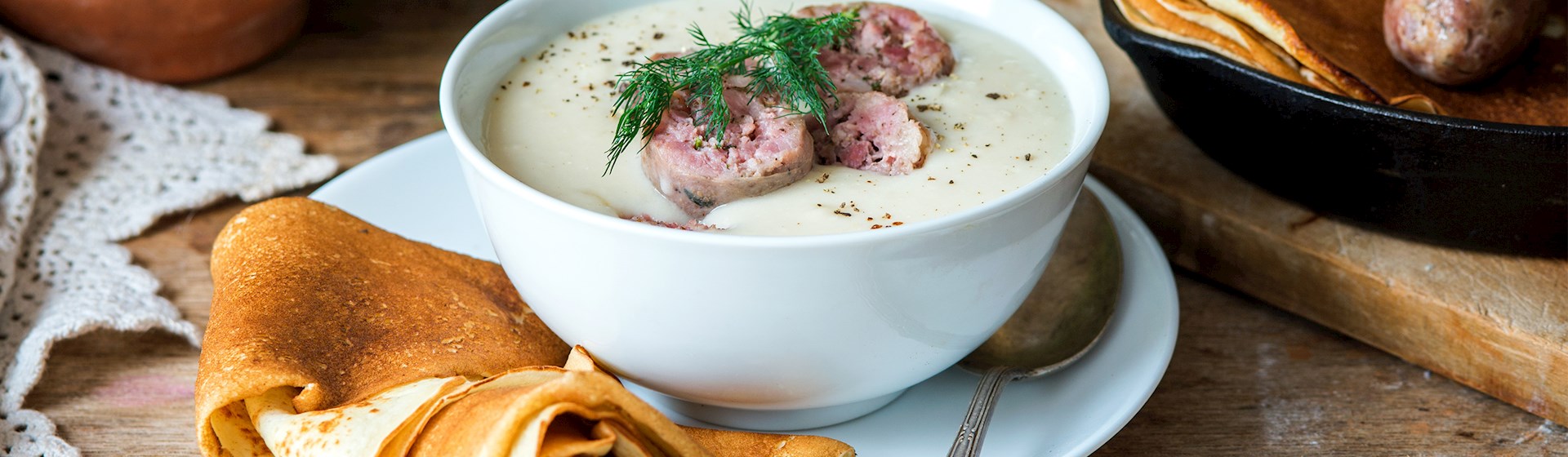
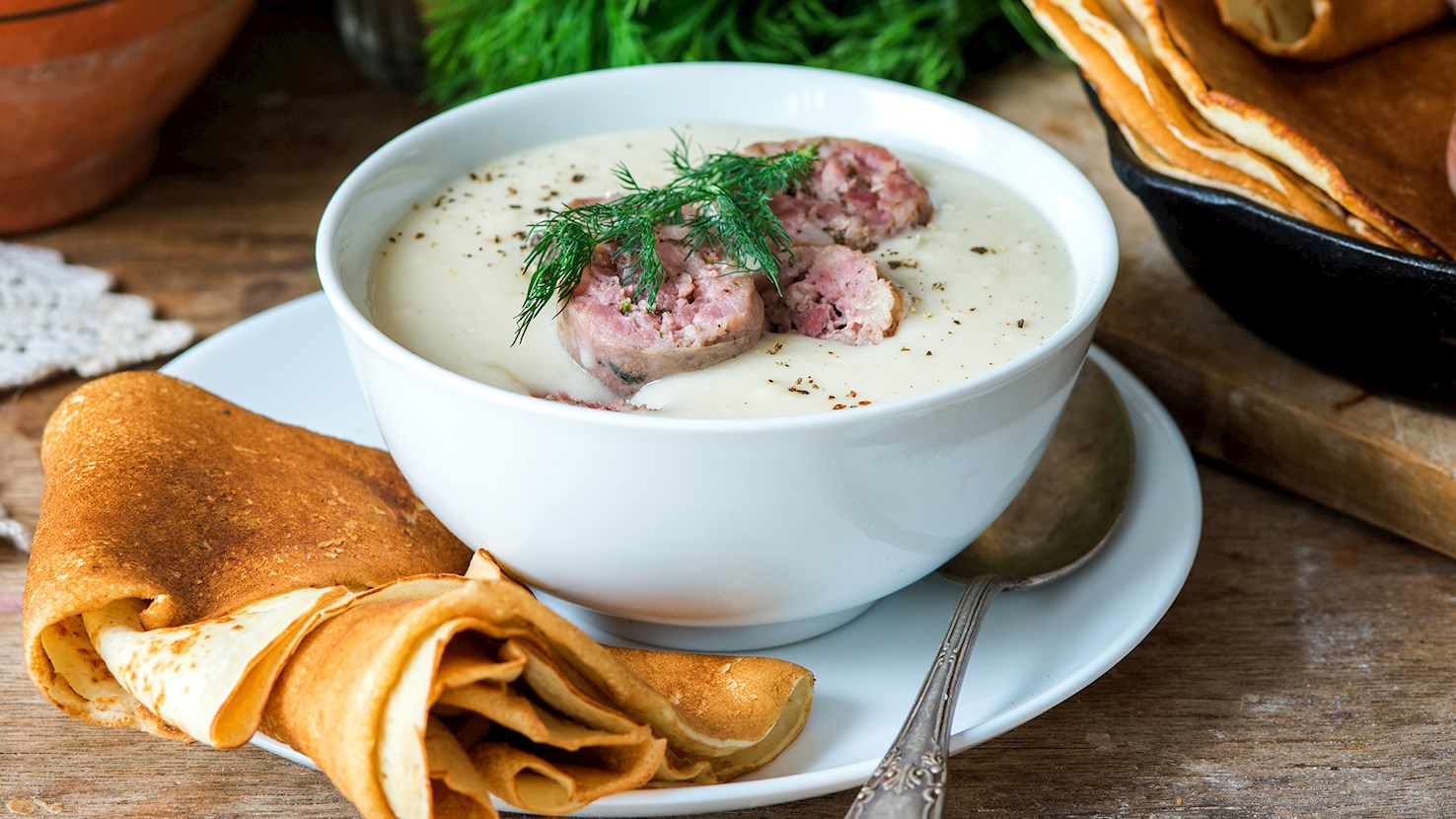
Machanka is a Belarusian and Ukrainian stew made with a combination of pork, sour cream, flour, and beef stock. The meat can include bacon, sausages, or ham, all cut into very small pieces. This soup-like stew is typically enriched with onions, mushrooms, and dill. Quite commonly, machanka is served with draniki pancakes, consisting of potatoes, flour, lard, and salt, and some claim that the proper way to consume machanka is to roll up the potato pancakes and dip them into the stew.

03

Chakhokhbili

4.1 ·

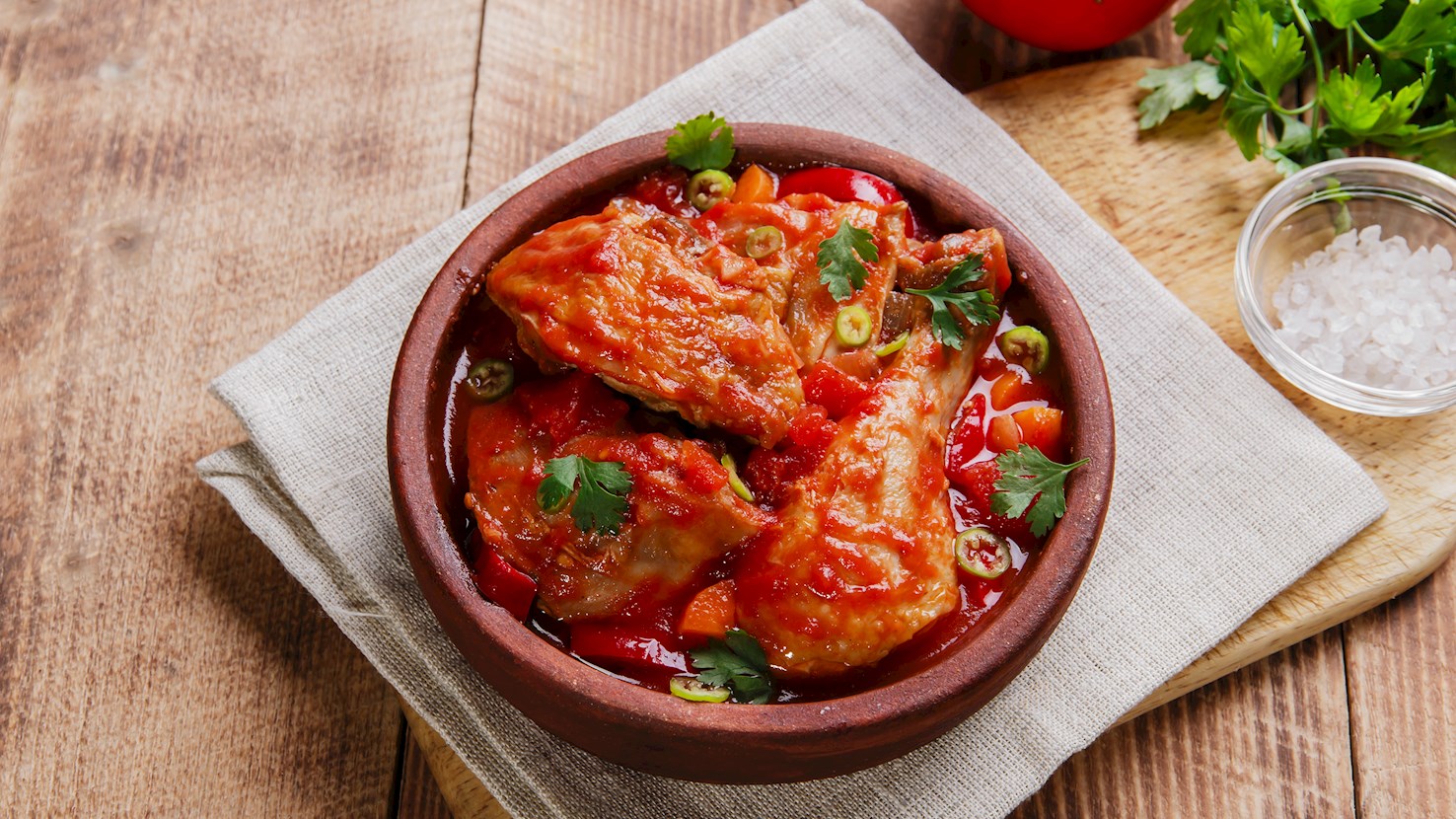
Chakhokhbili is a traditional stew made with a whole chicken that is cut into pieces and combined with onions, tomatoes, vinegar, garlic, and spices such as coriander, parsley, hot green peppers, and bay leaves. The stew has a thick consistency and is usually served hot, preferably garnished with freshly chopped coriander and accompanied by rice or bread on the side. The name chakhokhbili is derived from the Georgian word khokhobi, meaning pheasant, referring to the fact that it used to be prepared with pheasant instead of chicken in the past.

04

Chanakhi

4.1 ·

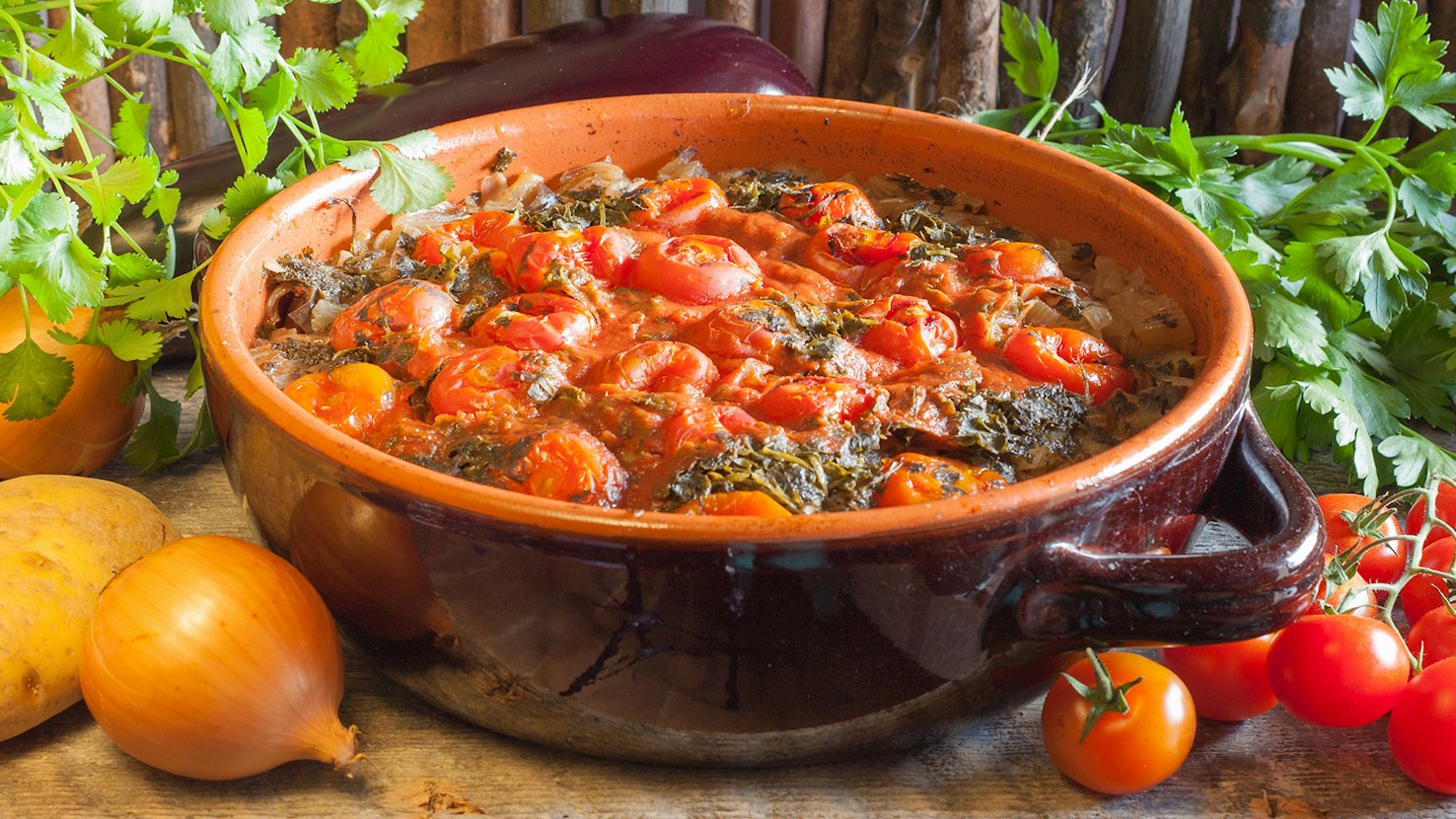
Chanakhi is a hearty Georgian stew made with lamb, eggplant, sweet peppers, and tomatoes. The stew is typically flavored and seasoned with coriander, basil, pepper, and salt. This flavorful dish is traditionally served in individual clay pots, called chanakhi, hence the name. It is believed that chanakhi tastes even better if reheated the next day, when all of the flavors have been thoroughly combined.

05

Lobio

3.9 ·

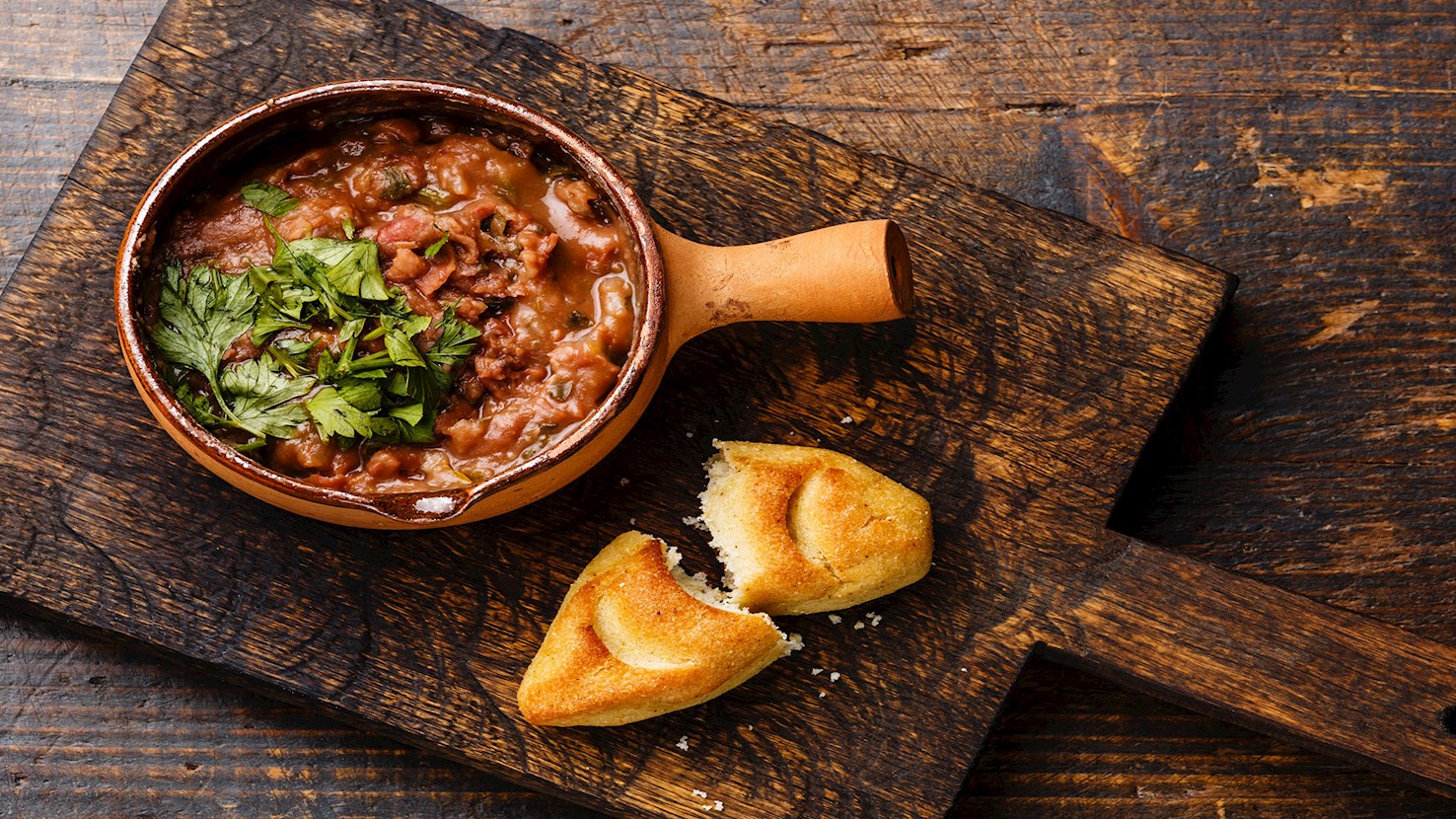
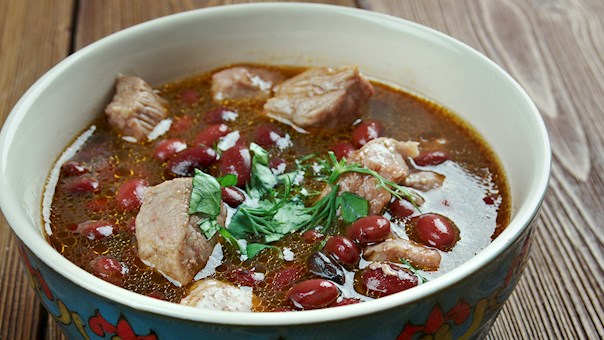
Lobio is a Georgian invention that refers to a wide group of dishes that employ beans as a key ingredient. Most commonly, those are red kidney beans, boiled with various spices to create a thick stew, commonly served with mchadi, a traditional Georgian cornbread. Among numerous other varieties, lobio nigozit, which incorporates mashed beans in a thick walnut sauce, is the most common version. The dish can also appear in a form of a salad, with whole or mashed beans, and it is typically served cold.

06

Chakapuli

3.9 ·

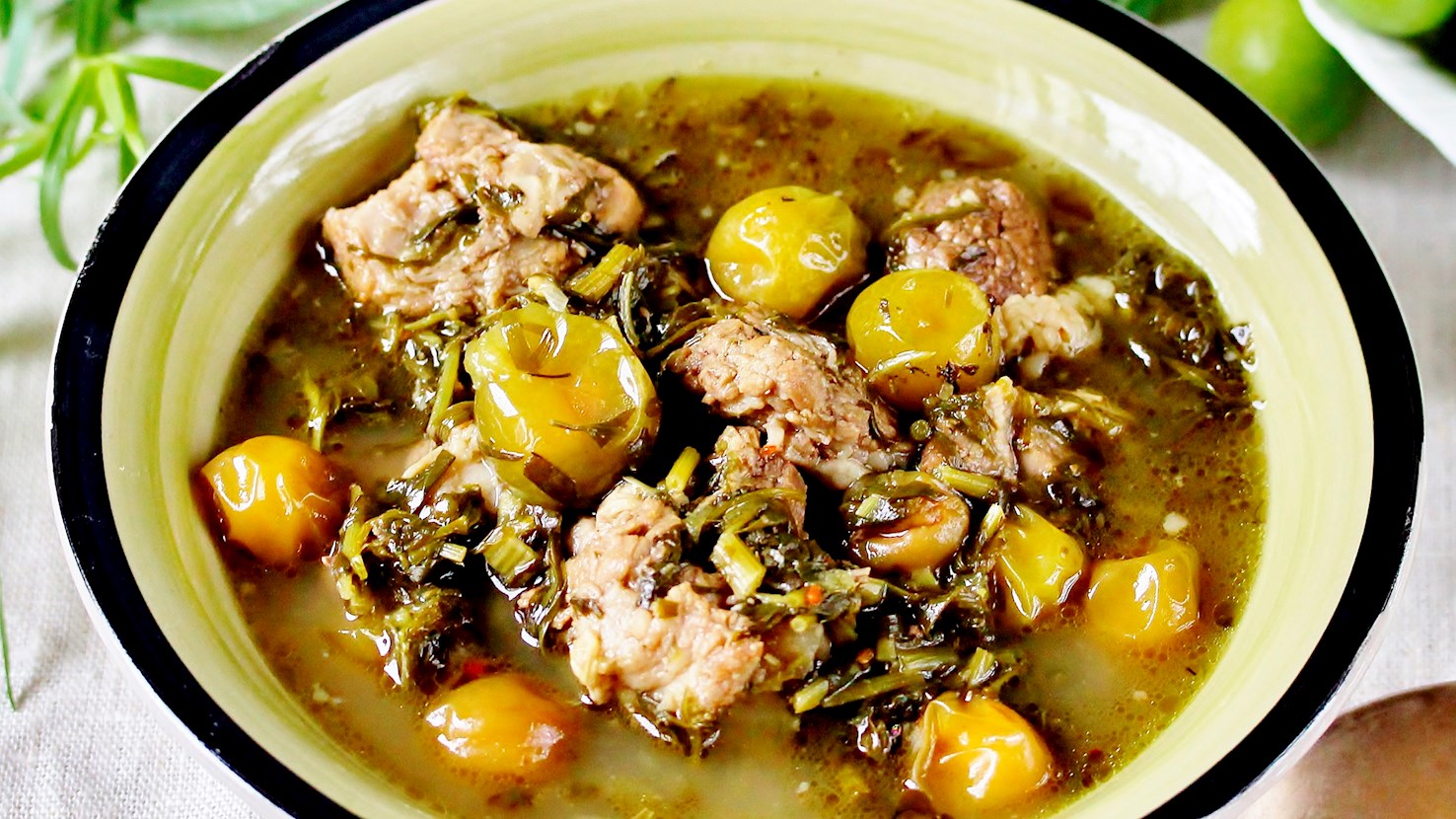
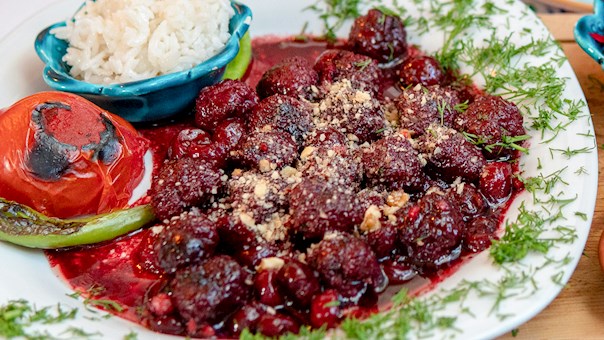
Chakapuli is a popular Georgian stew consisting of either beef or lamb meat, unripe sour plums, onions, green peppers, white wine, and herbs and seasonings such as tarragon, coriander, garlic, and salt. It is especially popular during spring, when the plums are still unripe. Chakapuli is often served during the feast of Orthodox Easter, and it is recommended to serve it hot with Georgian bread on the side.

Best restaurants
07

Vereshchaka

3.9 ·

Vereshchaka is a traditional stew that has been prepared since at least the mid-18th century. Originally, it was a variation of machanka meat sauce. The stew is usually made with pork sausages, bacon, onions, flour, beer, and spices. Once prepared, vereshchaka is traditionally served in a pot, accompanied by buckwheat pancakes on the side. The dish was invented by royal chef named Vereshchaka, and it became widely known in the 19th century. Nowadays, this hearty stew has many variations, so in Ukraine, it is prepared with pork meat, rye bread, and beetroot sauce.

Best restaurants
08

Khashlama

3.9 ·

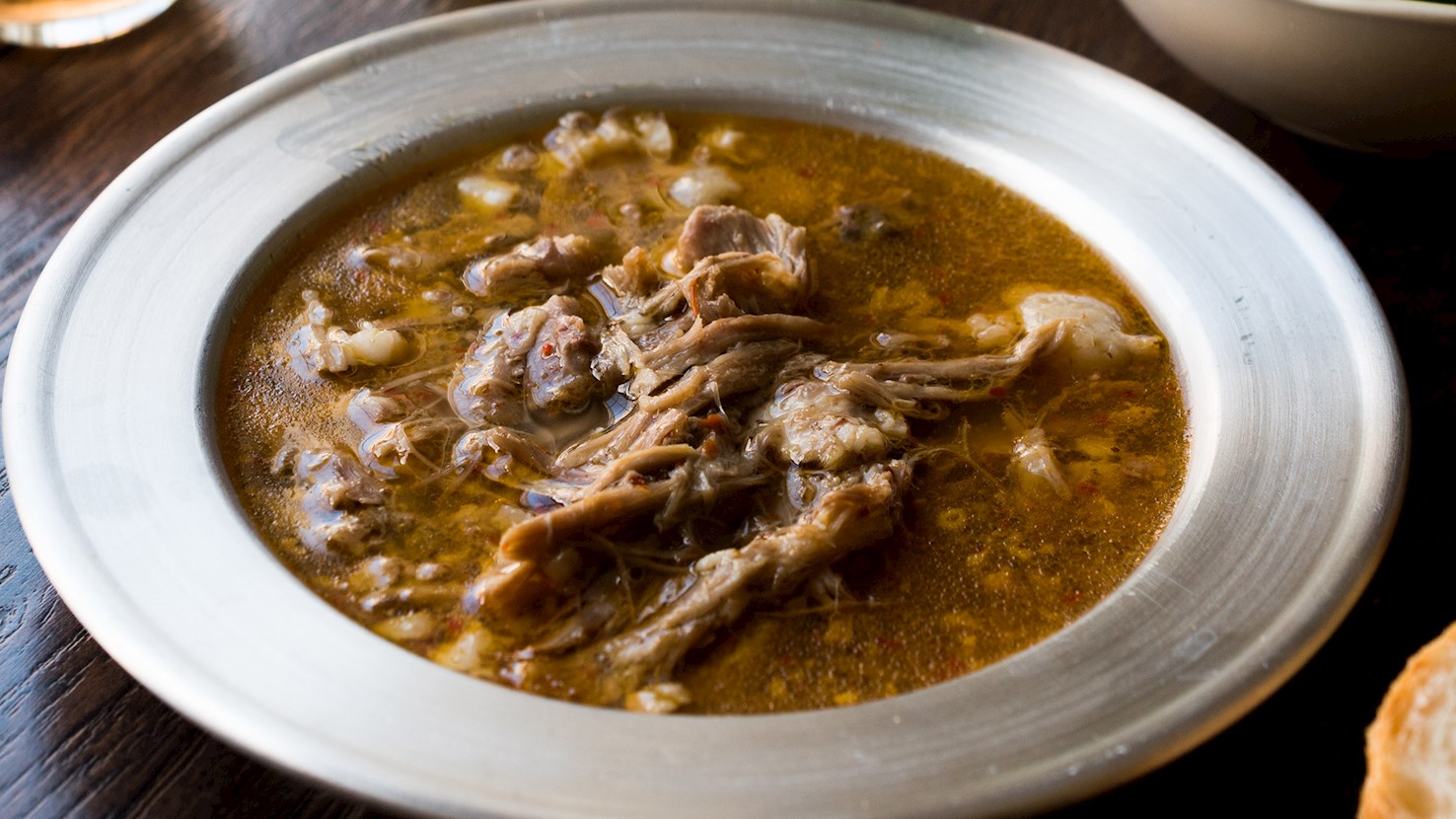
Khashlama is a straightforward and traditional meat dish originating from the Caucasus region. Although time-consuming, the dish is made by simply boiling large chunks of meat, usually beef or lamb, in hot water. The traditional version of this famous dish does not include other ingredients, except a few spices, making the boiled pieces of meat the star of the dish. Because of this, khashlama contains only the finest meat cuts available. The origins of the dish believe to be in the Georgian Kakheti region, where it is regarded as a regional signature dish. However, it is also widely popular in the neighboring Armenia, causing disputes over the true origin of the dish. Traditionally, khashlama is prepared on an open fire, slowly, until the meat is perfectly tender. It is commonly flavored with onions, garlic, bay leaves, and peppercorns. Because it is rather time-consuming, the dish is usually served on special occasions, and it is a common staple of supra, a traditional Georgian feast. Boiled pieces of meat are commonly served hot and garnished with a generous amount of coarse salt and chopped parsley.

09

Ajapsandali

3.9 ·

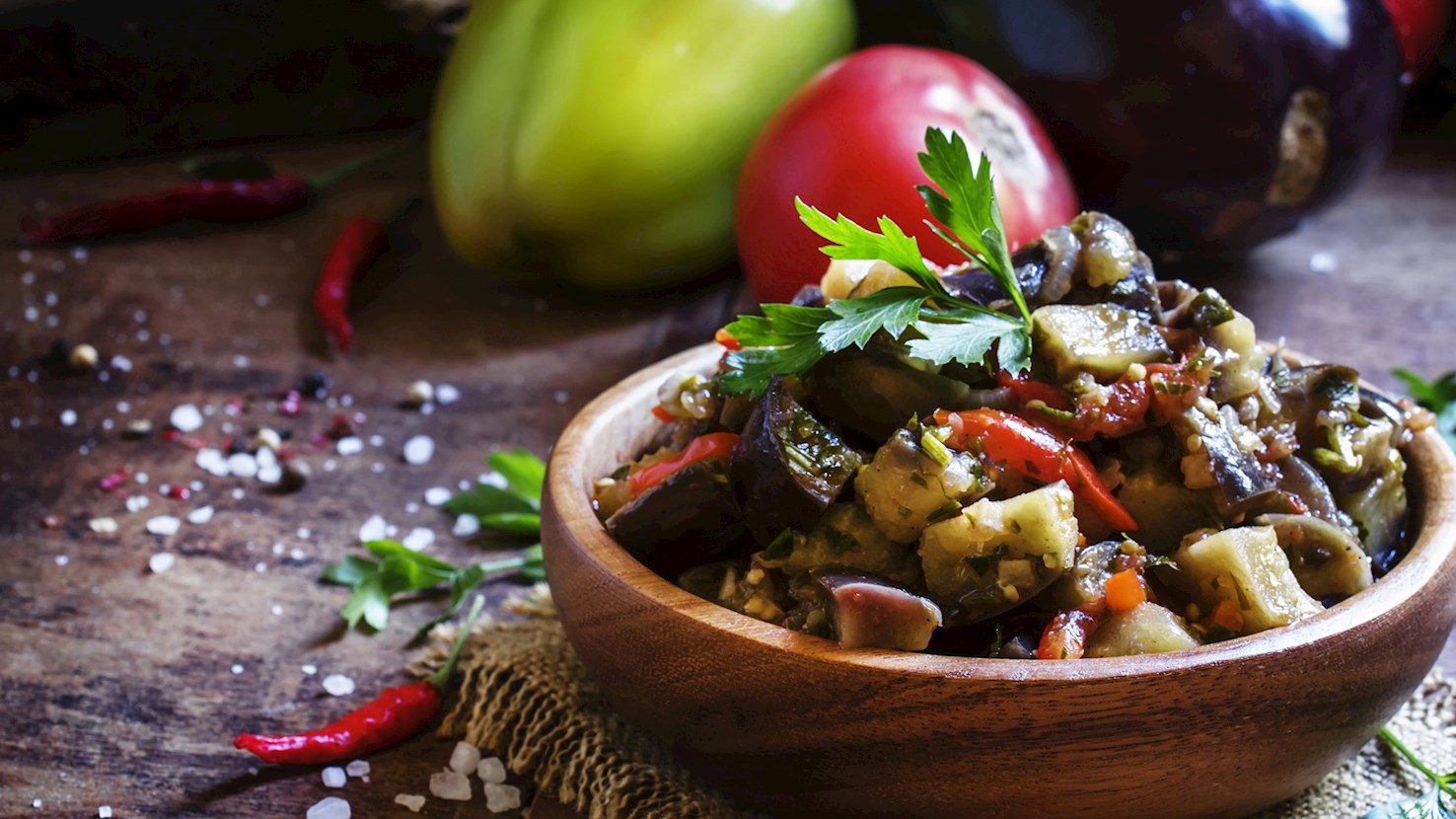
Ajapsandali is a popular Georgian stew consisting of eggplants, potatoes, tomatoes, onions, bell peppers, and seasonings such as bay leaves, garlic, coriander, black pepper, and salt. The vegetables are stewed in oil, but only for a short time so that they don't lose their color and vitamins. The dish is often consumed as a family meal in Georgia, and it is especially popular during summer. For an interesting twist, try serving it cold with crumbled feta and chunks of bread.

10

Shaki piti

3.8 ·

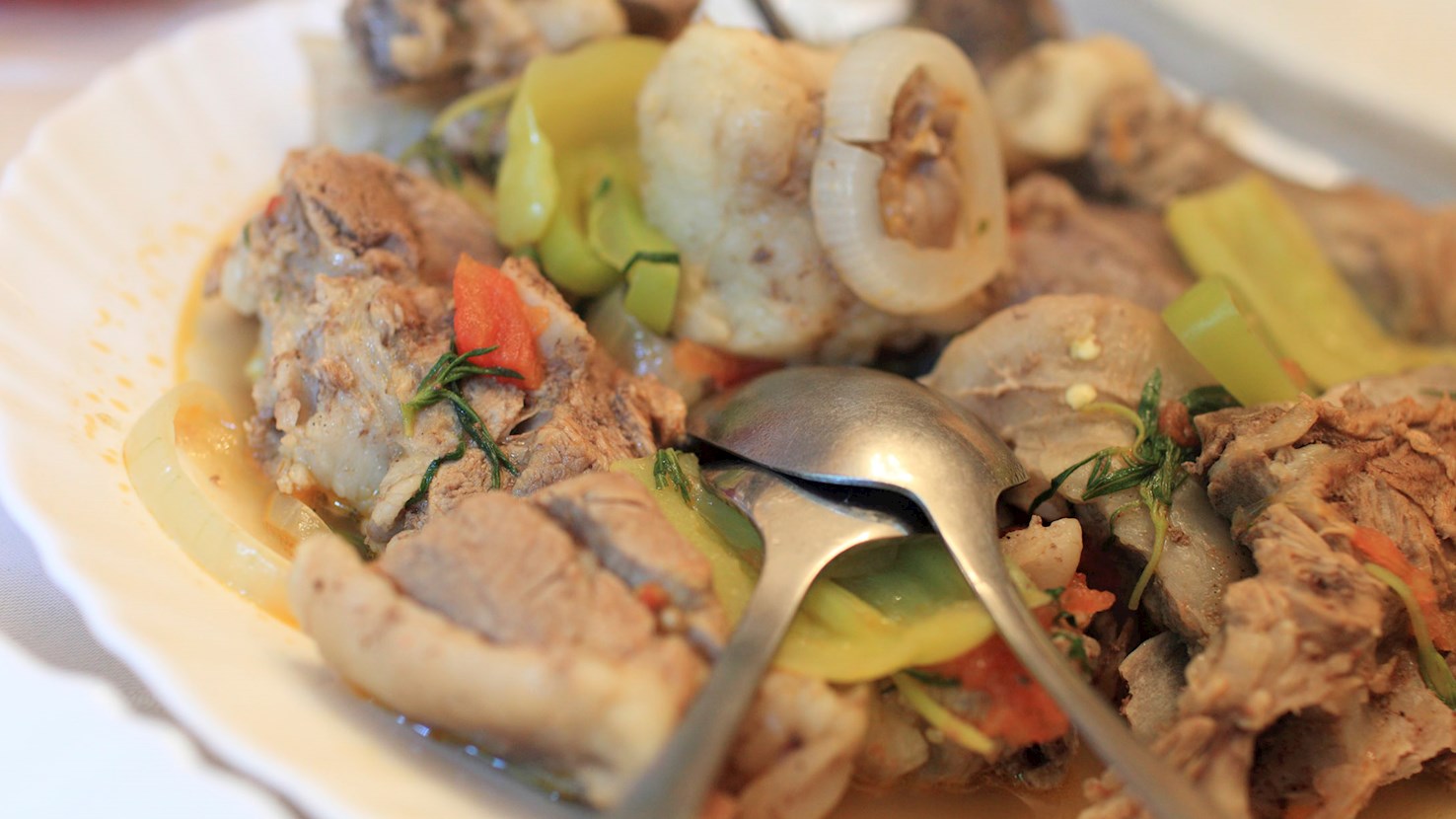
When seeking genuinely authentic and traditional Azerbaijani cuisine, piti is undoubtedly the first dish that locals will recommend. Originating in the northern city of Sheki, this hearty stew owes its unmistakable taste to the clay pot in which it's made - the dopu. Sheki was historically known as a potters' city - in the hands of true craftsmen, clay from the nearby mountains was carefully transformed and shaped into the perfect container for this unique dish. Piti was considered a worker's dish because only one serving is so filling that it can provide enough nourishment for the entire day. The stew is made with lamb meat, chickpeas, chestnuts, dried plums, onions, saffron, and sheep tail fat. It takes several different cooking cycles to add all of the ingredients, as the lamb meat cooks very slowly. The traditional way of eating piti is divided into two courses - first, the broth from the pot is poured over small pieces of bread, onions, and sumac. The rest of the piti is then mashed in individual pots and served as a main course.

11

Dzhash

3.8 ·
12

Buglama

3.6 ·
13

Fishnah kabab

3.2 ·
14

Mtsvane pamidori

n/a ·
15

Kchuch

n/a ·
17

Tevzis buglama

n/a ·
Read more
View all
View map
About this ranking

TasteAtlas food rankings are based on the ratings of the TasteAtlas audience, with a series of mechanisms that recognize real users and that ignore bot, nationalist or local patriotic ratings, and give additional value to the ratings of users that the system recognizes as knowledgeable. For the “Top 17 Eastern European Stews” list until July 15, 2026, 1,922 ratings were recorded, of which 402 were recognized by the system as legitimate. TasteAtlas Rankings should not be seen as the final global conclusion about food. Their purpose is to promote excellent local foods, instill pride in traditional dishes, and arouse curiosity about dishes you haven’t tried.

Similar lists