


shutterstock

Top 9 Ethiopian Stews

Last updated on June 15, 2026
01

Wat

4.3 ·

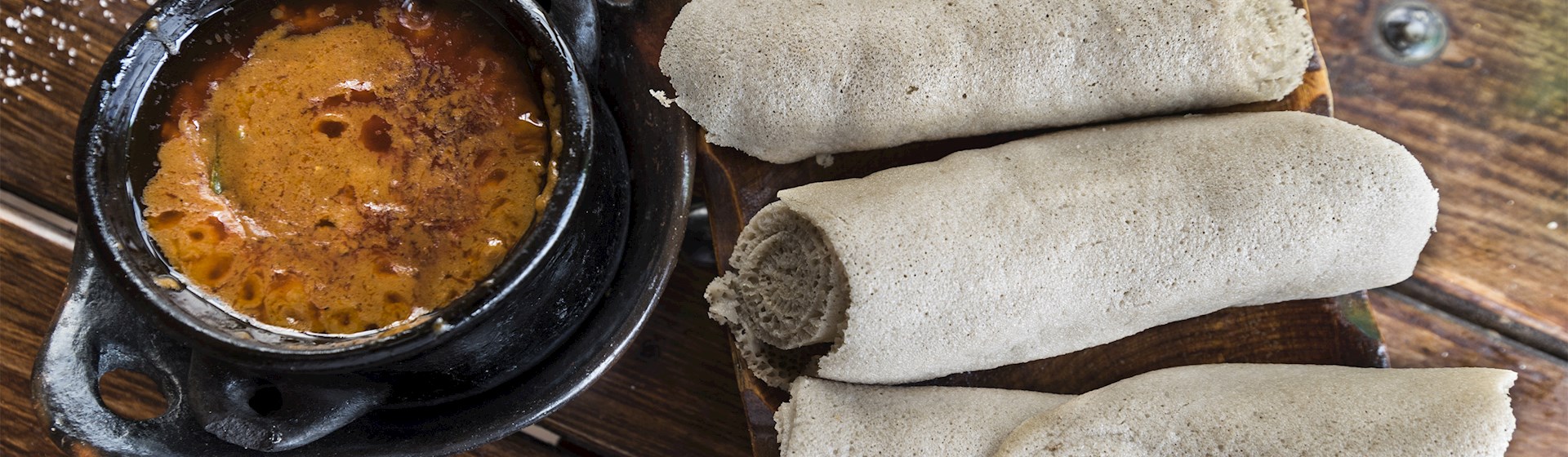
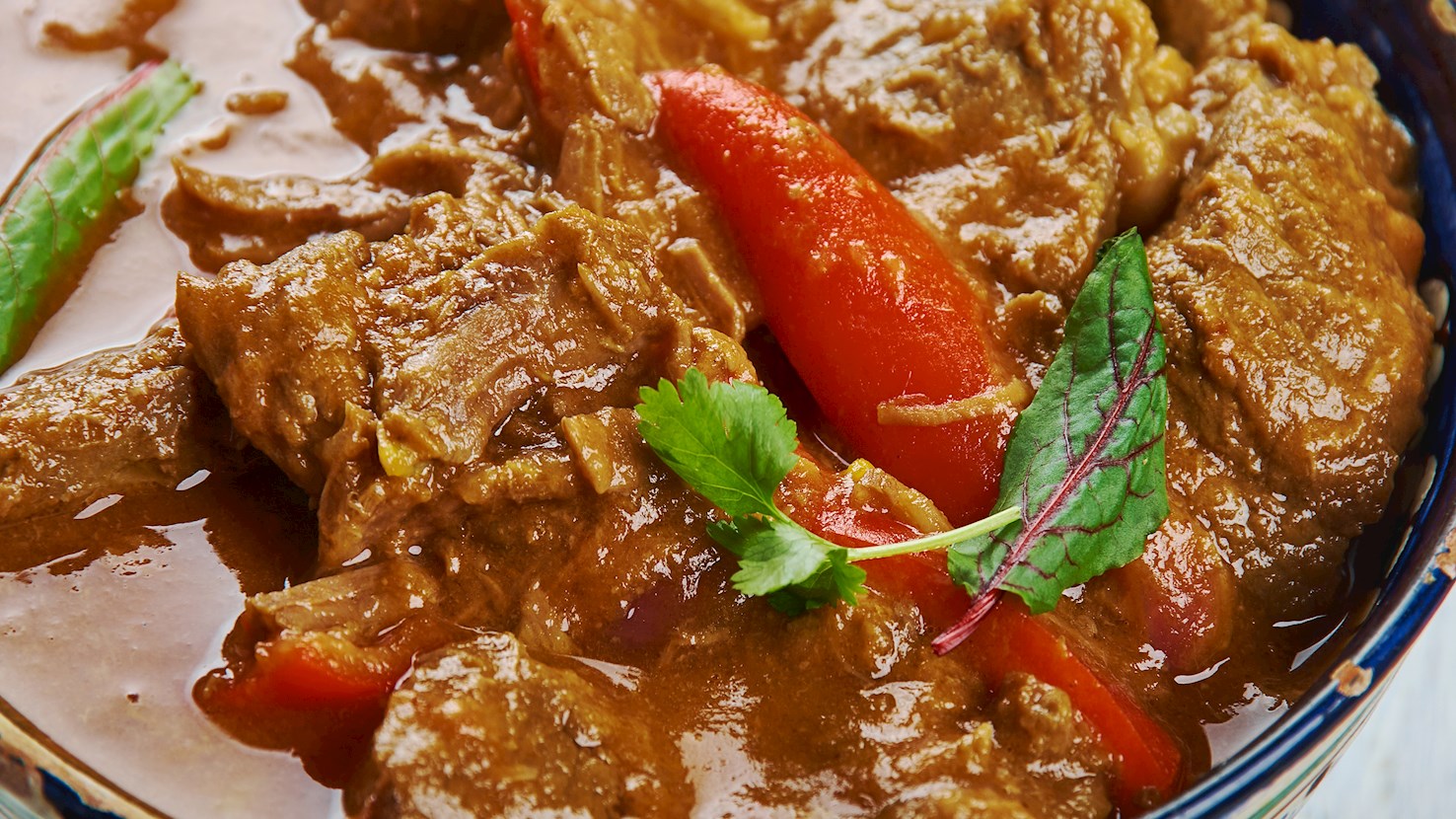
Wat is the national dish of Ethiopia (and also popular in Eritrea, where it's known as tsebhi), a spicy stew made with berbere - a spice blend usually consisting of very hot chili peppers, garlic, ginger, rue, basil, ajwain, nigella, and fenugreek, all of them sold in markets and ground together in a mortar using a pestle. It is the most popular dish in these two countries and can be made with beef, chicken, lamb, lentils, vegetables, or fish. Pork is never used due to religious reasons. In Ethiopia and Eritrea, nothing gets wasted, so every possible cut of meat is used in the wats, either fresh or dried, from fine cuts to organs. In the past, women were judged on the basis of their wat cooking skills, and those who made the best ones were the most respected by their neighbors and husbands. Wat begins with onions, used for sweetening and thickening the stew, followed by berbere, water, tomato sauce, and meat or vegetables, slowly cooked to perfection.

02

Shiro wat

4.3 ·

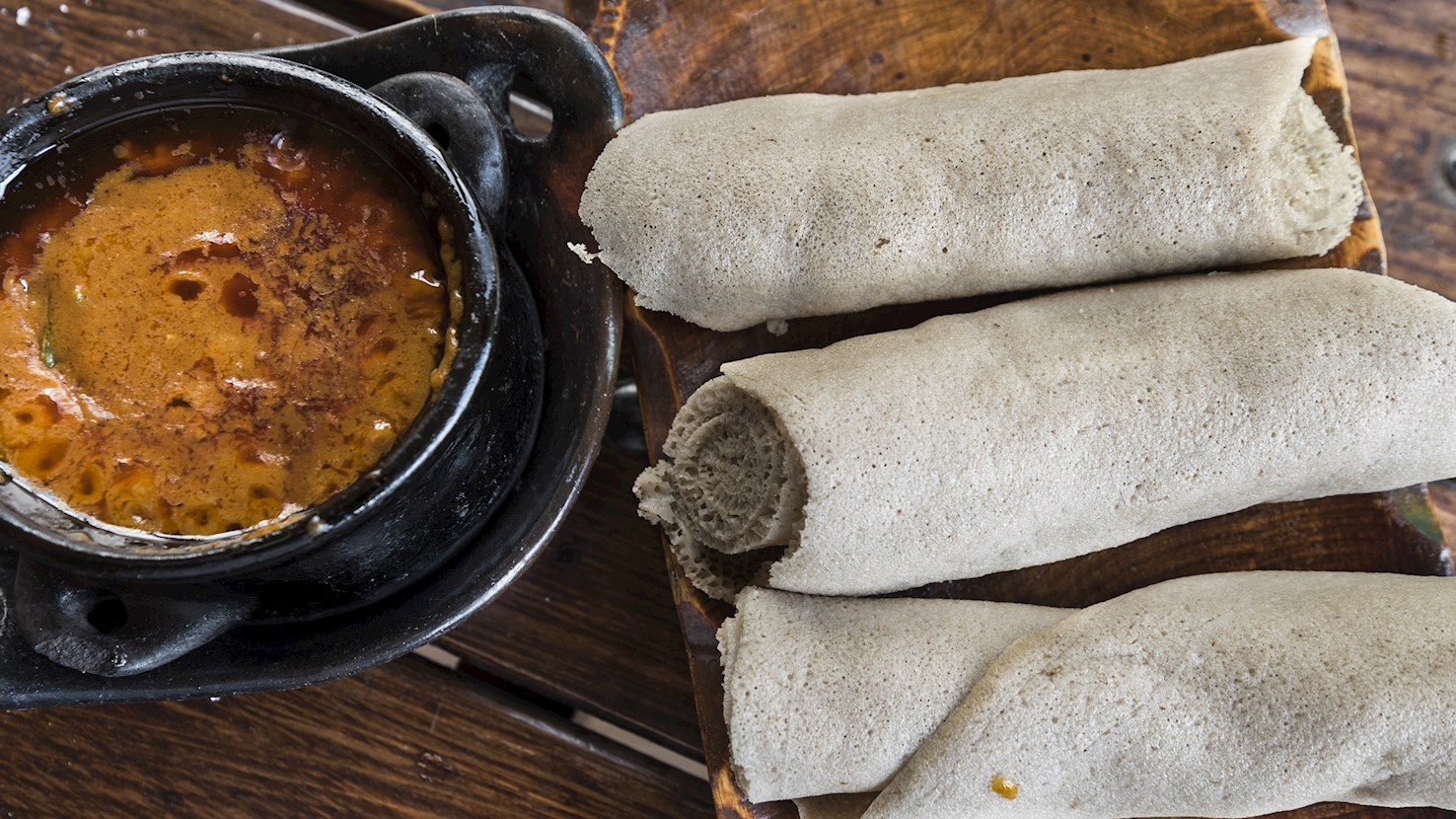
Shiro wat or tsebhi shiro is an Ethiopian and Eritrean stew made with chickpeas or broad beans as main ingredients, along with garlic, onions, ginger, tomatoes, and chili peppers. The chickpeas give this stew a nice texture and nutty flavor, but they can be replaced by shiro powder, which is a combination of chickpea flour and various spices. The dish is traditionally prepared for special occasions such as Ramadan and Tsom. It is recommended to serve shiro with injera flatbread on the side.

03

Doro wat

4.2 ·

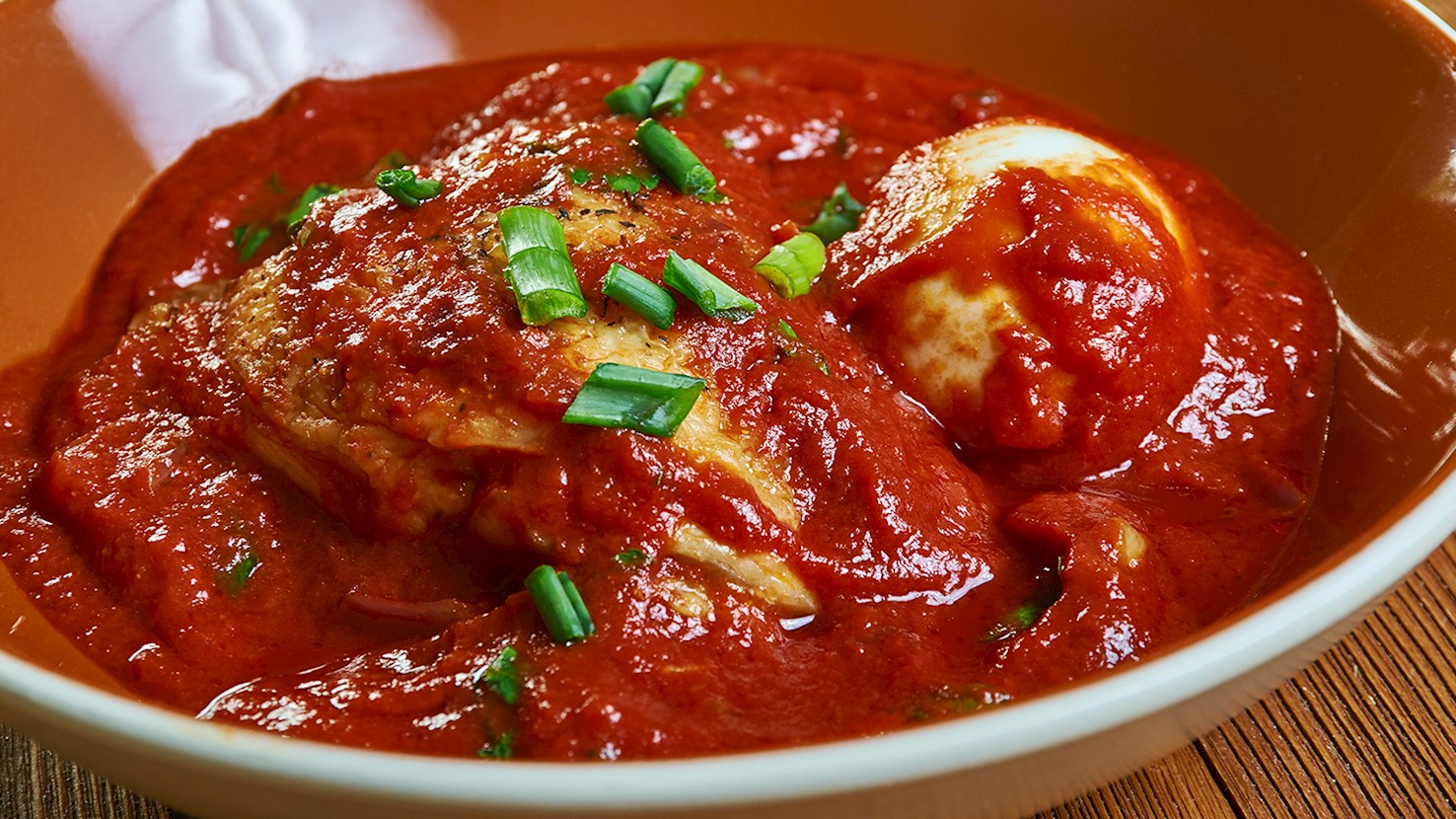
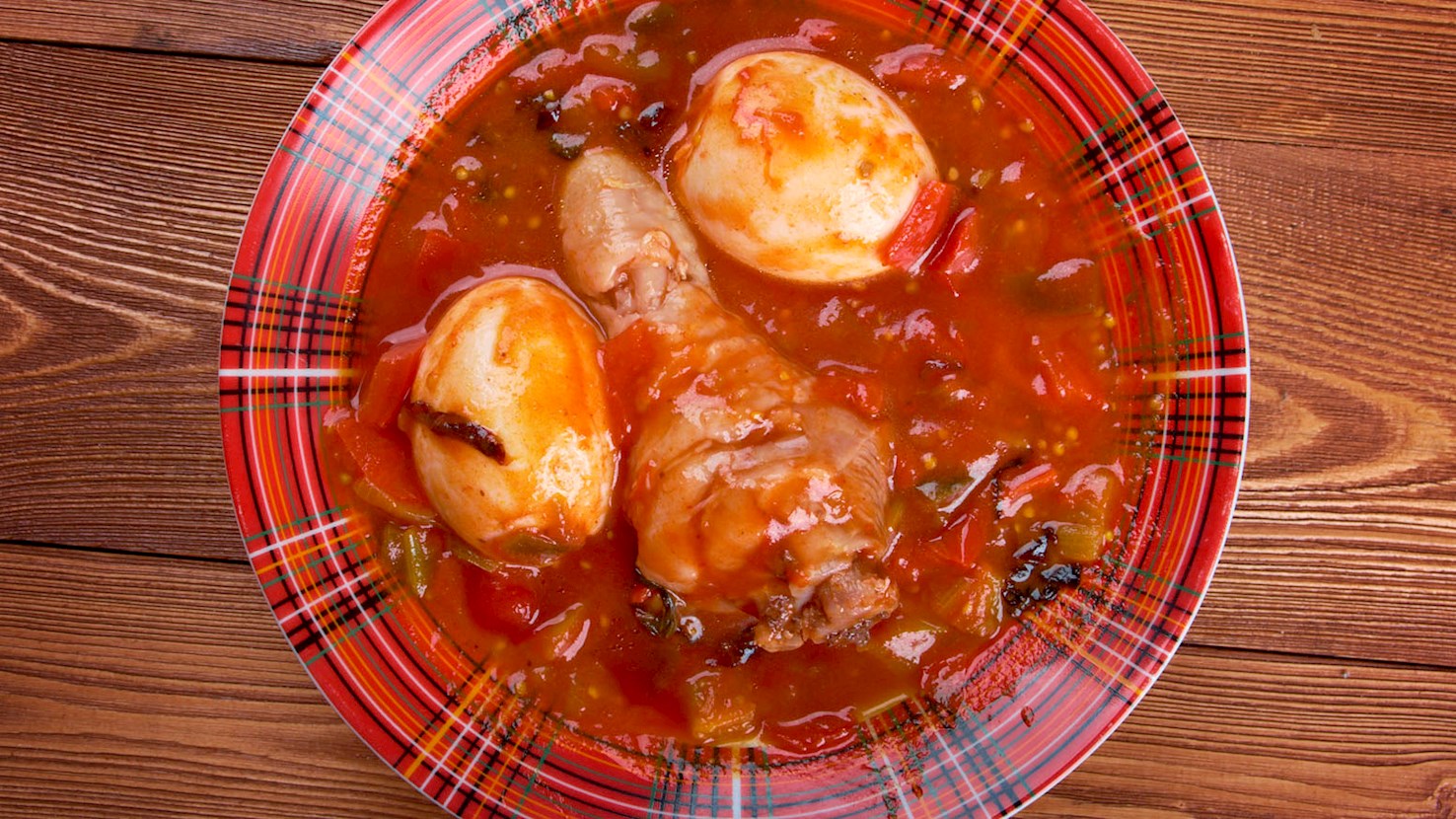
Doro wat (known as tsebhi derho in Eritrea) is a festive type of wat stew made with chicken, usually bought from outdoor markets. The meat gets soaked in water, salt, and lemon juice to eliminate bacteria, and it's then cut into eight to twelve pieces. Peeled hard-boiled eggs are added to the stew about five minutes before it is done in order to absorb all the savory spices and the delicate red color. With tender meat, spicy eggs, and a rich, flavorful sauce, doro wat is a must-have at every festivity, Christmas and Easter included. Many Ethiopians fast on meat for 43 days before Christmas, and on Christmas most of the people choose doro wat as their preferred and finally allowed meat-based dish.

04

Misir wat

4.2 ·

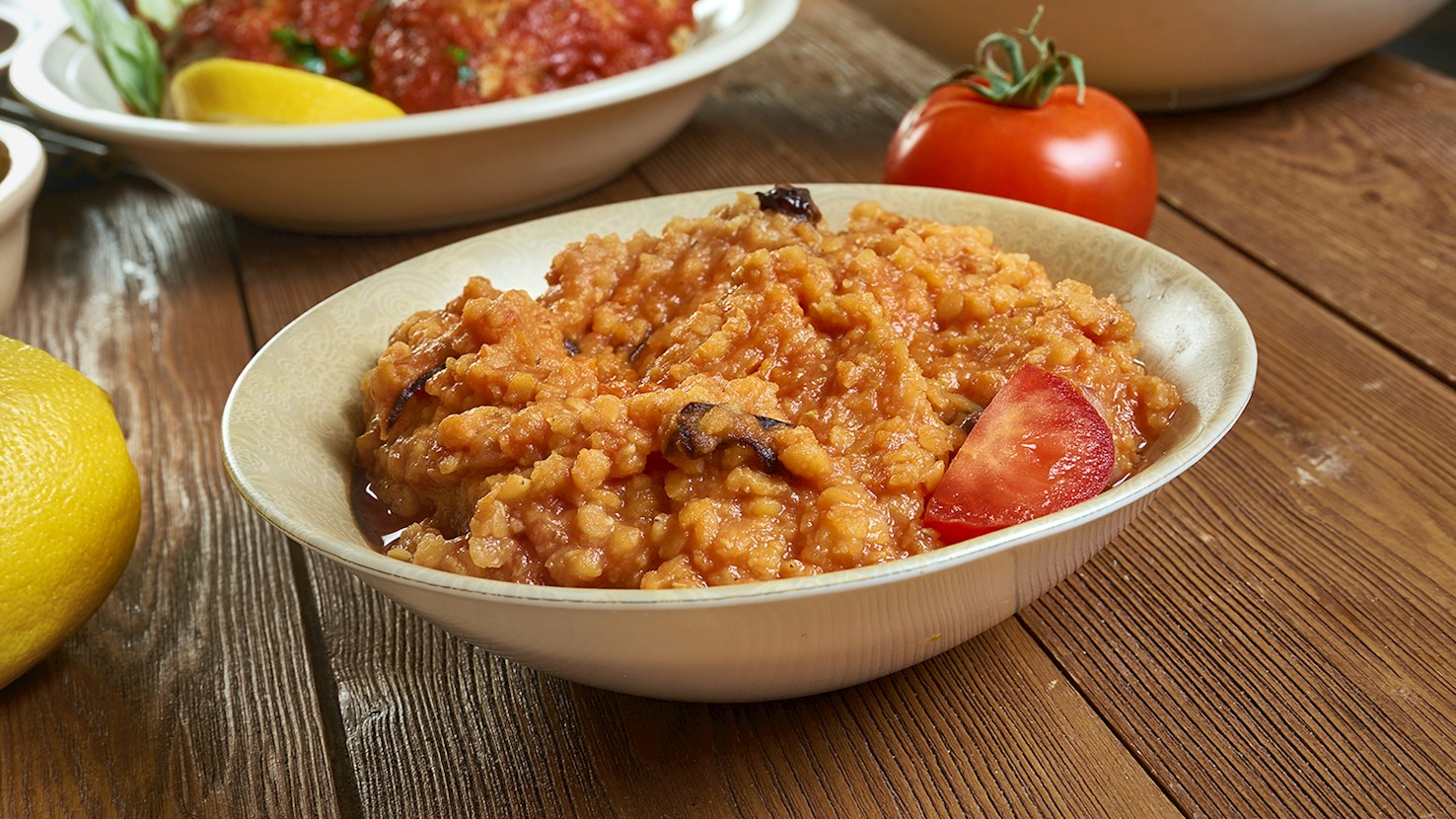
Misir wat or tsebhi birse nis a traditional and Eritrean dish and a type of wat (Ethiopian and Eritrean stew). In order to prepare it, onions are sautéed in niter kibbeh clarified butter, followed by garlic, ginger, tomato paste, berbere spices, stock, and lentils. The stew is slowly simmered until the lentils become soft, and the dish is then usually enriched with a bit more berbere spices and niter kibbeh near the end of cooking. Misir wat is served warm and it's usually accompanied by injera flatbread on the side, which is used to scoop up the lentils. If desired, the stew cna be garnished with a dollop of creamy Ayib cheese on top.

05

Alicha wat

4.1 ·

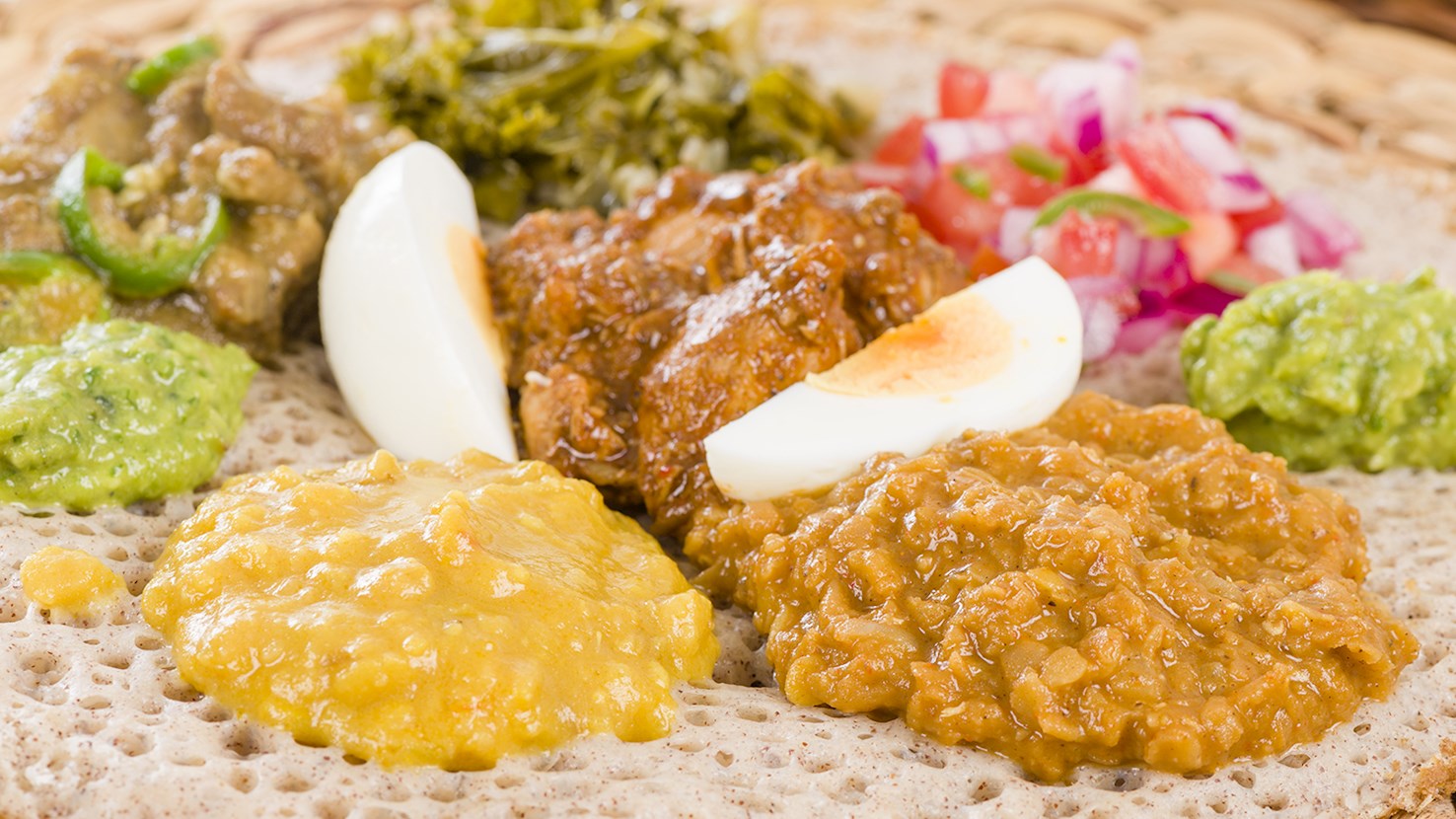
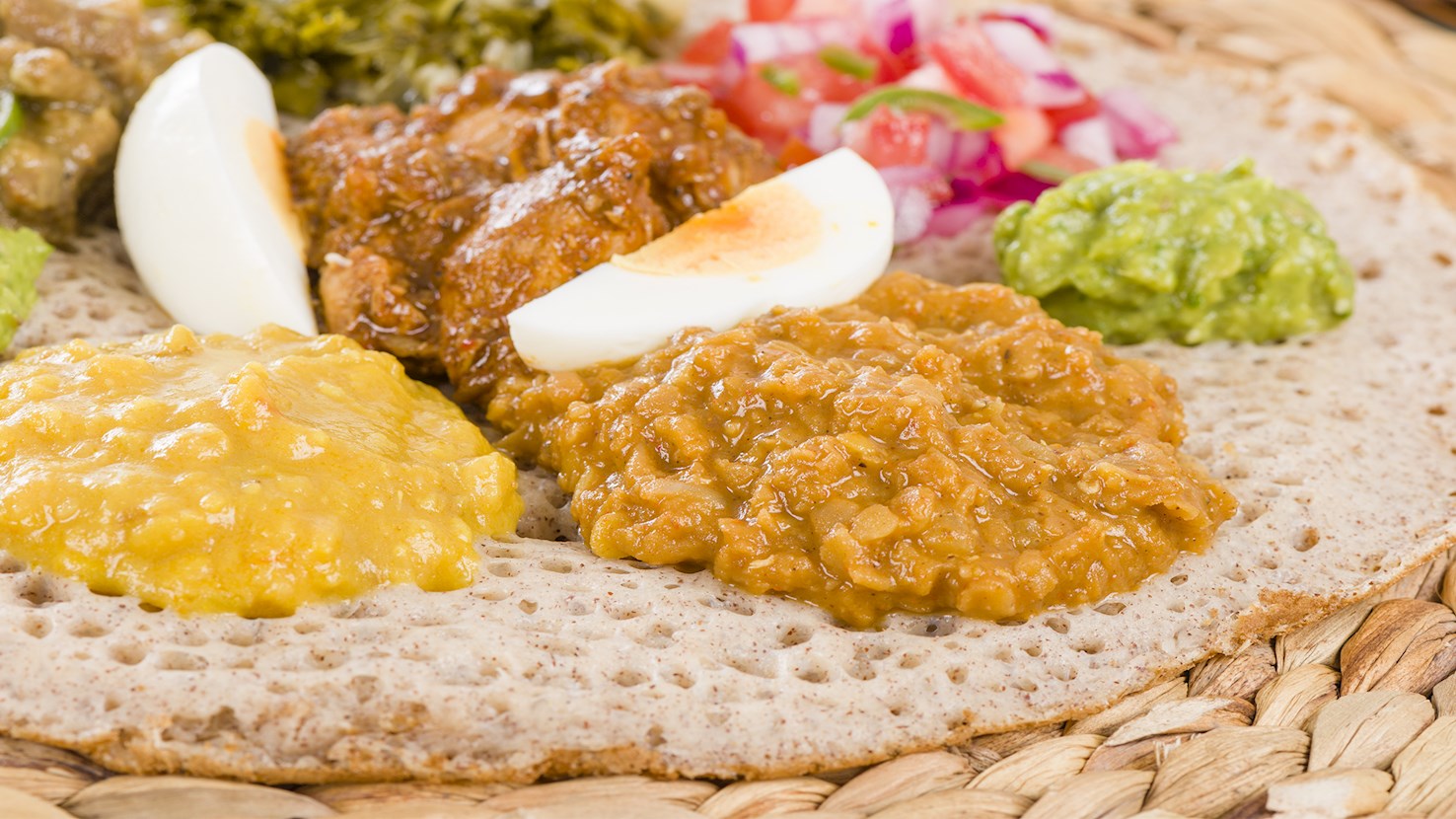
Alicha wat is a traditional dish and a part of the famous Ethiopian wat stews. This stew is made with a combination of onions, yellow split peas, niter kibbeh clarified butter, ginger, garlic, turmeric, chili peppers, and, if desired, potatoes. The ingredients are placed in a pot and the dish is slowly simmered until the split peas and the potatoes become fully tender and the sauce develops a slightly thick consistency. Sliced hot chili peppers are often added to the pot near the end of cooking. Once done, alicha wat is traditionally served with injera flatbread.

06

Kik alicha

4.0 ·

Kik alicha is an Ethiopian dish consisting of a purée made from yellow split peas. The taste is mild and savory, and the dish can be additionally flavored with garlic, turmeric, or ginger. It is recommended to serve kik alicha with rice or injera bread on the side for a wholesome meal.

07

Atakilt wat

3.9 ·

Atakilt wat is a traditional dish and a type of wat (Ethiopian stew). It's made with a combination of onions, vegan niter kibbeh, garlic, berbere spices, ginger, carrots, potatoes, and cabbage. The onion and garlic are sautéed in vegan nitter kibbeh, followed by berbere spices, carrots, potatoes, cabbage, and vegetable stock. The stew is simmered until the potatoes are tender, and it's then served garnished with coriander leaves. The dish is served hot, traditionally with injera flatbread on the side which is used to scoop up the stew.

08

Sega wat

3.6 ·

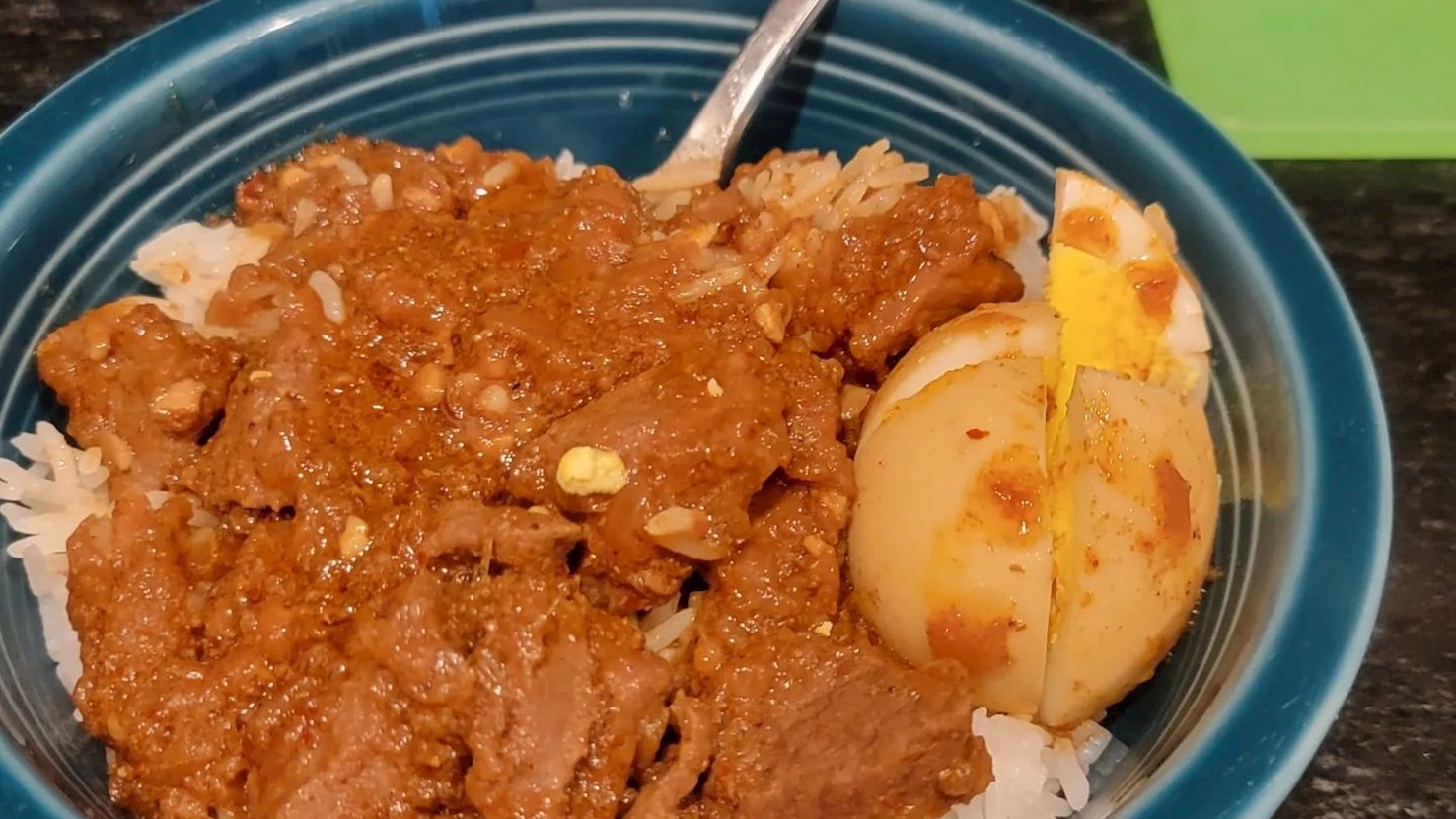
Sega wat or tsebhi sga is a traditional dish from Ethiopia and Eritrea and a type of wat. In order to prepare it, onions are sautéed in niter kibbeh clarified butter, followed by ginger, garlic, cardamom, berbere spices, and beef broth. Once the sauce has developed a thick consistency, browned beef pieces are added to the pot and the dish is simmered until the liquid is reduced and the sauce becomes very thick. Sega wat is traditionally served hot with injera flatbread or rice on the side. If desired, hard-boiled eggs can be added to the stew to make it even richer, and it's believed that the dish tastes even better the next day, when the flavors have had more time to blend together.

09

Kai wat

3.4 ·

Zigni or kai wat is a traditional dish with a spicy flavor. This stew consists of cubed meat (mostly beef), onions, garlic, tomatoes, and tomato paste, and it is typically flavored with berbere spice blend, salt, pepper, lemon juice, and coriander. It is recommended to serve zigni with injera flatbread on the side. Although zigni is considered the national dish of Eritrea, it is also popular in Ethiopia, where it is known as kai wat.

Read more
View all
View map
About this ranking

TasteAtlas food rankings are based on the ratings of the TasteAtlas audience, with a series of mechanisms that recognize real users and that ignore bot, nationalist or local patriotic ratings, and give additional value to the ratings of users that the system recognizes as knowledgeable. For the “Top 9 Ethiopian Stews” list until June 15, 2026, 276 ratings were recorded, of which 248 were recognized by the system as legitimate. TasteAtlas Rankings should not be seen as the final global conclusion about food. Their purpose is to promote excellent local foods, instill pride in traditional dishes, and arouse curiosity about dishes you haven’t tried.

Similar lists