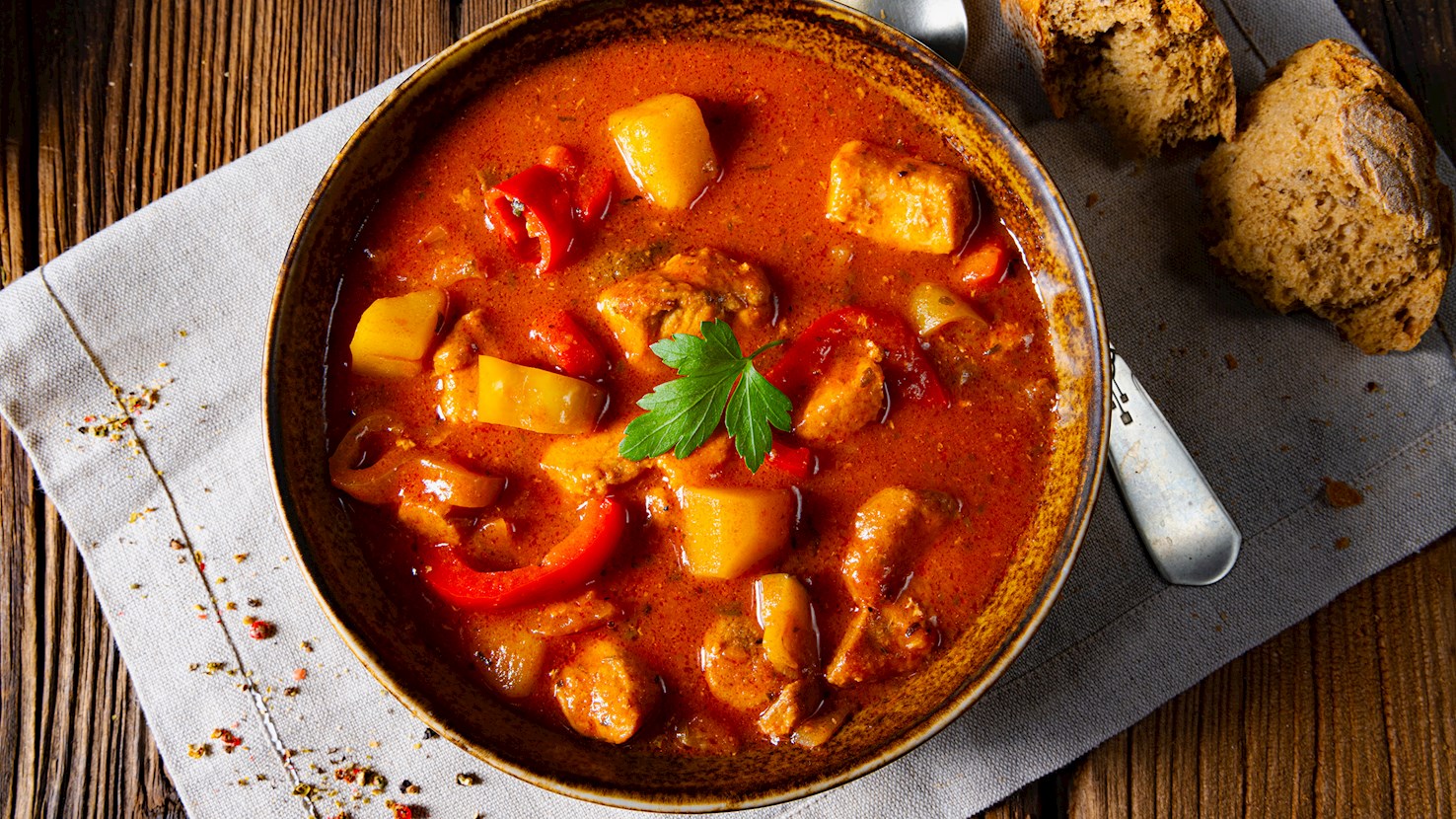
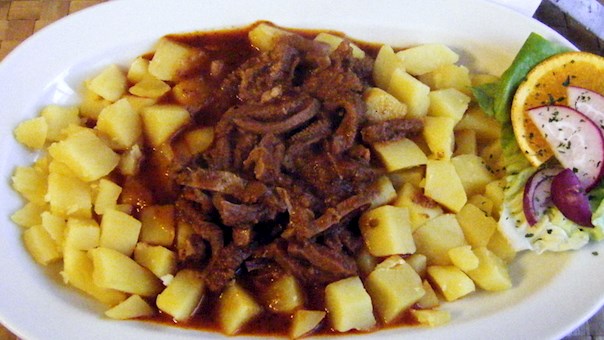
Pörkölt is Hungary's national stew, its name derived from the word pörkölni, meaning to roast or singe. The stew is made from meat such as beef, lamb, pork, or chicken, simmered in a red sauce with lots of onions, garlic, and paprika powder. It is traditionally served with dumplings, boiled potatoes, or pasta, and it is recommended to pair it with a Hungarian fruit brandy. Pörkölt's history is closely linked to the traditional Hungarian goulash, as both dishes were originally prepared as peasant meals that made hefty use of powdered paprika. Today, there are many varieties of pörkölt, with the names accordingly matching the key ingredient used in the dish, such as pacalpörkölt (tripe), marhapölkört (beef), and borjupörkölt (veal). In the Czech Republic, pörkölt is traditionally made with pork, dark bread, caraway seeds, and dark beer.
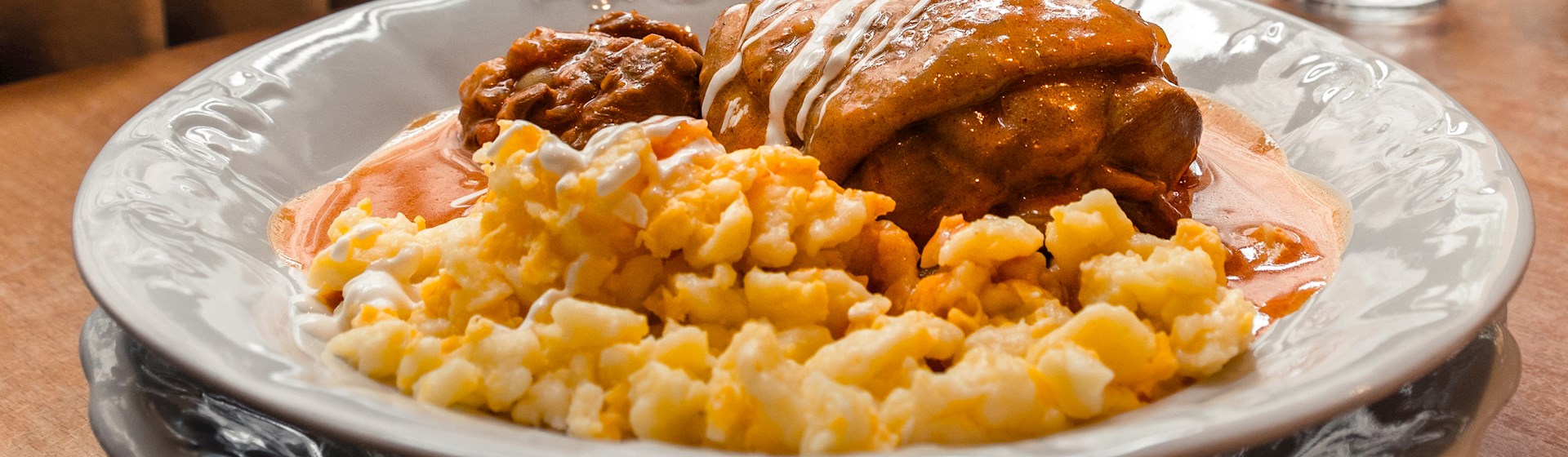
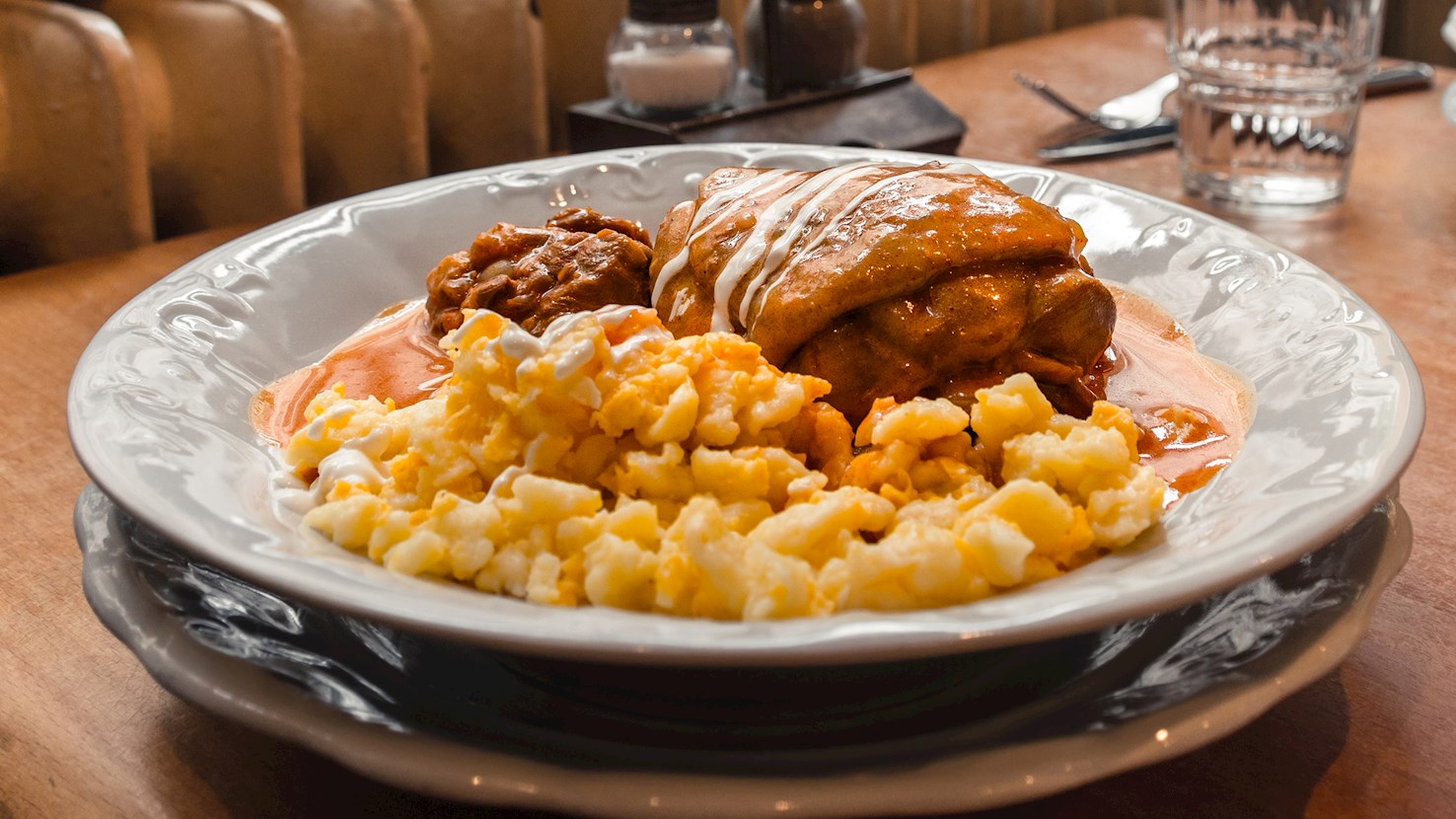
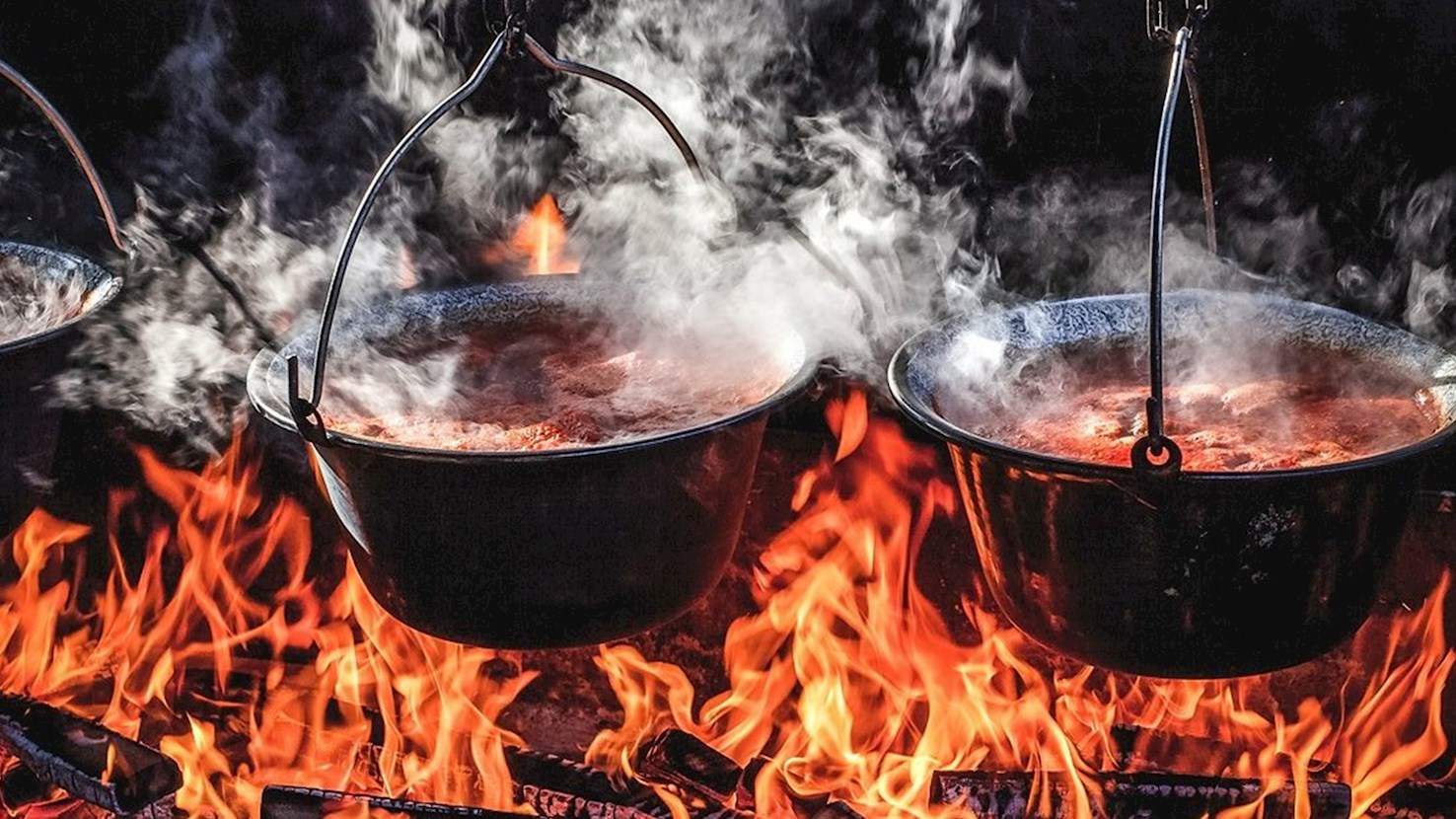
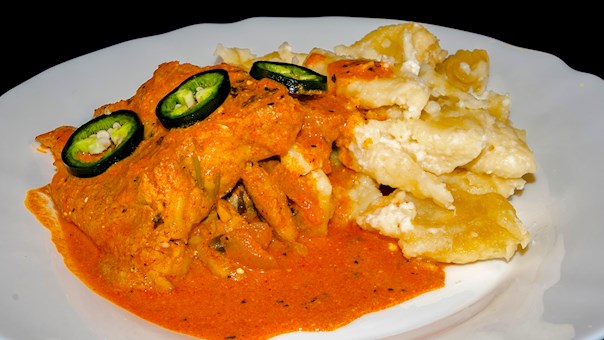
Hungarian chicken paprikás originated as a rustic stew that was cooked in a large cauldron over an open fire. It is traditionally prepared with chicken thighs and legs that are braised alongside onions and cooked in a thick, paprika-flavored broth. Although it is similar to the classic pörkölt stew, paprikás is characterized by the addition of sour cream and occasionally flour, which are always added last to create a smooth, creamy sauce. Paprikás is a common restaurant dish as well as a hearty home-cooked meal that is traditionally served complemented by galuska or csipetke dumplings, pasta, boiled potatoes, or polenta.
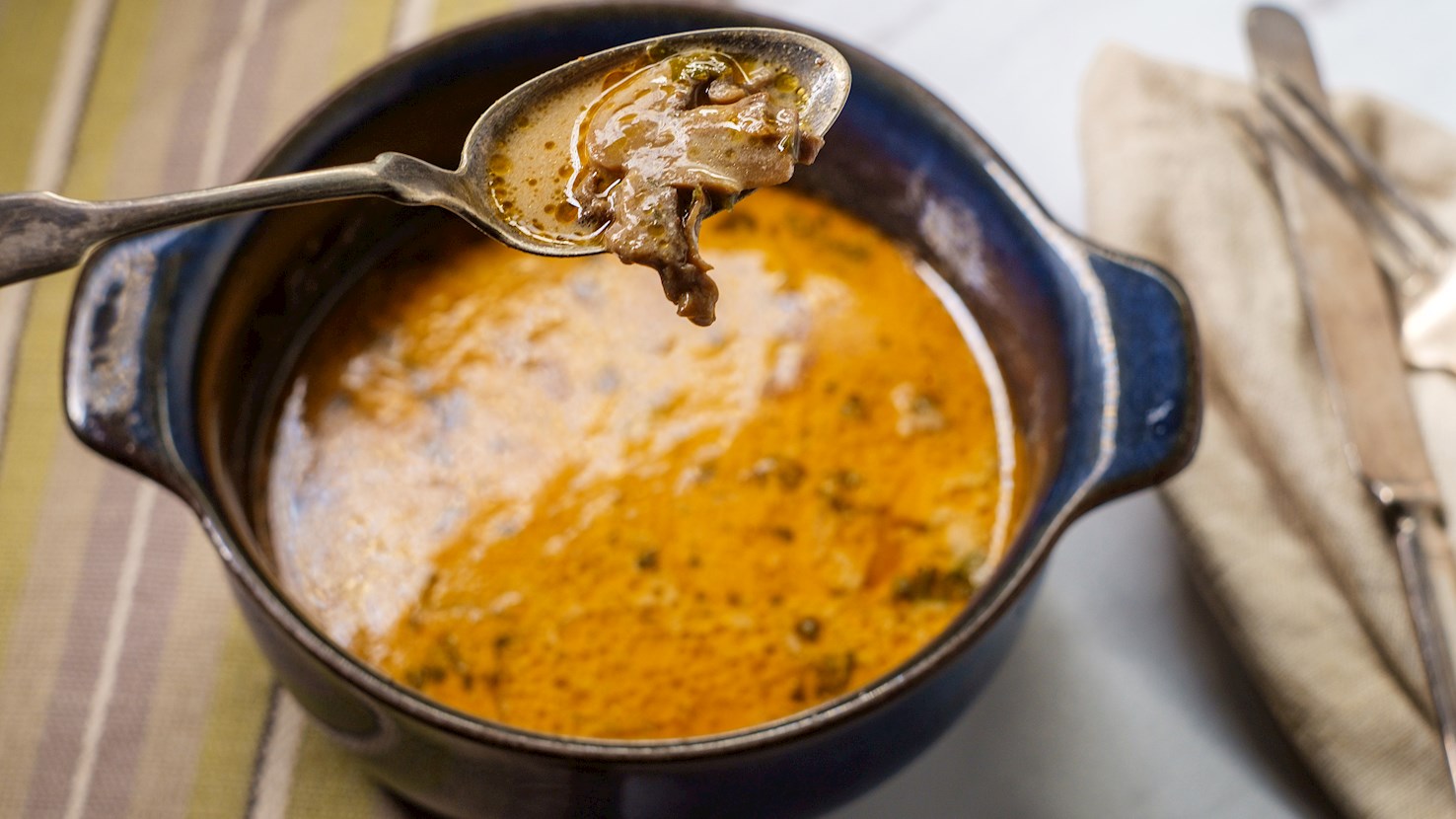
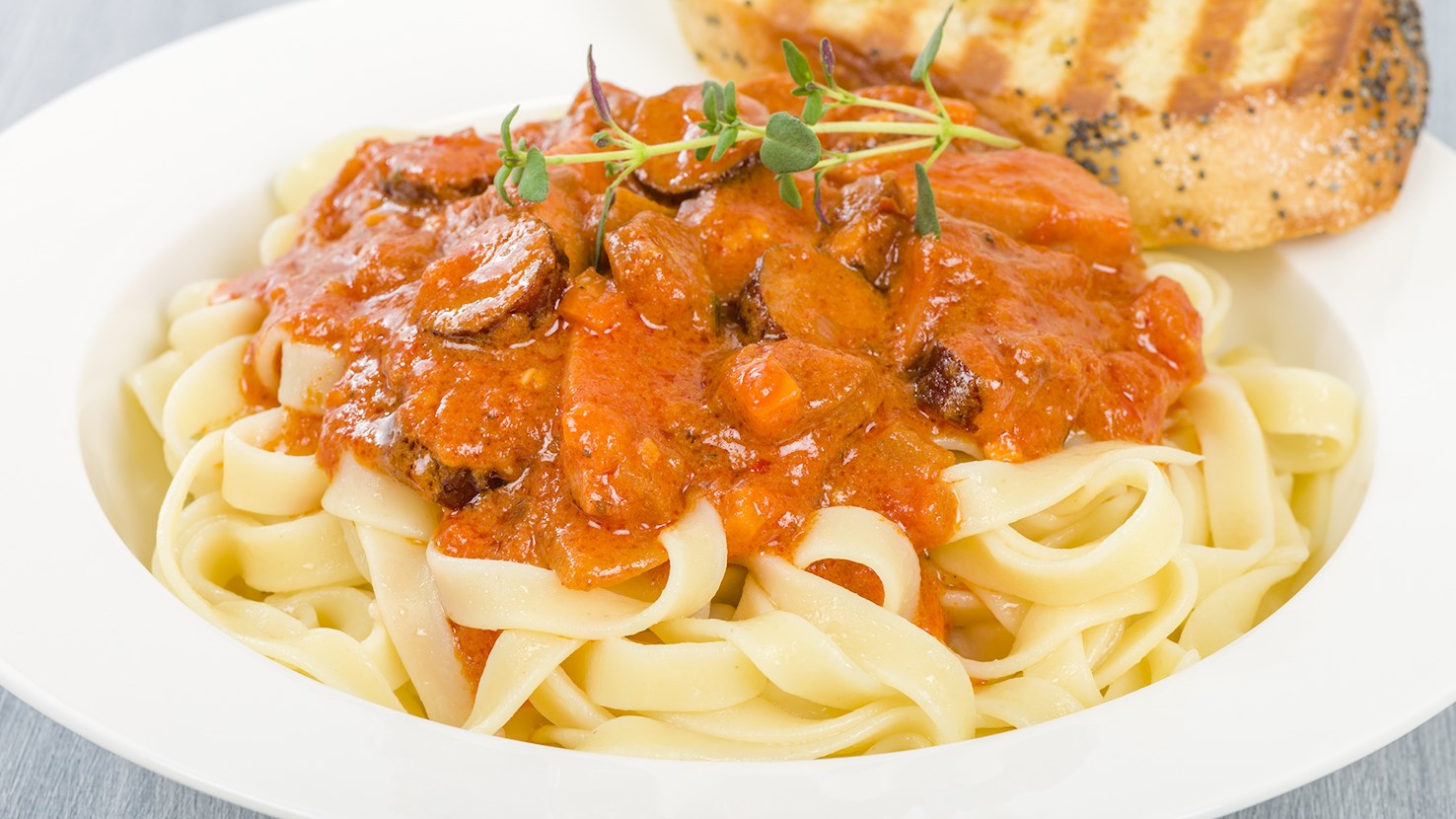
Gombapaprikás is a healthy vegetarian alternative to meat dishes. This Hungarian stew consists of mushrooms that are stewed with paprika powder, onions, tomatoes, garlic, flour, and sour cream. Once done, the dish is usually garnished with chopped parsley. Mushrooms in this creamy sauce are most often paired with nokedli dumplings, pasta, or rice.
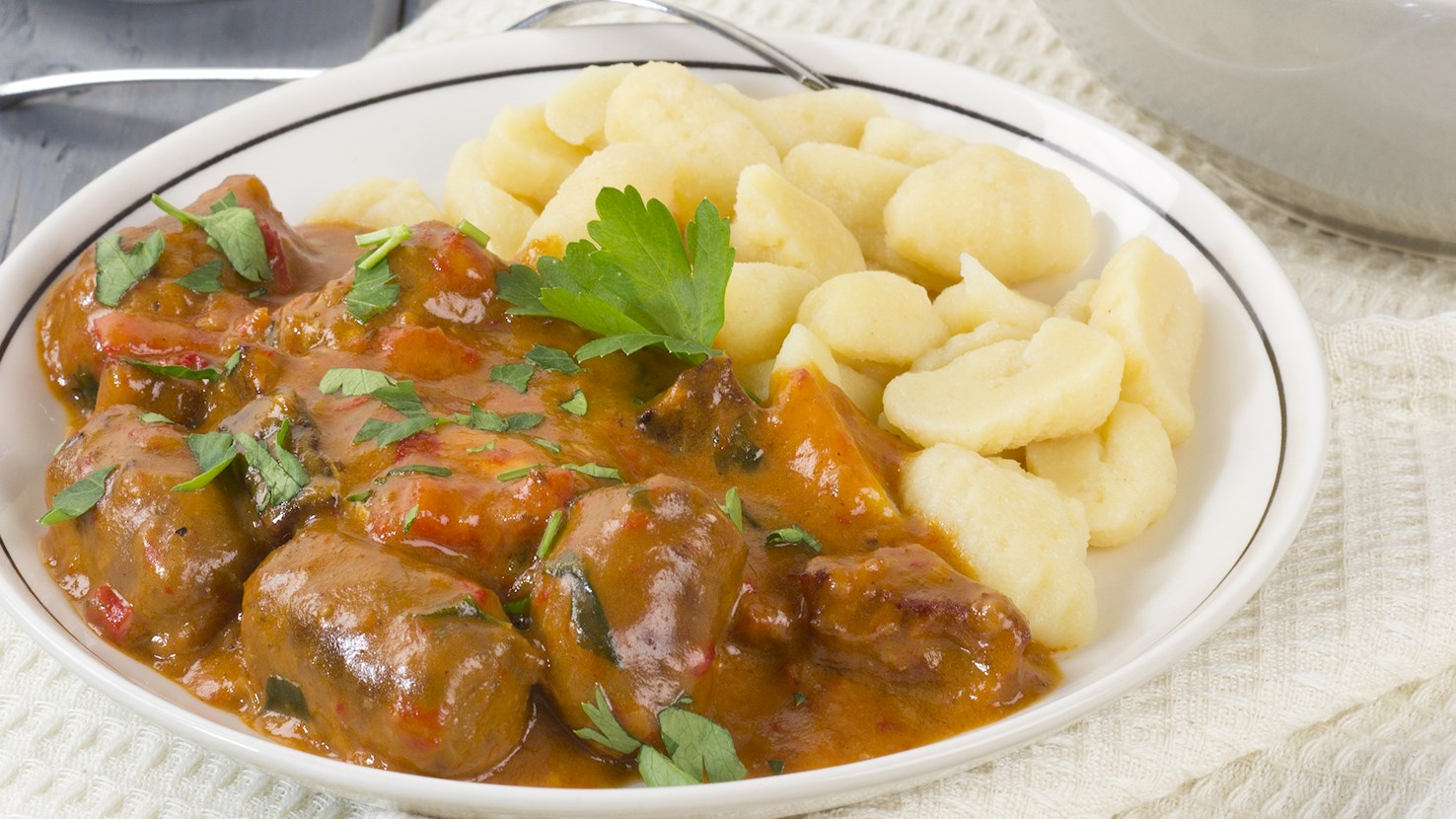
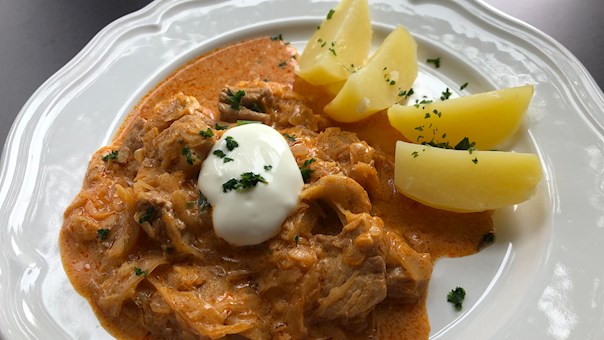
Székely gulyás is a thick and rich Hungarian stew prepared with a combination of pork, onions, peppers, paprika, potatoes, sauerkraut, sour cream, and garlic. The dish is believed to have originated in the city of Szeged, known for its paprika, and it was supposedly named after the Hungarian journalist and archivist Jószef Székely. Once prepared, Székely goulash is typically served with homemade pasta or crusty bread on the side.
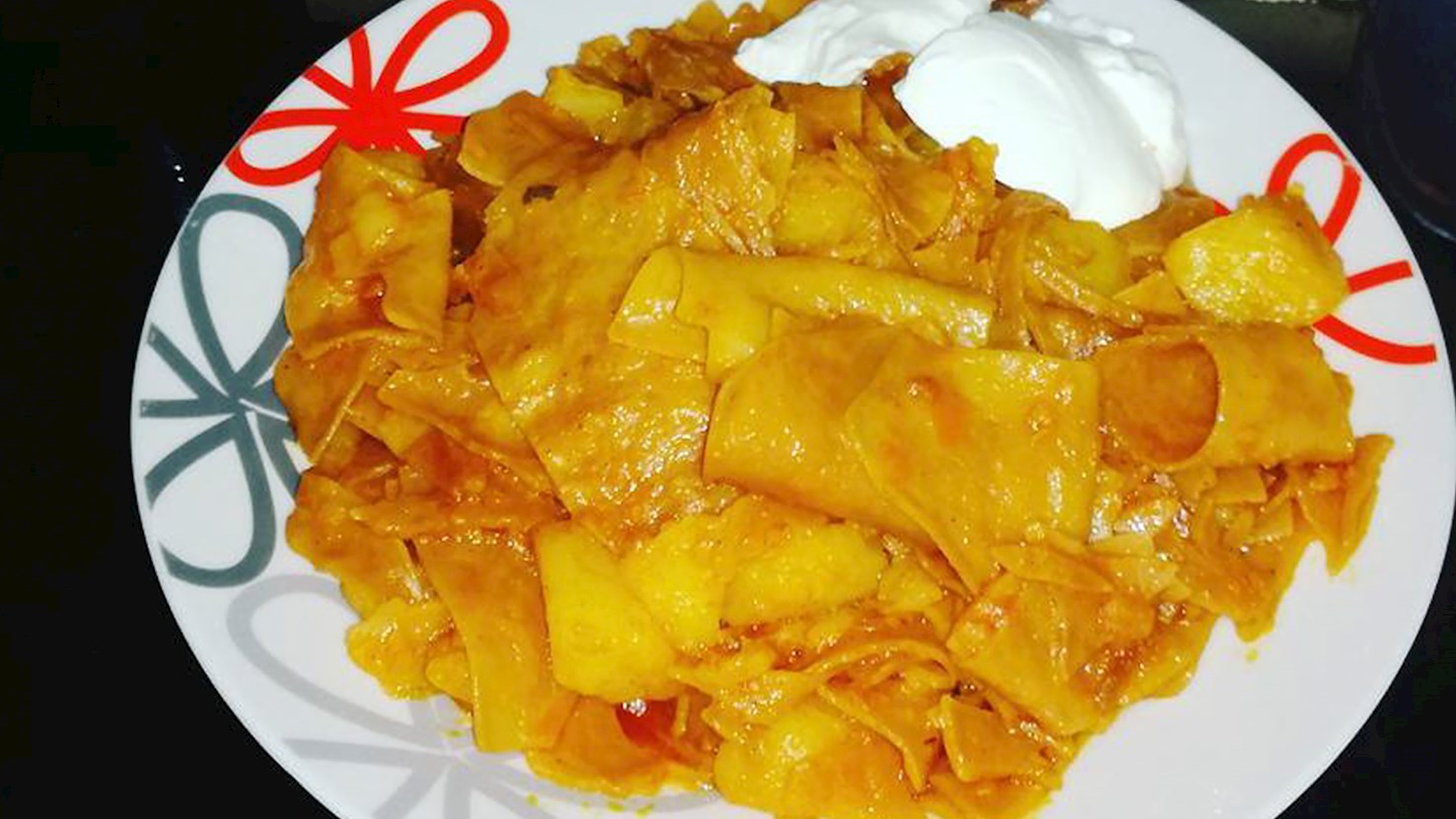
Slambuc is a traditional shepherd's dish made with a combination of bacon, lebbencs pasta, potatoes, lard, garlic, and hot paprika peppers. What's important is that the dish should always be prepared in a cauldron over an open fire, and if it isn't, it can't be called slambuc. The ingredients are slowly simmered until the water evaporates. During the preparation, the cauldron is shaken, not stirred, so that the surface crisps up evenly. According to slambuc purists, it should be turned over in the cauldron 32 times. This humble stew originates from Hajdú-Bihar county, and it's believed that it was first prepared in Hortobágy. Legend has it that the name of the dish was coined by a young cowboy – at lunchtime, his boss asked him if he liked the meal, and the boy, his mouth still full, said ''Öhön!'', which is a slurred version of igen, a word that indicates approval, hence the alternative name of the dish - öhön.
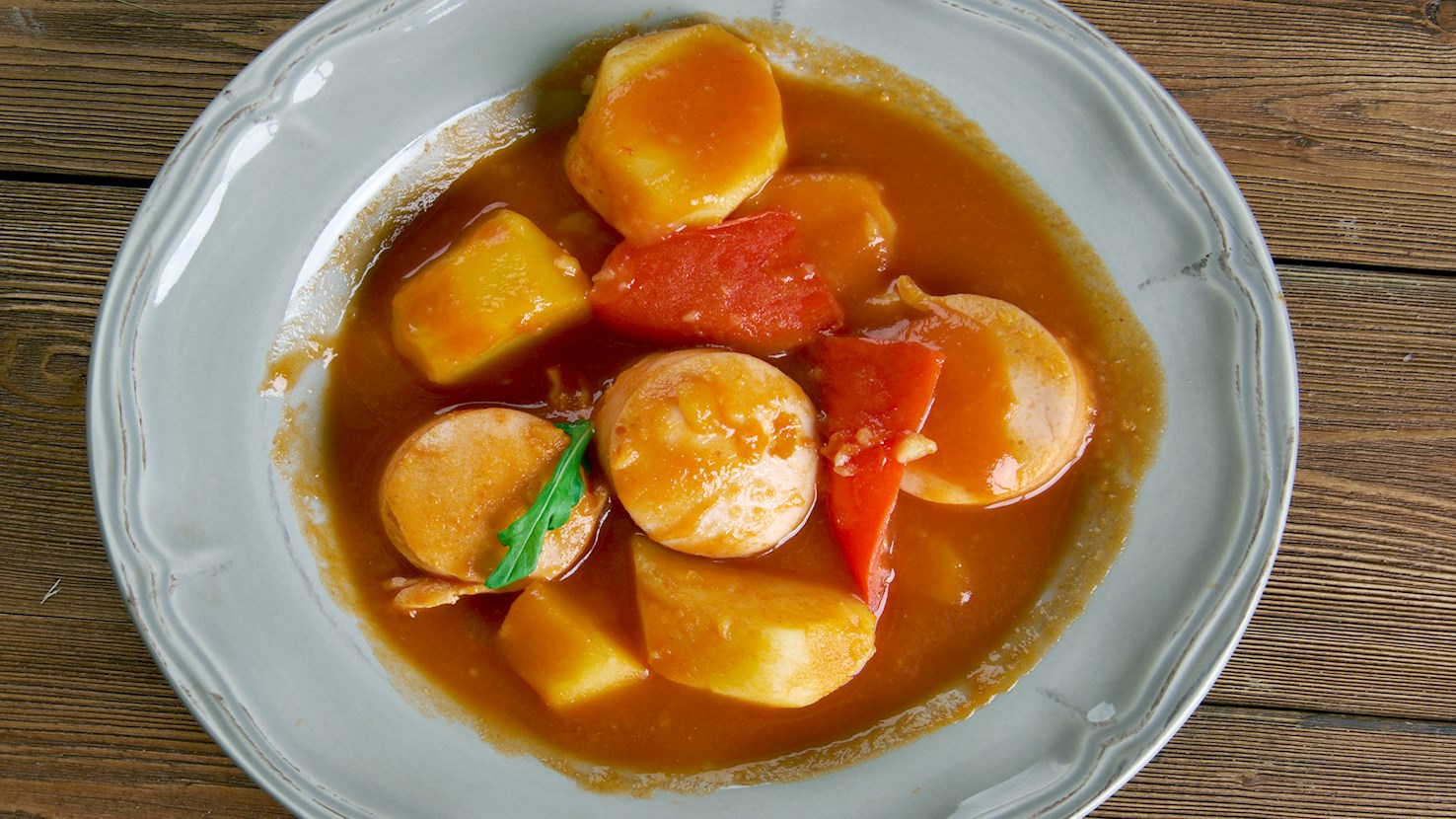
Paprikás krumpli is a hearty potato stew made mainly from potatoes, onions, rendered fat, and generous amounts of ground red paprika. The name simply means “paprika potatoes.” The basic version is quite simple and can be completely meatless, while bacon, smoked sausage, or virsli are common additions. Caraway and garlic are also frequently used. The stew is strongly associated with rural cooking on the Great Plain and became established as potatoes and paprika grew increasingly important during the late eighteenth and nineteenth centuries. Potatoes provided an inexpensive, filling staple, while paprika developed from a relatively uncommon seasoning into one of the defining spices of local cooking. It became especially valuable among poorer rural households because locally grown paprika was considerably cheaper than imported black pepper. The Napoleonic Continental Blockade may have further encouraged this shift by making imported spices more difficult and expensive to obtain. Still, it was not the single event that created paprikás krumpli. The stew became particularly well suited to shepherds and agricultural workers because potatoes, onions, paprika, and fat could easily be carried and cooked together outdoors in a bogrács, an iron cauldron suspended over a wood fire. The base begins with pork lard, rendered bacon fat, or another cooking fat heated in a heavy pot. Finely chopped onions are added and cooked until soft and lightly golden. The pot is then briefly removed from direct heat before a generous spoonful of sweet ground paprika is stirred into the hot fat. Paprika burns easily and can become unpleasantly bitter, so it should bloom in the hot fat without being scorched. Peeled potatoes cut into even chunks are added next, usually with enough water almost to cover them. Fresh tomato and pale yellow wax pepper are common additions but are not essential to the basic form. Garlic and caraway seeds may also be included. The stew is kept at a steady simmer rather than boiled aggressively until the potatoes are tender and some of their starch has thickened the paprika-colored liquid. The finished consistency is thick and saucy but should still contain enough liquid to surround the potatoes. The basic version can be made much richer by adding sliced kolbász, particularly a smoked paprika-and-garlic sausage. As it simmers, the sausage releases fat, smoke, paprika, and garlic into the potatoes, turning the sauce darker and richer. Bacon may also be used in the initial fat base. Virsli, a softer frankfurter-style sausage, is another common option and is generally added later because it needs much less heating. Historically, paprikás krumpli could be made simply with potatoes, onions, paprika, and fat, with sausage appearing when it was available rather than being essential to the stew's identity. Another variation adds csipetke, small pieces of firm egg dough pinched by hand. The name comes from csípni, meaning to pinch. The pieces are dropped directly into the simmering paprika broth near the end and soften while absorbing some of the seasoned liquid. They also release additional starch, making the stew more substantial. Csipetke is an optional addition rather than a defining part of paprikás krumpli. A meat-free version leaves out lard, bacon, sausage, and virsli and uses sunflower oil instead. Onion, sweet paprika, garlic, caraway, peppers, and potatoes provide the main flavor. Because the earliest basic form could already be extremely simple, a meatless paprikás krumpli is not merely a modern adaptation. Paprikás krumpli is served hot in deep bowls or directly from a bogrács when made outdoors. Each serving contains tender potato pieces surrounded by the thick red cooking liquid, with slices of sausage added when used. Fresh white bread is commonly served alongside and works well for soaking up the paprika-rich sauce and rendered fat left in the bowl. Bread is especially useful with thinner versions cooked over an outdoor fire, although it is an accompaniment rather than a requirement. Sharp pickled vegetables, collectively known as savanyúság, are one of the most characteristic accompaniments. Pickled cucumbers, peppers, cabbage, mixed vegetables, or other sour preserves provide acidity and crunch against the soft potatoes and rich paprika sauce.
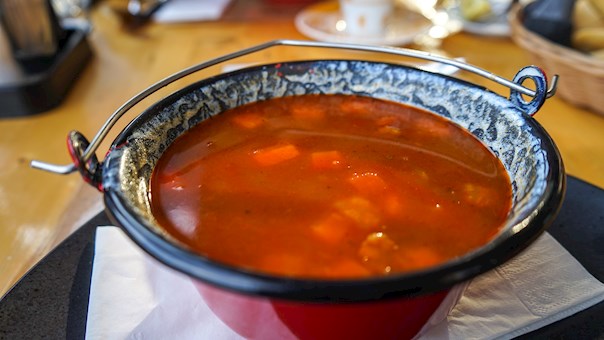
Birkagulyás is a version of a traditional Hungarian goulash prepared with mutton as the key ingredient. The mutton is cooked in a mix of vegetables such as carrots, onions, garlic, tomatoes, potatoes, and celery. The combination is usually flavored with parsley, paprika, black pepper, salt, and caraway seeds. Some recipes also suggest the inclusion of red wine sauce to the mix. Birkagulyás can be served with dumplings, sour cream, or spätzle noodles.
Fiš paprikaš (or hal paprikas in Hungary, with the addition of sour cream) is a traditional stew cooked in a big cauldron over an open fire. This spicy fish stew is traditionally made with a variety of freshwater fish such as catfish, starlet, pike, and carp. The stew is heavily flavored with large amounts of the region's staple – ground red paprika, which can range from mild to very hot. Fiš paprikaš is often served with homemade noodles, and it is so popular in the region that there are numerous fiš cooking competitions organized throughout the year. The dish is traditionally accompanied by hot ground paprika on the side so each person can increase the spiciness according to personal preferences.
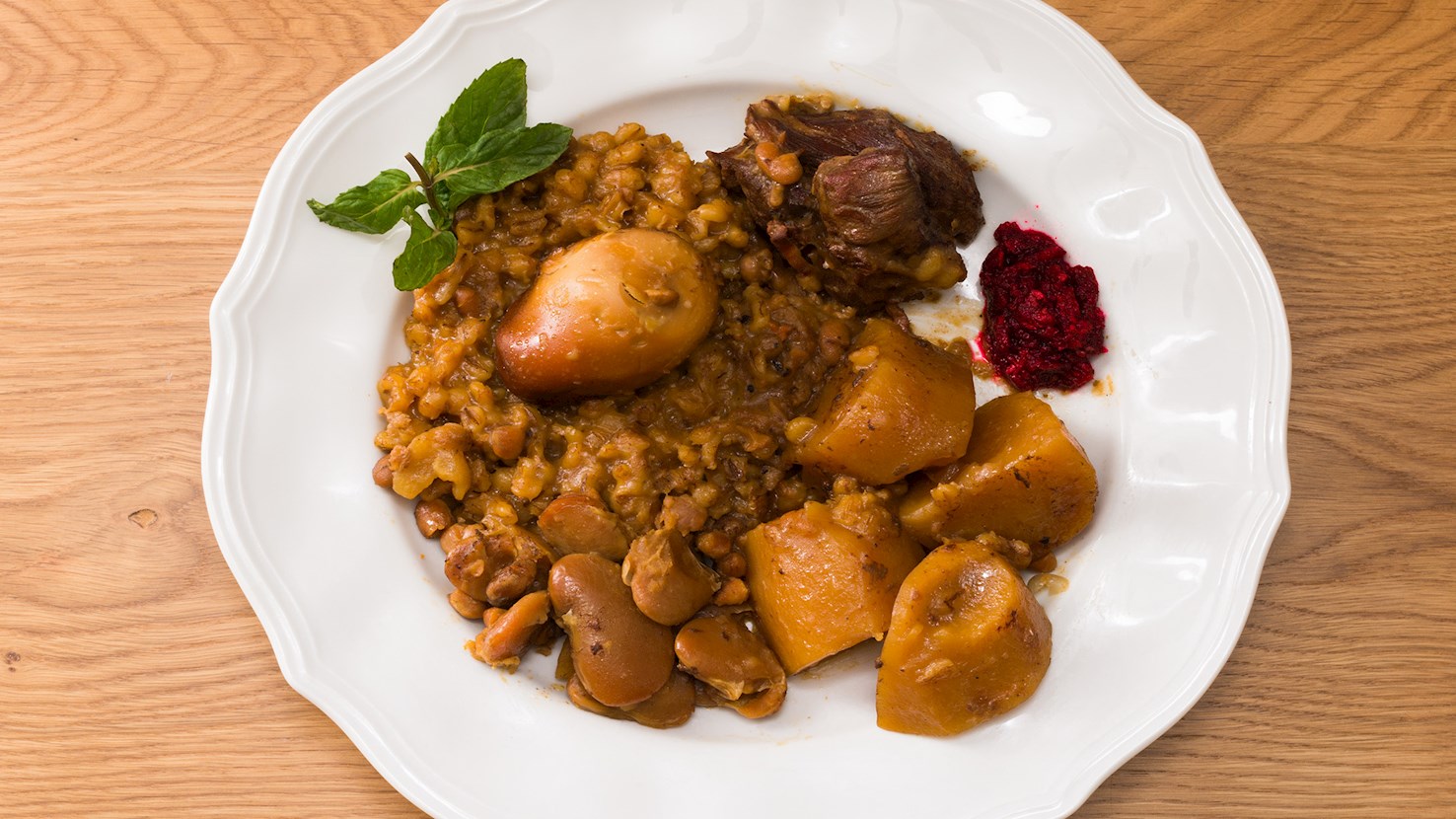
Often considered to be the predecessor to cholent, sólet is a Hungarian-Jewish stew that is traditionally slowly cooked on Friday night before the Sabbath. The stew consists of beans, paprika, onions, potatoes, boiled eggs, and meat such as smoked pork, duck, beef, or goose. The next day, this hearty and nutritious stew is ready to be consumed.
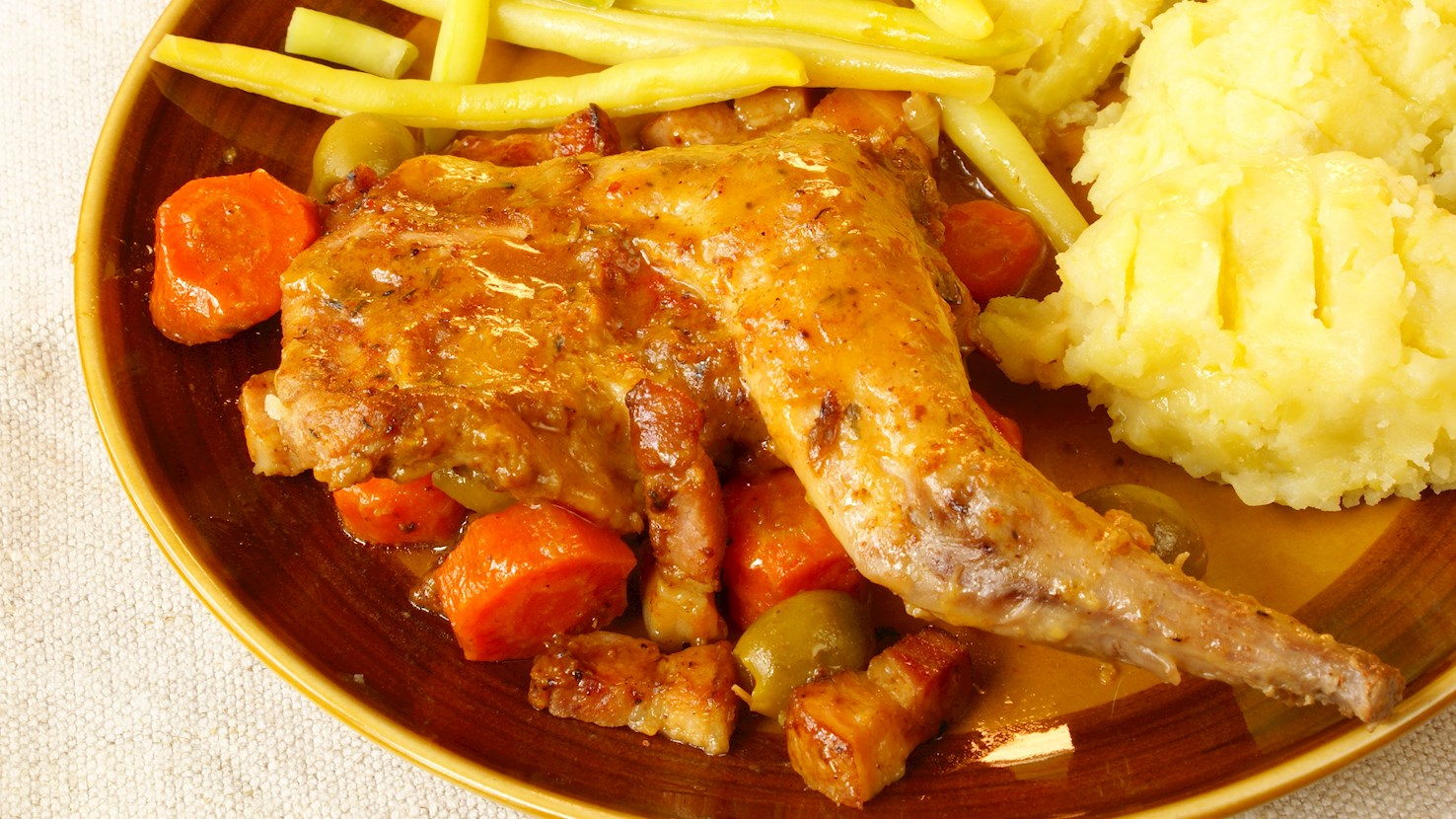
Nyúlpaprikás is a traditional rabbit stew. In the traditional recipes, almost the entire rabbit, apart from the bones, is used for the stew. Other main ingredients for the stew include onions, garlic, red peppers, and tomatoes. Some recipes also add mushrooms, red or white wine, and bacon. Nyúlpaprikás is usually served with spätzle, a type of pasta traditionally used in Hungarian cuisine. It can also be served with pickles and potatoes. This dish spread from the Hungarian countryside, where people often enjoyed hunting rabbits and other game. While it's still very popular, nyúlpaprikás is mostly found on the menus of authentic Hungarian restaurants that specialize in traditional dishes.
TasteAtlas food rankings are based on the ratings of the TasteAtlas audience, with a series of mechanisms that recognize real users and that ignore bot,
nationalist or local patriotic ratings, and give additional value to the ratings of users that the system recognizes as knowledgeable.
For the “Top 17 Hungarian Stews” list until September 15, 2026, 1,356 ratings were recorded, of which 950 were recognized by the system as legitimate.
TasteAtlas Rankings should not be seen as the final global conclusion about food. Their purpose is to promote excellent local foods,
instill pride in traditional dishes, and arouse curiosity about dishes you haven’t tried.




What People Say