

shutterstock

Top 91 Indian Stews

Last updated on June 15, 2026
01

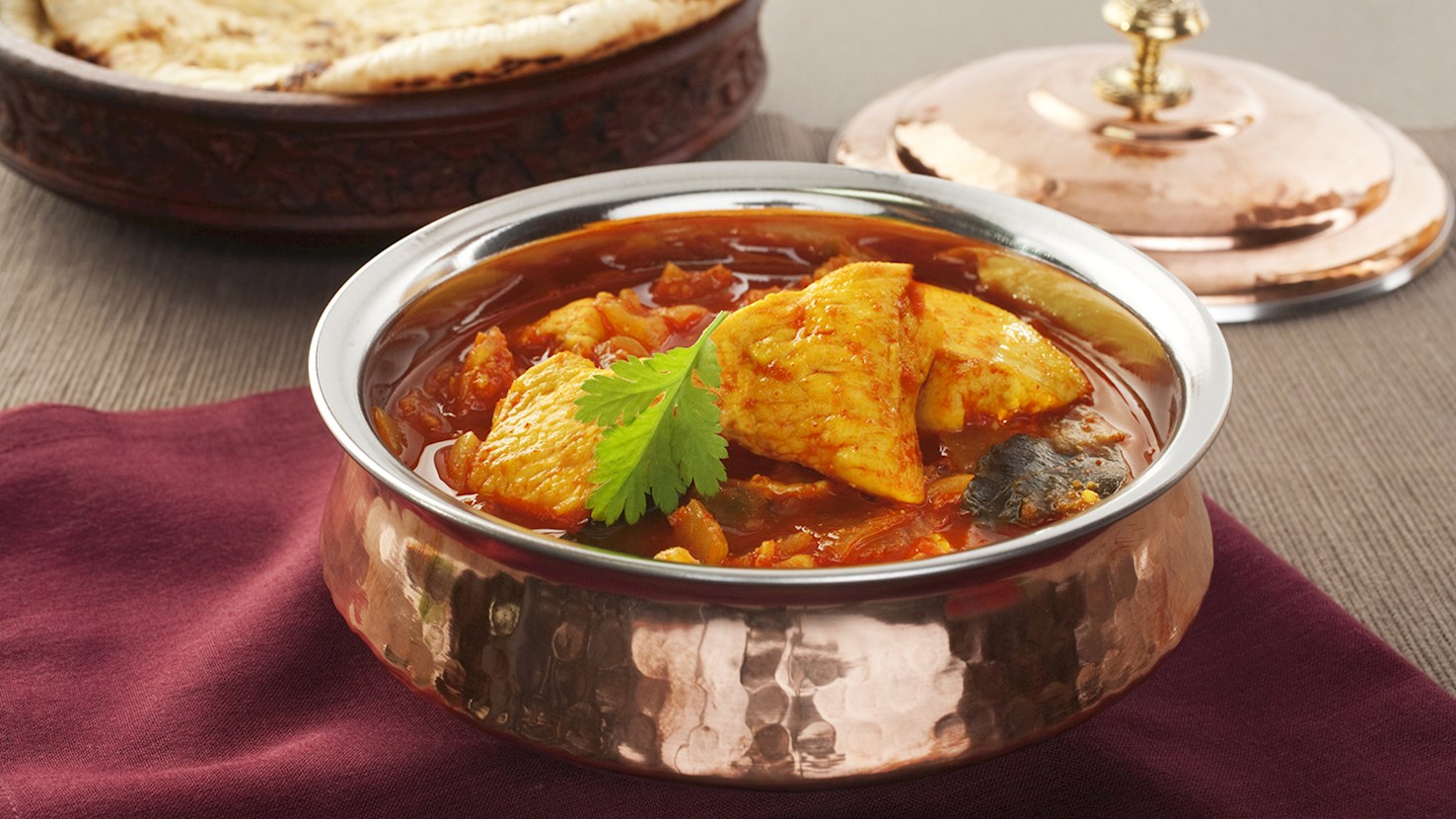
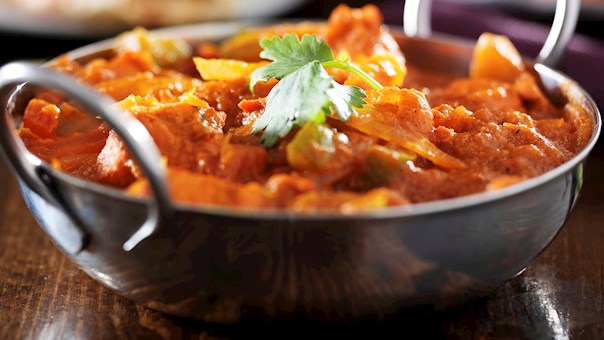
Murgh makhani (Butter chicken)

4.4 ·

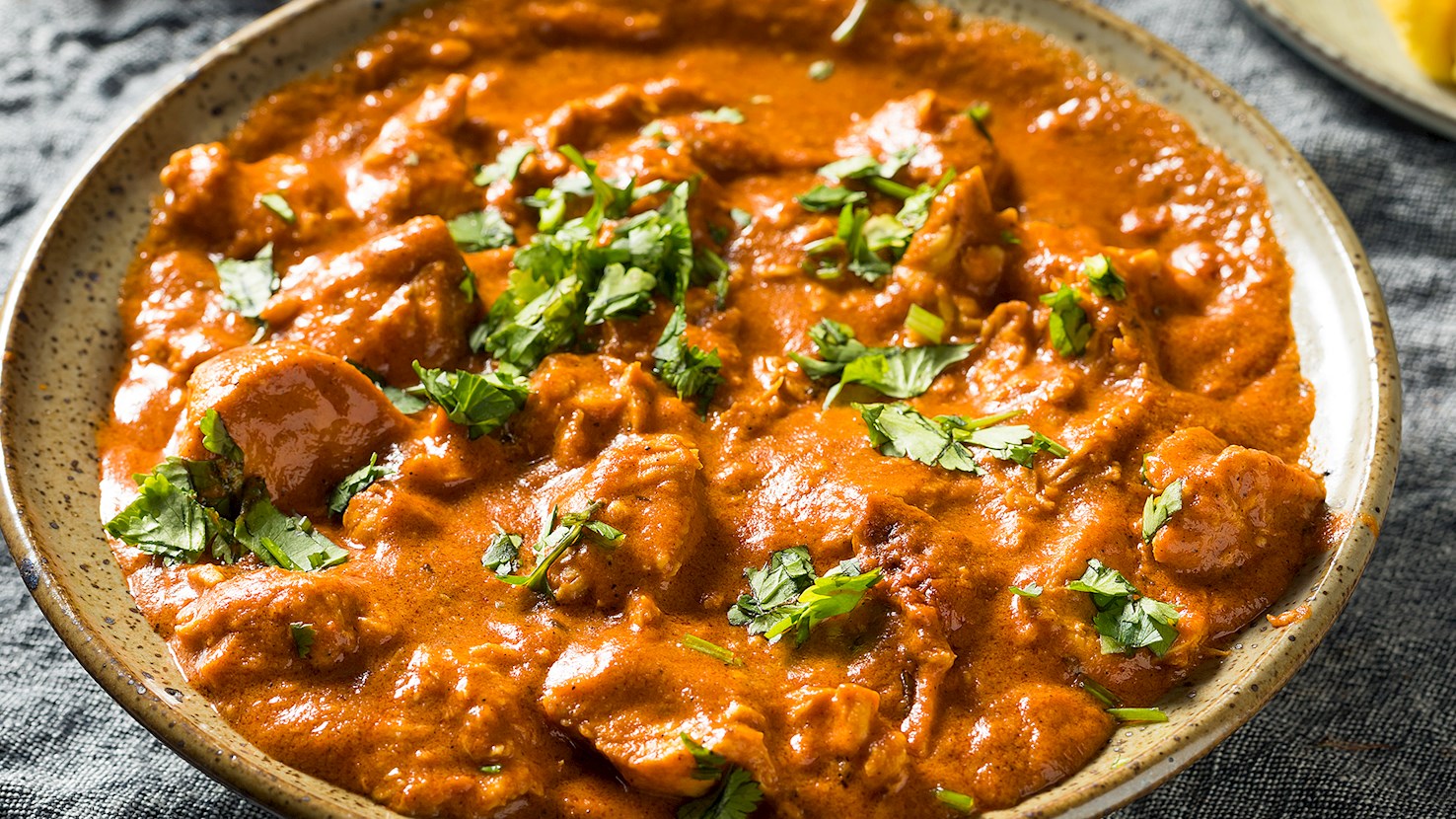
Probably the best known of all Indian dishes, murgh makhani, internationally referred to as butter chicken, is a staple dish at most Indian restaurants. The dish originated in Delhi during the 1950s, when a man named Kundan Lal Gujral opened his restaurant called Moti Mahal. The restaurant's cooks combined leftover marinade juices with tomatoes and butter, and then stewed the tandoor-cooked chicken in it, without even knowing that they have accidentally stumbled upon one of the most loved dishes ever and a future international delicacy. Moti Mahal became one of Delhi's attractions, and soon after, butter chicken spread throughout the world. With a combination of roasted meat, plenty of spices, a rich gravy made with cream, tomatoes, and butter, this dish is best accompanied by naan bread and garnished with even more butter, coriander, or green chilis.

02

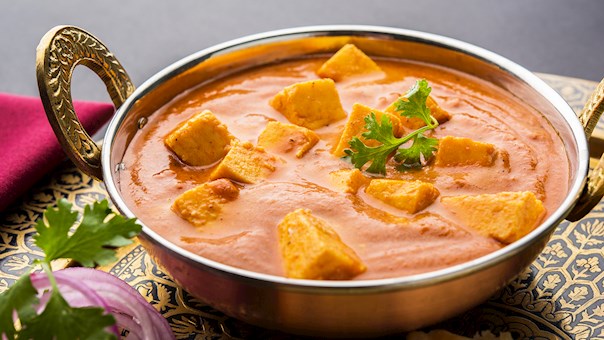
Shahi paneer

4.3 ·

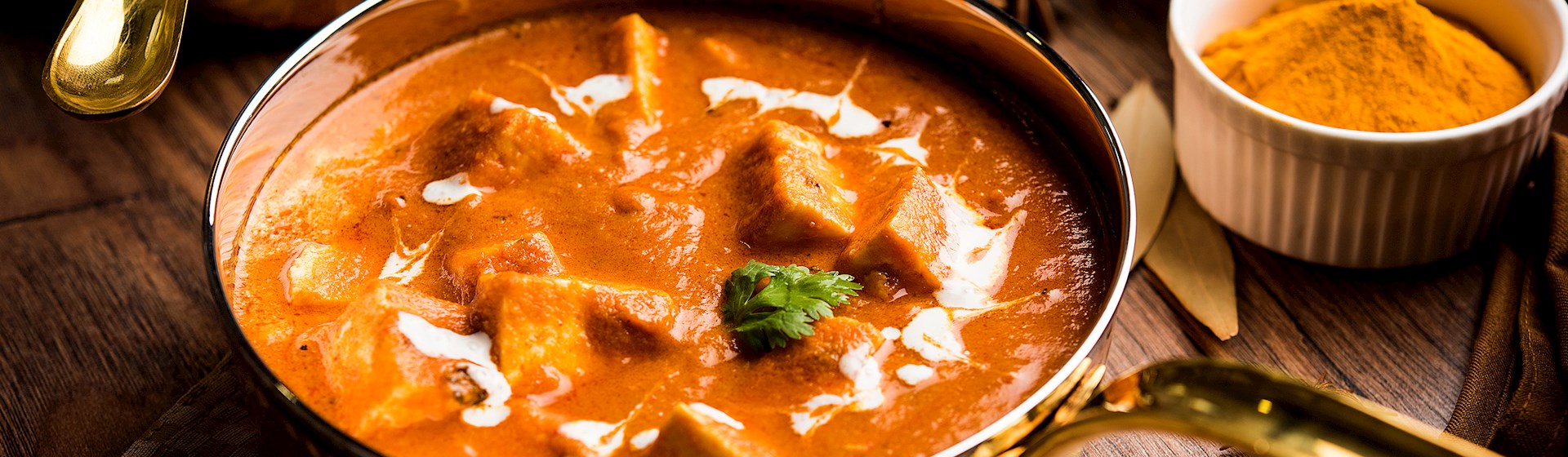
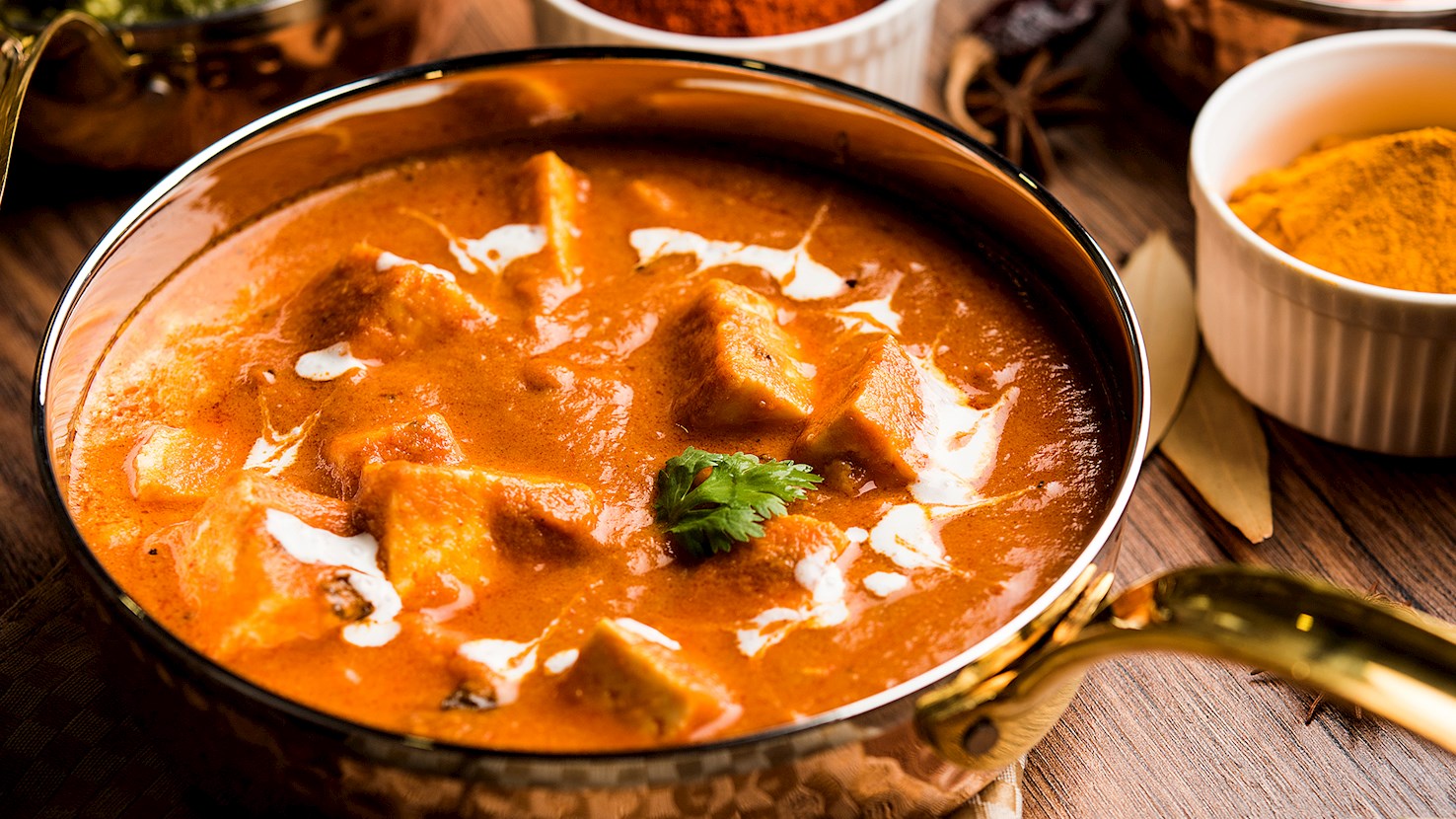
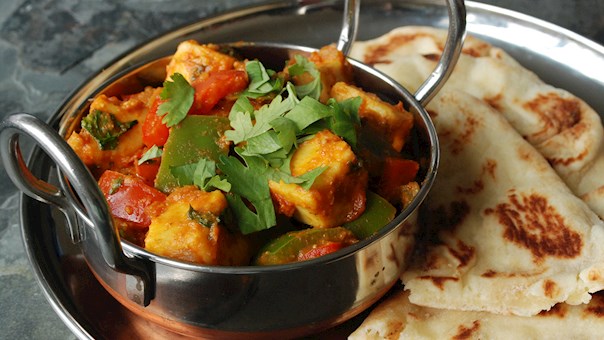
Originating from India's Moghul cuisine, shahi paneer is a cheese curry that is prepared with paneer cheese, onions, cashews, and a rich, spicy tomato-cream sauce. The dish is typically accompanied by Indian breads such as naan, roti, or puri. Often referred to as the Royal paneer, traditionally, it is prepared during special occasions and festivities as a vegetarian main course. Rich, hearty, and nutritious, shahi paneer is commonly garnished with coriander leaves.

03

Keema

4.3 ·

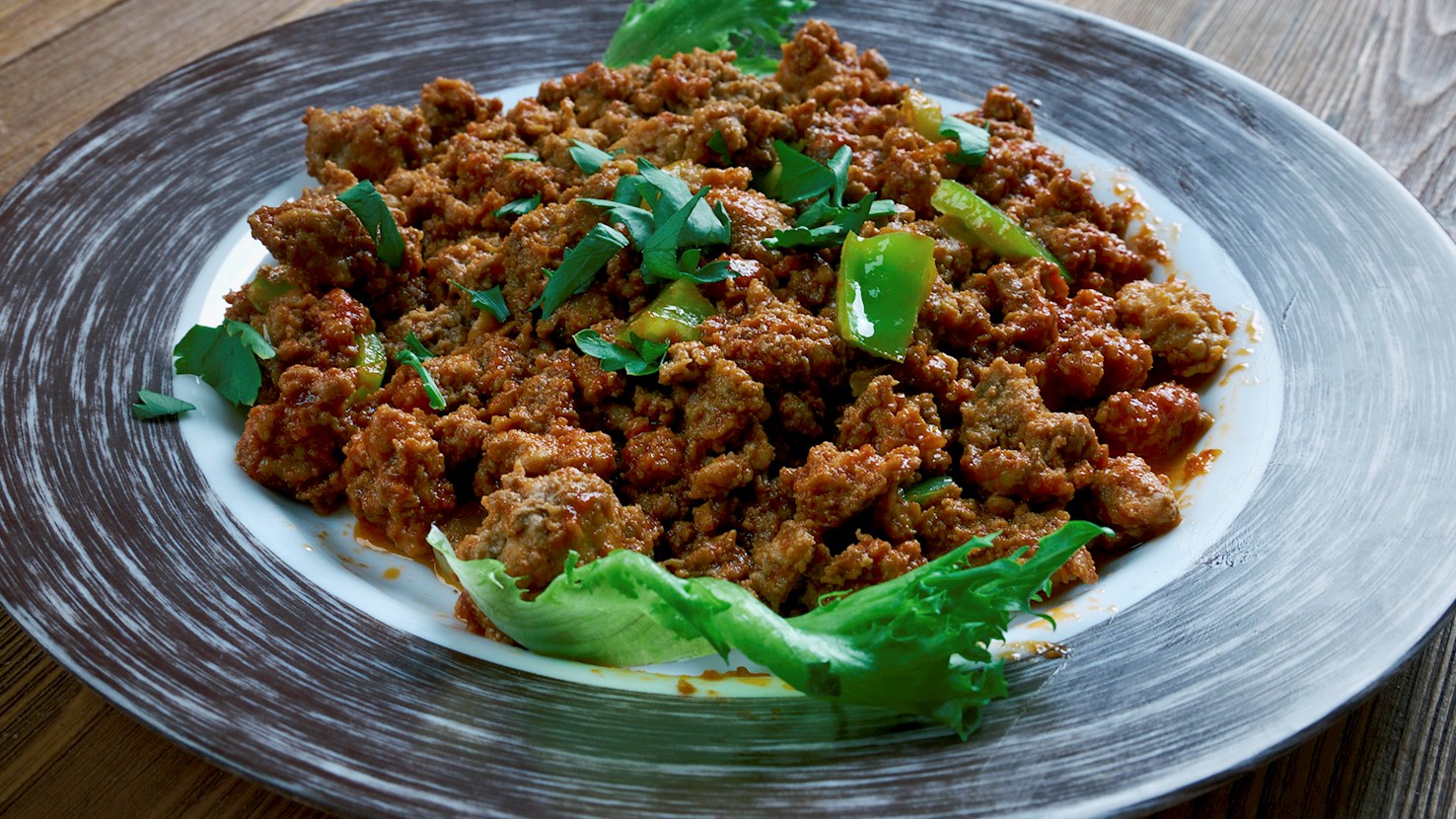
Keema is a stew that is usually prepared as a curry with ingredients such as minced lamb or chicken meat, green peas, ginger-garlic paste, chili, onions, ghee, and garam masala spices. The name of the dish means minced meat in Urdu. Although keema is most popular in north India, Pakistan, and Bangladesh, some believe that the dish has Persian origins due to the fact that it was first mentioned as a recipe in Ain-I-Akbari (a document about emperor Akbar's empire). Keema is commonly served as a main dish, accompanied by pav buns or naan and other flatbreads. It can also be used as a filling for samosas and parathas.

Best restaurants
04

Saag paneer

4.3 ·

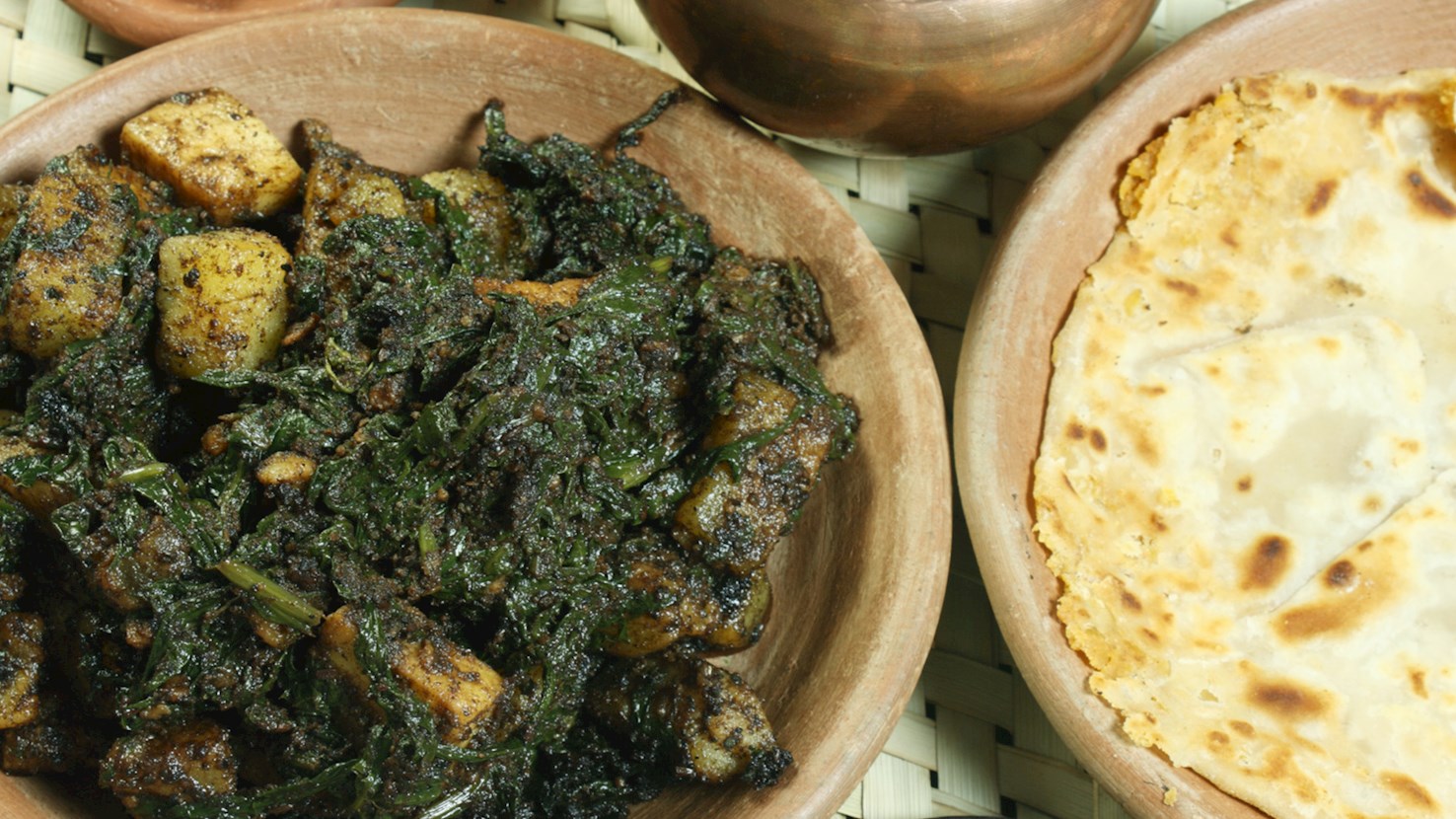
Indian saag paneer is a famous vegetable curry which incorporates diced paneer cheese doused in a creamy mixture of fresh leafy greens, also known under the name saag. It is typically made with mustard, fenugreek, spinach, bathua, or collard greens, mashed and incorporated with tomatoes and a rich spice blend. In India, the saag mixture is believed to have originated in the Punjabi region, and paneer version is just one of many varieties which incorporates this fragrant curry base. It can be enjoyed as a smaller side dish or a nutritious main meal that is usually accompanied by roti or naan.

05

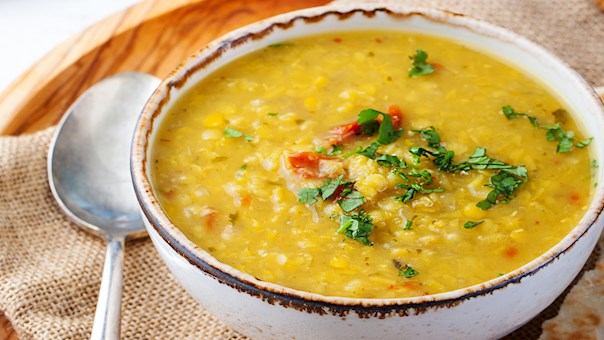
Dal tadka

4.2 ·

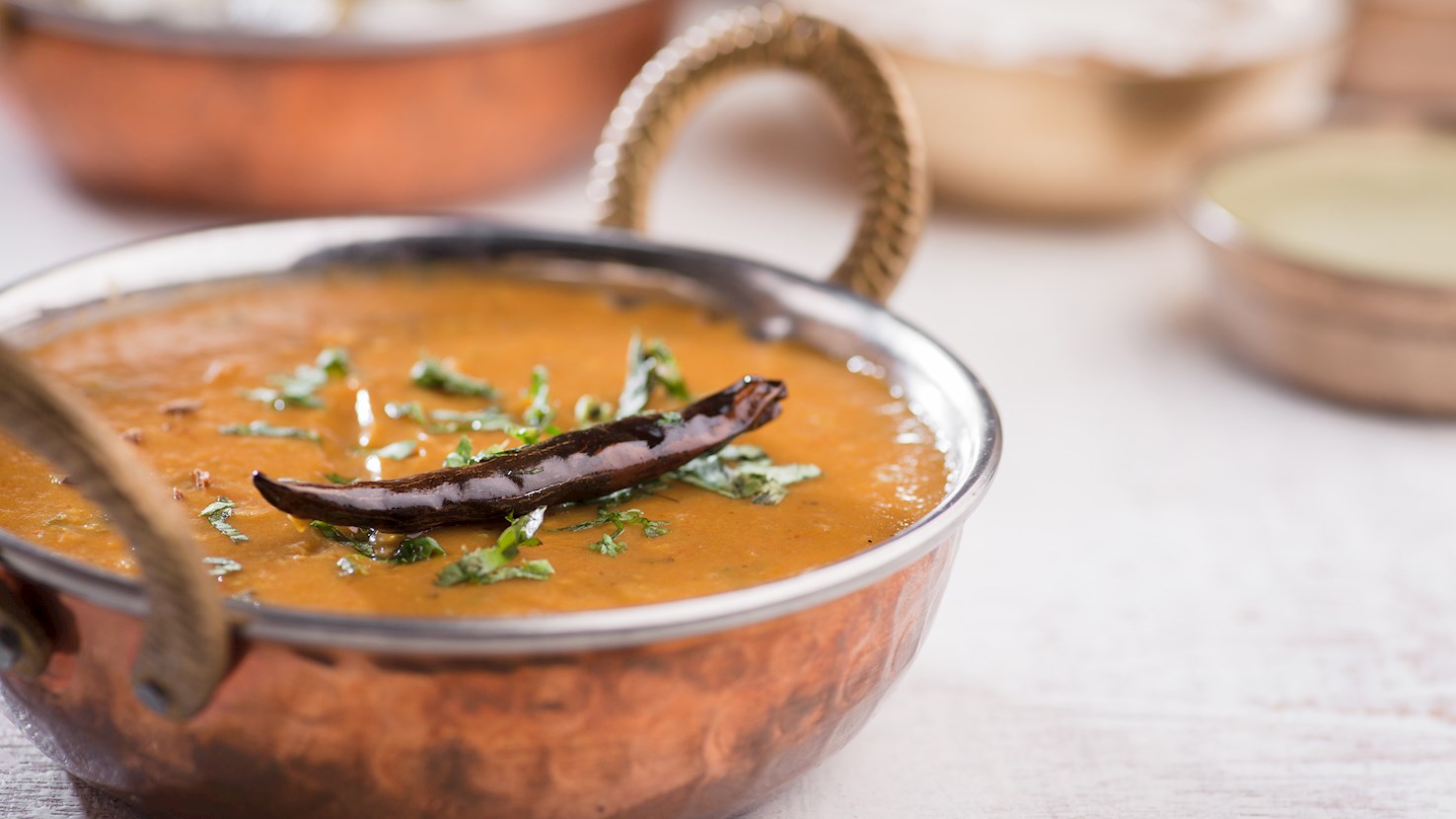
Dal tadka or tadkewali dal is a traditional legume-based dish originating from the northern parts of India. Although there are variations, the dish is usually prepared with toor dal (split yellow pigeon peas), garlic, ginger, onions, tomatoes, garam masala, chili peppers, ghee, cumin, coriander, turmeric, red chili powder, and fenugreek leaves. These ingredients are cooked and mixed with tadka (tempering), consisting of spices such as asafoetida, chili peppers, and garlic that are cooked in ghee. Once prepared, dal tadka is usually garnished with coriander leaves and served hot with jeera rice and roti on the side.

06

Chingri Malai curry

4.2 ·

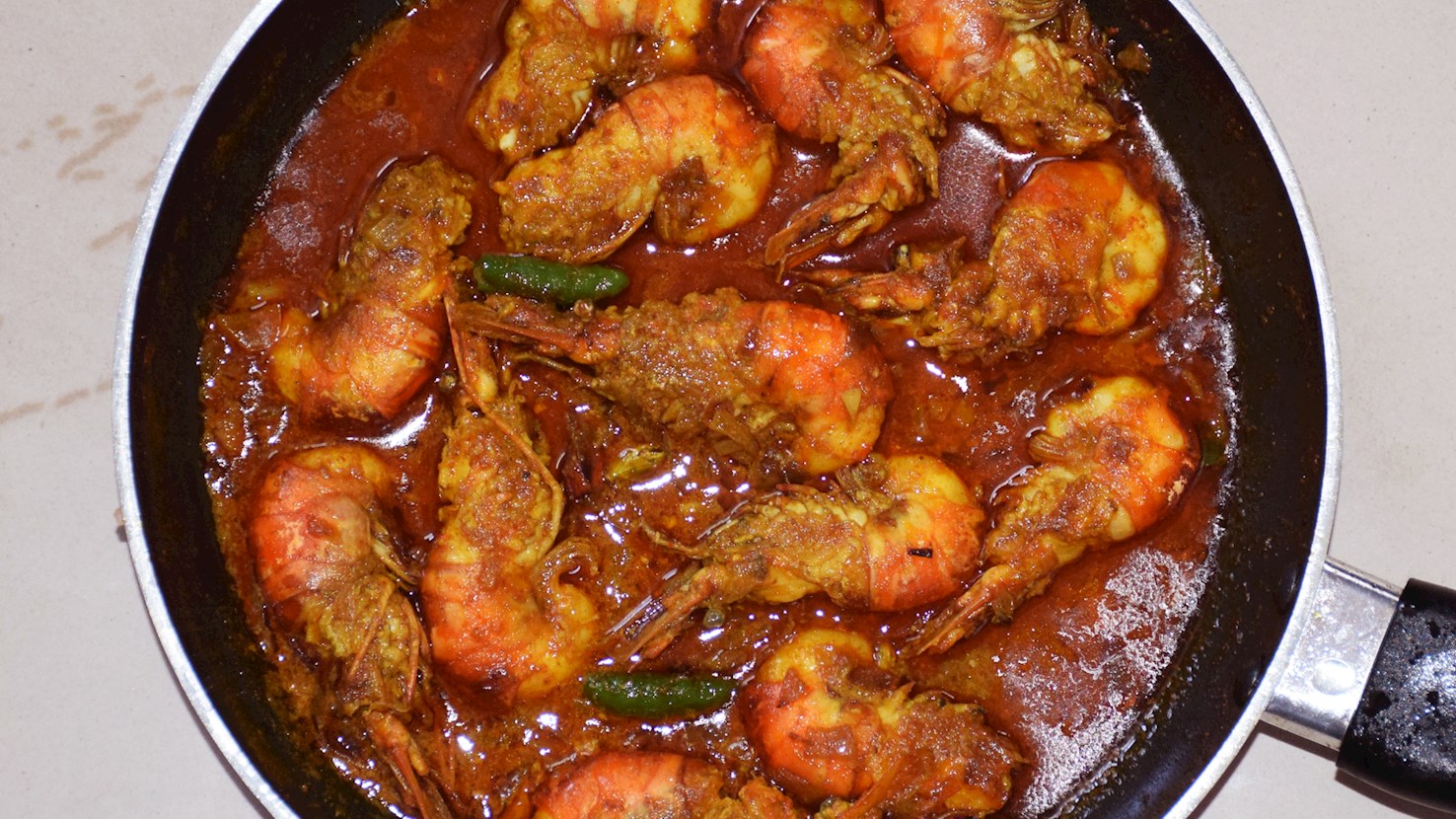
Chingri Malai curry is a traditional curry originating from the Bengal region. It’s made with a base of coconut milk and prawns that are seasoned with garam masala spices and fried in ghee or mustard oil with onions, hot chili peppers, garlic-ginger paste, and turmeric. If desired, red chili powder, cinnamon, sugar, and cardamom can be added to the curry in order to further enrich the flavors. The dish is cooked until the gravy becomes thick and creamy, and it is then served hot, usually with rice on the side. It is believed that this curry made its way to Bengali kitchens through contact with Malaysian traders, hence the name. Nowadays, it’s prepared during weddings and similar festive events.

07

Rogan josh

4.2 ·

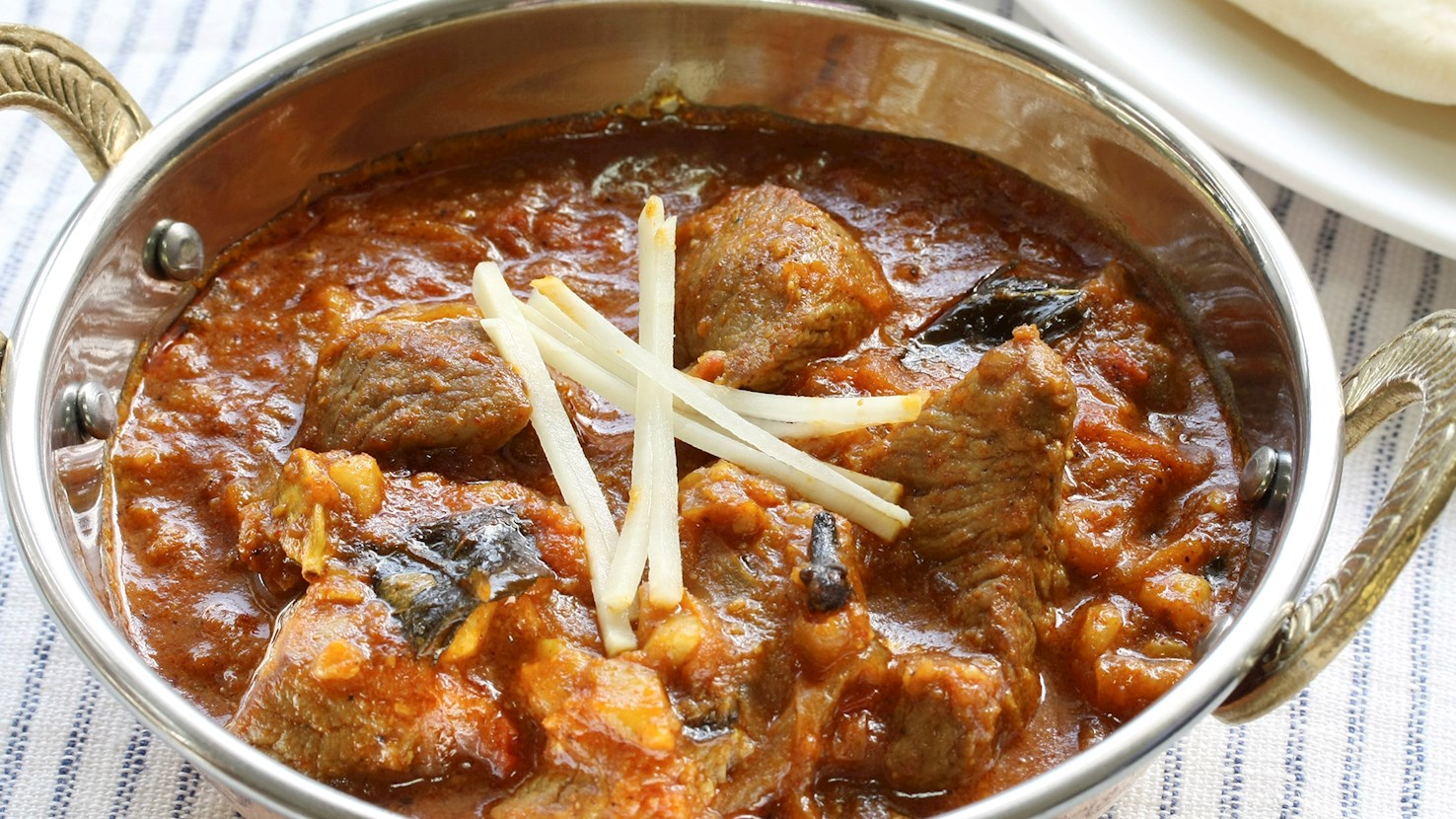
Rogan josh is an aromatic lamb curry that is believed to be of Persian origin, although today it is more closely associated with the Kashmir region of India. The stew is characterized by tender meat and a thick, fiery red sauce coming from deseeded Kashmiri chillies. Lamb pieces are typically stewed in a gravy made with browned onions, garlic, yogurt, ginger, and aromatic herbs and spices. The name of the dish is derived from two words: rogan, meaning clarified butter or oil, and josh, referring to passion or heat. Rogan josh is usually accompanied by plain or spiced basmati rice and Indian flatbreads such as naan on the side. The dish is also popular in the United Kingdom since the 1950s, when Indian cuisine was brought over to the country.

08

Madras curry

4.2 ·

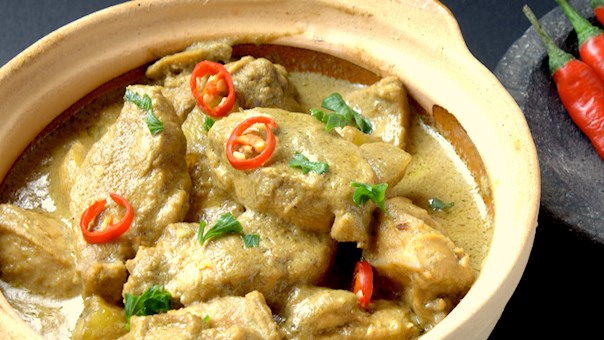
Madras is a traditional curry that's characterized by its spiciness and complex flavors. Although there are many variations, it's typically made with a combination of chicken or lamb, onions, garlic, ginger, tomato paste, lemon juice, cinnamon, oil, coconut milk, and a spice mix consisting of madras curry powder, chili powder, dried fenugreek, and salt. The curry shouldn't be too thick, and if it does, it's enough to add a bit of curry base, not water. Once prepared, this spicy curry is usually garnished with chopped cilantro before it's served. The dish can also be prepared with lamb or beef instead of chicken, but it's then called ghoust madras.

09

Pav bhaji

4.2 ·

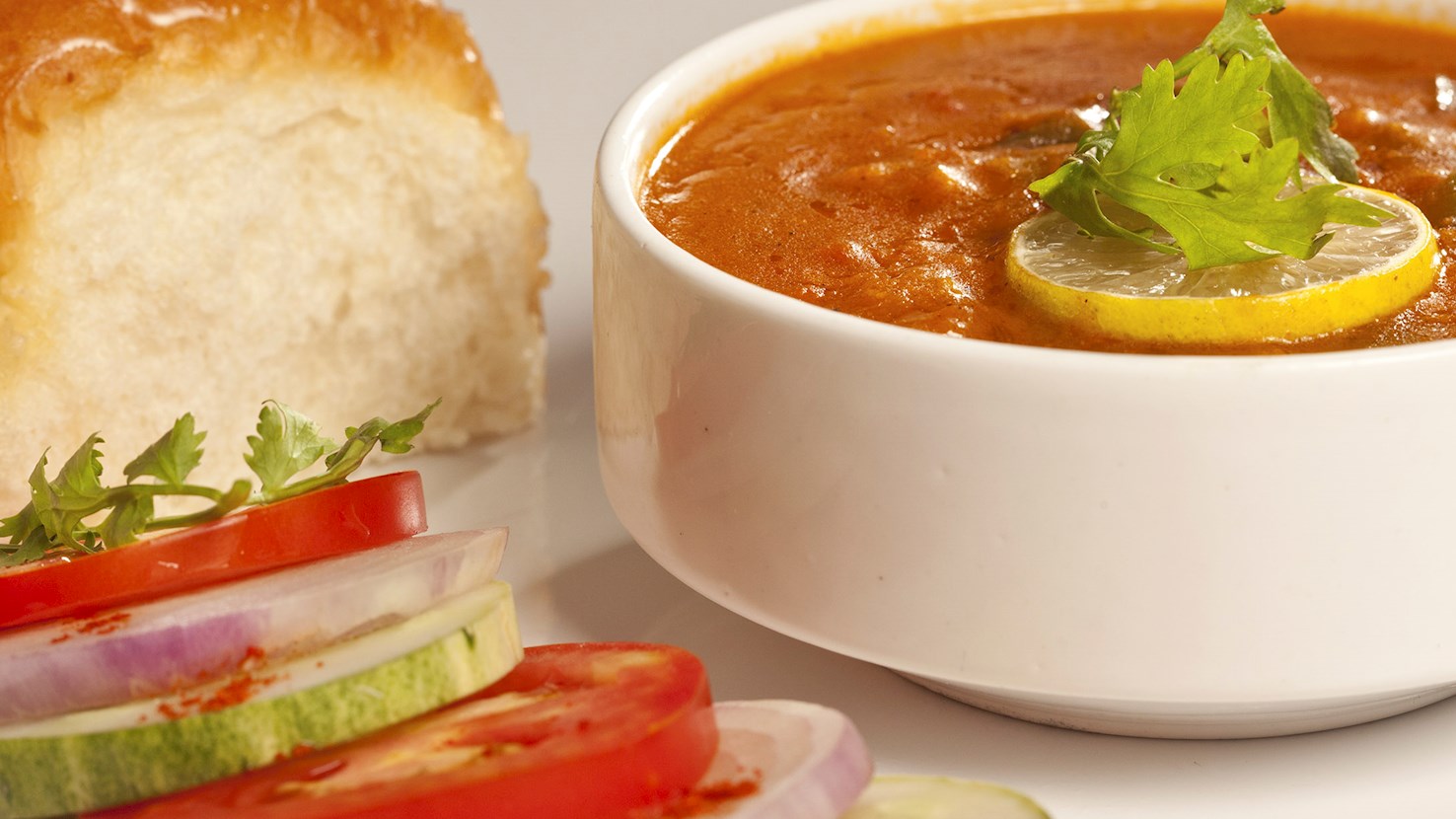
Pav bhaji is a popular street snack originating from the Indian state of Maharashtra. It consists of a vegetable curry that is typically served with a soft bread roll known as pav. The dish was invented in the 1850s as a midnight meal by street vendors who prepared it with all the leftover vegetables from the day, which were then mashed and combined with spices and ghee butter. Originally, it was a quick and easy meal for Mumbai's textile mill workers, but today it is a favorite street snack that is also served in some restaurants in Mumbai. There are a lot of varieties of the basic pav bhaji, with added cheese, paneer, mushrooms, plantains, and even dried fruits thrown in the flavorful curry mix.

10

Misal

4.2 ·

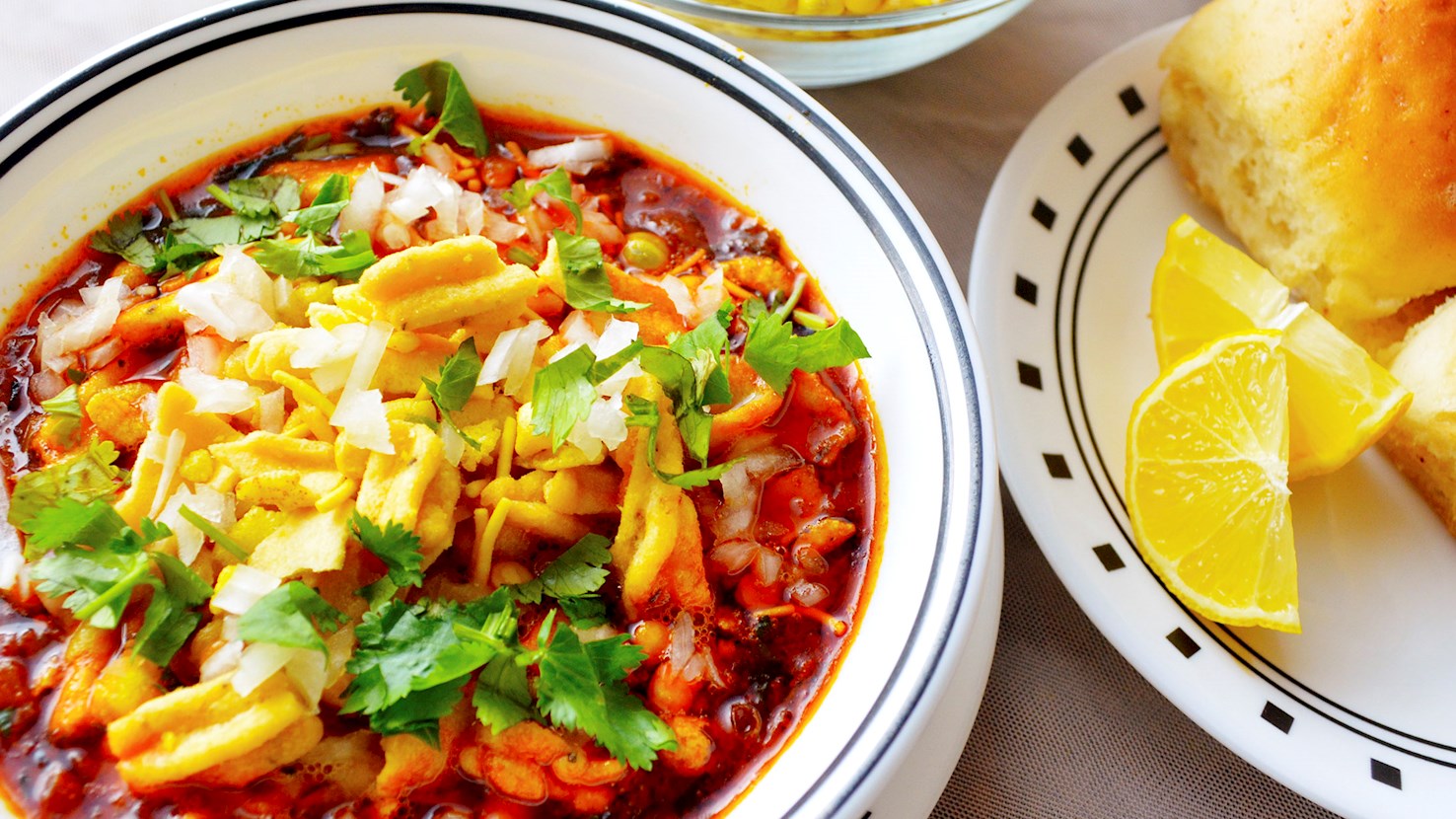
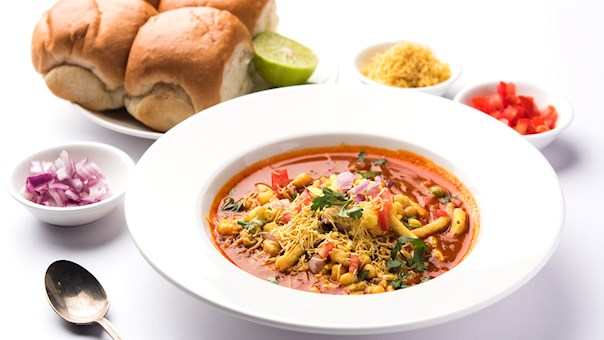
Misal is a specialty dish of the Indian state of Maharashtra, its name literally translated to a mixture of everything, so the ingredients vary from cook to cook. However, a combination of these ingredients is the most common in a typical misal: curd, moth bean or pea curry, gravy, spiced potatoes, and garnishings such as onions, coriander, and tomatoes. It is mandatory for a true misal to be spicy, while the base needs to be crunchy. Visually, it should look like a work of art, with lots of colors - typically red, brown, orange, and green. The earliest mention of the dish appeared around the early 20th century. Since it is highly nutritious, easy to prepare, and relatively inexpensive, it remains one of the most popular meals in Maharashtra.

11

Korma

4.1 ·
12

Vindaloo

4.1 ·
13

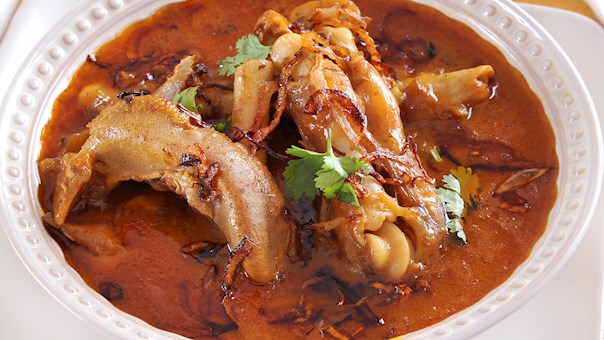
Nihari

4.1 ·
14

Dal

4.1 ·
16

Kadai paneer

4.1 ·
20

Dal makhani

4.0 ·
Read more
View all
View map
About this ranking

TasteAtlas food rankings are based on the ratings of the TasteAtlas audience, with a series of mechanisms that recognize real users and that ignore bot, nationalist or local patriotic ratings, and give additional value to the ratings of users that the system recognizes as knowledgeable. For the “Top 91 Indian Stews” list until June 15, 2026, 4,326 ratings were recorded, of which 3,389 were recognized by the system as legitimate. TasteAtlas Rankings should not be seen as the final global conclusion about food. Their purpose is to promote excellent local foods, instill pride in traditional dishes, and arouse curiosity about dishes you haven’t tried.

Similar lists