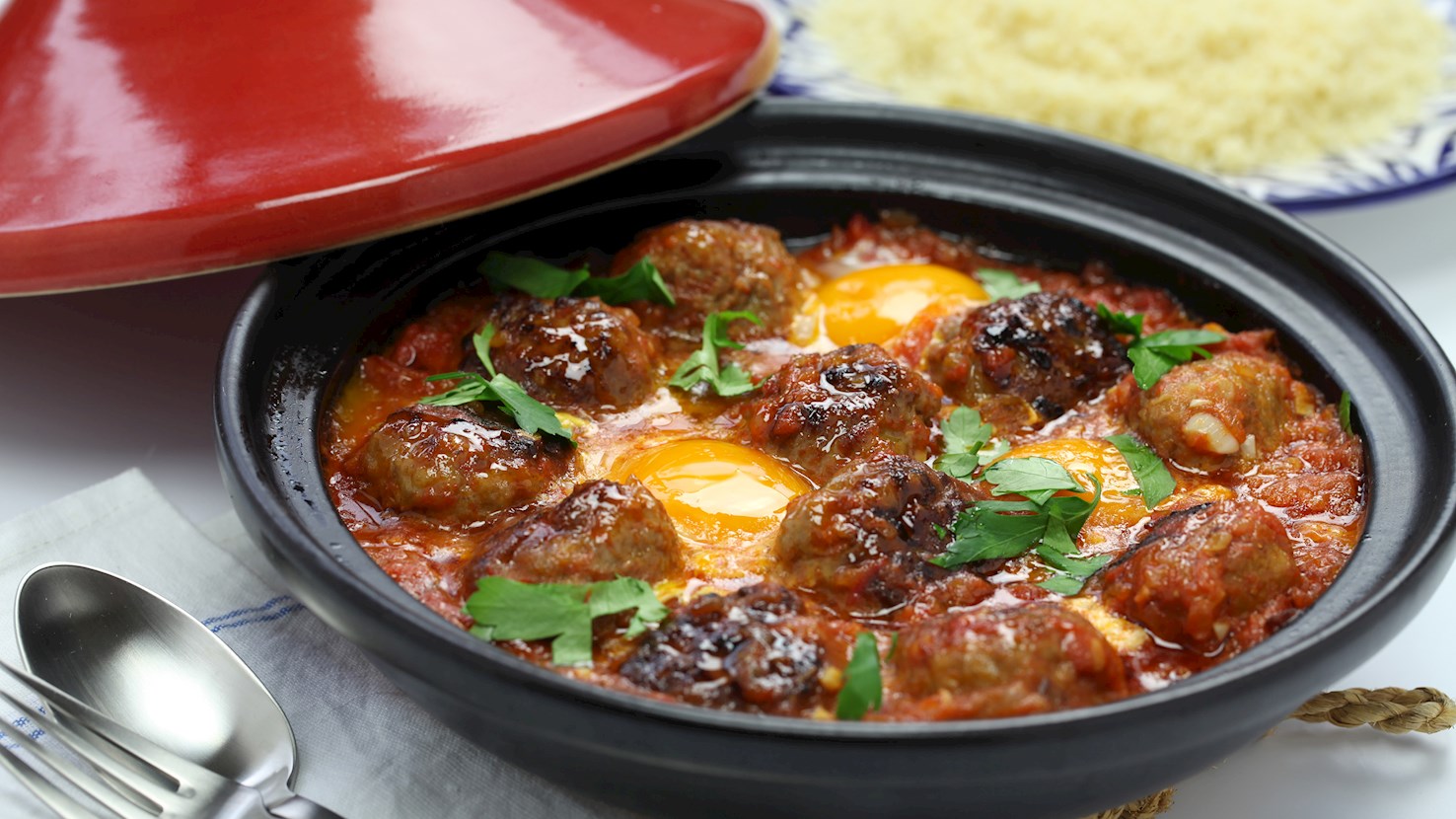
Kefta tagine is a classic Morrocan tagine variety consisting of small meatballs in a homemade tomato sauce, and are prepared in the eponymous conical cooking vessel.
The meatballs are shaped into spheres the size of a cherry tomato, made of ground lamb or beef meat (or a combination of two), and flavored with spices such as paprika, cumin, parsley, coriander, black pepper, and salt, and cooked in a piquant tomato sauce. Sometimes kofta tagine also includes eggs, which are added to the sauce near the end of cooking and cooked until poached.
Kefta tagine is mainly prepared at home and is a communal dish traditionally served straight from the tagine pot, with khobz or some other Moroccan bread used to scoop the tasty stew.
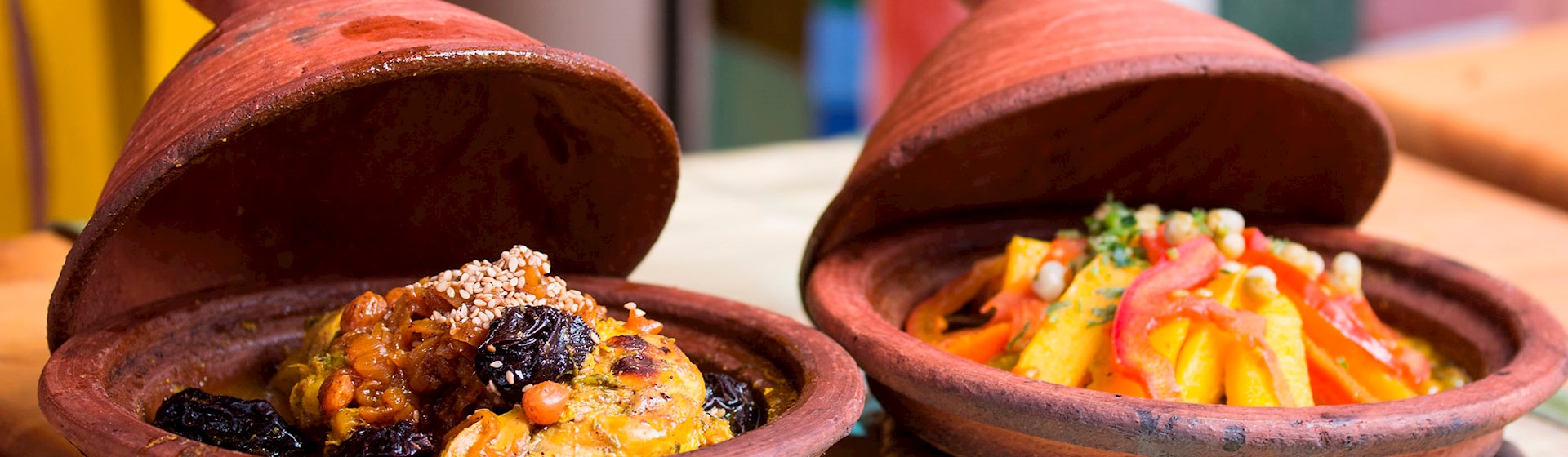
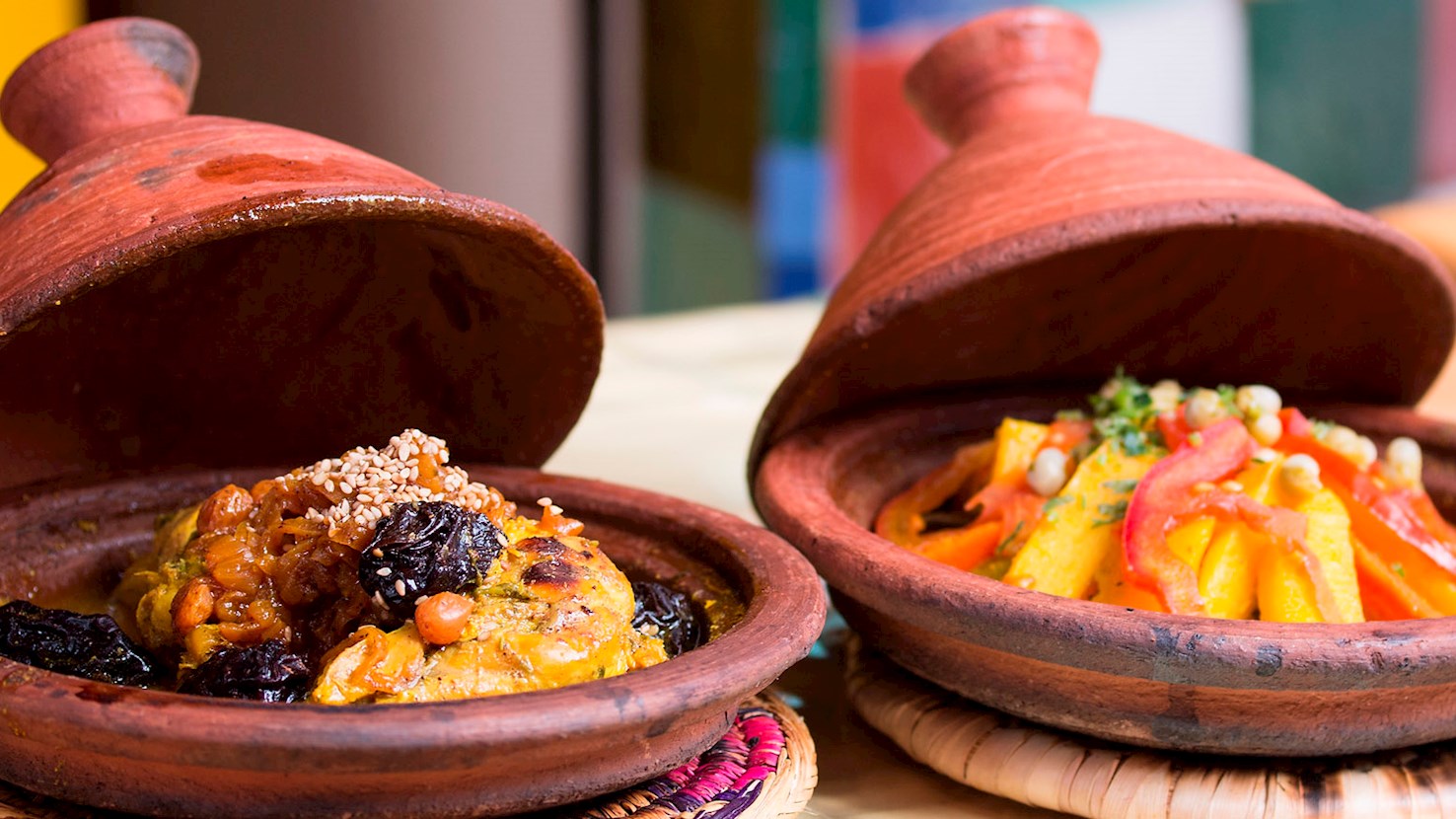
Tajine, also known as tagine, refers both to the rich Moroccan stews and the cooking vessel used to make them. When referring to the cooking vessel, it is a round and shallow, clay or ceramic casserole with a tall, pointy, conical lid. The same lid fits into the base, so the steam condenses on its interior and drops back into the stew without any waste of flavors and moisture. The pots are ideal for slow cooking over embers or on a stove, resulting in buttery, tender vegetables and meat that falls off the bone. Tajines can be glazed or unglazed - the unglazed ones are earthier and darken over time, while the glazed ones are recommended for people who cook infrequently. There are also serving tajines, which are usually decorated and lighter than the other tajines, but they're not resistant to heat. In the area of Rif Mountains, there's tagra, an unglazed tajine with little clay handles and without a lid. A Berber tajine is known as chalhaoui, and it has a rounded, dome-shaped lid instead of the conical one. Tajines show Moroccan cuisine's affinity for combining different textures and mixing flavors, such as a well-balanced blend of savory and sweet, for example, chicken with tomato and almonds, and veal cuts with stewed, sliced pears. Baby artichokes, spring peas, and various nuts such as almonds or pistachios are a common ingredient in tajines. These dishes are often accompanied by couscous, steamed rice, or fresh, hot bread, and the varieties are virtually limitless – from seafood tajines with mussels and tomato sauce, to lamb tajines with vegetables such as onions, carrots, potatoes, and olives, fruits such as apricots and raisins, and lots of spices such as red and black pepper, cumin, saffron, and turmeric, tajines are a national dish full of creativity and flavour.
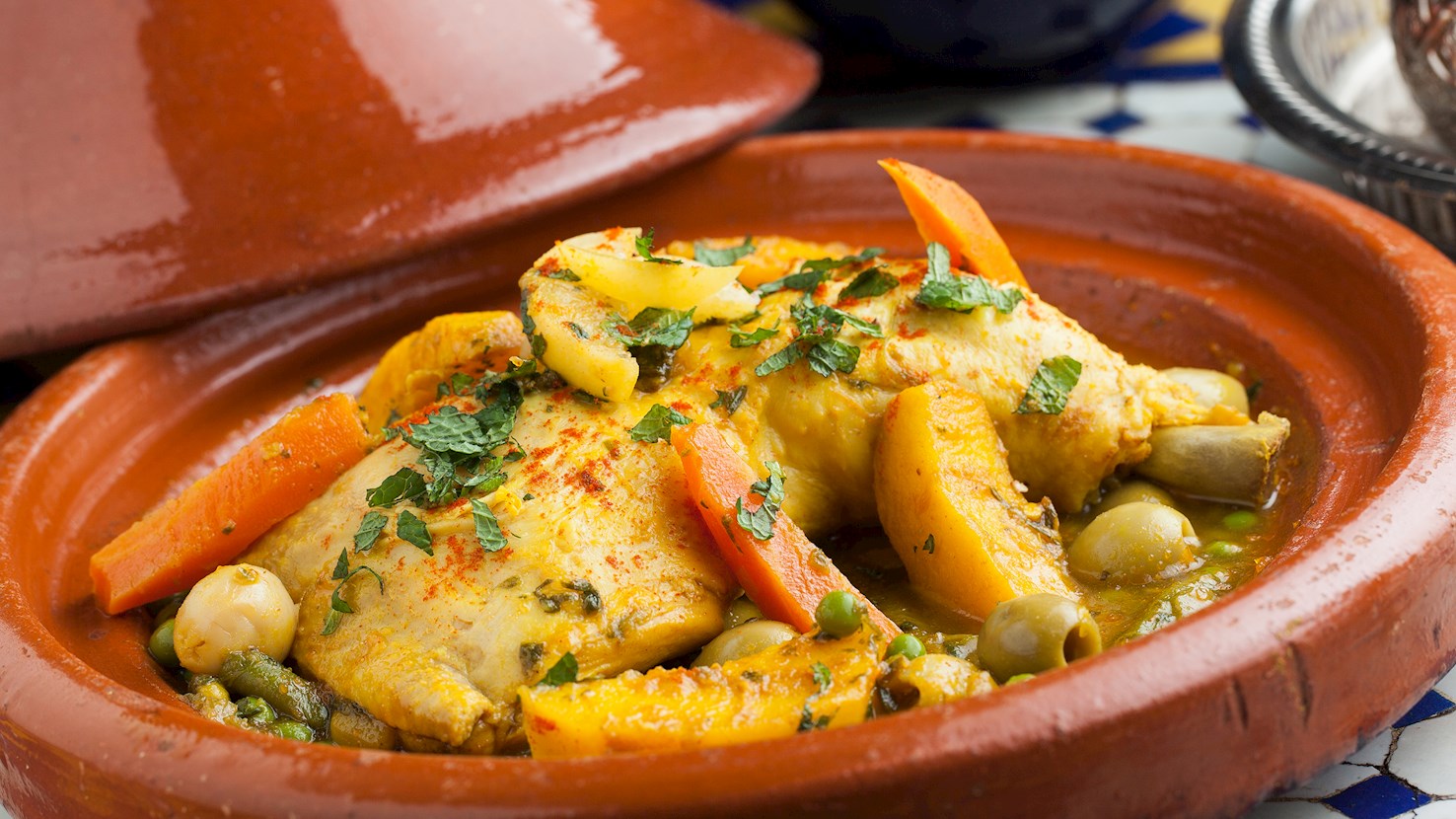
As the name suggests, the star ingredient in this traditional Moroccan dish is chicken, preferably bone-in chicken cuts such as legs, thighs, or drumsticks. Like other tajine dishes, this chicken variety is also prepared in the eponymous conical cooking vessel. The meat is neatly arranged with various vegetables such as onions, carrots, tomatoes, or potatoes, and the whole dish is usually seasoned with cumin, saffron, parsley, or coriander. Typical variations also may include preserved lemons, olives, almonds, or apricots. Chicken tajine is usually served with bread on the side.
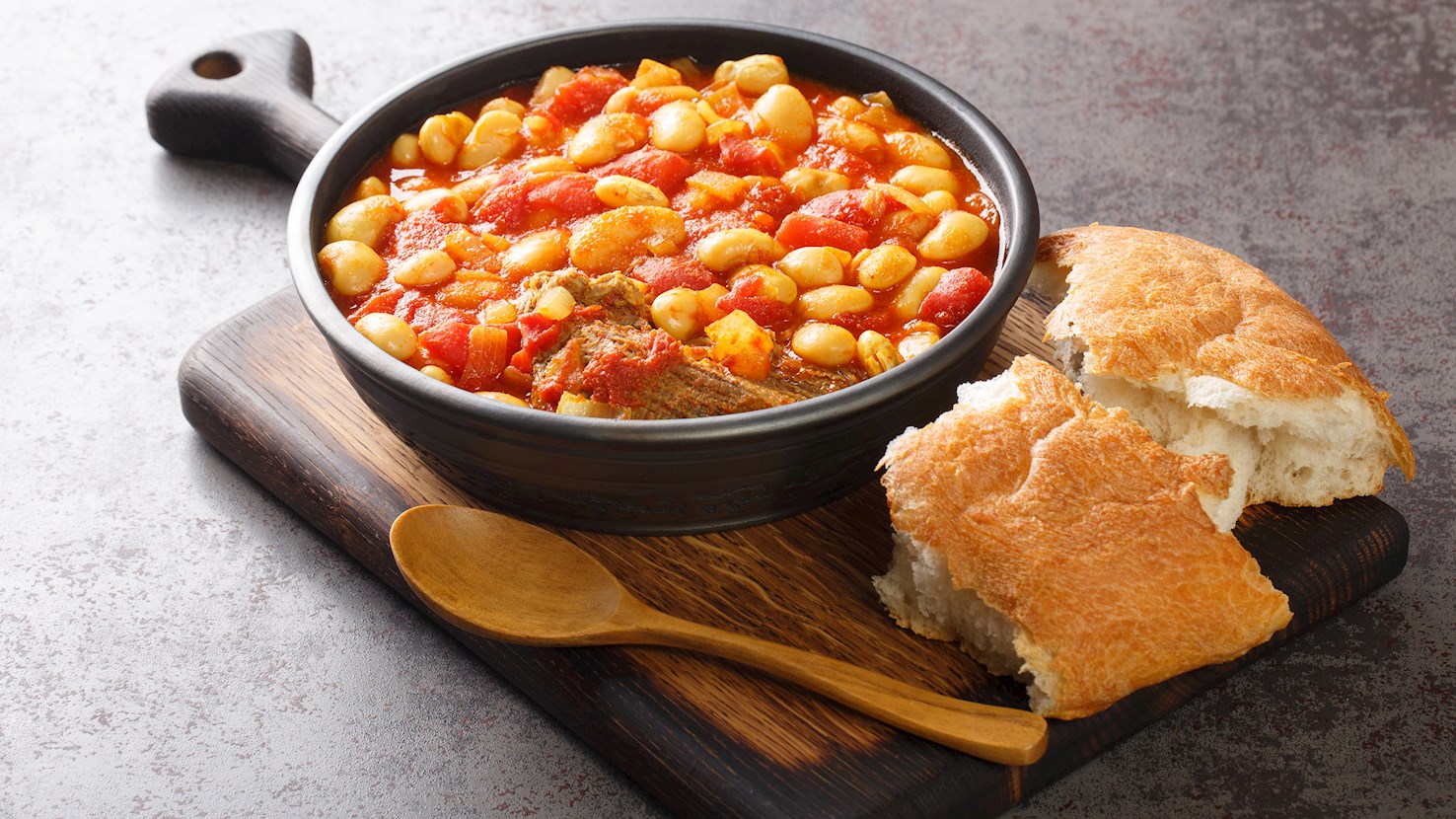
Loubia is a traditional North African dish consisting of stewed white beans. This dish is very popular in Moroccan, Tunisian, Algerian, and Libyan homes, where the beans that have been simmered in a zesty tomato-based sauce are typically scooped up with homemade flatbread. It is comfort food that can be served both as an appetizer, garnished with some coriander or parsley, and as a side dish - especially when used as an accompaniment to fried fish. Simple, quick, and delicious - it is unsurprising that loubia is commonly found in homes throughout Maghreb region.
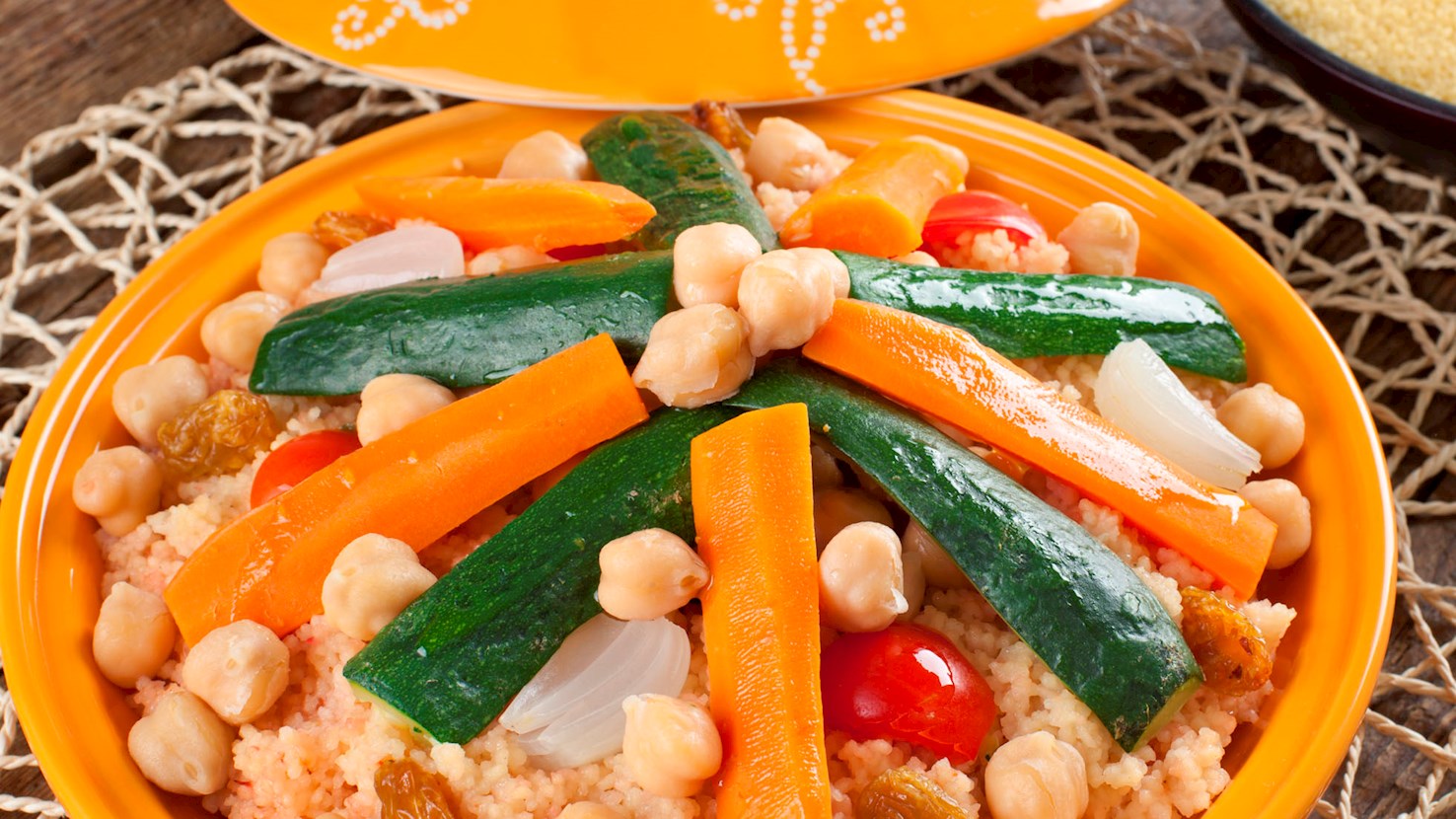
Numerous tiny, light, tender grains, ideally arranged to form a pyramid and served on a platter at the end of a meal - that is couscous, the national dish of Morocco and Algeria and a must-have dish in any Moroccan and Algerian restaurant. The word itself refers both to the complete dish and the tiny grains of semolina. Semolina flour is sprinkled with water until it forms into tiny pellets that are then pushed through a sieve. Couscous is usually prepared on Fridays for lunch, when whole families get together for the most important meal of the week. The dish is traditionally made in a metal steamer pot called a couscoussier, where the stew is on the bottom, while the small grains are in the perforated basket on top, cooking in the steam that is rising from the rich stew. Although couscous dishes are often full of vegetables, they are rarely vegetarian. Some classics include couscous with seven vegetables and couscous with raisins and caramelized onions, but there are many more varieties such as spicy with chili peppers, sweet with chickpeas, lamb and raisins, Berber-style with chicken, milk and turnips, or fish couscous with fish, fennel stalks, and wild turnips. There is even a dessert couscous dish served with butter and enhanced with cinnamon and sugar. After couscous is served, it is covered with meat or fish and vegetables, while the broth from the same stew is served on the side, for the ones who want to ladle some on top of the grains. However, don't be mistaken - it is not the main course, as it is served at the end of a long string of courses to totally satiate the consumer, as the popular Arabian hospitality saying goes - "No guest should go home hungry".
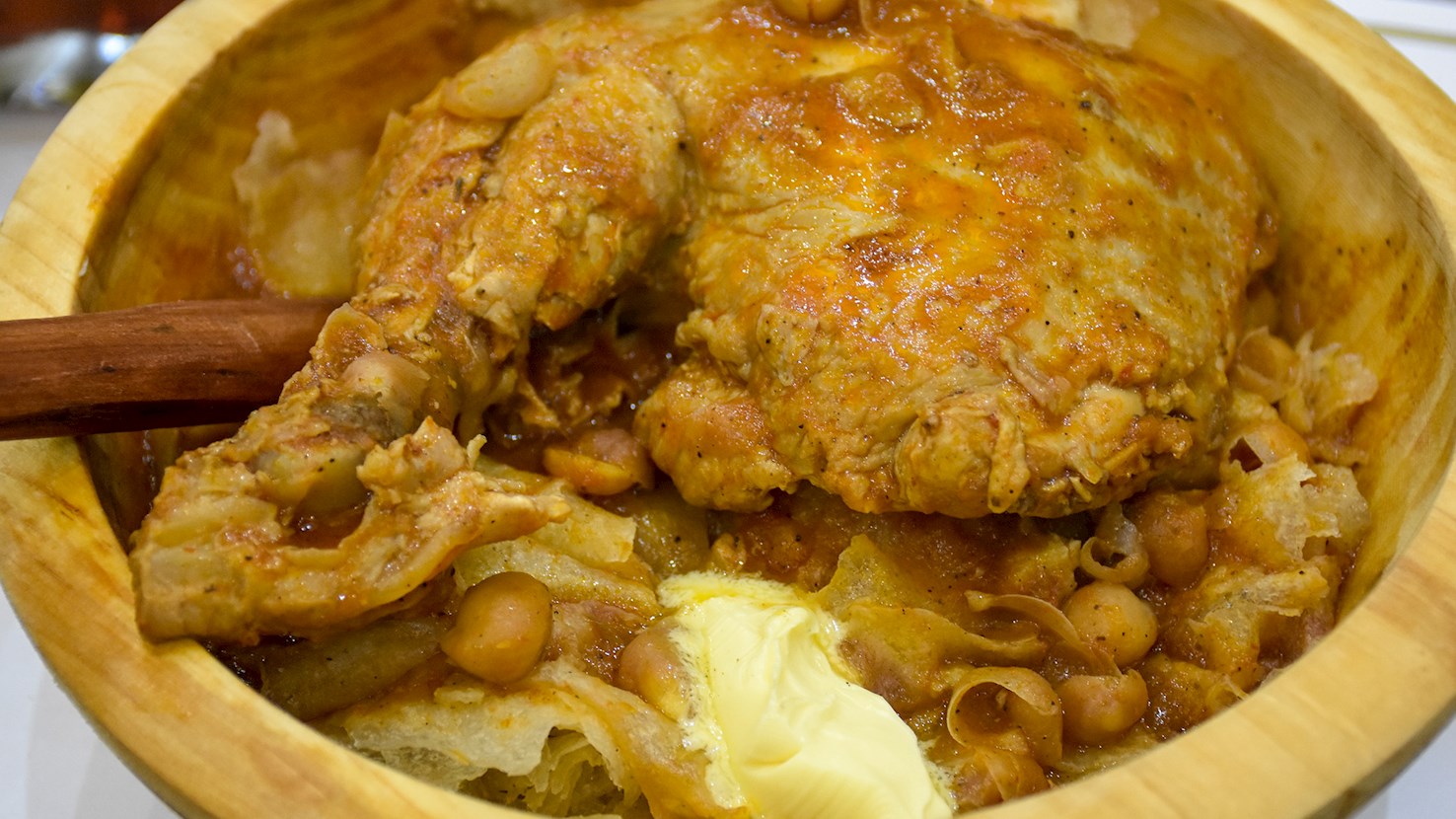
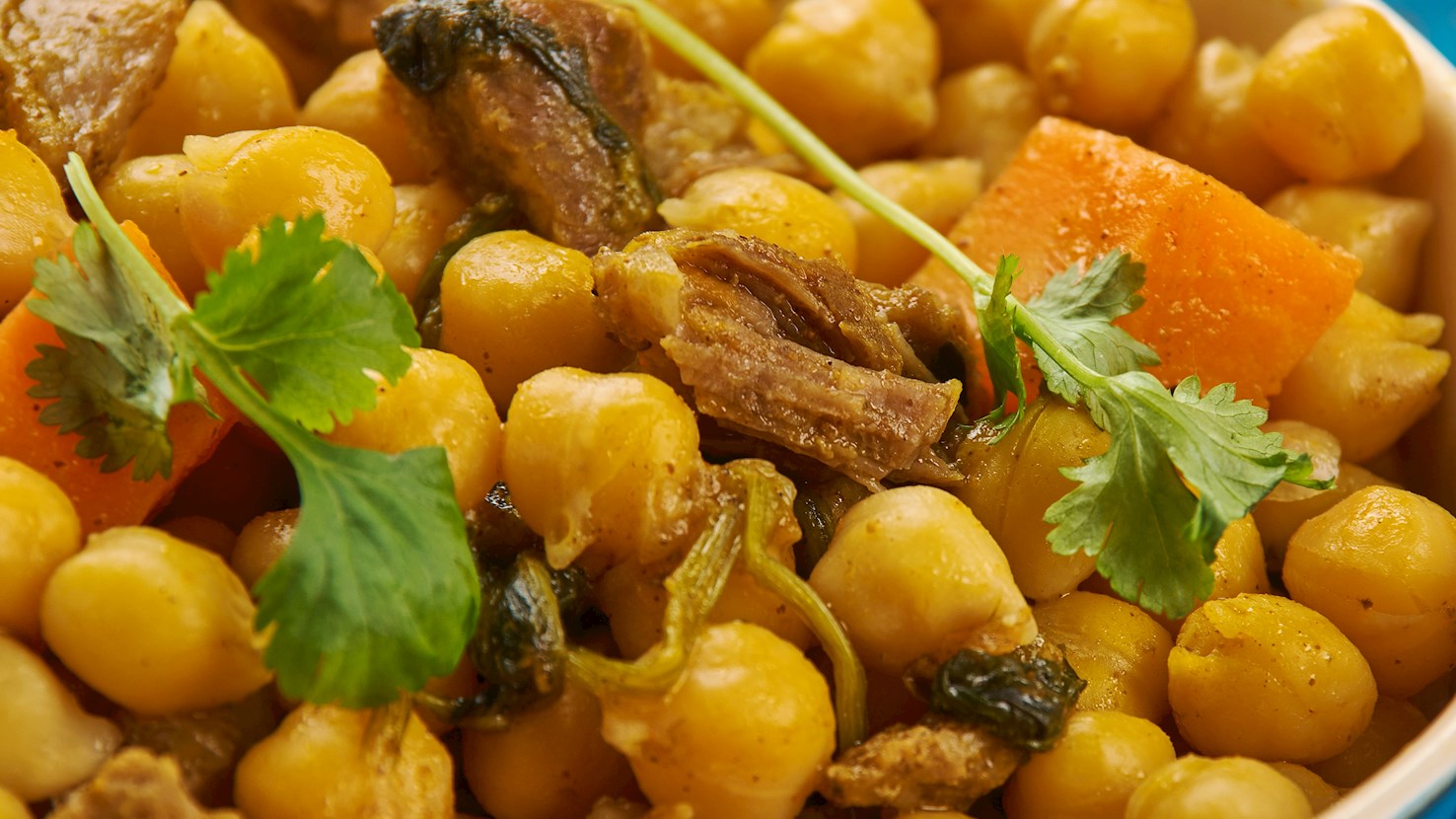
Chakhchoukha is a flavorful Algerian stew consisting of torn pieces of a thin, round flatbread known as rougag, and marqa – a stew made with diced lamb, tomatoes, chickpeas, onions, and flavorings such as cumin, ras el hanout, caraway, galangal, lavender, and red chili peppers. The dish is especially popular at celebrations and festivities. It is believed that the dish was invented by shepherds who needed a hearty meal when they came home on cold nights. The name of the dish can be roughly translated to torn flatbread, referring to the key ingredient of chakhchoukha.
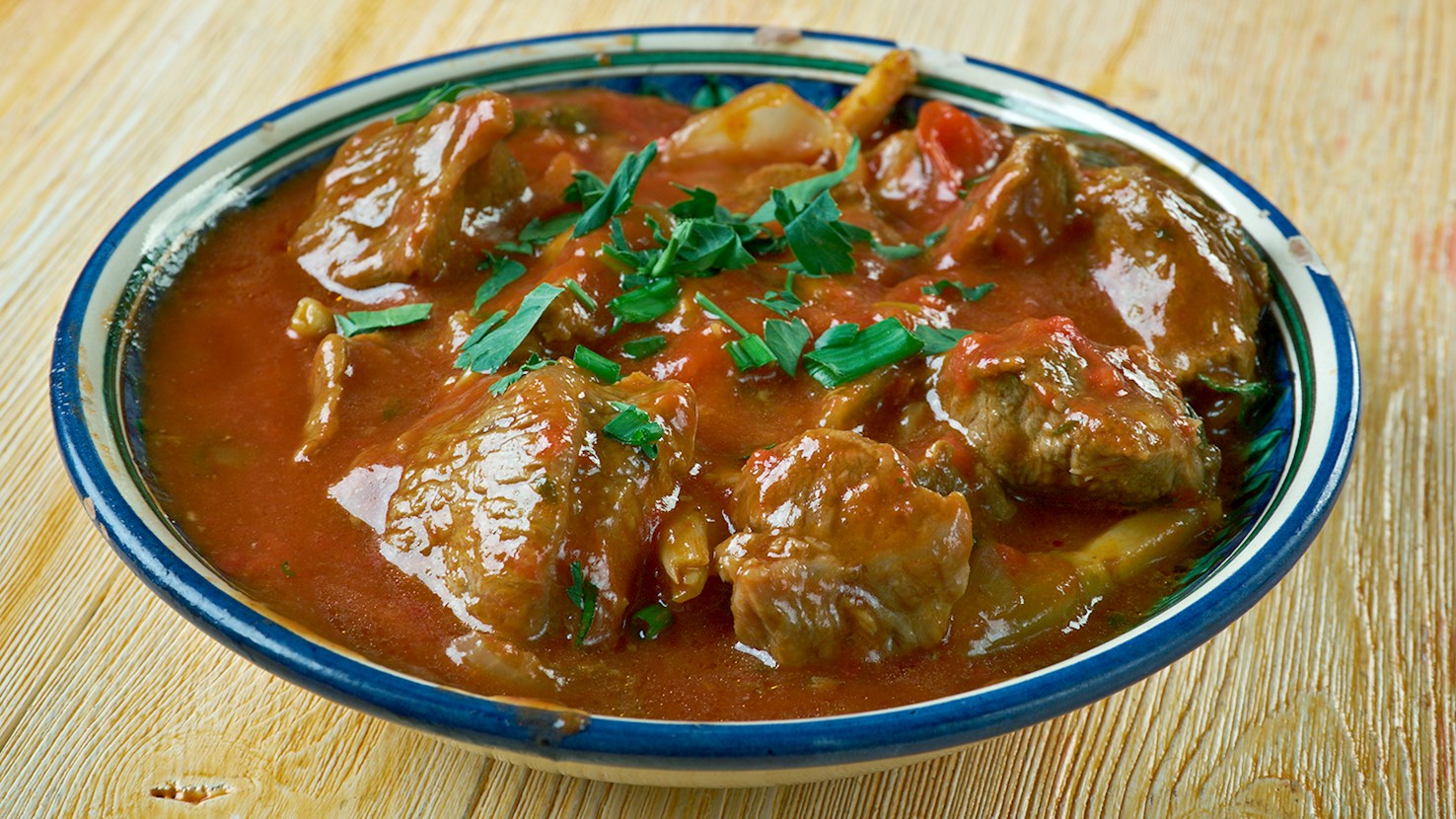
Kamounia is a traditional dish that's a part of Tunisian, Egyptian, and Sudanese cuisine. This hearty stew is usually prepared with beef (sometimes with liver). Variations exist, so lamb is sometimes used instead of the beef, and there are also different spices used depending on the region. Some people like to add parsley, olive oil, and garlic to the stew. Once done, kamounia is often served with rice, either on top of it or on the side.
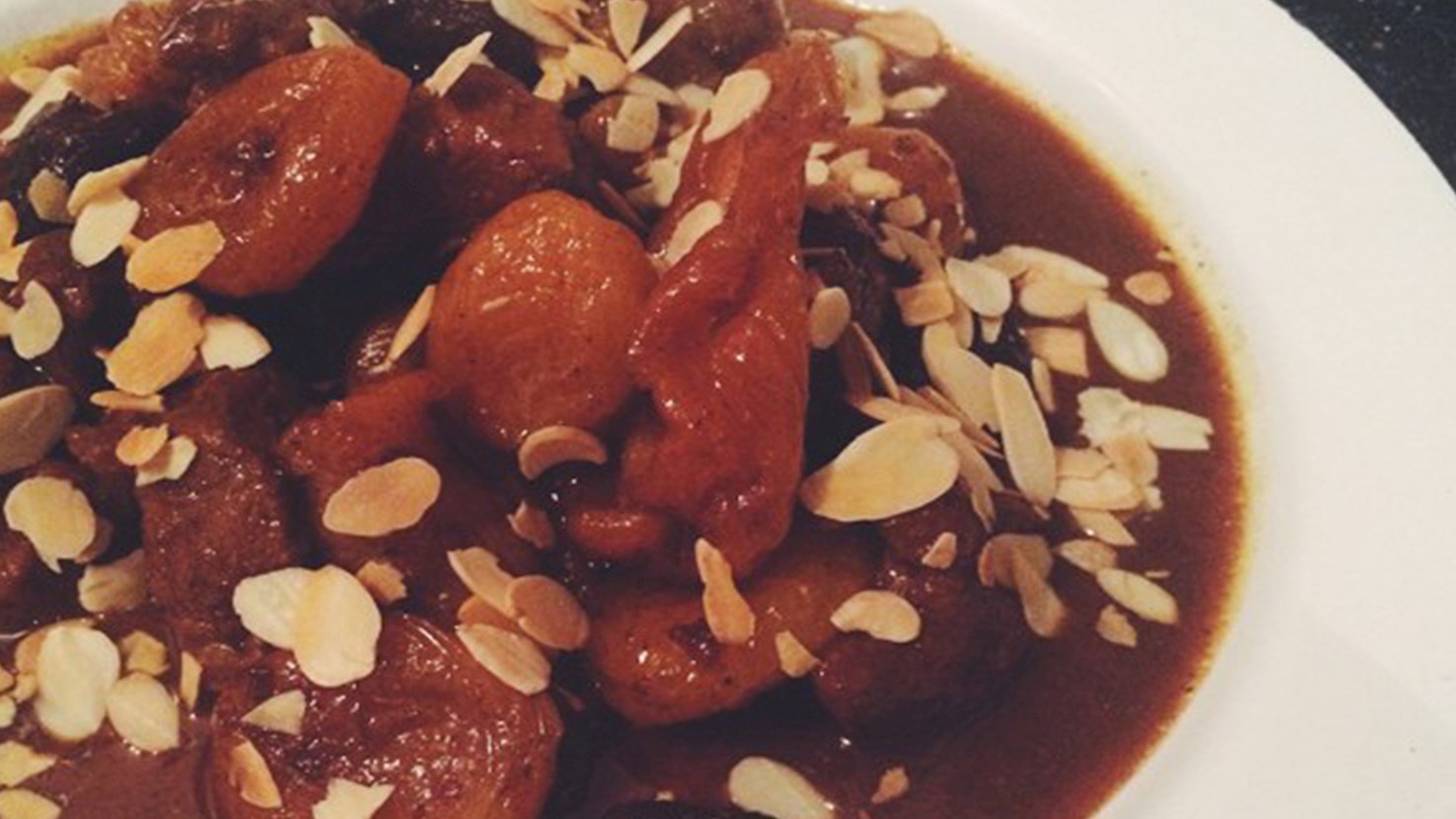
Lham (lit. meat) lahlou (lit. sweet) is an Algerian dish consisting of pieces of lamb stewed in a sweet syrup with fruit and various spices such as cinnamon and star anise. The dish often employs fruits such as prunes, quince, apples, pears, apricot, and raisins. It is typically reserved for Ramadan, when the dish is used to break the fast. Because it is full of sugar, lham lahlou is excellent for keeping the energy levels up for nightly prayers.
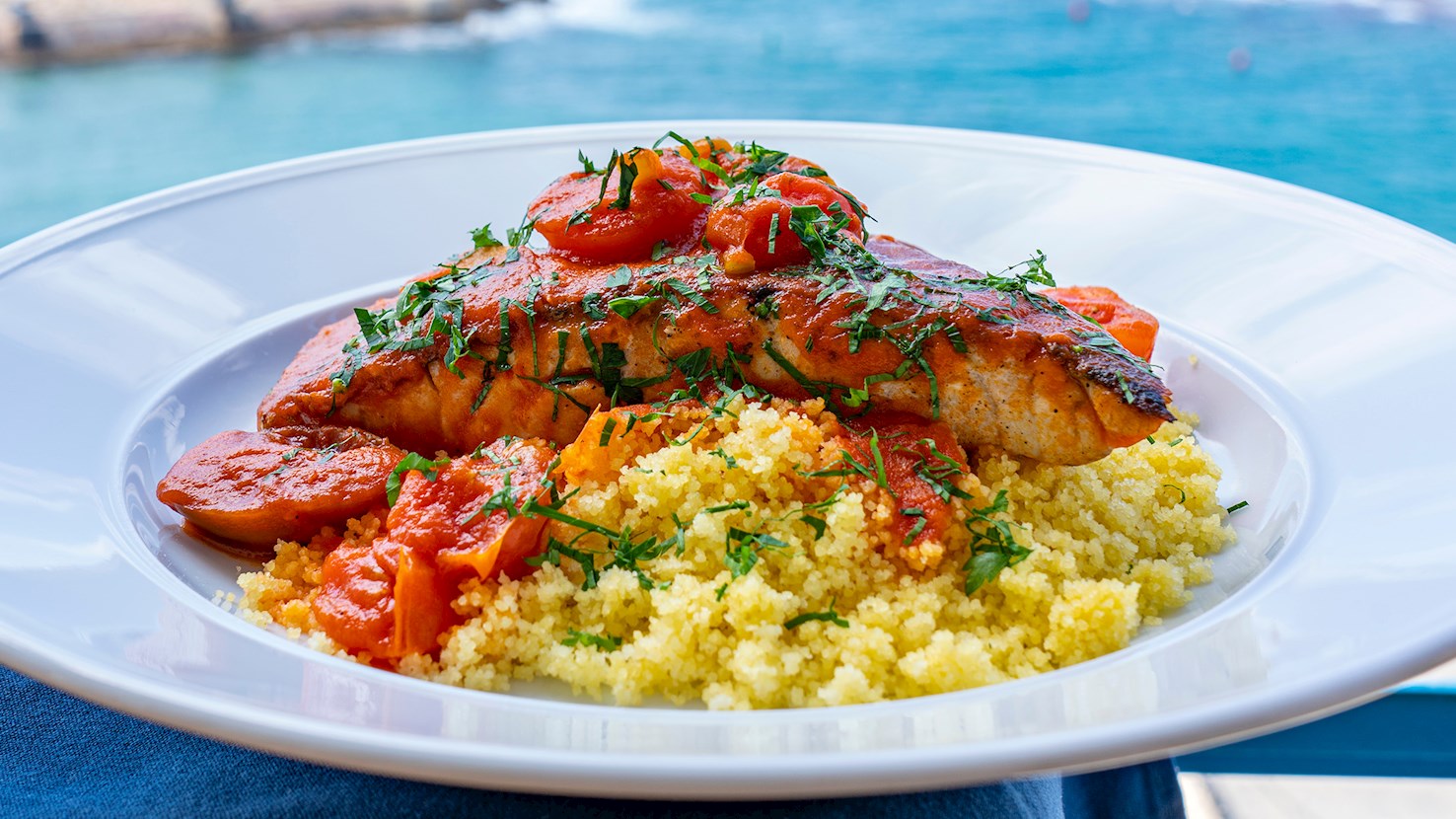
Couscous bel hout is a flavorful seafood couscous dish originating from the coastal regions of Tunisia, where the Mediterranean Sea provides a rich bounty of fresh fish and shellfish. This dish combines fluffy, steamed couscous grains with a vibrant, spiced broth infused with tomatoes, garlic, and aromatic herbs, complemented by an assortment of seafood such as fish, shrimp, and sometimes squid or mussels. The history of couscous bel hout is deeply intertwined with the Mediterranean’s maritime culture, where fishing communities developed recipes that make full use of their local resources. The dish evolved as a variation of the broader North African couscous tradition, adapted to incorporate the abundant seafood available along Tunisia’s shores. This adaptation reflects the diversity of ingredients found across Tunisia’s regions and the interplay between land and sea in its cuisine. Over time, couscous bel hout became a popular dish not only in coastal towns but throughout the country, enjoyed in both homes and local eateries. Preparation of couscous bel hout begins with cleaning and preparing the seafood, which is cooked gently in a tomato-based broth seasoned with garlic, cumin, coriander, and fresh herbs such as parsley and cilantro. The couscous grains are steamed until light and fluffy, absorbing subtle flavors from the broth. The seafood is then arranged atop the couscous, and the rich broth is served alongside or poured over the dish, allowing the grains to soak up the savory, spiced liquid. This method ensures a harmonious combination of textures and tastes that highlight both the delicate seafood and the hearty couscous. Couscous bel hout is traditionally enjoyed as a communal meal, often served during family gatherings and special occasions along the Tunisian coast. It is accompanied by salads or pickled vegetables that provide a refreshing contrast to the rich main dish.
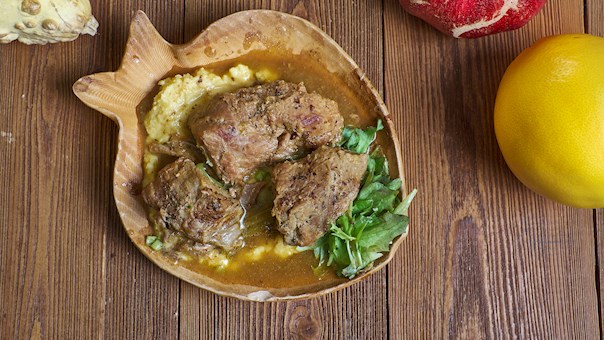
Kouraine is a traditional dish that's often prepared during Eid. The dish is made with a combination of lamb, cow, or goat legs, cumin, garlic, chickpeas, paprika, ginger, turmeric, and saffron. Some people like to add raisins to the dish in order to give kouraine a slightly sweet flavor. The stew is cooked until the sauce develops a thick consistency, and it's then served, ideally with some hot peppers and bread.
TasteAtlas food rankings are based on the ratings of the TasteAtlas audience, with a series of mechanisms that recognize real users and that ignore bot,
nationalist or local patriotic ratings, and give additional value to the ratings of users that the system recognizes as knowledgeable.
For the “Top 18 Maghrebi Stews” list until June 15, 2026, 3,906 ratings were recorded, of which 1,053 were recognized by the system as legitimate.
TasteAtlas Rankings should not be seen as the final global conclusion about food. Their purpose is to promote excellent local foods,
instill pride in traditional dishes, and arouse curiosity about dishes you haven’t tried.