Kari ayam is a chicken curry that is popular in Malaysia and Indonesia. It is made with chicken pieces, onions, garlic, ginger, ghee, tomatoes, coconut milk, and spices such as anise, cinnamon, curry leaves, pandan leaves, lemongrass, chilis, cumin, turmeric, and fennel. In Malaysia, kari ayam is traditionally prepared in a clay pot, because it is not reactive to the spices and allows the curry to cook in its own juices. Before serving, the dish can be sprinkled with lime juice and garnished with fresh coriander. It is recommended to serve it with rice.
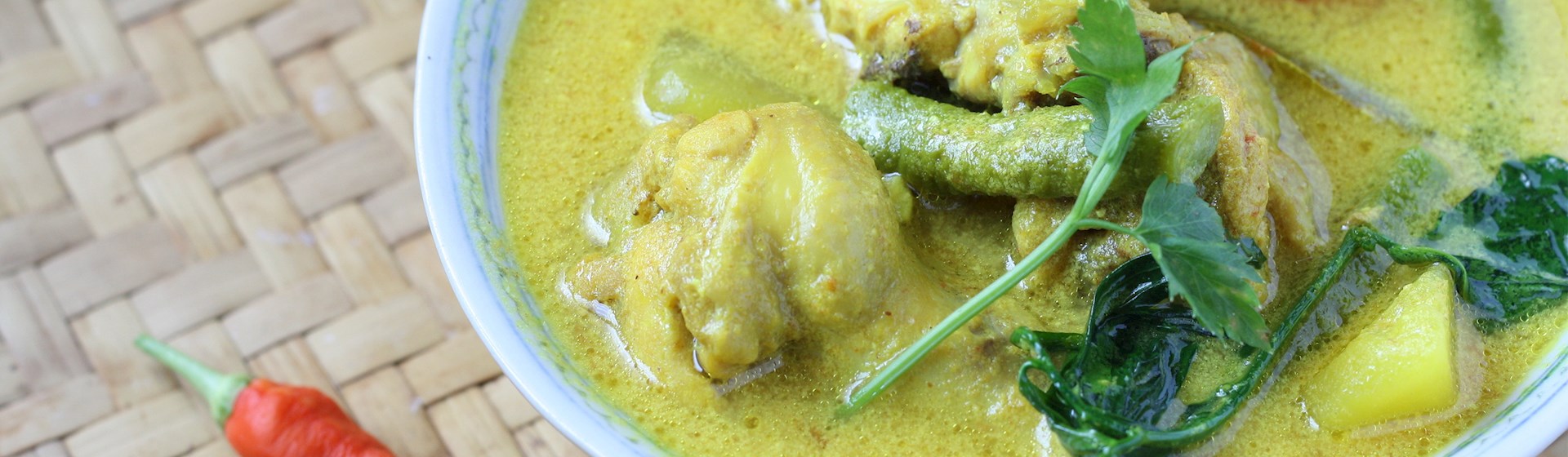
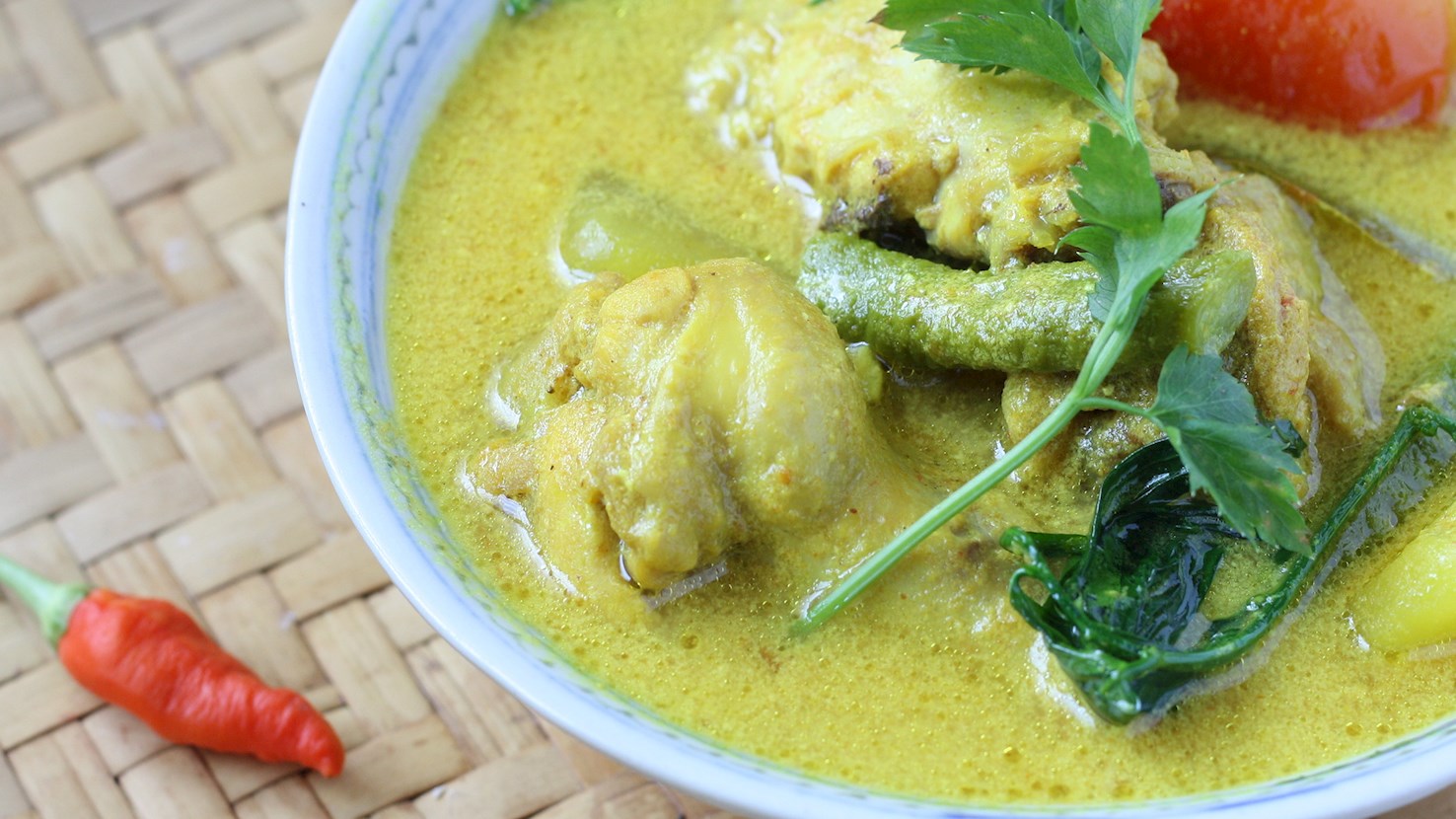
Masak lemak is a vibrant yellow Malaysian curry with a supposed origin in Negeri Sembilan. The dish can be prepared with various proteins such as chicken (ayam), fish (ikan), daging (beef), or seafood, but the base is always the same – a creamy, incredibly flavorful, and spicy combination of turmeric, coconut milk, and various other herbs and spices. The dish is also known as masak lemak cili api (padi), in which the last two words refer to the use of chilies in the dish. Masak lemak is enjoyed throughout Malaysia and it is usually served accompanied by sambal, rice, and raw vegetables (ulam).
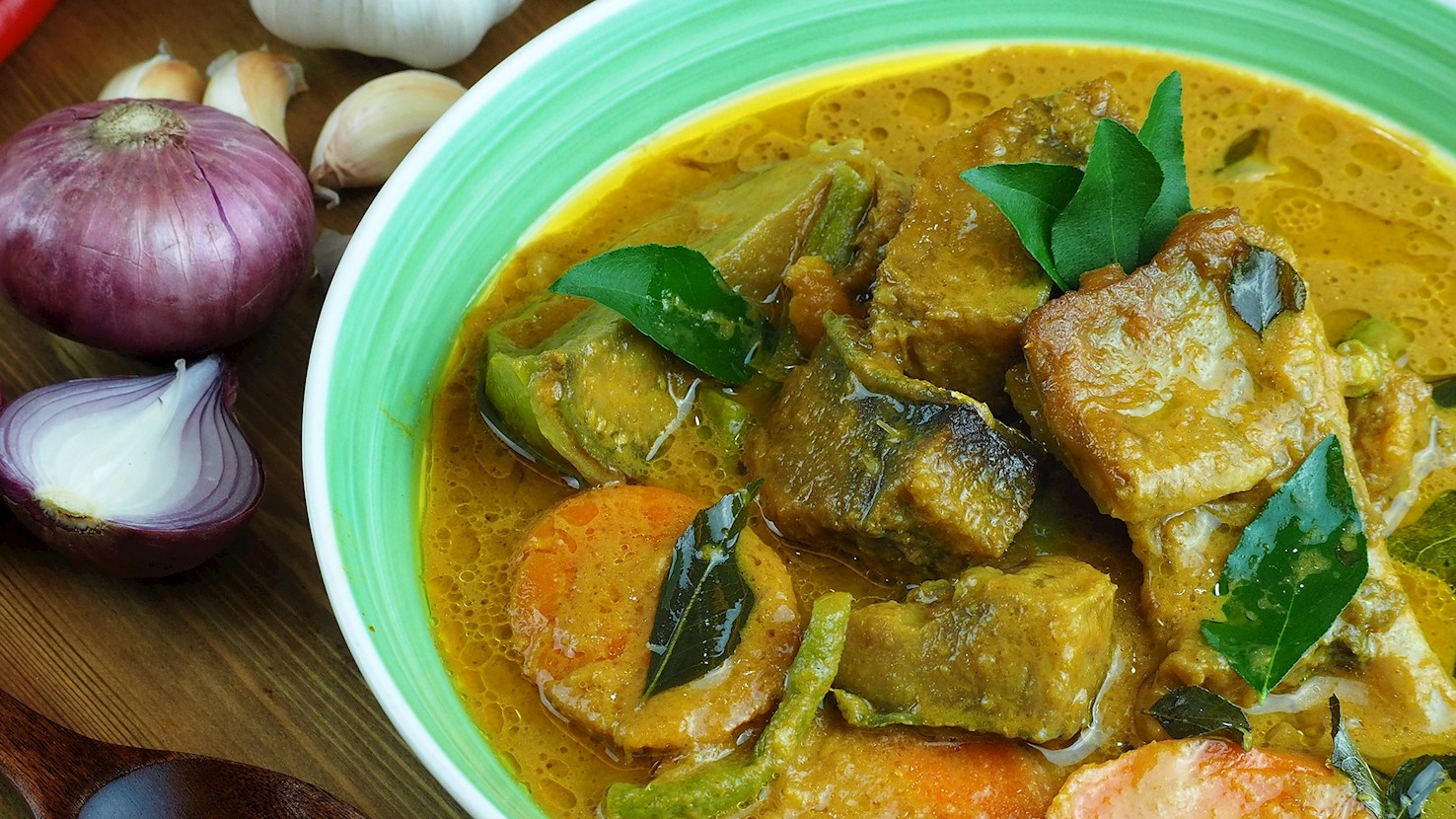
Kari ikan is a delicious fish curry originating from Malaysia. It is typically made with a combination of fish that is cut into pieces, coconut milk, and a variety of spices such as fenugreek, cumin, curry leaves, chili peppers, mustard seeds, tamarind, ginger, turmeric, coriander, and lemongrass. The spices used in kari ikan often vary as the dish is very popular and can be found throughout the country, in most restaurants and households. Traditionally, kari ikan is served with fluffy rice on the side.
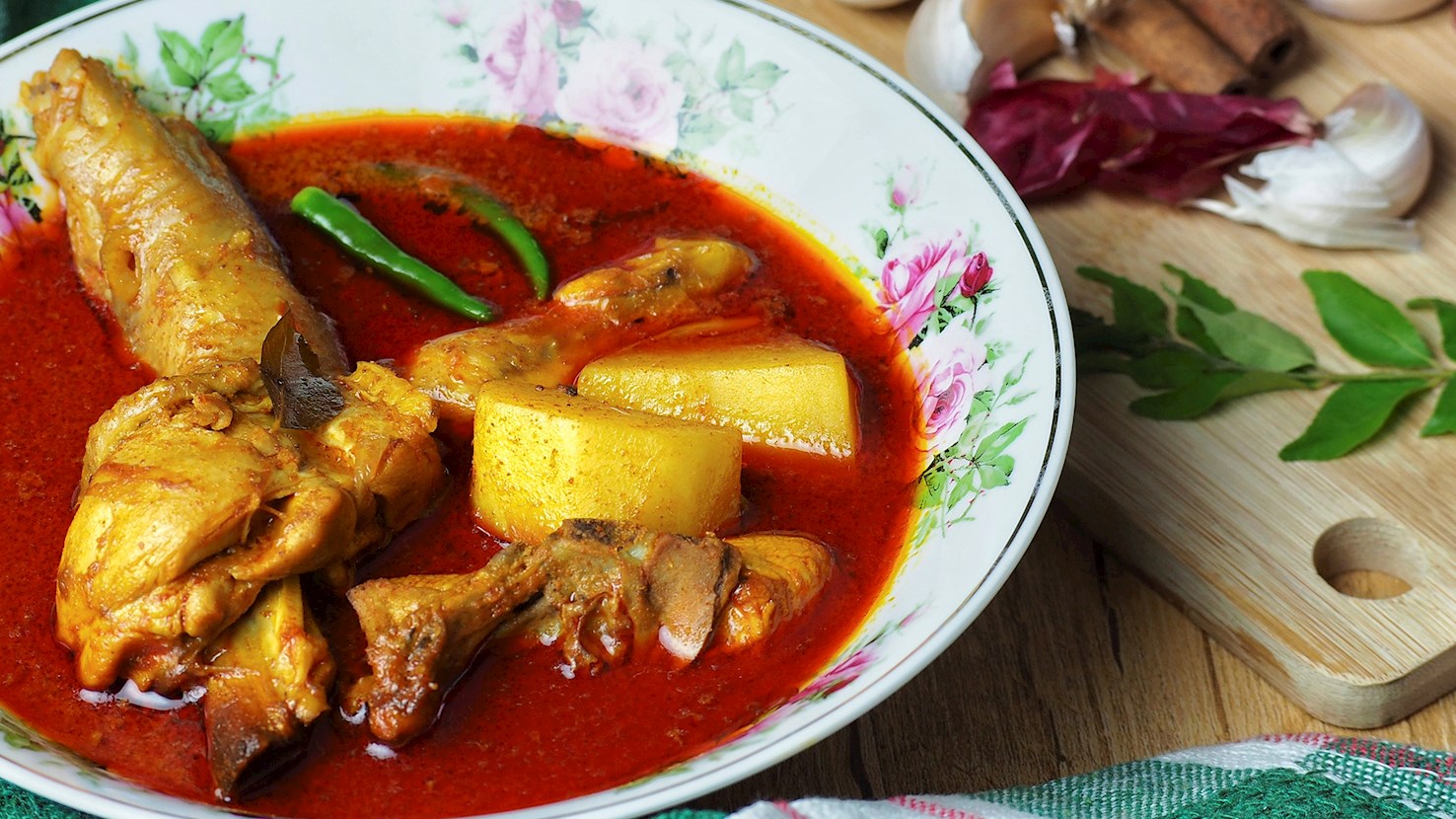
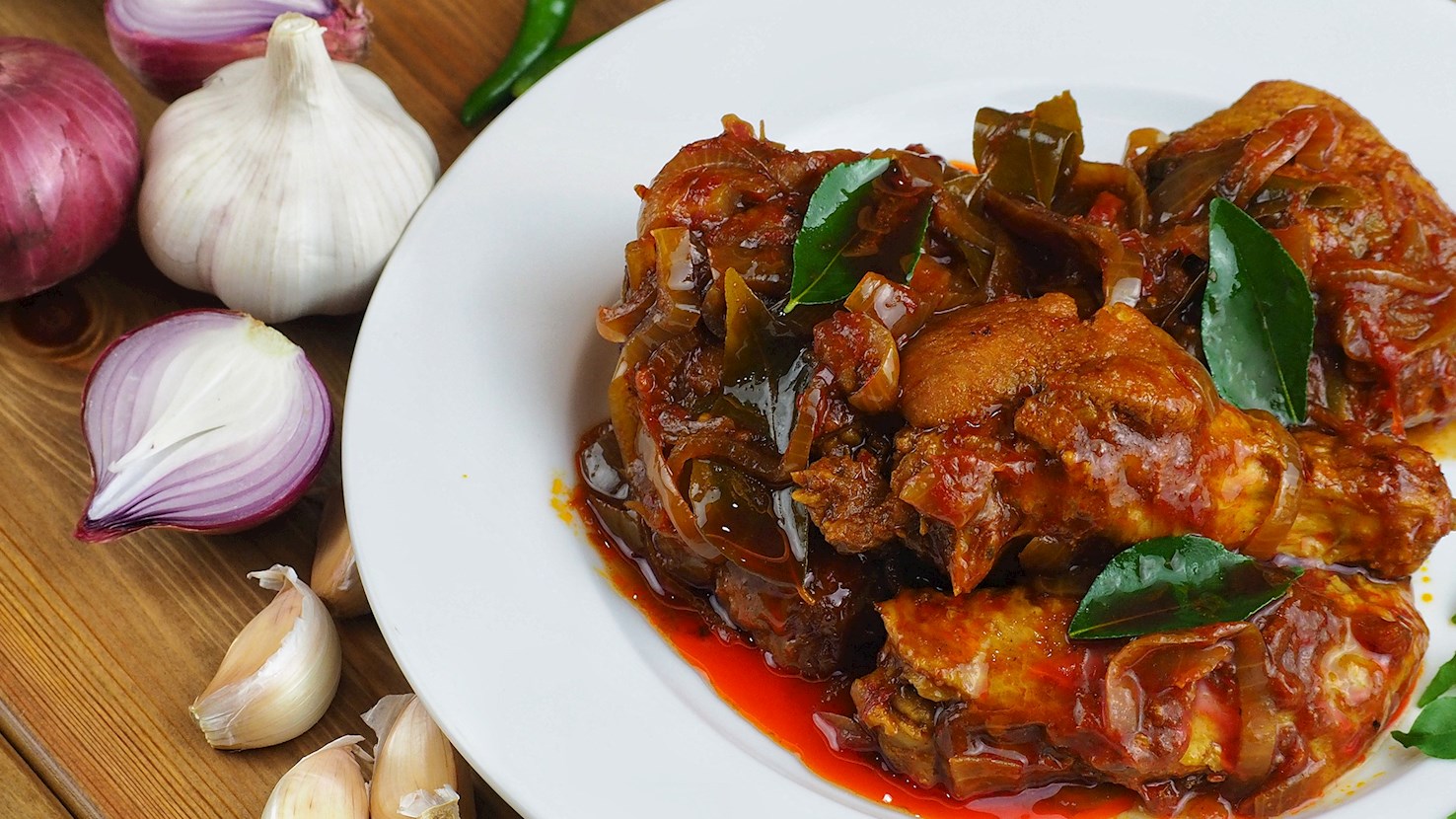
Ayam masak merah is chicken fried with turmeric and finished in a thick red chili sauce, often enriched with tomato, in Malay kitchens in Malaysia and Singapore. The pieces are usually served on the bone, coated in a glossy gravy that tastes savory, sweet, and gently acidic, with chili heat that varies widely from household to household. The name literally translates to “chicken cooked red.” The color comes largely from red chilies and tomato products, while onions, garlic, and ginger give the sauce much of its substance. At Malay wedding receptions, it is especially associated with nasi minyak, fragrant rice cooked with ghee and spices, though it is equally at home alongside plain rice. Its exact birthplace and date of creation are not securely documented, and no single inventor can be credited. Its established place in family cooking and celebratory meals is clearer than any precise account of its beginnings. The two-stage cooking method gives the chicken a different character from meat simmered directly in a sauce. First, the pieces are rubbed with salt and turmeric, which seasons the surface and gives it a yellow color beneath the eventual red coating. They are then fried until the exterior takes on color and firms up. Some versions fry the chicken only partway before finishing it in the gravy; others cook it more thoroughly and combine it with the sauce near the end. Either approach needs to account for the second cooking stage so the meat doesn't dry out. The fried surface softens once coated, so the finished dish is not generally crisp, but it retains the flavor developed in the hot oil. Deep-frying is common, though shallower frying also appears in established family recipes. The sauce requires more attention than its short ingredient list suggests. Dried red chilies are softened before being ground with onions or shallots, garlic, and ginger. Depending on the version, lemongrass, galangal, or fresh turmeric may join this paste. Grinding breaks down the aromatics so they form the body of the gravy rather than remaining separate pieces. The paste is then fried in oil, with regular stirring, until its moisture reduces and its raw smell gives way to a fuller cooked aroma. This stage is often described as pecah minyak, when the oil visibly separates from the paste. It signals that the wet mixture has cooked down sufficiently, rather than merely warmed through. Rushing it can leave the sauce tasting of raw onion and inadequately cooked chili. Whole cinnamon, cloves, star anise, or cardamom may also be fried in the oil, but the selection varies; a recipe does not need all four to qualify as ayam masak merah. Tomato can appear as fresh chopped fruit, concentrated paste, purée, ketchup, or a combination. Each changes the sauce: fresh tomato adds moisture and lighter acidity, concentrated paste adds body, and ketchup adds sweetness, vinegar, and seasoning. These differences explain why sugar needs adjusting to the tomato product already in the pan. Sweetness is usually noticeable, but it should leave room for the chili and aromatics. Some versions are made without bottled sauces, so ketchup isn't essential. The amount and variety of chili determine the heat more reliably than the finished color; a deeply red sauce can be relatively mild. Once the paste and tomato mixture have cooked, a little liquid allows the gravy to simmer around the fried chicken. It is reduced until it clings to the pieces while leaving enough sauce to spoon over rice. Coconut milk is an optional addition that gives a richer, rounder gravy, rather than a universal ingredient. Onion rings added toward the end stay more distinct than the onions ground into the base, and some versions add green peas as another optional ingredient. These variations are better understood as differences between household and catering recipes than as a fixed set of regional categories. The essential sequence remains recognizable: season and fry the chicken, thoroughly cook the aromatic red sauce, then bring the two together. Ayam masak merah is served at weddings and other kenduri gatherings, during Hari Raya celebrations, at meals that break the Ramadan fast, and for ordinary family lunches and dinners. Nasi tomato is another frequent accompaniment, its seasoned rice soaking up the sauce, while nasi minyak offers a richer, more festive plate. Cucumber acar or acar jelatah, sometimes including pineapple, adds crunch and acidity alongside the chicken; papadom can provide a crisp contrast. Plain steamed rice works well when the gravy is especially rich or strongly seasoned. For a drink, iced lime water or unsweetened iced tea would offer a refreshing accompaniment.
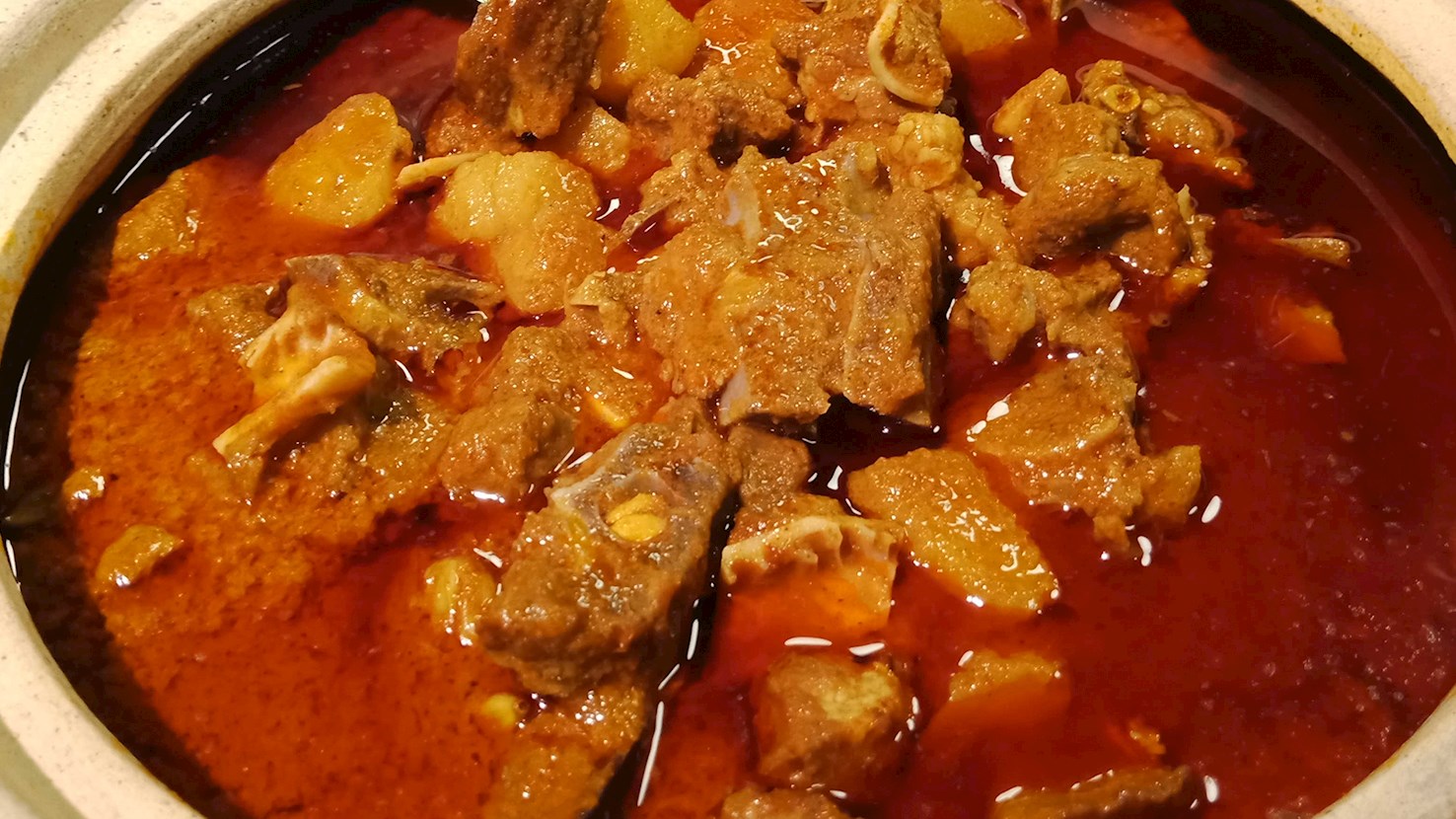
Kari kambing is a goat curry that is popular in Malaysia and Indonesia. It is made with a combination of goat meat cut into chunks, potatoes, tomatoes, curry leaves, ginger, onions, coconut milk, chili peppers, and various other spices such as galangal, turmeric, and lemongrass. The curry is simmered until the potatoes and the meat both become tender. The dish can be served immediately, but some say that it's even better the next day when reheated. Serve it with rice or flatbreads.
Curry debal or Devil's curry is a very spicy traditional stew originating from Malacca (Melaka) in Malaysia. This specialty of the Kristang people is usually made with a combination of chicken, potatoes, white vinegar, salt, sugar, mustard seeds, and oil. The mustard seeds are tempered in oil, then mixed with a spice paste consisting of garlic, ginger, galangal, turmeric, lemongrass, shallots, oil, and red chili peppers. The chicken is added to the pot and it's coated with the spice paste. The potatoes, sugar, and salt are added to the pot and the stew is covered with water and white vinegar. The curry is simmered until everything is fully cooked, and it's then served hot with steamed rice on the side. This fiery dish is a staple during festivities such as Christmas.
TasteAtlas food rankings are based on the ratings of the TasteAtlas audience, with a series of mechanisms that recognize real users and that ignore bot,
nationalist or local patriotic ratings, and give additional value to the ratings of users that the system recognizes as knowledgeable.
TasteAtlas Rankings should not be seen as the final global conclusion about food. Their purpose is to promote excellent local foods,
instill pride in traditional dishes, and arouse curiosity about dishes you haven’t tried.




What People Say