


Top 5 Nigerian Stews

Last updated on June 15, 2026
01

Garden egg stew

n/a ·

Garden egg stew is a popular Ghanaian dish featuring African eggplant, or garden egg as its main ingredient. Although the eggplant is a fruit, it is prepared as a vegetable in this stew, combined with tomatoes, onions, peppers, palm oil, dried fish or shrimp, and seasonings such as ginger and nutmeg. The stew is often served for lunch or dinner, accompanied by boiled plantains.

02

Ekpang nkukwo

n/a ·

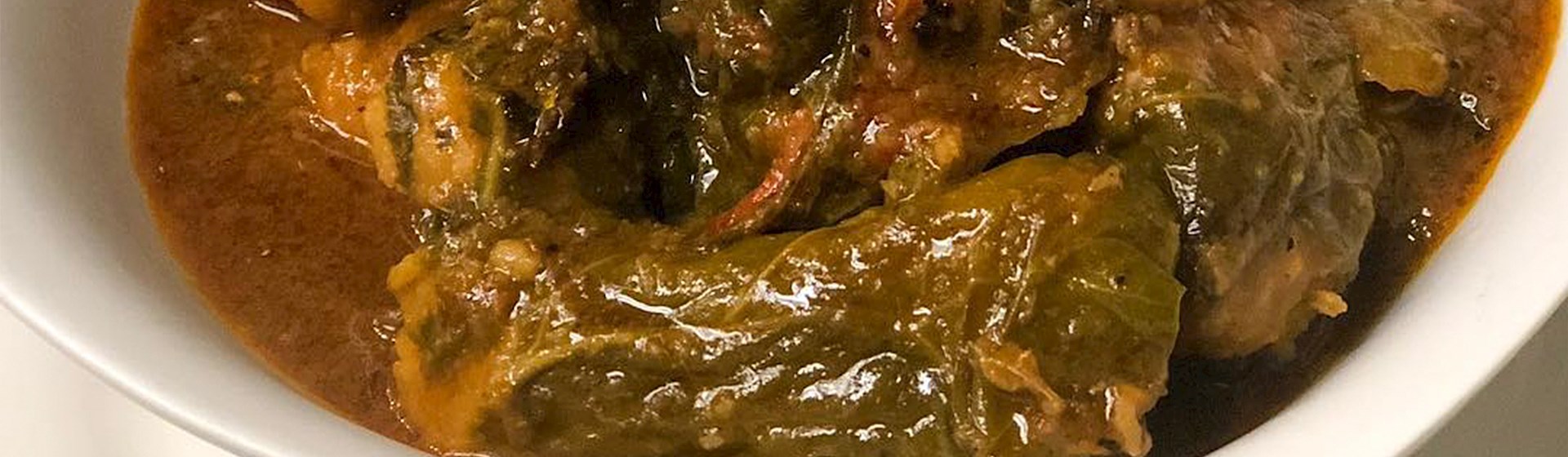
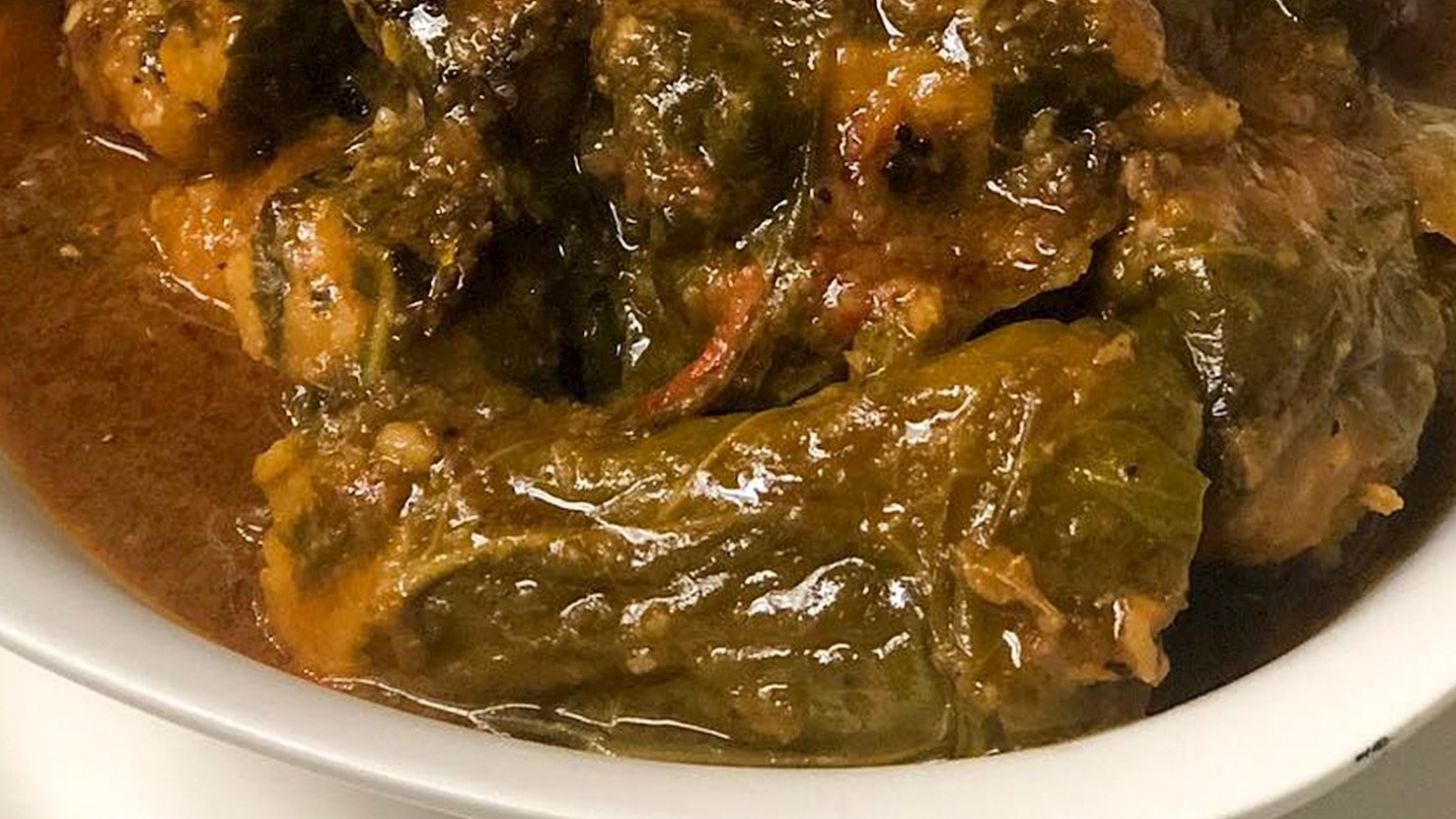
Ekwang is a popular Cameroonian and Nigerian dish consisting of grated cocoyams that are tied in cocoyam leaves, then slowly simmered with crayfish, palm oil, and various spices. This delicacy is traditionally prepared by the Bafaw people from the Southwest region of Cameroon and several ethnic groups in the Nigerian state of Cross River. Although making ekwang is a laborious, time-consuming process due to all the grating and wrapping, most cooks claim that it disappears from the plates quite fast after it has been served.

03

Ewa agoyin (Agoyin Stew)

n/a ·

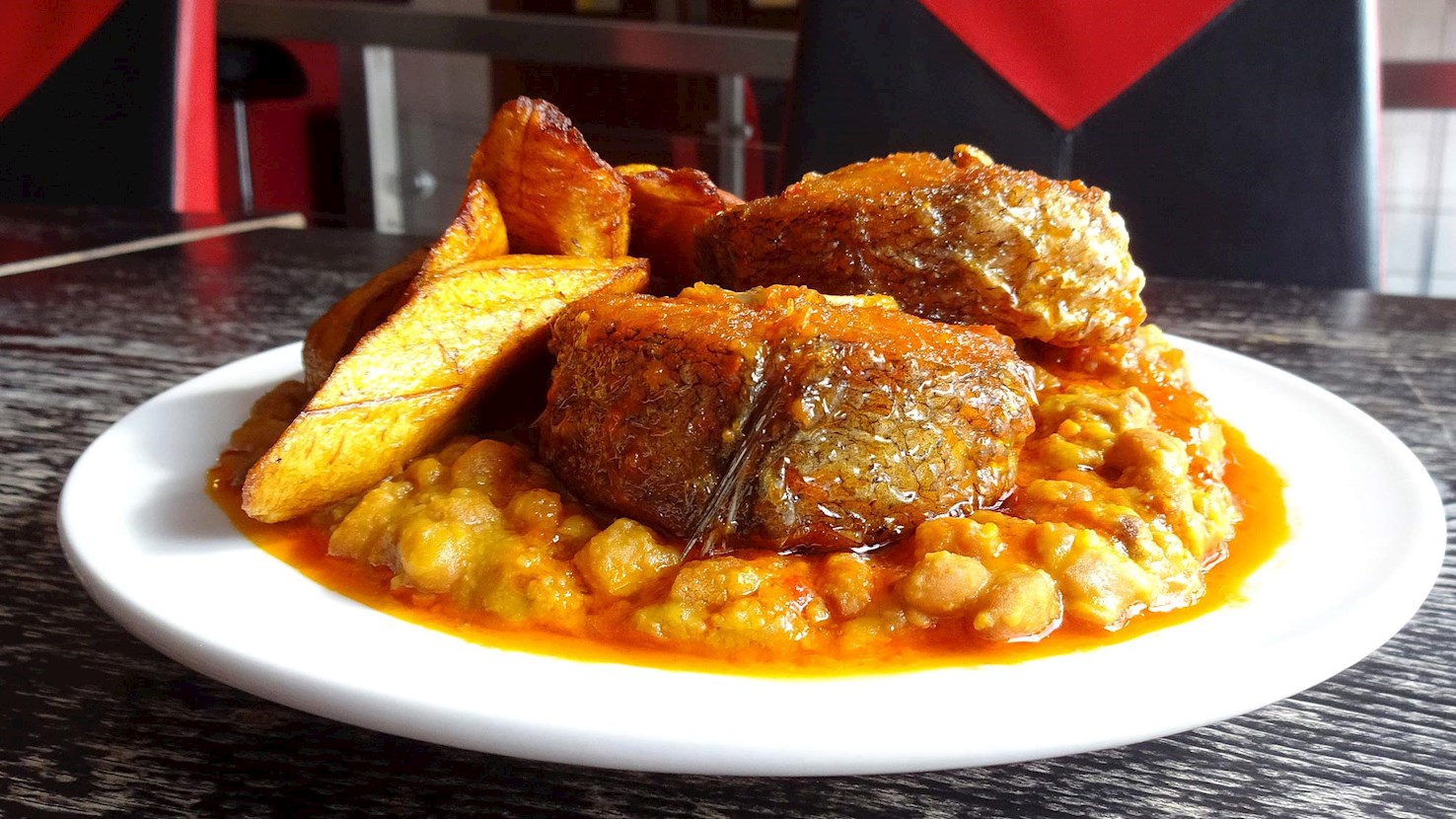
Ewa agoyin is a traditional stew originating from Nigeria. This spicy stew is a street food favorite, especially in Lagos, and it’s usually made with a combination of beans, bell peppers, onions, ginger, crayfish, dried hot peppers, bouillon cubes, palm oil, and salt. The beans are cooked and mashed with a wooden spoon. The dried hot peppers and bell peppers are soaked in water and blended with the onions, ginger, and water. Onions are browned in palm oil and mixed with blended peppers, bouillon cubes, crayfish, and a bit of salt. The cooked sauce is then served over the mashed beans, and the dish is ready to be enjoyed.

04

Adalu

n/a ·

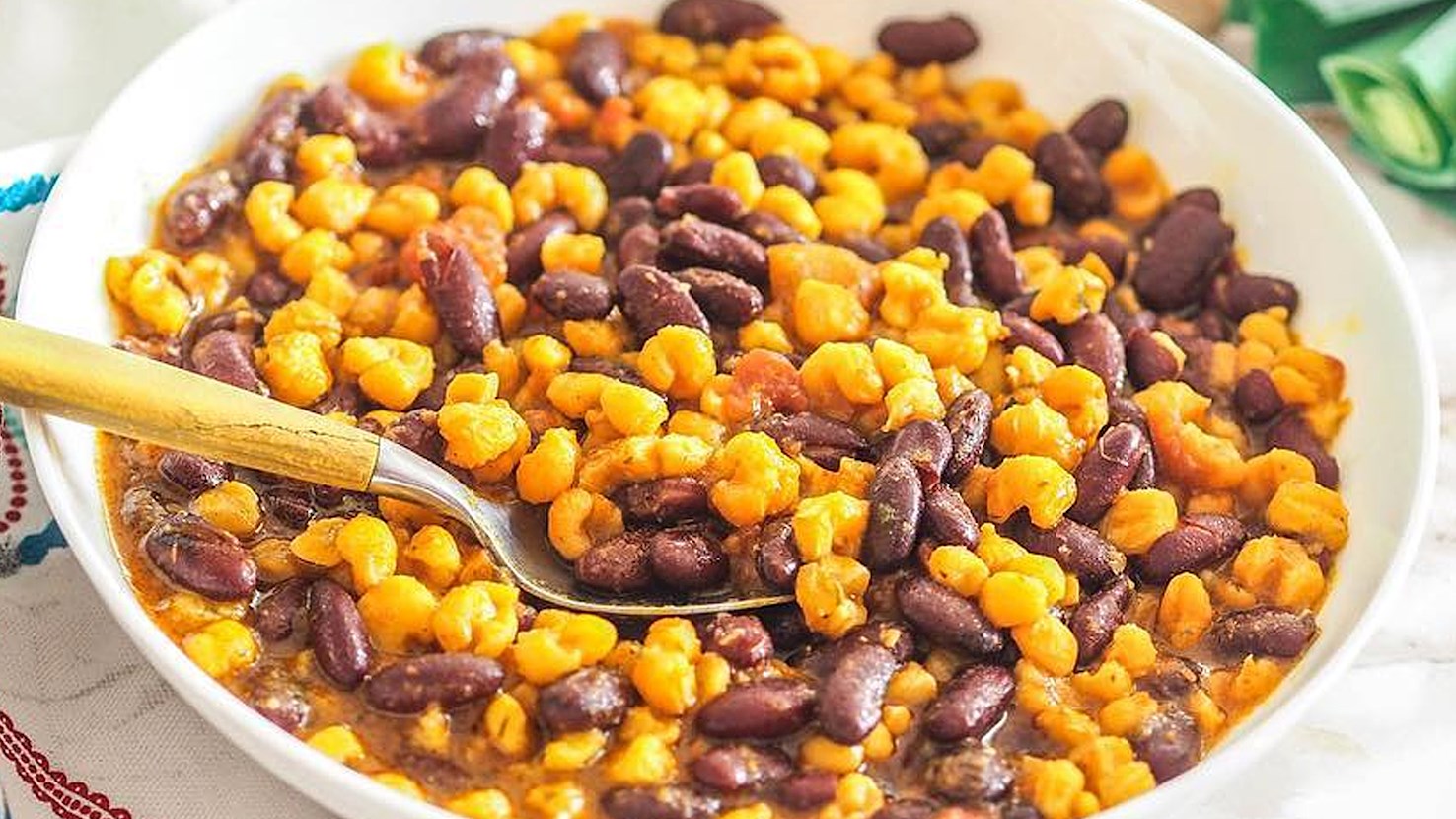
Adalu is a hearty Nigerian and Cameroonian (commonly known there as corn chaff) stew utilizing corn and beans as the key ingredients. Corn and beans are slowly simmered with ingredients such as onions, palm oil, tomatoes, various spices, and beef, crayfish or smoked fish, depending on personal preference, although beef and fish can be omitted from the dish. Its high fiber and protein content make it a highly nutritious choice for any meal. Adalu is traditionally served hot and can be enjoyed on its own or paired with sides like fried plantains or bread.

05

Ayamase

n/a ·

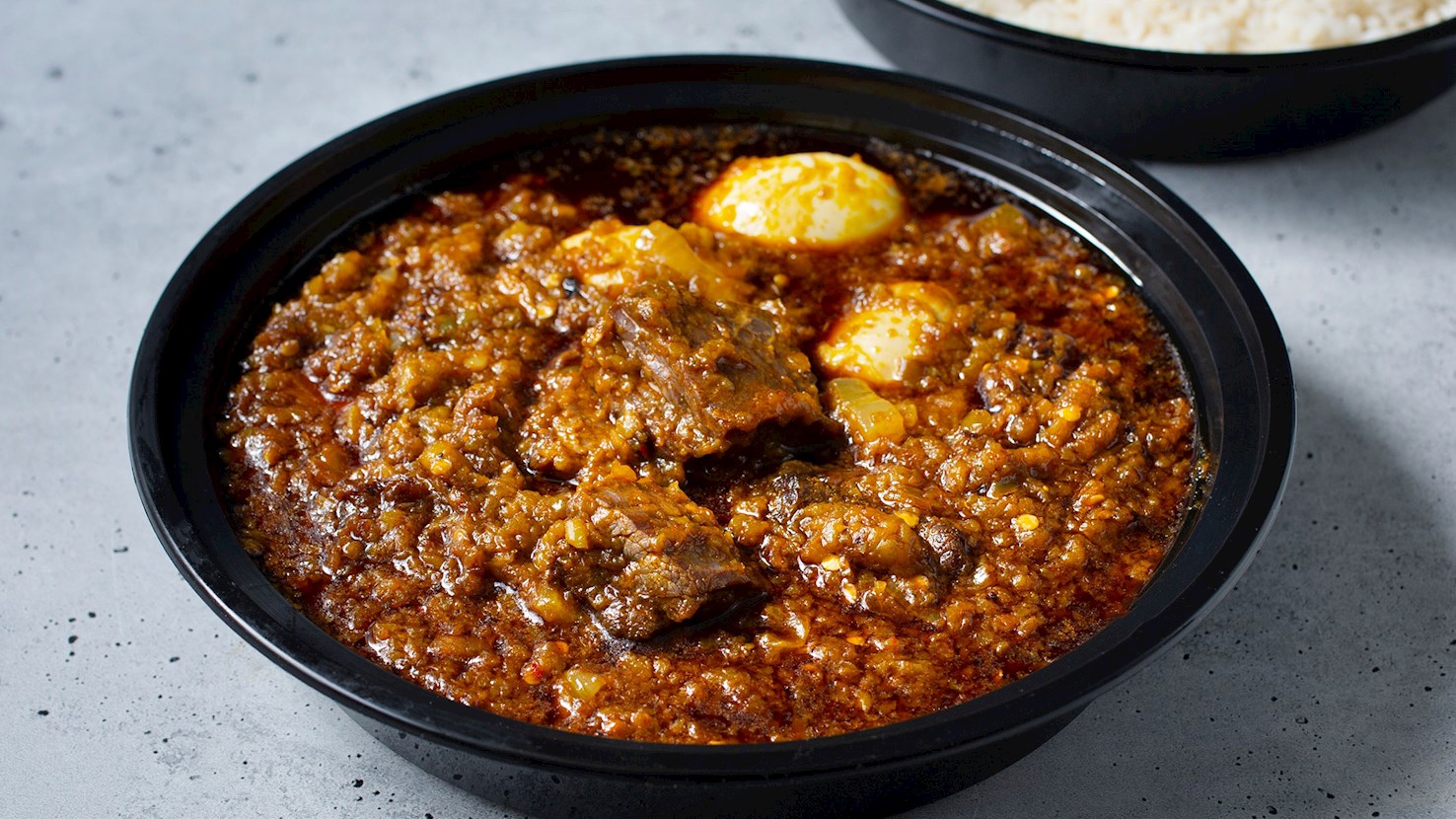
Ayamase is a concentrated green chili-based stew primarily associated with the Yoruba people of southwestern Nigeria. Defined by its olive-green hue and savory profile, it uses green bird’s eye chilies and green bell peppers rather than red varieties. It is frequently called "Designer Rice Stew" due to its status as a premium specialty at festive events. Preparation begins with bleaching palm oil until it becomes a translucent amber. Diced onions and fermented locust beans are sautéed in the oil, followed by a coarse blend of boiled green peppers and chilies. Proteins such as bite-sized beef, cow skin (ponmo), tripe, and hard-boiled eggs are added to the mixture. The stew is seasoned with ground crayfish and simmered until the oil separates and rises to the surface, indicating the removal of moisture. It contains no tomatoes, ensuring a sharp, peppery finish. The stew is eaten with Ofada rice, a nutty, short-grain indigenous variety, and is often served in Moin-Moin leaves for a floral aroma. It is paired with chilled palm wine or lager beer to mitigate the heat. For non-alcoholic alternatives, zobo (hibiscus tea) or ginger beer provide a sharp, refreshing counterpoint to the rich, oily base.

Read more
View all
View map
About this ranking

TasteAtlas food rankings are based on the ratings of the TasteAtlas audience, with a series of mechanisms that recognize real users and that ignore bot, nationalist or local patriotic ratings, and give additional value to the ratings of users that the system recognizes as knowledgeable. For the “Top 5 Nigerian Stews” list until June 15, 2026, 25 ratings were recorded, of which 15 were recognized by the system as legitimate. TasteAtlas Rankings should not be seen as the final global conclusion about food. Their purpose is to promote excellent local foods, instill pride in traditional dishes, and arouse curiosity about dishes you haven’t tried.

Similar lists