


Top 6 Traditional Stews
in Pacific Coast of Mexico

Last updated on June 15, 2026
01

Birria

4.2 ·

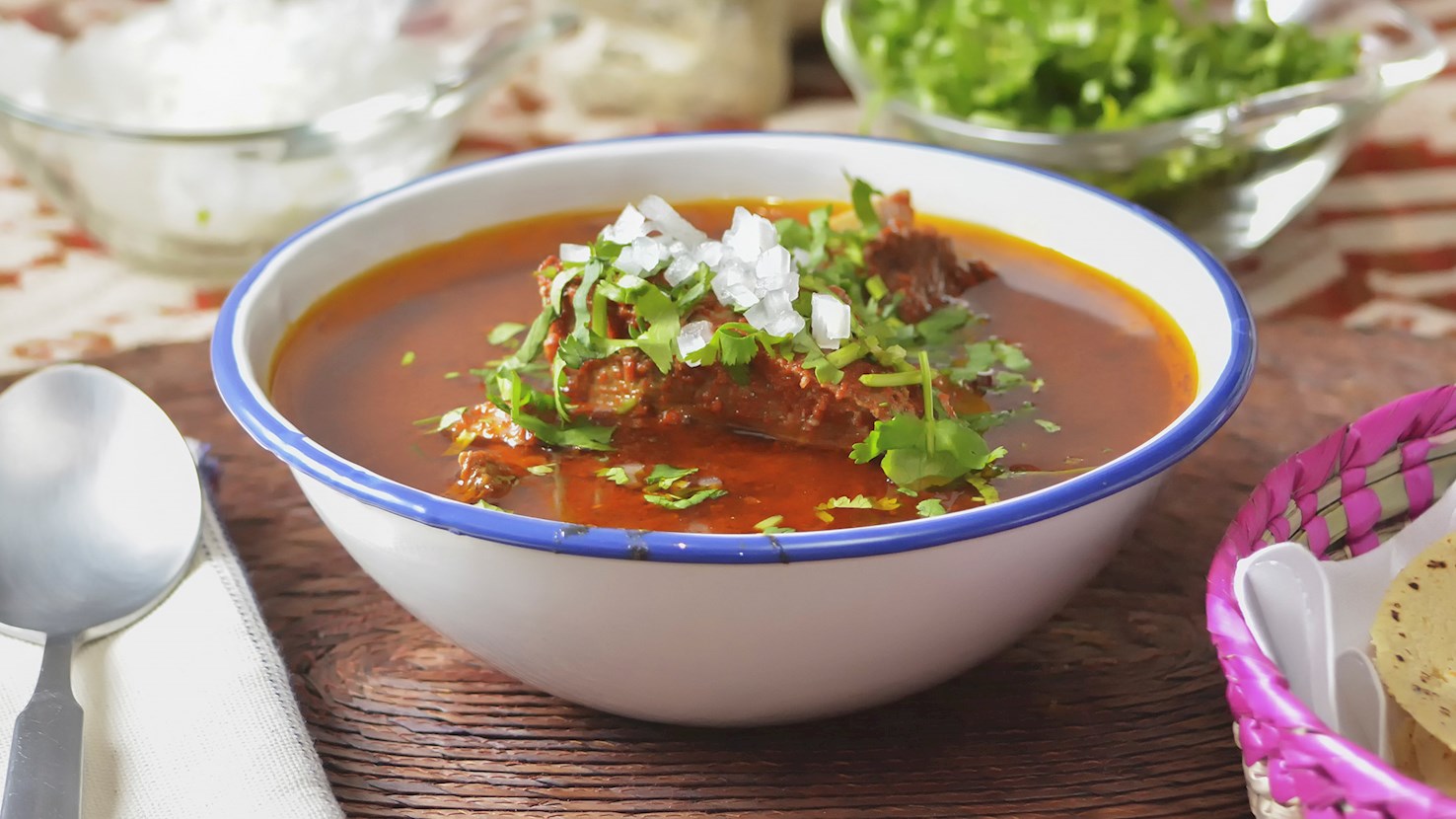
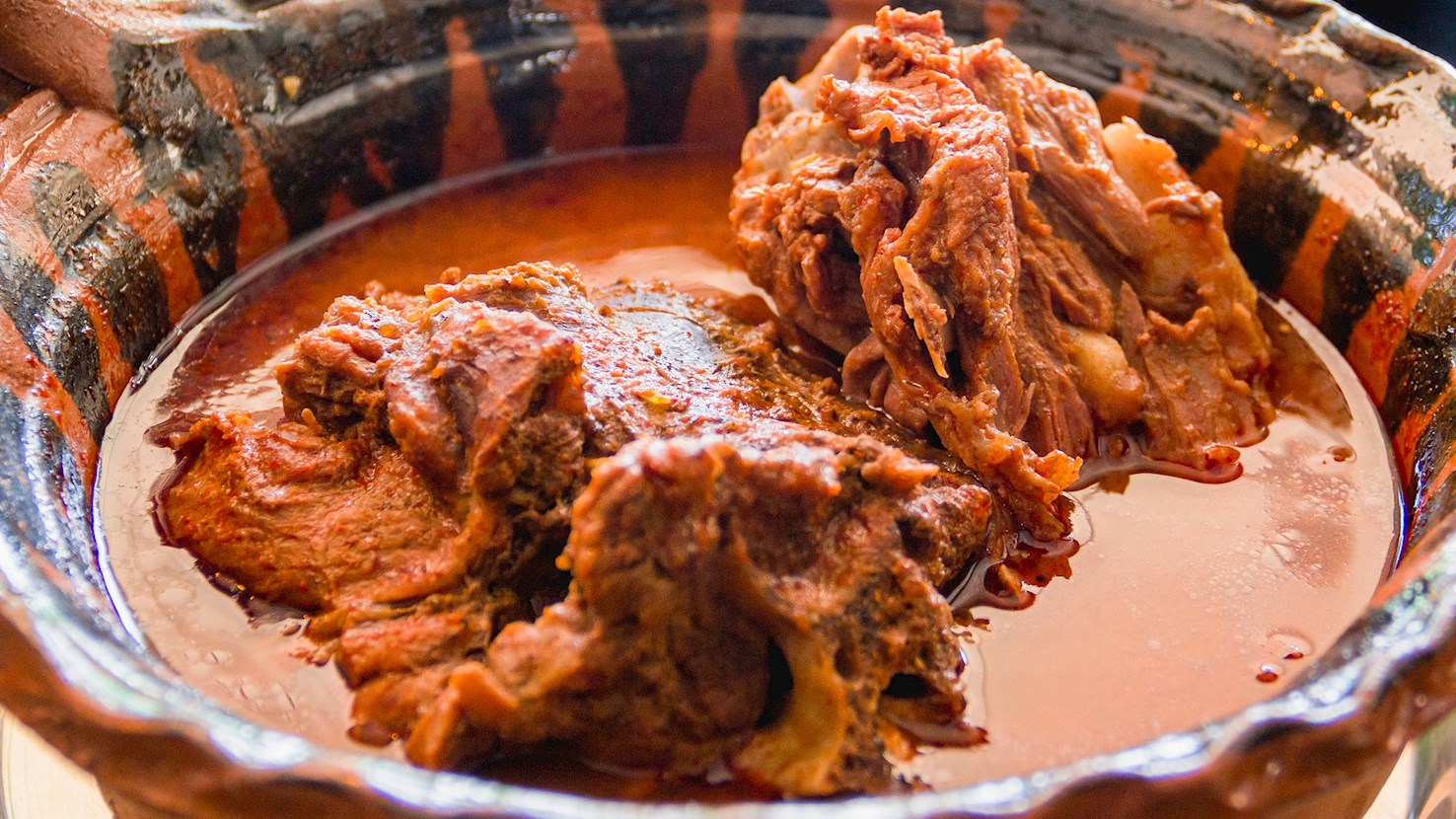
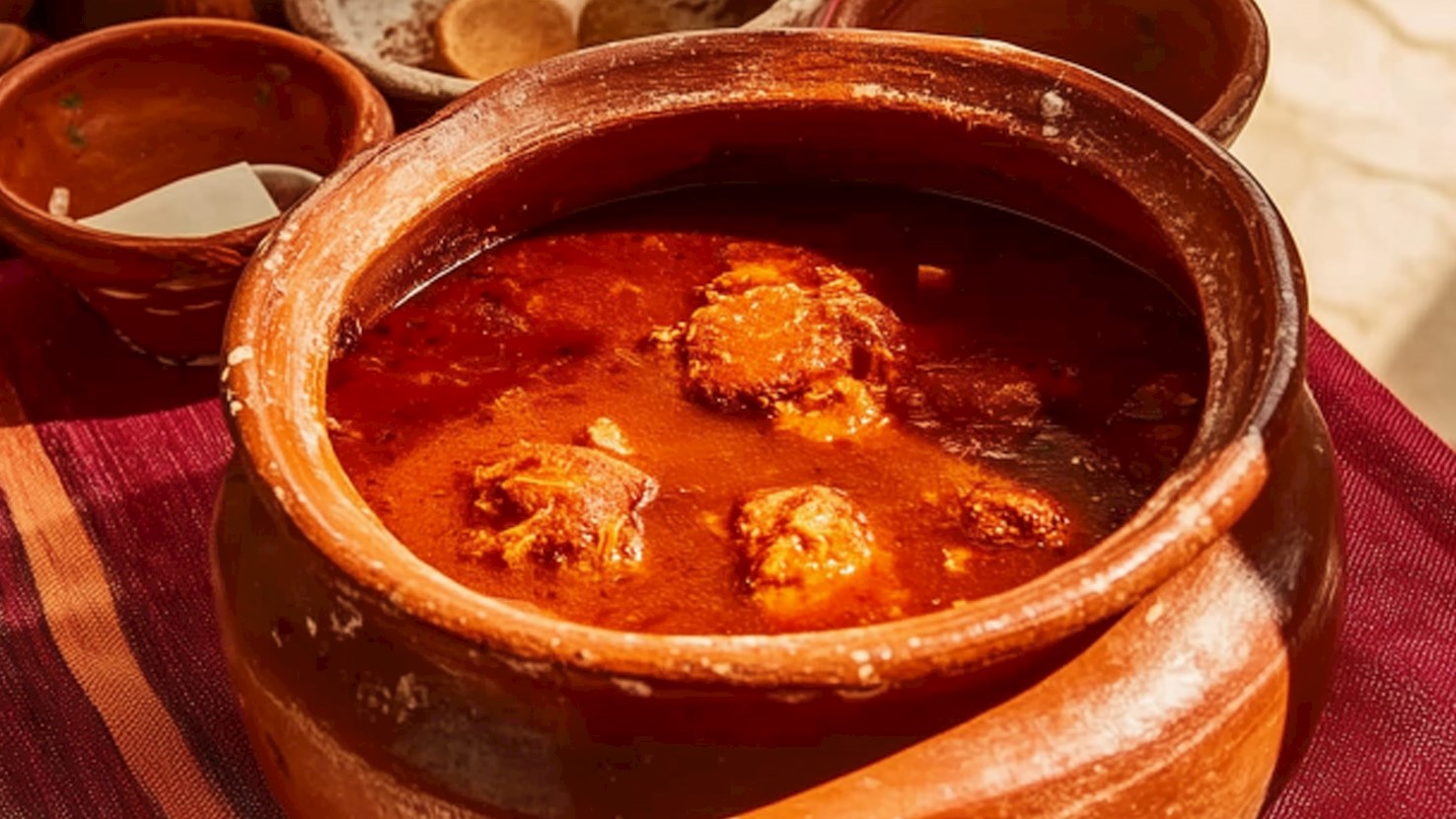
Birria is a traditional, slow-cooked goat (although it can also be made with beef, lamb, mutton, or chicken) stew originating from the Mexican state of Jalisco. Colloquially, birria means mess, used in context to refer to anything of inferior quality, indicating the working-class origins of this humble dish. The slow-cooking method ensures that the meat is extremely tender. Other ingredients in the stew include roasted chili peppers, garlic, cumin, bay leaves, and thyme. On street stands, known as birrierias, birria is served only in the mornings, since it has a reputation of being a great hangover cure. It is commonly served with corn tortillas and garnished with onions, coriander, and lime wedges, especially on Christmas, New Year, and wedding menus, where this flavorful stew is also commonly consumed.

02

Pepita con tasajo

3.7 ·

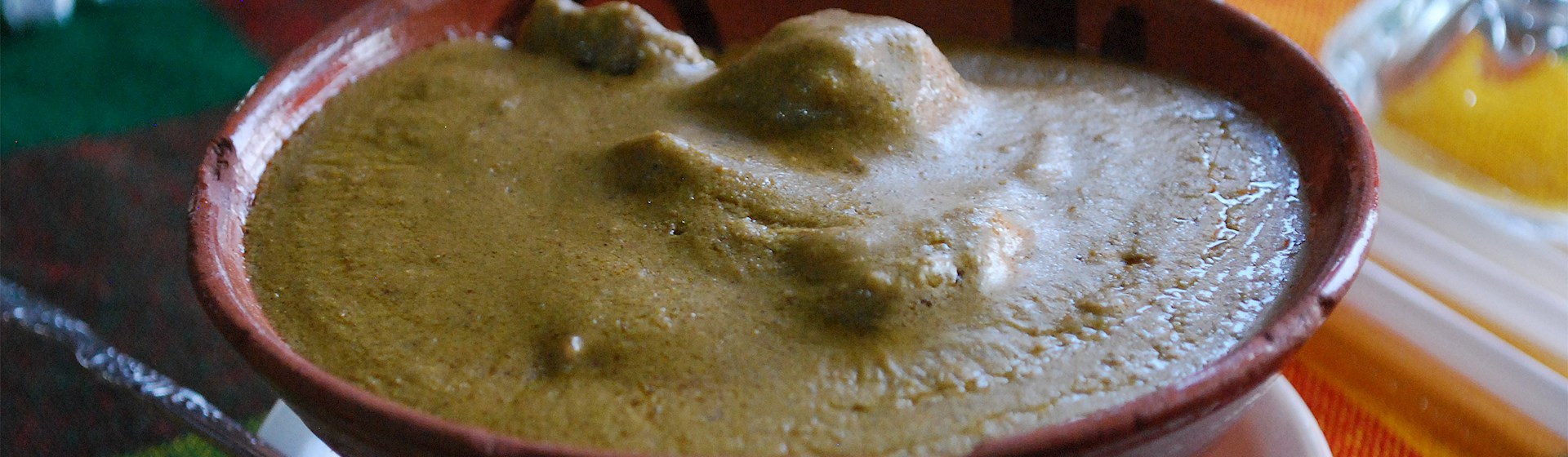
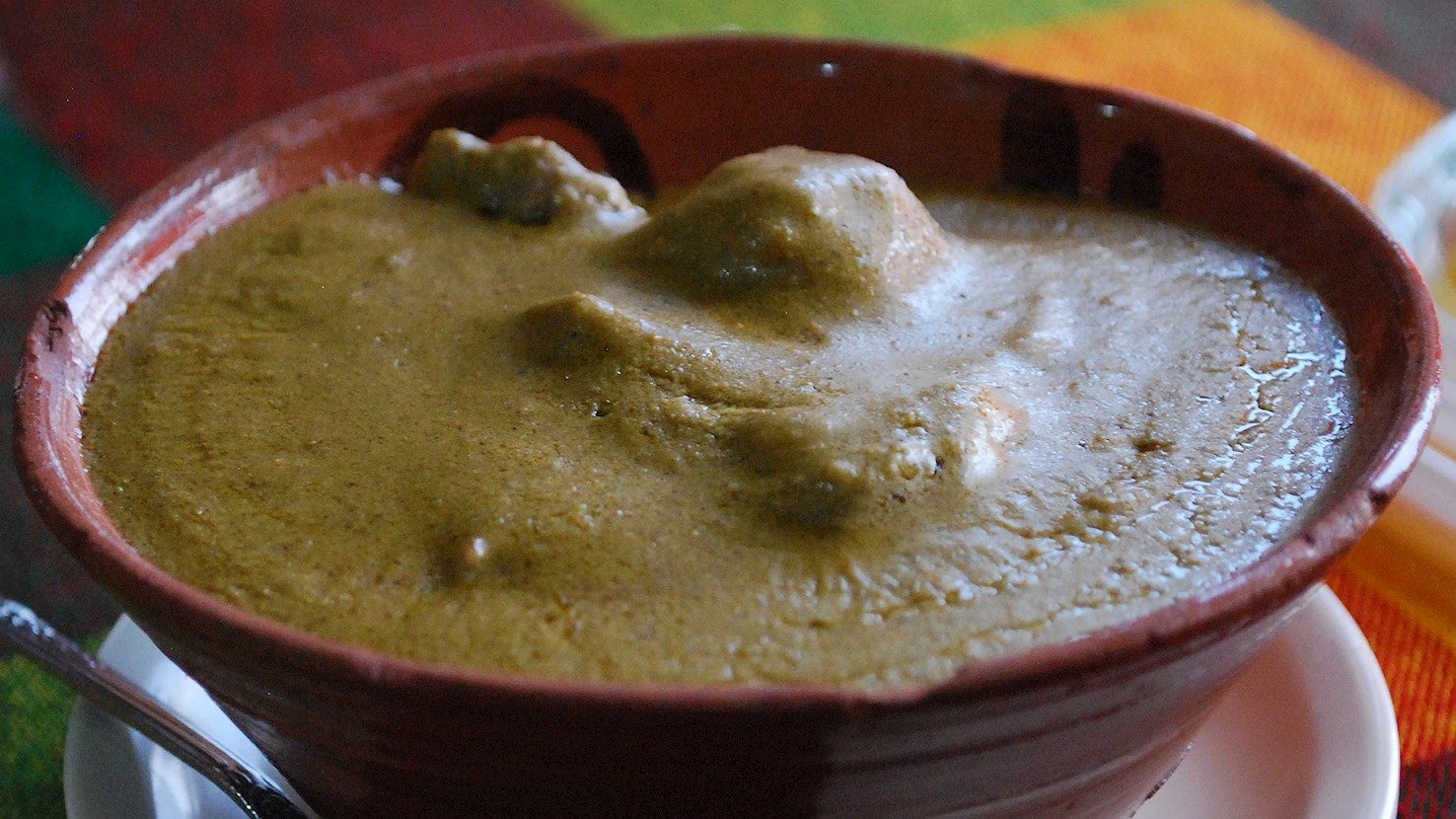
Pepita con tasajo is a traditional dish originating from Chiapas. It consists of strips of salt-cured beef which are served in a sauce made from onions, garlic, ground pumpkin seeds, and achiote. The dish is traditionally served to the public for the Great Meal (Comida Grande) on January 20th.

03

Churipo

3 ·

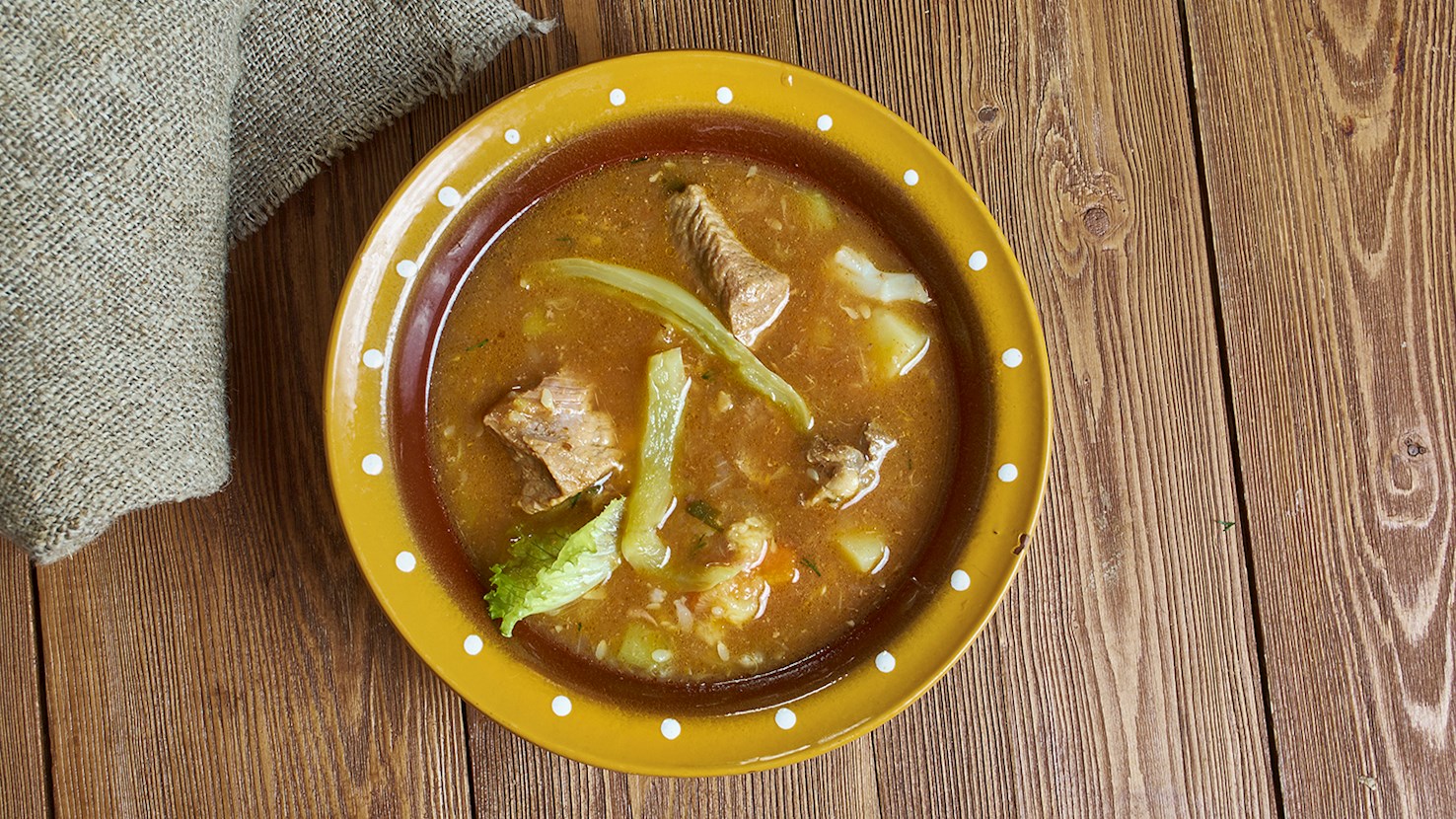
Churipo is a spicy Mexican stew prepared with chunks of beef, vegetables, and spicy chilis. The stew is a staple of the indigenous Purepecha peoples from the Mexican region of Michoacán. Churipo is traditionally served with corundas, which are local tamales that are shaped like pyramids and prepared without any fillings.

04

Mole de caderas

n/a ·

Mole de caderas is a traditional dish from the Mixteca region, particularly in Puebla and Oaxaca. It is a seasonal delicacy prepared in the autumn during "La Matanza," an annual goat harvest that begins in late October. Deeply rooted in indigenous culinary traditions, the dish features goat hip and spine bones, which are heavily salted and sun-dried to preserve and intensify their flavor. These bones are simmered to create a rich broth, enhanced with guajillo and costeño chiles for spiciness, tomatoes and tomatillos for acidity, and aromatic herbs like cilantro and epazote. Green beans add texture, while guaje seeds impart a slightly bitter flavor. The result is a robust, spicy, and savory stew with complex flavors, often served with tortillas and sometimes rice. Mole de caderas holds significant cultural importance, celebrated during communal festivals that include music, dance, and rituals, reflecting regional agricultural and culinary heritage. It symbolizes the blend of indigenous cooking methods and local ingredients, embodying the rich traditions passed down through generations in the Mixteca region.

05

Patitas de puerco en frijol negro

n/a ·

Patitas de puerco en frijol negro is a traditional dish originating from Oaxaca. The dish is made with a combination of pork feet, white vinegar, onions, garlic, epazote leaves, black beans, and salt. The pork feet are covered with water and vinegar, then boiled with the beans, onions, and garlic. Next, epazote leaves and salt are added to the pot and the dish is cooked until the pork feet become soft and the beans are fully cooked. Once done, the dish is served in bowls and it's often accompanied by lime wedges and sliced jalapeños.

06

Chileajo

n/a ·

Chileajo is a traditional stew popular in Oaxaca, Guerrero, Hidalgo, and Veracruz. It is typically made with vegetables and various chili peppers, garlic, and spices and can include meat as well. But recipes vary by region: in the Oaxaca Valley, guajillo and ancho chilies are used with potatoes and carrots; in Mixteca, pork ribs and legs are cooked with sesame seeds and costeño chili; in the Isthmus of Tehuantepec, it includes egg yolk bread. Chileajo is commonly served during Christmas and festive occasions, usually on top of bread or tostada, sprinkled with shredded lettuce, salsas, and cheese.

About this ranking

TasteAtlas food rankings are based on the ratings of the TasteAtlas audience, with a series of mechanisms that recognize real users and that ignore bot, nationalist or local patriotic ratings, and give additional value to the ratings of users that the system recognizes as knowledgeable. For the “Top 6 Traditional Stews in Pacific Coast of Mexico” list until June 15, 2026, 445 ratings were recorded, of which 163 were recognized by the system as legitimate. TasteAtlas Rankings should not be seen as the final global conclusion about food. Their purpose is to promote excellent local foods, instill pride in traditional dishes, and arouse curiosity about dishes you haven’t tried.

Similar lists