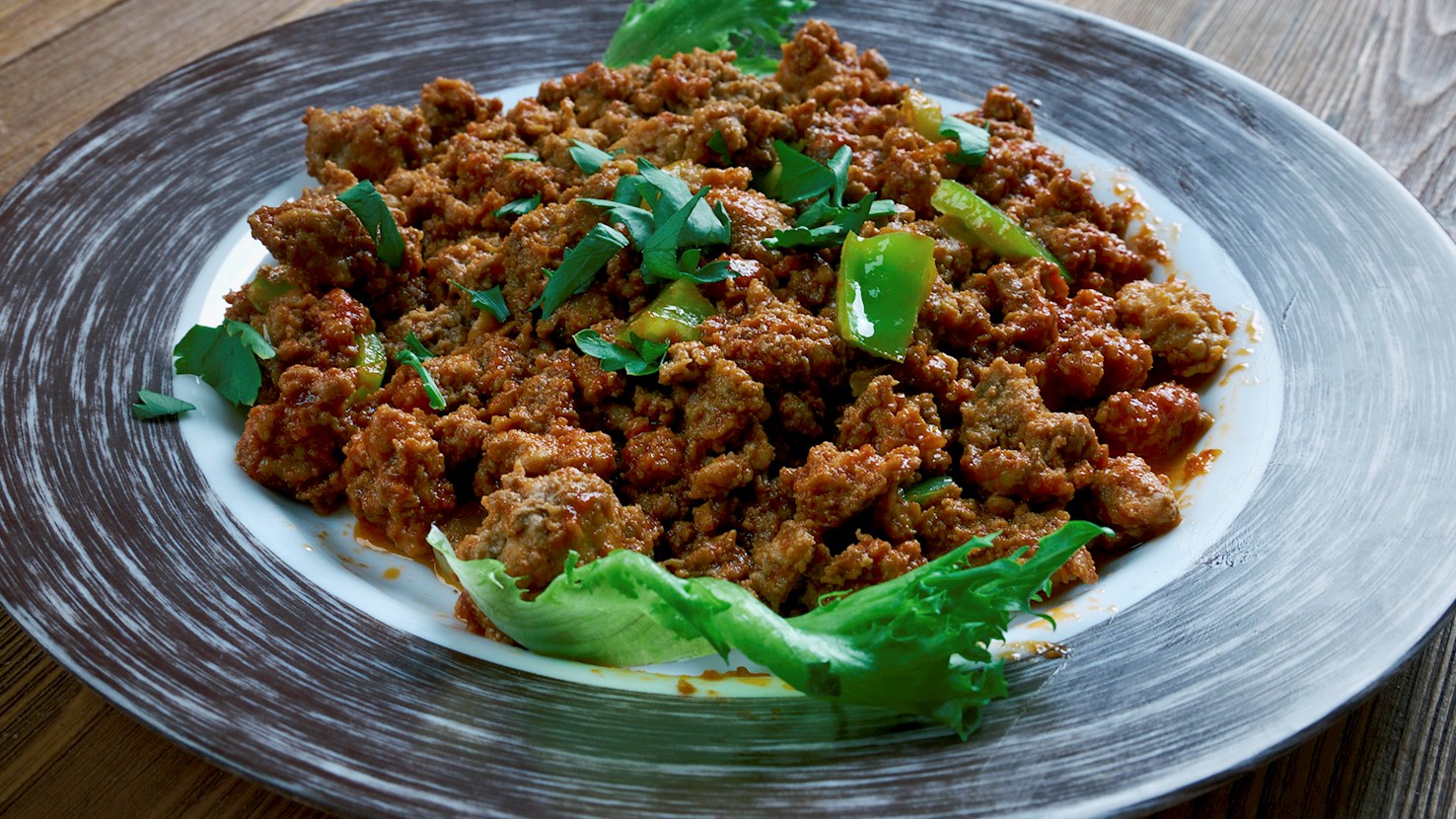
Keema is a stew that is usually prepared as a curry with ingredients such as minced lamb or chicken meat, green peas, ginger-garlic paste, chili, onions, ghee, and garam masala spices. The name of the dish means minced meat in Urdu. Although keema is most popular in north India, Pakistan, and Bangladesh, some believe that the dish has Persian origins due to the fact that it was first mentioned as a recipe in Ain-I-Akbari (a document about emperor Akbar's empire). Keema is commonly served as a main dish, accompanied by pav buns or naan and other flatbreads. It can also be used as a filling for samosas and parathas.
Korma is a rich and aromatic braised dish that comes from the Indian subcontinent, particularly associated with Mughlai cuisine in northern India, Pakistan and Iran. It typically consists of meat or vegetables slow-cooked in a sauce made with yogurt, cream, nut paste, or coconut milk, creating a delicate balance of savory and mildly sweet flavors with gentle spices like cardamom, coriander, cinnamon, and cloves. The word korma is derived from the Urdu and Hindi verb qormā, meaning “to braise,” which describes the technique of cooking meat or vegetables over low heat in a flavorful liquid. Korma has deep historical roots dating back to the Mughal era in the 16th century, when Persian-influenced cooking styles merged with Indian ingredients and methods. Court chefs developed korma as part of the refined Mughlai repertoire, where dishes were expected to be elaborate yet subtle. Over time, korma evolved into many variations, from the luxurious versions made with cream and ground nuts for aristocratic banquets to simpler, homestyle recipes using yogurt as the primary base. During colonial times, korma was also adapted to suit British palates, eventually inspiring modern interpretations such as the creamy korma curries popular in the UK today. Preparation of korma begins by marinating the main ingredient, commonly lamb, chicken, or vegetables, in yogurt blended with ground spices. The marinated pieces are then gently fried or seared with onions to build flavor. A mixture of ground almonds, cashews, or poppy seeds may be added to the pot, followed by stock or water. The dish simmers slowly to develop depth and a velvety texture. Toward the end of cooking, cream or coconut milk is sometimes stirred in for richness. The final seasoning is adjusted carefully to maintain the dish’s characteristically mellow spice profile. Korma can be found in restaurants, served at weddings, and cooked at home across South Asia. It is typically accompanied by steamed basmati rice, naan, or paratha. In some regions, it is customary to garnish it with slivered almonds or a drizzle of saffron-infused cream.
Nihari is a popular meat-based dish originating from Old Delhi. When Pakistan gained independence in 1947, numerous immigrants from Delhi settled in Karachi, where they established their own restaurants, so nihar is also associated with Pakistani cuisine. The dish consists of slowly cooked meat such as beef shanks, mutton, or chicken. The meat is cooked together with stock and numerous spices such as cumin, cloves, garam masala, and cardamom in big vessels which are sealed with dough. It takes anywhere from six to eight hours for nihari to be cooked properly, and it is traditionally consumed for breakfast, since the name of the dish is derived from the Arabic word nahar, meaning morning. Originally, nihari was consumed by the Nawabs in the Mughal Empire as a breakfast dish, before the usual morning prayers, although some people believe that the dish was invented in the royal kitchens of Awadh. It is usually served with tandoori rotis or khameeri rotis, and some like to garnish nihari with green chilis on top. Nihari's texture, spiciness, and tenderness of the meat make it a favorite among many Indian and Pakistani people.
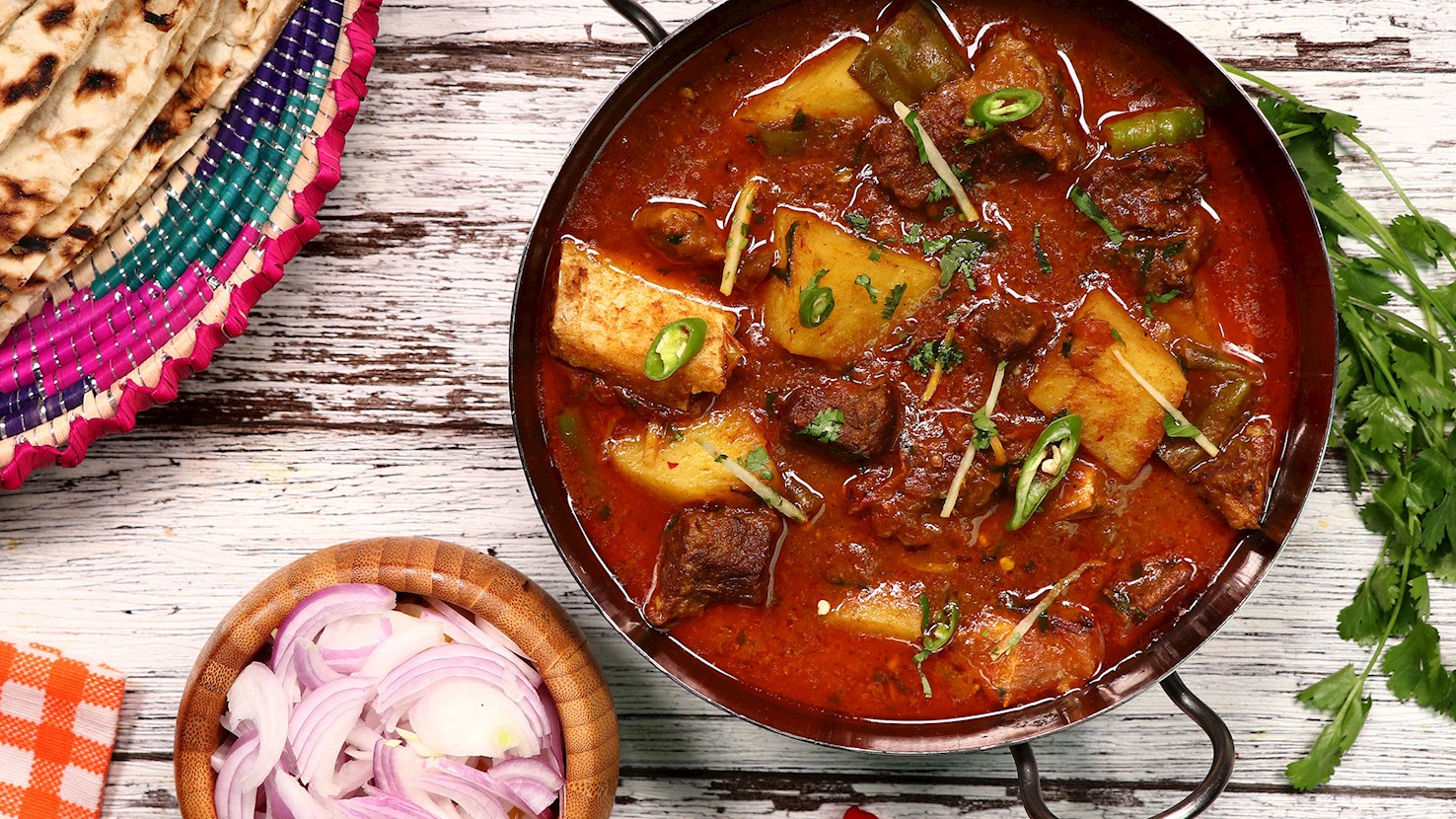
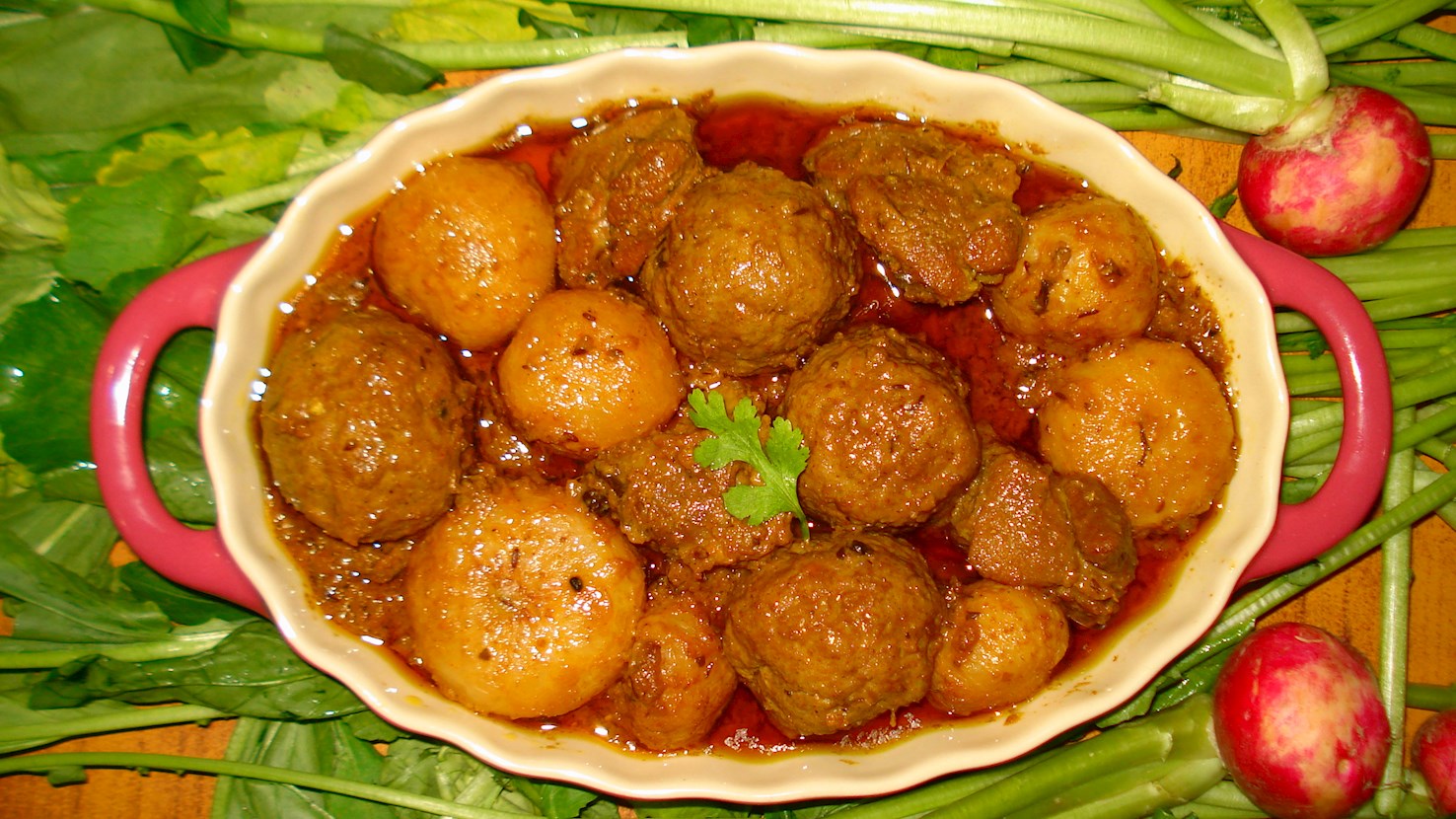
Aloo gosht, from the words aloo and gosht meaning potatoes and meat respectively, is a traditional stew based on meat and potatoes. Lamb, mutton, or beef are the usual types of meat used in the preparation of this rich curry, but chicken can also be used. The dish is made with chunks of meat and potatoes that are cooked long and slow with a mixture of garlic, ginger, tomatoes, onions, and various spices such as coriander, cinnamon, red chili powder, turmeric, and black pepper. The method of preparation results in tender meat and potatoes contained in a flavor-packed broth, which is typically finished off with a handful of freshly chopped coriander leaves. The dish is traditionally accompanied by roti, naan, or rice on the side. Aloo gosht can have a thick or soupy consistency, depending on personal preferences, and it can also contain yogurt, if wanted. This traditional curry is widely consumed throughout the Indian subcontinent, particularly in Pakistan, India, and Afghanistan.
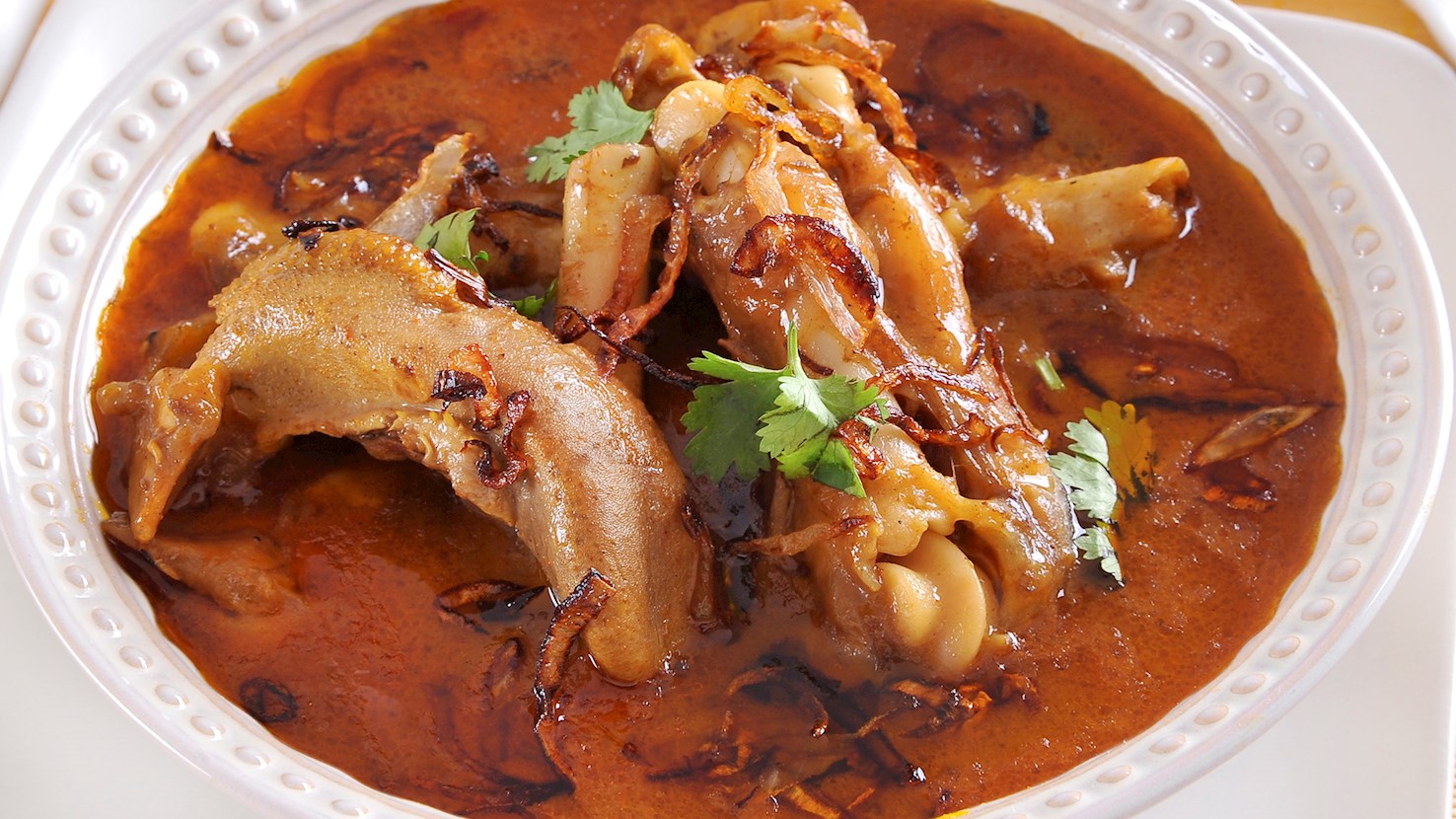
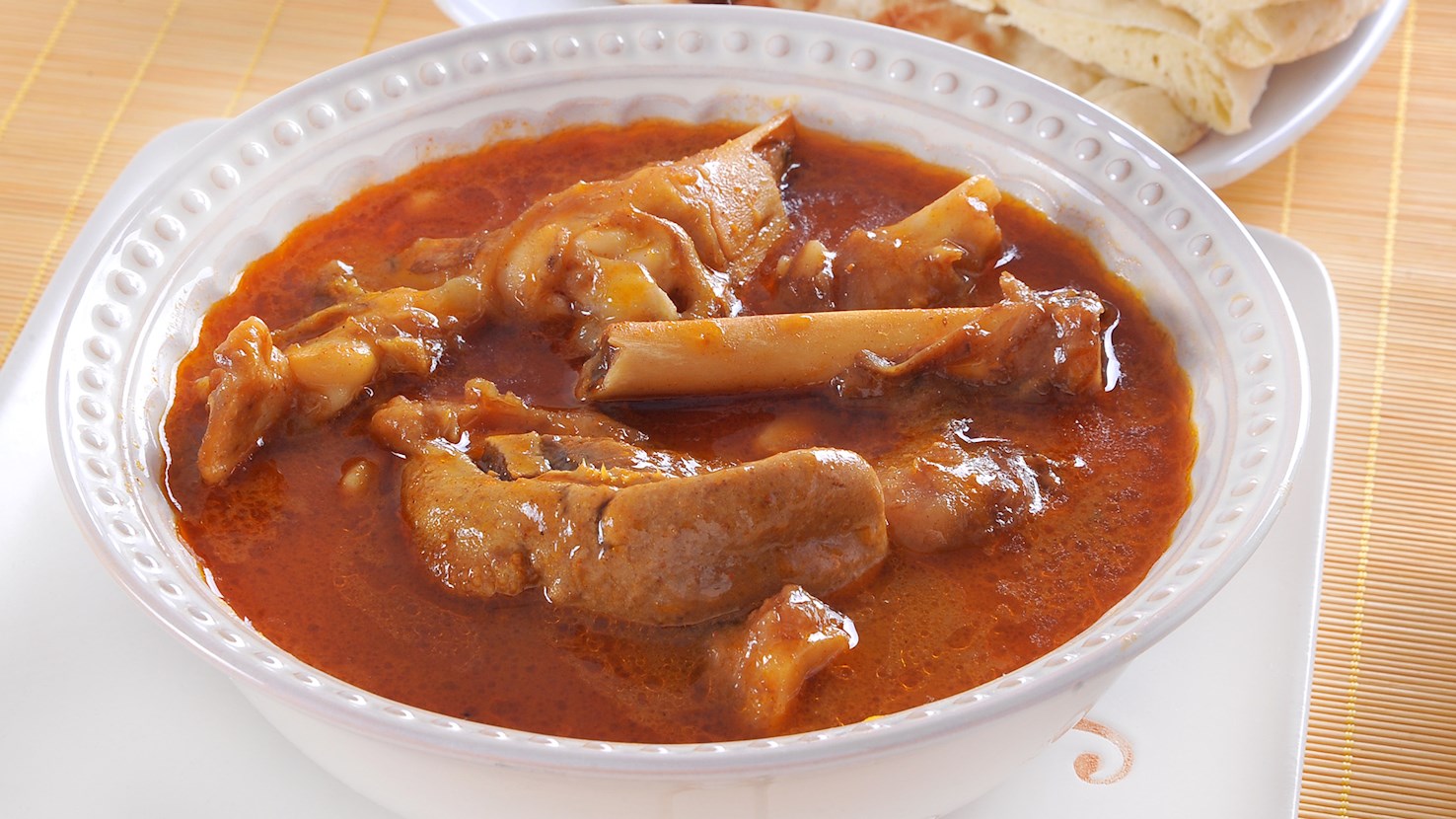
Siri paya is a traditional stew made with the head and feet of an animal (typically goat, cow, or lamb), called siri and paya in Urdu, respectively. The animal’s head and feet are first stir-fried with onions, ginger garlic paste, and spices such as turmeric powder, red chili powder, cumin seed powder, cinnamon, cloves, and cardamom. The dish is then flavored with a spicy yogurt mixture and garam masala powder, covered with water, and simmered until the meat is thoroughly cooked. This rich stew is typically topped with fresh green chilis, coriander leaves, and ginger. It is usually served hot with lemon wedges and naan or roti on the side. Siri paya is a typical breakfast meal in the country, and it is also traditionally prepared for Eid al-Adha.
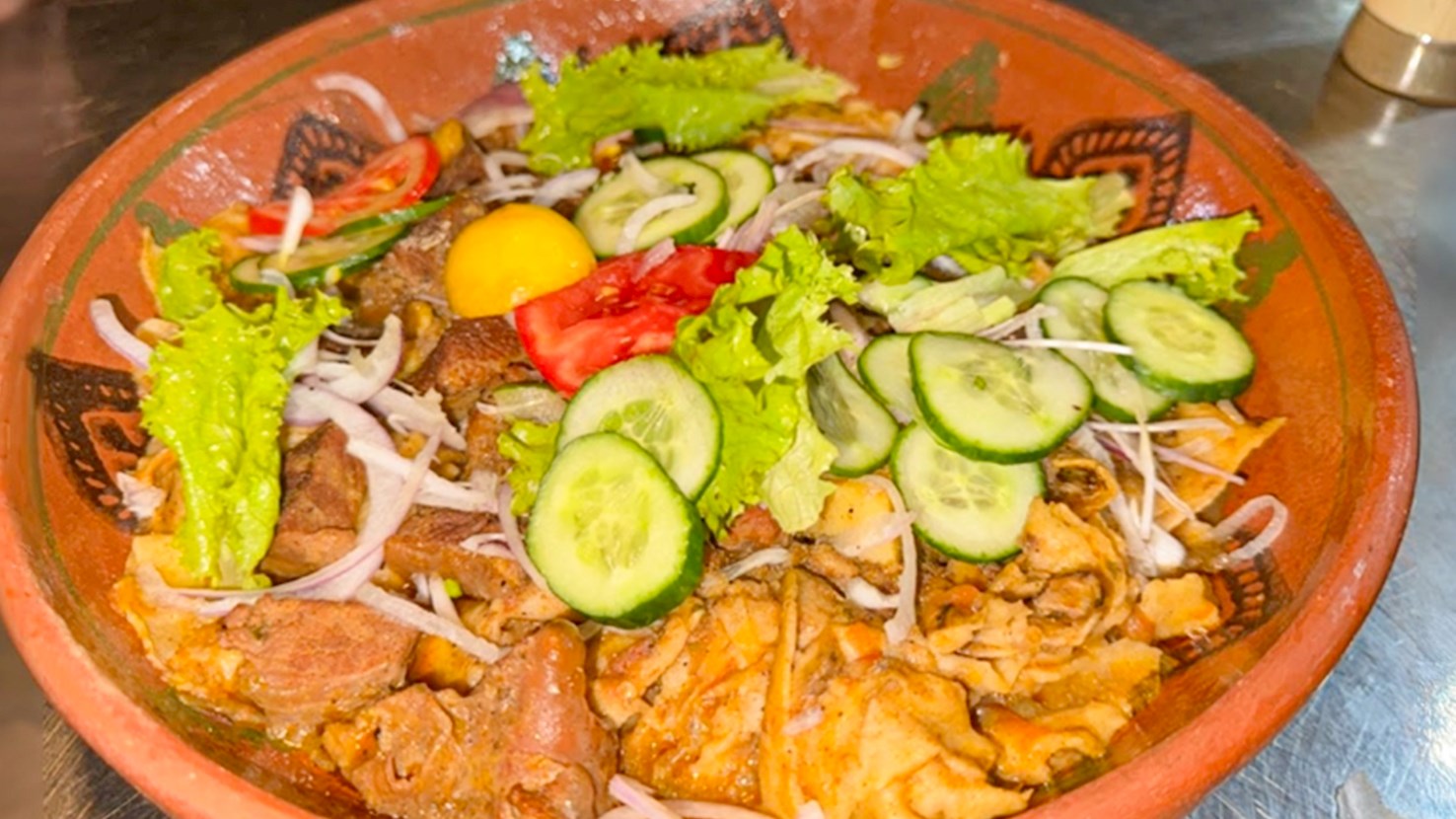
Sohbat is a traditional dish that is consumed in the provinces of Khyber Pakhtunkhwa and Punjab. The dish is made with pieces of meat, usually chicken, but sometimes also mutton or beef, which are cooked in a rich broth of fried onions, tomatoes, garlic, ginger, and spices before getting deep-fried. The hot, aromatic soup is then evenly distributed over bits of chapati flatbread, while the pieces of meat are usually placed on top of the torn, broth-drenched chapatis. The whole dish is served on a large serving platter locally known as thaal, because it is meant to be shared and eaten with the hands. The flatbread used in the dish is a local chapati variety known as maaney, which isn’t rolled and is traditionally baked on circular stone slabs. Sohbat is the Saraiki name of the dish, while its Pashtun name is painda, meaning a group of people sitting together, referring to the practice of communal sharing of the dish. Fresh salads, raitas, chutneys, and a cup of green tea are typical accompaniments to this specialty. Sohbat or painda is usually prepared for special occasions and family gatherings.
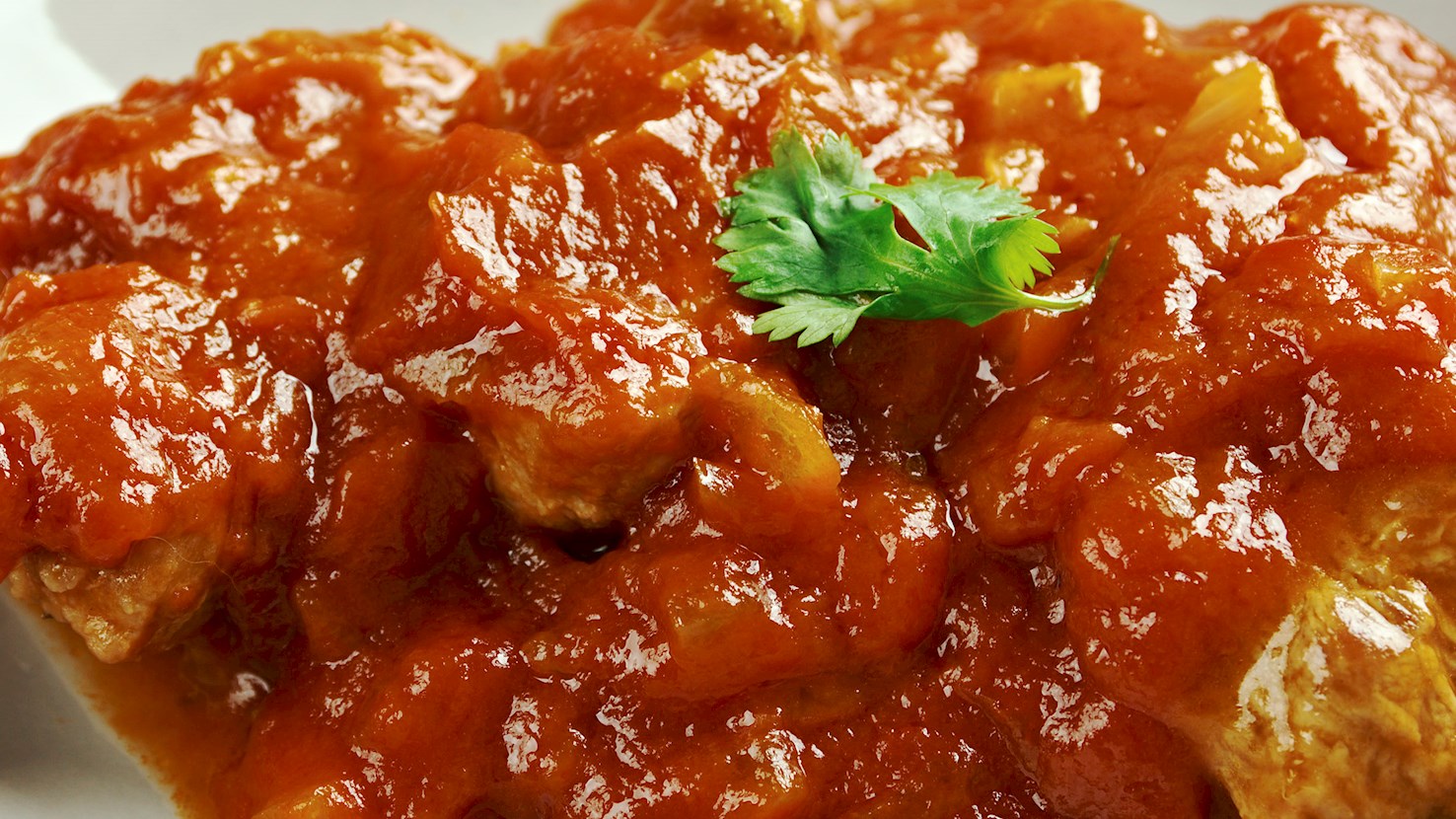
Pasanda is a mild curry dish with several variations, the most popular one consisting of yogurt-marinated lamb, vegetables such as onions and tomatoes, and spices such as coriander, ginger, and turmeric. The word pasanda means favorite in Hindi, referring to the high-quality cut of lamb used in the dish. However, pasanda might also be prepared with goat or chicken. Originally, the dish was first prepared and served in the Imperial court of Shahjahan, in the days of the Moghul Empire. As time went by, the descendants of royal cooks started serving the dish in Chandani Chowk, the famous shopping district in Old Delhi, and the dish gained much more popularity. Today, pasanda ranks as one of the best curries in the country.
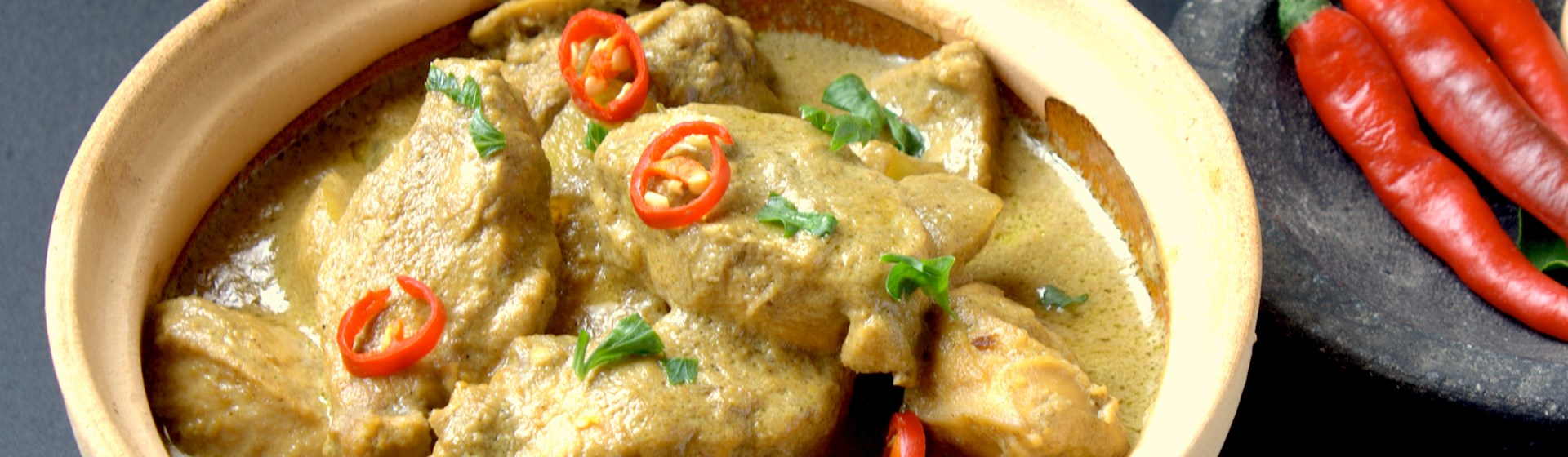
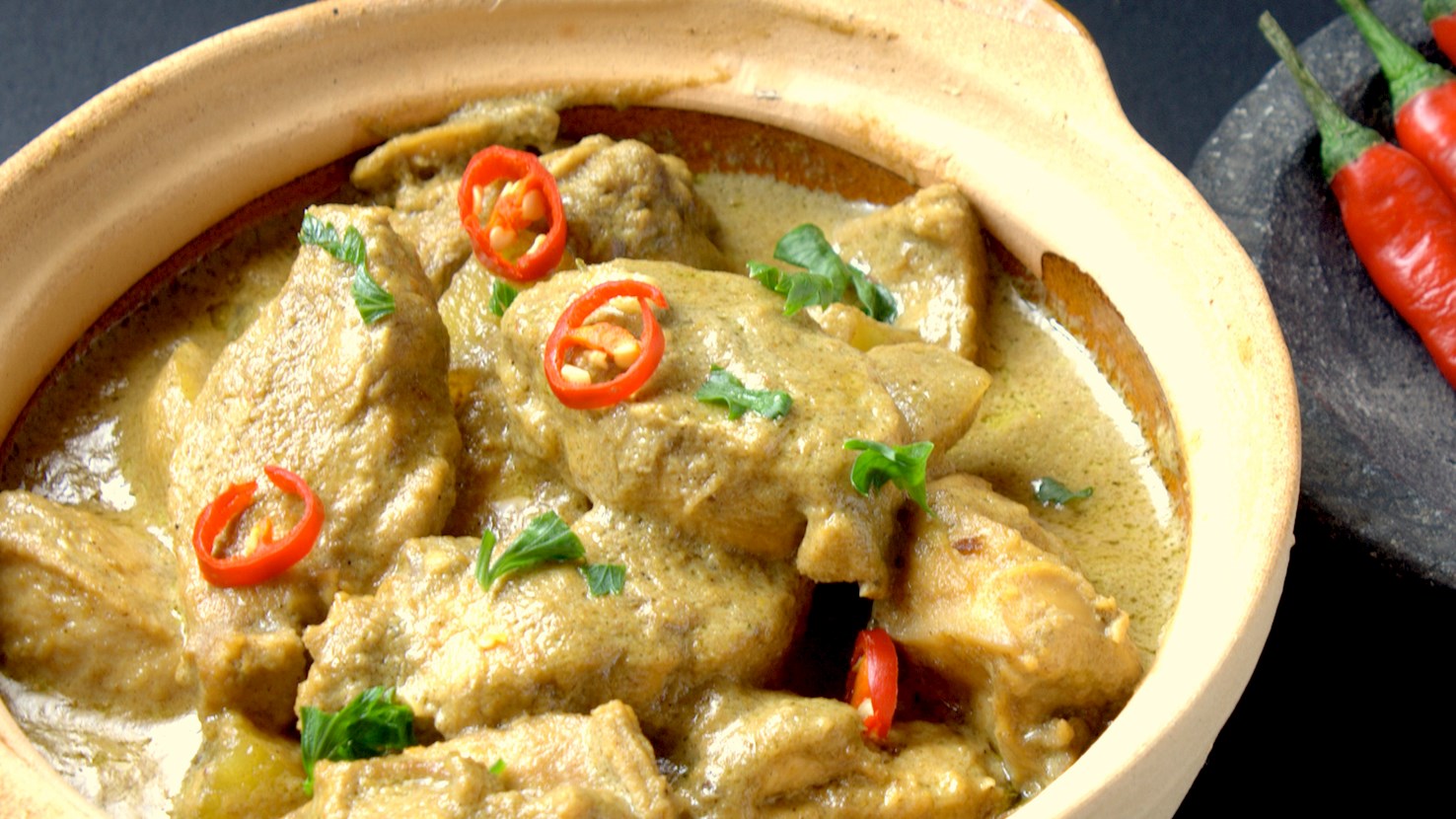
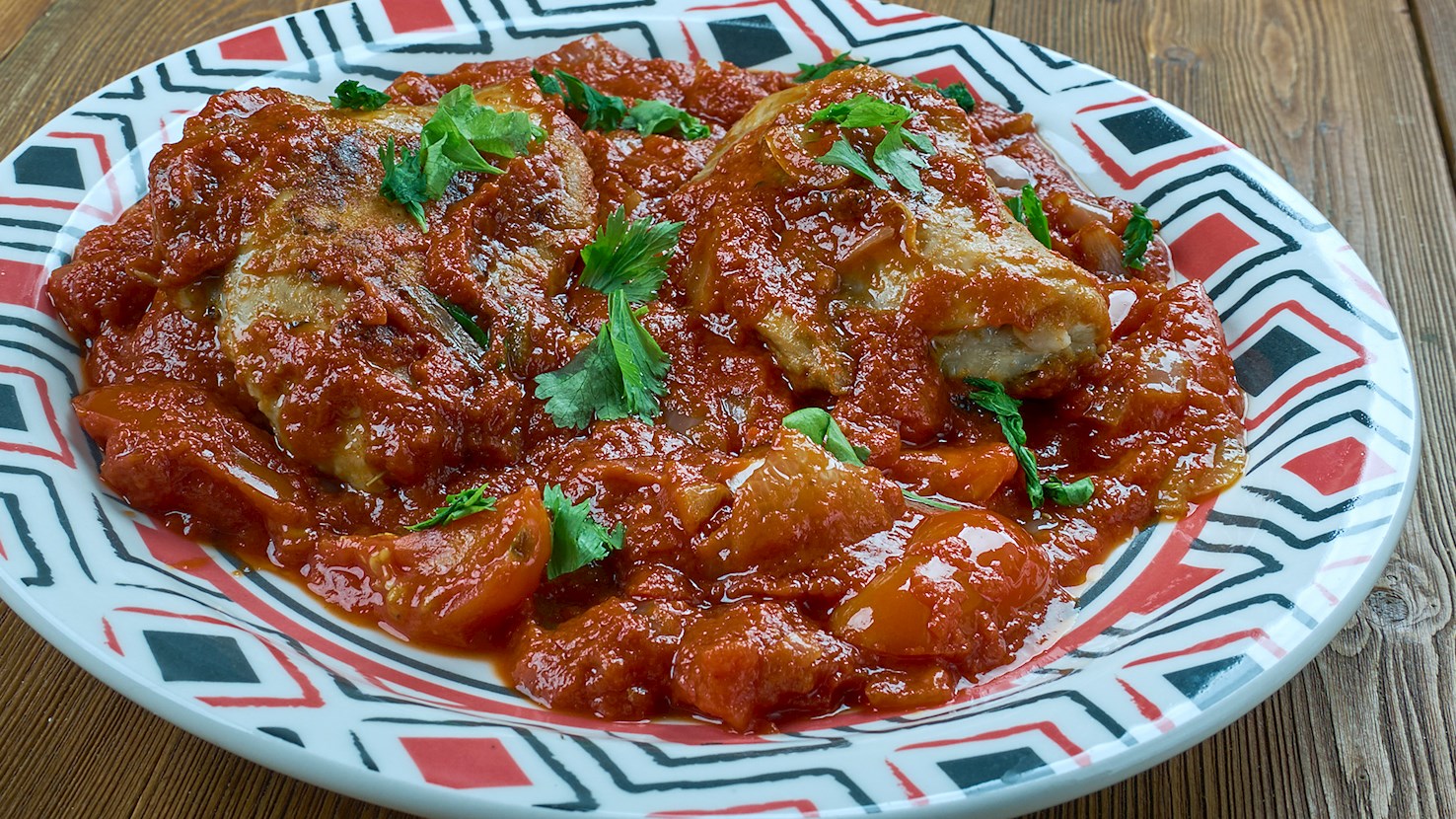
Chicken lahori is a traditional chicken curry hailing from the city of Lahore. It is typically made with chicken pieces that are stir-fried with a variety of spices, plain yogurt, onions, garlic, ginger, and tomatoes, and then simmered with water or chicken stock until the meat is fully cooked. Typical spices include turmeric powder, coriander, hot green chilis, black peppercorns, red chili powder, cinnamon, cardamom, cumin, and garam masala powder. This flavor-packed curry can be enriched with potatoes for added consistency and a more filling meal. Chicken lahori is usually topped with fresh cilantro leaves and accompanied by rice or naan on the side. This spicy chicken curry is a common Pakistani street food item and a staple in Lahori households.
Shab daig, from the words shab, meaning night, and daig, which is a large cooking pot or cauldron, is a traditional winter specialty hailing from the Kashmir region. The name of this dish is derived from the traditional technique of slowly cooking it overnight in a dough-sealed cooking vessel over a firewood-lit hearth. Such an elaborate method of preparation would inevitably result in a uniquely aromatic and flavor-packed delicacy, which was usually eaten with rice the following day. It was traditionally made with sautéed pieces of a big, fatty rooster and turnips, which were then cooked together in a rich broth flavored with spices such as garlic, ginger, fennel seeds, saffron, cardamom, Kashmiri garam masala, and cinnamon. Lamb, beef, mutton, or chicken could also be used instead of a rooster. Back in the days, most people in the Kashmir region raised poultry and crops or even spices; thus all ingredients needed for the dish were often readily available. Since this dish was typically reserved for the coldest of winter, when heavy snow used to cut off Kashmiri residents from the rest of the country, eating and sharing this hearty meal with family members and close neighbors was an incomparable experience. Nowadays, shab daig often consists of meatballs, chunks of meat, and turnips, and it is usually accompanied by flatbreads or steamed rice.
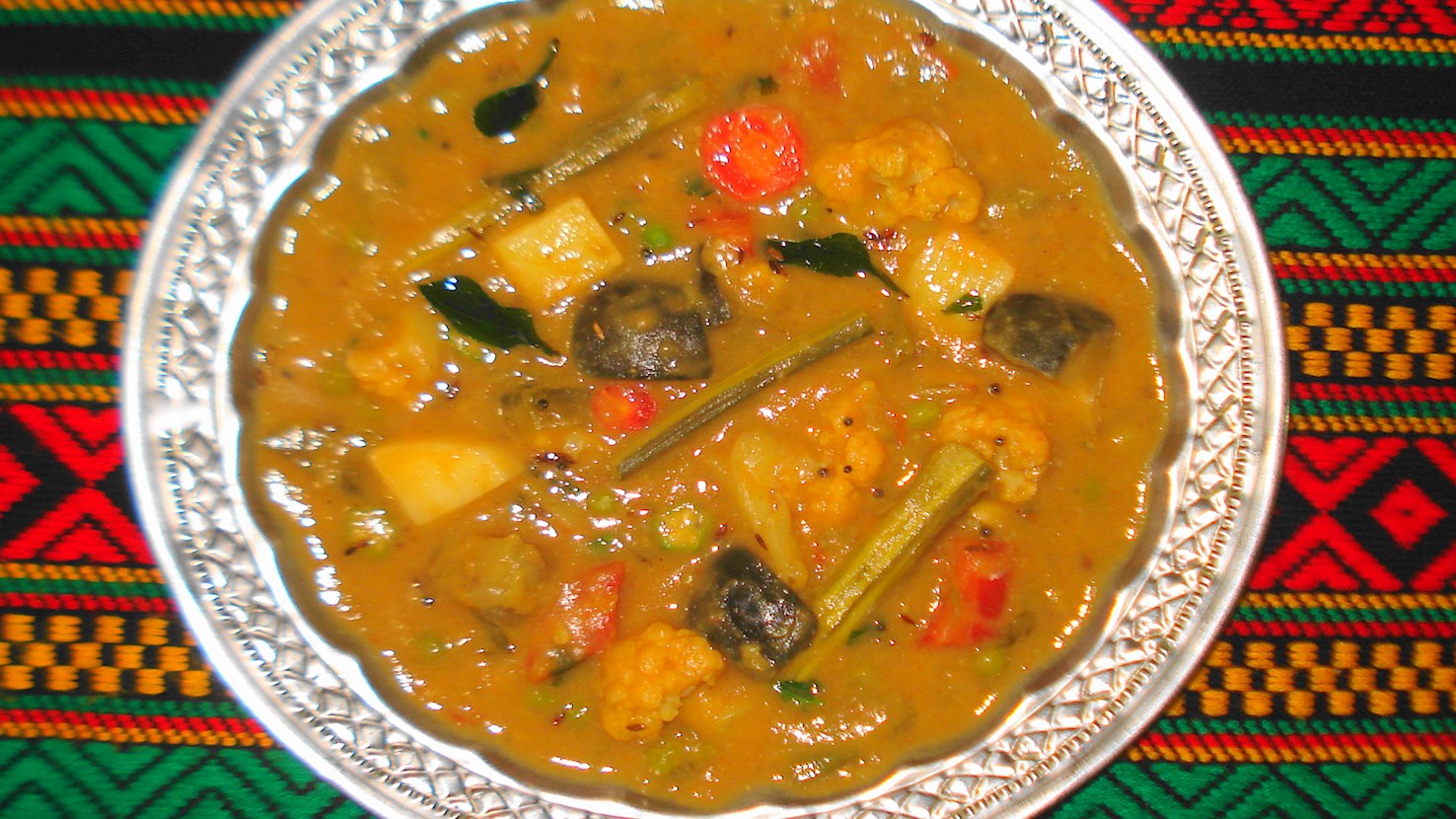
Though it is native to the cuisine of the Sindhi people from Sindh, Pakistan, due to migration, Sindhi kadhi is commonly found throughout India. Unlike other kadhi varieties, next to the common elements of besan (gram flour), different vegetables, and a variety of spices such as mustard and coriander seeds, chilis, ginger, and turmeric, this Sindhi staple adds tomatoes and tamarind water to the base of the dish. The choice of vegetables depends on the taste, preference, and availability, but often includes potatoes, okra, carrots, or green beans. This flavor-packed tomato curry is typically accompanied by rice and served garnished with fresh coriander.
TasteAtlas food rankings are based on the ratings of the TasteAtlas audience, with a series of mechanisms that recognize real users and that ignore bot,
nationalist or local patriotic ratings, and give additional value to the ratings of users that the system recognizes as knowledgeable.
For the “Top 12 Pakistani Stews” list until May 15, 2026, 640 ratings were recorded, of which 499 were recognized by the system as legitimate.
TasteAtlas Rankings should not be seen as the final global conclusion about food. Their purpose is to promote excellent local foods,
instill pride in traditional dishes, and arouse curiosity about dishes you haven’t tried.