



shutterstock

Top 21 Portuguese Stews

Last updated on November 15, 2026
01

Cataplana

4.1 ·

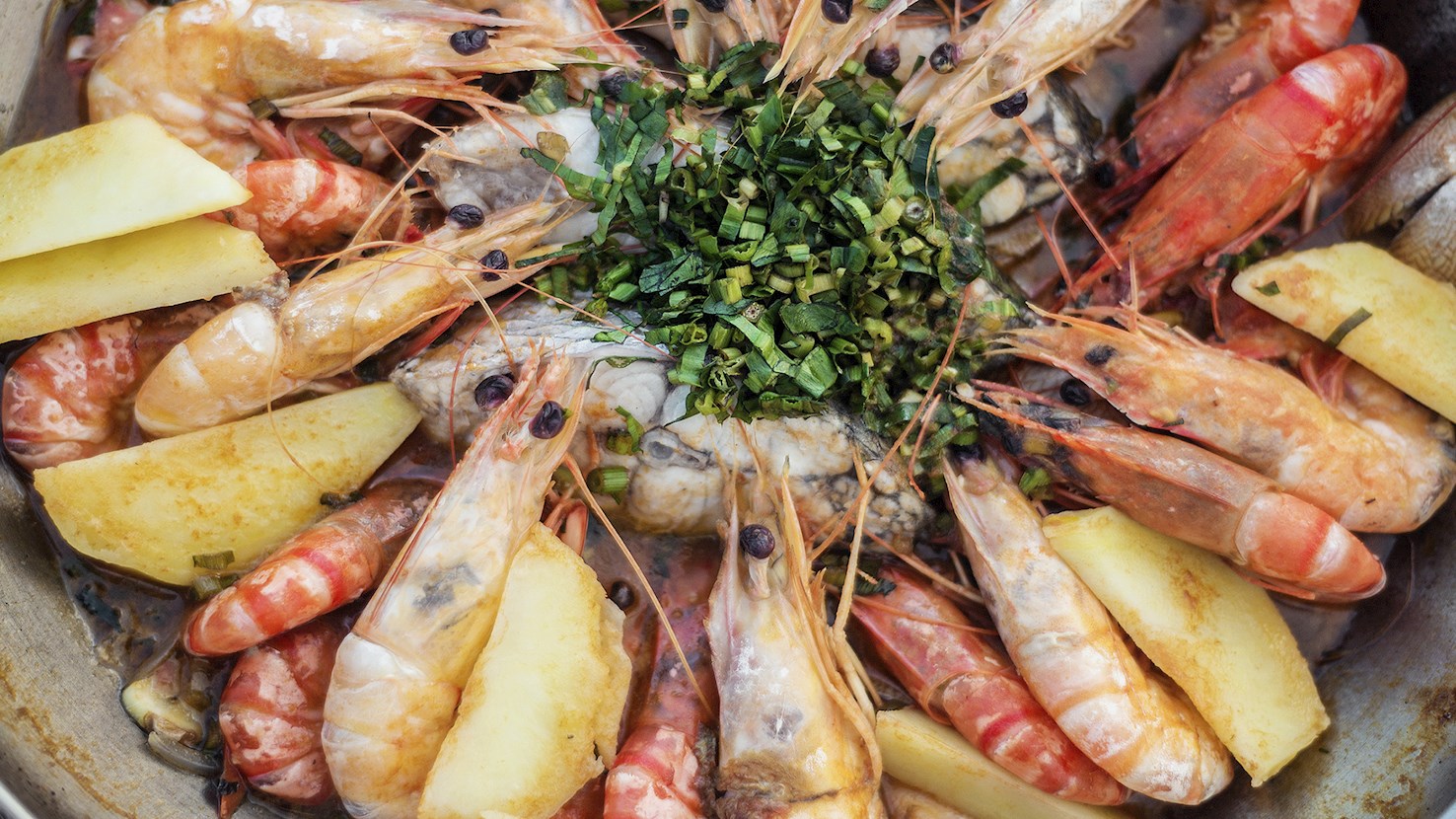
Sharing the same name as the frying pan in which they are prepared, cataplana refers to an extensive group of Portuguese dishes that can be prepared with various ingredients such as meat, seafood, rice, or pasta. The pan, as well as the savory dishes, are traditionally associated with Faro, and it is said that every city in the region has its favorite ingredient for the dish. Originally invented by fishermen, cataplana dishes are today found throughout Portugal. The most famous version of the dish is cataplana de marisco, prepared with a variety of seafood.

02

Chanfana

4.1 ·

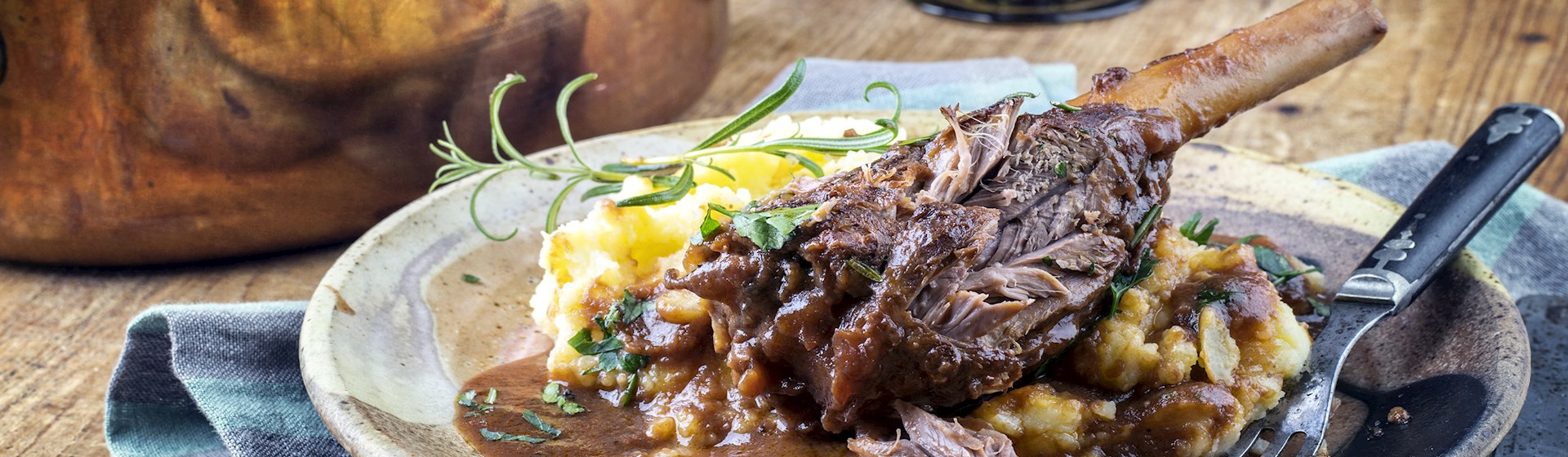
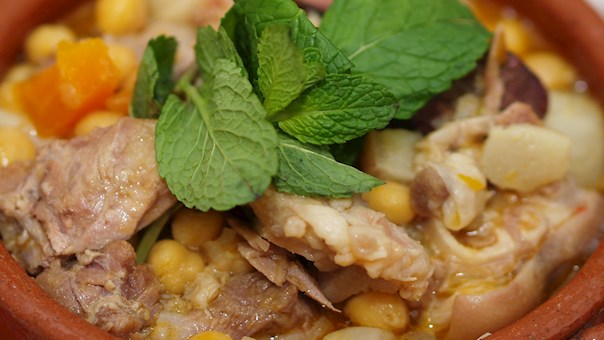
Chanfana is a hearty goat (or lamb) stew that is assembled and baked in clay pots. The meat is generously seasoned with paprika, garlic, bay leaves, and piri-piri. The combination is then doused in copious amounts of red wine. Chanfana is cooked for hours until the meat is tender and the sauce thickens. There are several different theories about the origin of chanfana, but they remain mostly unconfirmed. The most common version claims that the dish appeared during the French invasion of Portugal at the beginning of the 19th century. It most likely originated in central Portugal (Beira), but is now mostly assoicated with Coimbra. The dish was certainly created out of necessity, with ingredients once considered essential to every Portuguese household. To this day, two Portuguese cities - Miranda do Corvo and Vila Nova de Poiares - continue their dispute over the true birthplace of chanfana. Regardless of these differing opinions, this rich stew is enjoyed throughout Portugal and is typically accompanied by boiled potatoes.

Best restaurants
03

Rojões

4.1 ·

This rustic Portuguese pork stew is typically associated with northern parts of the country. The dish comes in numerous versions that usually consist of fattier cuts of boneless pork which are marinated in white wine, garlic, bay leaves, and cumin. The cuts are then slowly simmered in that same marinade. Rojões has modest origins, but over time, it became a Portuguese classic, equally beloved in all parts of the country. The dish is traditionally paired with rice, potatoes, or country-style bread. The most popular variety of the dish is Minho-style rojões, a version that often includes roasted chestnuts, blood, flour cakes called belouras or bolachos, tripe, pork’s liver, and boiled blood.

04

Feijoada à portuguesa

3.9 ·

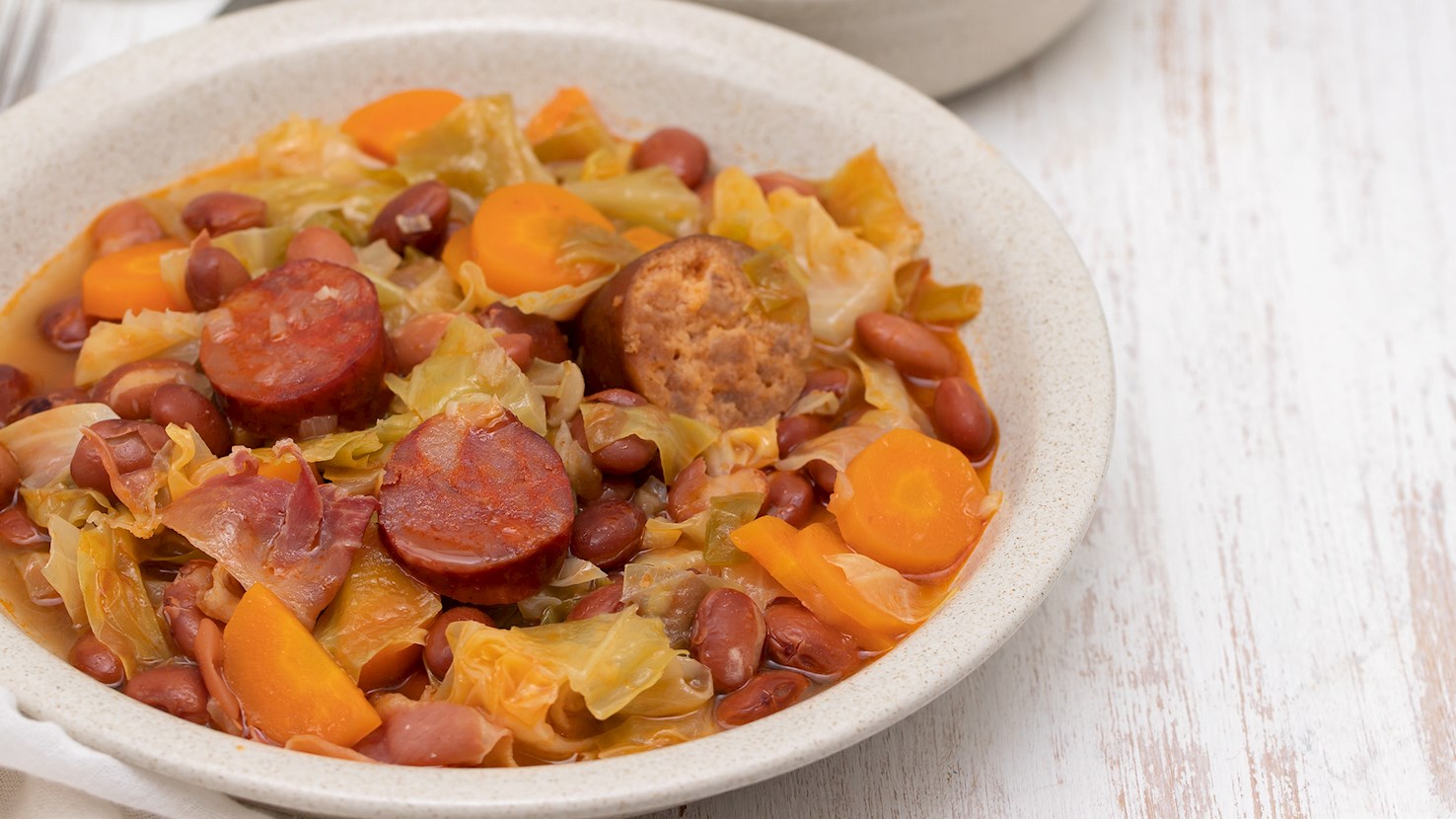
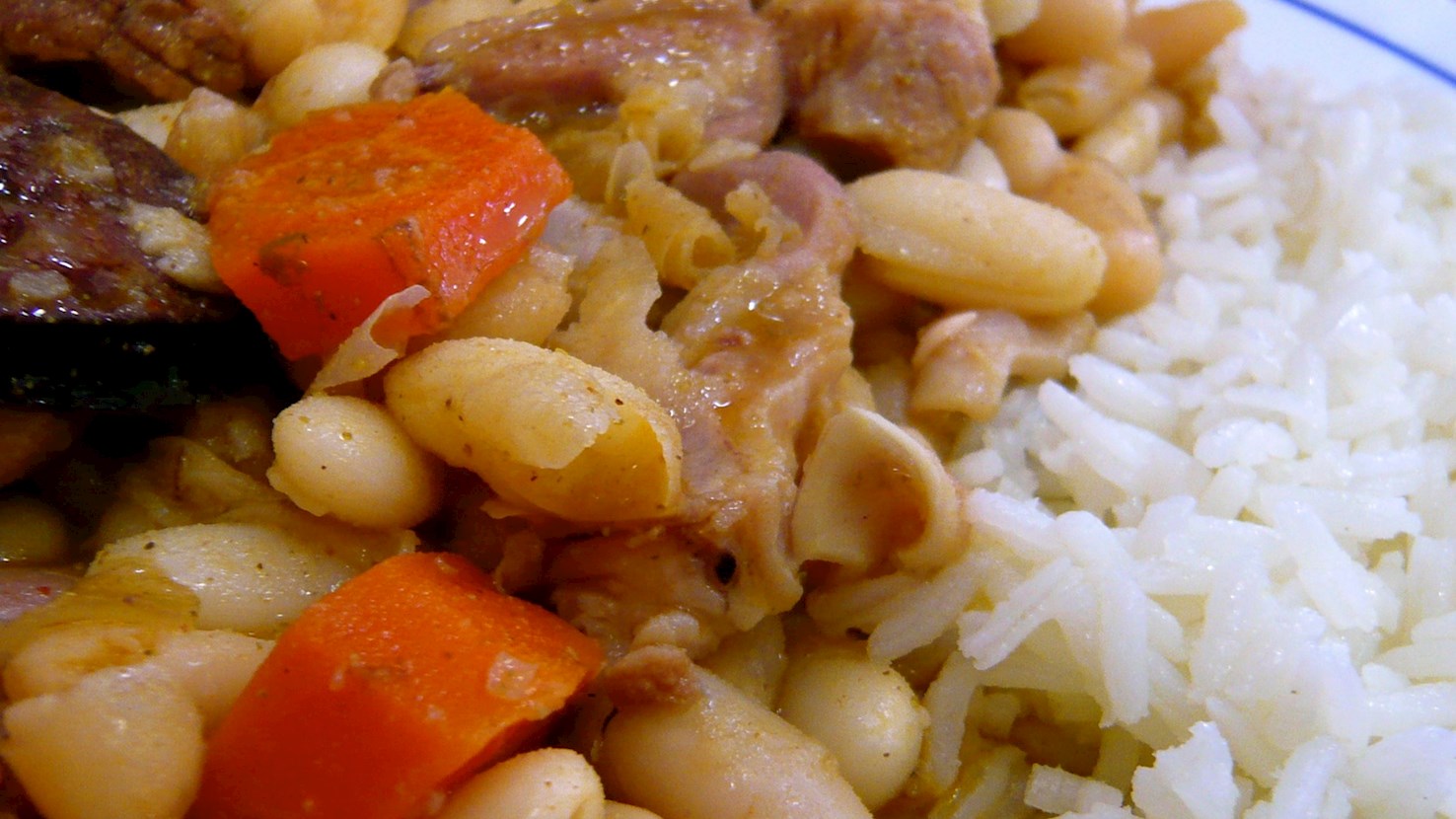
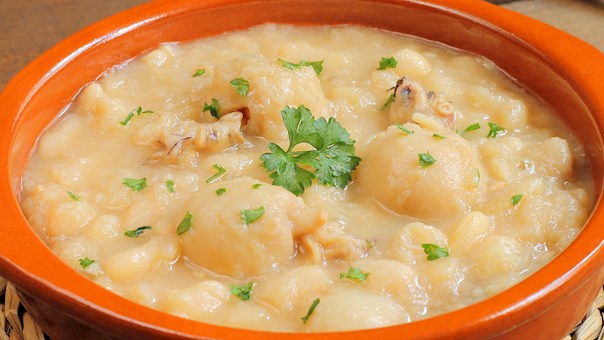
Feijoada is a hearty bean stew that appears in several local and international varieties. Although it is often assumed that feijoada originated in Brazil, where it is considered a national dish, it was primarily made in Portugal before it was introduced to Brazil. The Portuguese version is believed to have originated in the north of Portugal, but today it appears in several versions throughout the country. It is usually made with red kidney or white beans, while the additions usually include pork, blood sausage (morcela), farinheira sausage, or chouriço. Some variations also include vegetables. Similar versions of feijoada are found in most Portuguese colonies, including Brazil, Macau, Angola, Mozambique.

Best restaurants
05

Cozido

3.8 ·

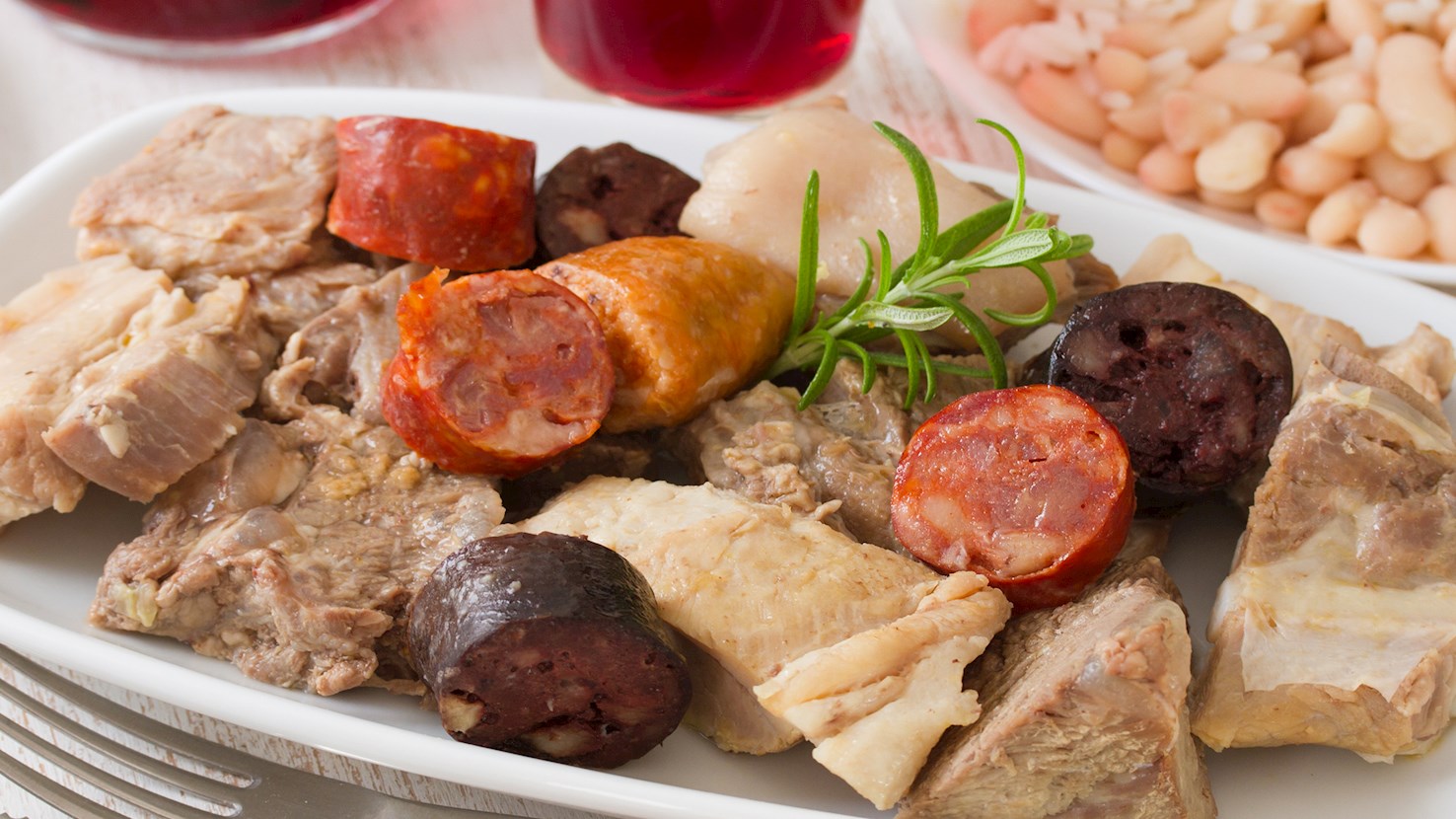
Cozido is a classic Portuguese stew made with various types and cuts of meat and different vegetables. It appears in numerous frugal and sophisticated variations throughout the country and can also incorporate smoked meat and spicy smoked or blood sausages. This comforting winter meal is believed to have originated as a simple farmer’s dish which soon became a restaurant staple and a part of Portuguese national cuisine. Traditionally, the cooked ingredients are served on a platter accompanied by rice and beans, while the flavorful broth is usually enjoyed as an appetizer. On the Azorean island of Sao Miguel, the dish is prepared by placing the cooking vessel in the ground in the close vicinity of hot springs, allowing the heat to slowly cook the stew.

06

Caldeirada

3.8 ·

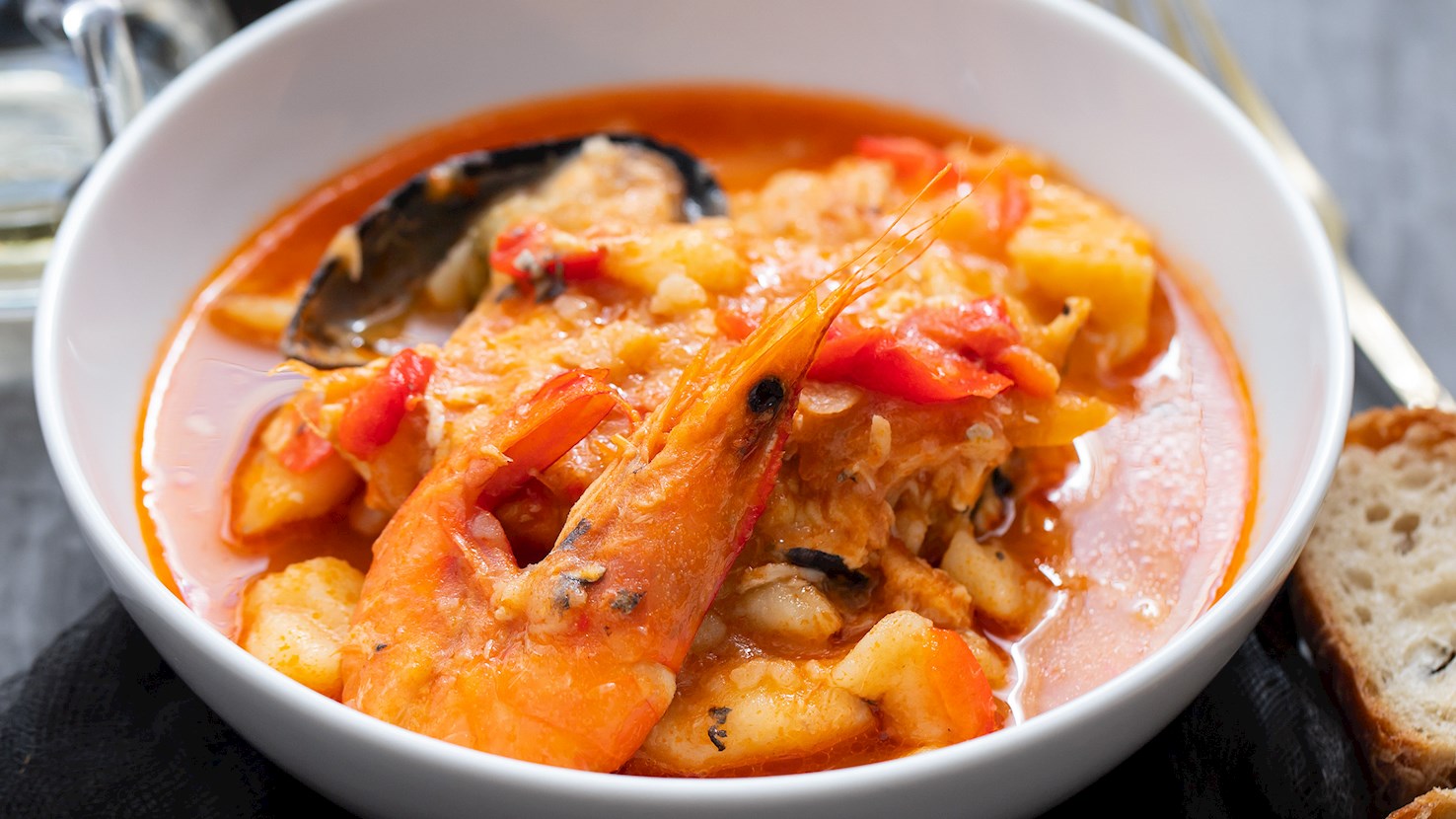
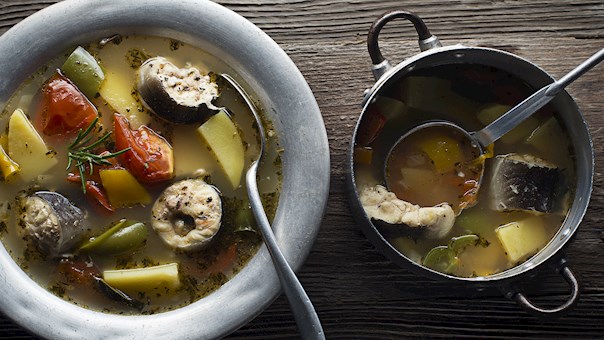
The Portuguese caldeirada is a traditional and versatile seafood stew that originated as a humble fisherman’s dish. It consists of various types of fish (which should always differ in taste and texture), numerous shellfish varieties, and, occasionally, squids and octopus. The ingredients are usually incorporated into a rich base of onions, white wine, olive oil, and tomatoes, and all of the ingredients are then generously seasoned with a variety of fresh herbs and spices such as saffron and nutmeg. Today, the dish is celebrated as a national specialty that is often served complemented with slices of crispy toasted bread.

07

Arroz de tamboril

3.8 ·

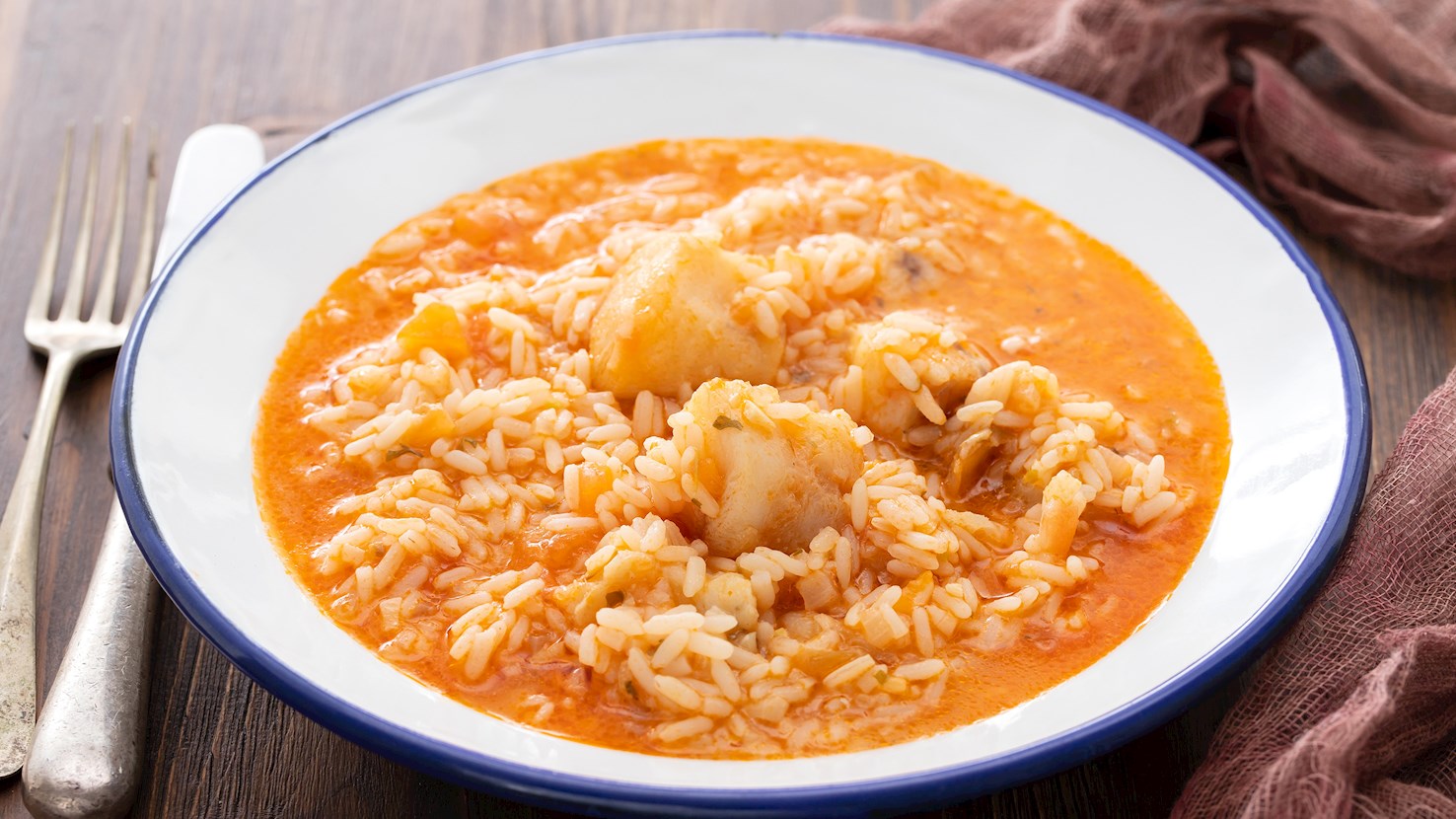
Arroz de tamboril is a traditional dish prepared with rice and monkfish as the main ingredients. This stew also contains bell peppers, onions, garlic, tomatoes, white wine, fish stock, olive oil. It's usually flavored with fresh herbs such as bay leaves and chopped parsley. Once done, arroz de tamboril is served while still hot. This dish is sometimes enriched with the addition of shrimps, if desired.

08

Moelas (Portuguese chicken gizzards)

3.7 ·

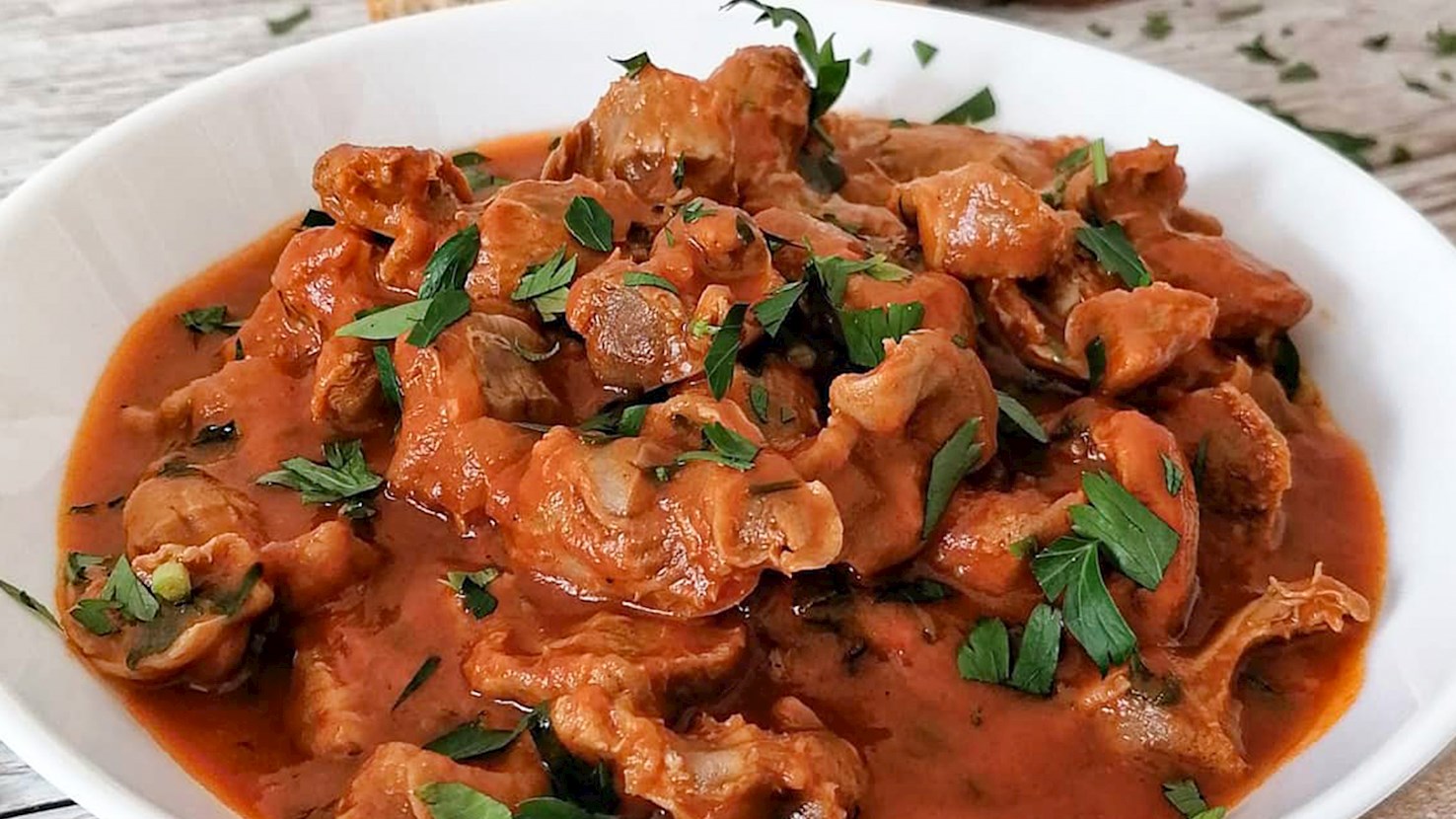
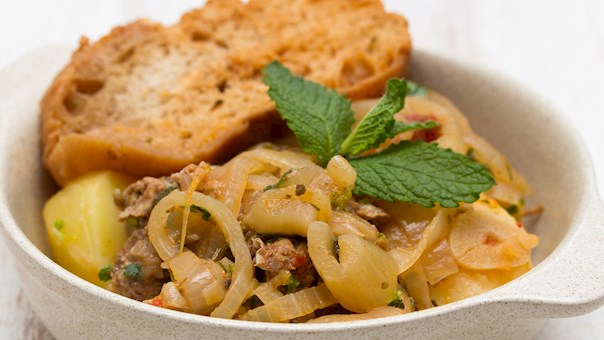
Moelas are a traditional Portuguese dish made from chicken gizzards, slow-cooked in a savory sauce of tomatoes, onions, garlic, white wine, and spices. The gizzards are first sautéed with onions and garlic, then simmered in the tomato and wine sauce until tender. This process allows the gizzards to absorb the rich flavors, resulting in a dish that is both tender and slightly chewy. Hot chili peppers, typically piri-piri, and chouriço, a Portuguese pork sausage spiced with paprika, can also be included, depending on the recipe. Moelas are typically served either as an appetizer or a stew, in which case they are sprinkled with parsley before serving. Regarding sides, moelas are usually paired with toasted papo seco (Portuguese bread rolls), rice, or potatoes.

09

Arroz de lampreia

3.7 ·

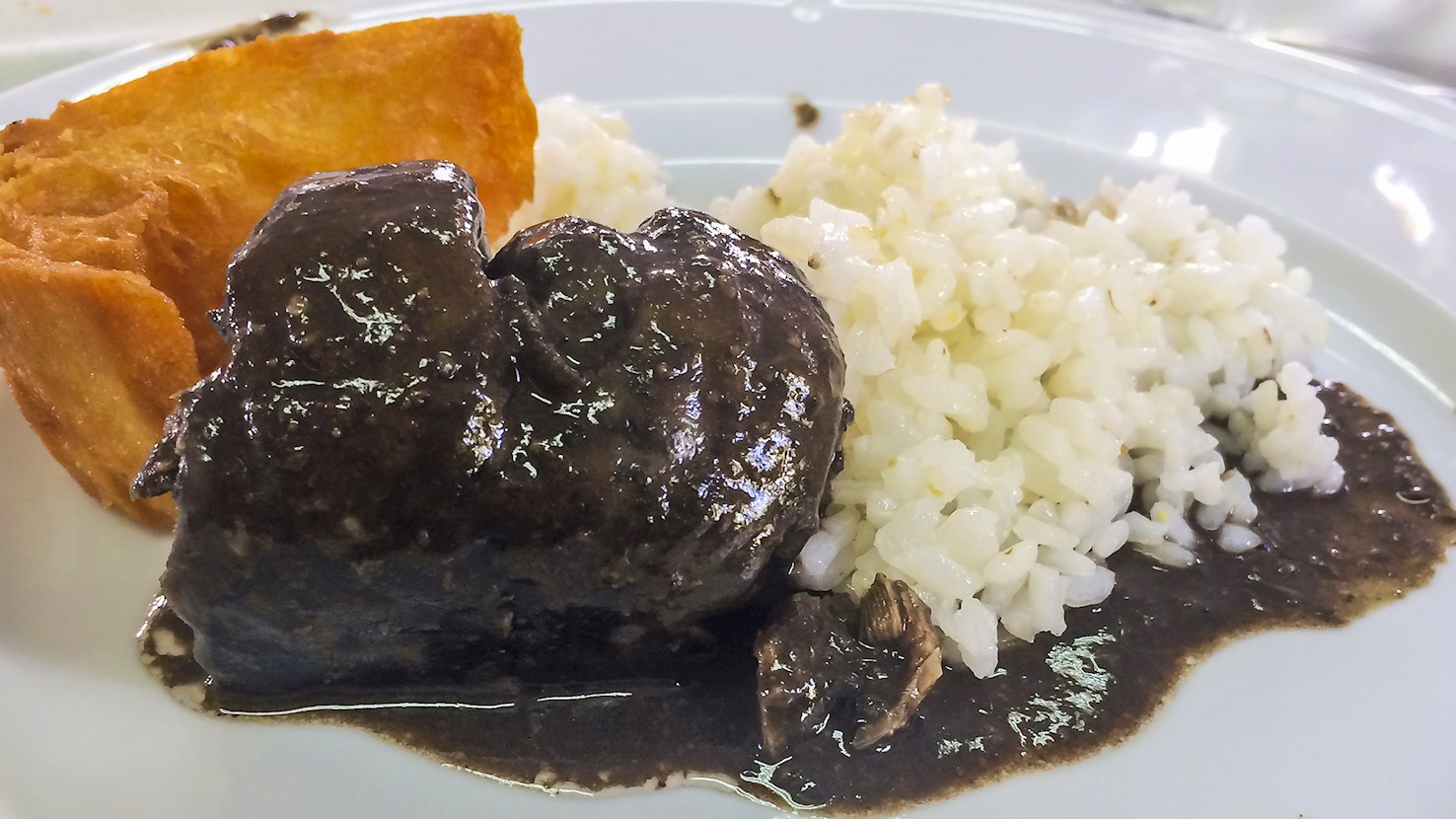
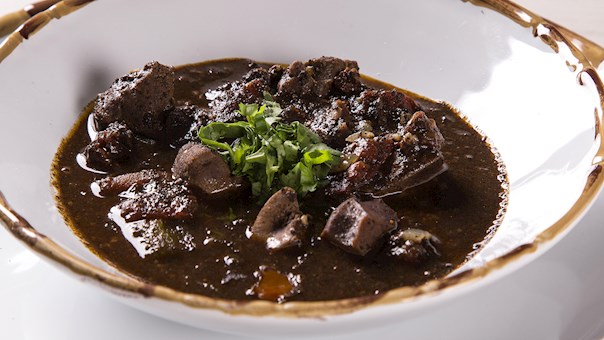
The star ingredient in this classic Portuguese stew is lamprey fish. The dish consists of sautéed onions, olive oil, wine, smoked sausage, rice, and lamprey, which is cut into smaller pieces and then marinated in a combination of vinegar, wine, various herbs, and its blood. All the ingredients are combined and cooked until the stew thickens and develops its typical dark brown color. The dish is mainly associated with the northern parts of the country, and it is traditionally prepared between January and April when lampreys are in season.

10

Tripas à moda do Porto

3.6 ·

This traditional tripe stew is a signature dish of Porto, a city whose citizens are even nicknamed tripeiros because of their love for tripe. The dish typically consists of veal tripe, white beans, smoked ham and pork sausage, pork or calf knuckles, carrots, onions, various spices such as paprika and cumin, and different cuts of pork and chicken. Though numerous legends describe the invention of the dish, the most popular one claims that when Henry the Navigator went to conquer Ceuta, the locals supplied him with all the meat except tripe, which they then used to create this rustic stew. From the 15th century, the dish evolved into an iconic dish that is a staple in traditional restaurants in Porto. It is best enjoyed with cooked rice on the side.

About this Ranking

TasteAtlas food rankings are based on the ratings of the TasteAtlas audience, with a series of mechanisms that recognize real users and that ignore bot, nationalist or local patriotic ratings, and give additional value to the ratings of users that the system recognizes as knowledgeable. For the “Top 21 Portuguese Stews” list until November 15, 2026, 1,266 ratings were recorded, of which 886 were recognized by the system as legitimate.

TasteAtlas Rankings should not be seen as the final global conclusion about food. Their purpose is to promote excellent local foods, instill pride in traditional dishes, and arouse curiosity about dishes you haven’t tried.

What People Say

Similar Lists