


shutterstock

Top 11 British Stews

Last updated on October 15, 2026
01

Chicken Tikka Masala

4.3 ·

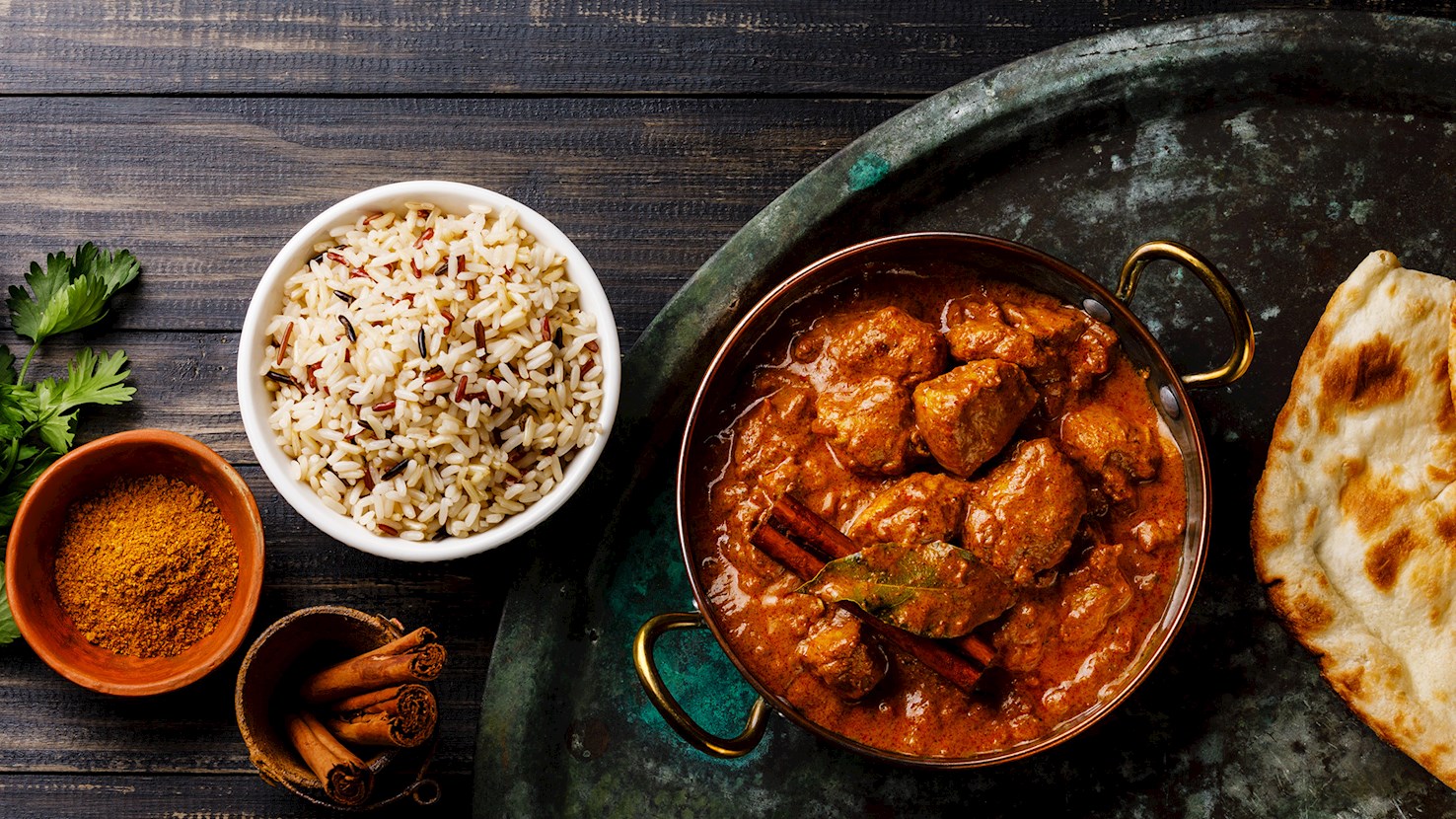
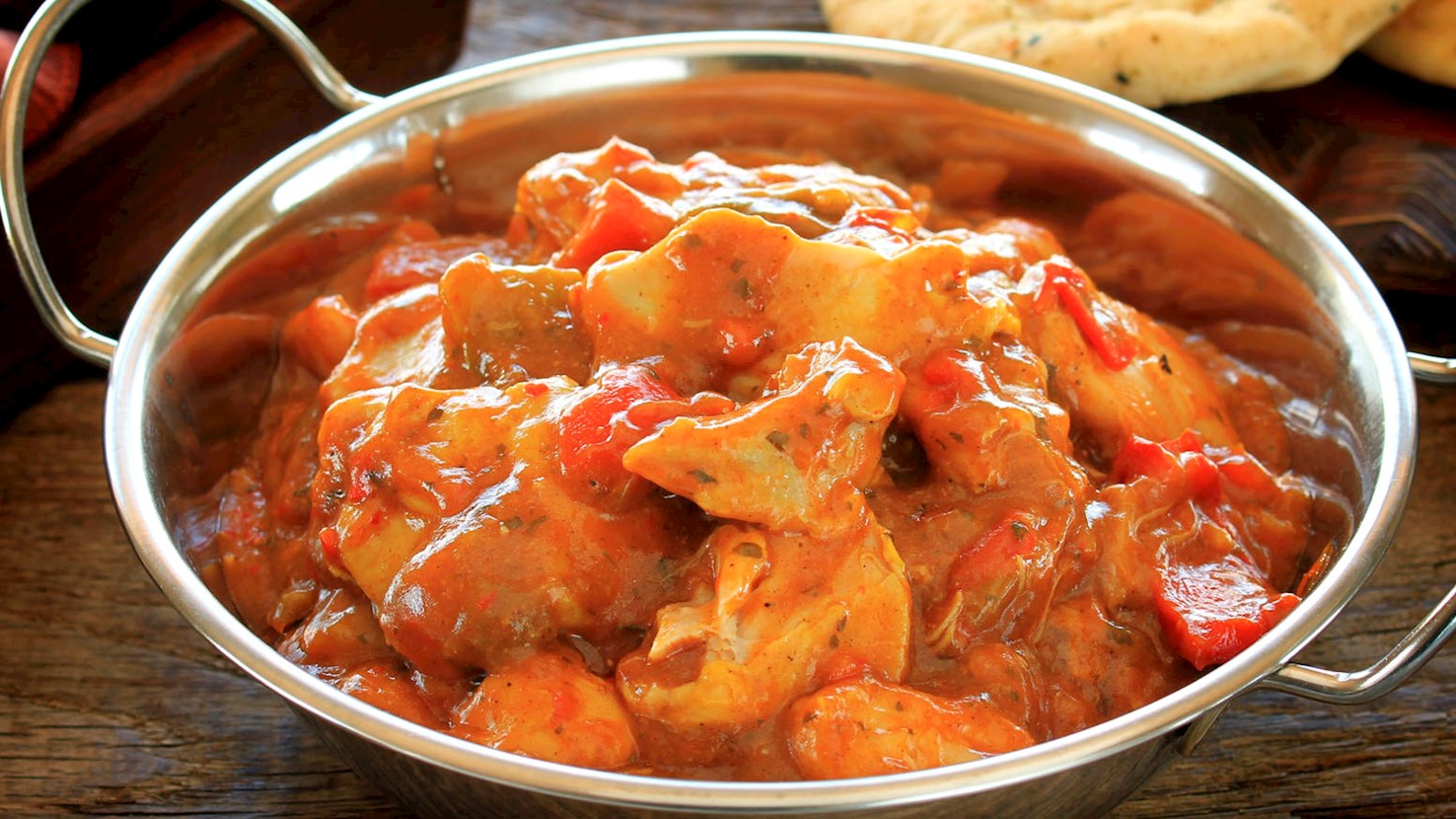
Chicken tikka masala is a British dish influeneced by Indian cuisine, consisting of marinated, tandoor-cooked chicken pieces that are served in a spiced tomato-cream sauce. The origins are still debated – some claim that it was invented in Glasgow in the 1970s by a Pakistani chef Ali Ahmed Aslam who added his tomato-cream soup into chicken tikka in order to please a customer, and others claim that the dish is simply a variation on Indian butter chicken or chicken tikka that's adapted to suit the British tastes. Nowadays, chicken tikka masala is even considered the country's national dish, and Foreign Secretary Robin Cook proclaimed chicken tikka masala a symbol of modern multicultural Britain in 2001.

02

Irish Stew

3.9 ·

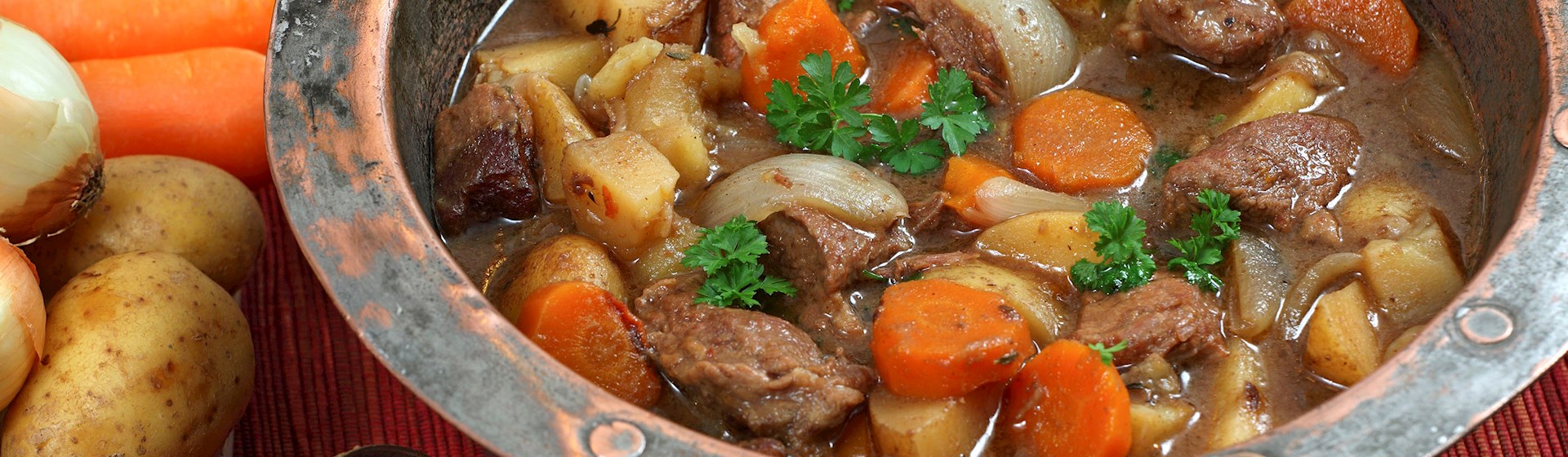
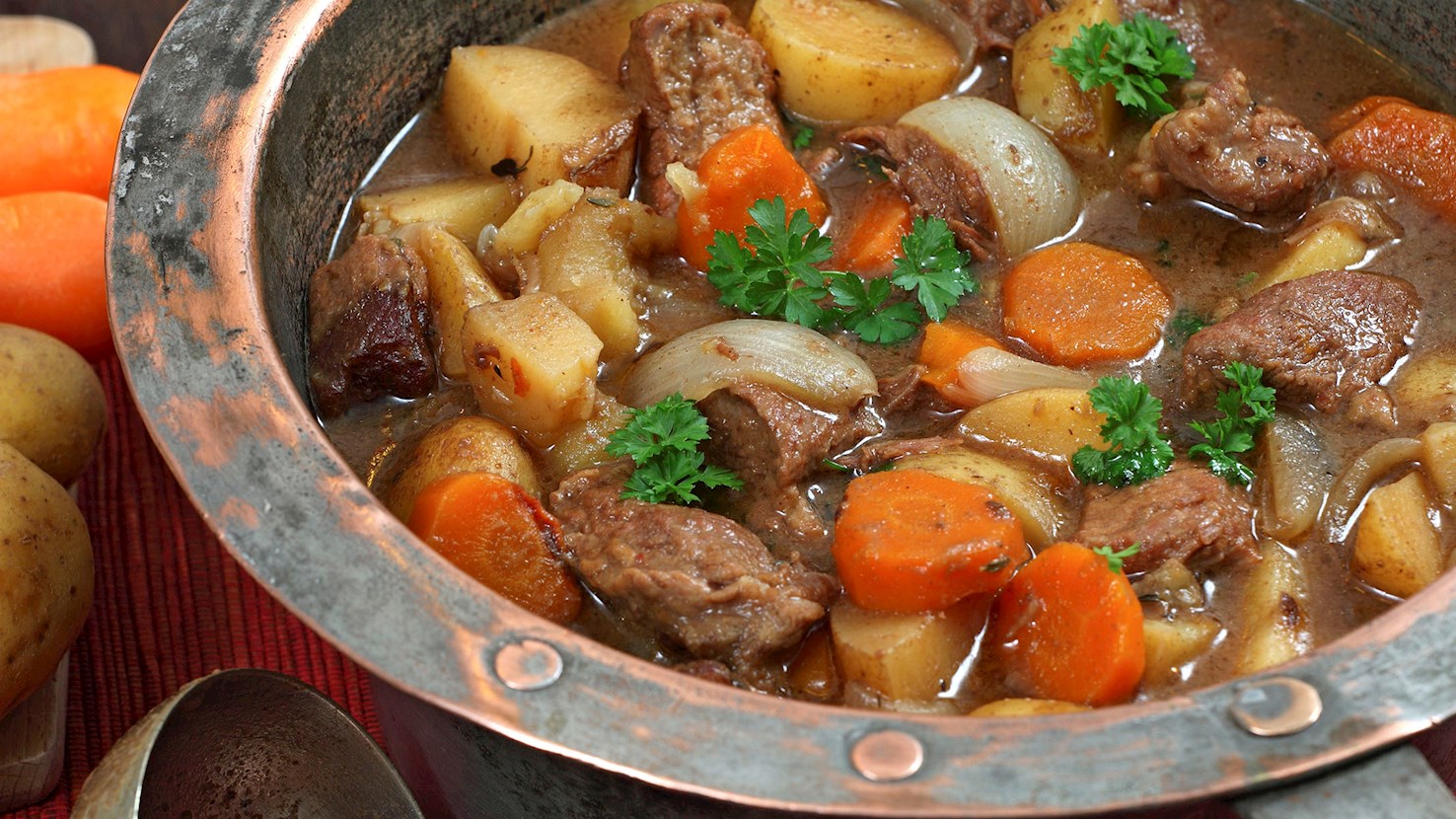
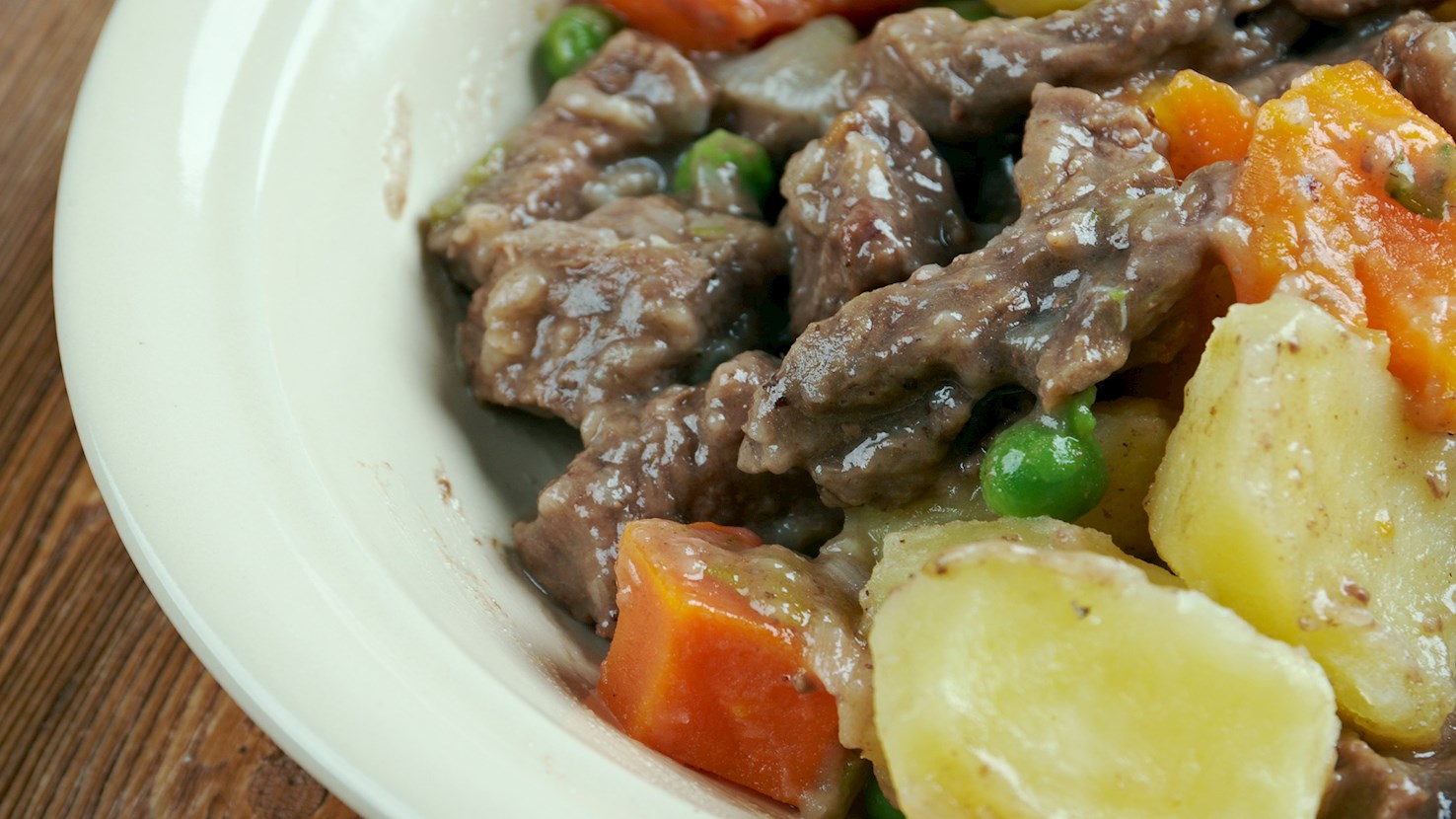
Irish stew is a traditional folk stew that first appeared at the beginning of the 19th century and was developed out of necessity to make a meal out of available, leftover ingredients. Originally, the stew was made only with mutton, onions, potatoes, and sometimes barley, while lamb meat and other root vegetables like carrots, turnips, and parsnips were added later. It is said that goat meat was also used in the past, but besides the previously mentioned mutton and lamb, beef is a common addition in today's recipes. Given that the meat used in the dish is chewy and hard, usually bone-in, the stew is cooked slowly for a couple of hours so that the meat turns tender and releases the fat into the stew, thus enhancing the flavor of the entire dish. A stew made with Guinness stout has gained widespread popularity throughout Ireland as it intensifies the flavors and gives the broth a rich, brown color. Traditionally, the stew is consumed on St. Patrick's Day and for Samhain, an old Gaelic festival, but it can also be found on the menus of most Irish restaurants throughout the year.

03

Stovies

3.6 ·

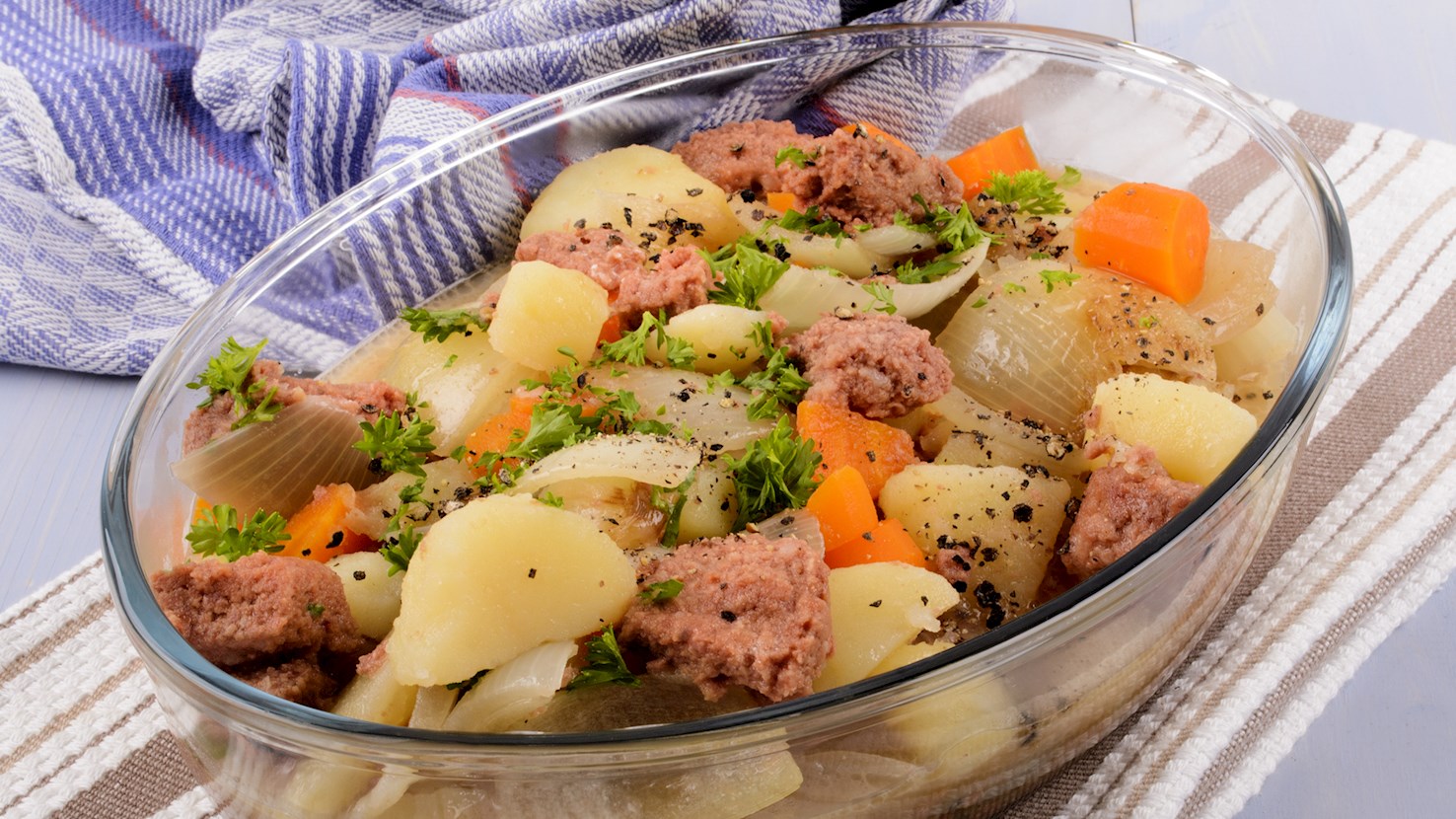
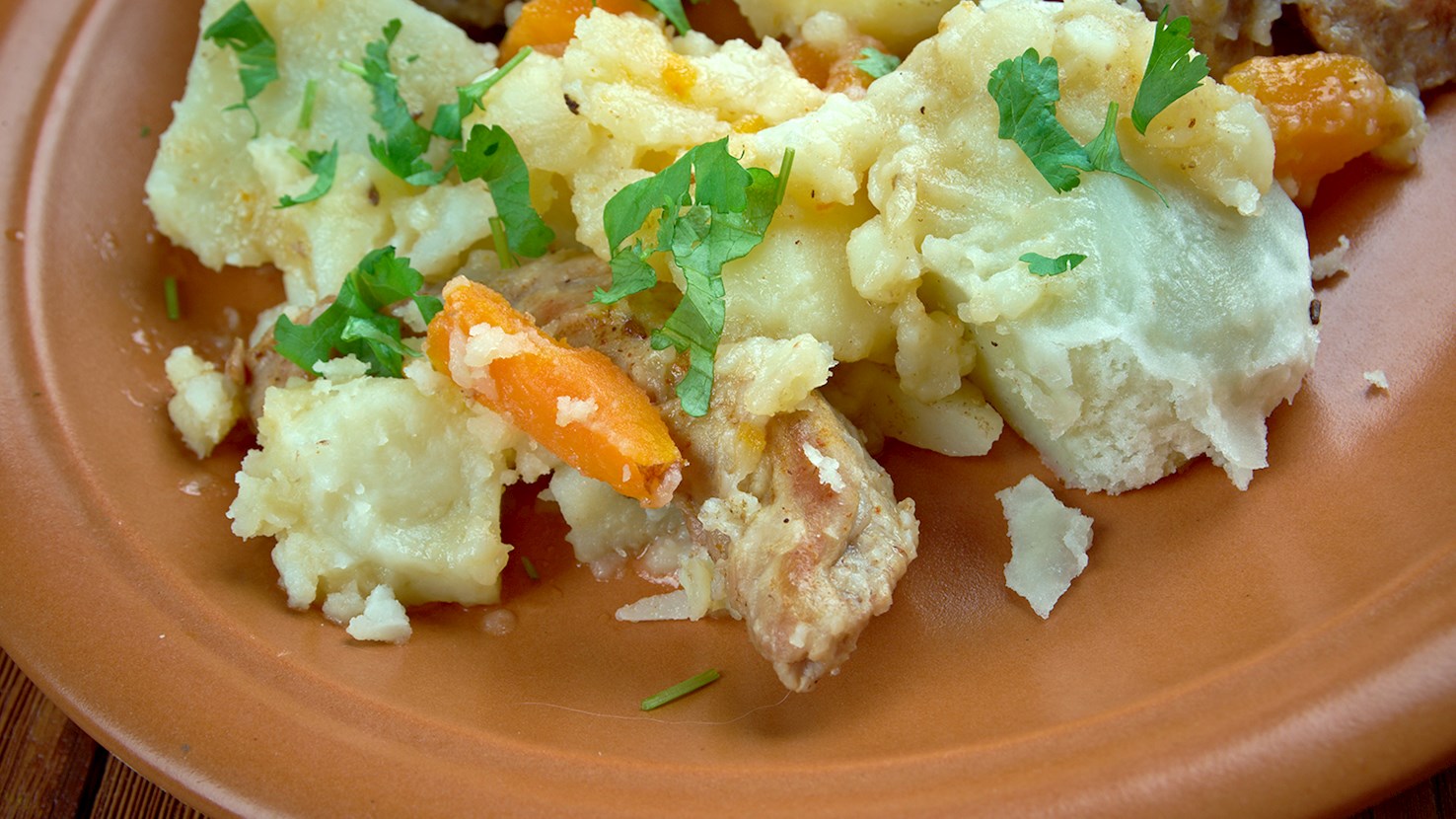
Known in full as stoved tatties, this Scottish one-pot dish of potatoes slowly stewed with onions, carrots and meat like mutton or beef was traditionally prepared to make use of the Sunday roast leftovers. Stovies come in two versions: the simpler barefoot or barfit stovies are made solely with potatoes and onions stewed in roast dripping, whereas the so-called high-heelers include plenty of meat. In Aberdeen, stovies are traditionally served with oatcakes and milk.

04

Birmingham balti

3.6 ·

Birmingham balti is a curry variety prepared with chicken or lamb (although, some may use vegetables or fish), served in a traditional steel bowl in which it was cooked. It is usually paired with naan bread on the side. Although it falls under the category of Indian curries, it is very probable that balti was created in the United Kingdom, more specifically in Birmingham, as the name suggests. The city has a large Pakistani population, who probably invented balti according to their authentic culinary traditions. In the 1970s, they started opening restaurants in Birmingham, serving the popular, slow-cooked curries. Their choice of spices included commercially available curry pastes and dried herbs since the fresh produce was not yet available. The dish gained its modern form when the traditional way of slow cooking was not sufficient or fast enough to adequately serve the customers. The restaurant owners then included the now famous balti, the thin steel bowl with two handles, which allowed the dish to be prepared much faster. One unsupported theory says that the origin of the dish might be Baltistan, the mountainous area of northern Pakistan, but it is more probable it was associated with the traditional bowl. Birmingham balti is an atypical version of a traditional curry since it uses dry herbs, and the traditional ghee is replaced with vegetable oil. In Birmingham, the restaurants serving balti were popularly called balti houses, and in the 1990s, they spread to other British cities. To this day, Birmingham balti remains one of the favorite British curries.

05

Scouse

3.2 ·

Scouse is a hearty meat and vegetable stew that is traditionally served with bread on the side, typically used to mop up all of the flavorful juices. Although it is a comfort food staple in Liverpool, many people believe that it is either based on Irish stew or on a Norwegian dish called lapskaus. Regardless of the origins, scouse became a favorite of local sailors in Liverpool, and today it can be found in numerous pubs and cafés throughout the city.

06

Cawl

3.0 ·

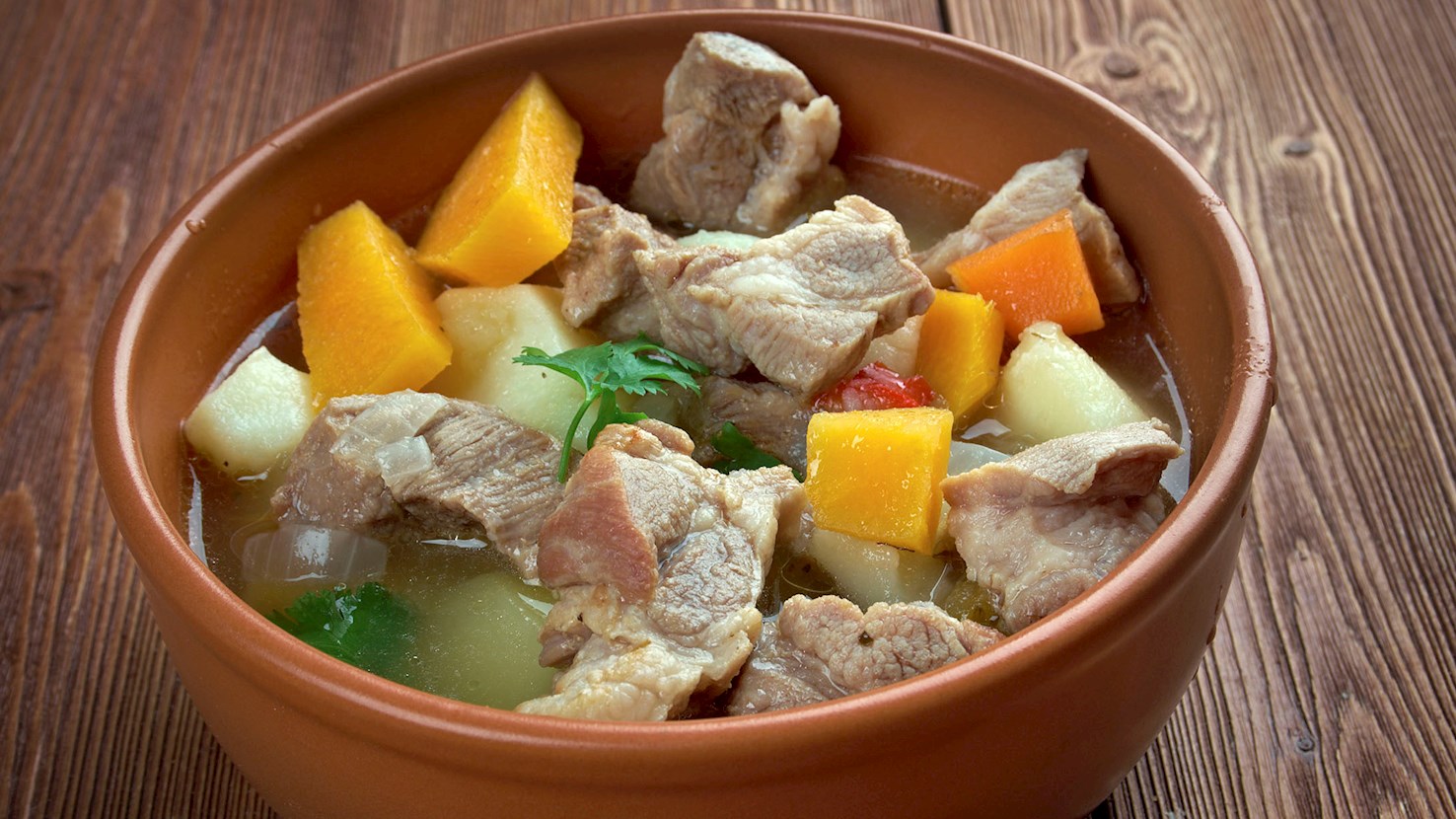
Cheap, easy, and delicious cawl is a traditional stew. It is believed that the dish was invented in the 14th century. Cawl was traditionally prepared in a pot over an open fire and it was usually served during festivities and special occasions. Today, the English refer to any Welsh stew as cawl, but the most traditional version includes Welsh favorites such as lamb and leeks. At first, cawl was prepared during winter, but today, it is eaten throughout the year in many Welsh restaurants. Since this medieval stew has evolved over time, any vegetables, meat, or seafood can be used in it, and the ingredients mainly depend on the location – seafood cawl is more frequent in the coastal areas, while the meat-filled varieties are more traditional inland. The only imperative is that it should be cooked for hours until the ingredients and the flavors are completely fused. There are two traditional ways of consuming cawl: meat and vegetables should be consumed together with the broth, or the dish should be divided in a two-course meal so that the broth is served first, followed by meat and vegetables.

07

Phall

2.5 ·

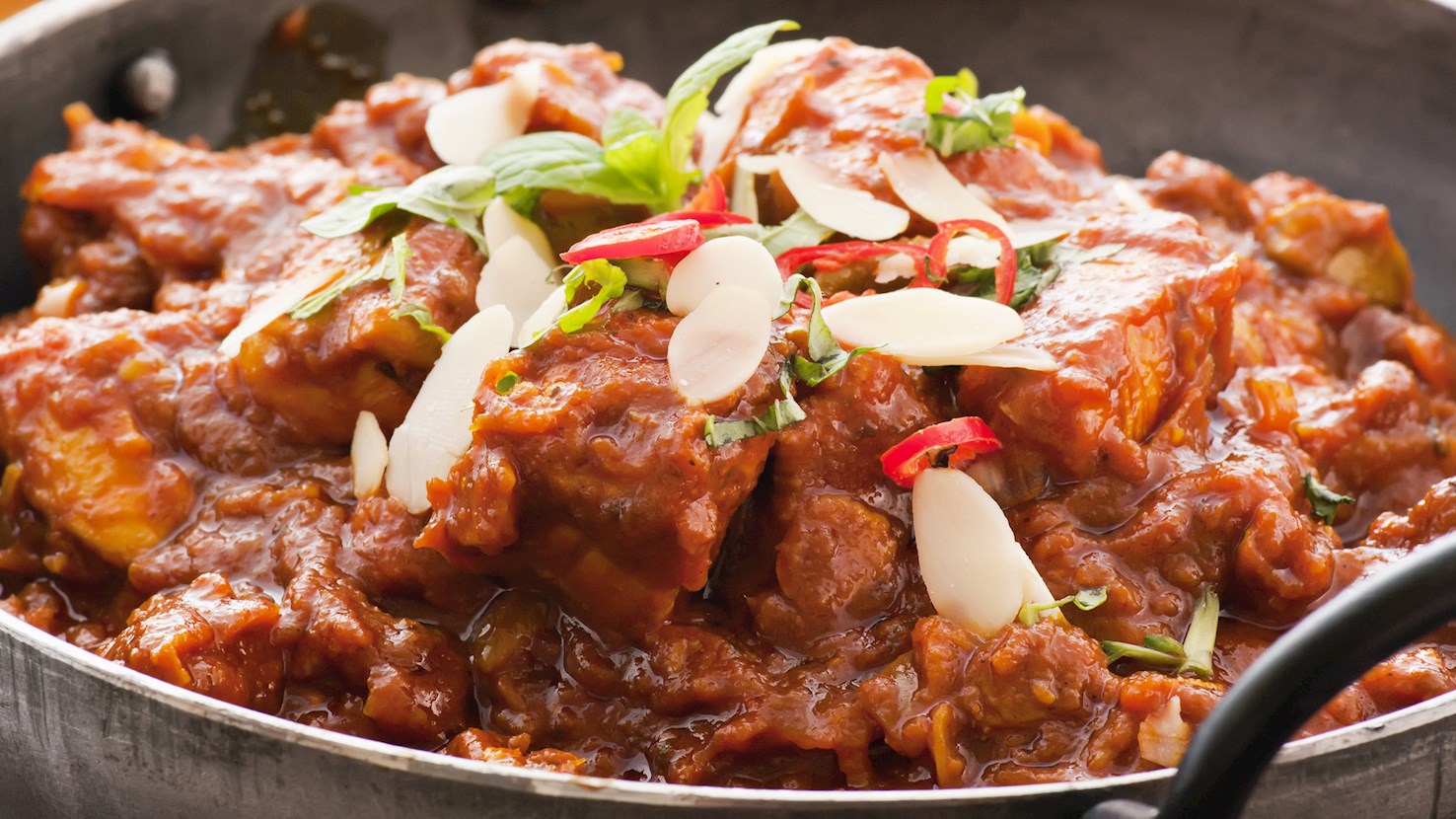
Phall is the hottest curry in the world, originating from Indian restaurants in the Birmingham, England. It is based on lamb or chicken meat, with the addition of tomatoes, ginger, and a combination of numerous fresh and dried hot peppers. Many people say that it is painfully spicy, which isn't surprising considering that one of the peppers used in phall has a Scoville rating of 1,000,000.

Best restaurants
08

Tatws pum munud

n/a ·

Tatws pum munud is a traditional stew. It's made with a combination of potatoes, bacon, carrots, onions, and stock. The vegetables are sliced and layered in a frying pan instead of a pot, followed by the other ingredients. The stew is simmered until the potatoes become tender, and it's then seasoned with salt and pepper and served. The thicker the gravy becomes while the stew is cooking, the better. It's recommended to serve tatws pum munud (five minute potatoes) with crusty bread, baked beans, and Worcestershire sauce on the side.

09

Scottish Rabbit Curry

n/a ·

Scottish rabbit curry is a traditional dish originating from Scotland, but it’s prepared throughout the United Kingdom. It’s essentially a British rabbit stew with added curry. The list of ingredients used to prepare the dish includes rabbit pieces, bacon, flour, butter, curry paste, chicken stock, onions, celery, mushrooms, and salt. The meat is browned in a pan, set aside, and the bacon is then sautéed in the same pan. What follows is the addition of flour, curry paste, and chicken stock in order to make a thin sauce. The heat is reduced and the rabbit pieces are added back to the pan with the mushrooms, celery, and onions. The curry is cooked until the onions become tender, the sauce thickens, and the meat is fully cooked. Once done, Scottish rabbit curry is traditionally served warm over basmati rice.

10

Guernsey Bean Jar

n/a ·

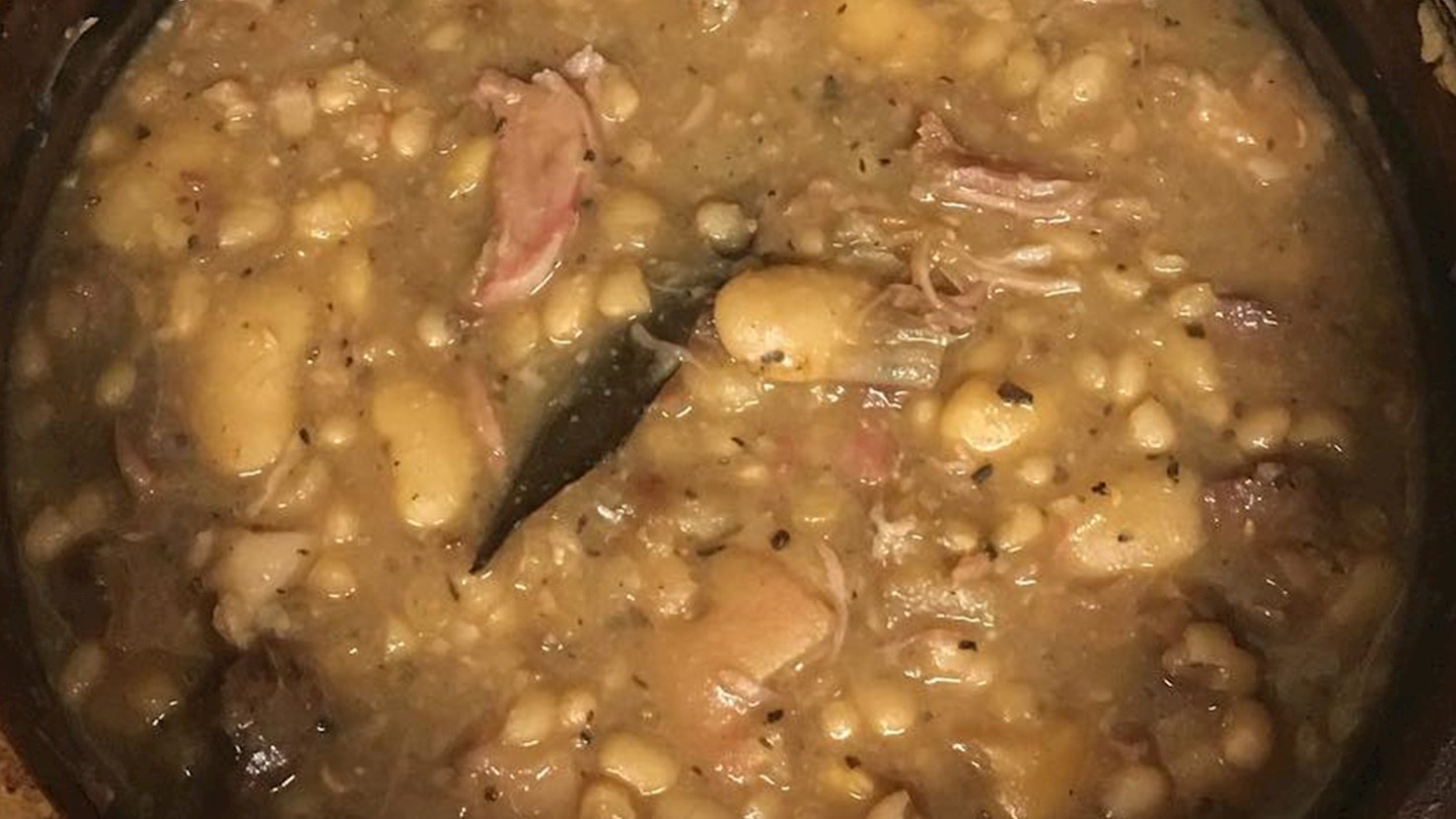
Bean jar is Guernsey’s traditional one-pot dish. Although each family has a different variation, it is typically made with pig’s trotter, haricot beans, butter beans, bay leaves, onions, and carrots. The beans are soaked overnight, and the following day all ingredients are placed in a large casserole dish, then covered with water or stock. The dish is baked in an oven for a long time, usually for 6-8 hours, before it’s ready to be served, preferably with crusty bread and Guernsey butter on the side. Until the 1920s, Guernsey bean jar has been regularly eaten for breakfast. When made at home, the pot was taken to the local bakers, where it would be cooked overnight in the bottom of the ovens. At dawn, the pot was collected, and the dish was traditionally eaten by fishermen before they went out to sea.

11

Tindaloo

n/a ·
About this Ranking

TasteAtlas food rankings are based on the ratings of the TasteAtlas audience, with a series of mechanisms that recognize real users and that ignore bot, nationalist or local patriotic ratings, and give additional value to the ratings of users that the system recognizes as knowledgeable. For the “Top 11 British Stews” list until October 15, 2026, 631 ratings were recorded, of which 554 were recognized by the system as legitimate.

TasteAtlas Rankings should not be seen as the final global conclusion about food. Their purpose is to promote excellent local foods, instill pride in traditional dishes, and arouse curiosity about dishes you haven’t tried.

What People Say

Similar Lists