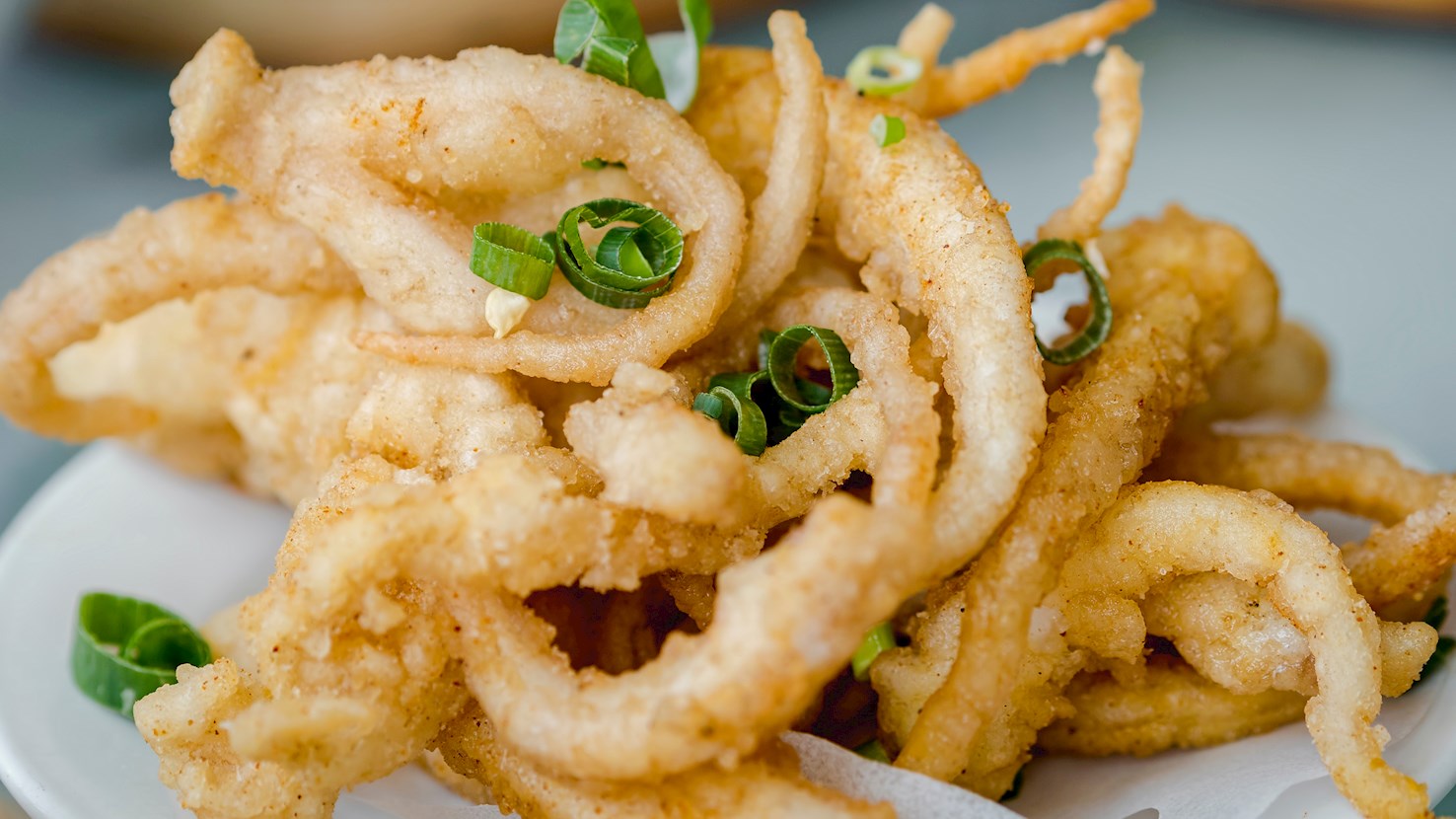
Jiao yan you yu or salt-and-pepper squid is a traditional dish originating from Guangzhou. This Cantonese dish is usually made with a combination of squid, potato flour, scallions, Shaoxing wine, garlic, oil, hot peppers, Sichuan pepper or white pepper, and salt. The surface of the squid is cross-hatched and the body is cut into bite-sized pieces. It's mixed with Shaoxing wine, drained, dredged in flour, and deep-fried in hot oil until lightly golden. The squid is removed from the pan. The garlic, scallions, and hot peppers are stir-fried in the same oil, and the squid is placed back into the pan with a mixture of Sichuan pepper and salt. The dish is stir-fried a bit more, tossed, and served hot as an appetizer or a main course.
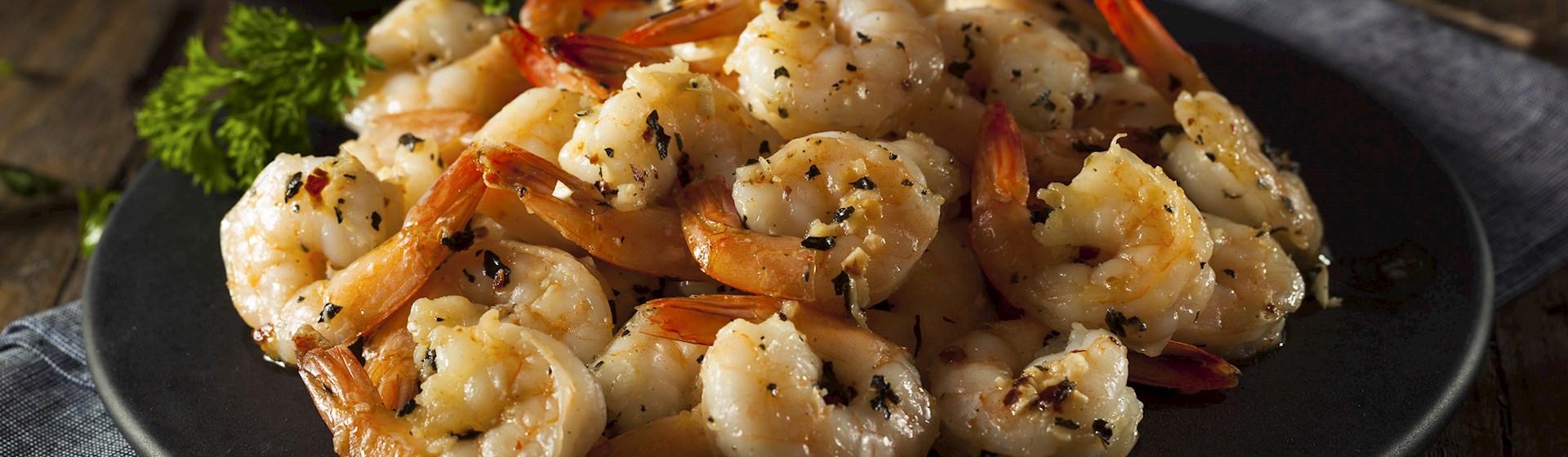
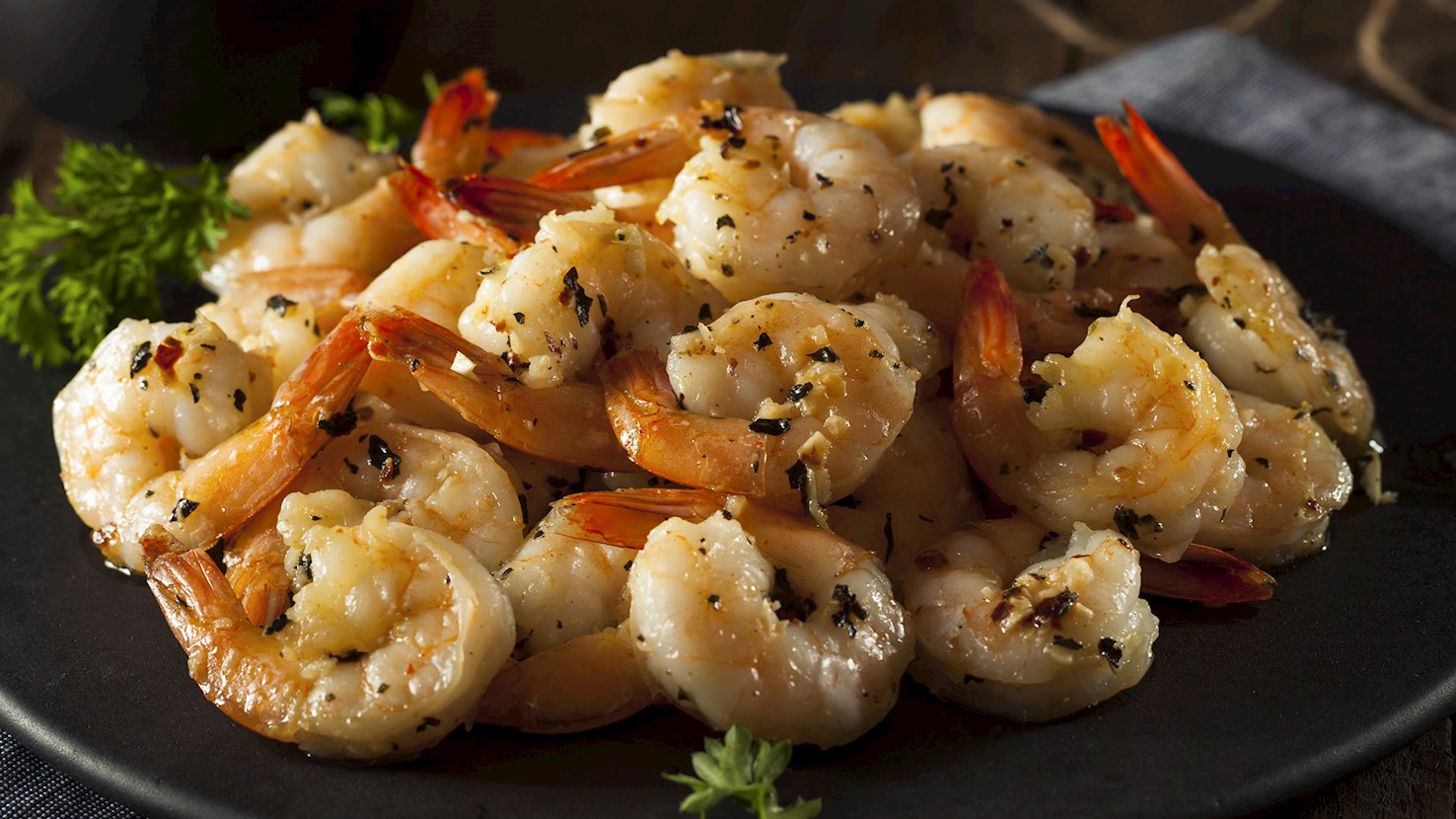
You bao xia is a dish consisting of whole, shell-on shrimp that are flash-fried in scorching oil until delightfully crisp, then rapidly tossed in a vibrant, sticky, sweet-and-savory glaze. Translated literally as "oil-exploded shrimp," this culinary masterpiece is a brilliant showcase of traditional Jiangnan cooking, which prizes the natural freshness of regional aquatic ingredients alongside deeply caramelized, complex flavor profiles. The defining characteristic of authentic you bao xia lies in its textural duality, achieved through a rapid, highly specific cooking process. First, the shrimp are briefly submerged in smoking-hot oil; this fierce thermal shock causes the translucent shells to instantly puff, crisp up, and detach slightly from the meat inside, turning a brilliant, glossy ruby red while ensuring the delicate flesh remains incredibly tender and sweet. Once the shrimp are scooped out of the bubbling oil, the wok is quickly repurposed to build the dish's signature aromatic profile. A fragrant foundation of minced ginger and scallion whites is quickly bloomed in the residual oil before the transformative glaze is introduced. This sauce is a delicate balancing act of classic Chinese pantry staples: premium light and dark soy sauces for umami and color, a generous pour of Shaoxing wine to neutralize any seafood funk, and the distinctively Shanghainese addition of abundant sugar, which melts down into a rich, clinging syrup. A final, crucial splash of aged Chinkiang black vinegar is added to the bubbling reduction, providing a subtle, acidic brightness that cuts through the richness of the frying oil and sugar without making the dish overtly sour. When the crispy shrimp are tossed back into this aggressively boiling wok, the blistered shells act like sponges, absorbing the sticky, caramelized coating to create a deeply savory, sweet exterior. You bao xia holds a revered place in Chinese dining culture, frequently taking center stage at banquets, family gatherings, and Lunar New Year celebrations. Its festive presence is highly symbolic: the bright crimson color of the cooked shrimp represents luck and joy, while the energetic "jumping" of the live shrimp and the phonetic sound of the word for shrimp (xia, which echoes laughter) evoke happiness and prosperity. Enjoying you bao xia is an inherently interactive and tactile dining experience that rewards the adventurous eater. While some diners prefer to painstakingly peel the glazed shells to reach the meat, true devotees of the dish argue that it is best eaten entirely whole—crispy shell, head, and all.
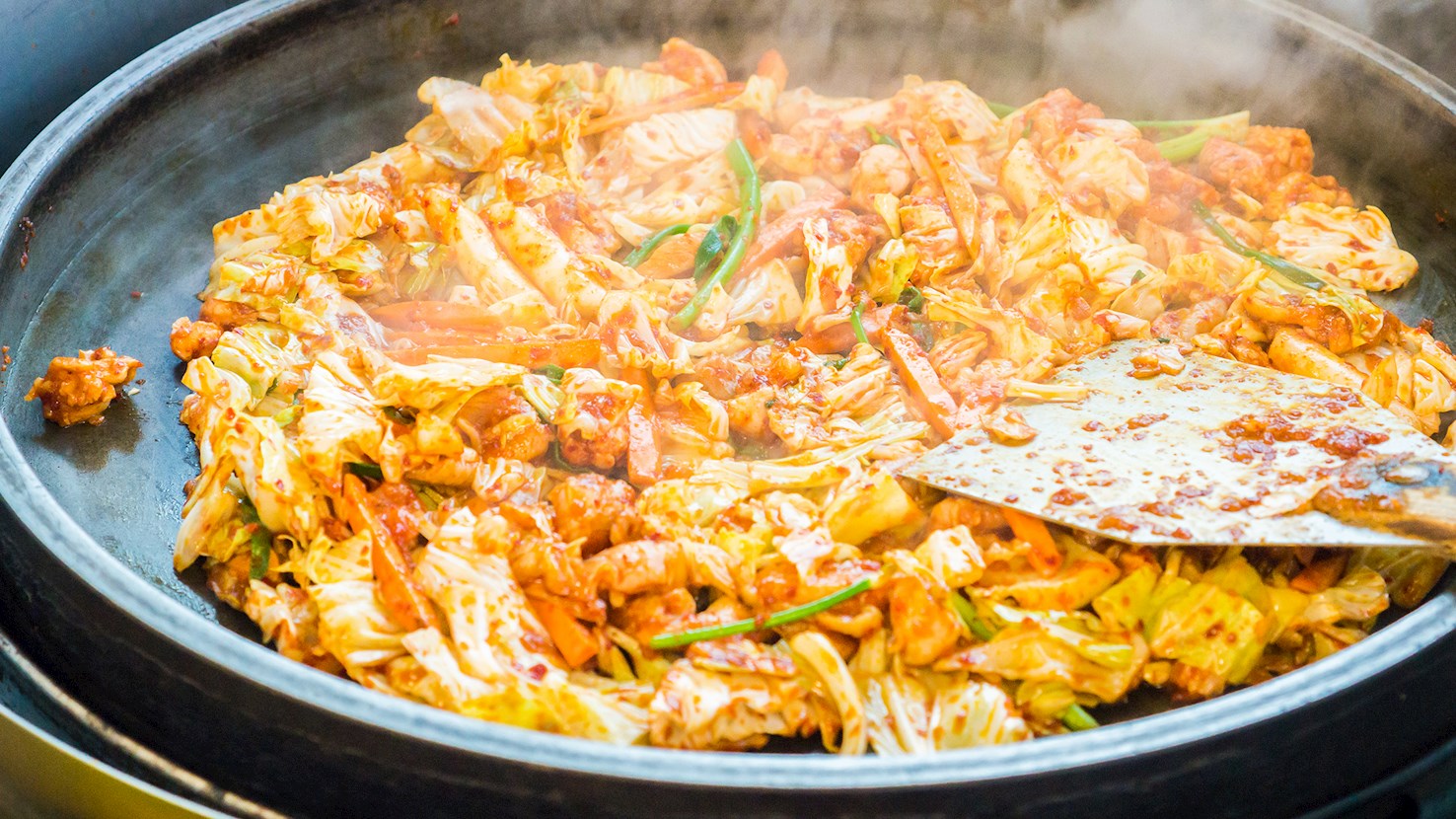
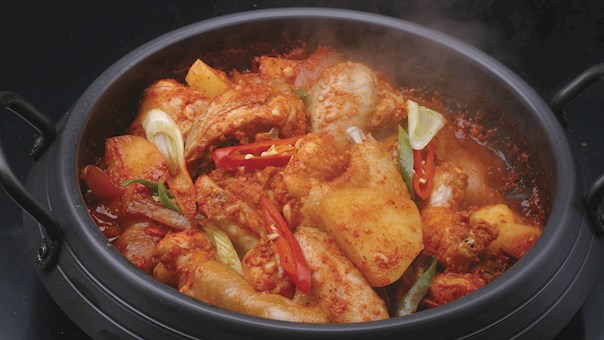
Dak galbi is the South Korean variety of stir-fried chicken. It is a communal dish that's cooked tableside, on large cast iron skillets. Typical elements in dak galbi include various chicken cuts, cabbage, tteok rice cakes, carrots, chili peppers, and sweet potatoes. When served in restaurants, the server will bring all the ingredients and cook the dish for the guests. Occasionally, perilla leaves are incorporated into dak galbi, but the final addition is always a generous amount of spicy sauce made with spicy chili paste, chili flakes, soy sauce, garlic, ginger, and onions. It is put on top of dak galbi and mixed until all the elements are completely coated in it. At the end of the meal, when there is still some food left in the skillet, a common tradition is for the server to add rice into the skillet and create an unusual variety of fried rice. Several vegetable side dishes are usually served alongside dak galbi, and lettuce or perilla leaves are occasionally used instead of utensils as crunchy wrappers. Dak galbi is now considered a Korean classic, but it originated as a frugal dish in the 1960s. Since then, it has spread from Chuncheon to other parts of South Korea. Although it can be prepared at home, it is typically eaten in specialized dak galbi restaurants.
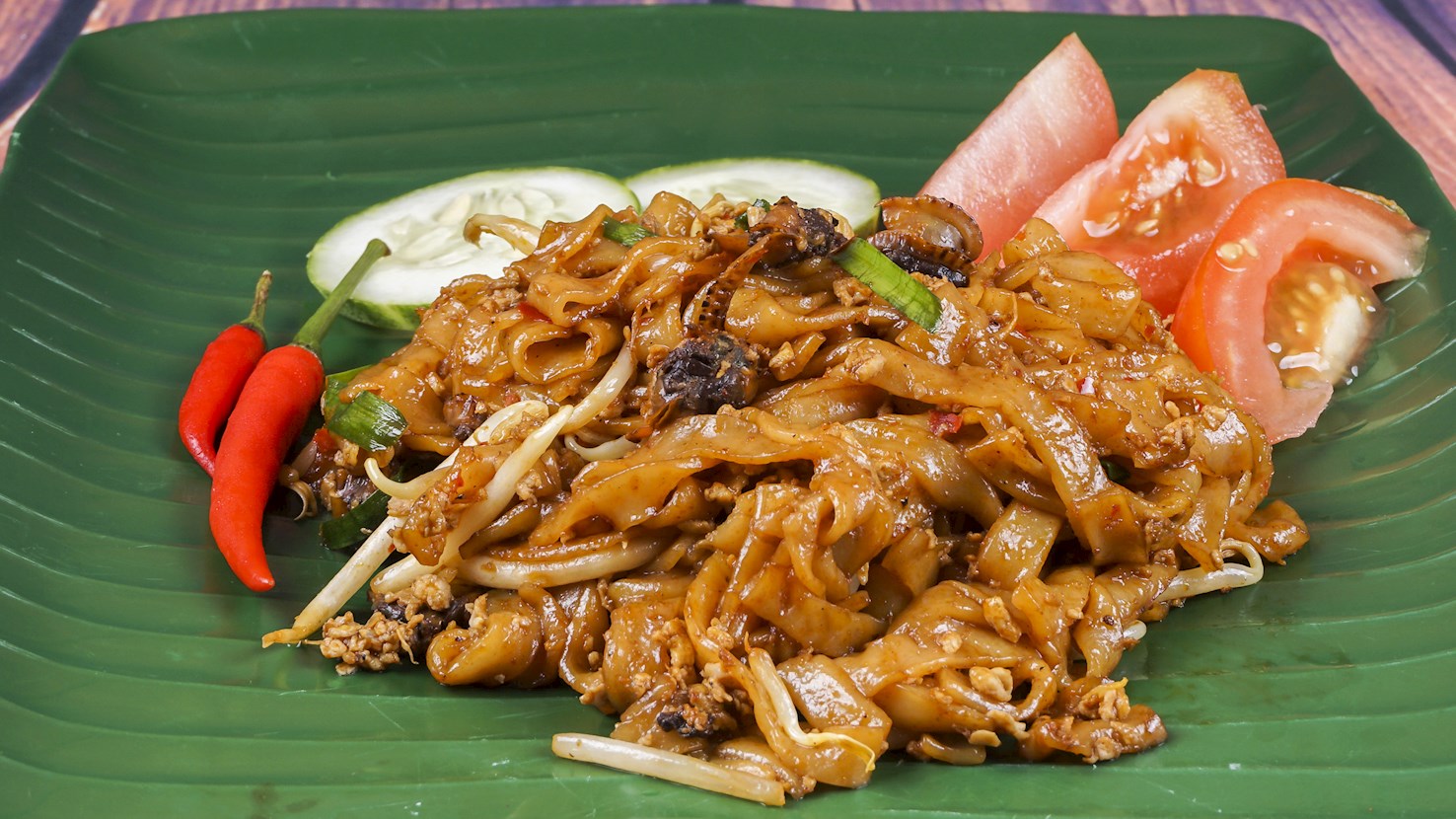
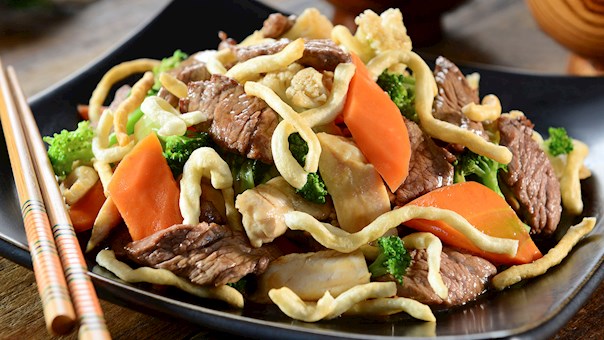
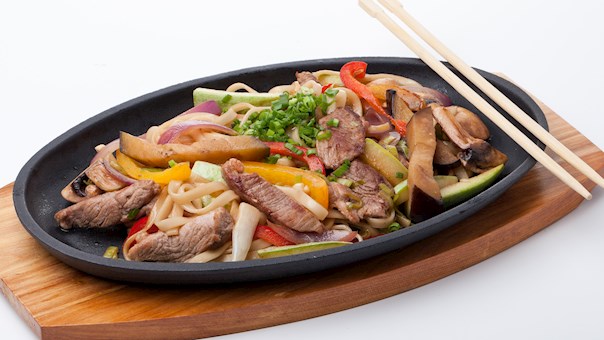
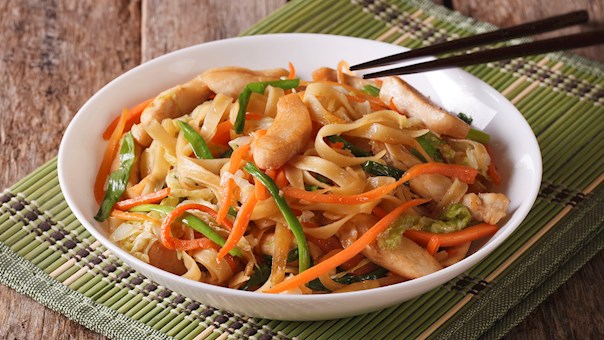
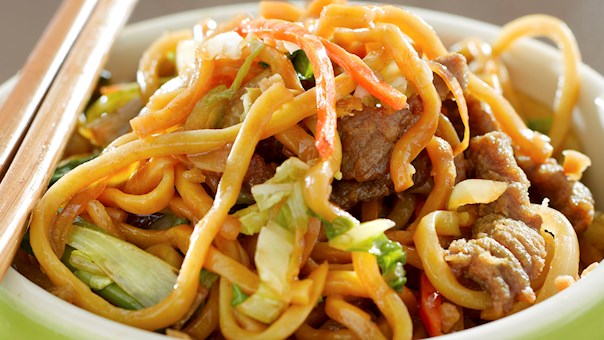
Beef chow fun is a Cantonese dish prepared by stir-frying previously marinated beef slices together with flat, wide rice noodles (hor fun), and bean sprouts. Because of the preparation method, beef chow fun is a true measure of any accomplished Cantonese chef. Specifically, it is necessary to get two things right: wok hei — the cooking technique of stir-frying the ingredients at high heat which imparts them with a special umami flavor; and pow wok — a way of quickly tossing the ingredients without the use of a spatula, which prevents sticking and does not break the delicate rice noodles. The origins of the dish are still unclear, but according to a folk tale, it was invented during World War II in Guangzhou. Today, this Cantonese stir-fry is typically served in yum cha restaurants and cha chaan teng - tea restaurants known for serving diverse and affordable meals.
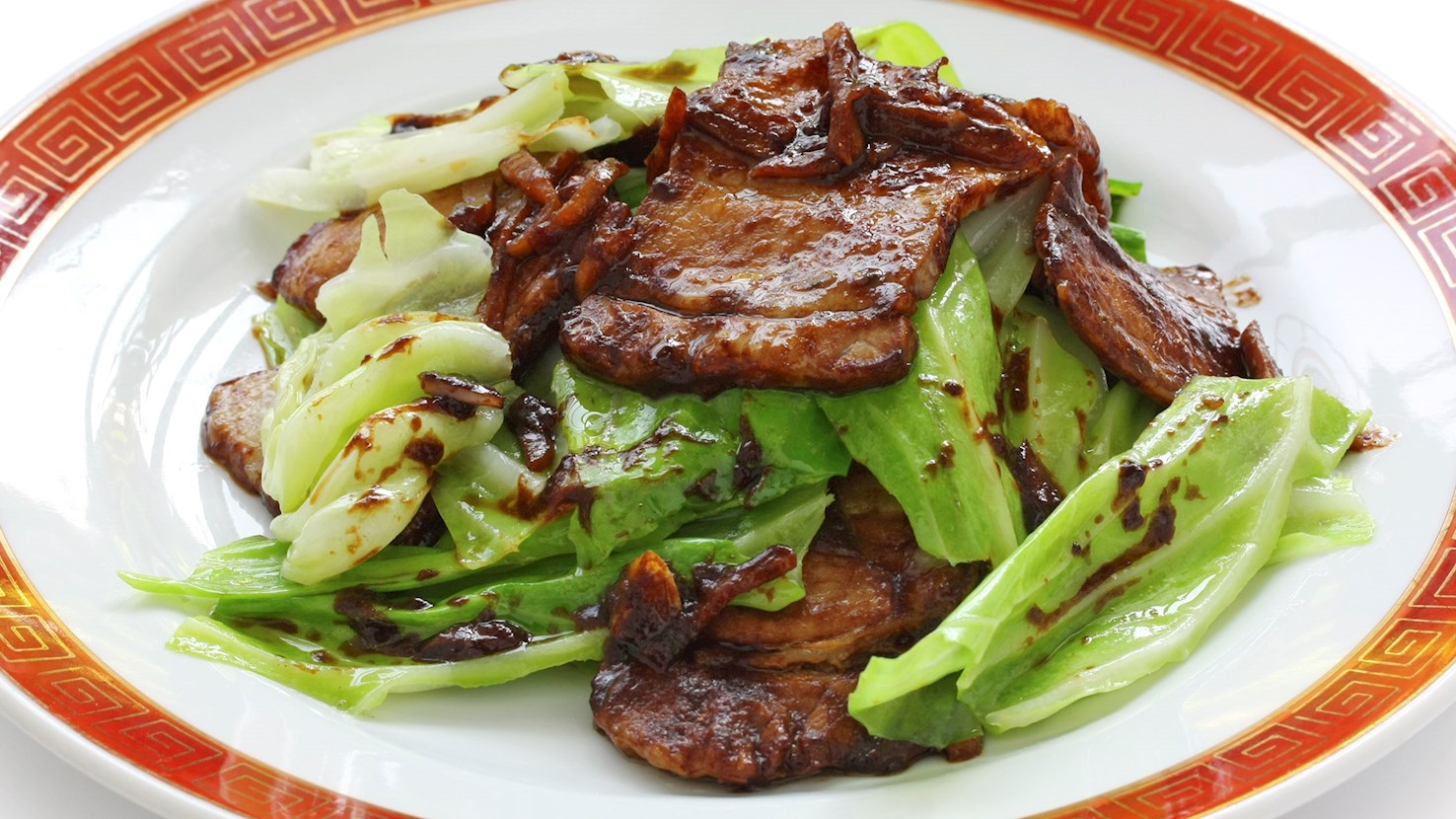
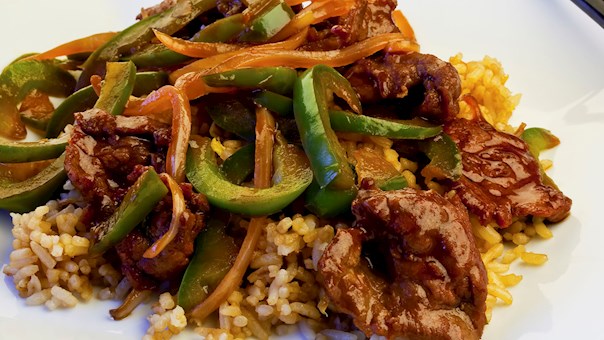
Twice cooked pork is a Sichuan specialty prepared by cooking fatty pork leg or belly (with the skin intact) in two different ways. Pork is first simmered in a pot and cooled in the refrigerator in order for the meat and fat to firm up. After that, the meat is sliced and stir-fried with vegetables such as cabbage, bell peppers, leeks, and mushrooms until it develops a brown color and the skin gets crispy on the edges. Ingredients may vary from one cook to another, but most of them add a sauce made with rice wine, soy sauce and various other condiments to the wok along with meat and vegetables. It is believed that the dish was invented during the Song Dynasty period by a poet who was preparing a pork dish for his friend. He cooked the meat in a pot and forgot about it, and when he returned, he saw that the liquids had evaporated, and the meat was sizzling in its own fat, thus a new dish was created. Today, the people of Sichuan traditionally have a feast on every 1st and 15th lunar month, where twice cooked pork is prepared as the main star of the festivities.
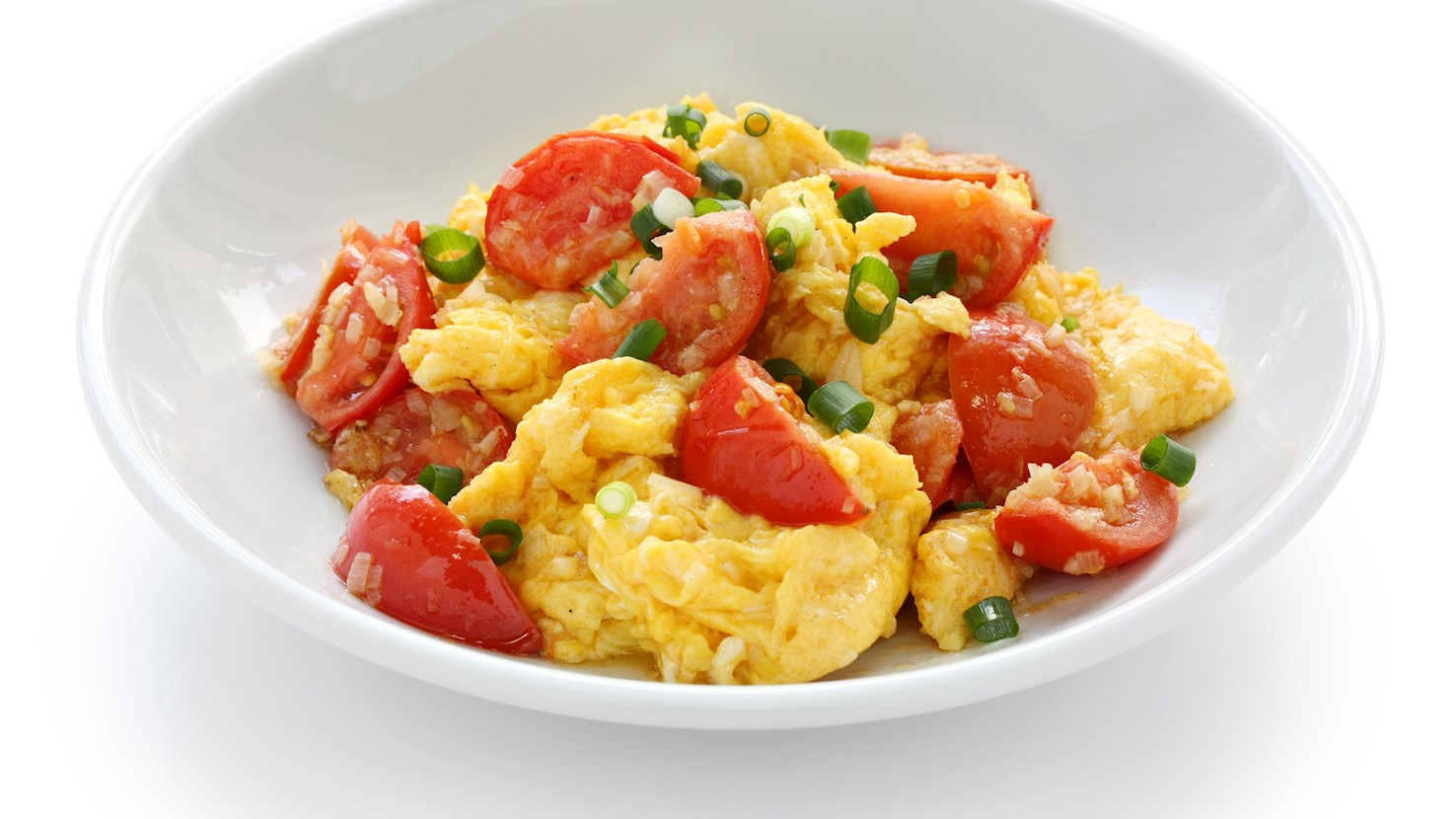
Fan qie chao dan is a traditional dish based on eggs on tomatoes. Other ingredients usually include oil, salt, sugar, and potato flour or cornstarch. The eggs are scrambled into large curds and then stir-fried with sliced tomatoes in oil. Sugar and salt are added to taste and everything is then mixed with the potato flour (or cornstarch) and a bit of water, if desired. This dish is served hot and it's enjoyed at home and in restaurants. Fan qie chao dan is especially popular in school canteens. There are many variations on the dish, including ingredients such as Shaoxing wine, garlic, ginger, or white pepper.
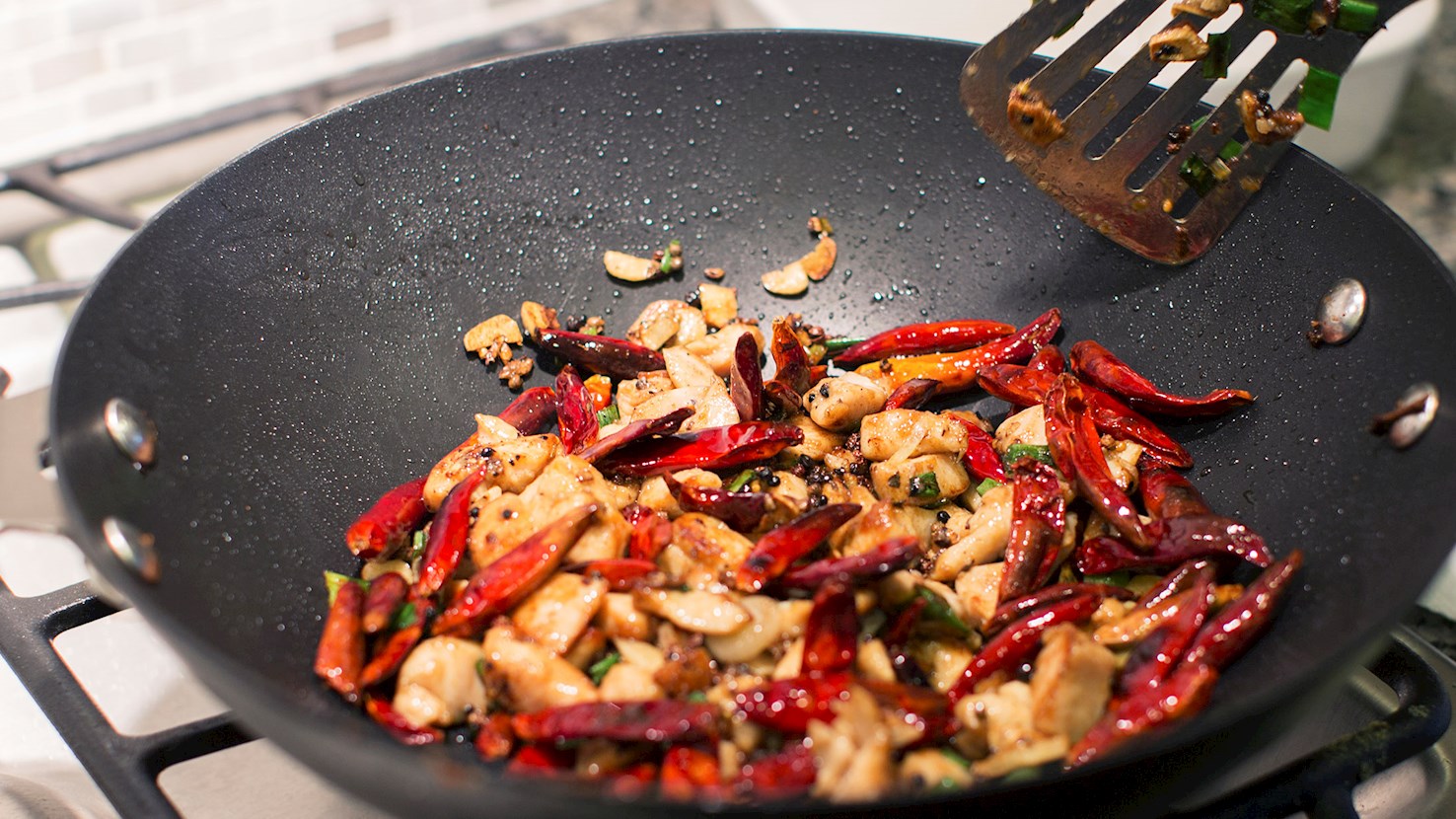
Chongqing chicken is a famous Sichuan dish consisting of chicken and chilis. The dish is usually made with chicken on the bone, which is then chopped into small pieces, marinated, and deep-fried. Traditionally, there is almost always more dried red chili peppers in the dish than chicken, nearly covering the meat underneath. The combination of ingredients is usually stir-fried with ginger and garlic. Chongqing chicken is consumed by picking out the pieces of chicken with chopsticks, often leaving out the remaining chili peppers in the bowl.
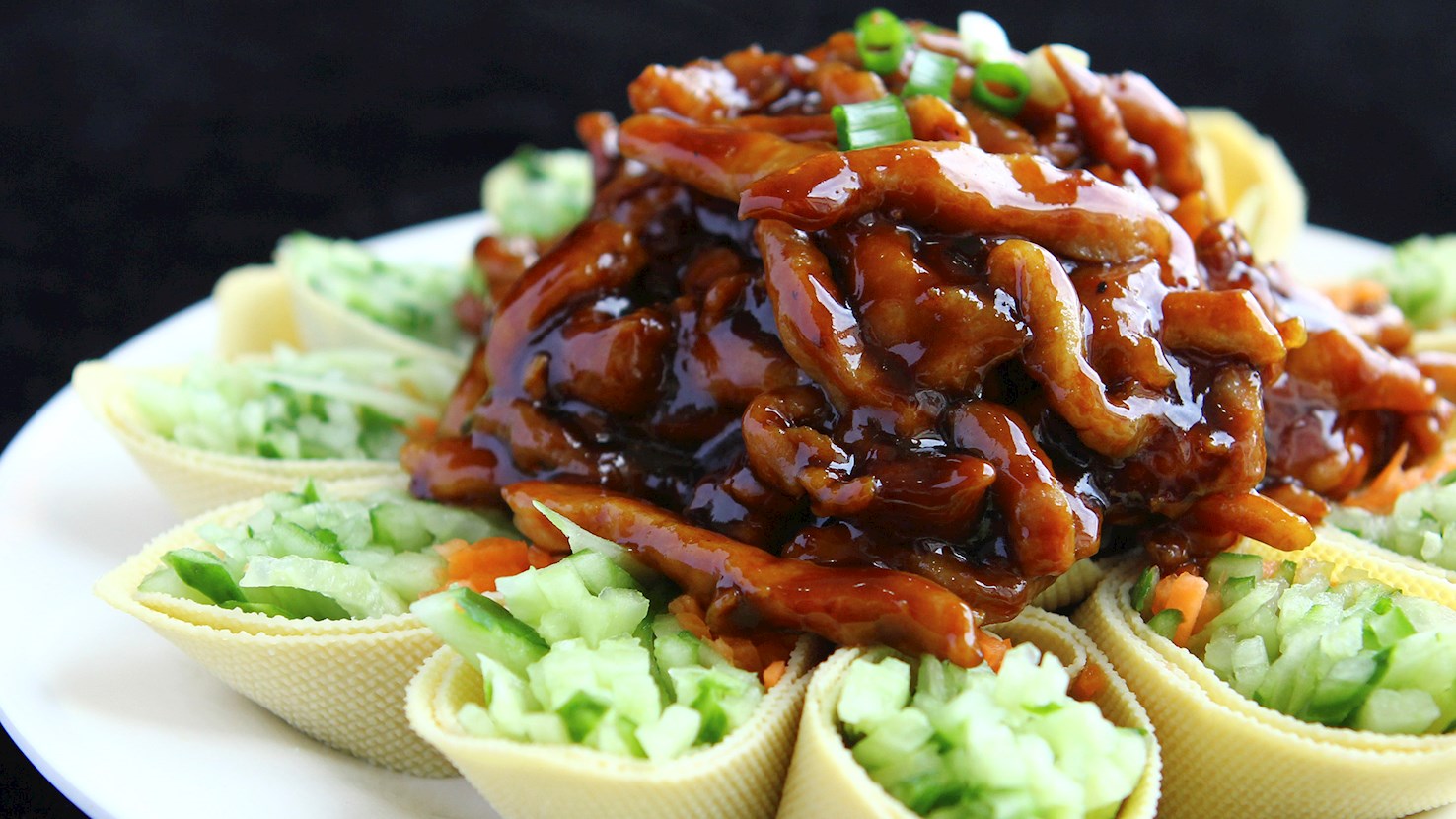
Originating from Beijing, jing jiang rou si is a trademark of the capital's extraordinary cuisine, consisting of sliced pork meat cooked in a sauce based on sweet beans. The dish is then traditionally rolled in soya bean wraps, although it can be wrapped in any type of pancake. The dish is reddish in color due to the distinctive Beijing sauce in which it's cooked in, and is usually garnished with chopped green onions or shredded leeks. There are also some regional varieties of the dish with either sha cha sauce or hoisin sauce replacing the sweet bean sauce in the process.
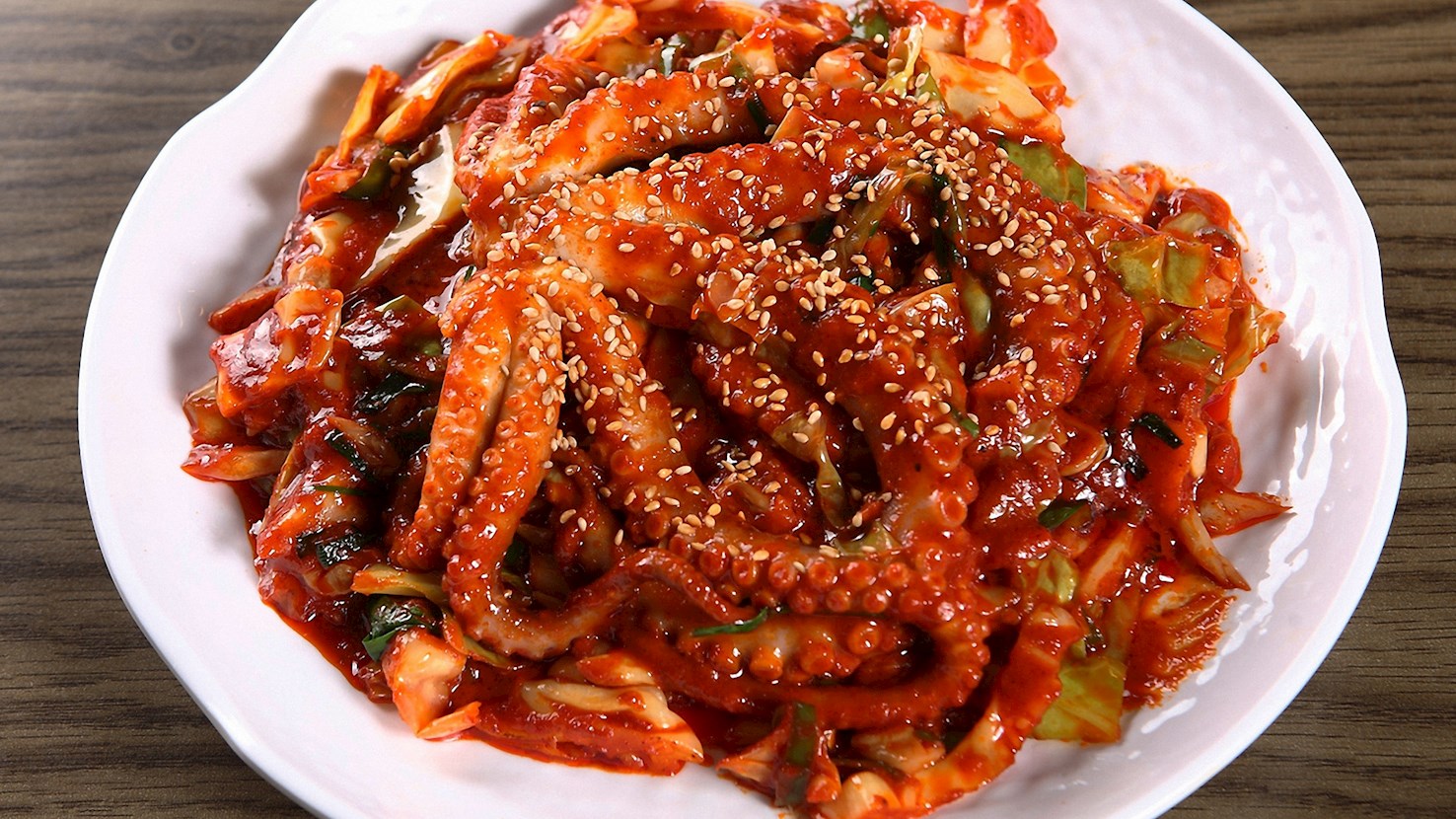
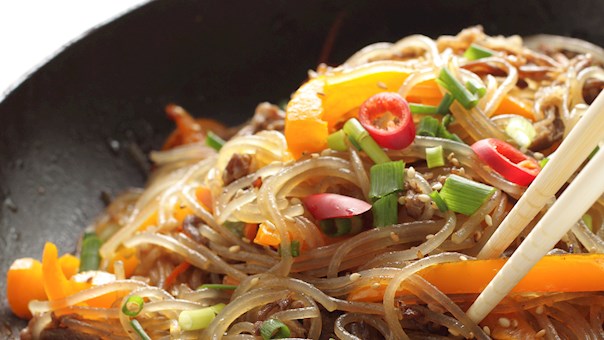
Stir-fried octopus is a classic Korean banchan (side dish). It is usually prepared with a small-sized octopus that is sliced and then fried in a flavorful combination of garlic, ginger, and gochujang chili paste, while other additions include sliced vegetables such as onions, scallions, cucumbers, chili peppers, or zucchinis. The dish is usually served sprinkled with roasted sesame seeds and goes exceptionally well with hearty Korean soups and stews.
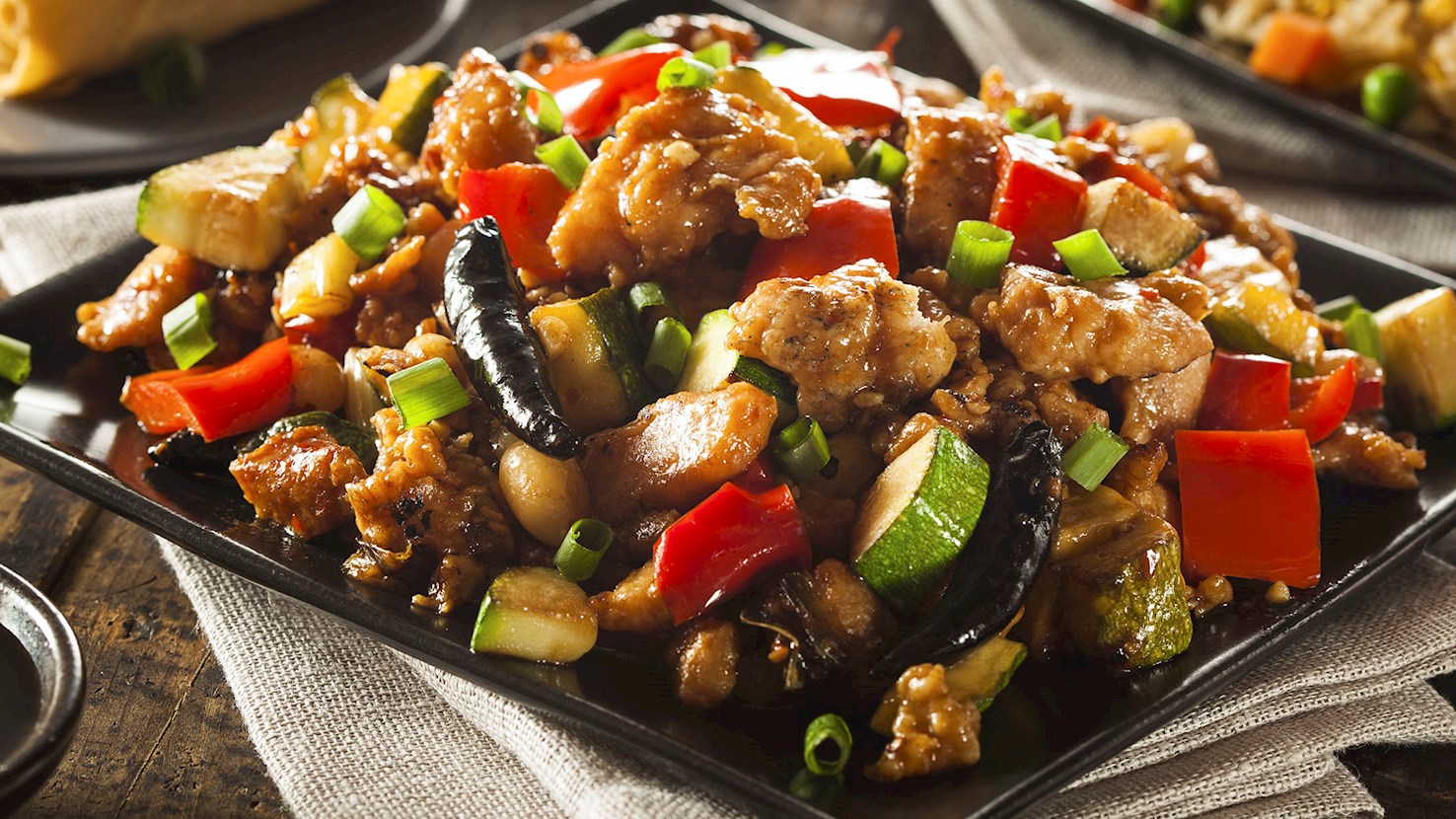
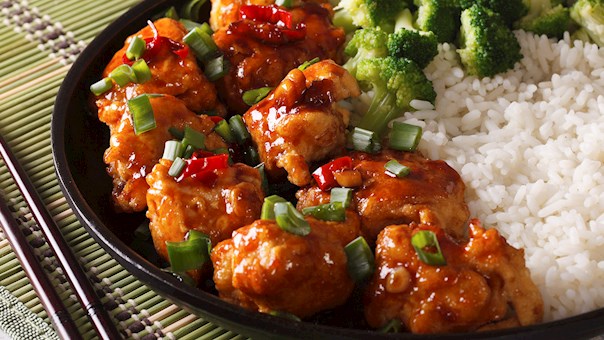
A staple of westernized Chinese cuisine and one of the favorite dishes of foreigners in China, kung pao chicken is a spicy stir-fry dish made with diced chicken, vegetables, peanuts, and Sichuan peppercorns. It was invented in the Sichuan province and has a unique, interesting origin story. In the 19th century, a boy named Ding Baozhen fell into a river and almost drowned. A passing stranger saved him, and as the years went by, Ding grew up to become a government official. He went to visit the man who saved him and ate a dish made with diced chicken, peanuts, and spicy peppercorns while visiting his home. Ding loved the dish so much that he asked the chef for a recipe, and then started serving it to his guests. The dish quickly spread in the Sichuan province, and many years later, it is still popular both in China and in the rest of the world. Although it's commonly eaten in North America, the dish is cooked differently and lacks the unique spice that makes the original so flavorful, because it was illegal to import it to the United States until 2005. However, it remains one of the most popular dishes in most Chinese restaurants throughout the world.
TasteAtlas food rankings are based on the ratings of the TasteAtlas audience, with a series of mechanisms that recognize real users and that ignore bot,
nationalist or local patriotic ratings, and give additional value to the ratings of users that the system recognizes as knowledgeable.
For the “Top 67 Stir-fry Dishes in East Asia” list until June 15, 2026, 2,984 ratings were recorded, of which 2,621 were recognized by the system as legitimate.
TasteAtlas Rankings should not be seen as the final global conclusion about food. Their purpose is to promote excellent local foods,
instill pride in traditional dishes, and arouse curiosity about dishes you haven’t tried.