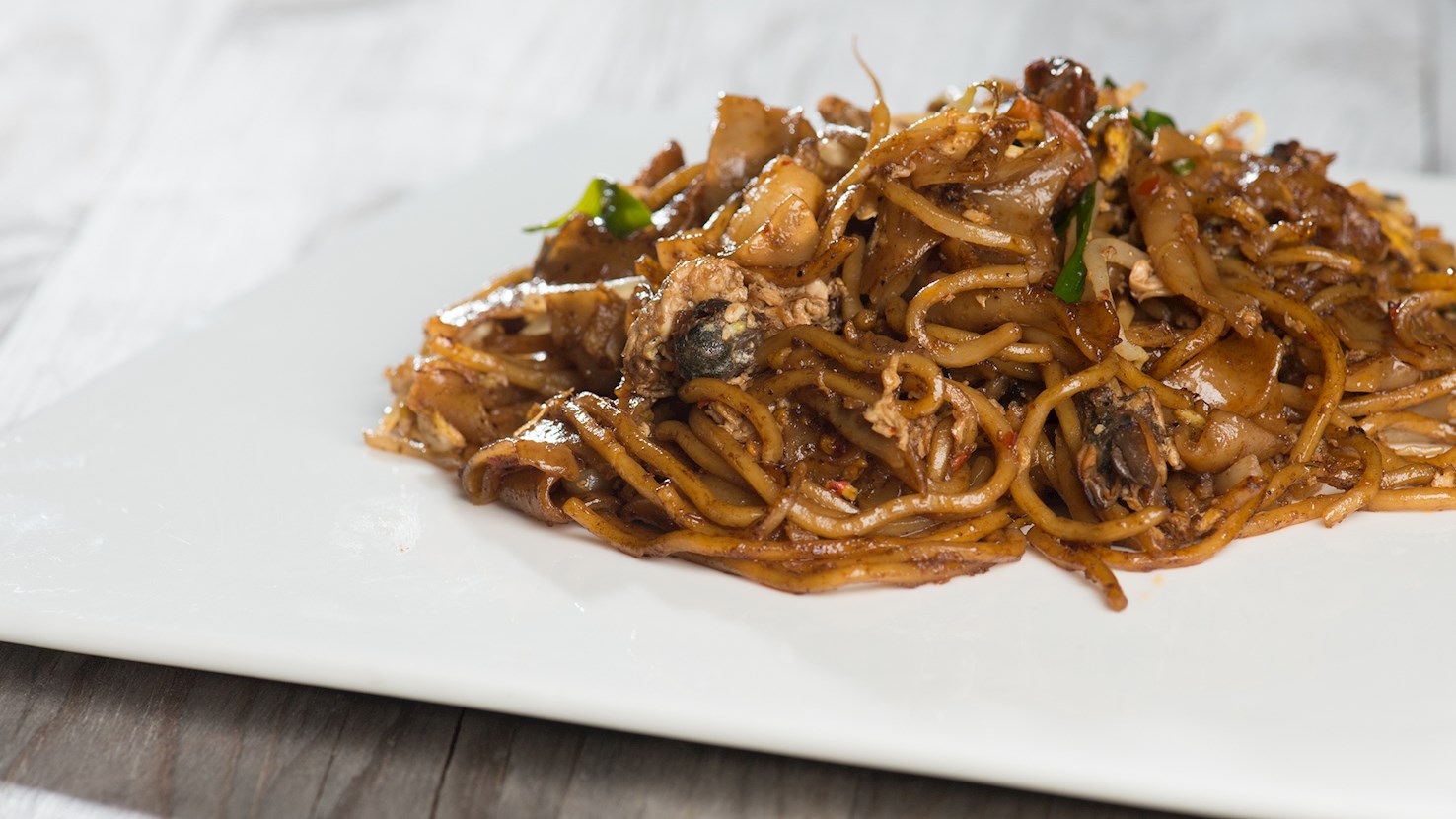
Beef kway teow is a Singaporean and Malaysian noodle dish that can be served either as a quick meal or as a side dish to bigger meals. In order to prepare it, broad and flat rice noodles are stir-fried with vegetables and herbs, and topped with slices of beef. There is also a version of this dish in a form of a soup similar to Thai beef soup, but it is usually prepared as a "dry" dish, in a thick gravy flavored with chili, soy sauce, and sesame oil. A variety of the dish is popular in Indonesia, where it’s commonly enriched with garlic, meatballs, cabbage, soy sauce, and black pepper.
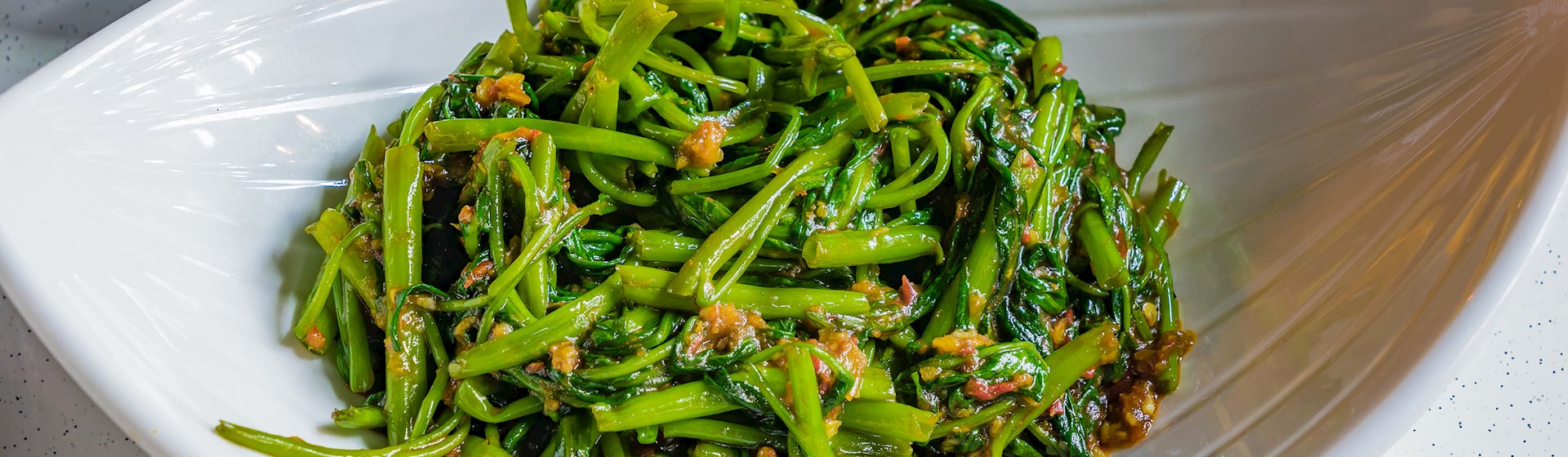
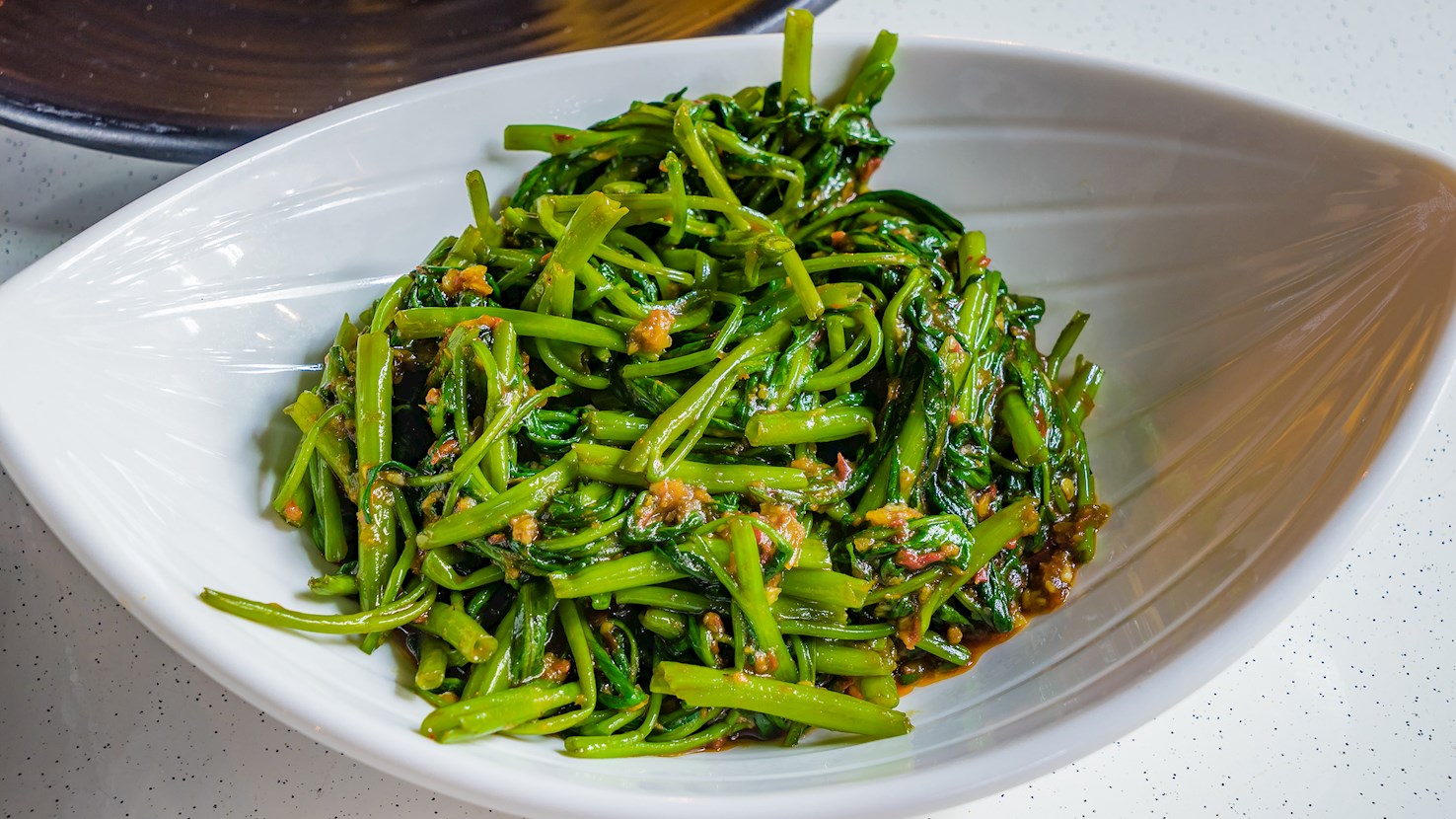
Sambal kangkong is a traditional vegetable dish originating from Malaysia. The dish is usually made with a combination of water spinach (kangkong) and sambal chili paste that consists of hot peppers, garlic, shallots, salt, oil, and dried shrimps. The sambal chili paste is fried in a wok in vegetable oil until fragrant. The water spinach is chopped and stir-fried in the same wok until wilted. The dish is seasoned with salt, and it’s then served immediately, while still hot.
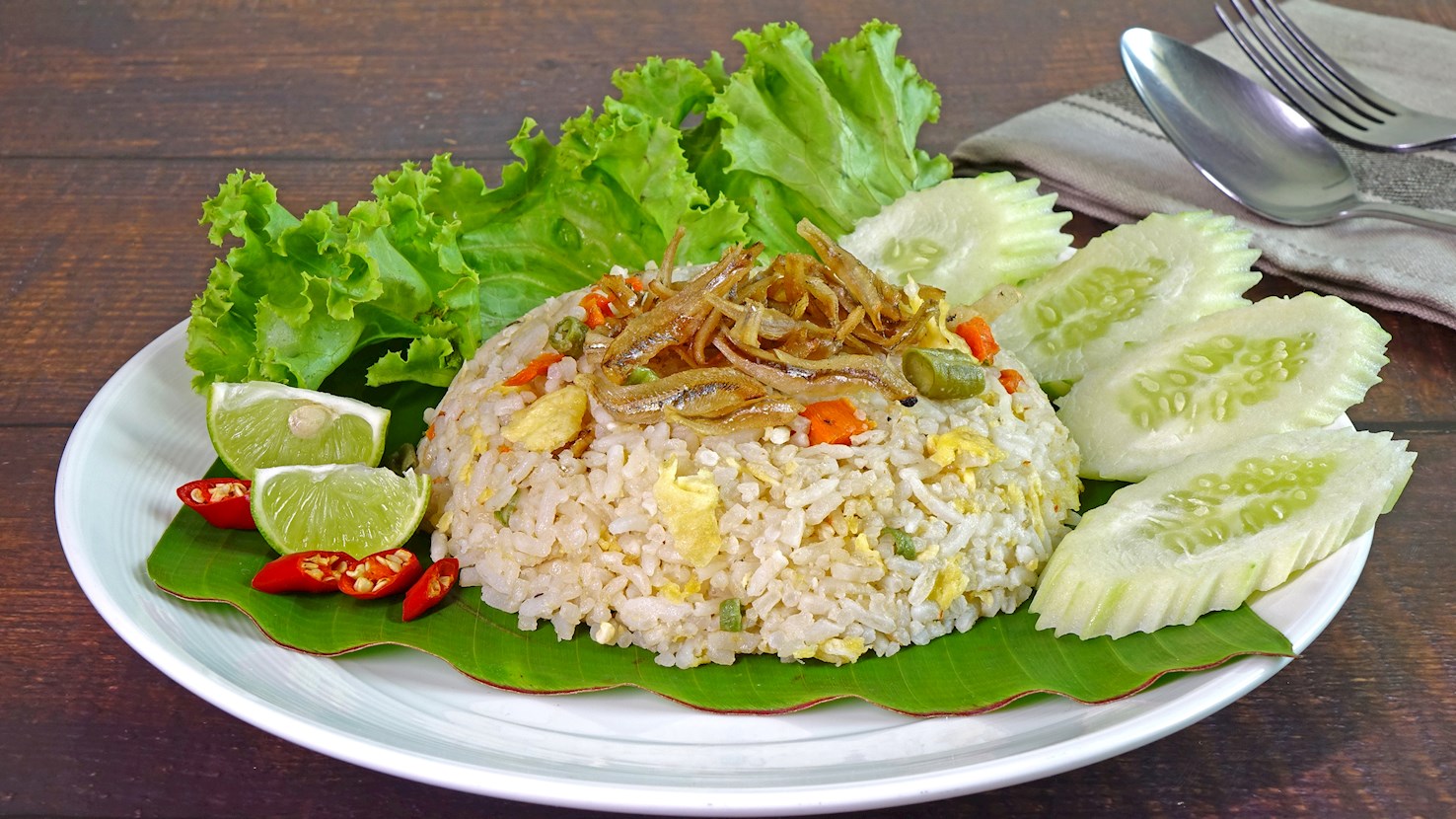
Nasi goreng kampung is a village-style fried rice dish widely enjoyed in both Malaysia and Indonesia, where it reflects a rustic approach to cooking that relies on simple ingredients and strong, savory flavors. In both countries, the dish is known for its use of sambal, fried anchovies, and leftover rice, creating a meal that is filling and uncomplicated. In Malaysia, nasi goreng kampung is especially popular in hawker centers and roadside stalls, where it is prepared quickly to order and typically served with a fried egg and fresh cucumber slices. The Malaysian version is characterized by the generous use of crispy anchovies and a chili paste that is stir-fried until aromatic before the rice is added. Soy sauce is often included to round out the seasoning, and kangkung or long beans are common additions for extra texture. In Indonesia, the dish is prepared in a similar way but may go by names such as nasi goreng pedas kampung or simply nasi goreng pedas. Indonesian cooks often include ikan teri (small dried anchovies) or leftover cooked meats, and some recipes use a touch of terasi, the fermented shrimp paste that gives many Indonesian sambals their distinctive depth. The rice is typically cooked with a combination of garlic, shallots, chilies, and sometimes sweet soy sauce or kecap manis, depending on regional preference. In both versions, the dish is valued for its flexibility, allowing home cooks to adapt it with whatever vegetables and proteins are available. Nasi goreng kampung is commonly eaten for breakfast, lunch, or late-night supper. Its straightforward preparation makes it one of the most accessible fried rice styles across Southeast Asia. While restaurant versions sometimes include elaborate garnishes, the most authentic examples are often the simplest, relying on the freshness of the sambal and the texture of the fried anchovies to carry the flavor. In Malaysia, the name has become a recognizable label on menus, sometimes causing confusion among visitors who expect it to be connected to Western interpretations of “village cuisine.” In Indonesia, the concept of kampung cooking is understood more broadly as a way of describing food prepared without elaborate sauces or commercial seasoning pastes.
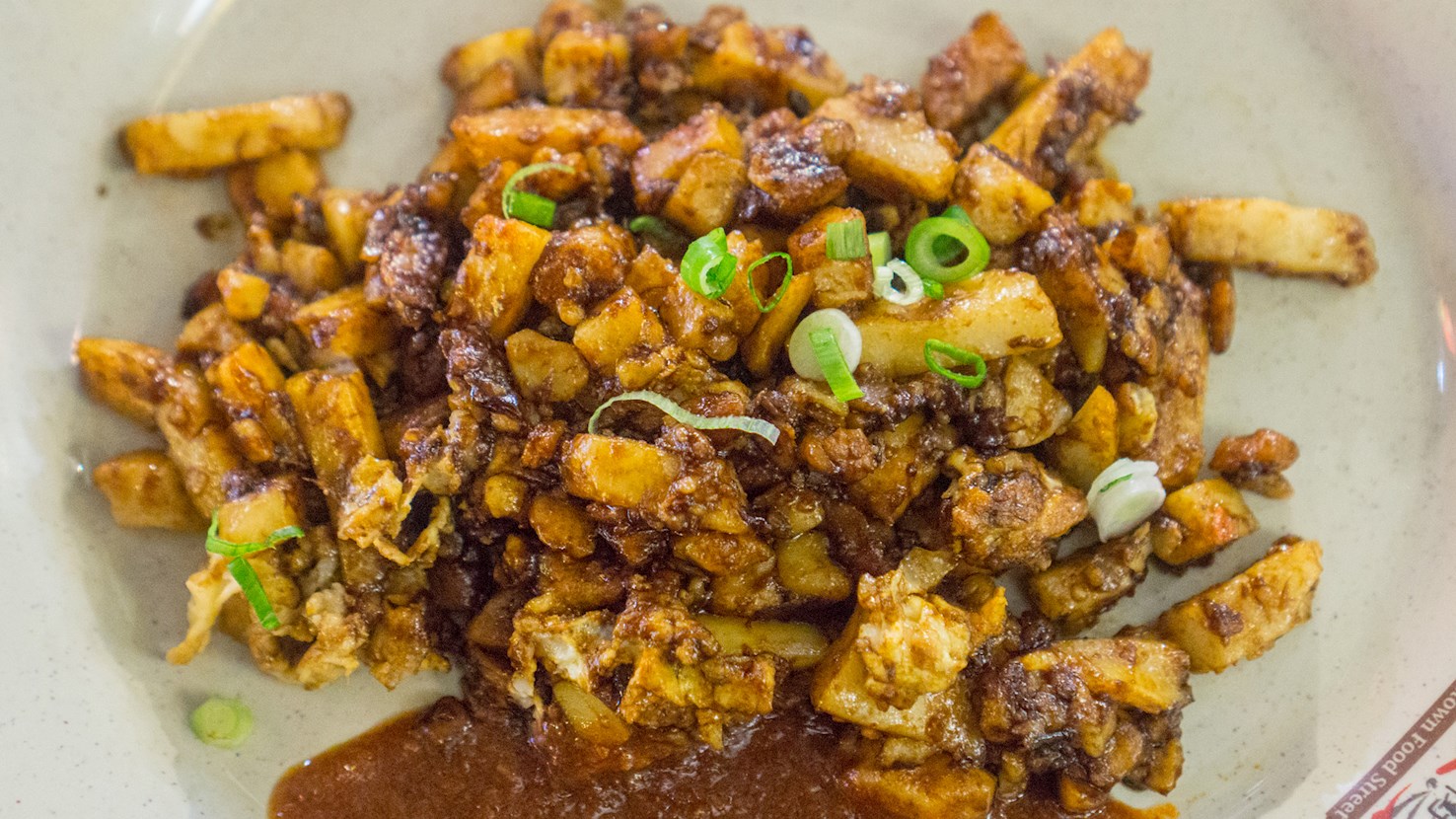
Chai tow kway is a savory dish originating in the Teochew Chinese community and widely popular in Singapore, Malaysia, Indonesia and southern Thailand, where it is often called carrot cake despite containing no carrot. The name comes from the Teochew words for radish and cake, referring to the main ingredient: steamed rice flour and white radish batter that is set into a firm cake. This cake is cut into cubes and then stir-fried with preserved radish, eggs, garlic, and seasonings. The preparation results in a dish that is both crisp and tender, with a balance of savory and lightly sweet flavors. The batter for chai tow kway begins with grated white radish, which is mixed with water and rice flour to form a thick slurry. This mixture is poured into a tray and steamed until it solidifies into a smooth, cohesive block. After cooling, the cake is diced into bite-sized pieces. In hawker stalls and home kitchens alike, the cubes are then fried in hot oil with chopped preserved radish for a salty undertone, garlic for aroma, and beaten eggs to bind everything together. Depending on preference, the dish can be prepared in a white style without sweet soy sauce, or in a black style where dark sweet soy sauce is added for a richer taste and caramelized edges. Chai tow kway is typically garnished with chopped scallions and sometimes a sprinkle of white pepper. It is eaten hot, often as a breakfast or supper dish, and is a staple offering at many hawker centers. Vendors usually prepare it fresh to order, letting customers choose how much egg or chili to include. The dish is commonly enjoyed with pickled chilies on the side, adding a sour and spicy contrast.
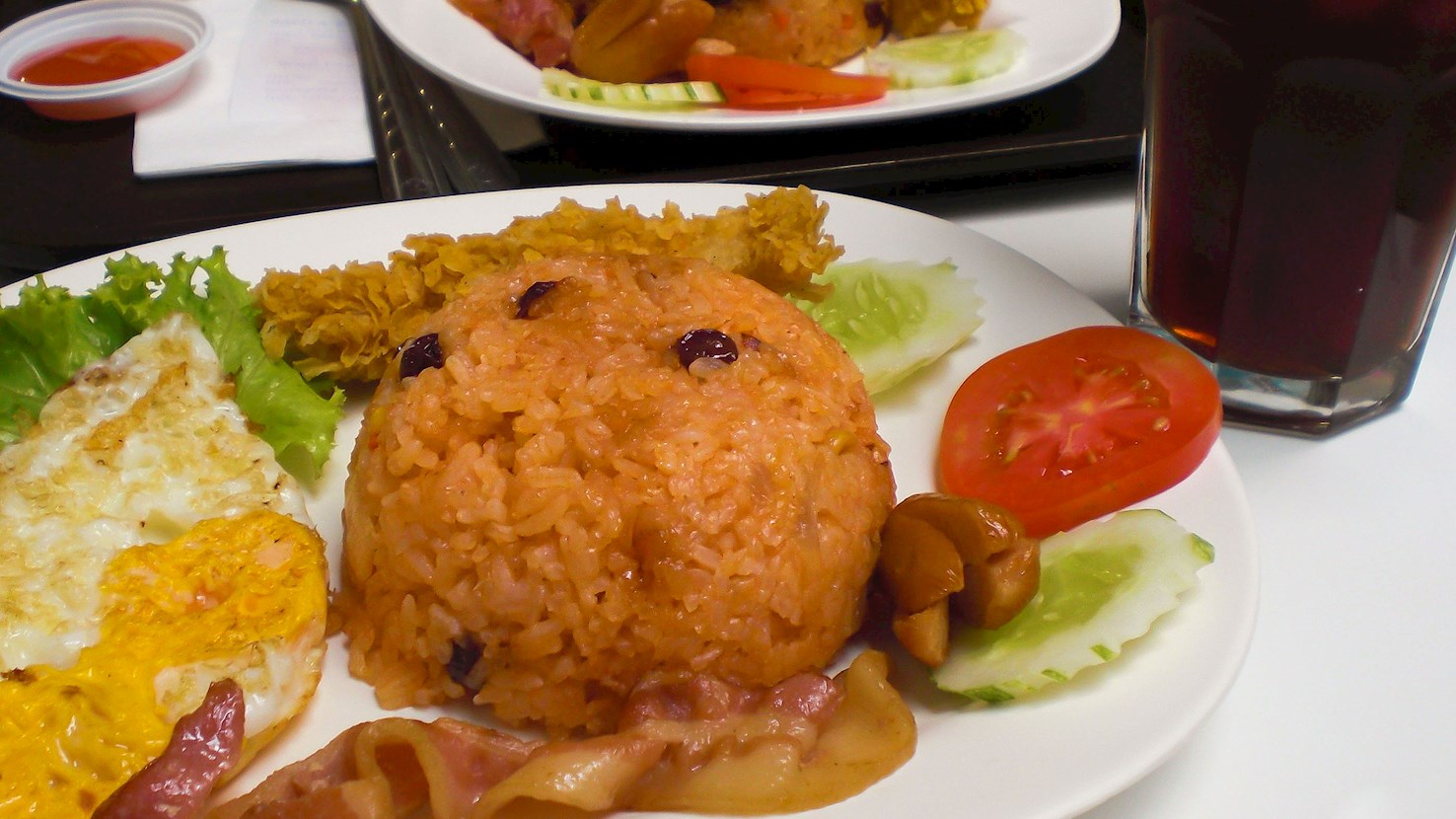
Nasi goreng USA is a Malaysian fried rice dish that combines rice with three main accompaniments: udang (shrimp), sotong (squid), and ayam (chicken). The name is not a reference to the United States but instead comes from the initials of these ingredients, forming the abbreviation “USA.” The dish reflects Malaysia’s love of fried rice and the way cooks often customize it with a variety of proteins and seasonings. Nasi goreng USA is especially popular in local eateries and roadside stalls, where it is served as a filling lunch or dinner option. Preparation begins with cooked white rice, preferably day-old so the grains remain separate when stir-fried. The rice is quickly sautéed in hot oil with garlic, onions, and a mild chili paste, giving it a reddish tint and a subtle heat. Pieces of marinated chicken, cleaned squid rings, and peeled shrimp are then added to the wok and cooked until tender. Soy sauce and oyster sauce contribute savory depth, while a touch of ketchup or tomato sauce provides sweetness and color. The finished rice is often served with a fried egg placed on top, and sliced cucumbers or lettuce on the side to refresh the palate. Nasi goreng USA is commonly accompanied by sambal or pickled chilies, which diners can mix into each bite to increase the spiciness. Vendors often prepare the dish to order, allowing customers to request extra seafood or adjust the heat level. Because it uses familiar sauces and straightforward seasoning, nasi goreng USA is easily adapted for different tastes and remains one of the most approachable fried rice options for visitors trying Malaysian hawker food.
TasteAtlas food rankings are based on the ratings of the TasteAtlas audience, with a series of mechanisms that recognize real users and that ignore bot,
nationalist or local patriotic ratings, and give additional value to the ratings of users that the system recognizes as knowledgeable.
For the “Top 5 Malaysian Stir-fry Dishes” list until June 15, 2026, 157 ratings were recorded, of which 113 were recognized by the system as legitimate.
TasteAtlas Rankings should not be seen as the final global conclusion about food. Their purpose is to promote excellent local foods,
instill pride in traditional dishes, and arouse curiosity about dishes you haven’t tried.