

shutterstock

Top 49 Southeast Asian Stir-fry Dishes

Last updated on May 16, 2026
01

Phat kaphrao

4.3 ·

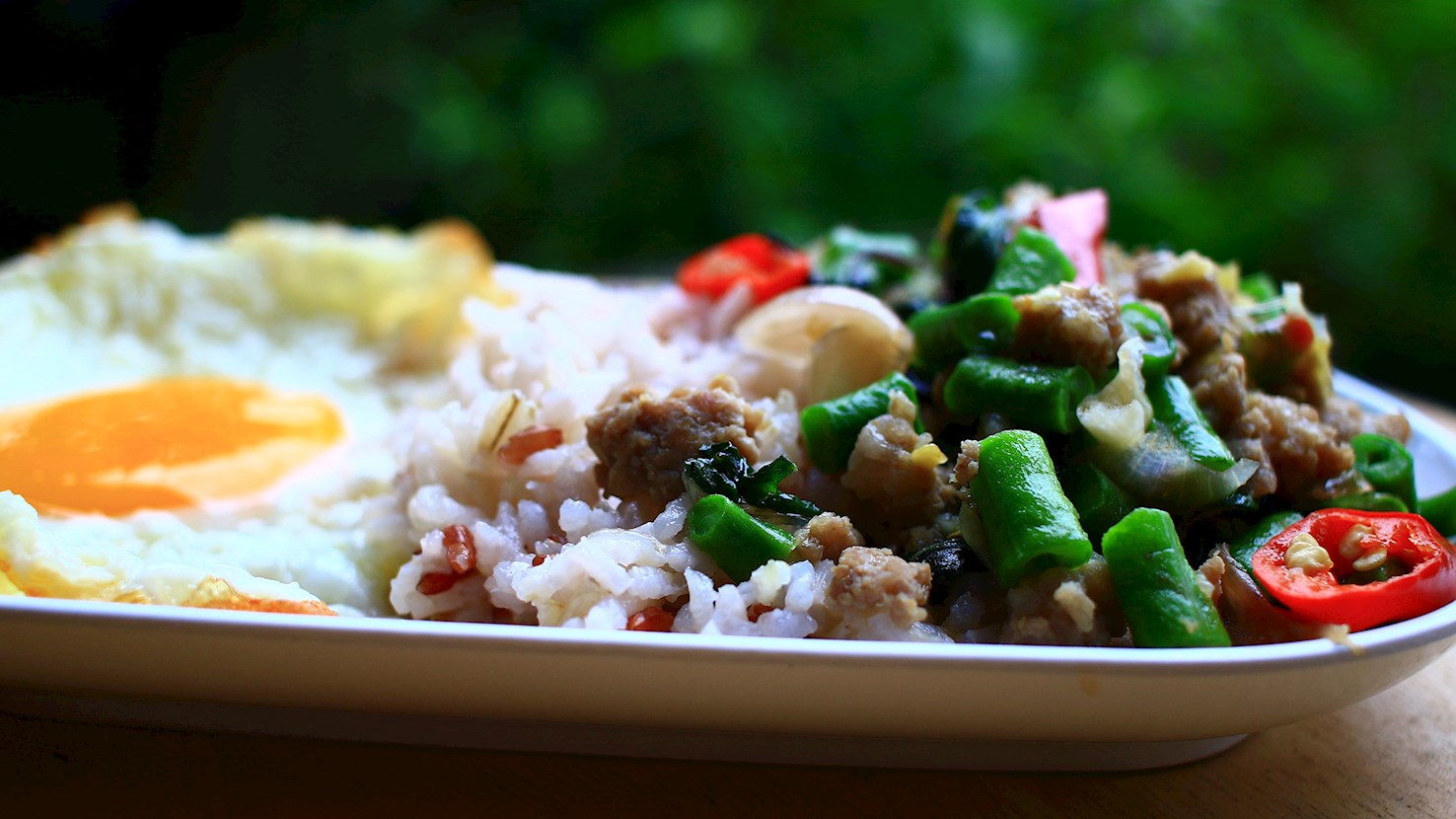
This traditional Thai stir-fry combines minced meat or seafood with holy basil and various other ingredients such as shallots, garlic, and chili peppers. The dish is flavored with soy sauce, sugar, and fish sauce, and typically comes served with rice, fried eggs, and fish sauce on the side. Interestingly, phat kaphrao is ranked as the fourth most common dish ordered by foreigners in Thailand.

02

Nasi goreng ayam

4.3 ·

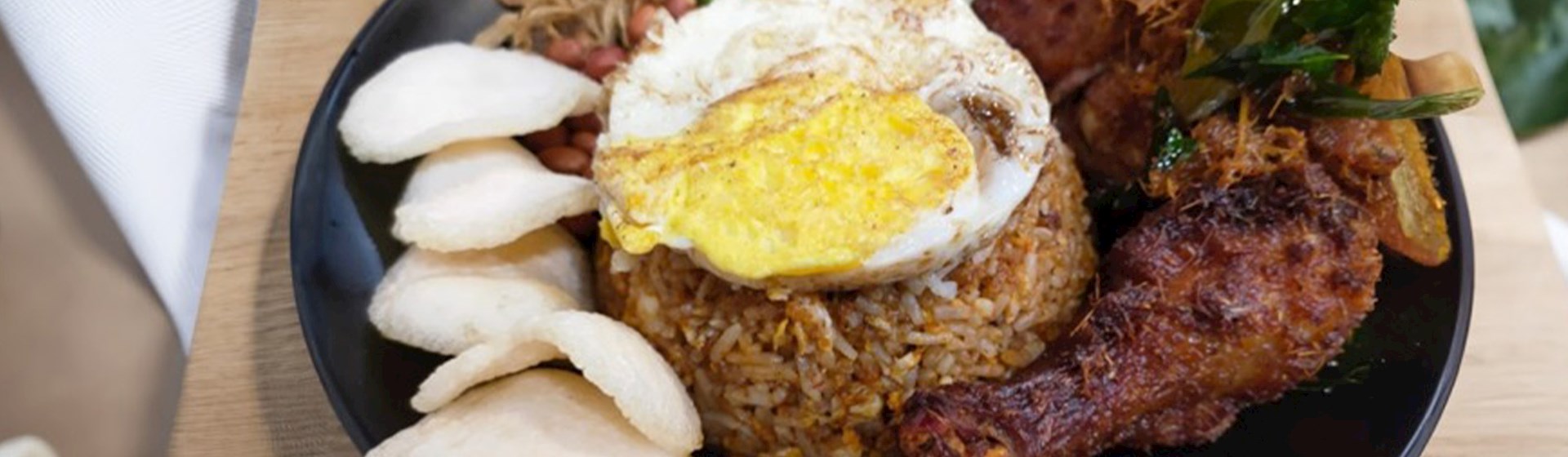
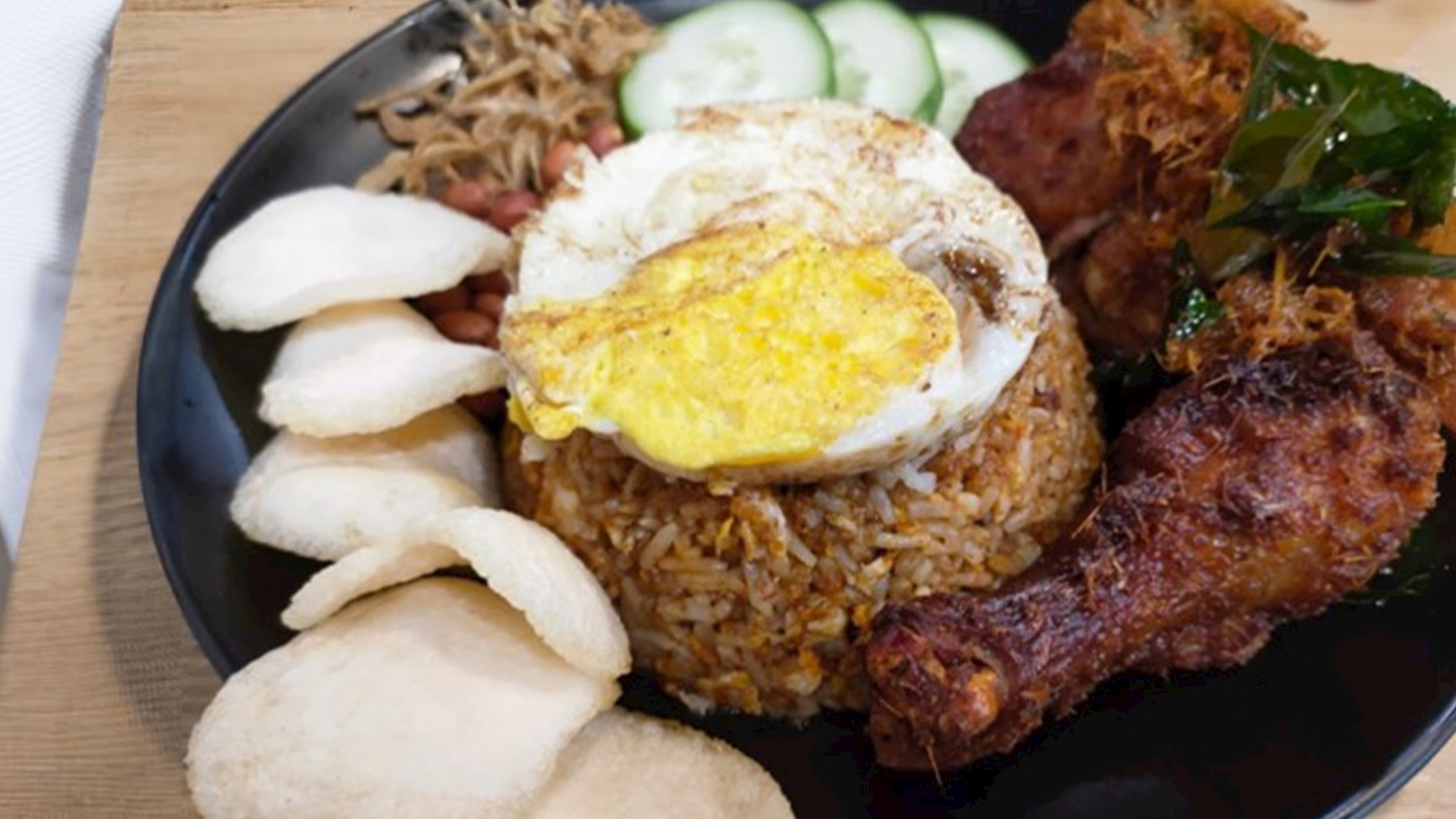
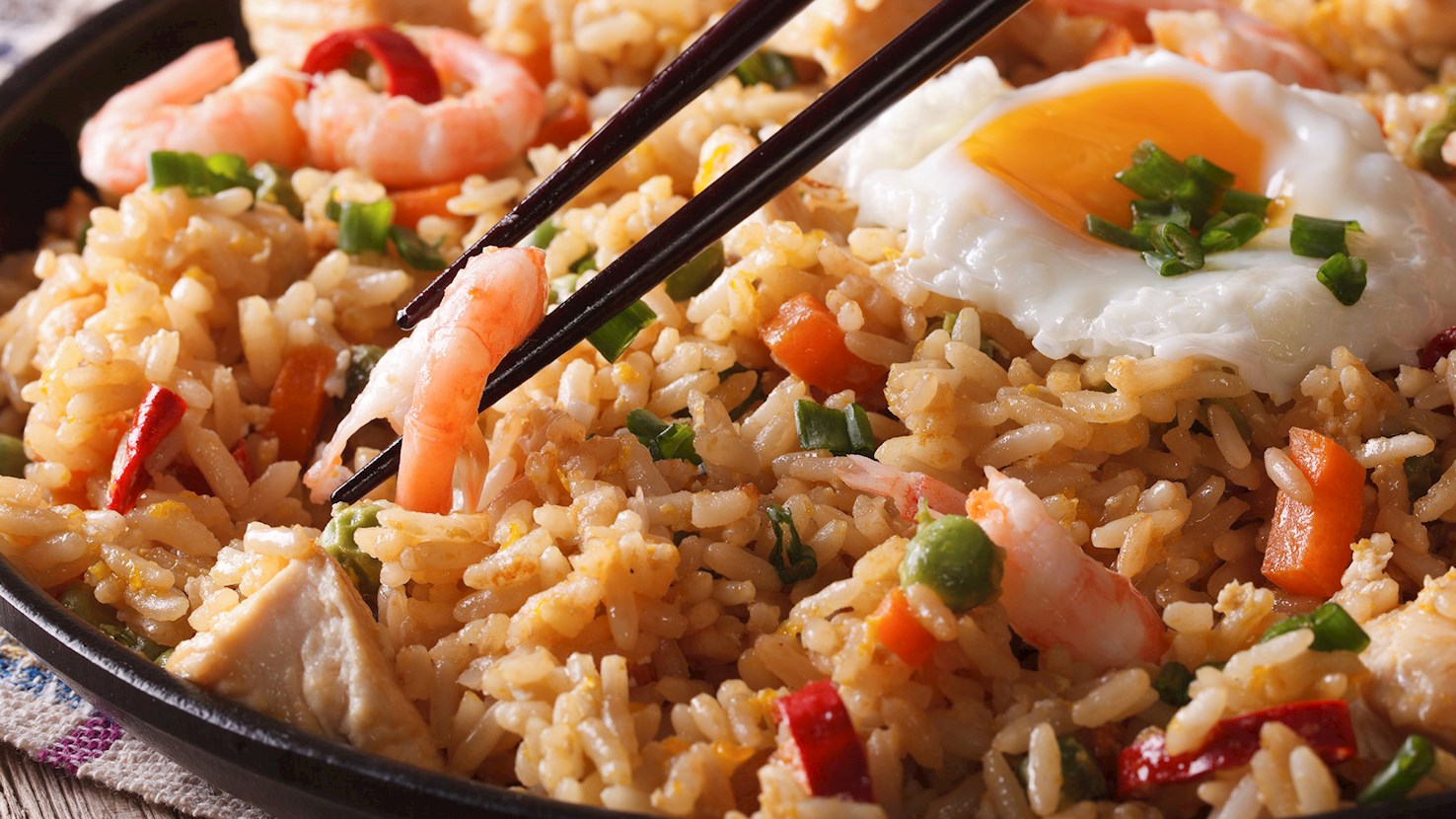
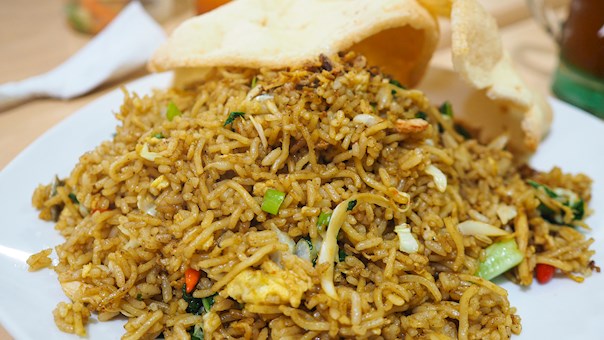
Nasi goreng ayam is a traditional fried rice dish that's also popular in Singapore, Brunei, and Malaysia. Although there are many versions of this nasi goreng variety, it is usually made with a combination of chicken thighs, oil, salt, white pepper, shallots, rice, turmeric, soy sauce, fish sauce, galangal, ginger, garlic, scallions, kecap manis, and hot peppers. Most of the ingredients are fried with rice, and the dish is then topped with fried eggs, fried shallots, and sliced chili peppers. It's recommended to serve nasi goreng ayam with prawn crackers on the side.

03

Pad Thai

4.2 ·

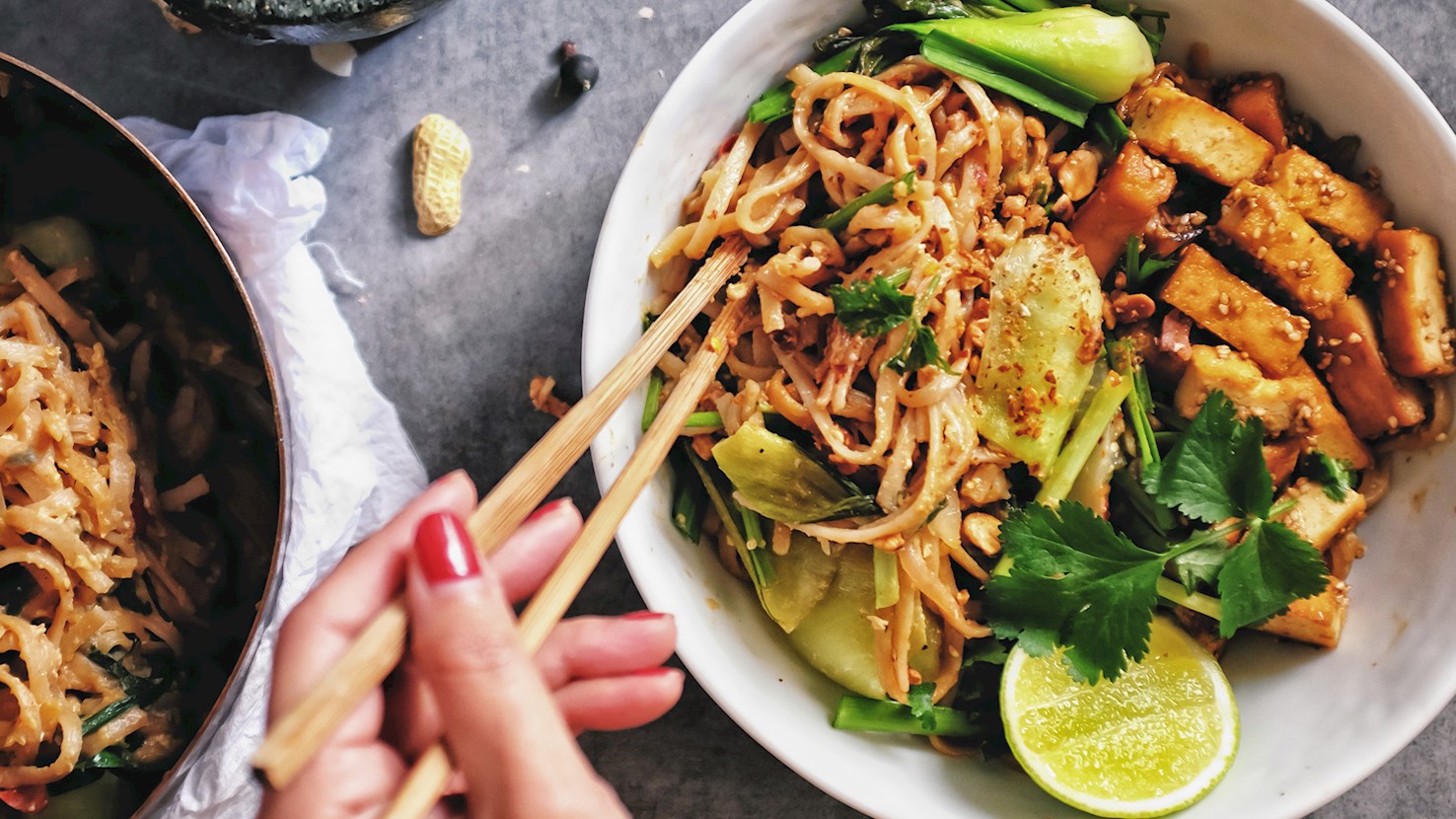
Pad Thai is Thailand's national dish, a flavorful stir-fry (pad in Thai) dish consisting of rice noodles, tofu, dried shrimp, bean sprouts, and eggs. If it's made with meat, chicken and pork are some of the most popular choices. The flavors are an intricate combination of sweet, sour, and salty, with a well-balanced contrast of textures. Pad Thai is probably one of the most popular Thai dishes abroad. Its origins can be traced to a period of nationalism in the country, after the 1932 revolution that ended the absolute monarchy. There was a public contest to find a new national noodle dish, and the winner was a Pad Thai consisting of noodles, radish, sprouts, peanuts, and eggs. Tender rice noodles are additionally flavored with sugar, tamarind, lime juice, vinegar, and fish sauce, and the dish is traditionally served with ground red chilis, white vinegar, sugar, fresh lime wedges, and fish sauce on the side, so each consumer can garnish the meal to their preference.

04

Lok lak

4.2 ·

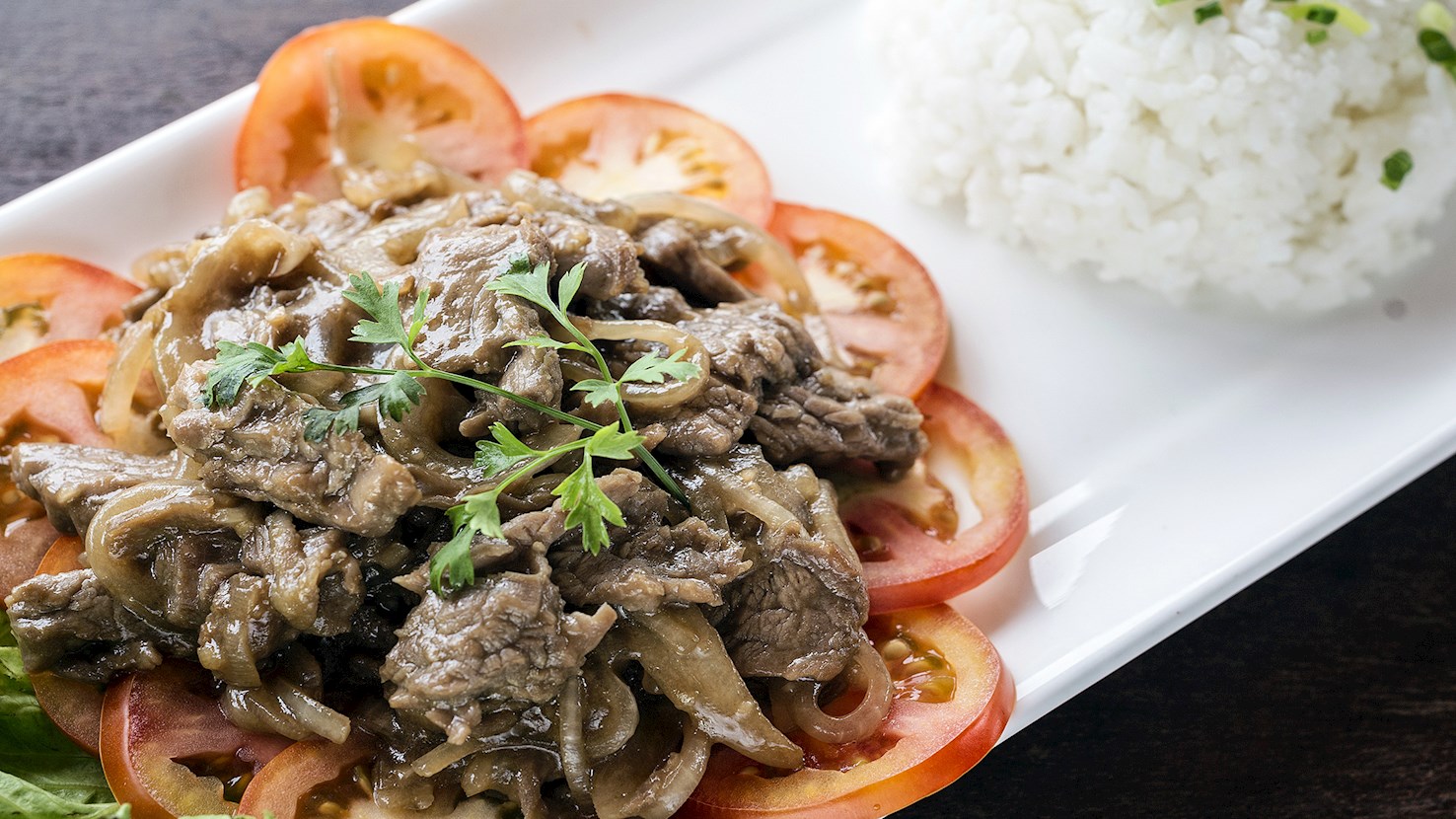
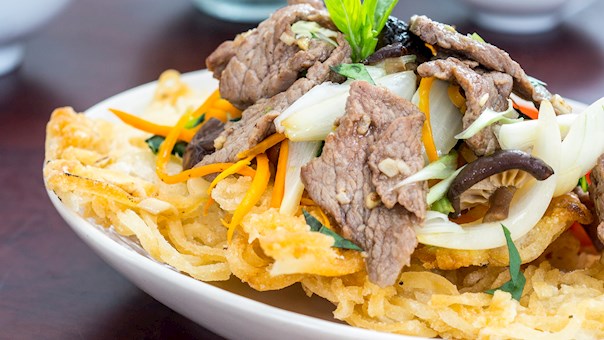
Lok lak is a Cambodian stir-fry utilizing beef, chicken, or shrimp as the key ingredients, although beef is typically the most popular option. For the beef version, a bed of lettuce leaves is traditionally topped with cucumbers, tomatoes, raw onions, and stir-fried beef along with its juices. The dish is typically consumed by pulling lettuce leaves from the bottom and adding other ingredients into it, so it is consumed similar to a wrap. Lok lak is often paired with rice on the side, and it was supposedly brought to the country by the French people from Vietnam.

05

Rau muống xào tỏi (Morning Glory Stir-Fry)

4.2 ·

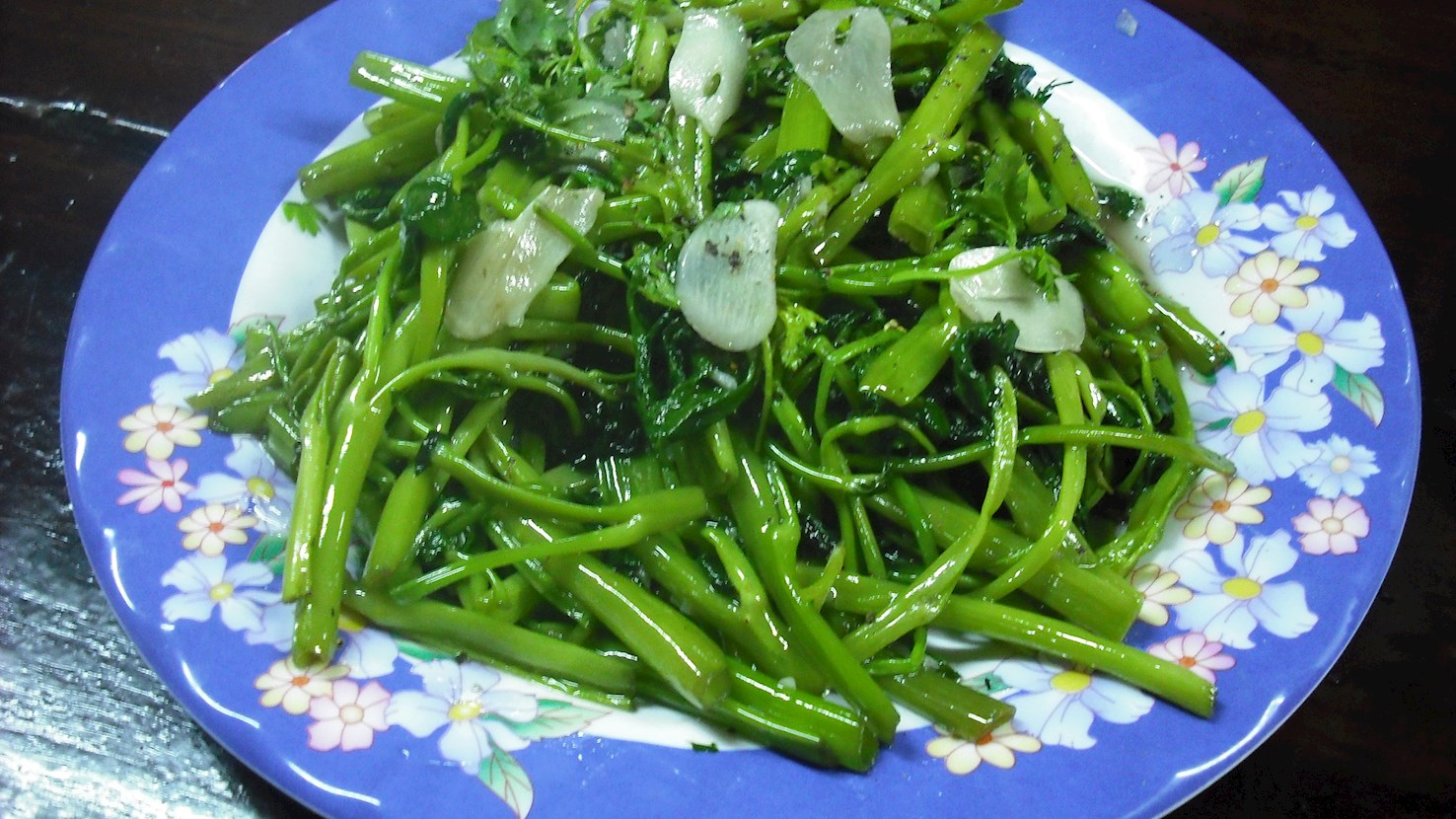
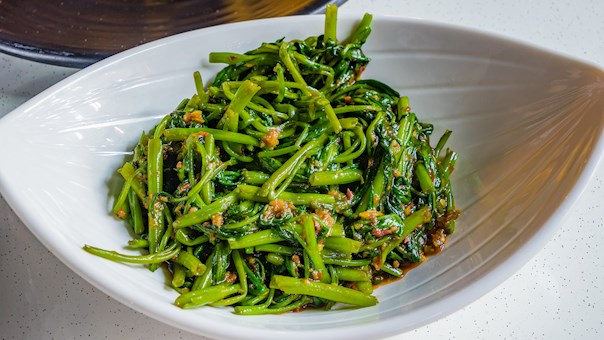
Rau muống xào tỏi is a traditional dish that's suitable for vegetarians. It's made with a combination of morning glory (water spinach), garlic, fish sauce, salt, sugar, and oyster sauce. The water spinach is blanched, then stir-fried with garlic, salt, and sugar, while the fish sauce is added near the end of cooking. This vegetable dish is served hot, usually as a part of a three-course meal, the first is a stir-fry, the second course is a boiled or steamed dish, and the third course is a soup. Rau muống xào tỏi also makes for a great accompaniment to white rice.

06

Nasi goreng

4.2 ·

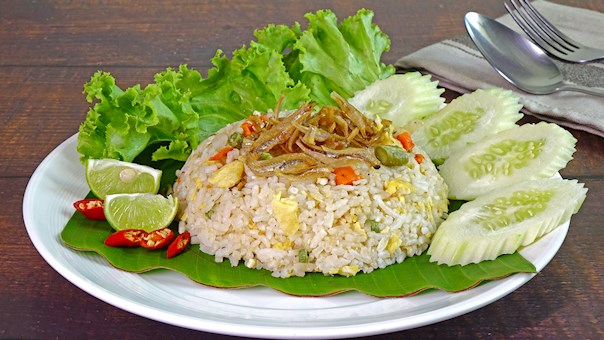
Nasi goreng is often referred to as the Indonesian version of fried rice. Although it is considered to be the national dish of Indonesia, it is also commonly eaten in Malaysia and Singapore. It is believed that the tradition of frying rice in Indonesia came from the Chinese culture, when the trade between the two countries started to develop. Indonesians adopted the Chinese tradition based on the belief that it is sinful to waste food, and soon, like many other versions of fried rice, nasi goreng was created. Since it was developed out of a practical need, it is usually eaten for breakfast and made with leftover rice from the previous day. Precooked rice is usually fried in a small amount of oil, then spiced up with shallots, garlic, chili, or ginger. Indonesian fried rice is distinguished by the generous use of sweet soy sauce, and because of that, it has a deeper and spicier flavor than other varieties of fried rice. Nasi goreng is commonly served with eggs. Usually, they are mixed in the rice or fried and served on the side.

07

Phat si-io

4.1 ·

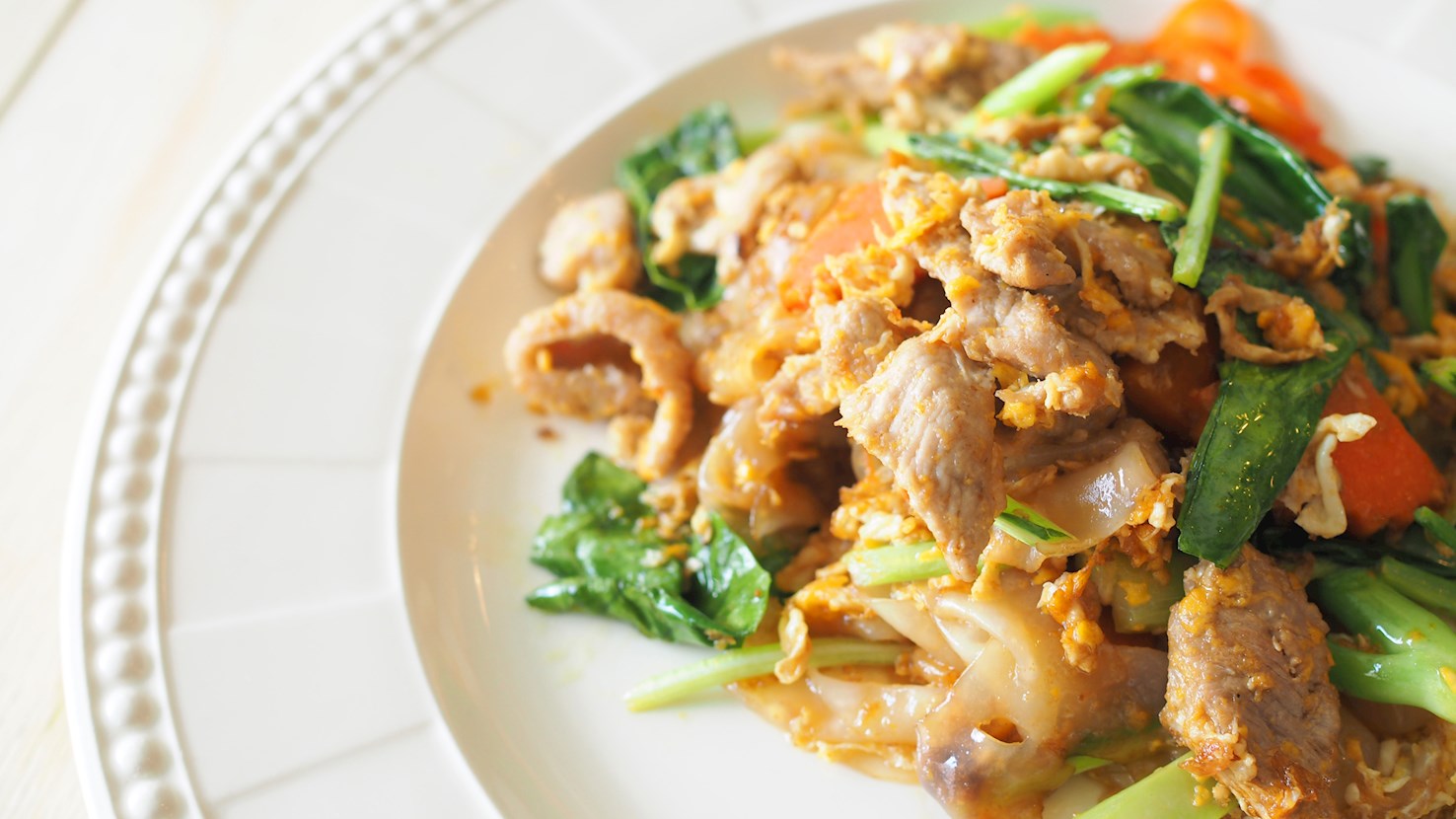
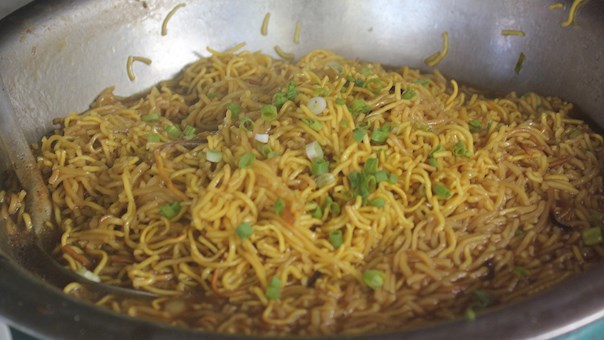
Phat si-io is a Chinese-style noodle dish originating from Thailand. The dish is often prepared and served from street stalls and consists of big noodles or vermicelli which are stir-fried with thinly sliced pork, beef, chicken, or seafood. The dish is popular because of its fragrant aroma coming from fried soy sauce (both light and dark varieties), garlic, eggs, and Chinese broccoli, which are also included in the pan. The dish is also spelled as pad see ew, with pad meaning fried, and see ew meaning soy sauce, so the name literally means fried soy sauce. Once done, it's recommended to serve phat si-io with chili sauce.

08

Sambal goreng

4.1 ·

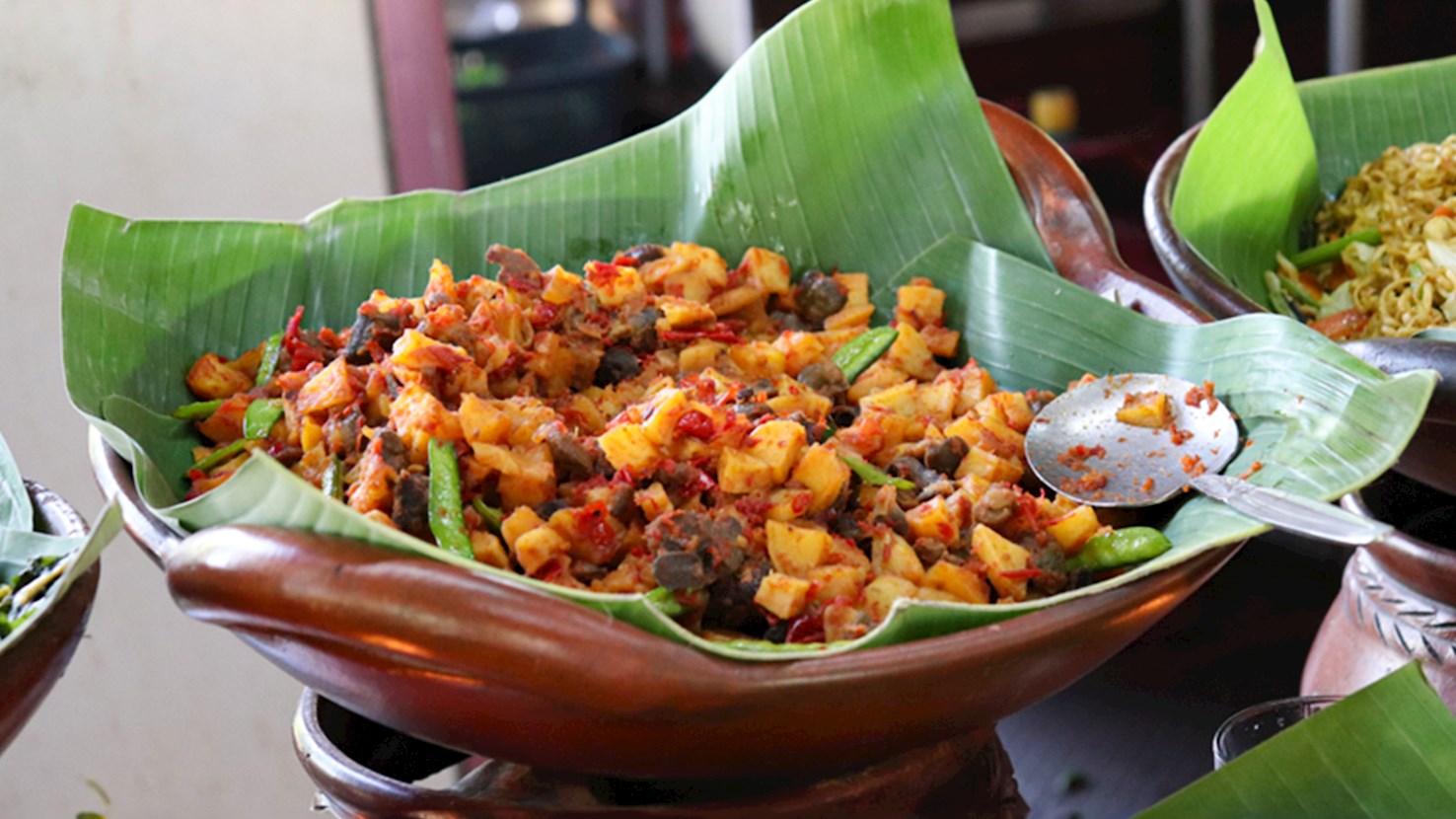
Sambal goreng, which translates to "fried sambal," is a term used in Indonesian cuisine that can refer to a variety of spicy, fried dishes made with sambal. As a dish, sambal goreng can range from vegetables, meat, to tofu or tempeh, all cooked with a spicy mixture of ground chilies, shallots, garlic, and often includes shrimp paste (terasi), along with other ingredients like tomato, tamarind for sourness, and palm sugar for a hint of sweetness. Coconut milk is sometimes added to create a rich, creamy texture. One popular variant is sambal goreng kentang (potato sambal goreng), which includes fried potatoes, liver (often chicken liver), and sometimes prawns, cooked in a spicy and savory sauce. Another version is sambal goreng ati (liver sambal goreng), focusing on the liver cooked with the sambal sauce.

09

Pad kee mao (Drunken noodles)

4.1 ·

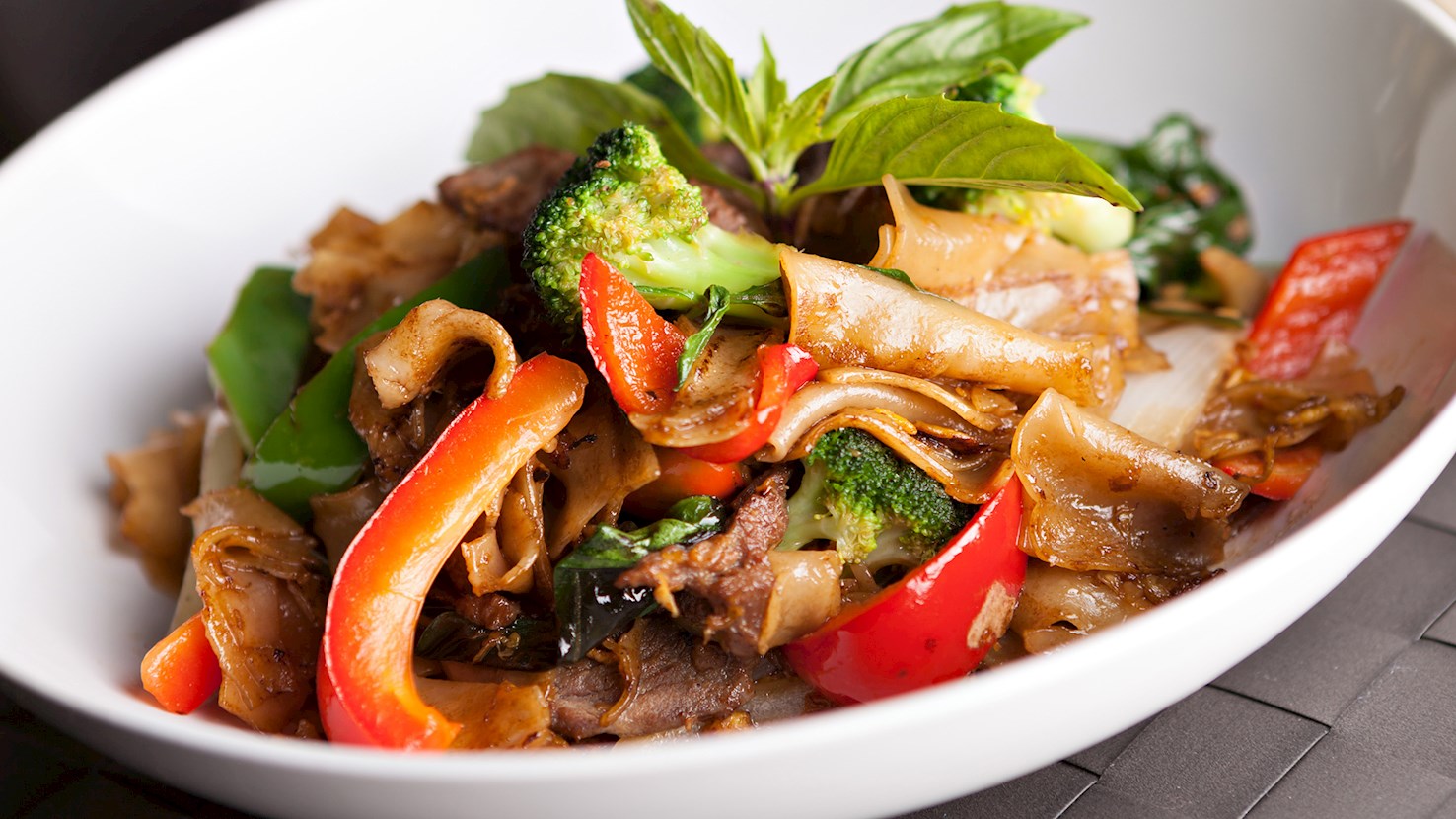
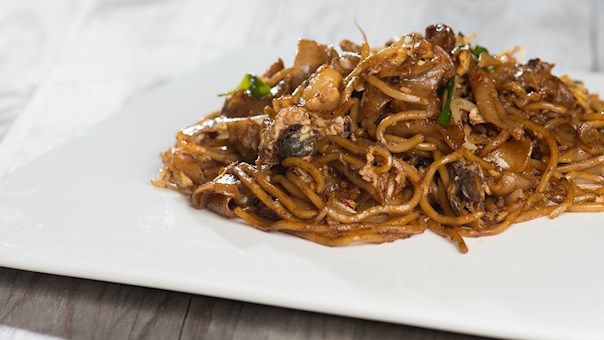
Pad kee mao (more commonly known as drunken noodles) is a stir-fry noodle dish originating from Thailand, similar to phat si-io. It is made with broad rice noodles, chicken thighs (or breast), garlic, red chilis, kaffir lime leaves, galangal, baby corn, brown sugar, fish sauce, soy sauce, and holy basil. Other versions of the dish use squid or different seafood as the main ingredient. There are many theories as to the origin of its name, but the most commonly accepted one is that pad kee mao is a popular food of choice for late-night drinking. Nowadays, the dish is also found in Thai-fusion cooking, with some versions made with instant noodles or even spaghetti.

10

Chilli crab

4 ·

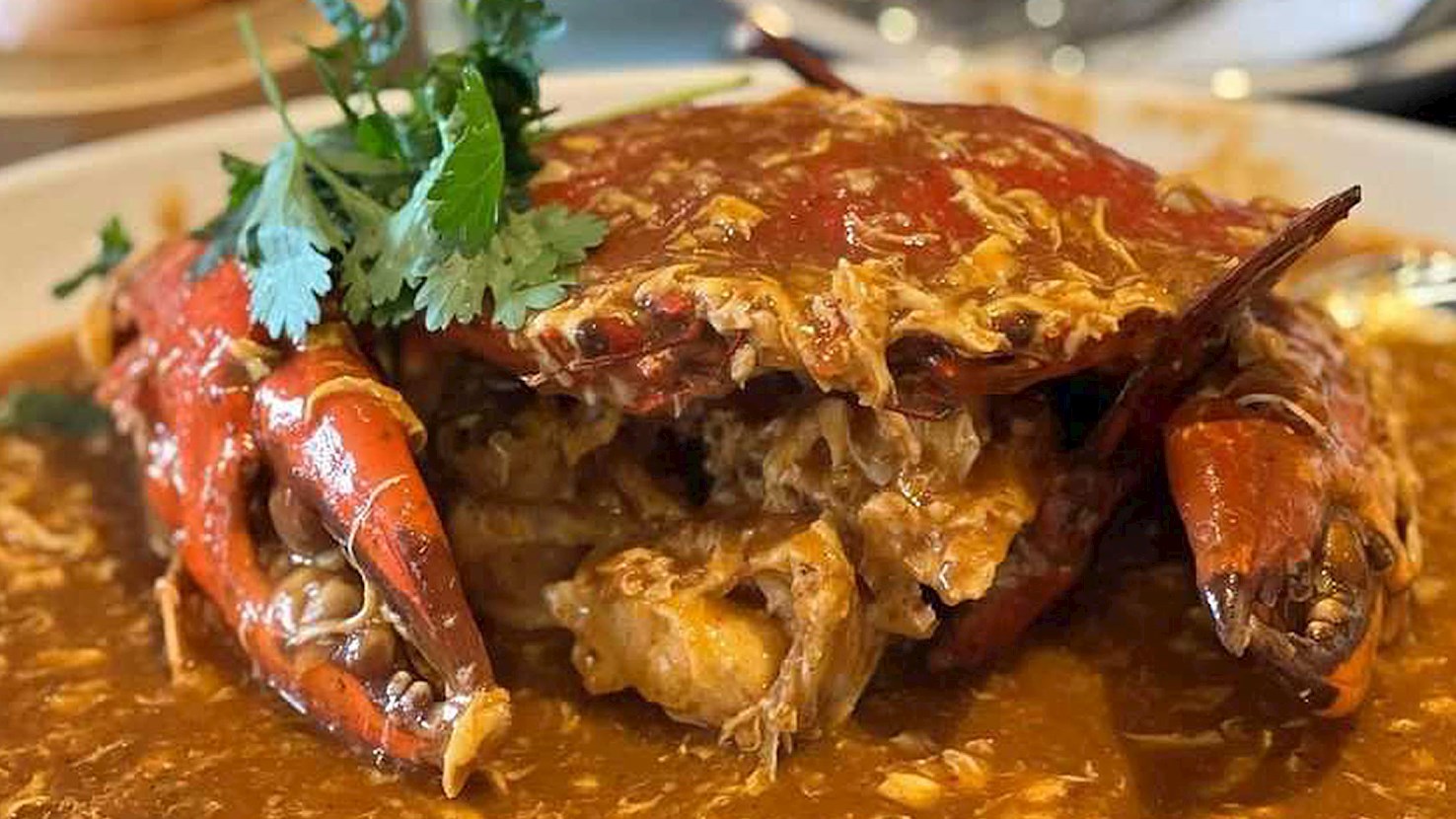
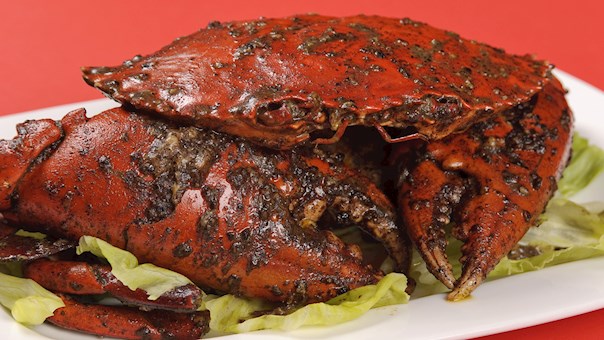
Like many other dishes in Asia, chilli crab started as a street food item, but it has eventually become so popular that today it is considered to be the national dish of Singapore. It consists of a stir-fried crab covered in a succulent, spicy sauce. The story of chilli crab's origin is a well-known anecdote - it was invented in the 1950s by Cher Yam Tian, who wanted to modify her stir-fried crab recipe by adding bottled chili sauce into the dish. The result was so delicious that her family persuaded her to start selling the dish, so chilli crab began its way to become the signature dish of Singapore. The dish is served in many restaurants in the country, and since the crab is served in a shell, the consumption of chilli crab is a unique experience. The diners must use their hands to crack the shell open in order to get hold of the tender crab meat hiding on the inside. Usually, mallets or nutcrackers are used to ease the whole procedure. Bread is commonly served together with the crab, and it is mainly used to soak up the delicious spicy gravy.

Read more
View all
View map
About this ranking

TasteAtlas food rankings are based on the ratings of the TasteAtlas audience, with a series of mechanisms that recognize real users and that ignore bot, nationalist or local patriotic ratings, and give additional value to the ratings of users that the system recognizes as knowledgeable. For the “Top 49 Southeast Asian Stir-fry Dishes” list until May 16, 2026, 2,882 ratings were recorded, of which 2,274 were recognized by the system as legitimate. TasteAtlas Rankings should not be seen as the final global conclusion about food. Their purpose is to promote excellent local foods, instill pride in traditional dishes, and arouse curiosity about dishes you haven’t tried.

Similar lists