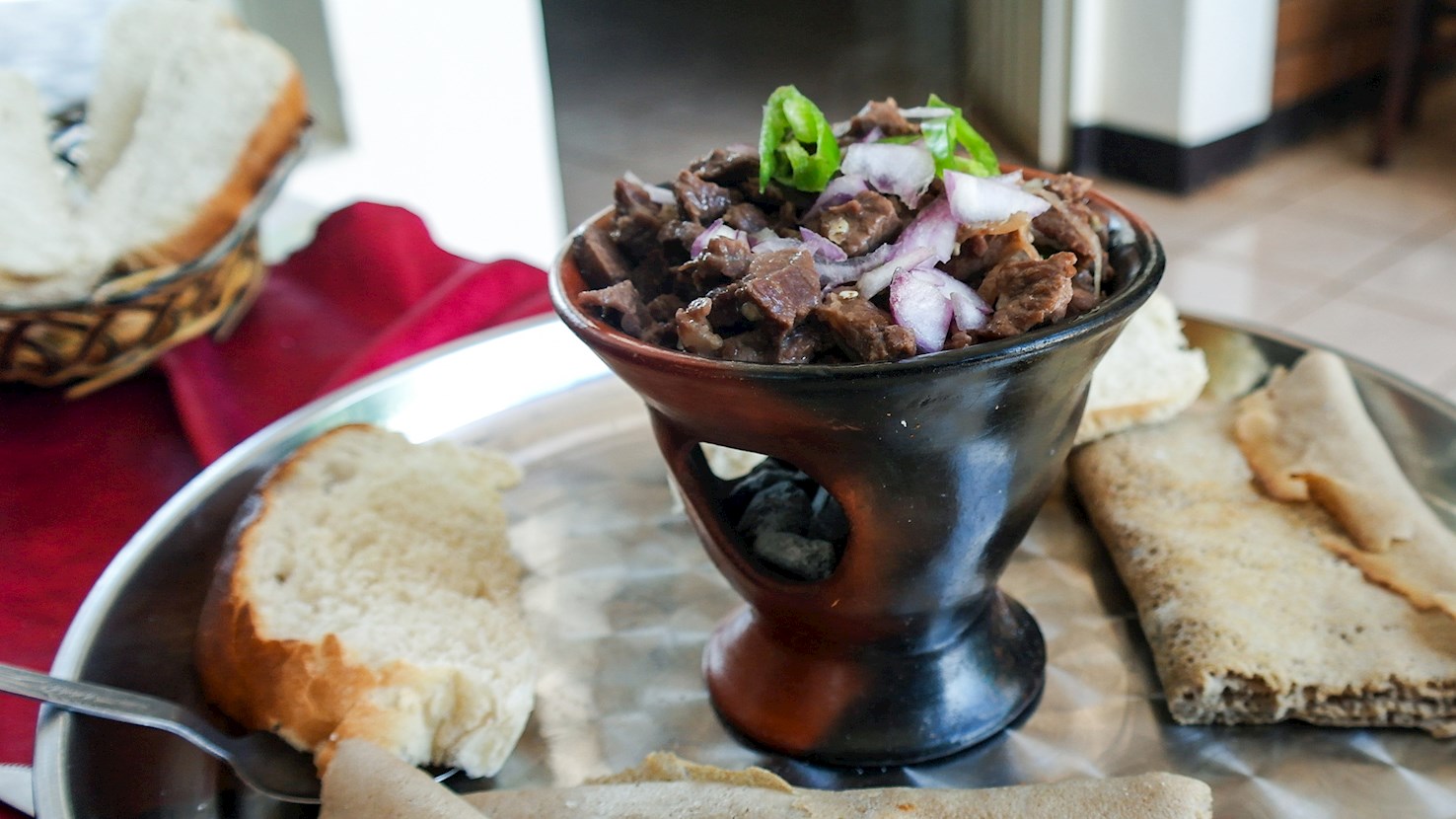
Tibs is a quick stir-fried meat dish made with cubes of beef, lamb, or goat seared over high heat with onions, jalapeños, and spiced clarified butter. Historical accounts from the Royal Chronicles of the Solomonic dynasty in the fourteenth century describe royal banquets where large platters of seared meat were served as a sign of wealth and to honor important guests. The high-heat cooking style is also closely connected with the fasting calendar of the Orthodox Church in the Horn of Africa. After the fifty-five-day vegan fast leading up to Fasika, freshly slaughtered livestock could be cooked quickly without the long simmering required for stews. The meat is first cut into even, bite-sized cubes. A wide metal pan is heated until very hot. A generous spoonful of niter kibbeh, clarified butter flavored with fenugreek, cardamom, and garlic, is melted in the pan. Sliced red onions and the raw meat are added to the hot fat and seared quickly so the outside browns while the inside stays juicy. Minced garlic, fresh ginger, and thick slices of green jalapeño are added shortly before the meat finishes cooking. Fresh rosemary sprigs are often added at the end so their aroma infuses the hot butter and meat. Changing the cooking time and seasonings creates several different styles. Awaze tibs adds a thick, spicy mixture of berbere chili and honey mead, turning the dry stir-fry into a richer, dark red, saucier version. Derek tibs takes the opposite approach. No extra liquid is added, and the meat stays in the hot pan until the outside becomes dry, crisp, and deeply browned. Lamb can replace beef, producing a fattier and gamier flavor and usually requiring less butter in the pan. The hot meat is served directly over injera, the large, spongy sourdough flatbread that absorbs the spiced butter and meat juices. The meal is eaten by tearing off pieces of injera by hand and using them to pick up the meat. A small clay brazier filled with hot charcoal is sometimes placed at the table beneath a special pan called a shekla, keeping the tibs hot and sizzling while it is served. Small portions of bright orange mitmita spice powder or sharp yellow mustard paste are often placed around the edges of the injera for dipping.
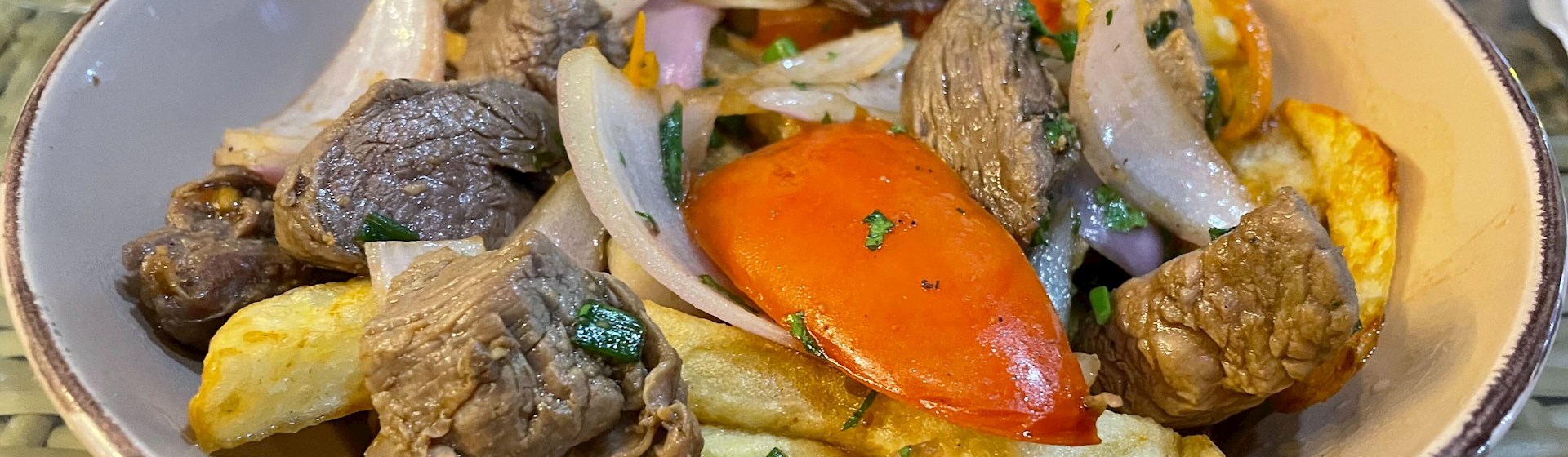
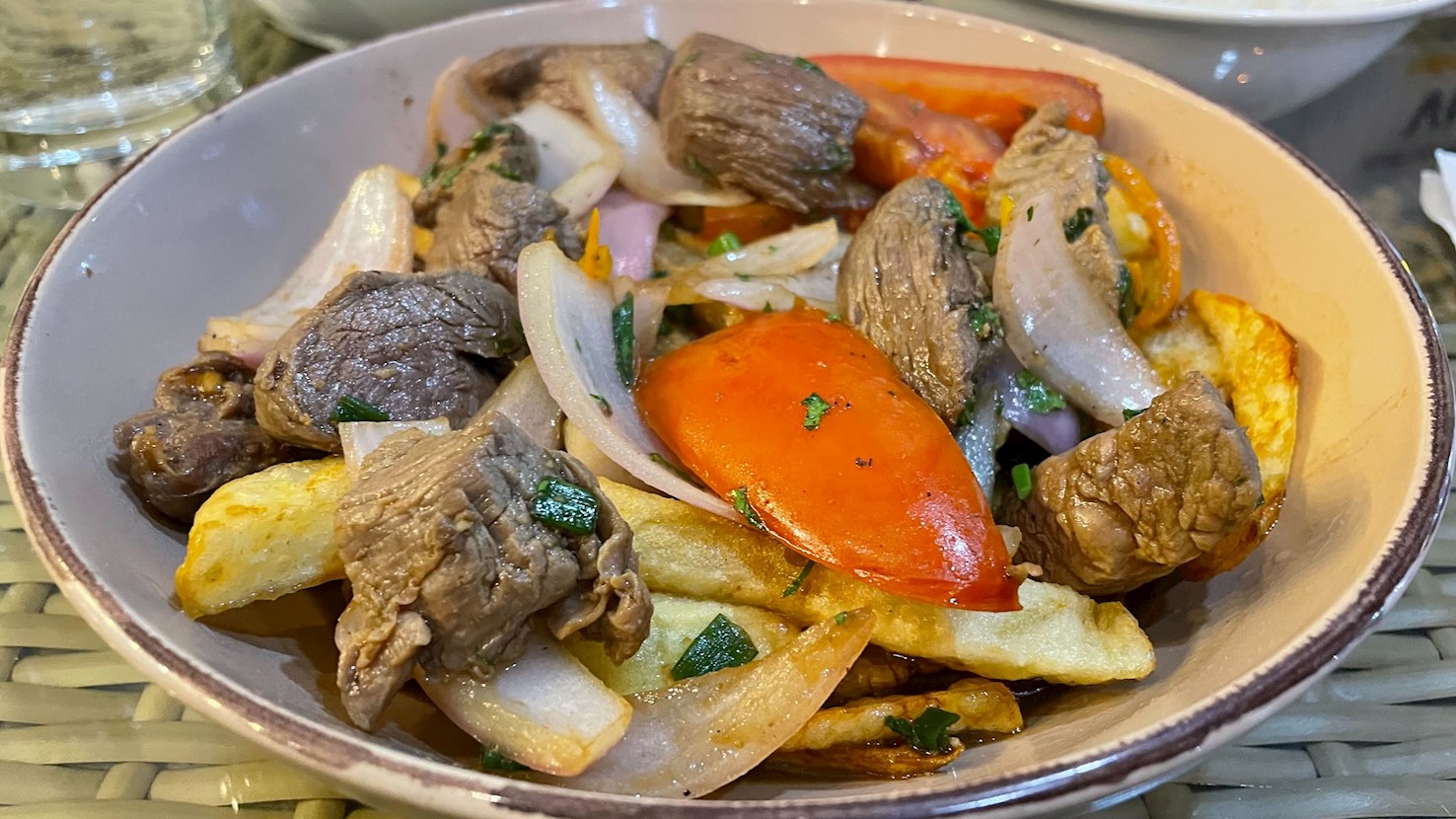
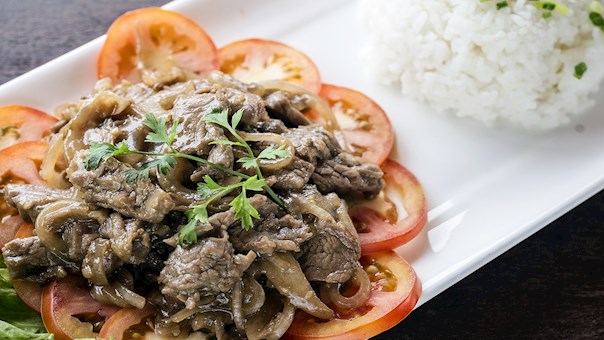
Lomo saltado is a traditional dish consisting of stir-fried marinated slices of sirloin or beef tenderloin, onions, yellow Peruvian chilis, and tomatoes. The dish is typically served with French fries and rice on the side, and can be found on the menus of almost all Peruvian restaurants, whether simple or upscale. The dish has had a big Asian influence due to the influx of Chinese immigrants during the 19th century. Over the years, some Chinese cooking techniques were combined with the Peruvian, and new dishes were invented, such as lomo saltado. Today, there are many variations on the dish, so beef can be replaced by chicken, when it is called pollo saltado. If the potatoes are replaced with noodles and vegetables, it is then called tallarin saltado. With its fusion of old and new worlds, lomo saltado still holds its status as one of Peru's most loved dishes.
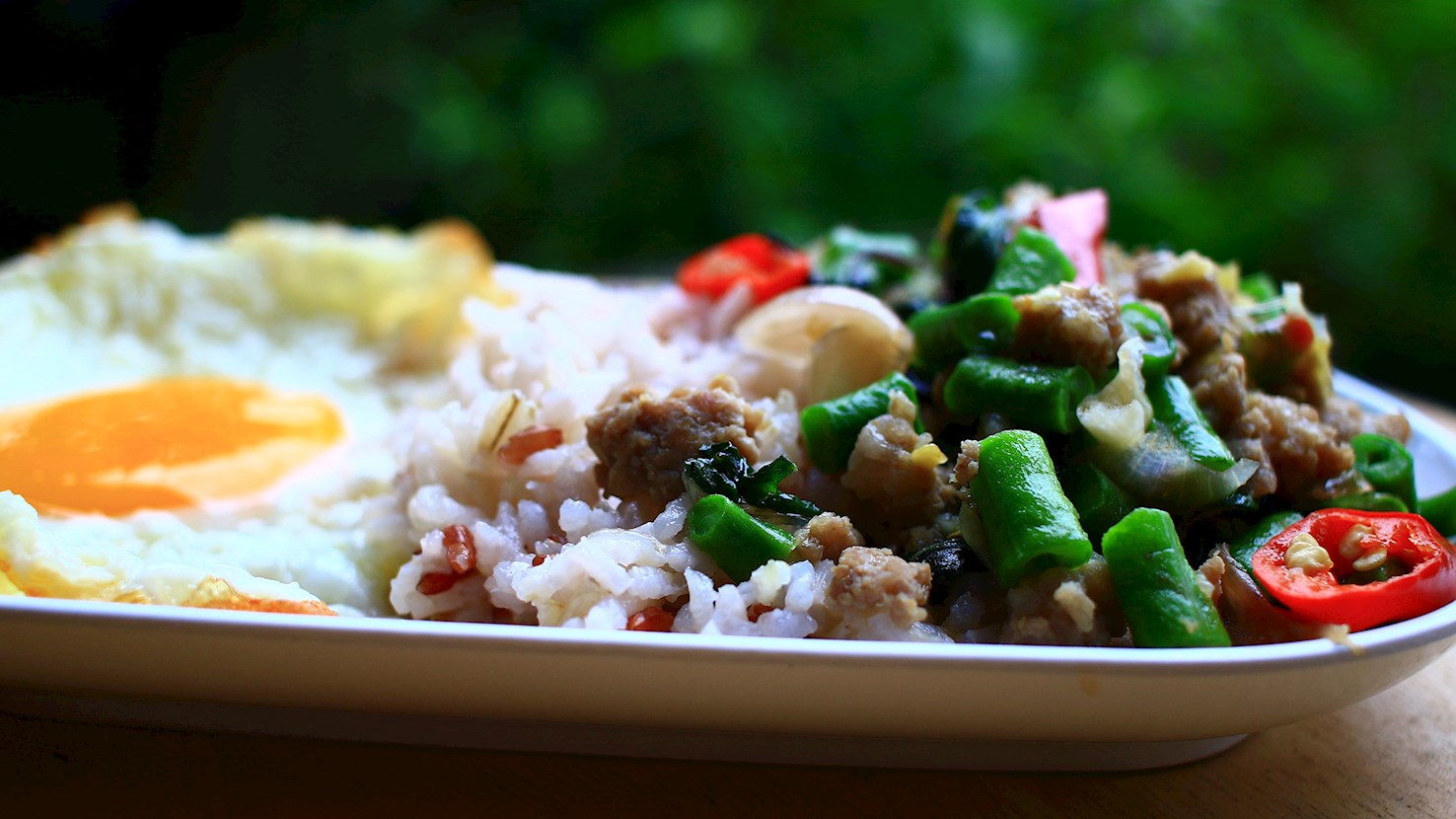
This traditional Thai stir-fry combines minced meat or seafood with holy basil and various other ingredients such as shallots, garlic, and chili peppers. The dish is flavored with soy sauce, sugar, and fish sauce, and typically comes served with rice, fried eggs, and fish sauce on the side. Interestingly, phat kaphrao is ranked as the fourth most common dish ordered by foreigners in Thailand.
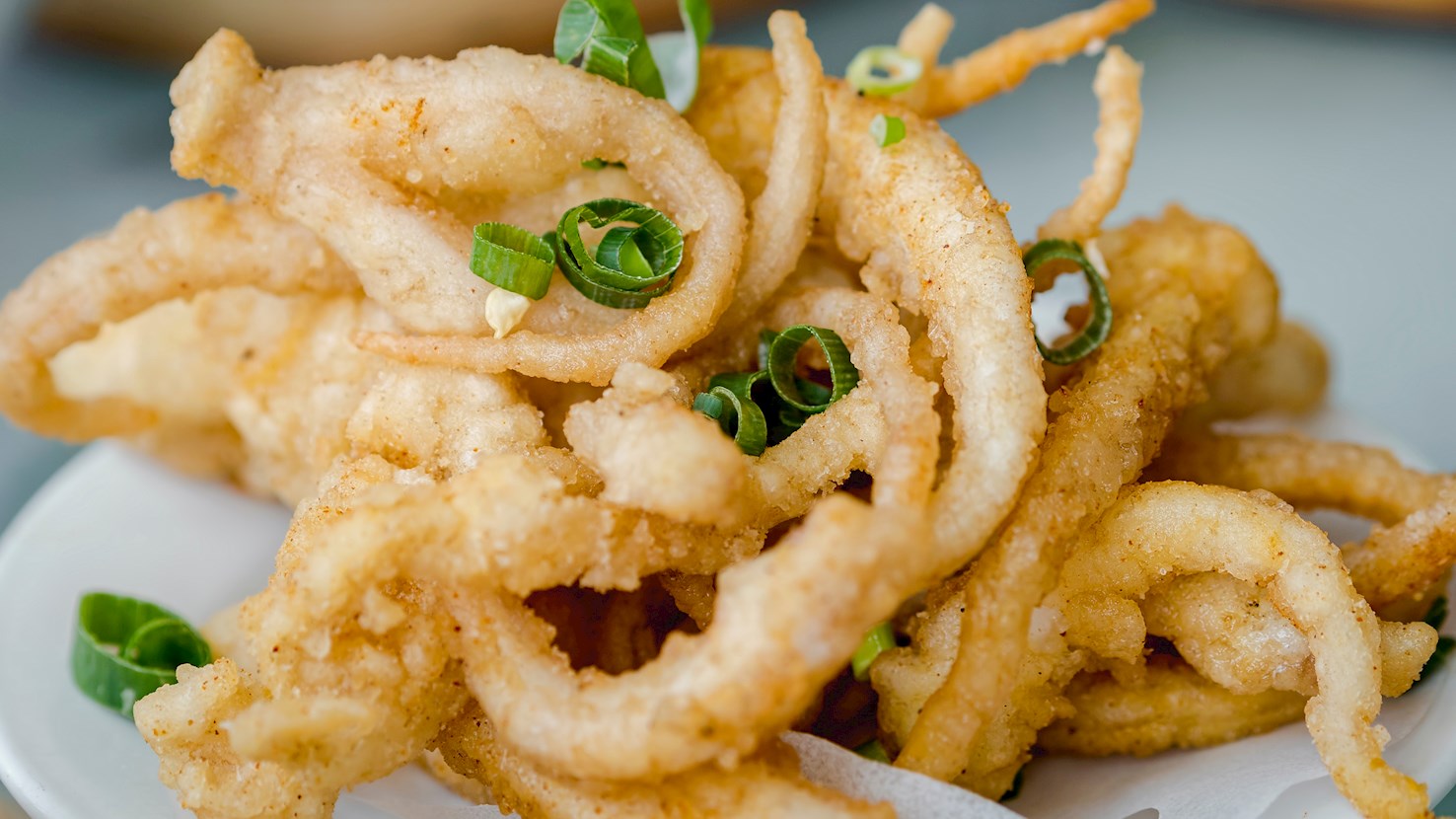
Jiao yan you yu or salt-and-pepper squid is a traditional dish originating from Guangzhou. This Cantonese dish is usually made with a combination of squid, potato flour, scallions, Shaoxing wine, garlic, oil, hot peppers, Sichuan pepper or white pepper, and salt. The surface of the squid is cross-hatched and the body is cut into bite-sized pieces. It's mixed with Shaoxing wine, drained, dredged in flour, and deep-fried in hot oil until lightly golden. The squid is removed from the pan. The garlic, scallions, and hot peppers are stir-fried in the same oil, and the squid is placed back into the pan with a mixture of Sichuan pepper and salt. The dish is stir-fried a bit more, tossed, and served hot as an appetizer or a main course.
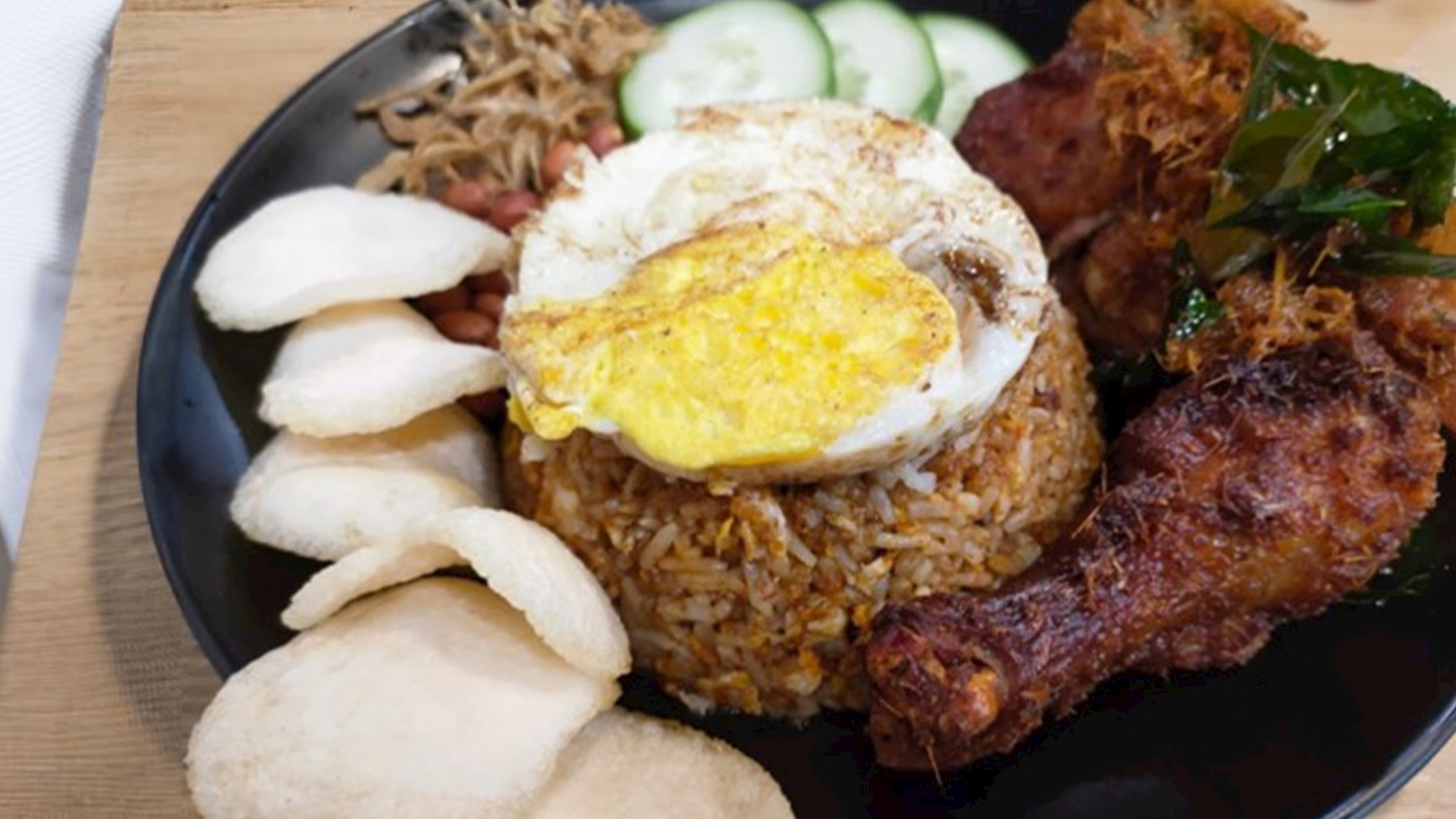
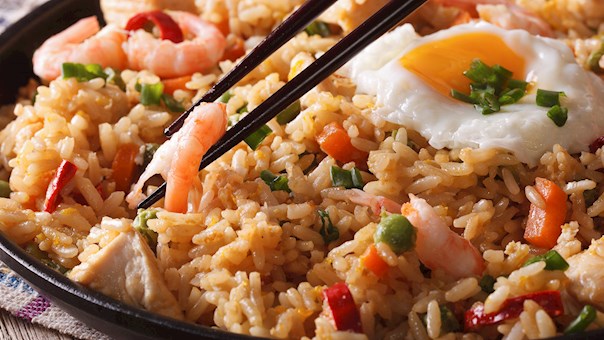
Nasi goreng ayam is a traditional fried rice dish that's also popular in Singapore, Brunei, and Malaysia. Although there are many versions of this nasi goreng variety, it is usually made with a combination of chicken thighs, oil, salt, white pepper, shallots, rice, turmeric, soy sauce, fish sauce, galangal, ginger, garlic, scallions, kecap manis, and hot peppers. Most of the ingredients are fried with rice, and the dish is then topped with fried eggs, fried shallots, and sliced chili peppers. It's recommended to serve nasi goreng ayam with prawn crackers on the side.
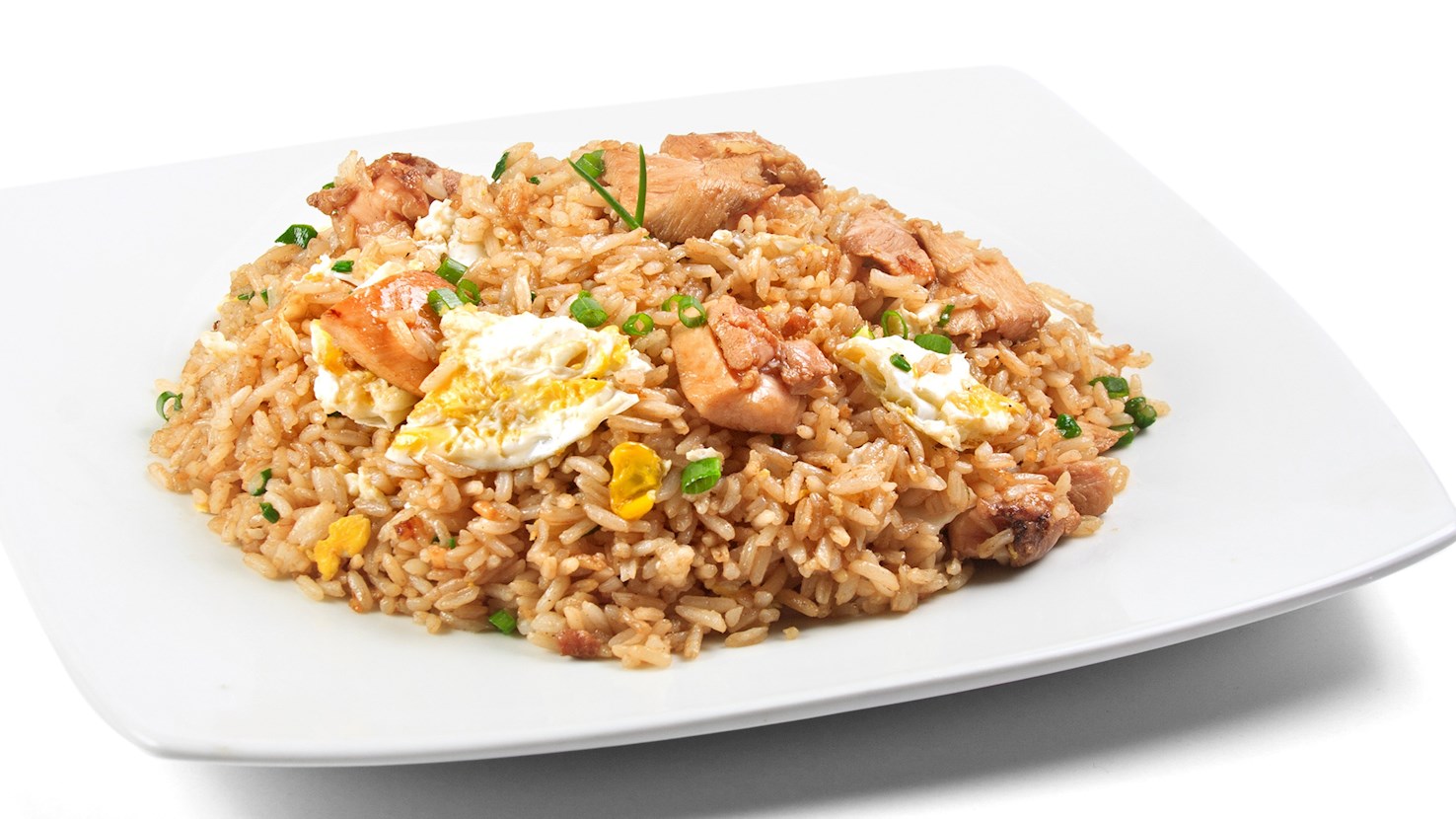
Arroz chaufa is a popular Peruvian dish with a great influence of Chinese cuisine. It consists of a combination of fried rice, meats, vegetables, and fruits. Most commonly, rice is fried with shredded chicken, salami, garlic, ginger, slivered almonds, eggs, chicken stock, soy sauce, pineapple chunks, and pineapple juice, although there are numerous variations on the dish using ingredients such as fish, beef, pork, jerky, and even alligator meat. Once prepared, the dish is typically garnished with chopped scallions and coriander.
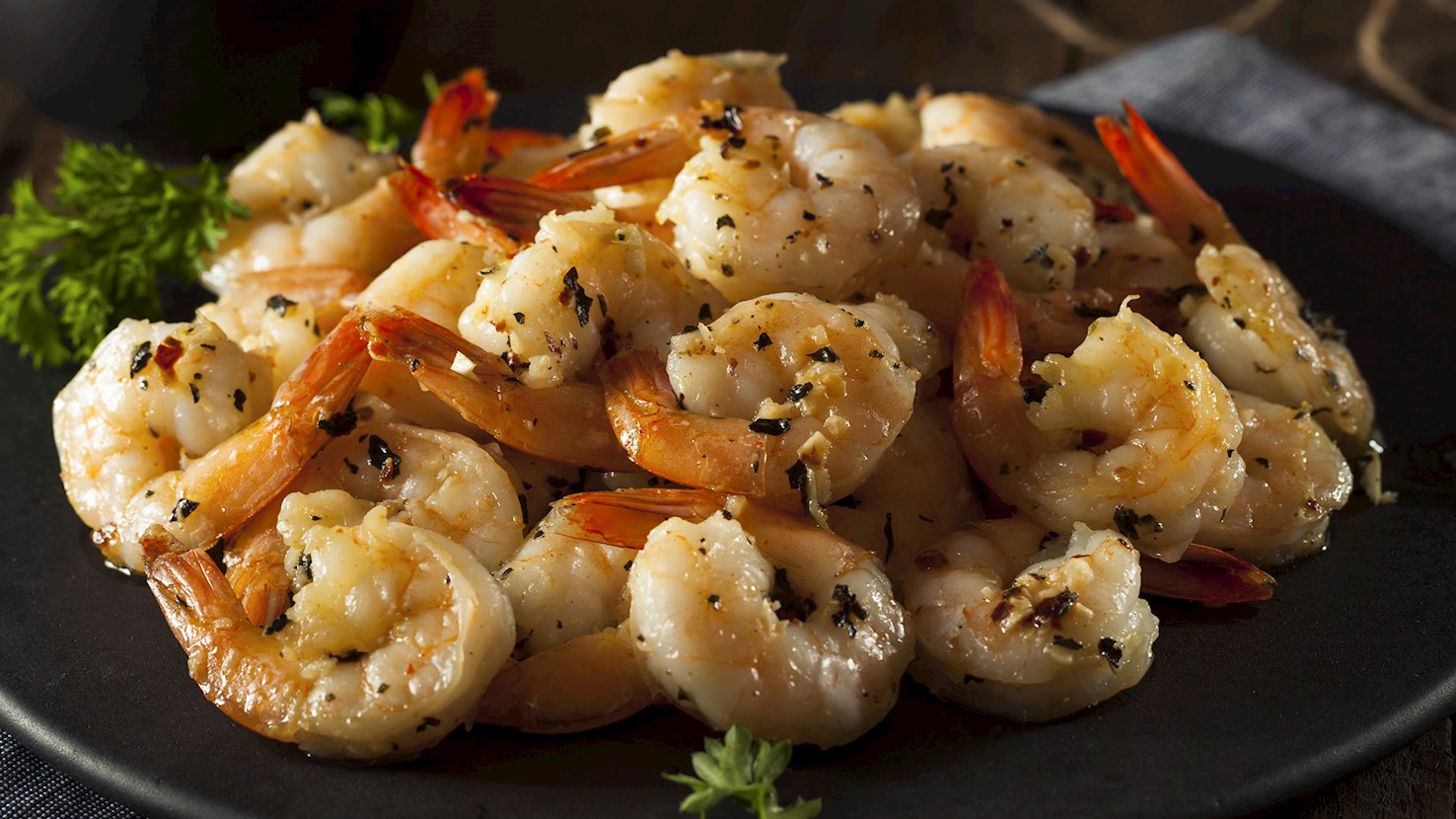
You bao xia is a dish consisting of whole, shell-on shrimp that are flash-fried in scorching oil until delightfully crisp, then rapidly tossed in a vibrant, sticky, sweet-and-savory glaze. Translated literally as "oil-exploded shrimp," this culinary masterpiece is a brilliant showcase of traditional Jiangnan cooking, which prizes the natural freshness of regional aquatic ingredients alongside deeply caramelized, complex flavor profiles. The defining characteristic of authentic you bao xia lies in its textural duality, achieved through a rapid, highly specific cooking process. First, the shrimp are briefly submerged in smoking-hot oil; this fierce thermal shock causes the translucent shells to instantly puff, crisp up, and detach slightly from the meat inside, turning a brilliant, glossy ruby red while ensuring the delicate flesh remains incredibly tender and sweet. Once the shrimp are scooped out of the bubbling oil, the wok is quickly repurposed to build the dish's signature aromatic profile. A fragrant foundation of minced ginger and scallion whites is quickly bloomed in the residual oil before the transformative glaze is introduced. This sauce is a delicate balancing act of classic Chinese pantry staples: premium light and dark soy sauces for umami and color, a generous pour of Shaoxing wine to neutralize any seafood funk, and the distinctively Shanghainese addition of abundant sugar, which melts down into a rich, clinging syrup. A final, crucial splash of aged Chinkiang black vinegar is added to the bubbling reduction, providing a subtle, acidic brightness that cuts through the richness of the frying oil and sugar without making the dish overtly sour. When the crispy shrimp are tossed back into this aggressively boiling wok, the blistered shells act like sponges, absorbing the sticky, caramelized coating to create a deeply savory, sweet exterior. You bao xia holds a revered place in Chinese dining culture, frequently taking center stage at banquets, family gatherings, and Lunar New Year celebrations. Its festive presence is highly symbolic: the bright crimson color of the cooked shrimp represents luck and joy, while the energetic "jumping" of the live shrimp and the phonetic sound of the word for shrimp (xia, which echoes laughter) evoke happiness and prosperity. Enjoying you bao xia is an inherently interactive and tactile dining experience that rewards the adventurous eater. While some diners prefer to painstakingly peel the glazed shells to reach the meat, true devotees of the dish argue that it is best eaten entirely whole—crispy shell, head, and all.
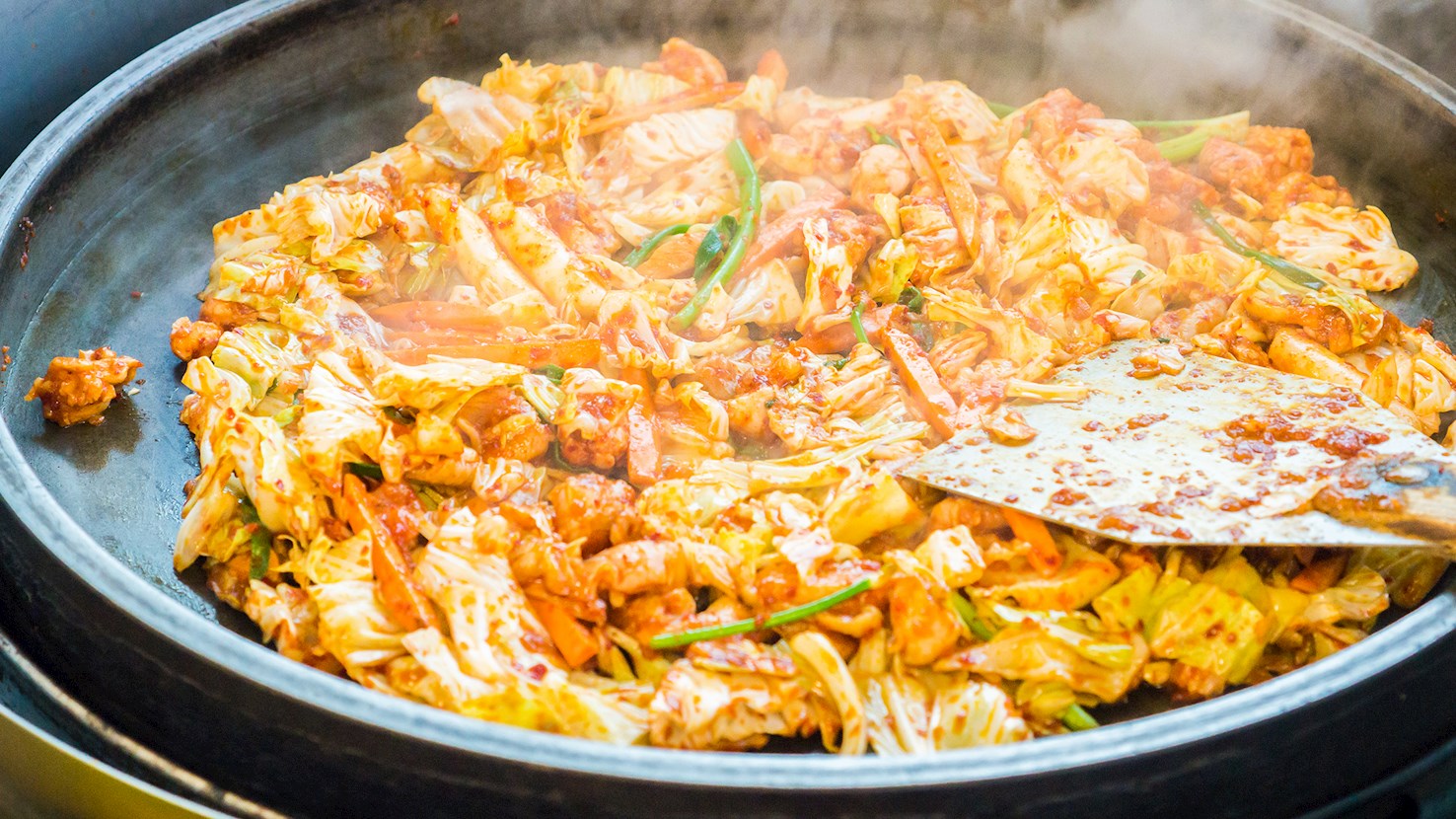
Dak galbi is the South Korean variety of stir-fried chicken. It is a communal dish that's cooked tableside, on large cast iron skillets. Typical elements in dak galbi include various chicken cuts, cabbage, tteok rice cakes, carrots, chili peppers, and sweet potatoes. When served in restaurants, the server will bring all the ingredients and cook the dish for the guests. Occasionally, perilla leaves are incorporated into dak galbi, but the final addition is always a generous amount of spicy sauce made with spicy chili paste, chili flakes, soy sauce, garlic, ginger, and onions. It is put on top of dak galbi and mixed until all the elements are completely coated in it. At the end of the meal, when there is still some food left in the skillet, a common tradition is for the server to add rice into the skillet and create an unusual variety of fried rice. Several vegetable side dishes are usually served alongside dak galbi, and lettuce or perilla leaves are occasionally used instead of utensils as crunchy wrappers. Dak galbi is now considered a Korean classic, but it originated as a frugal dish in the 1960s. Since then, it has spread from Chuncheon to other parts of South Korea. Although it can be prepared at home, it is typically eaten in specialized dak galbi restaurants.
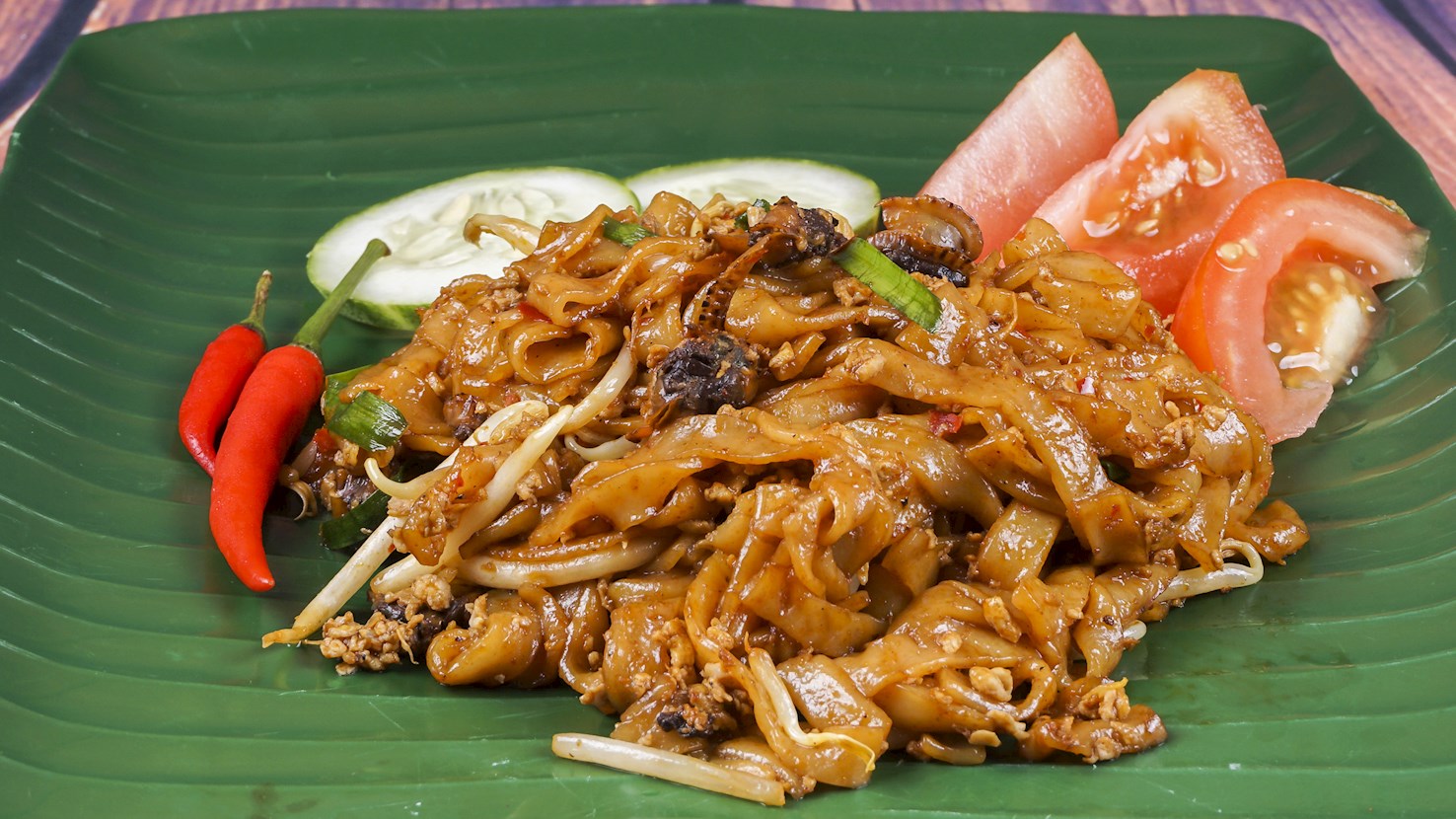
Beef chow fun is a Cantonese dish prepared by stir-frying previously marinated beef slices together with flat, wide rice noodles (hor fun), and bean sprouts. Because of the preparation method, beef chow fun is a true measure of any accomplished Cantonese chef. Specifically, it is necessary to get two things right: wok hei — the cooking technique of stir-frying the ingredients at high heat which imparts them with a special umami flavor; and pow wok — a way of quickly tossing the ingredients without the use of a spatula, which prevents sticking and does not break the delicate rice noodles. The origins of the dish are still unclear, but according to a folk tale, it was invented during World War II in Guangzhou. Today, this Cantonese stir-fry is typically served in yum cha restaurants and cha chaan teng - tea restaurants known for serving diverse and affordable meals.
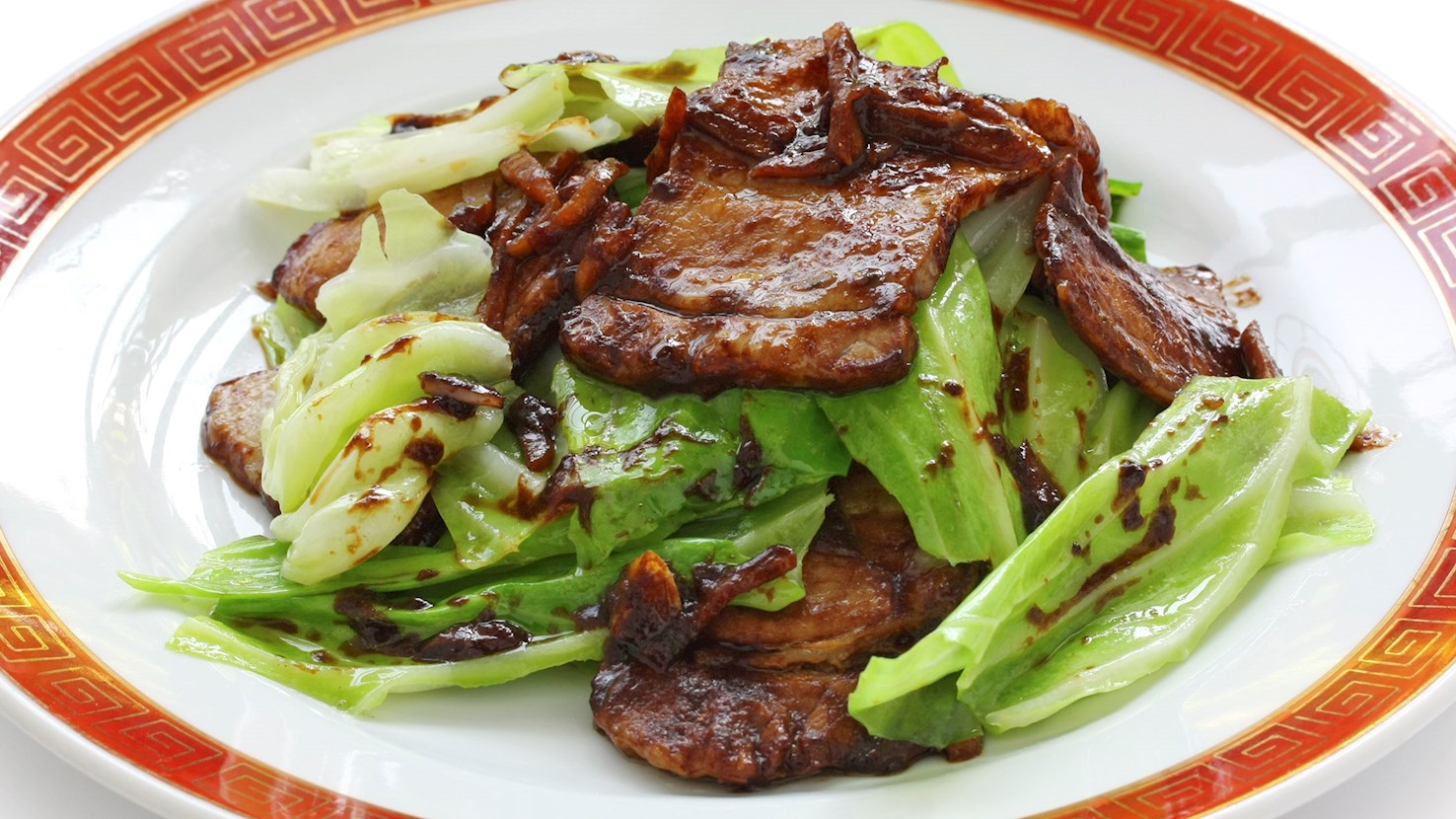
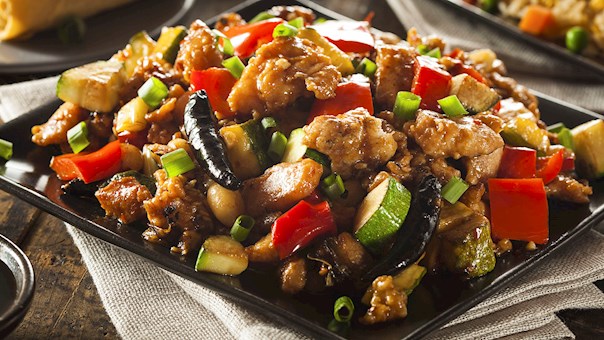
Twice cooked pork is a Sichuan specialty prepared by cooking fatty pork leg or belly (with the skin intact) in two different ways. Pork is first simmered in a pot and cooled in the refrigerator in order for the meat and fat to firm up. After that, the meat is sliced and stir-fried with vegetables such as cabbage, bell peppers, leeks, and mushrooms until it develops a brown color and the skin gets crispy on the edges. Ingredients may vary from one cook to another, but most of them add a sauce made with rice wine, soy sauce and various other condiments to the wok along with meat and vegetables. It is believed that the dish was invented during the Song Dynasty period by a poet who was preparing a pork dish for his friend. He cooked the meat in a pot and forgot about it, and when he returned, he saw that the liquids had evaporated, and the meat was sizzling in its own fat, thus a new dish was created. Today, the people of Sichuan traditionally have a feast on every 1st and 15th lunar month, where twice cooked pork is prepared as the main star of the festivities.
TasteAtlas food rankings are based on the ratings of the TasteAtlas audience, with a series of mechanisms that recognize real users and that ignore bot,
nationalist or local patriotic ratings, and give additional value to the ratings of users that the system recognizes as knowledgeable.
For the “Top 100 Stir-fry Dishes in the World” list until September 15, 2026, 8,449 ratings were recorded, of which 6,196 were recognized by the system as legitimate.
TasteAtlas Rankings should not be seen as the final global conclusion about food. Their purpose is to promote excellent local foods,
instill pride in traditional dishes, and arouse curiosity about dishes you haven’t tried.




What People Say