



Shutterstock

Top 6 Vietnamese Stir-fry Dishes

Last updated on May 16, 2026
01

Rau muống xào tỏi (Morning Glory Stir-Fry)

4.2 ·

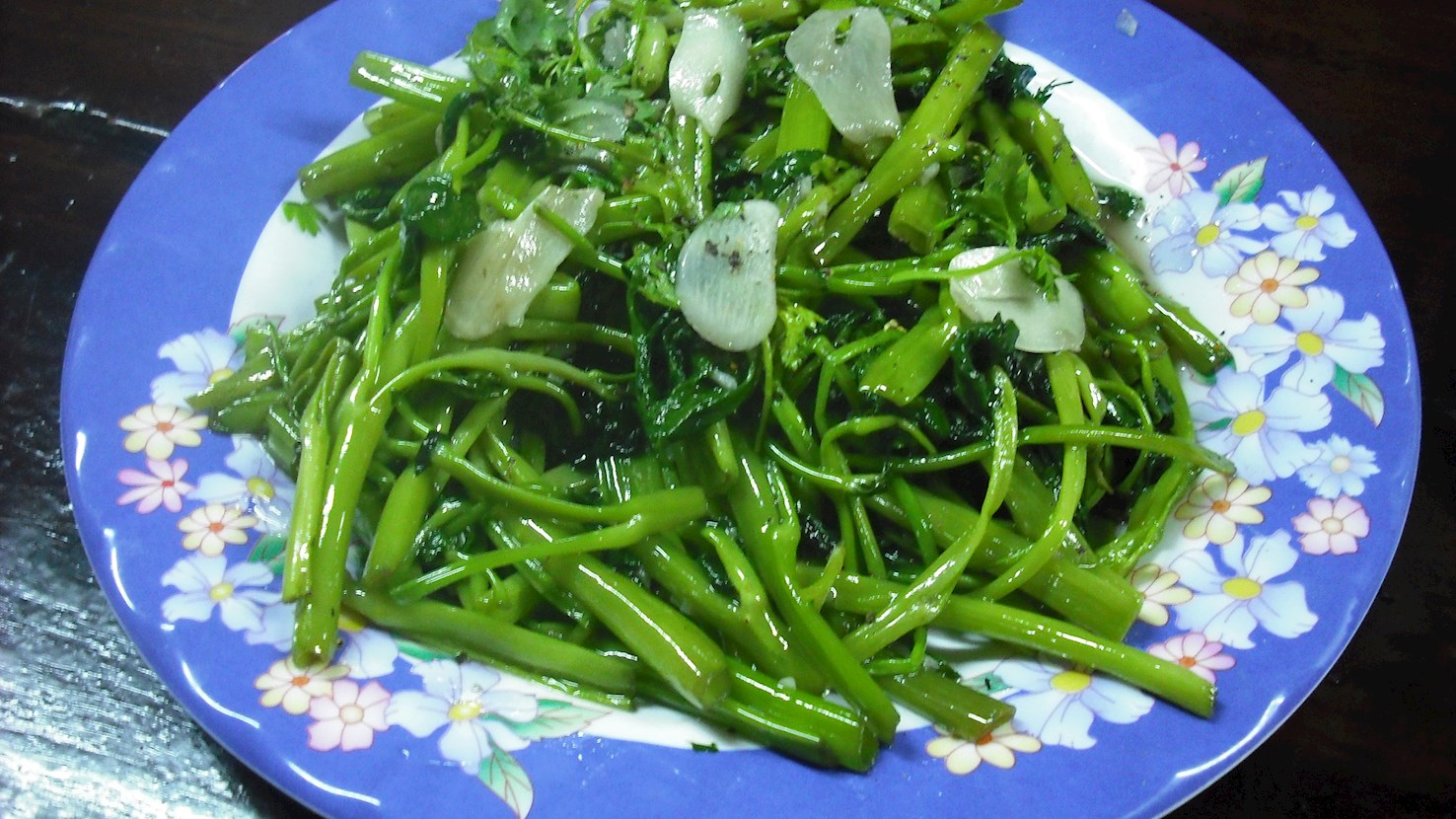
Rau muống xào tỏi is a traditional dish that's suitable for vegetarians. It's made with a combination of morning glory (water spinach), garlic, fish sauce, salt, sugar, and oyster sauce. The water spinach is blanched, then stir-fried with garlic, salt, and sugar, while the fish sauce is added near the end of cooking. This vegetable dish is served hot, usually as a part of a three-course meal, the first is a stir-fry, the second course is a boiled or steamed dish, and the third course is a soup. Rau muống xào tỏi also makes for a great accompaniment to white rice.

02

Phở xào (Stir-Fried Pho)

3.9 ·

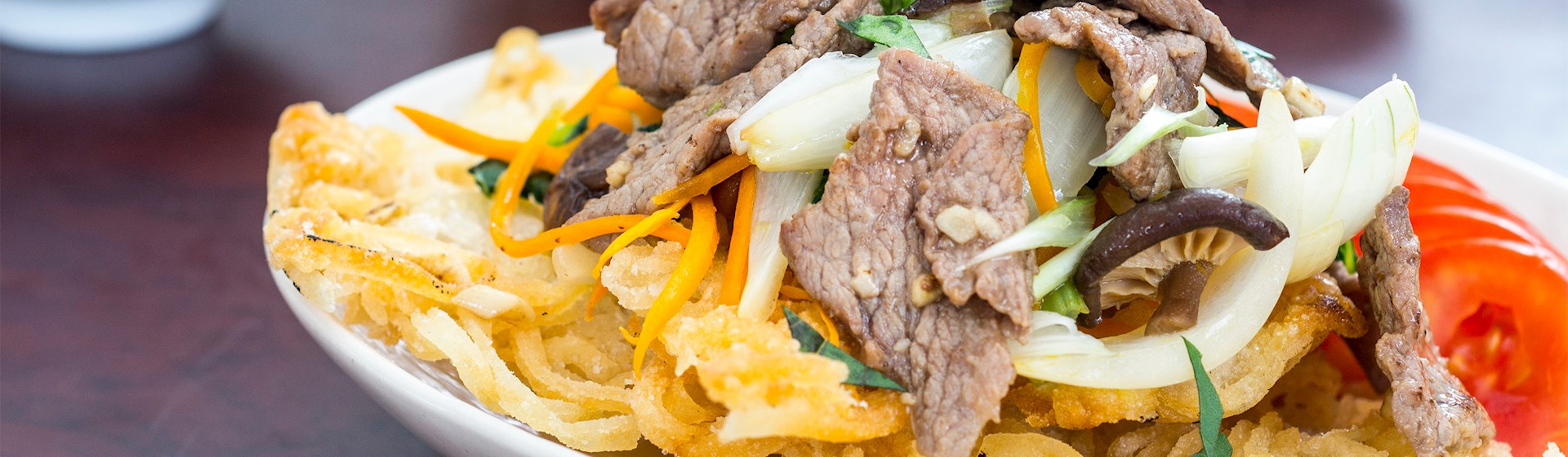
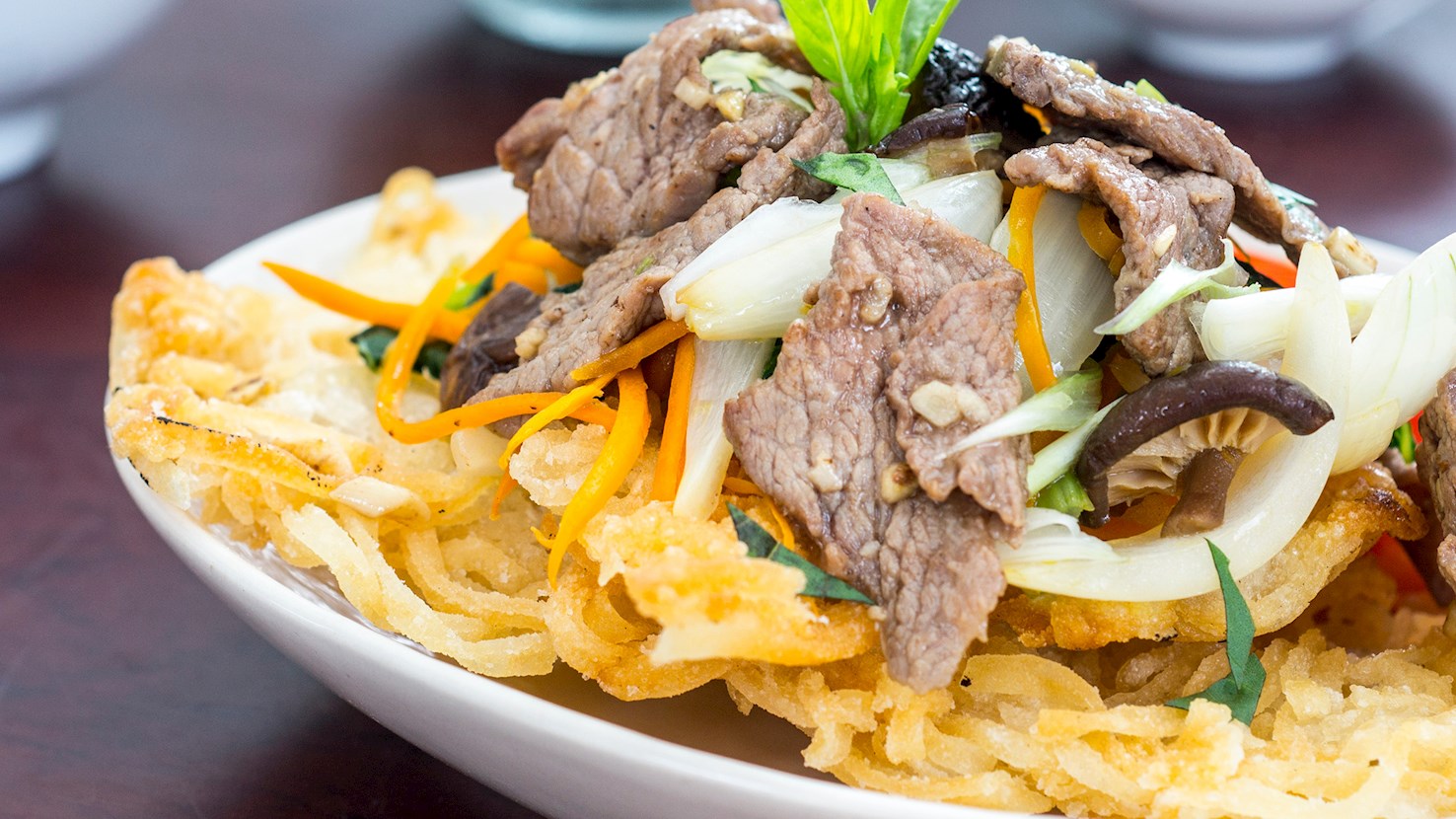
Often regarded as a more convenient variation of the classic phở, this traditional Vietnamese dish employs similar ingredients, but they are stir-fried rather than cooked, and the dish does not contain the broth. Phở xào is typically made with beef (or optionally chicken), flat rice noodles (phở), and various sliced vegetables. All the ingredients are stir-fried, and the dish is usually seasoned with condiments such as oyster sauce, soy sauce, and fish sauce. Phở xào is traditionally accompanied by a plate of fresh herbs or sliced raw vegetables.

03

Miến xào cua (Crab Meat and Glass Noodle Stir-Fry)

n/a ·

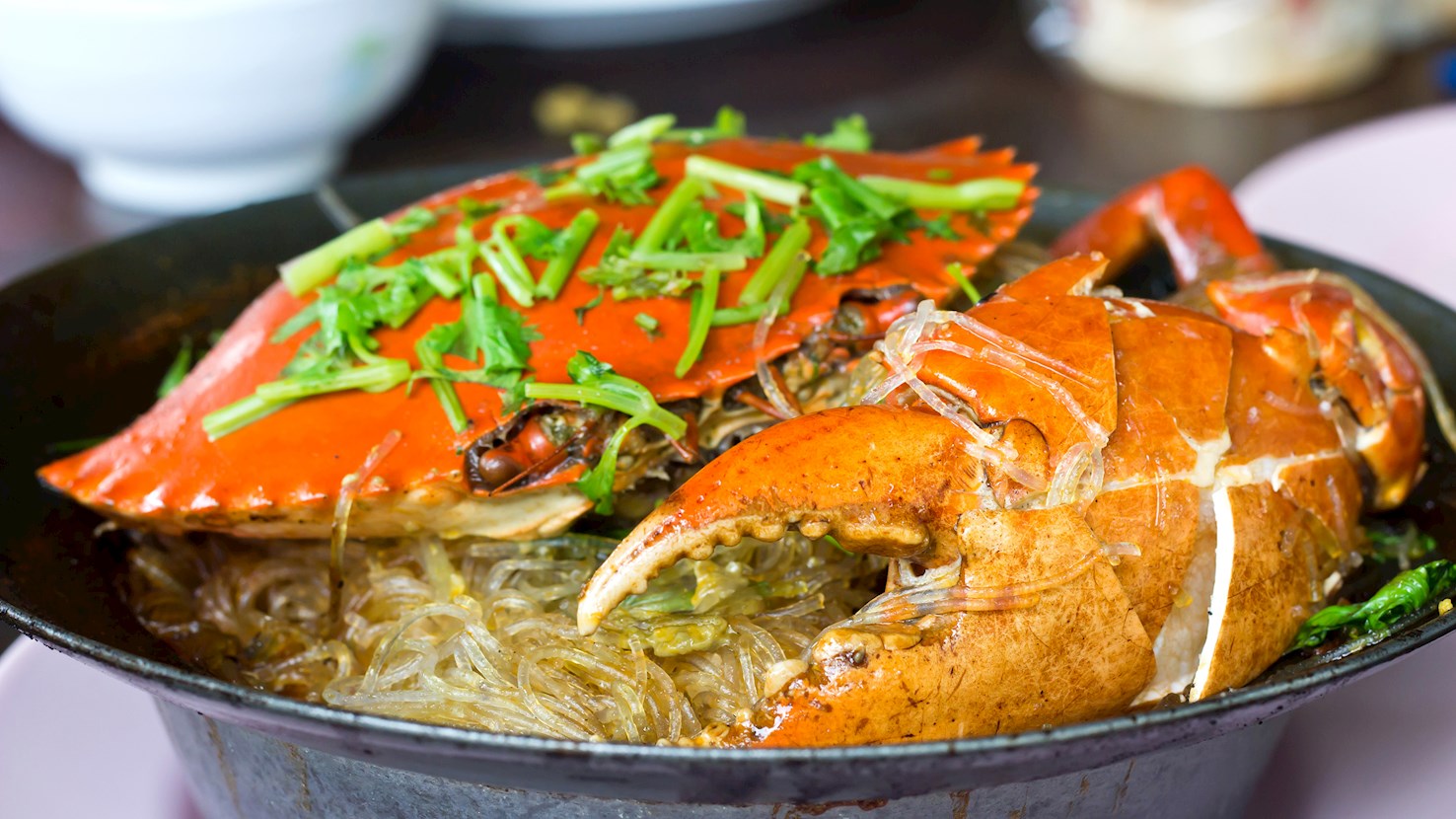
Miến xào cua is a traditional dish of stir-fried glass noodles and crab meat. Other ingredients that are commonly used in the dish include wood-ear mushrooms, shiitake mushrooms, carrots, and bean sprouts. The ingredients are stir-fried in a big pan, then dressed with a combination of lime juice, minced garlic, sugar, water, and fish sauce. Once done, miến xào cua is garnished with chopped green onions and cilantro before serving. This traditional dish often appears in restaurants, but it's also prepared at home for special occasions.

Best restaurants
04

Quả su su xào tỏi (Chayote Squash and Garlic Stir-Fry)

n/a ·

Quả su su xào tỏi is a traditional dish originating from Sapa, where it's made with highland vegetables. The dish is made with a combination of chayote squash (su su), garlic, fish sauce, oil, and dried shrimp. The chayote squash is usually sliced into matchsticks, then stir-fried with shrimps sautéed in olive oil, garlic, and fish sauce. The ingredients are stir-fried until the chayote squash becomes tender while remaining slightly crunchy.

05

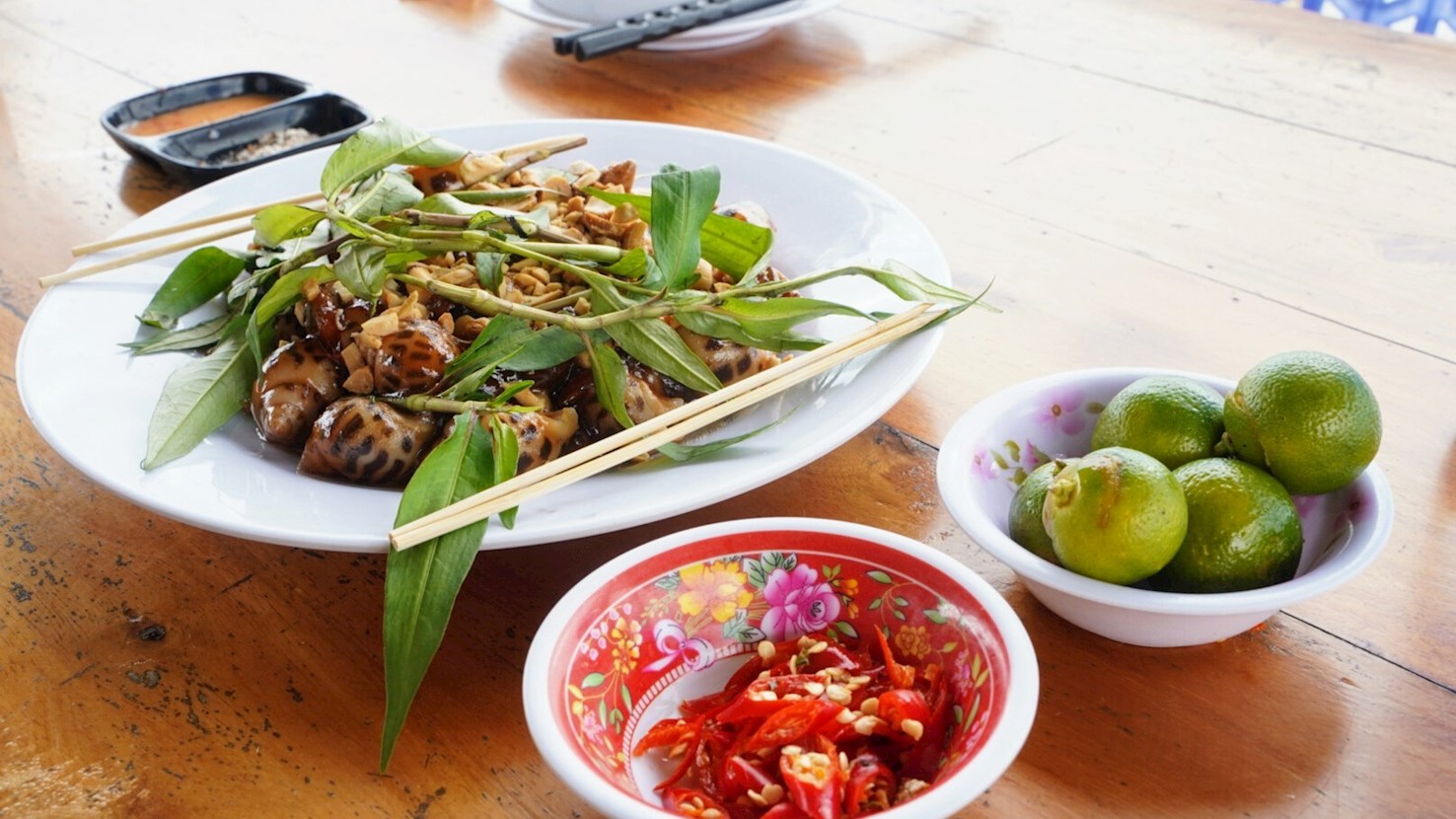
Ốc hương (Sweet Snails)

n/a ·

Ốc hương is a traditional snail dish. The key ingredients in this dish are large and sweet Babylonia snails with white and brown spotted shells. They're usually stir-fried in a large wok with a sweet and sticky sauce. When served, the snails are pulled out of their shells with a small two-pronged fork, then dipped into a combination of salt, pepper, lime juice, and chili sauce.

06

Cải mèo xào thịt lợn gác bếp (Preserved Mustard Greens with Smoked Pork Belly)

n/a ·

Cải mèo xào thịt lợn gác bếp is a traditional dish originating from the mountainous Sapa region. It's made with a combination of preserved mustard greens, smoked pork belly, garlic, soy sauce, salt, white pepper, and oil. The pork belly is cooked, dried, brushed with soy sauce and (optionally) sugar, and it's then deep-fried and sliced thinly. The slices are arranged on a plate, then topped with garlic and stir-fried pickled mustard greens. The dish is finished by mixing it with a combination of soy sauce, sugar, vinegar, wine, and white pepper, then steaming the combination before it's served. It's recommended to serve this dish with steamed white rice on the side.

Read more
View all
View map
About this ranking

TasteAtlas food rankings are based on the ratings of the TasteAtlas audience, with a series of mechanisms that recognize real users and that ignore bot, nationalist or local patriotic ratings, and give additional value to the ratings of users that the system recognizes as knowledgeable. For the “Top 6 Vietnamese Stir-fry Dishes” list until May 16, 2026, 95 ratings were recorded, of which 74 were recognized by the system as legitimate. TasteAtlas Rankings should not be seen as the final global conclusion about food. Their purpose is to promote excellent local foods, instill pride in traditional dishes, and arouse curiosity about dishes you haven’t tried.

Similar lists