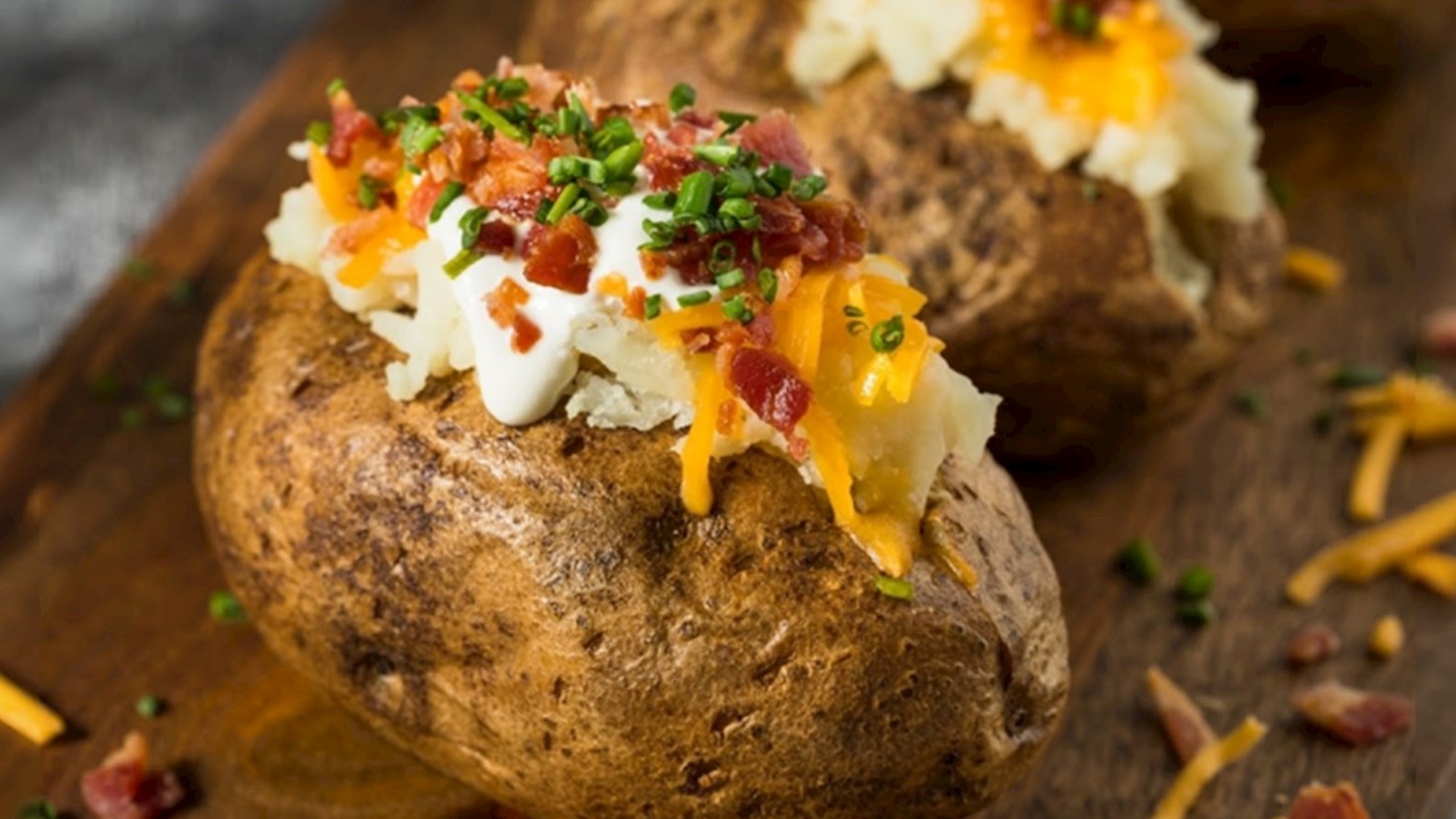
Baked potato is a whole potato baked in the oven until the inside becomes soft and the skin turns crispy. The most commonly used potatoes for baking are russet potatoes, known for their high starch content, which results in a fluffy interior when baked. The potato is first cleaned thoroughly to remove any dirt. Some people prick the potato with a fork or knife to allow steam to escape during baking, which helps prevent it from bursting. The potato is then baked in the oven at a high temperature, usually around 400°F (200°C), for about an hour. The baking process creates a soft, fluffy interior and a crispy, flavorful skin. After baking, the potato is often split open and served with various toppings. Popular toppings include butter, sour cream, shredded cheese, bacon bits, and chives, but more elaborate options like chili, sautéed vegetables, or pulled pork can also be used. This dish can be both a side and a main course, and in recent years it has become a popular street food option.
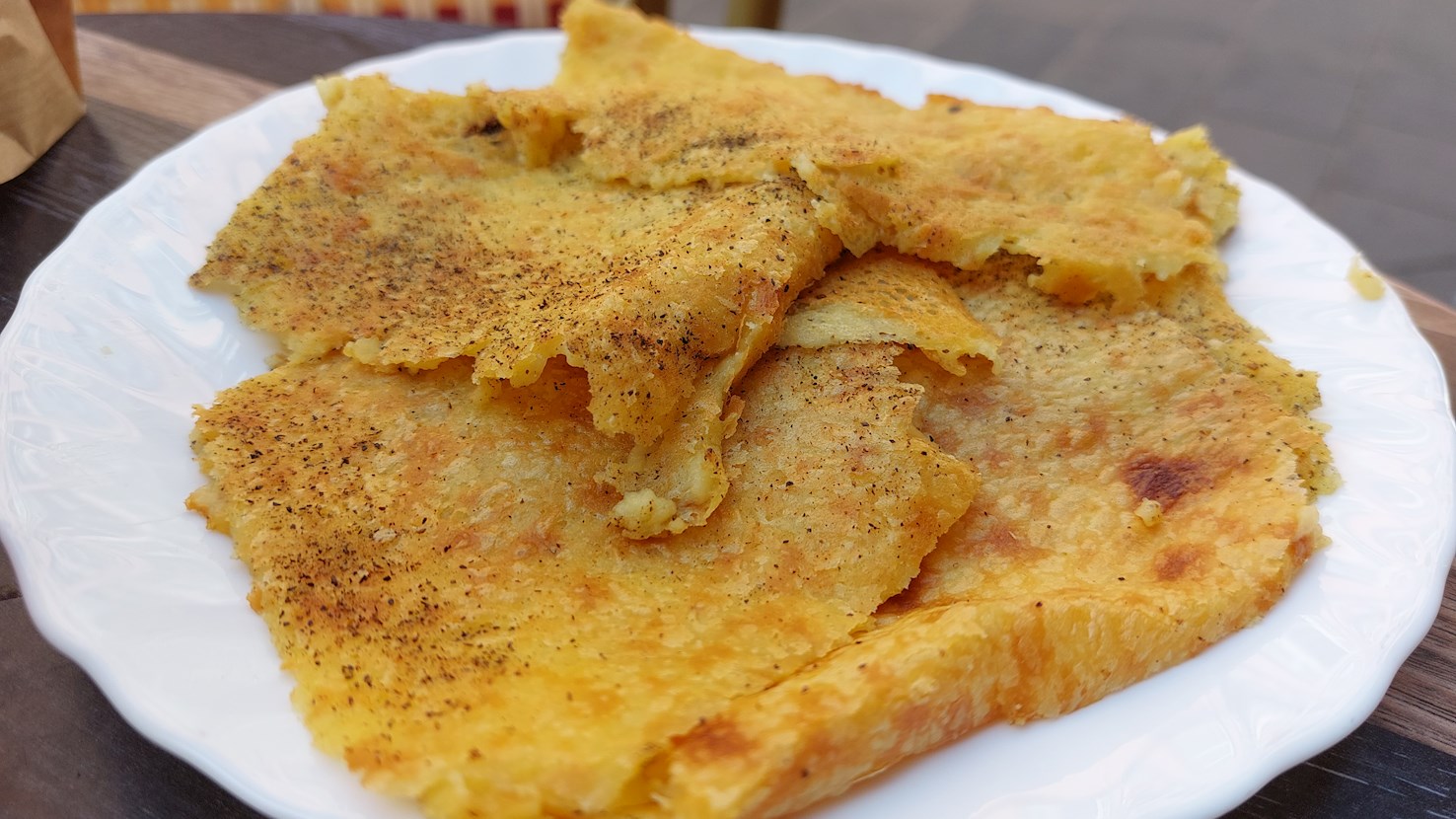
Originally derived from the Genovese farinata, socca eventually became the specialty of Nice, France, where it is a street food staple. This traditional flatbread is made with chickpea flour, olive oil, salt, and pepper. Once the batter is prepared, it is transferred to a wide pan or a skillet, which is placed in the oven at very high temperature. The batter is then baked until the socca hardens and begins to slightly burn on the edges. Once baked, socca is sliced into pieces and seasoned with salt, pepper, and a drizzle of olive oil. It can be served as an appetizer with cheese, olives, and a glass of rosé on the side.
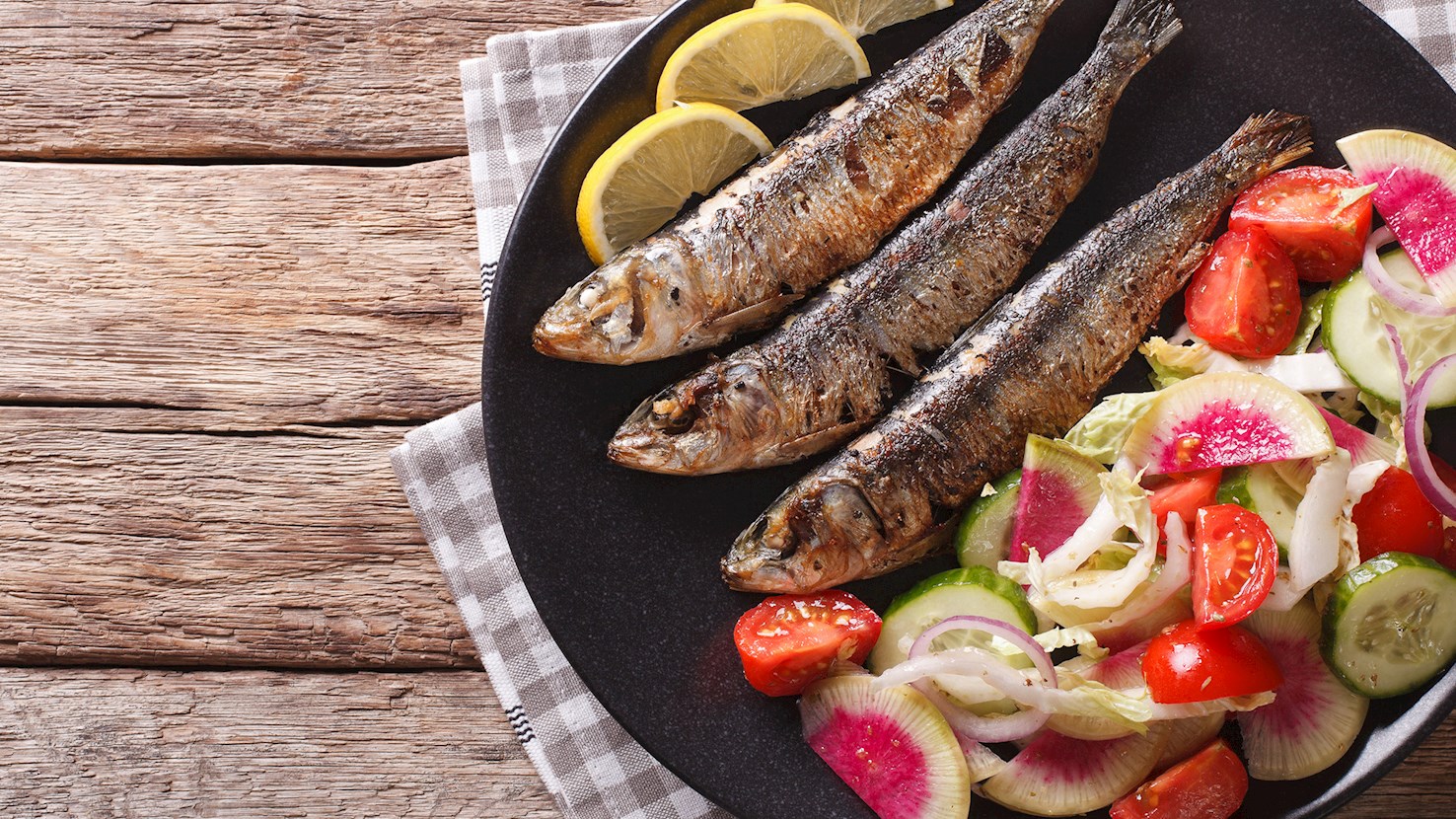
Grilled sardines are a simple, traditional seafood dish especially common in coastal Mediterranean areas and during summer months, when fresh sardines are plentiful. The dish is straightforward and emphasizes the natural flavors of the sardines: they are typically marinated in a mixture of olive oil, lemon juice, black pepper, and salt (although a variety of spices and herbs can also be added, depending on the region) before being grilled over a charcoal fire. The dish is usually served as an appetizer or a part of a meze, along with bread, boiled potatoes, sautéed vegetables, or salads, and is best paired with lighter, sweeter local white wines.
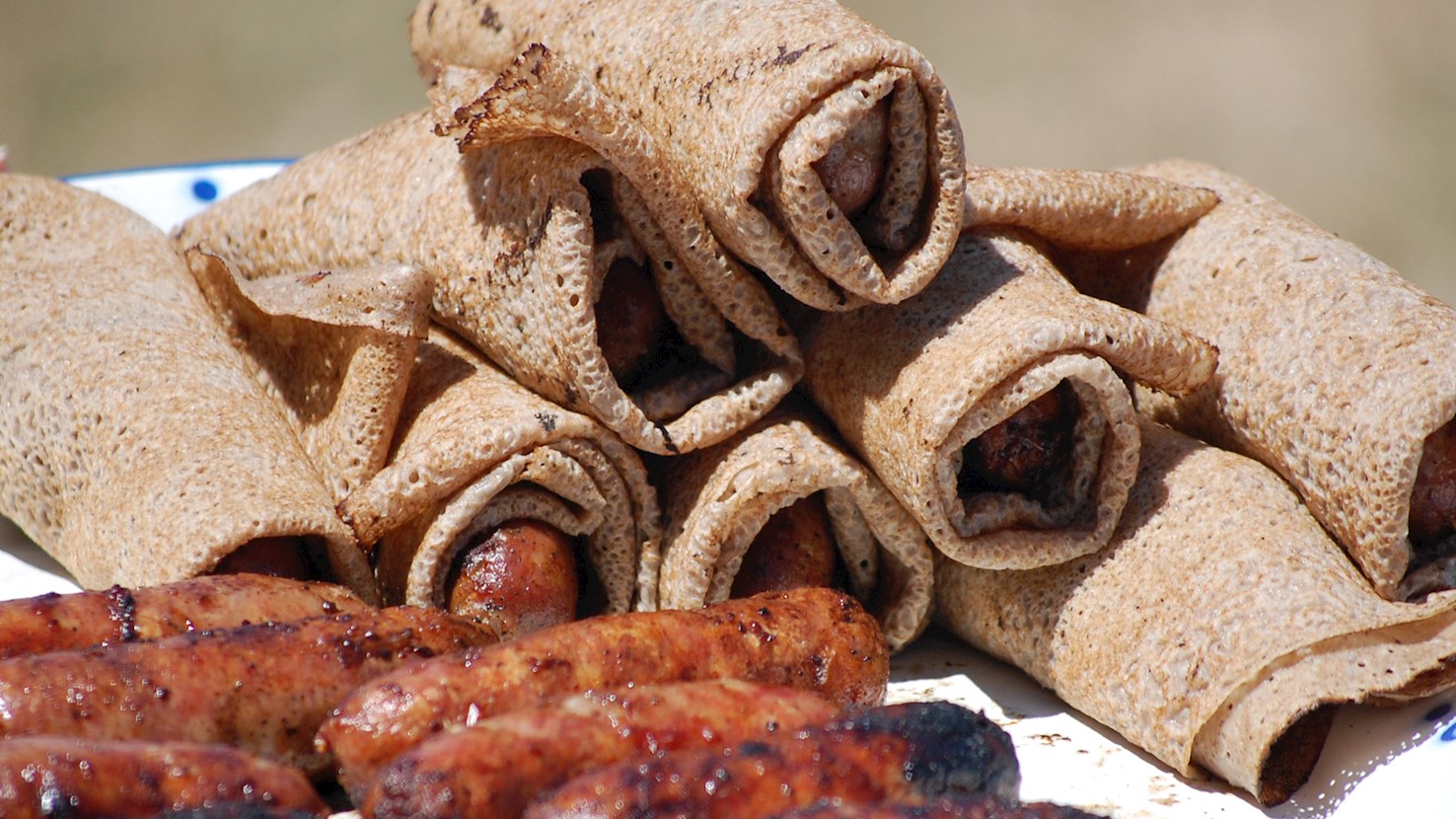
This classic street food item hails from French Brittany, more precisely from the department of Ille-et-Vilaine. Usually sold at food trucks, galette saucisse consists of a cold buckwheat crêpe that is wrapped around a warm grilled pork sausage. The combination can be complemented by mustard, but other options may also include mayonnaise or ketchup, cheese, or other garnishes. The dish is believed to have originated as early as the 15th century, and it is said that the first versions were prepared with pork offal. It is best enjoyed with a glass of Breton cider on the side.
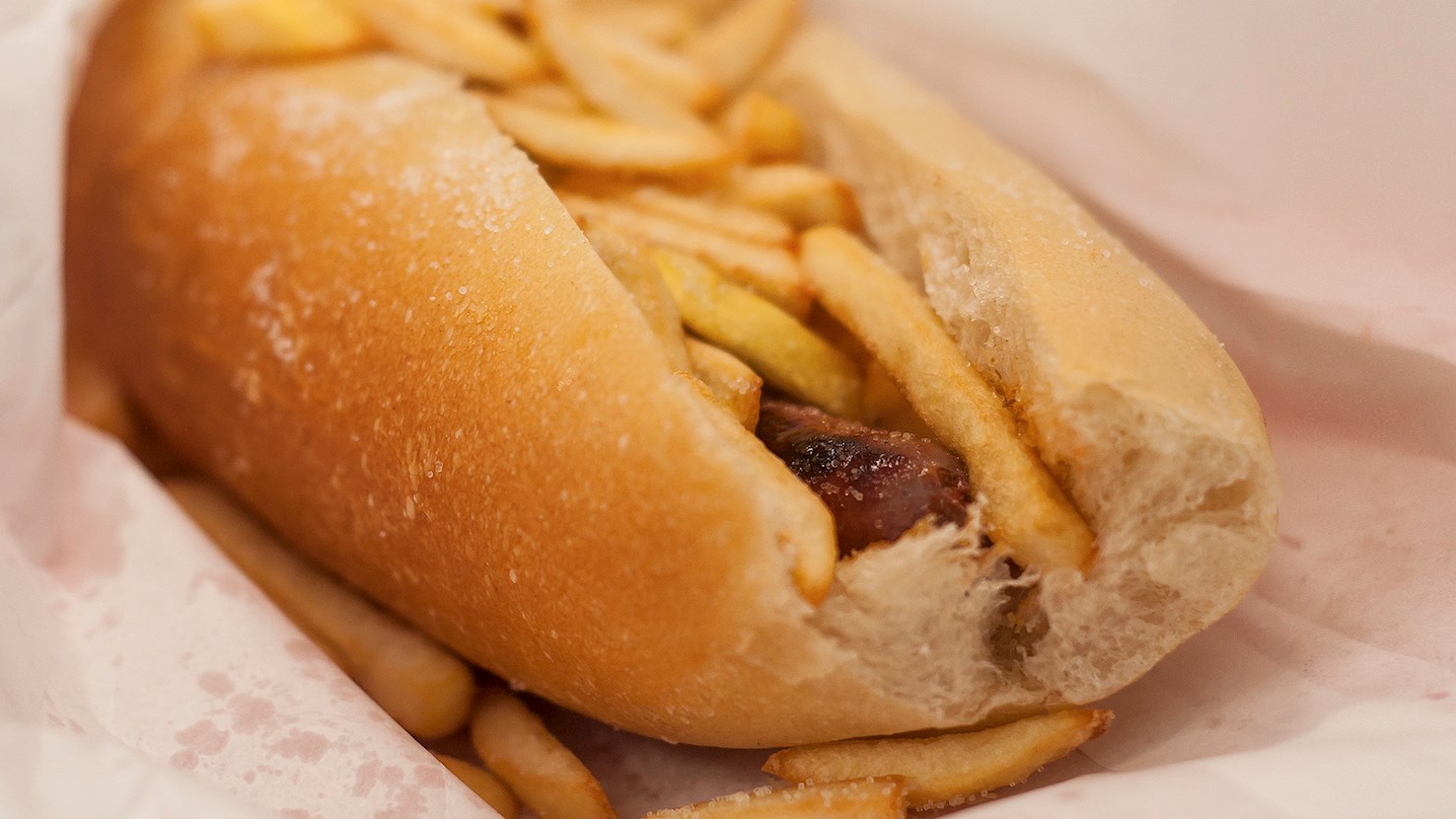
Merguez frites is a Parisian street food staple, a sandwich that consists of a cheap baguette stuffed with charred, cumin-laced merguez lamb sausages, fiery harissa, and heaps of pommes frites. The influence of North African cuisine is evident in the key ingredient of this sandwich - the spicy lamb sausages known as merguez. Apart from these basic ingredients, some people also like to add ketchup or Dijon mustard as extra condiments, while the others sometimes don't even serve it on a baguette, but use a hot dog bun instead. Merguez frites is especially popular in Montmartre and the Marais.
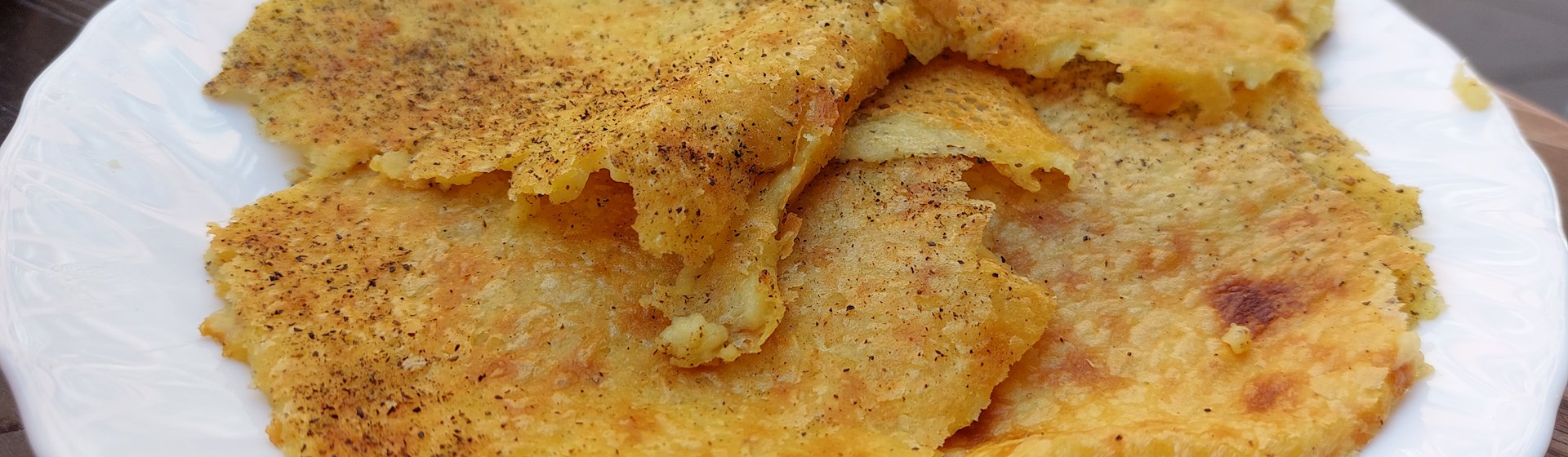
Cade is a flatbread-like dish from Toulon, a port city in southern France on the Mediterranean coast. It is made from chickpea flour, water, olive oil, and salt, baked in large pans until crisp on the outside and soft inside. Its flavor is simple yet hearty, shaped by the use of chickpeas that were long a staple in Mediterranean cooking. The origins of cade are tied to the wider culinary practices of the Ligurian and Provençal regions, where similar chickpea-based preparations such as farinata and socca were already common. Toulon, with its close maritime connections to Italy and Liguria in particular, adopted and adapted the dish into its own version. Over time, cade became closely associated with Toulon’s street food culture, especially in working-class neighborhoods and at local markets, where vendors sold it hot in slices. The preparation of cade begins by mixing chickpea flour with water, olive oil, and salt into a smooth batter. This batter is poured into wide, shallow copper or metal pans and baked in wood-fired ovens. The high heat creates a characteristic texture: a golden, slightly blistered crust with a tender, custard-like center. Once baked, it is cut into generous wedges or squares and sprinkled with black pepper before serving. The simplicity of the ingredients highlights the quality of the flour and the olive oil, and the method of baking gives cade its distinctive appeal. Today it is eaten primarily in Toulon and the surrounding Var region, often purchased from street vendors who still prepare it in large pans and sell pieces wrapped in paper. It is enjoyed warm, either as a snack while walking through the city or as a light meal at home.
Tielle is a savory seafood pie from Sète, a coastal town in the Occitanie region of southern France, known for its spicy tomato-octopus filling and vibrant orange crust. This round, hand-sized pie is made from a soft, slightly oiled dough that encases a rich mixture of stewed octopus, tomatoes, garlic, onions, olive oil, white wine, and spices such as paprika or cayenne. The top layer is sealed and crimped over the base, then baked until golden and crisp, producing a contrast between the tender filling and the flaky, flavorful crust. Tielle can be enjoyed hot or cold, making it a popular street food, snack, or light lunch in its hometown and along the Mediterranean coast. The dish is closely tied to the cultural heritage of Sète, which was settled in part by Italian immigrants, especially from Gaeta near Naples, during the 18th and 19th centuries. Tielle likely evolved from southern Italian seafood pies such as the tiella di Gaeta, with the name derived from the Italian word "teglia," meaning baking dish. Over time, the recipe adapted to local ingredients and preferences, integrating the bold, sun-drenched flavors of southern France with the rustic techniques of Italian home cooking. In Sète, tielle is sold in bakeries, markets, and seaside eateries, often alongside other seafood specialties that reflect the town’s maritime identity.
TasteAtlas food rankings are based on the ratings of the TasteAtlas audience, with a series of mechanisms that recognize real users and that ignore bot,
nationalist or local patriotic ratings, and give additional value to the ratings of users that the system recognizes as knowledgeable.
For the “Top 7 French Street Food” list until July 15, 2026, 1,261 ratings were recorded, of which 1,002 were recognized by the system as legitimate.
TasteAtlas Rankings should not be seen as the final global conclusion about food. Their purpose is to promote excellent local foods,
instill pride in traditional dishes, and arouse curiosity about dishes you haven’t tried.