

shutterstock

Top 3 Northeastern Brazilian Street Food

Last updated on May 15, 2026
01

Acarajé

4.1 ·

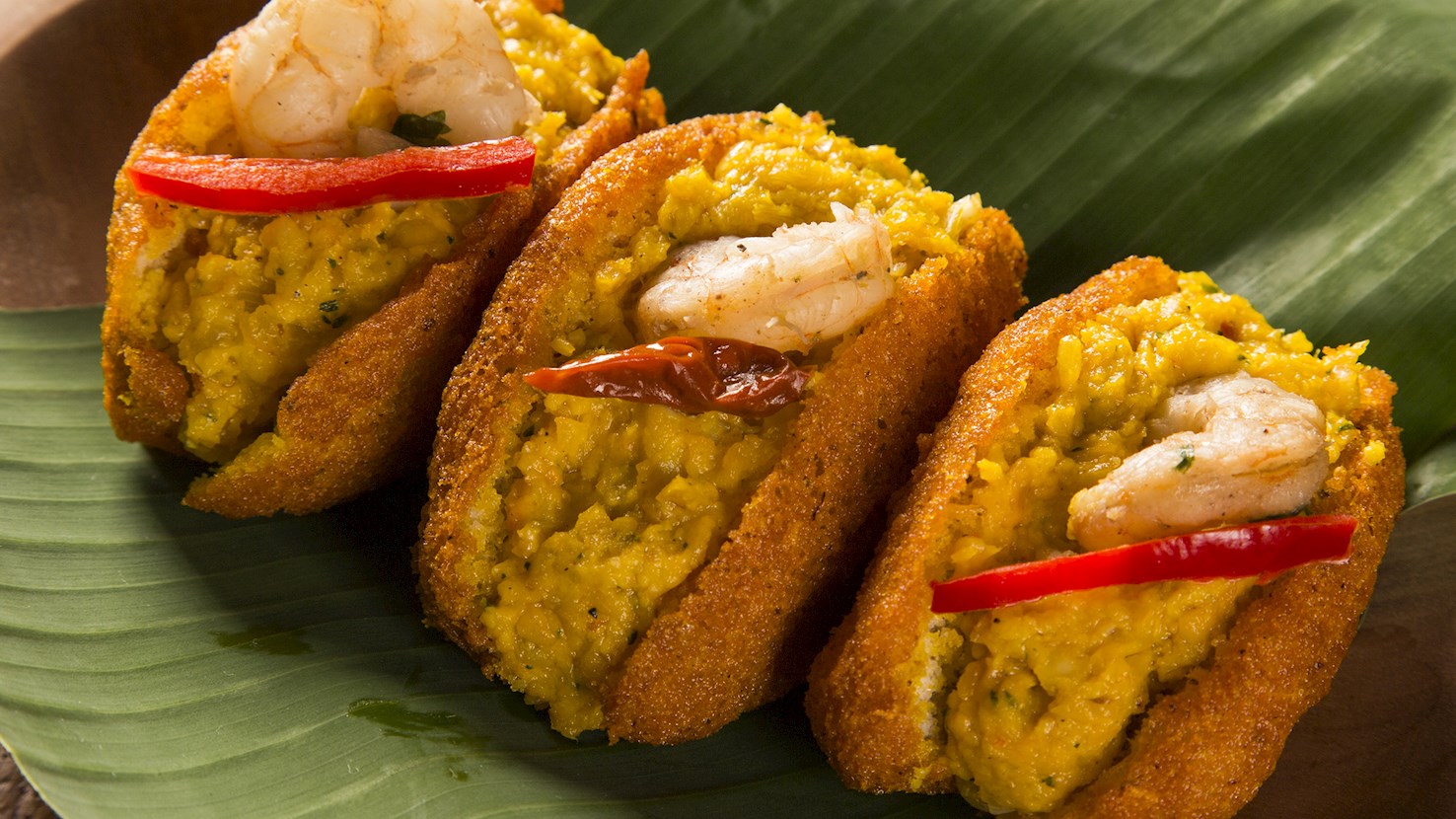
In Bahia, the northeastern state of Brazil, there is a dish that is considered to be the most popular street food around, called acarajé. It consists of black-eyed peas or cowpeas that are formed into a ball, deep-fried in dendé palm oil, split in half, then stuffed with flavorful, spicy pastes made from numerous ingredients such as cashews, palm oil, and shrimp. The most common accompaniments to the dish include a tomato salad and homemade hot pepper sauces. The recipe for the dish originated during the colonial period of the country, from the Nigerian slaves who first started selling it on the streets of Brazil. Today, acarajé represents a good example of how African influences have been shaping Brazil's cultural heritage and its culinary identity.

02

Arrumadinho

4 ·

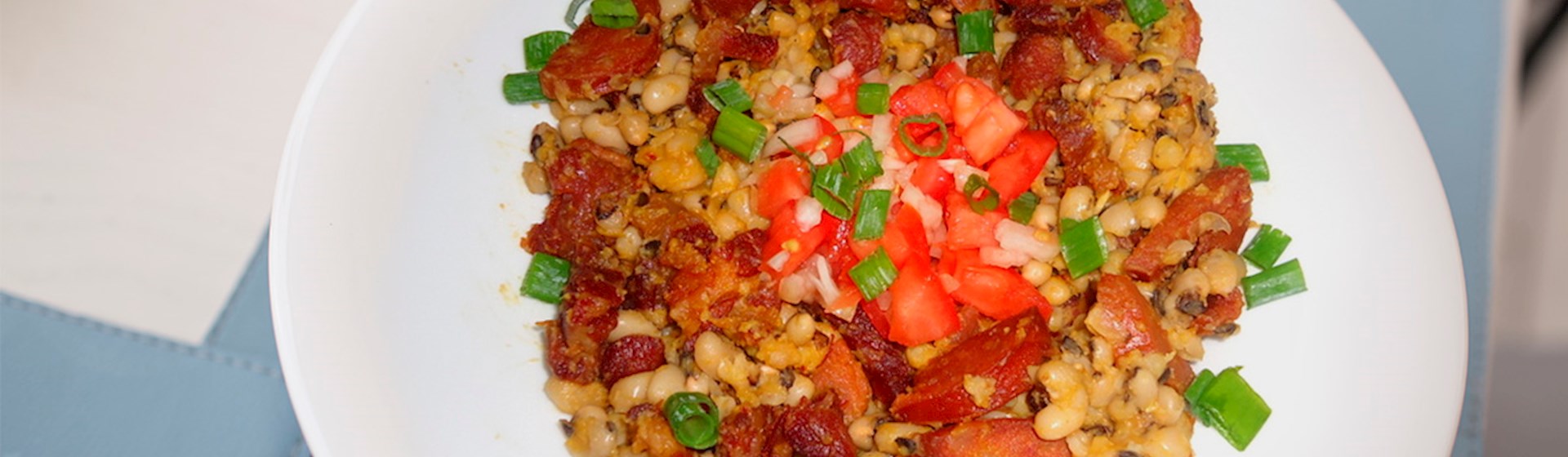
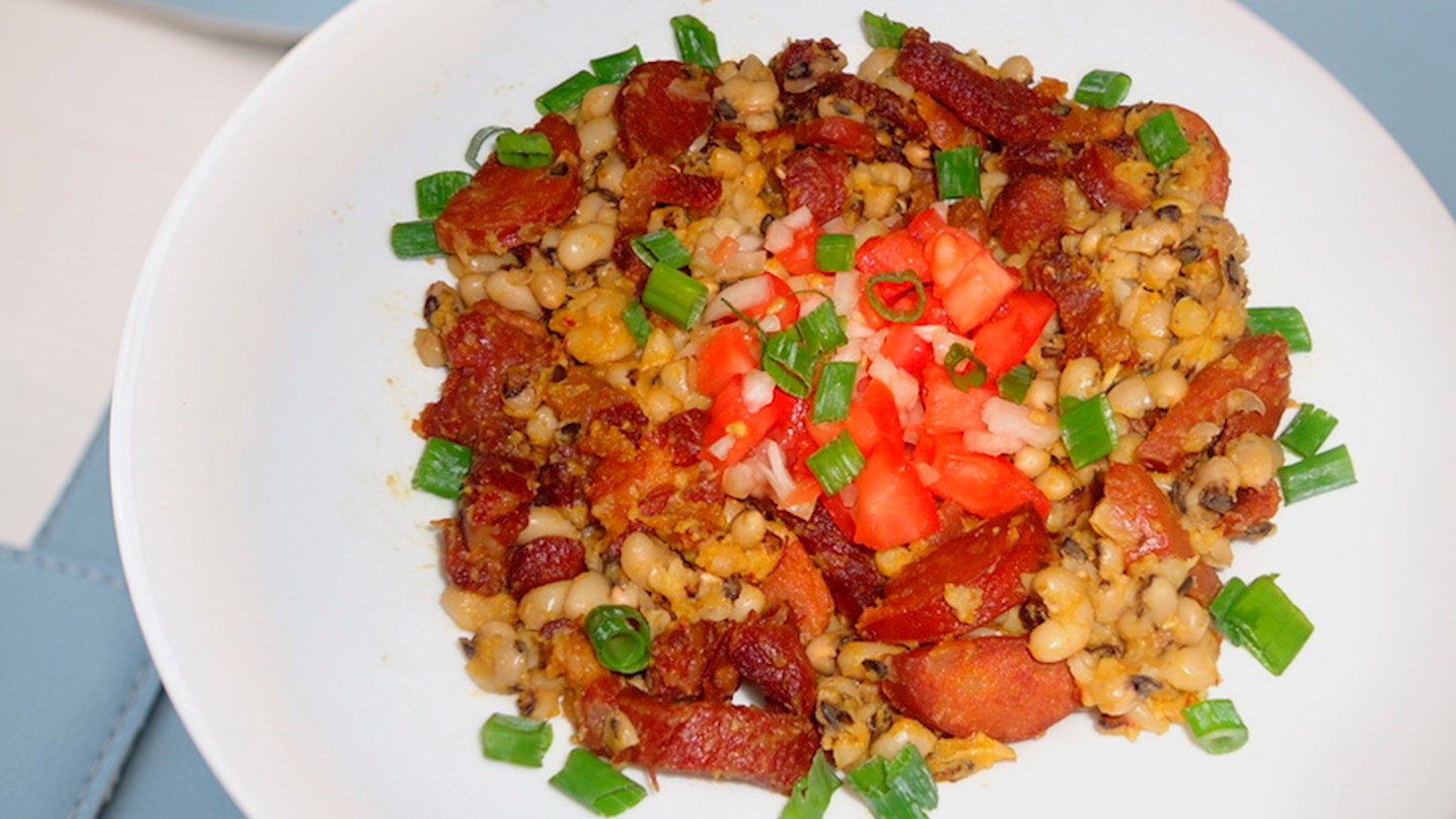
Arrumadinho is a complex Brazilian dish that is usually served as an appetizer. The dish is a combination of four elements that are neatly organized and served together as a complete meal. The essential parts are sliced, sun-dried beef, diced and mixed vegetable vinaigrette, beans, typically black eyed peas, and farofa – a toasted cassava flour mixture. All of the ingredients are seasoned with clarified butter, neatly arranged and served on a plate. The four elements of arrumadinho can either be mixed or consumed as individual dishes. A plate of arrumadinho is usually shared by a couple or a group of people, typically followed by a glass of cold beer or a freshly prepared caipirinha. The dish can usually be found in the northeast of Brazil, more precisely in the state of Pernambuco, where it is believed to have originated. It is often sold at food stands as a snack, but it is also commonly served as an appetizer in elegant restaurants.

03

Pamonha

3.8 ·

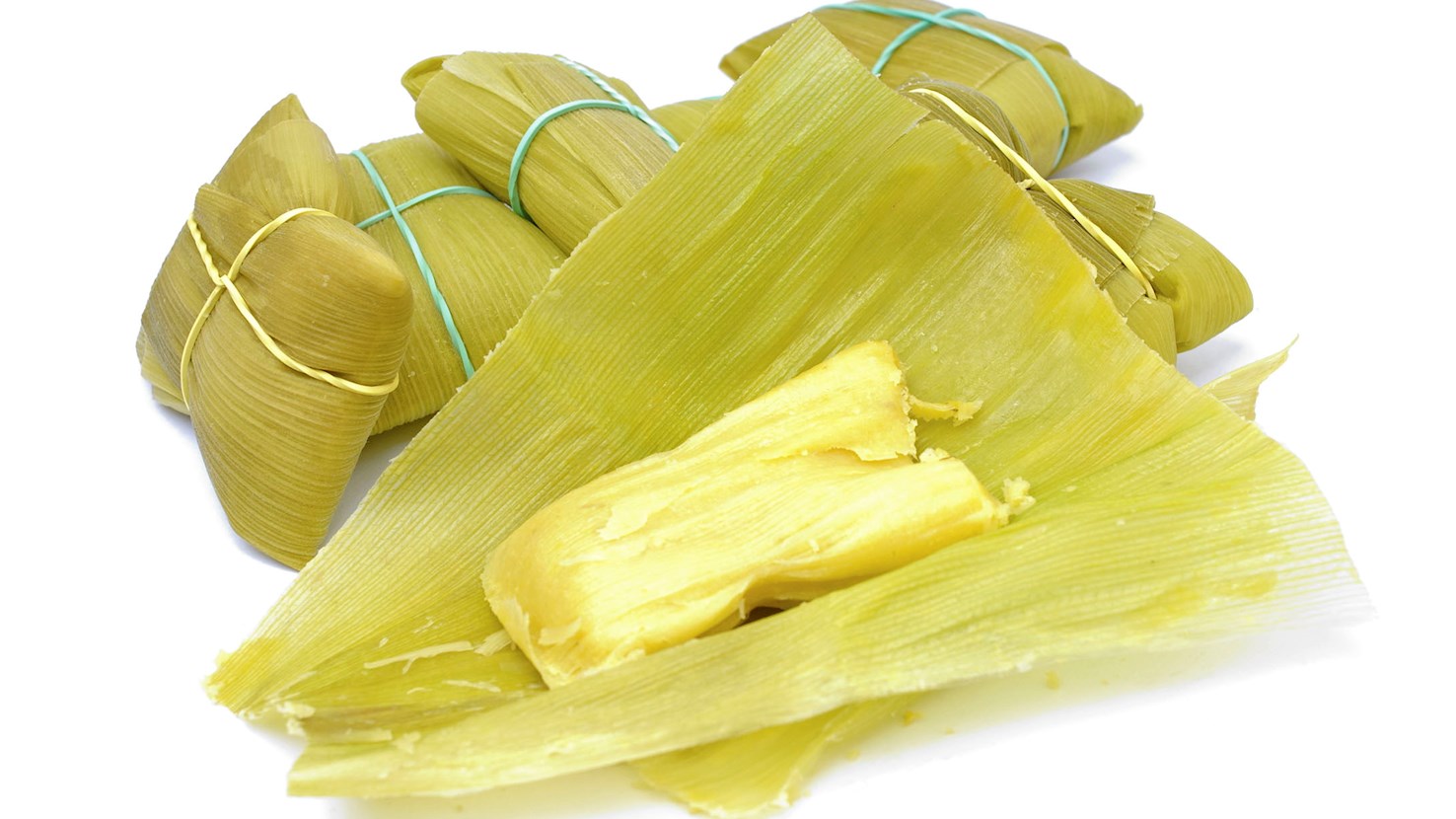
Similar to Mexican tamales, pamonha is a traditional dish made with fresh corn. The dough, or more precisely the paste, is made out of grated and juiced corn. It is tightly wrapped in fresh corn husks and cooked in boiling water. Depending on the ingredients, pamonhas can be either sweet or savory. The savory varieties are usually prepared plain or made with chopped meat, sausages, or cheese. The sweet version of pamonhas is often made by incorporating coconut milk or coconut pulp in the dough. Pamonhas are traditionally eaten all year round in Brazil, but they are usually associated with Festa Junina, the annual Brazilian festivity celebrated throughout June, marking the end of the harvest season and the beginning of Brazilian winter. The snack was primarily sold as a street food item, but nowadays the tradition has disappeared, and pamonhas are usually prepared at home or served in traditional Brazilian restaurants.

Best restaurants
Read more
View all
View map
About this ranking

TasteAtlas food rankings are based on the ratings of the TasteAtlas audience, with a series of mechanisms that recognize real users and that ignore bot, nationalist or local patriotic ratings, and give additional value to the ratings of users that the system recognizes as knowledgeable. For the “Top 3 Northeastern Brazilian Street Food” list until May 15, 2026, 415 ratings were recorded, of which 293 were recognized by the system as legitimate. TasteAtlas Rankings should not be seen as the final global conclusion about food. Their purpose is to promote excellent local foods, instill pride in traditional dishes, and arouse curiosity about dishes you haven’t tried.

Similar lists