

shutterstock

Top 9 Filipino Street Food

Last updated on June 15, 2026
01

Lumpiang Shanghai

4.3 ·

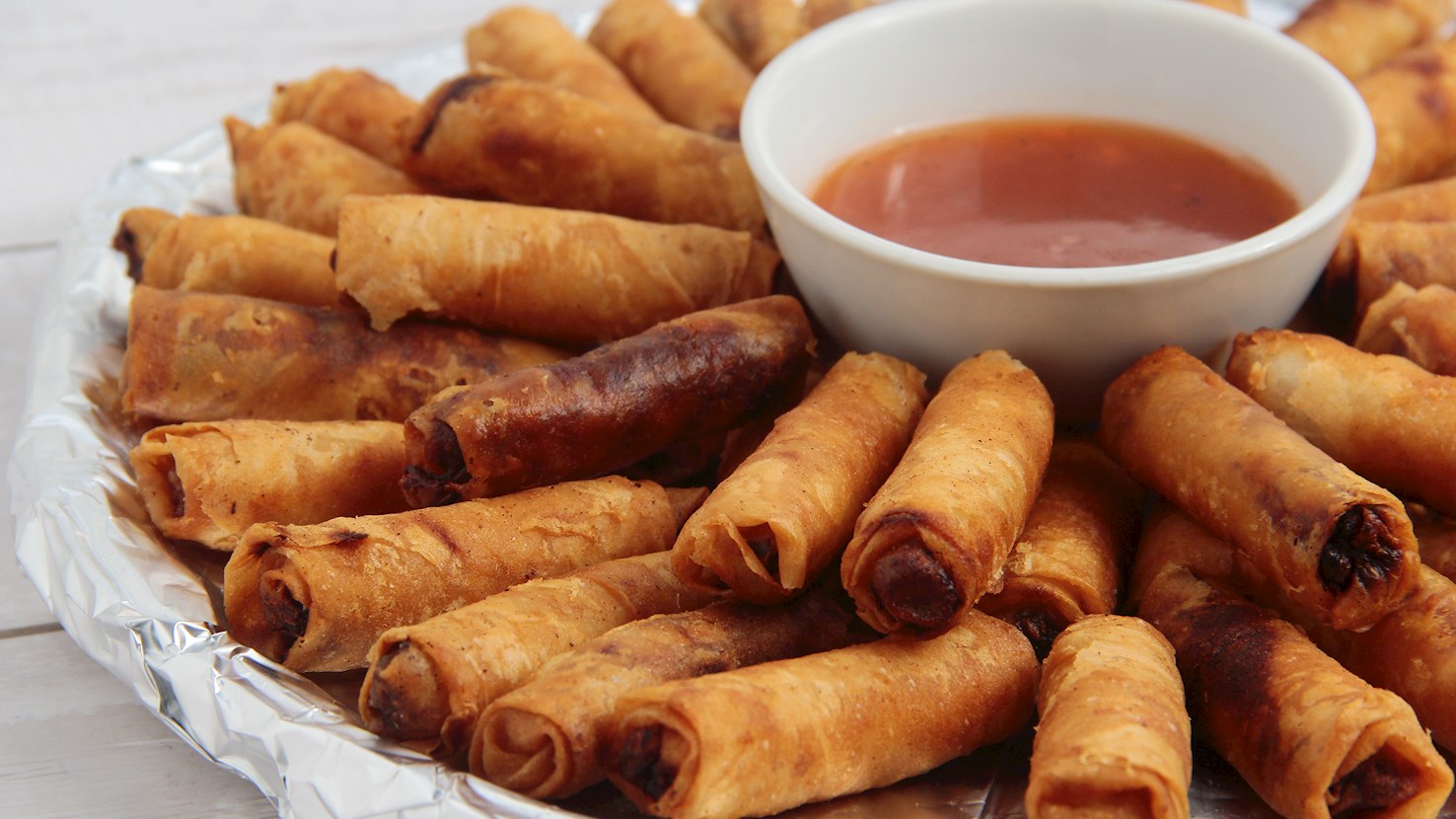
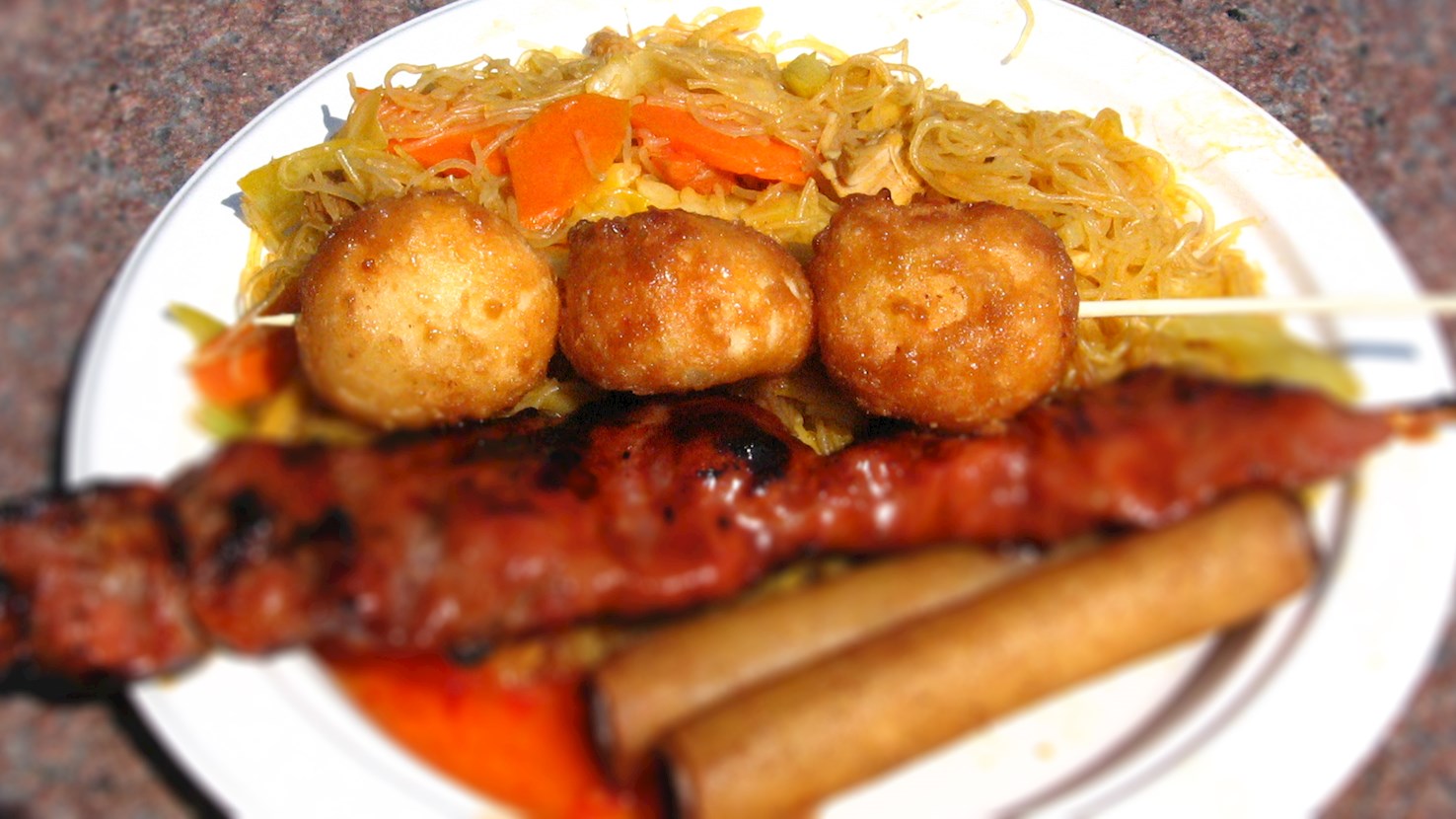
Lumpiang Shanghai is the most popular variety of lumpia, the crispy deep-fried Filipino snack that evolved from Chinese spring rolls. Even though lumpia appears in numerous variations, the Shanghai version is characterized by a savory filling which combines ground pork or beef with carrots, onions, various seasonings, and (occasionally) shrimps. Lumpiang Shanghai is usually sold at numerous street stalls throughout the country, but it is also a staple dish served on special and festive occasions. This delicious and crispy snack is usually served accompanied by sweet and sour dipping sauce.

02

Bibingka

4.0 ·

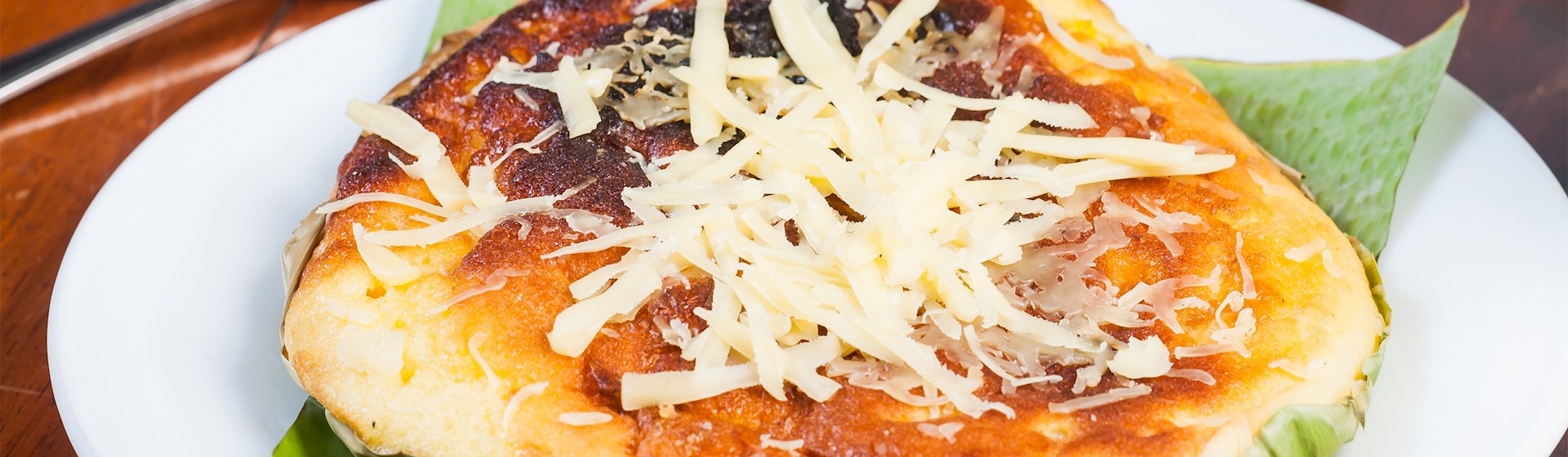
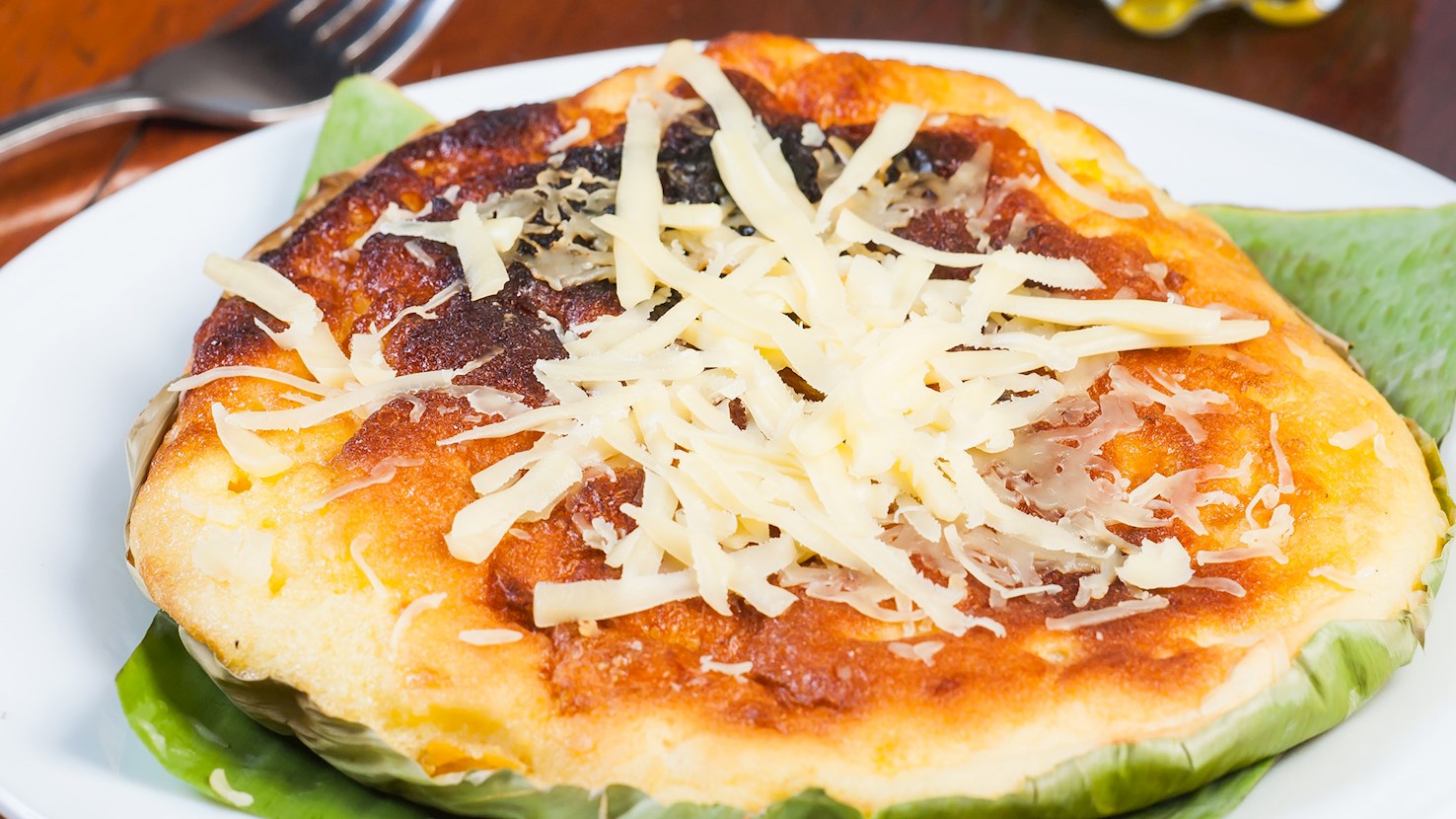
In its simplest form, bibingka is a simple Filipino cake that consists of rice flour and water. It was initially prepared in clay pots that were lined with banana leaves, which would impart a distinctive, smoky flavor to the dish. Bibinka is believed to have appeared under the foreign culinary influence, and the first written reference describing a similar cake dates back to 1751. Through history, bibinka was adapted with additional ingredients, and nowadays it is typically prepared with milk, eggs, coconut milk, sugar, and butter, while modern variations may include anything from grated cheese, salted duck eggs or grated coconut, and a variety of different sweet and savory toppings. This original Filipino delicacy is usually associated with Christmastime, and it is traditionally enjoyed after the mass on Christmas Day. Bibingka is also often served for breakfast.

03

Kwek kwek

4.0 ·

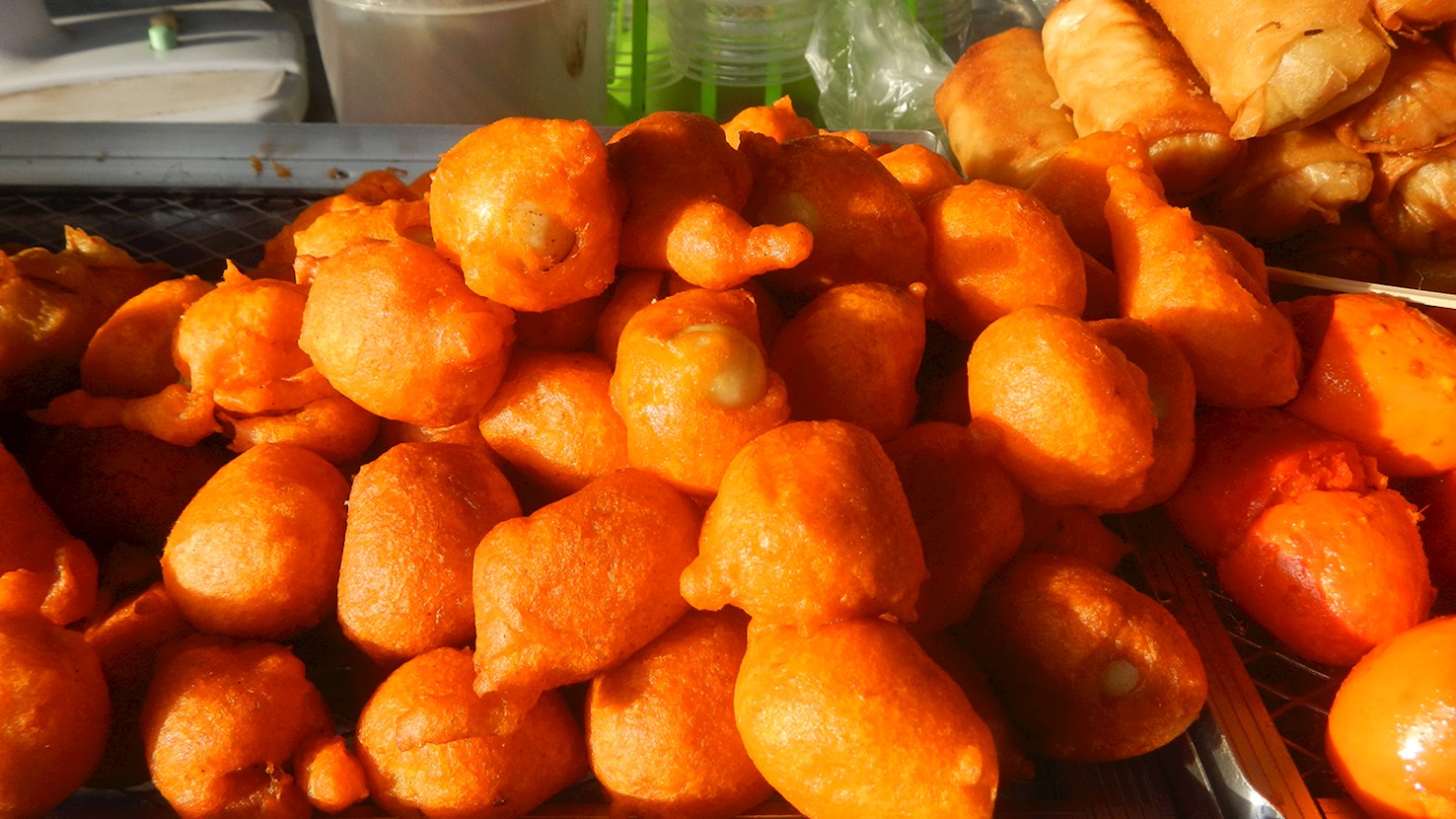
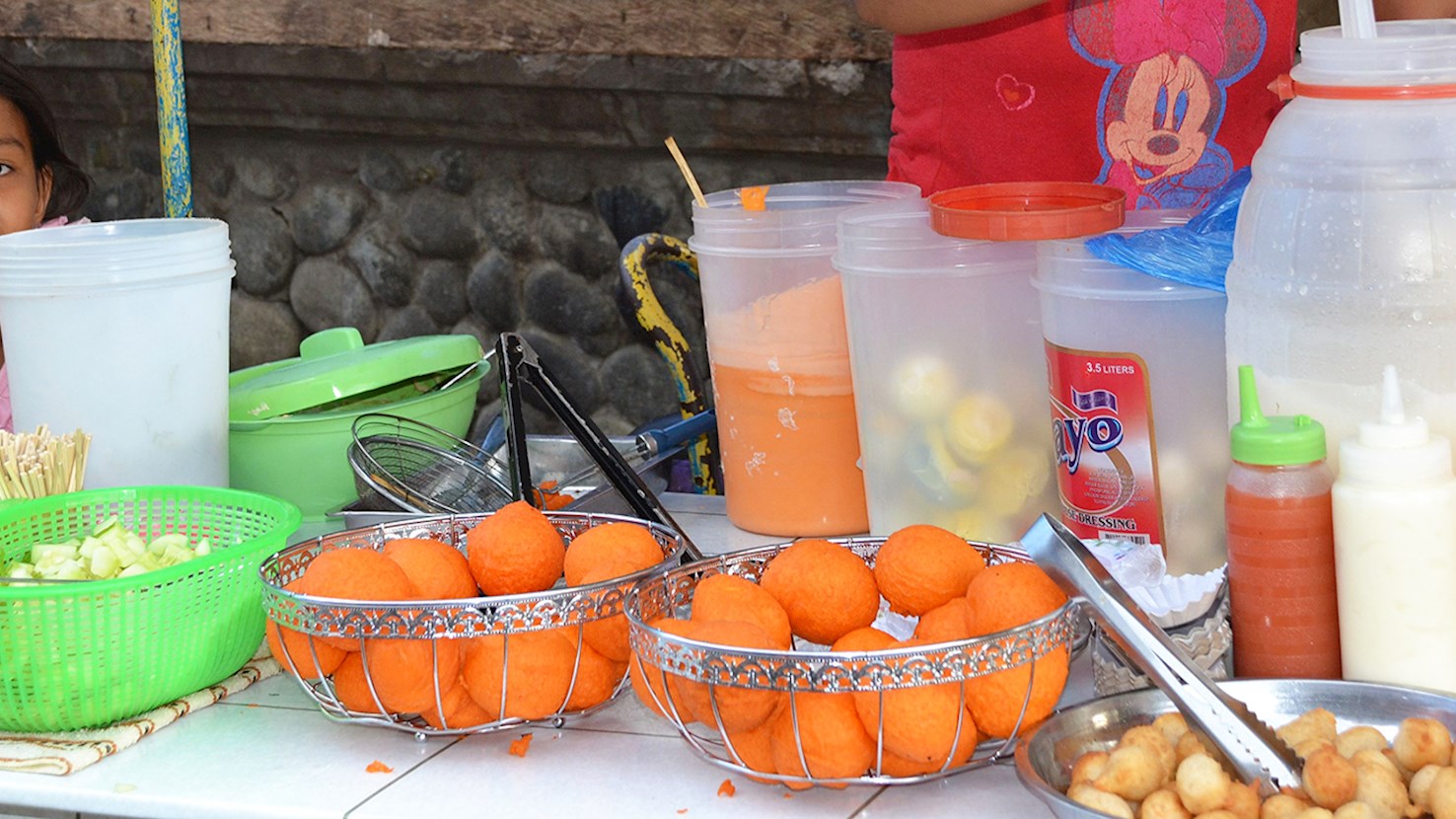
Deep-fried kwek kwek is a type of tokneneng, the omnipresent Filippino street food. While tokneneng is made with boiled chicken or duck eggs, kwek kwek is the smaller sized variety, which usually employs tiny quail eggs. Both types are distinguished by the deep orange color, provided by an unusual batter in which eggs are coated before frying. The thick batter is made with flour, cornstarch, and water, with the addition of annatto powder, a unique ingredient which gives the dish its remarkable orange color. Hard-boiled quail eggs are thoroughly coated in batter, and fried until crispy. The essential condiment to kwek kwek is a spicy and sour sauce. It is usually prepared with vinegar, soy sauce, brown sugar, chilis, and occasionally ketchup, and it is always served on the side as a dipping sauce. Kwek kwek eggs are sold by numerous street vendors, who sell them alongside other delicious deep-fried Filipino snacks, such as fish or squid balls. These fried delicacies are best served freshly prepared, while they are still crispy and warm.

Best restaurants
04

Pancit bihon

3.9 ·

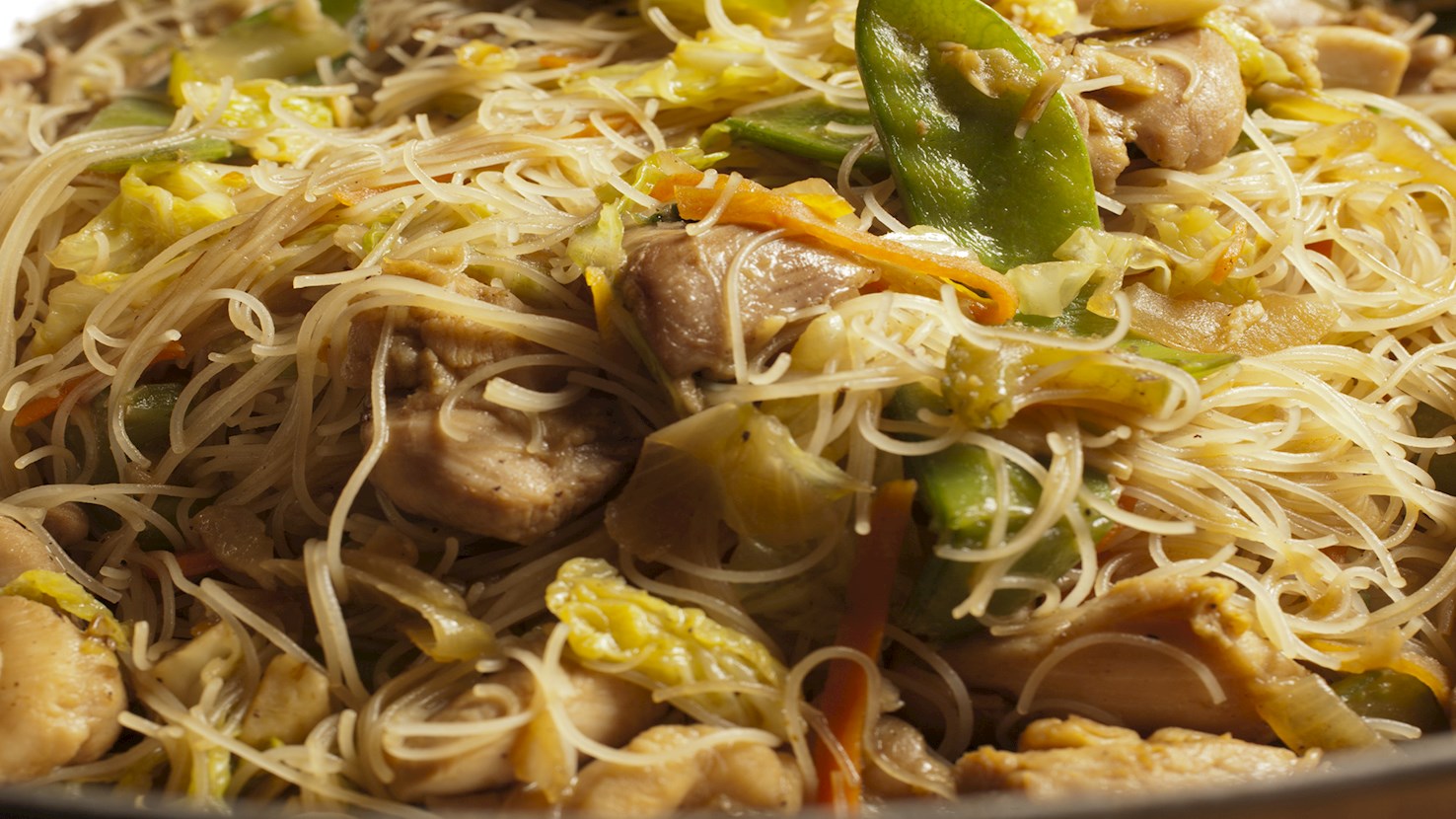
Pancit bihon is a famous Filipino stir-fry consisting of rice noodles combined with sliced pork or chicken and various vegetables. The dish is infused with soy sauce and it is usually lightly seasoned with lemon juice. Just like other pancit varieties, this version is often found at numerous street stands throughout the country and is a staple dish served on special and festive occasions.

05

Isaw

3.9 ·

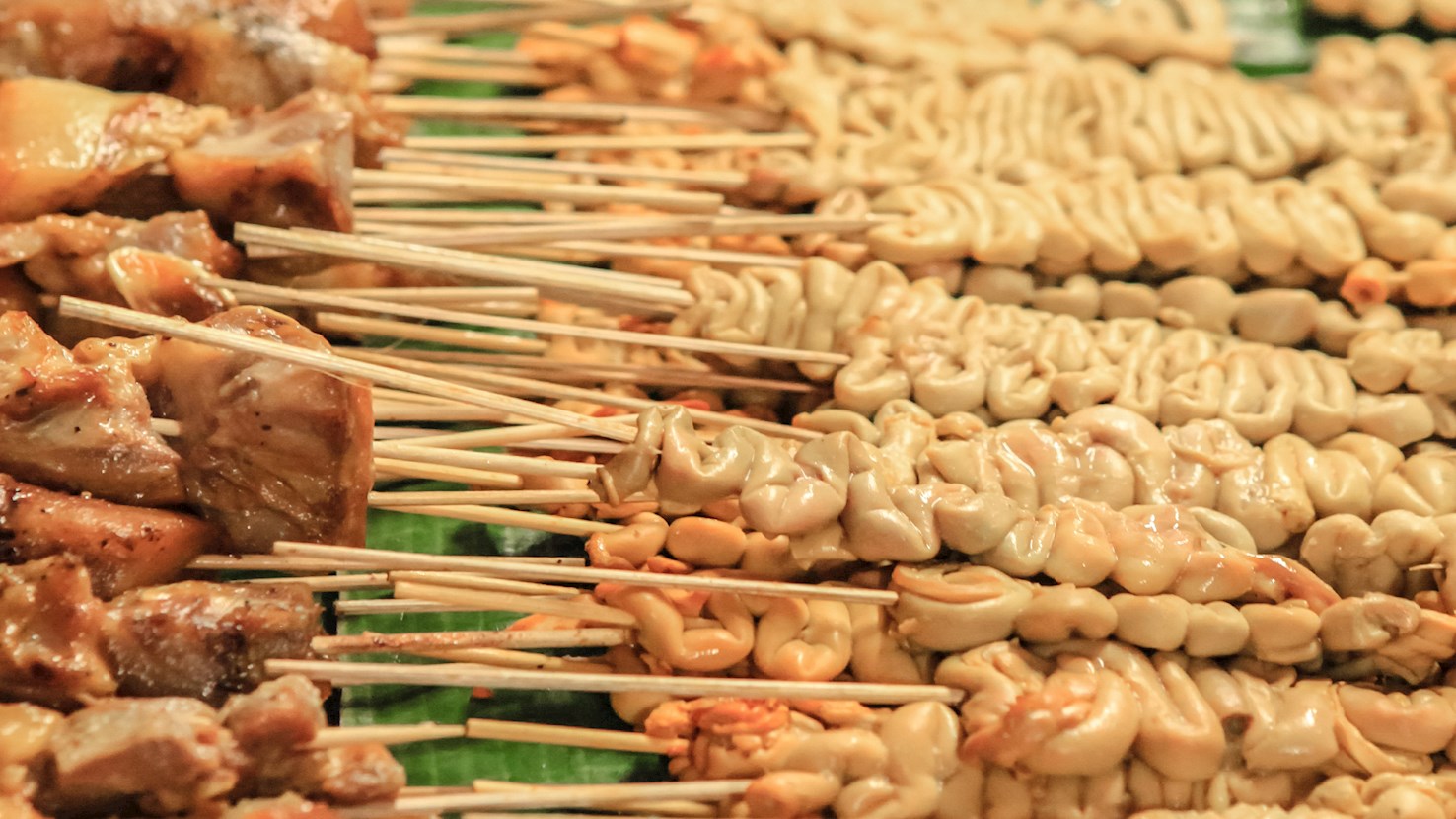
Isaw is a popular Filipino street food dish consisting of marinated, boiled, and grilled chicken and pork intestines which are usually coiled and skewered on a stick. Although similar, pork isaw is typically slightly larger and chewier than the chicken version. The marinade is usually prepared with soy sauce, oil, ketchup, garlic, and seasonings. Thoroughly cleaning and boiling the intestines before they are placed on a grill is an essential part of the preparation process because it eliminates all food-born pathogens. The dish is usually dipped in a vinegar-based sauce that is made with chili peppers and onions (sawsawan). Because it is one of the cheapest Filipino street food meals, the dish is extremely popular, and there are even street stalls called isawan, devoted entirely to the preparation of this specialty. Isaw is usually enjoyed as an afternoon snack, and apart from its popularity on the streets, due to its low price, it is also a staple food for numerous university students.

06

Proben

3.7 ·

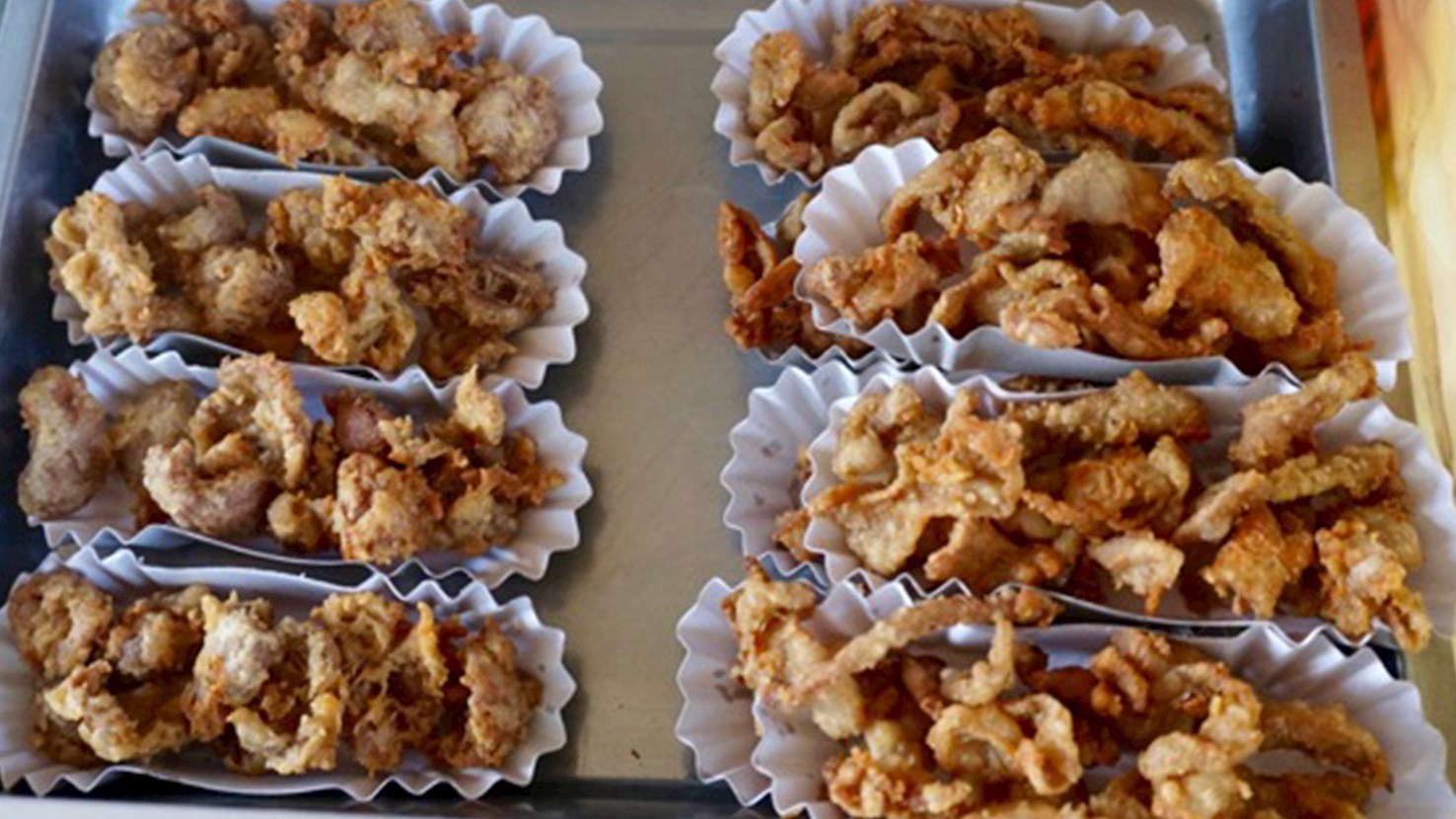
Proben (occasionally referred to as proven) is a satisfying Filipino snack, and one of the most popular street food items in the country. It is prepared with an unusual chicken organ named proventriculus, a component that is in many ways similar to chicken gizzard. Coated in flour or cornstarch, the tiny proben pieces are shortly deep-fried until the exterior becomes golden brown and crispy. They can be fried individually and served in plastic bags, or skewered and fried on bamboo sticks. Cheap, fast, and nutritious, proben has come to represent one of the most common street food varieties in the Philippines, which is especially favored among the young students. The snacks can be found on numerous streets and traditional markets, where they are usually prepared by street vendors who prepare heaps of fresh proben on mobile food stands. Even though they can be eaten plain, bagged or skewered versions are usually accompanied by sour vinegar sauce or sweet chili sauce.

07

Cascaron

3.4 ·

Round, sweet, and chewy cascaron is a deep-fried Filipino delicacy usually served doused in sugary syrups. Often referred to as bitsu bitsu, this traditional treat is made with sweet glutinous rice flour, shredded coconut, and coconut milk. The dough is shaped into small round balls and deep-fried until golden and crispy on the outside. Although they can be served plain, these luscious balls are often smothered in various sweet syrups, such as the simple sticky caramel sauce or the traditional Filipino latik, the creamy glaze made with coconut milk and sugar. The incredible variety of textures and the mild flavor of coconut make cascaron one of the most popular Filipino desserts. Even though they are commonly prepared at home as a quick after-dinner treat, they are often sold as street food by numerous vendors who traditionally serve them skewered on bamboo sticks.

08

Tokneneng

3.3 ·

Tokneneng is a traditional dish that's sold as a street food snack. It consists of hard-boiled eggs that are dipped in an orange-colored batter, then deep-fried. The dish is traditionally made with duck eggs, but chicken eggs can also be used. The batter is made with a combination of flour, water, salt, pepper, and annatto powder (or red and yellow food coloring). Once deep-fried, these eggs are traditionally served with a spiced vinegar-based dip on the side. There's also a variation on the dish called kwek kwek, made with quail eggs.

09

Balut

2.6 ·

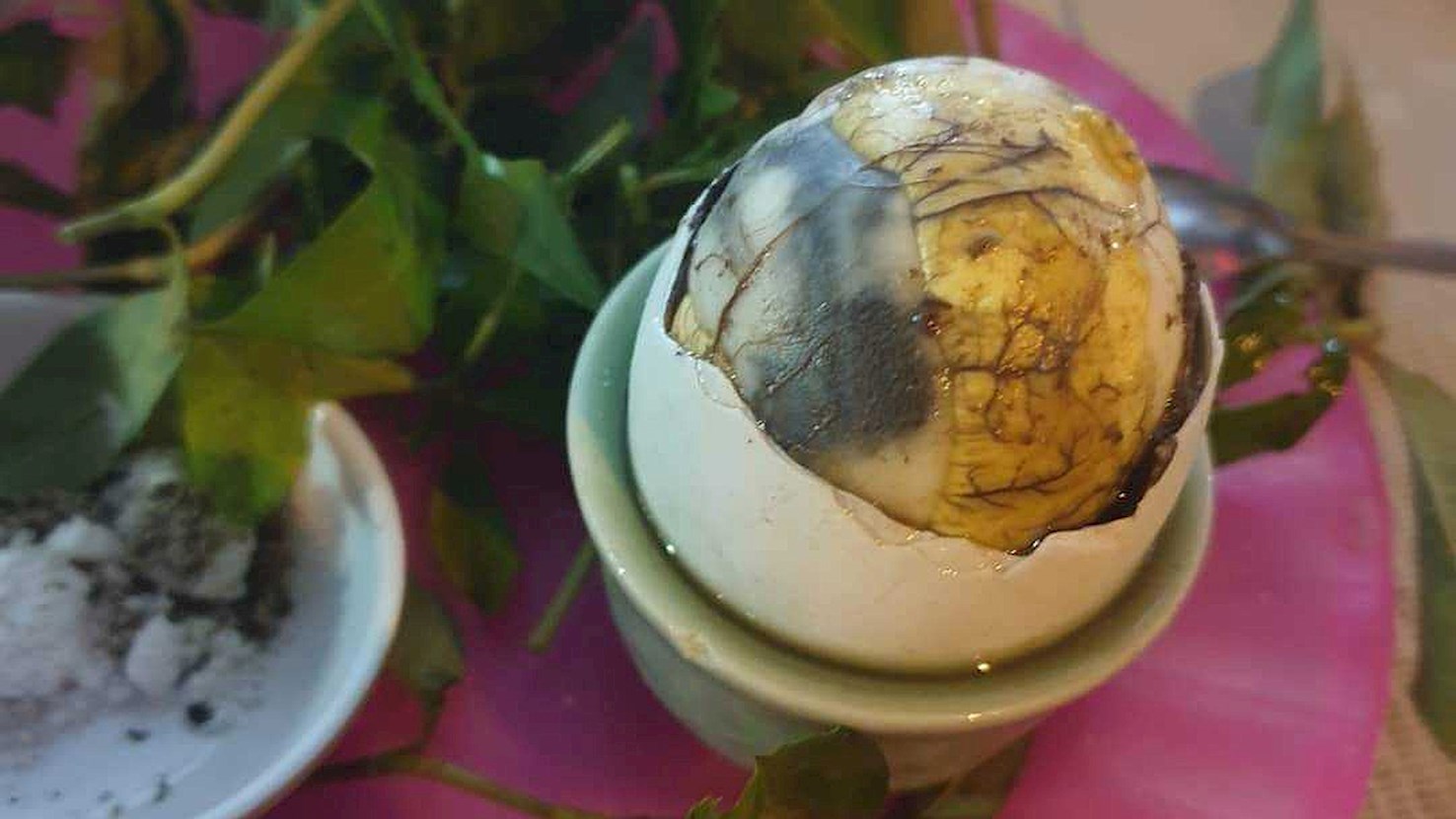
Balut is a popular, although unusual Filipino delicacy, served everywhere from street stalls to upscale restaurants. It is a duck egg that has been hard-boiled, fertilized, and incubated. Traditionally, the cooked embryo is consumed straight from the shell. It is considered an aphrodisiac that is commonly paired with a cold beer on the side. The dish can be seasoned with chili, garlic, vinegar, salt, lemon juice, ground pepper, and mint leaves. It can also be cooked in omelets or used as a filling for pastries. Although balut is closely associated with Filipino cuisine and has achieved popularity throughout the world, it is still considered a poor man's meal in the Philippines.

Read more
View all
View map
About this ranking

TasteAtlas food rankings are based on the ratings of the TasteAtlas audience, with a series of mechanisms that recognize real users and that ignore bot, nationalist or local patriotic ratings, and give additional value to the ratings of users that the system recognizes as knowledgeable. For the “Top 9 Filipino Street Food” list until June 15, 2026, 645 ratings were recorded, of which 422 were recognized by the system as legitimate. TasteAtlas Rankings should not be seen as the final global conclusion about food. Their purpose is to promote excellent local foods, instill pride in traditional dishes, and arouse curiosity about dishes you haven’t tried.

Similar lists