


M.B.

Top 8 Southern Vietnamese Street Food

Last updated on May 15, 2026
01

Cơm tấm (Broken Rice)

4.2 ·

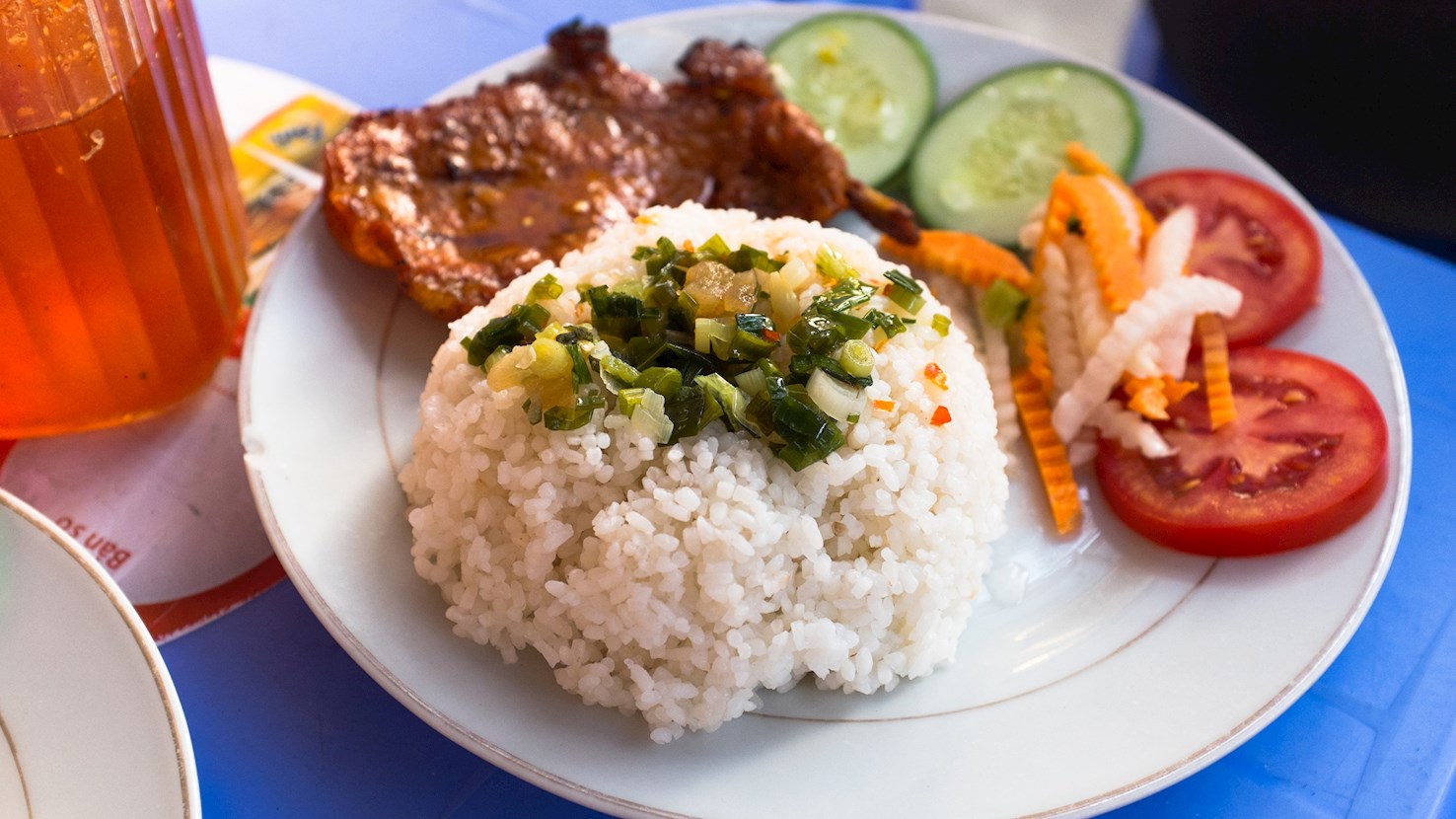
Cơm tấm is a traditional dish that's typically sold as street food. It consists of broken and imperfect rice grains that were traditionally chucked away after the milling process, but nowadays it's a signature dish of Ho Chi Minh City. Broken rice has a texture that's similar to normal rice, just smaller. When served, cơm tấm is accompanied by numerous toppings such as fried eggs, shredded pork skin, grilled pork chops, or deep-fried fish patties. The usual garnishes include lime wedges, chopped spring onions, and mint, while accompaniments served on the side include sliced tomatoes and cucumbers, pickled vegetables, or dipping sauces. Local cơm tấm eateries are easily found because they usually have a coal-fired grill on the street, dispersing the smoke scented with lemongrass and charred meat, a result of preparing the accompaniments for broken rice. In the past, these broken rice grains were usually used as animal feed or eaten by the farmers and their families.

02

Chả giò (Vietnamese Fried Spring Rolls)

4.1 ·

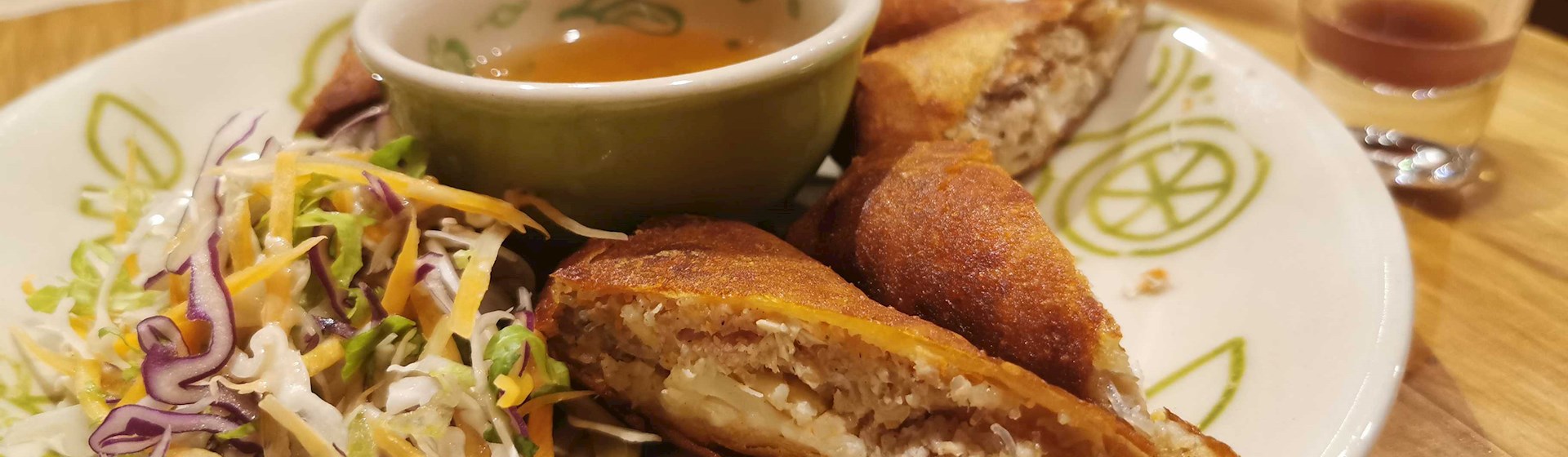
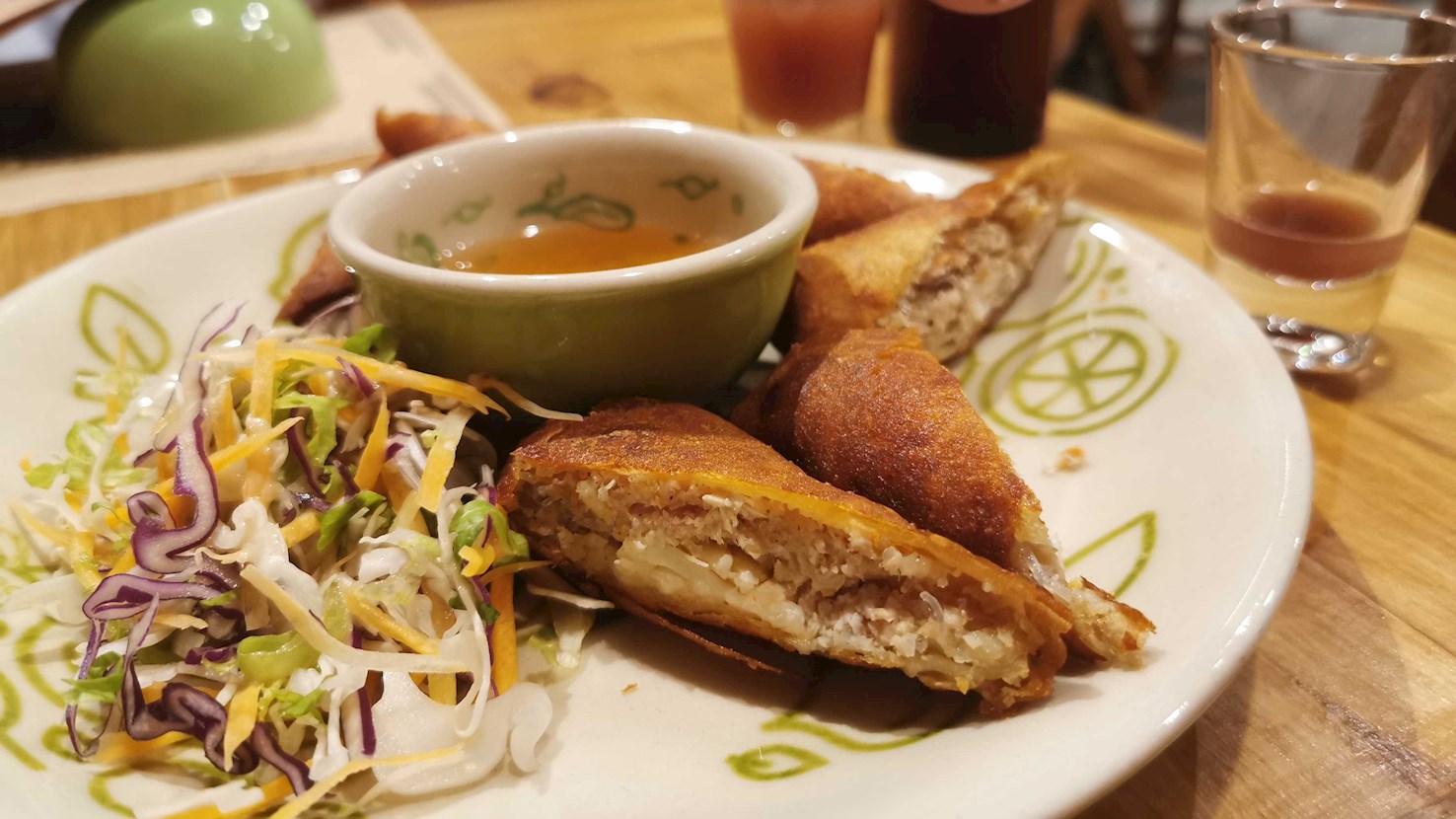
Called chả giò in the south, and nem rán in northern Vietnam, both names are used to refer to the same dish - fried spring rolls. The main characteristic of these tasty rolls is the pork and shrimp filling, wrapped in delicate rice paper. Frequent additions to the stuffing include vegetables such as carrots, cabbage, or mushrooms, glass noodles, and bean sprouts. The rolls are shortly fried and result in a treat with an appetizing golden color, a thin, crispy, and light outer layer, and a delectable filling. They are believed to have developed under Chinese influence in Vietnam, but the rolls kept their distinct character and became one of the most common dishes eaten in the country. They are usually served as an appetizer, but can also constitute a satisfying main meal. The combination of ground pork and minced shrimp is the most common one, but other varieties are also possible and might even include crab meat or tofu. Whether they are served as an appetizer or the main meal, chả giò are usually accompanied by lettuce, fresh cucumbers, and a serving of fish sauce or sweet and sour sauce. Besides Vietnam, these tasty rolls are commonly served in many Vietnamese restaurants around the world.

03

Cơm tấm sườn (Broken Rice with Grilled Pork)

4 ·

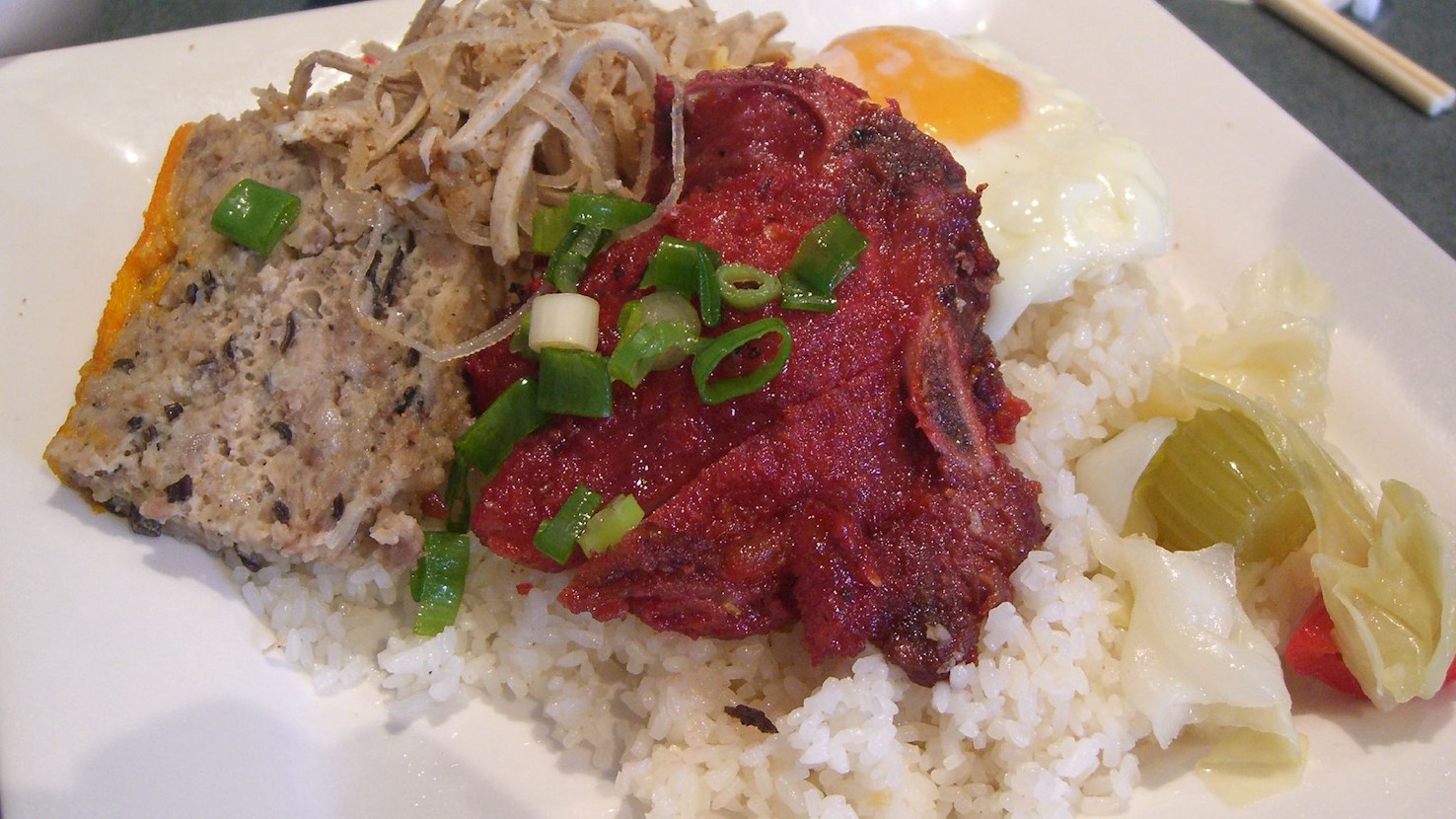
Cơm tấm sườn is a classic dish from South Vietnam. It consists of grilled pork served on top of broken rice. The combination is often topped with a mix of stir-fried onions and pickles, and it's accompanied by fish sauce for dipping. The pork is typically marinated in lemongrass, pepper, garlic, and fish sauce before it's grilled. This dish is usually served in the morning for breakfast.

04

Bánh khọt (Vietnamese Mini Savory Pancakes)

4 ·

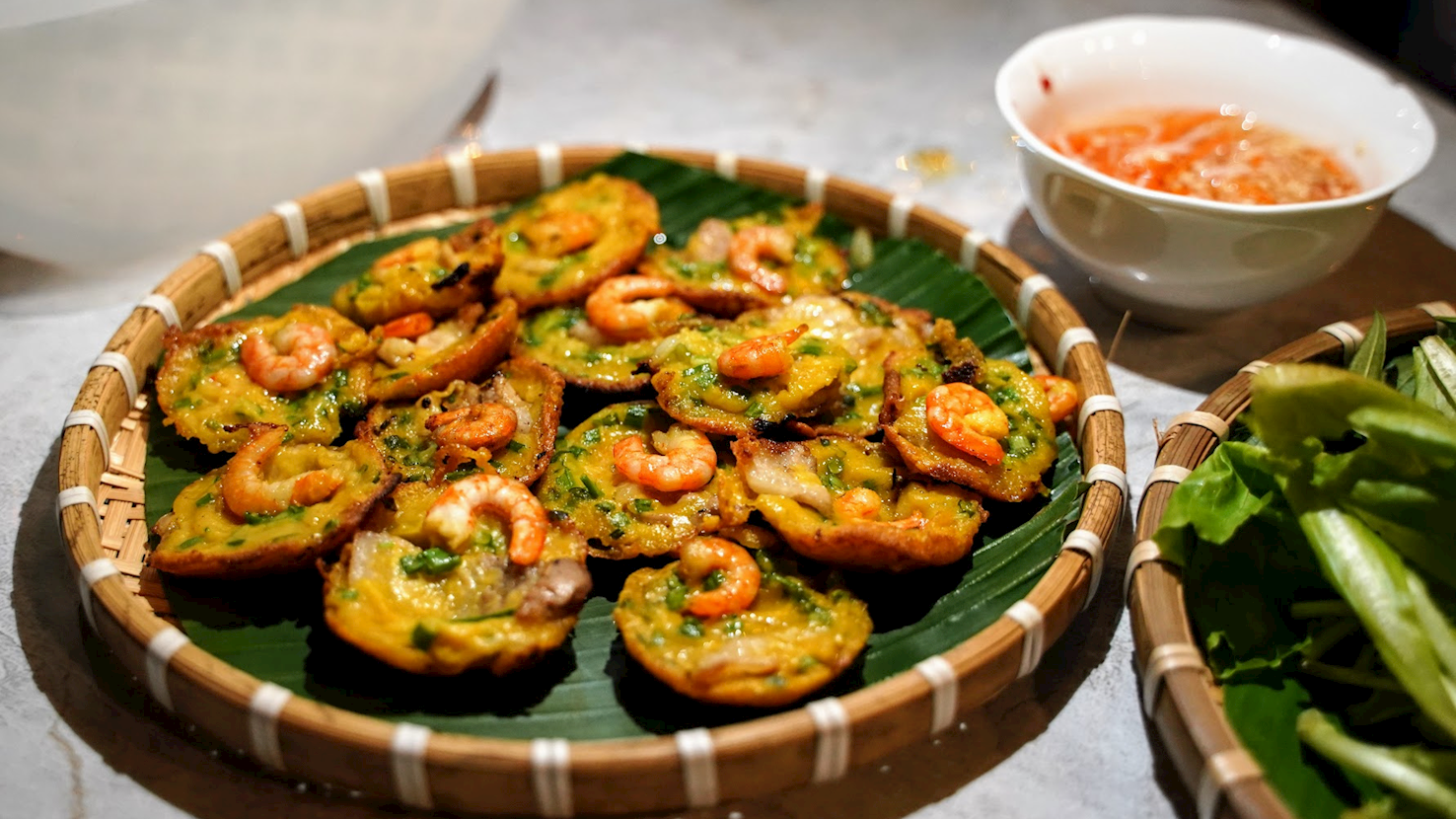
Bánh khọt is a savory Vietnamese pancake made with a thin rice flour batter and cooked on outdoor grills equipped with a specialized terracotta bánh khọt mold. The batter is poured into the mold, and the pancake is then topped with various savory ingredients. Once prepared, these small puffed pancakes are often served with aromatic herbs and leafy vegetables on the side, which can be used as wrappers. Fish sauce is also a staple accompaniment to bánh khọt. Although it’s often confused with bánh căn (as it’s called in Central Vietnam), bánh khọt is not as soft as bánh căn because it’s fried in oil until crunchy and contains turmeric, which gives it a nice yellow color, unlike bánh căn, which doesn’t contain turmeric.

05

Bánh mì đặc biệt (Cold Cut Banh Mi)

3.9 ·

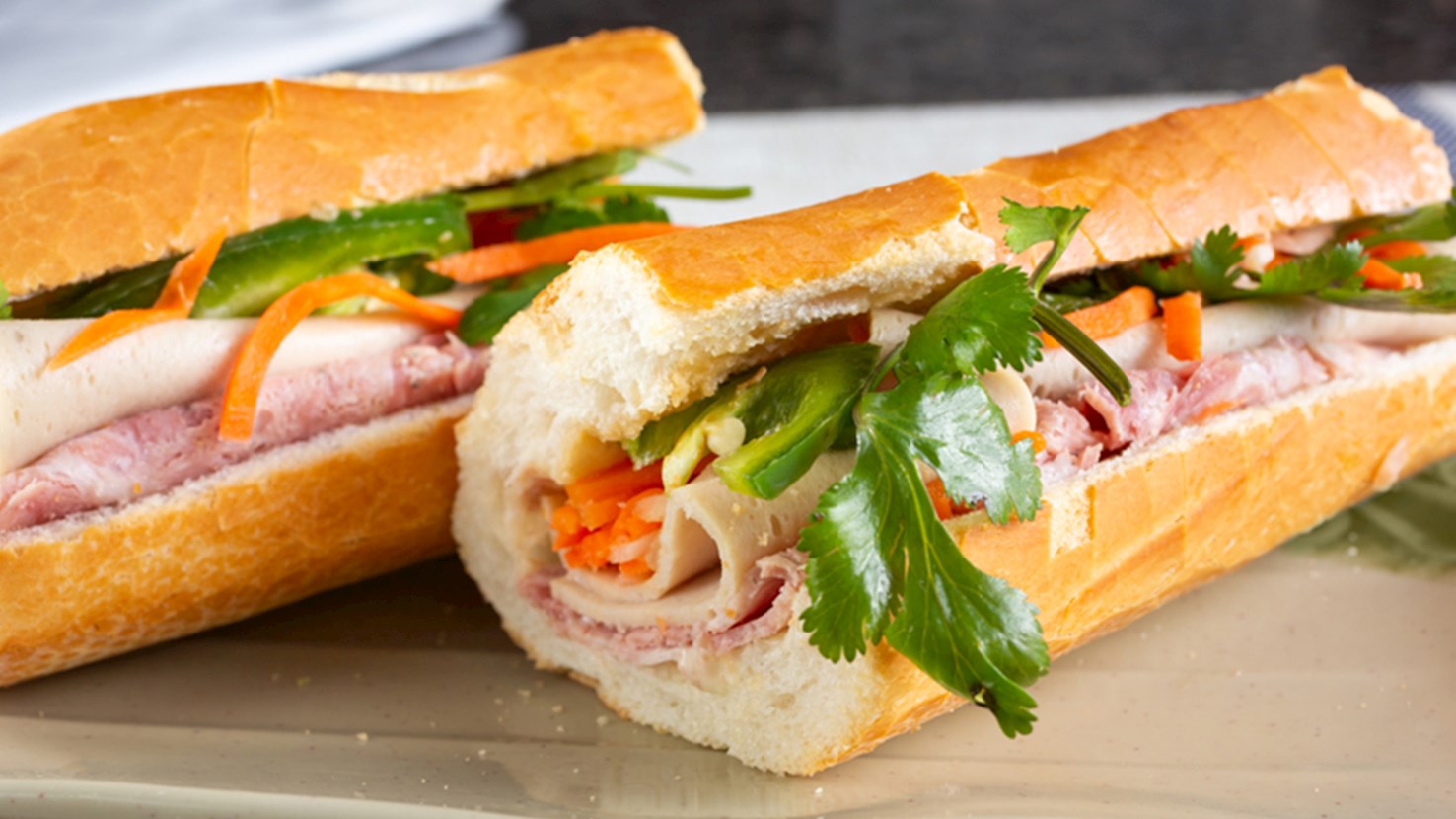
Bánh mì đặc biệt is a traditional bánh mì sandwich variety originating from Saigon (Ho Chi Minh City). The sandwich usually consists of a split baguette that's filled with pork liver pâté and thinly sliced cold cuts such as headcheese, giò lụa sausage, and pork shank. Next, the baguette is filled with mayonnaise, pickled carrots and daikon, sliced chili peppers, cucumber strips, and coriander. This type of bánh mì is also known as special combination bánh mì, and it can be found at numerous street carts in the country. The sandwich is typically wrapped in paper and secured with a rubber band due to its large size.

06

Hủ tiếu Nam Vang (Nam Vang Noodle Soup)

3.8 ·

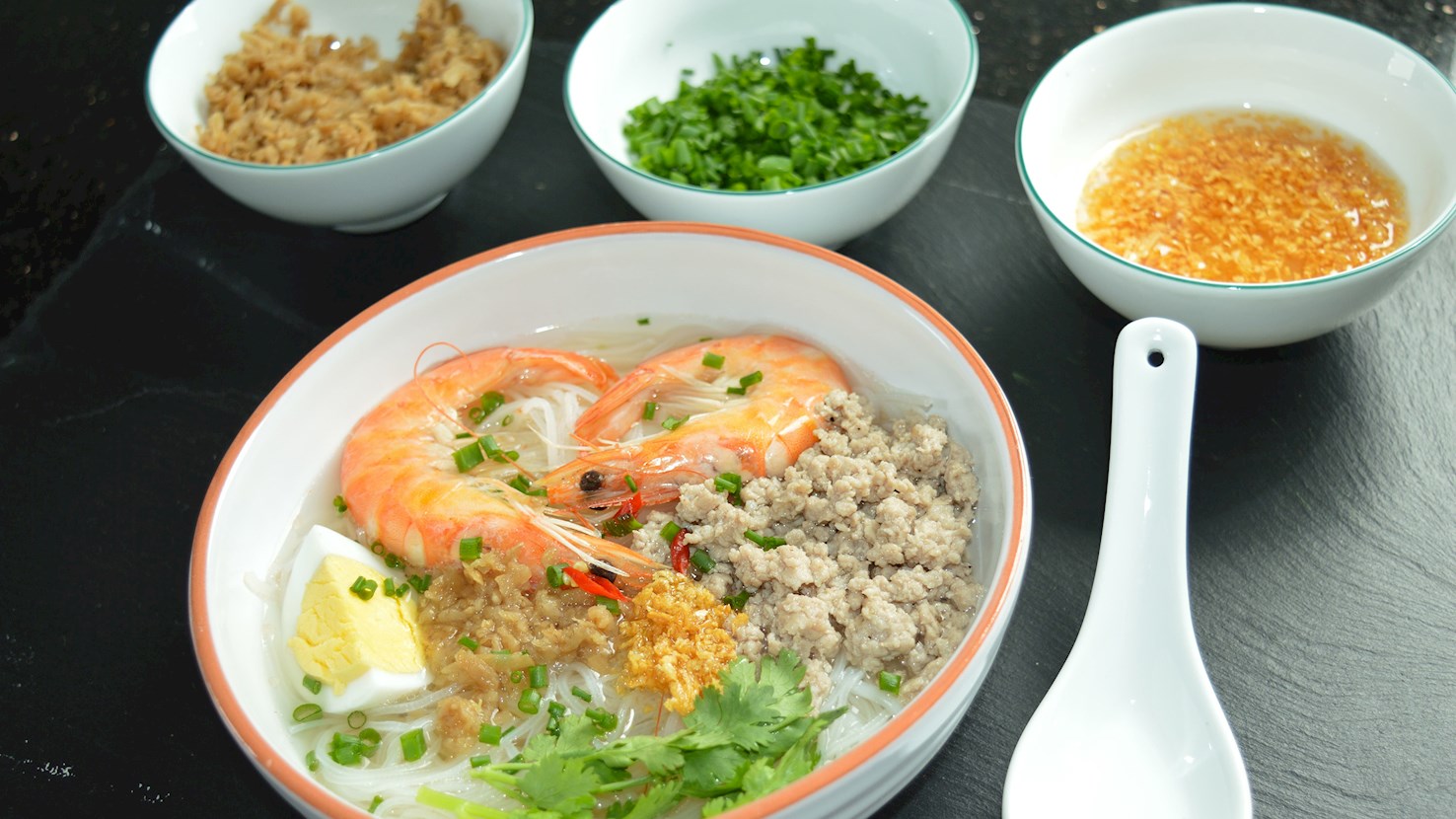
Hủ tiếu Nam Vang is a popular Vietnamese street food with Cambodian-Chinese roots. The dish is named after the Cambodian capital Phnom Penh (Nam Vang), and the recipe is tweaked to adapt to Vietnamese flavors. The noodle soup should have a clear and rich broth made from pork bones, pork, and dried squid and shrimp. The noodles can be transparent rice noodles, chewy tapioca noodles, or thin Chinese egg noodles. Toppings include a combination of sliced pork liver, cooked pork meat, sautéed ground pork, quail eggs, fried shallots, garlic, and poached shrimp. The dish is typically served with an assortment of garnishes on the side – Chinese chives, Chinese celery, green onions, cilantro, and lettuce.

07

Bánh mì xíu mại (Meatball Bánh Mì)

3.6 ·

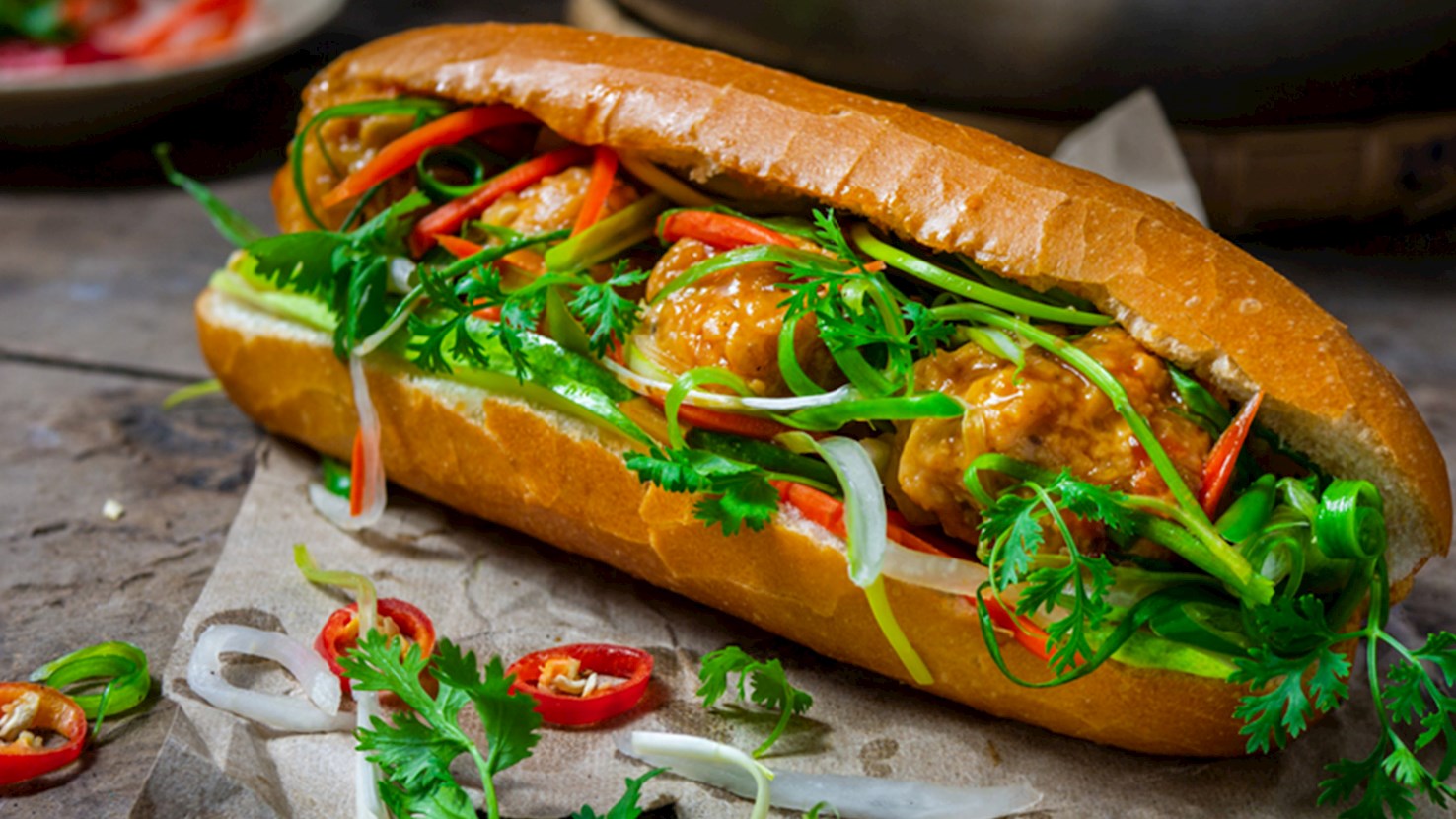
Bánh mì xíu mại is a traditional bánh mì sandwich variety made with ground pork meatballs as the main ingredient. The meatballs are usually made with a combination of ground pork, corn starch, fish sauce, garlic, black pepper, scallions, and jicama. They’re cooked in a sauce consisting of tomatoes, garlic, oil, sugar, and fish sauce. In order to prepare the sandwich, the meatballs are placed into a sliced bánh mì roll along with the sauce, and bánh mì xíu mại is then typically topped with coriander, pickled daikon and carrots, and sliced chili peppers, if desired.

08

Phá lấu (Vietnamese Offal Stew)

n/a ·

Phá lấu is a traditional dish originating from Ho Chi Minh City. The dish is made with offal (pork, chicken, duck, or cow) that's marinated in a mixture of soy sauce, garlic, pepper, salt, sugar, white wine, cinnamon, star anise, and five-spice powder. The offal is then fried and cooked in coconut water (and often curry powder) until fully cooked. Phá lấu is usually accompanied by chili-garlic dipping sauce on the side and loaves of bread or rice. The dish is often served with small wooden chopsticks for picking up the offal and dipping it into the sauce.

Read more
View all
View map
About this ranking

TasteAtlas food rankings are based on the ratings of the TasteAtlas audience, with a series of mechanisms that recognize real users and that ignore bot, nationalist or local patriotic ratings, and give additional value to the ratings of users that the system recognizes as knowledgeable. For the “Top 8 Southern Vietnamese Street Food” list until May 15, 2026, 540 ratings were recorded, of which 408 were recognized by the system as legitimate. TasteAtlas Rankings should not be seen as the final global conclusion about food. Their purpose is to promote excellent local foods, instill pride in traditional dishes, and arouse curiosity about dishes you haven’t tried.

Similar lists