

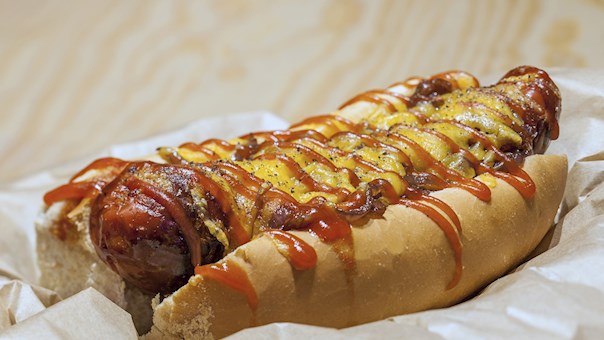
Top 57 American Street Food

Last updated on July 15, 2026
01

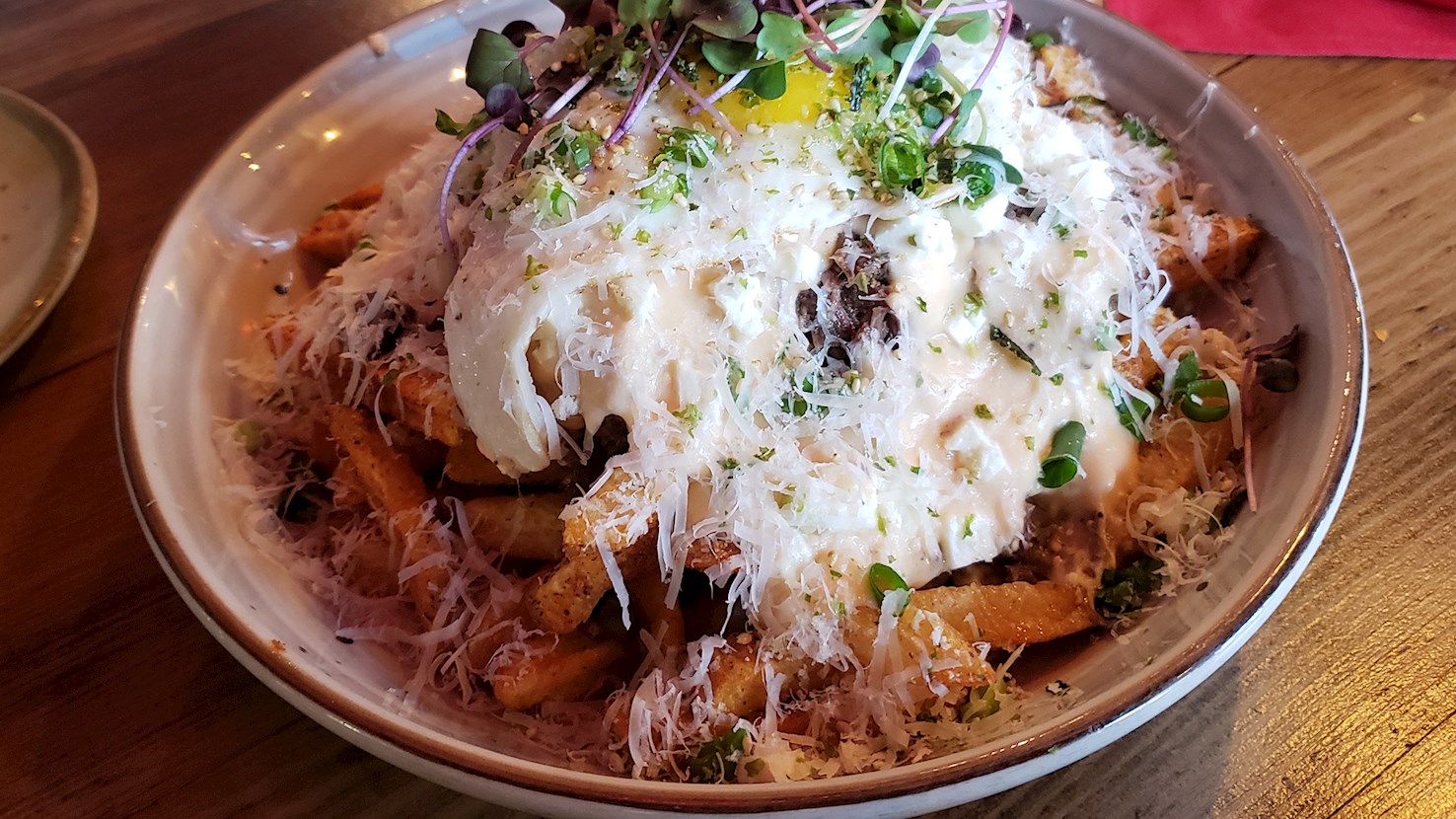
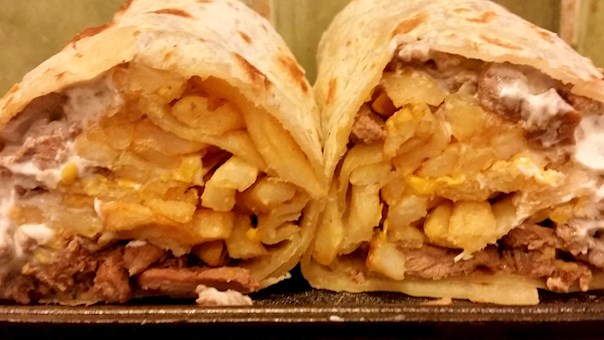
Carne Asada Fries

4.3 ·

Originating from San Diego, California, this American-Mexican fusion dish consists of shoestring fries topped with carne asada, cheese (often Cotija cheese), guacamole, and sour cream. The sour cream and guacamole should be on separate sides of the container so that they don't mix. Hot sauce is sometimes served on the side, depending on personal preferences. Carne asada fries are usually consumed after a few beers or late at night, and just by looking at the messy, caloric, and comforting combination of potatoes, cheese, meat, and dips, the connection between the two is pretty clear.

02

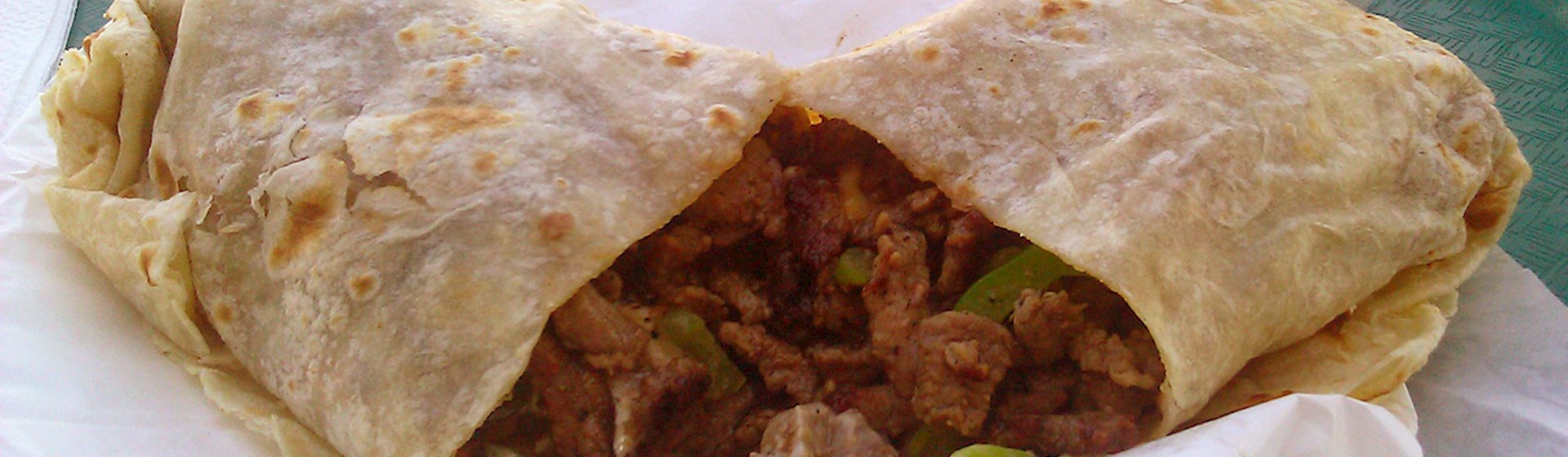
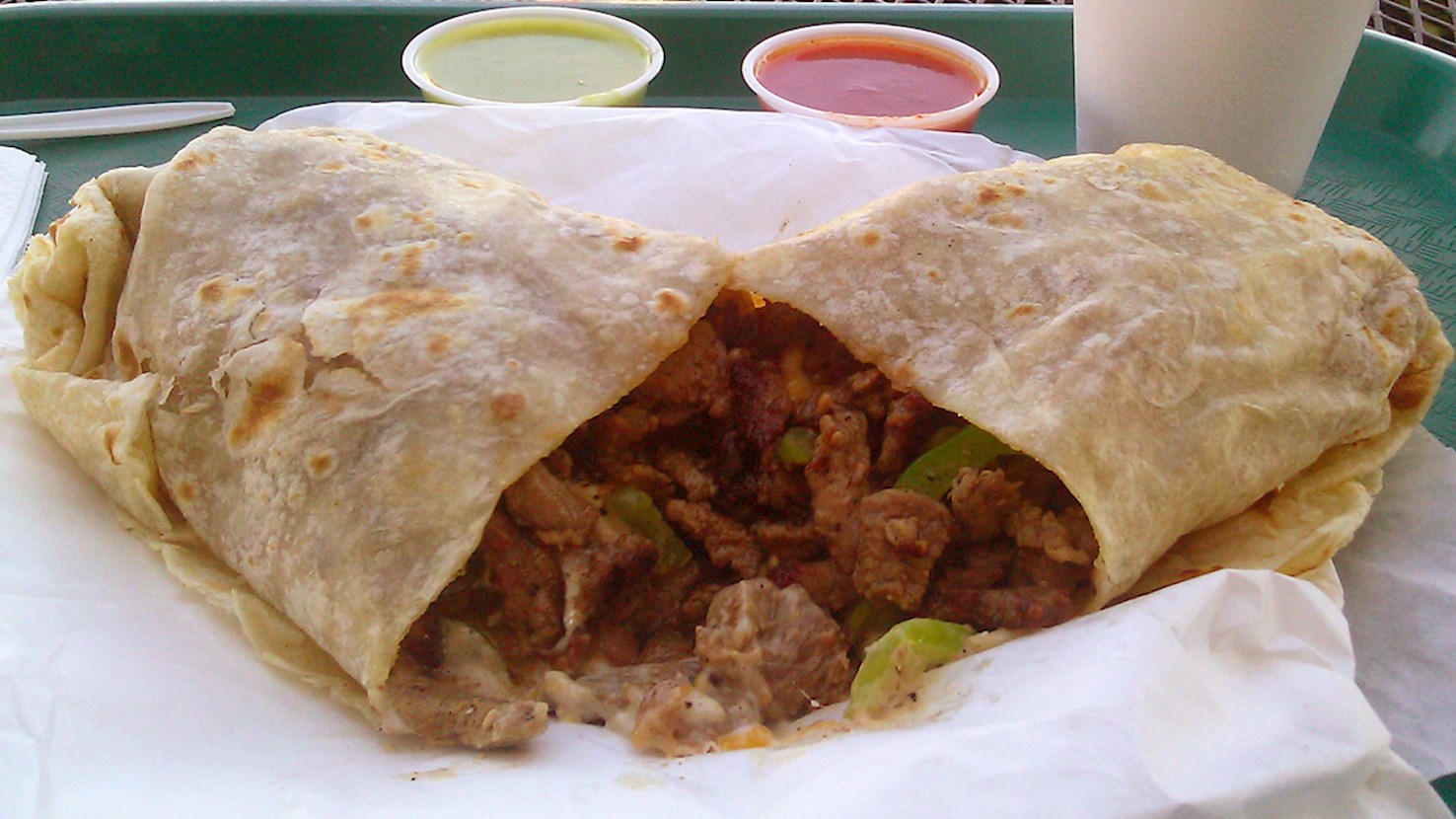
Carne Asada Burrito

4.3 ·

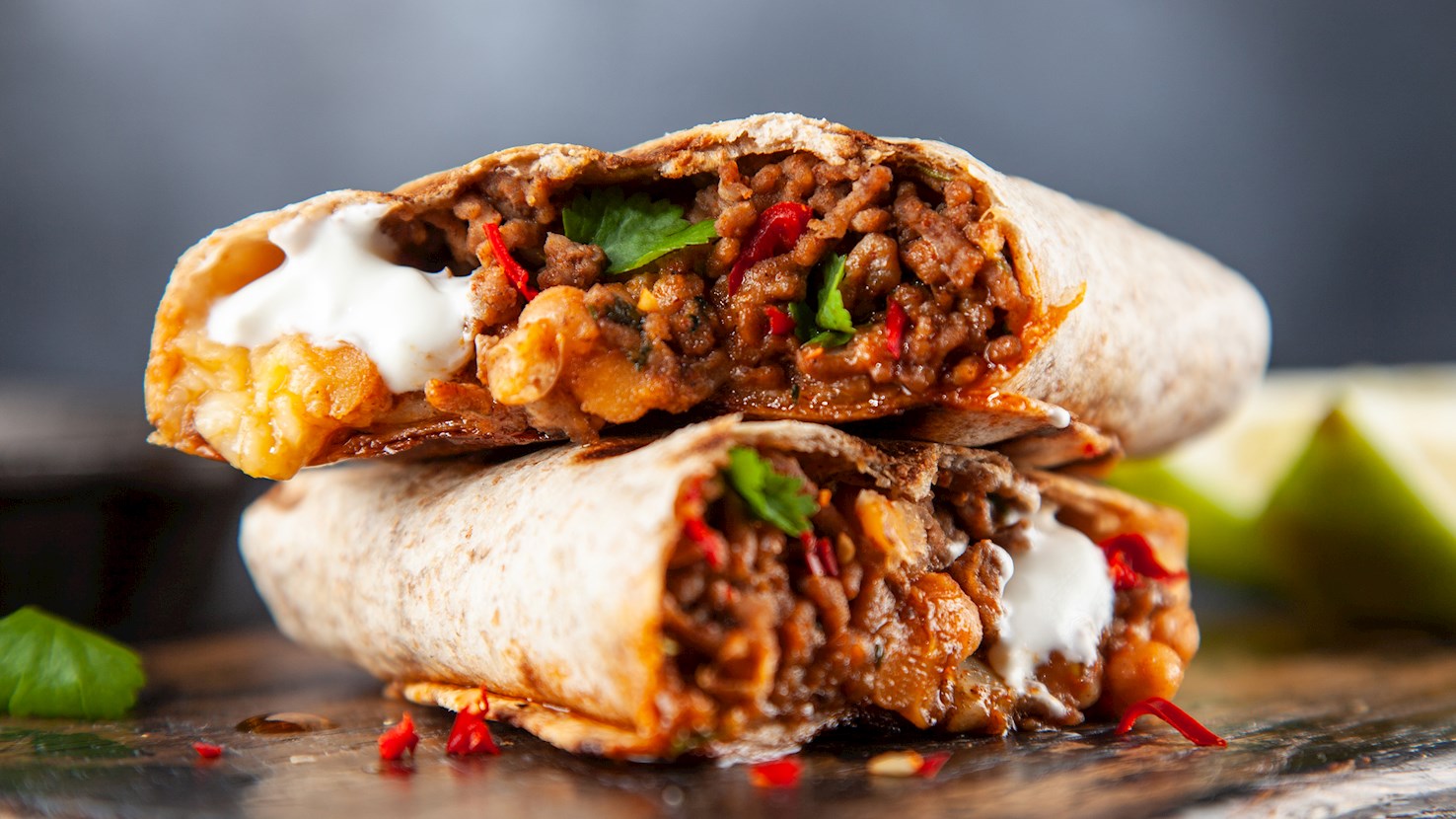
Carne asada burrito is a type of burrito that originates from San Diego. The dish consists of a large flour tortilla topped with carne asada meat, pico de gallo, and guacamole. The carne asada parts is made with a combination of beef (skirt or flank steak), lemon juice, lime juice, salt, pepper, and onions. The pico de gallo consists of tomatoes, onions, jalapenos, cilantro, lemon juice, lime juice, garlic powder, oregano, chili powder, and cumin, while the guacamole is made with avocados, pico de gallo, lemon juice, lime juice, and a dash of hot sauce. The ingredients are placed on a warm tortilla, sometimes with additional toppings such as french fries or cheese, if desired, and the tortilla is then folded to form a burrito, which is always served hot.

03

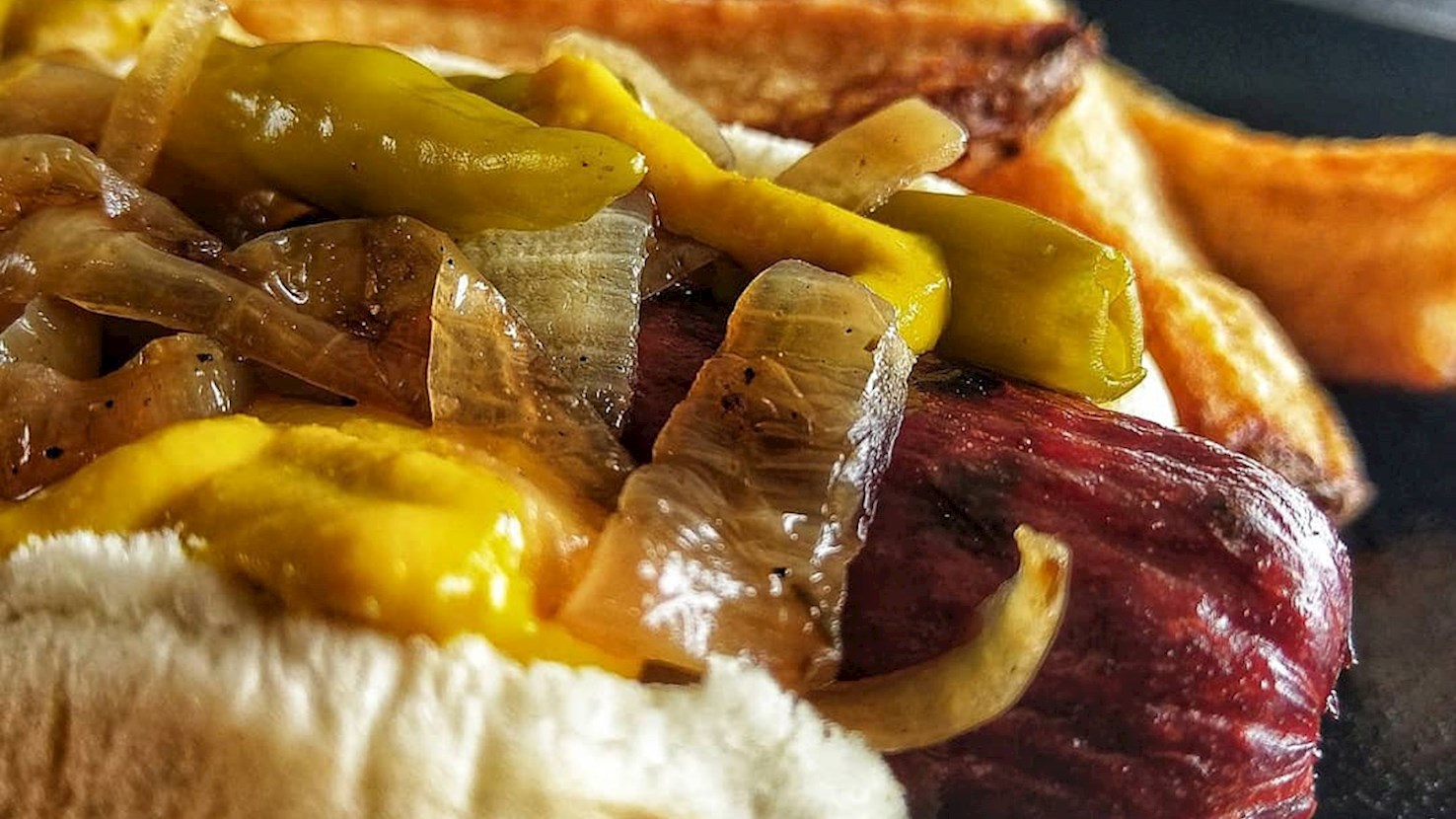
Maxwell Street Polish

4.2 ·

One of the street foods that are synonymous with Chicago, the Maxwell Street Polish sandwich is said to have been created in 1943 by a Macedonian immigrant Jimmy Stefanovic who operated a hot dog stand - now called Jim's Original - back then located in Chicago's old Maxwell Street market district. Served on a bun, the grilled or fried Polish sausage is topped with grilled onions, yellow mustard and optional pickled green sport peppers. Soon after its invention, Maxwell Street Polish grew to be one of the Windy City's most popular local fare, and remains a staple of its hot dog stands until this day.

04

Burrito

4.1 ·

Burrito is a dish consisting of a wheat flour tortilla that is wrapped in such a way that it is possible to fully enclose the flavorful filling on the interior. The filling consists of a combination of various ingredients such as meat, beans, rice, lettuce, guacamole, and cheese, among others. Its name means little donkey in Spanish, and a popular theory suggests that it stems from the way the bedrolls and packs appeared on the donkeys that carried them. Some claim that the dish originated in the 19th century by either the vaqueros in Northern Mexico, farmers in California, or the miners from Sonora. The first appearance of burrito in American restaurants was recorded in the early 1920s in Los Angeles, when the owner Alejandro Borquez opened the Sonora Café and started serving the dish. He changed the name of the restaurant to El Cholo Spanish Café, and it's still in business. Once it became popular across the United States, numerous variations of the dish started appearing, such as Thai chicken burrito, Chinese pork burrito, and breakfast burrito.

05

Mission Burrito

4.1 ·

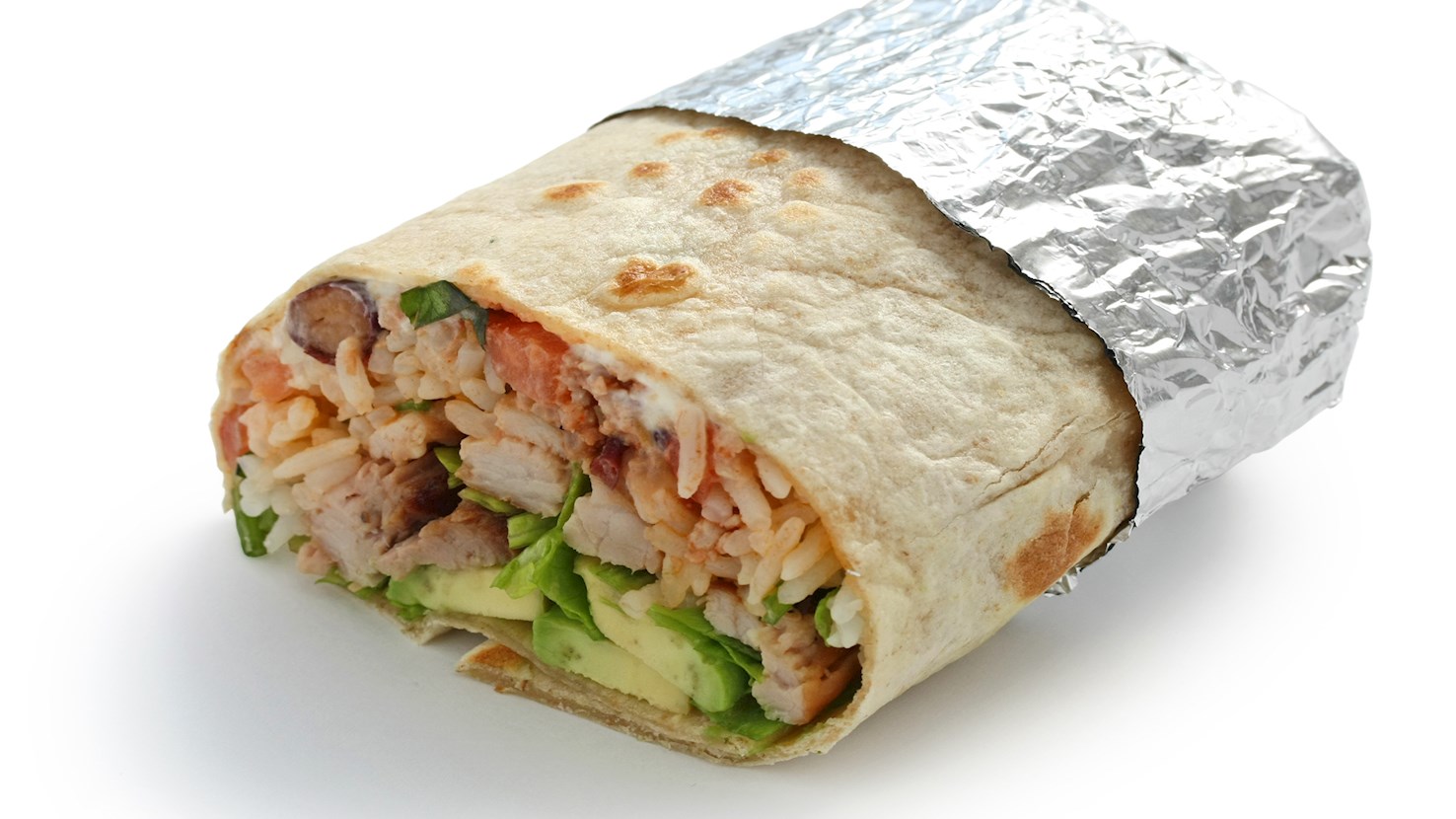
The first Mission burrito was made either at El Faro taqueria in San Francisco's Mission District on September 26, 1961 or at La Cumbre taqueria on September 29, 1969. The burrito is quite large and consists of a big, press-steamed tortilla that is usually filled with baked beans, rice, sour cream, guacamole, salsa, shredded lettuce, and jalapeños. It should always be served wrapped in tin foil, ensuring that the tortilla doesn't break due to its size. There is also a popular practice of adding some salsa to the burrito in between bites to make it even juicier.

06

Cheesesteak

4.1 ·

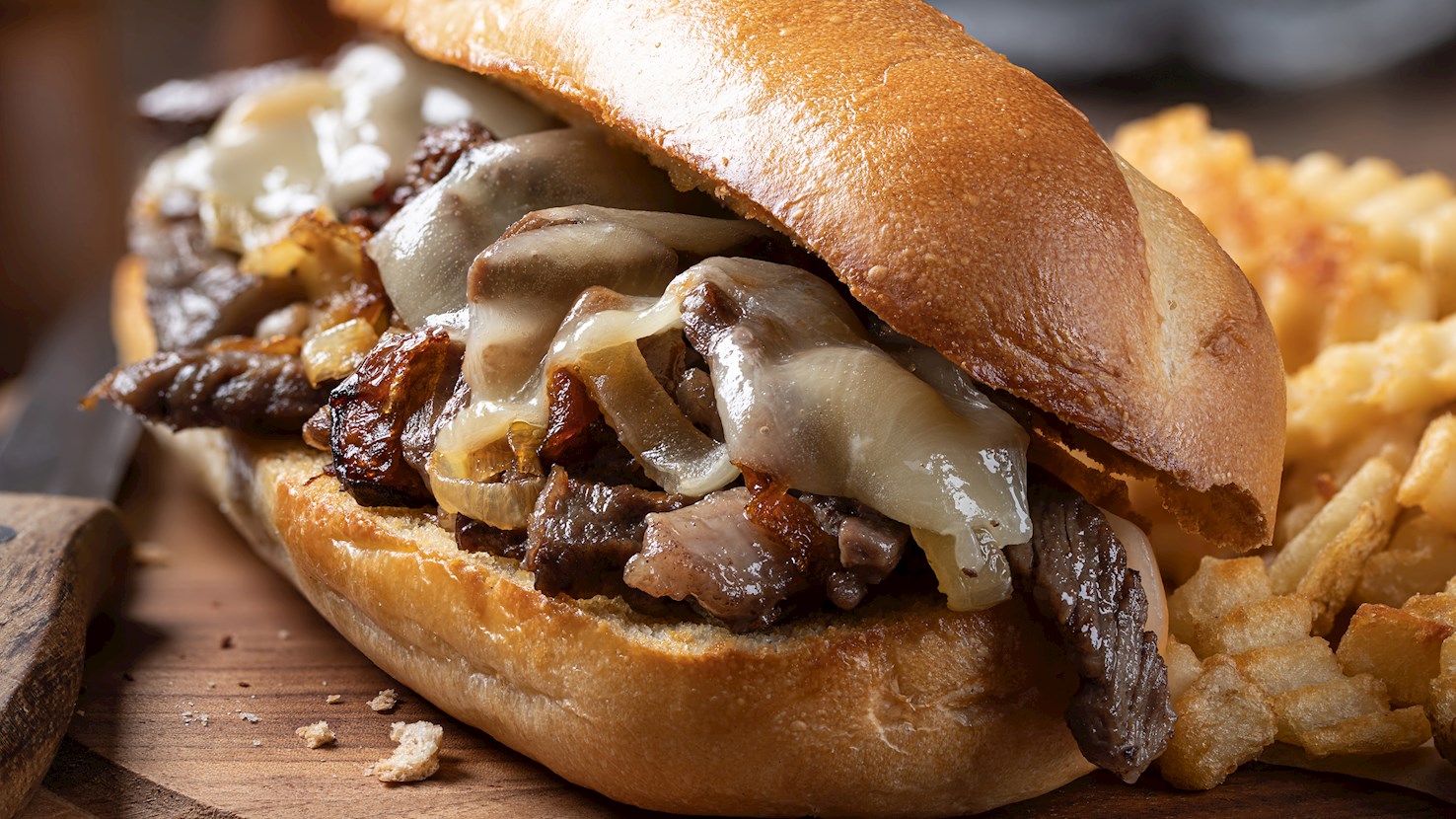
The Philadelphian icon known as Philly cheesesteak is an extremely popular sandwich consisting of thinly sliced pieces of steak and tender, melting cheese in a long and crusty hoagie roll. It was invented in the 1930s in what is now a Philadelphian institution called Pat's King of Steaks. Pat's started as a regular hot dog stand in South Philadelphia, and one day Pat had decided to make himself a sandwich consisting of thinly sliced rib-eye steak and cooked onions placed into an Italian roll. When a hungry cab driver stopped by and smelled the beef, he forgot about the hot dogs, and Philly steak sandwich was born. Originally, the sandwich was made without cheese, which only started to be added during the 1960s. Some claim that the cheese (ideally, Cheez Whiz or Provolone) was added by Pat's friendly rival Joey Vento, the owner of Geno's Steaks, located across the street from Pat's joint. Today, it is one of the most popular fast foods in Philadelphia, ready to satiate even the hungriest customers with additional toppings such as sautéed mushrooms, ketchup, and hot or sweet peppers.

07

Italian Beef

4.0 ·

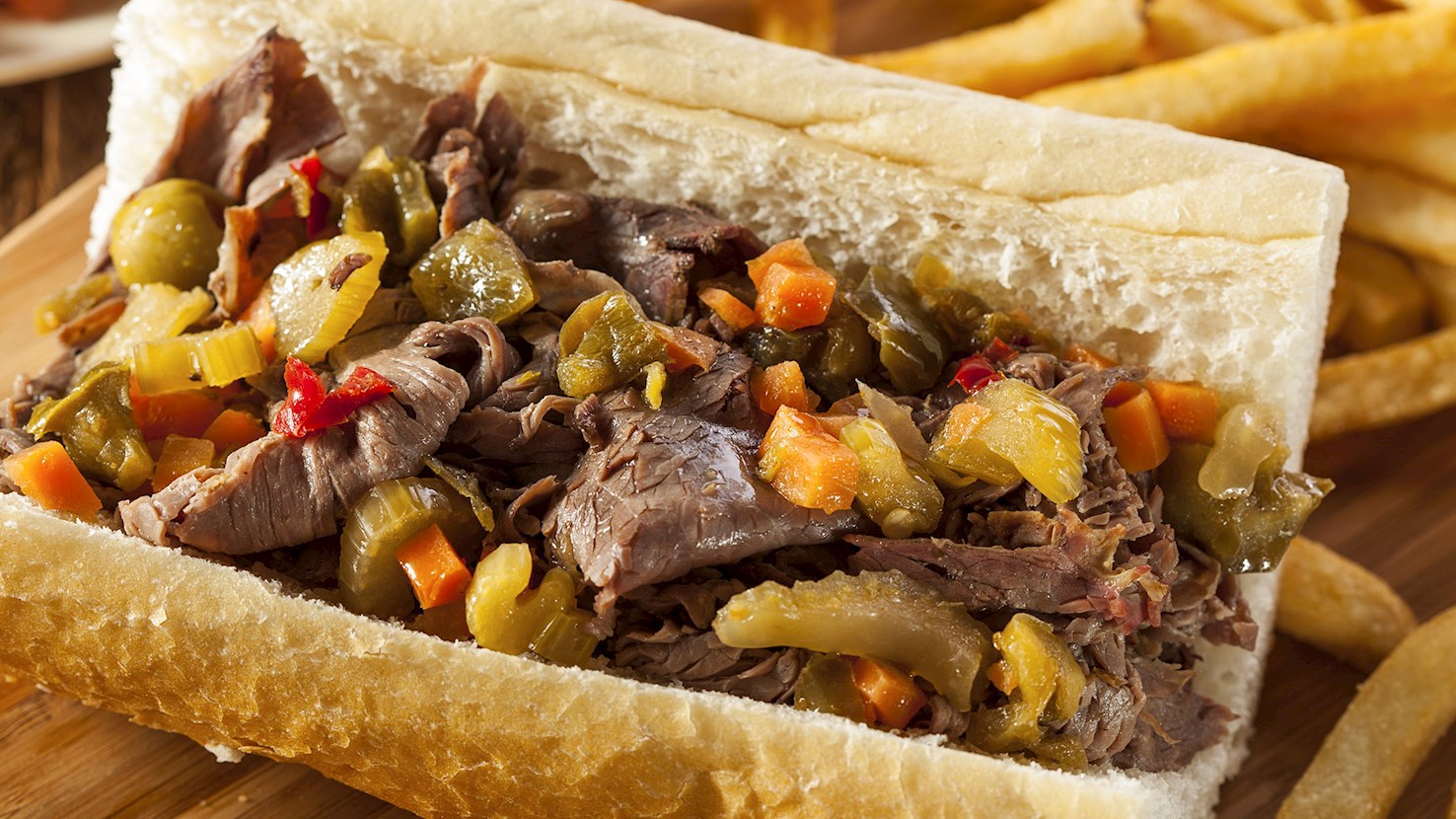
Italian beef is a popular Chicagoan sandwich consisting of thinly sliced, seasoned layers of roast beef in a dense and chewy Italian-style roll, topped with either pickled giardiniera relish or roasted green bell peppers. The sandwich is typically dipped in jus - on one end, both ends, or completely soaked in the flavorful gravy. Additionally, mozzarella or cheddar cheese can be added to the sandwich, according to personal preferences. There are three popular theories about the origin of the Italian beef sandwich. One says that is was invented by Al Ferreri (the owner of Al's Beef restaurant) and his family at the start of World War II. They invented it in response to big Italian weddings that needed to stretch a small amount of food a long way. Another theory says that the sandwich is a version of the French dip, introduced in Los Angeles in 1918. According to Pat Bruno, a critic for the Chicago Sun-Times, it was invented by a man named Tony who worked in a Greek diner and messed around with the French dip recipe, creating the Italian beef sandwich in the process. The third theory gives credit to Pasquale Scala, a supplier of Italian beef in Chicago, who invented it as a way to help consumers to stretch their dollar during the Great Depression. Regardless of the origin of the sandwich, it is still a staple of Chicago's cuisine, found at numerous restaurants and hot dog stands across the city.

08

Baked potato

4.0 ·

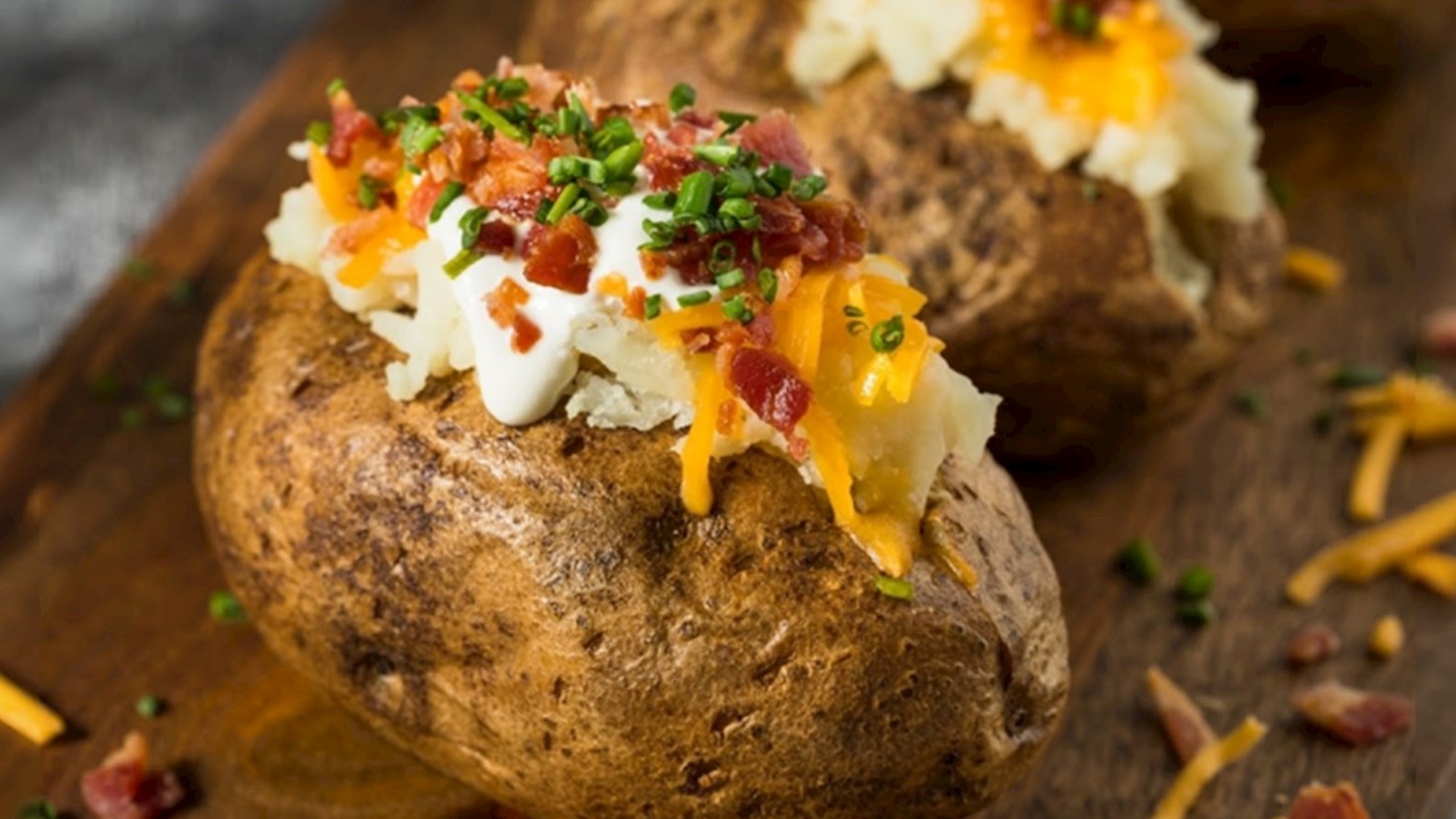
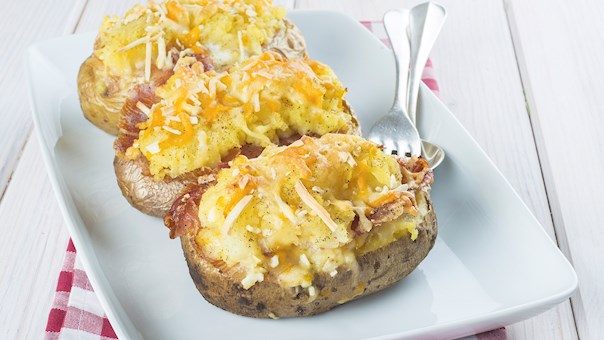
Baked potato is a whole potato baked in the oven until the inside becomes soft and the skin turns crispy. The most commonly used potatoes for baking are russet potatoes, known for their high starch content, which results in a fluffy interior when baked. The potato is first cleaned thoroughly to remove any dirt. Some people prick the potato with a fork or knife to allow steam to escape during baking, which helps prevent it from bursting. The potato is then baked in the oven at a high temperature, usually around 400°F (200°C), for about an hour. The baking process creates a soft, fluffy interior and a crispy, flavorful skin. After baking, the potato is often split open and served with various toppings. Popular toppings include butter, sour cream, shredded cheese, bacon bits, and chives, but more elaborate options like chili, sautéed vegetables, or pulled pork can also be used. This dish can be both a side and a main course, and in recent years it has become a popular street food option.

09

Chicago-Style Hot Dog

4.0 ·

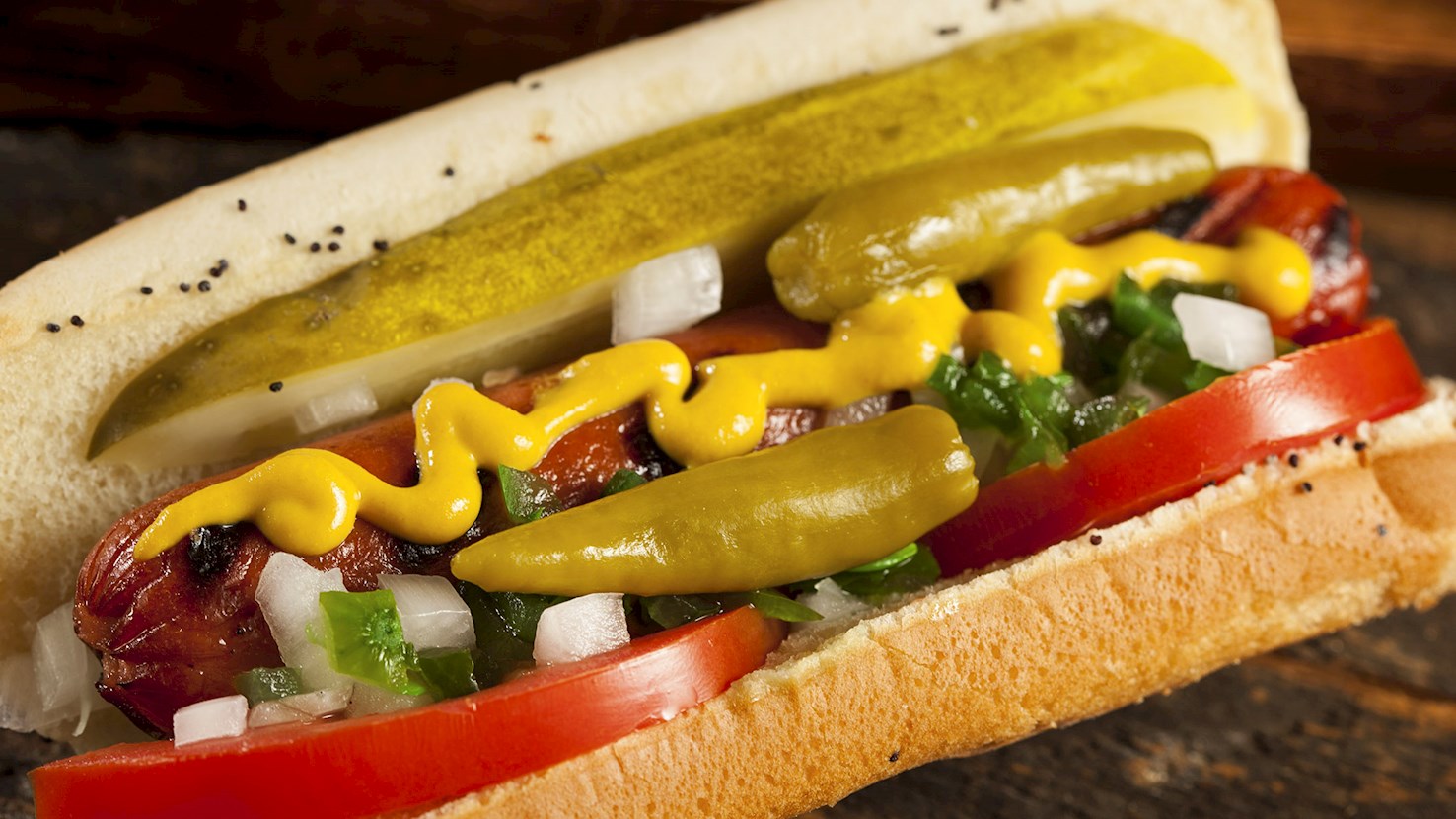
Chicago-style hot dog's history begins with street cart hot dog vendors who first started selling them during the harsh times of the Great Depression. Chicago dog was born as the vendors offered a flavorful, hot meal on a bun and started selling it for only a nickel. Vienna beef hot dog was placed in a steamed poppyseed bun, then topped with numerous ingredients—green relish, yellow mustard, fresh, diced onions, red tomato slices, kosher pickles, a bit of pickled peppers, and a sprinkle of celery salt. The customers absolutely loved the unique combination of hot and cold, crisp and soft, sharp and smooth, and the hot dogs became an authentic icon of the city. The Chicagoans opted for no ketchup, and it is still considered unacceptable, so much that a large number of hot dog vendors don't even offer it as a condiment. A final proof of its popularity is evident in the fact that the Chicago area has more hot dog restaurants and stands than McDonald's', Burger Kings, and Wendy's' combined.

10

Coney Dog

4.0 ·

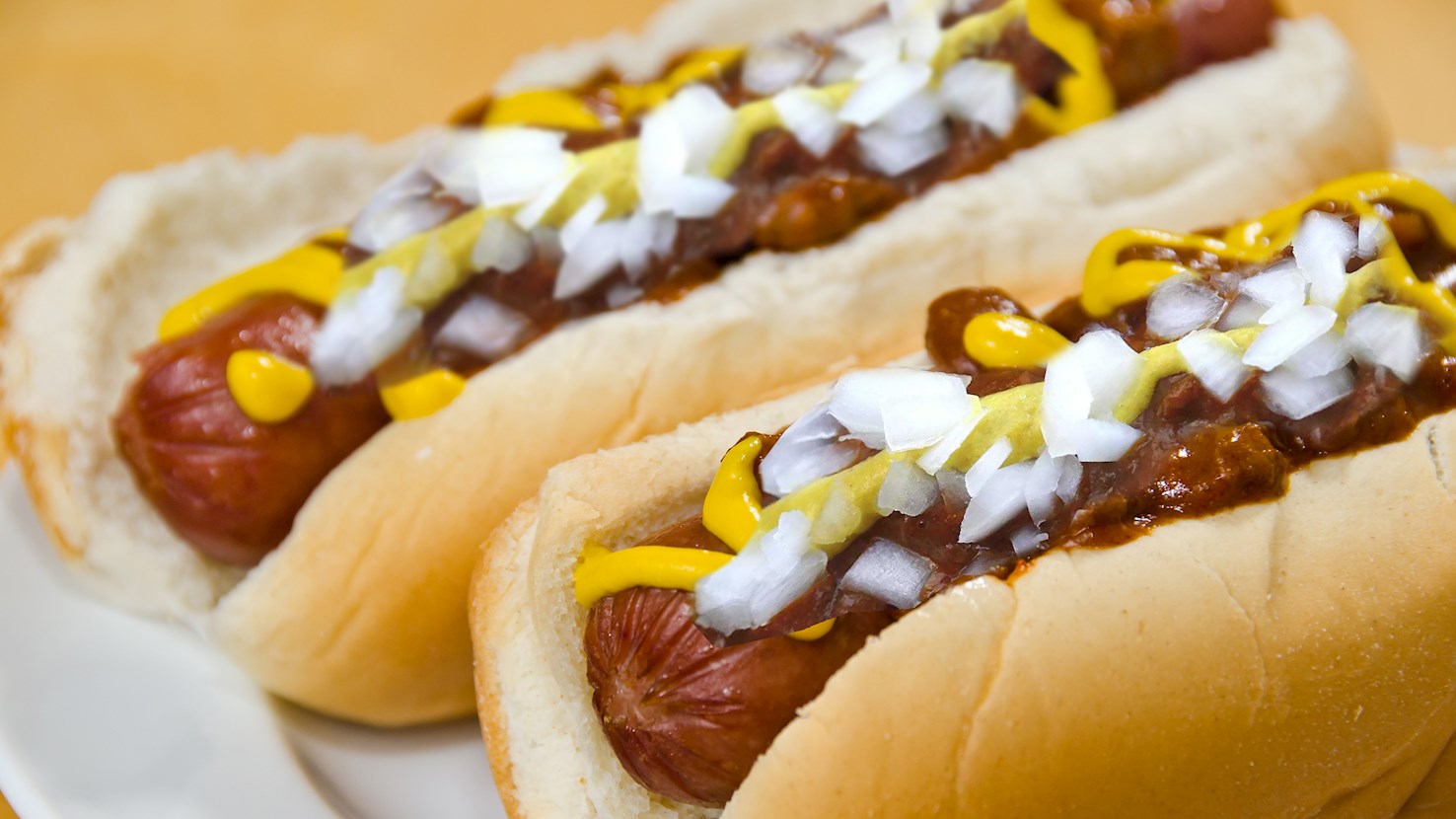
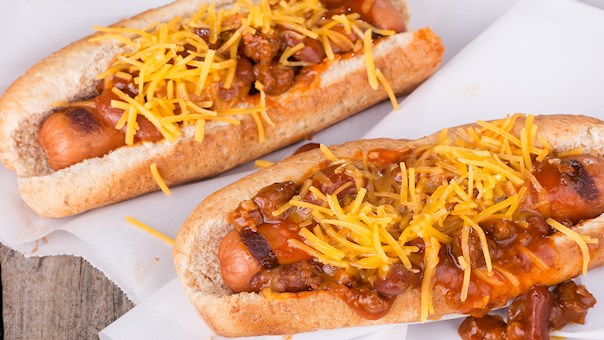
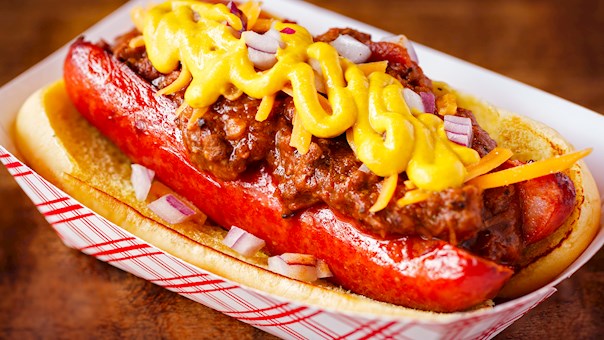
Contrary to popular belief, Coney dog, also called the Coney Island hot dog didn't start on Coney Island, New York. It was invented in Michigan, and three businesses claim to be its original birthplace - American Coney Island in Detroit, Lafayette Coney Island in Detroit and Todoroff's Original Coney Island in Jackson. A popular theory suggests that it was created by the Greeks and Macedonians who had immigrated to Detroit and passed through Coney Island on their way. The popular dish is consumed since 1917, a beef hot dog that is topped with a beanless, all-meat chili, yellow mustard and diced white onions, served in a warm, steamed bun. Coney dog is so popular that it is served at weddings, parties, and even at funerals. Of course, as with all popular dishes, there are numerous regional and local variations found throughout Indiana, Detroit, Flint, Jackson, North Dakota, Ohio, Oklahoma, and Texas.

Read more
View all
View map
About this ranking

TasteAtlas food rankings are based on the ratings of the TasteAtlas audience, with a series of mechanisms that recognize real users and that ignore bot, nationalist or local patriotic ratings, and give additional value to the ratings of users that the system recognizes as knowledgeable. For the “Top 57 American Street Food” list until July 15, 2026, 7,841 ratings were recorded, of which 6,607 were recognized by the system as legitimate. TasteAtlas Rankings should not be seen as the final global conclusion about food. Their purpose is to promote excellent local foods, instill pride in traditional dishes, and arouse curiosity about dishes you haven’t tried.

Similar lists