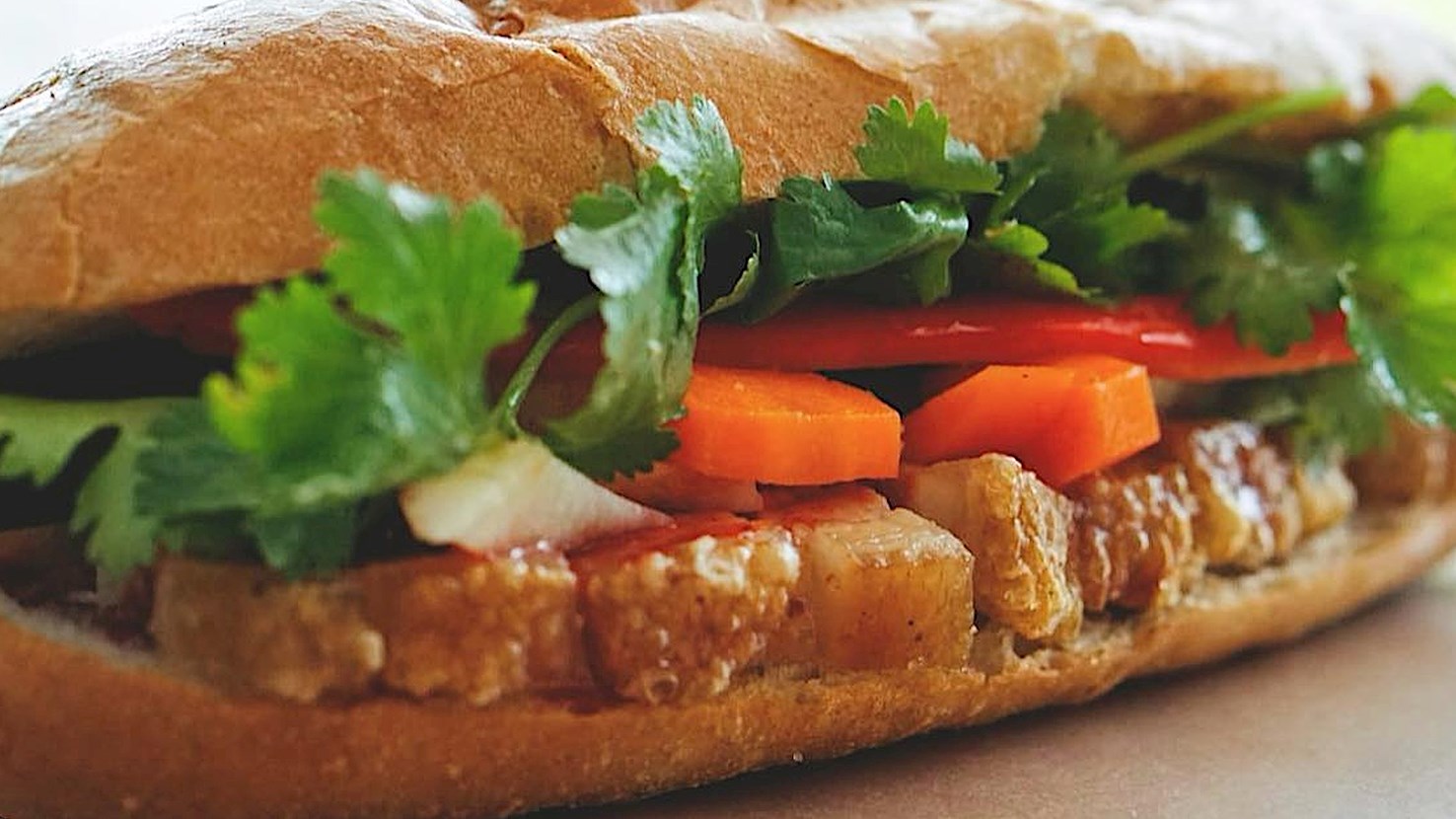
Bánh mì heo quay is a traditional bánh mì sandwich variation made with roasted pork belly as the main ingredient. The pork is roasted with a thick layer of salt and spices. It is sliced and served on a freshly baked bánh mì roll. The sandwich is then dressed with a combination of mayonnaise, pickled carrots and daikon, cucumbers, cilantro, and chives. If desired, sliced chili peppers can be added to the sandwich as a topping, making it very spicy. One side of bánh mì heo quay can also be spread with chicken liver pate before the sliced pork belly is added to the sandwich. This type of bánh mì can be bought at street food stalls and it’s one of the most popular types of bánh mì in the country.
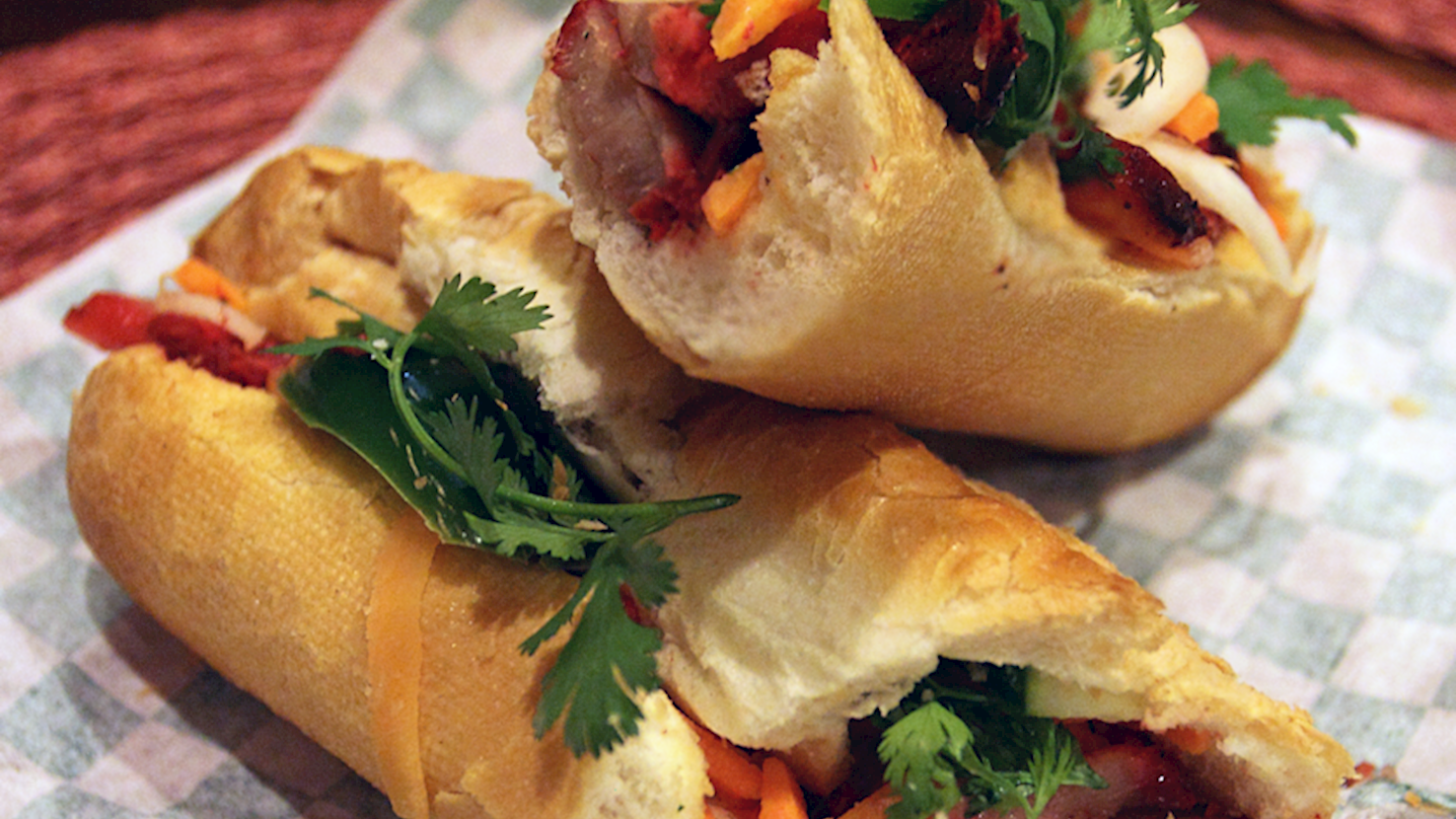
Bánh mì (pronounced 'bun mee') is a popular Vietnamese variety of sandwiches that share the same core ingredient - a baguette. The baguette was brought over to Vietnam during the colonial period, and nowadays it is one of the few happy legacies from the time. The crusty bread, condiments, and meats are all a legacy of French and Chinese colonialism, while cilantro, chili, and pickles reflect the Vietnamese taste for fresh vegetables and bright flavors. In the beginning, most banh mi sandwiches consisted of bread, meat, and seasonings, with no added vegetables. Today, the possibilities are virtually limitless - the sandwiches are stuffed with cold cuts, French butter, fresh mayonnaise, liver pâté, cucumbers, cilantro, pickles, oyster sauce, garlic...and the list goes on. The bread should be light, with a delicate crust and a tender, chewy, and soft interior with a slightly sweet flavor. The meat on the inside can be chicken, pork, beef, seafood, cold cuts, or pâtés, sausages, and terrines, but it is extremely important not to overstuff the sandwich. Most of the fillings and condiments are things that foreigners are unfamiliar with, and that just may be the secret to its popularity. With their cult-like following and savory Vietnamese fillings, these sandwiches have crossed the borders of their native country long ago, and banh mi shops are still popping up all over the world.
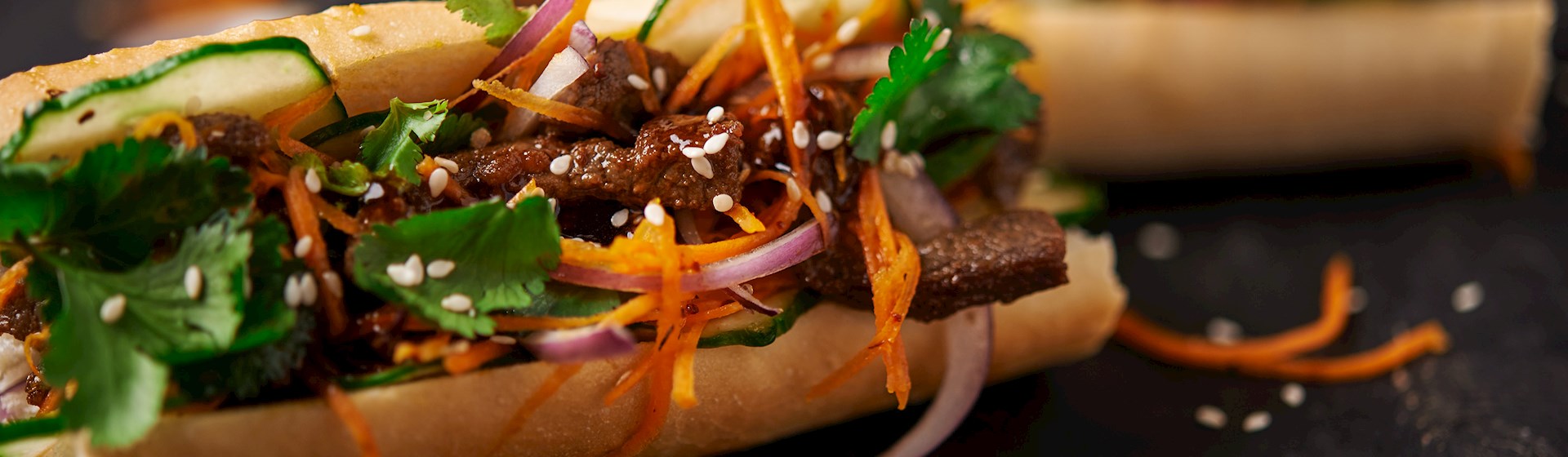
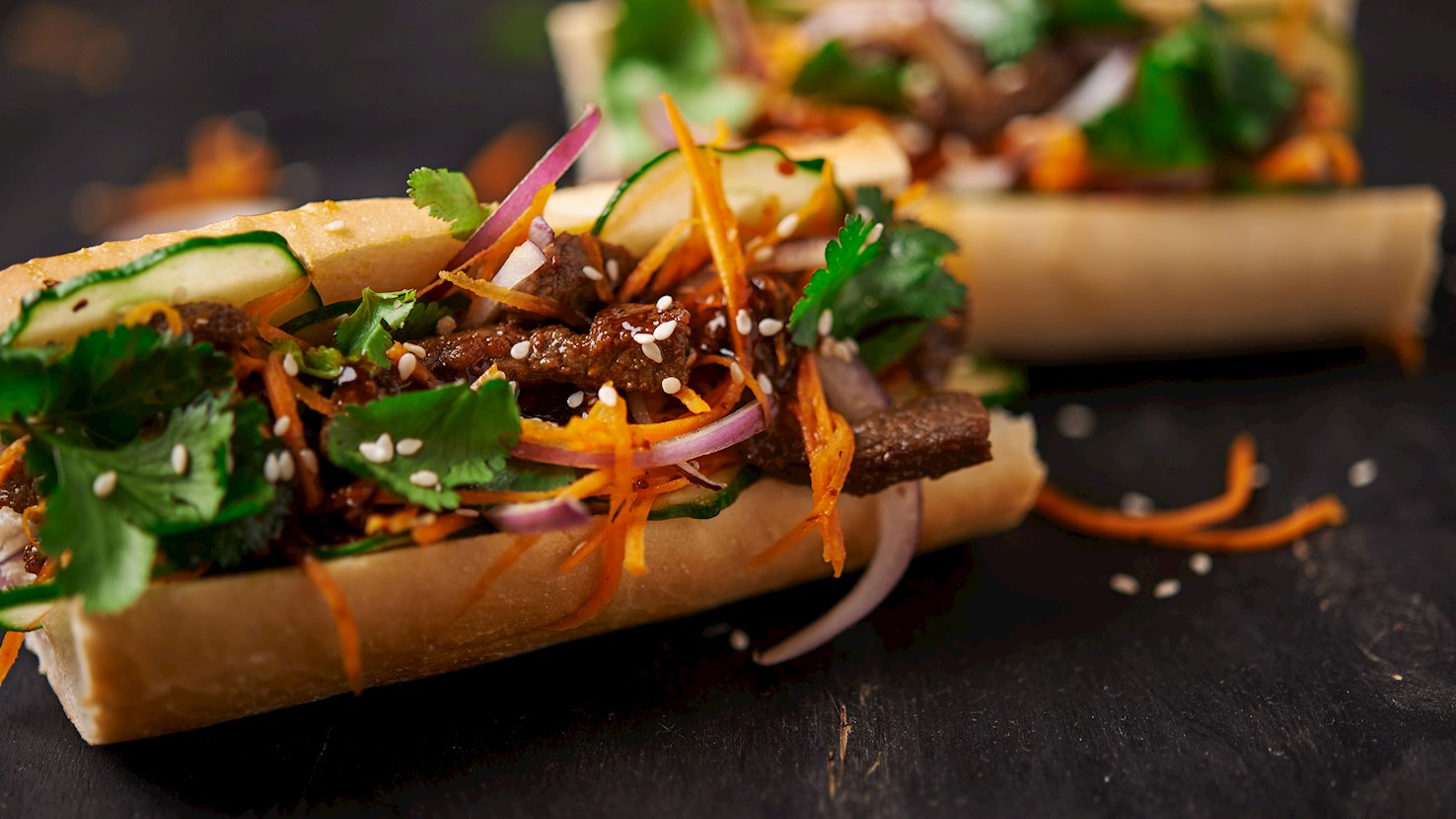
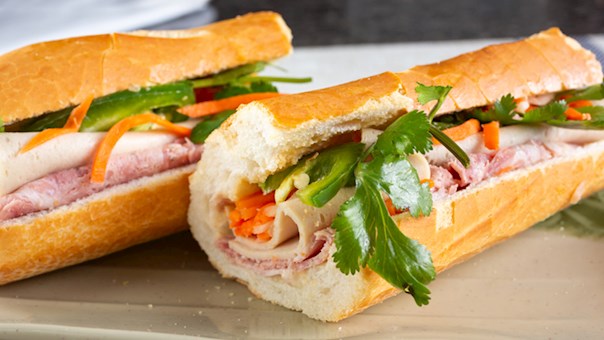
Bánh mì thịt is a traditional bánh mì sandwich variation in which thịt means meat. As the name suggests, the sandwich is made with various Vietnamese cold cuts such as sliced roasted pork, sliced pork belly, chả (sliced ham), or chả lụa pork sausage, along with cucumbers, mayonnaise, pickled carrots and daikon, and liver pâté stuffed into a bánh mì roll. The sandwich is often garnished with ingredients such as coriander, black pepper, and sliced chili peppers. These meat-filled sandwiches are common throughout Vietnam and they’re a staple of school children and factory workers. Bánh mì thịt is usually enjoyed for breakfast and lunch, but the sandwiches can be eaten for any meal of the day if bought from street stall vendors.
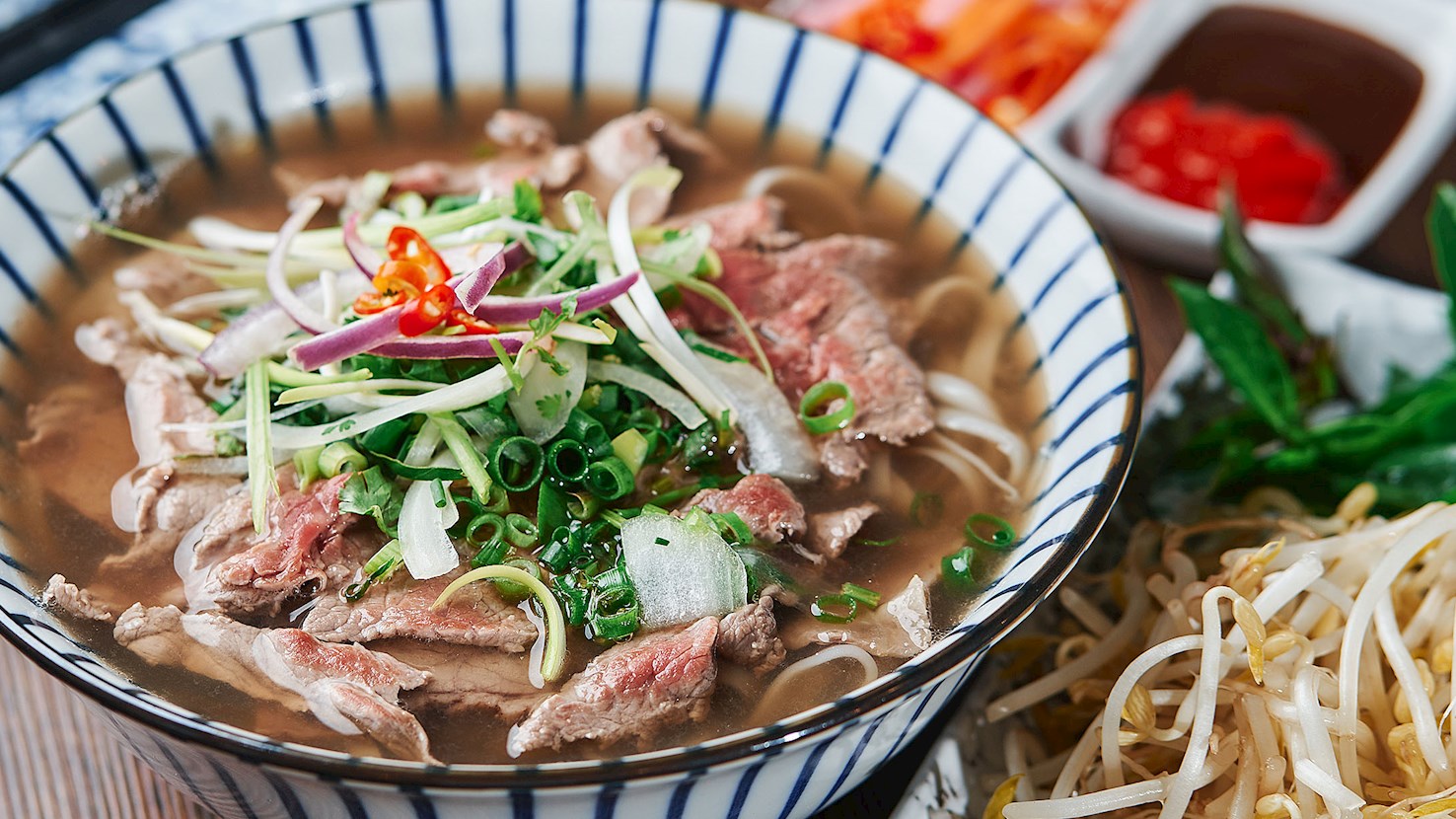
This beef-based version of pho is prepared with assorted cuts and parts of beef – the stock is made from beef bones, shank, ox tail, and neck, while the toppings include thinly sliced fatty brisket (gầu), flank, eye-round steak, tripe, cooked and raw beef (tái nạm), tendon (gân), or beef balls (phở bò viên), but the latter version is not that popular in Vietnam. Beef pho is usually flavored with dried spices such as cinnamon, star anise, cloves, cardamom, and coriander. The dish is served piping hot in a bowl along with rice noodles, and it's typically topped with cilantro, sliced onions, and chopped green onions. On the side, you can often find a platter with bean sprouts, lime wedges, and sliced hot peppers so each person can add the garnishes to his or her liking. Hoisin and Sriracha sauces are also often-seen staples on the side.
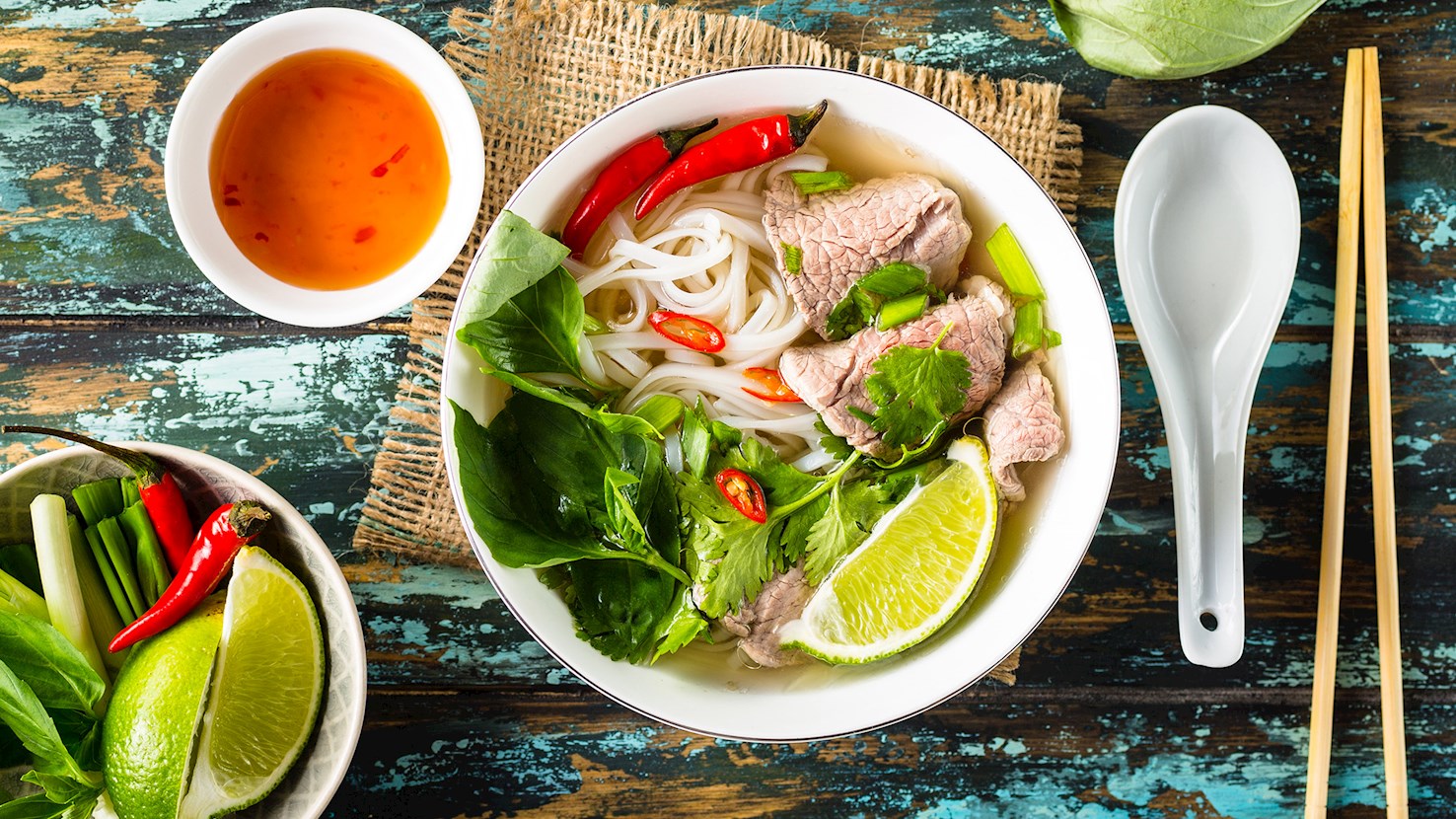
Pho is a noodle soup consisting of a clear, long-simmered bone broth, flat rice noodles, various herbs, and thinly sliced meat. The origins of this soup trace back to the early twentieth century in the Nam Dinh province and the city of Hanoi. Historical records indicate that the soup emerged during the French colonial period, blending local ingredients with foreign culinary techniques. French settlers popularized the consumption of beef, a meat previously used primarily for agricultural labor in the region. The availability of beef bones and scraps intersected with the culinary practices of Chinese immigrants who sold noodle soups from mobile street carts. The name itself likely derives from the French beef stew pot au feu, because both soups use the technique of charring onions and ginger to sweeten the broth, or from the Chinese word fen, which refers to flat rice noodles. A bowl of this soup relies entirely on the quality of its liquid base. Building this broth requires simmering beef knuckles, marrow bones, and oxtail for three to twelve hours. The slow-boiling process extracts collagen and marrow from the bones, thickening the liquid and creating a deep, savory foundation. Charred onions and charred ginger go directly into the simmering pot alongside a specific blend of toasted spices. Star anise, cinnamon sticks, black cardamom pods, cloves, coriander seeds, and fennel seeds infuse the liquid with a distinct aroma. Skimming the surface of the pot removes impurities and fat. This step keeps the final liquid translucent and clean. Flat rice noodles, known locally as banh pho, sit at the bottom of the serving bowl. Thin slices of raw beef, such as eye of round, flank, or fatty brisket, rest on top of these noodles. Pouring the boiling, spiced broth over the bowl instantly cooks the raw meat. Fresh herbs and aromatics go on top of the liquid to provide a sharp textural and flavor contrast to the rich stock. Regional variations dictate the exact flavor profile and presentation of the soup. The northern version, Pho Bac, features a savory, clear broth paired with wider noodles and minimal garnishes. People eating Pho Bac add only a squeeze of lime, a splash of vinegar, or a few slices of fresh chili to the bowl to maintain the pure flavor of the beef stock. The southern version, Pho Nam, incorporates a sweeter, bolder broth seasoned with more spices. A bowl of Pho Nam arrives with a large plate of fresh garnishes like Thai basil, mint, saw leaf coriander, crunchy bean sprouts, and lime wedges. People eating the southern style often mix dark, sweet hoisin sauce and salty fish sauce directly into the liquid. The 1954 partition of the region caused a massive migration of northern residents to the south. These migrants brought the soup with them and developed the sweeter, herb-heavy southern adaptation. The end of the regional conflict in 1975 sparked another wave of migration. This movement carried both soup styles across the globe. Today, street vendors and restaurants sell hot bowls from early morning until late at night, making it an everyday staple.
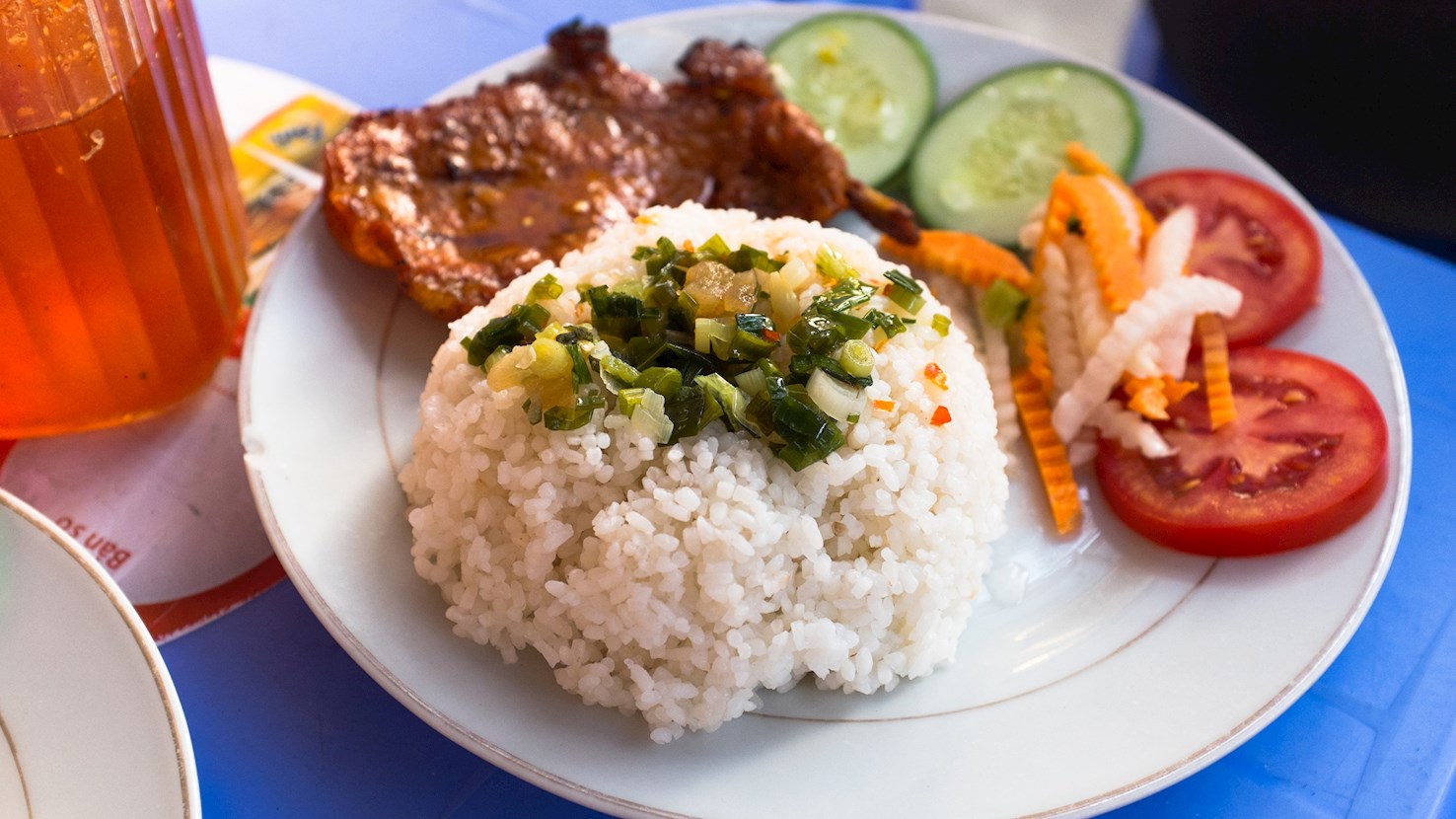
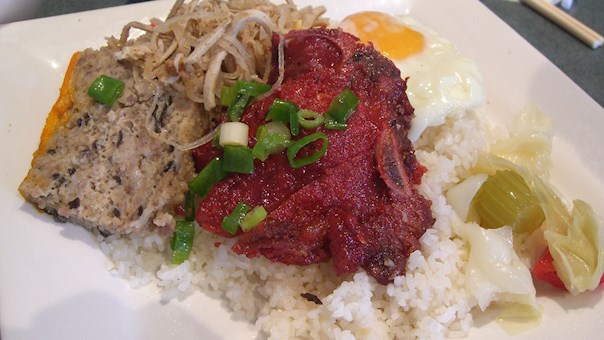
Cơm tấm is a traditional dish that's typically sold as street food. It consists of broken and imperfect rice grains that were traditionally chucked away after the milling process, but nowadays it's a signature dish of Ho Chi Minh City. Broken rice has a texture that's similar to normal rice, just smaller. When served, cơm tấm is accompanied by numerous toppings such as fried eggs, shredded pork skin, grilled pork chops, or deep-fried fish patties. The usual garnishes include lime wedges, chopped spring onions, and mint, while accompaniments served on the side include sliced tomatoes and cucumbers, pickled vegetables, or dipping sauces. Local cơm tấm eateries are easily found because they usually have a coal-fired grill on the street, dispersing the smoke scented with lemongrass and charred meat, a result of preparing the accompaniments for broken rice. In the past, these broken rice grains were usually used as animal feed or eaten by the farmers and their families.
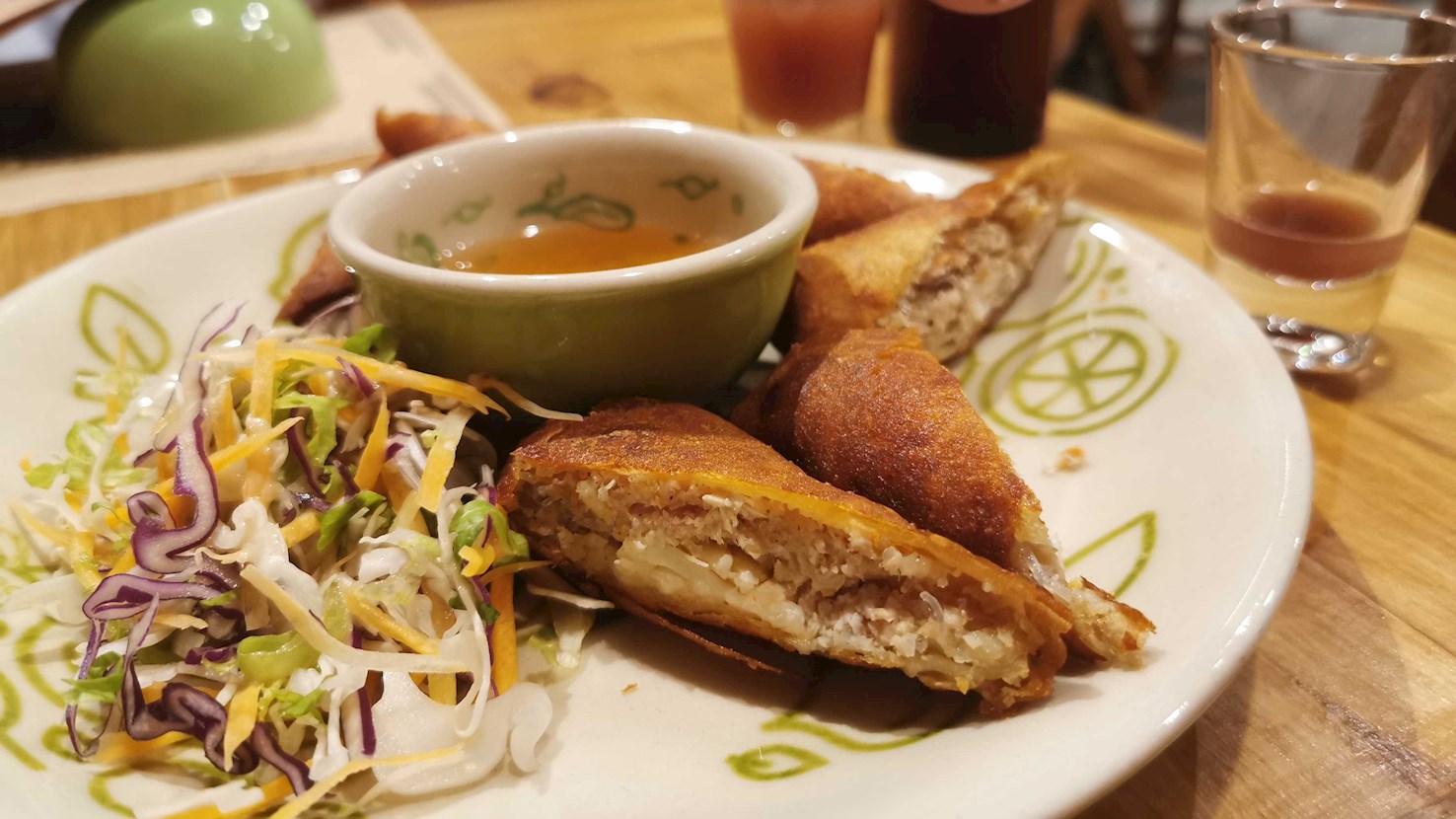
Called chả giò in the south, and nem rán in northern Vietnam, both names are used to refer to the same dish - fried spring rolls. The main characteristic of these tasty rolls is the pork and shrimp filling, wrapped in delicate rice paper. Frequent additions to the stuffing include vegetables such as carrots, cabbage, or mushrooms, glass noodles, and bean sprouts. The rolls are shortly fried and result in a treat with an appetizing golden color, a thin, crispy, and light outer layer, and a delectable filling. They are believed to have developed under Chinese influence in Vietnam, but the rolls kept their distinct character and became one of the most common dishes eaten in the country. They are usually served as an appetizer, but can also constitute a satisfying main meal. The combination of ground pork and minced shrimp is the most common one, but other varieties are also possible and might even include crab meat or tofu. Whether they are served as an appetizer or the main meal, chả giò are usually accompanied by lettuce, fresh cucumbers, and a serving of fish sauce or sweet and sour sauce. Besides Vietnam, these tasty rolls are commonly served in many Vietnamese restaurants around the world.
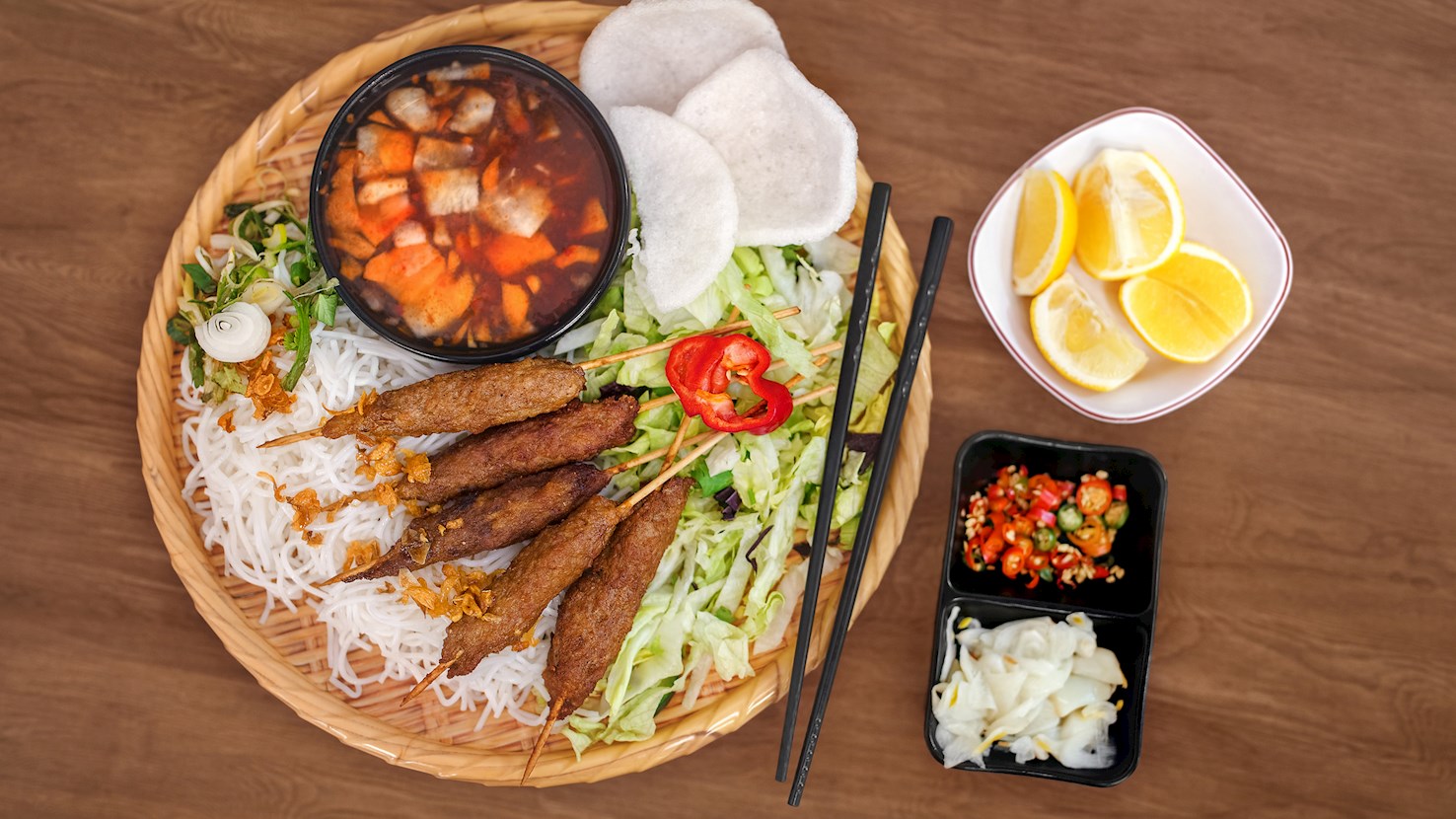
Nem lui is a traditional dish originating from Hue. The dish consists of ground pork that's grilled on a lemongrass skewer. Other ingredients often include black pepper, pork skin, garlic, shallots, and fish sauce. The meat combination is rolled into a sausage shape around a lemongrass stick, and it's then brushed with oil and grilled on a coal stove until slightly charred. Nem lui typically comes accompanied by vegetables, Vietnamese herbs, and rice paper that's rolled like a spring roll while the grilled ground pork is used as the filling, and the combination is then dipped in a sweet and sour peanut-sesame sauce. The dish is served as a main course or a snack in the afternoon.
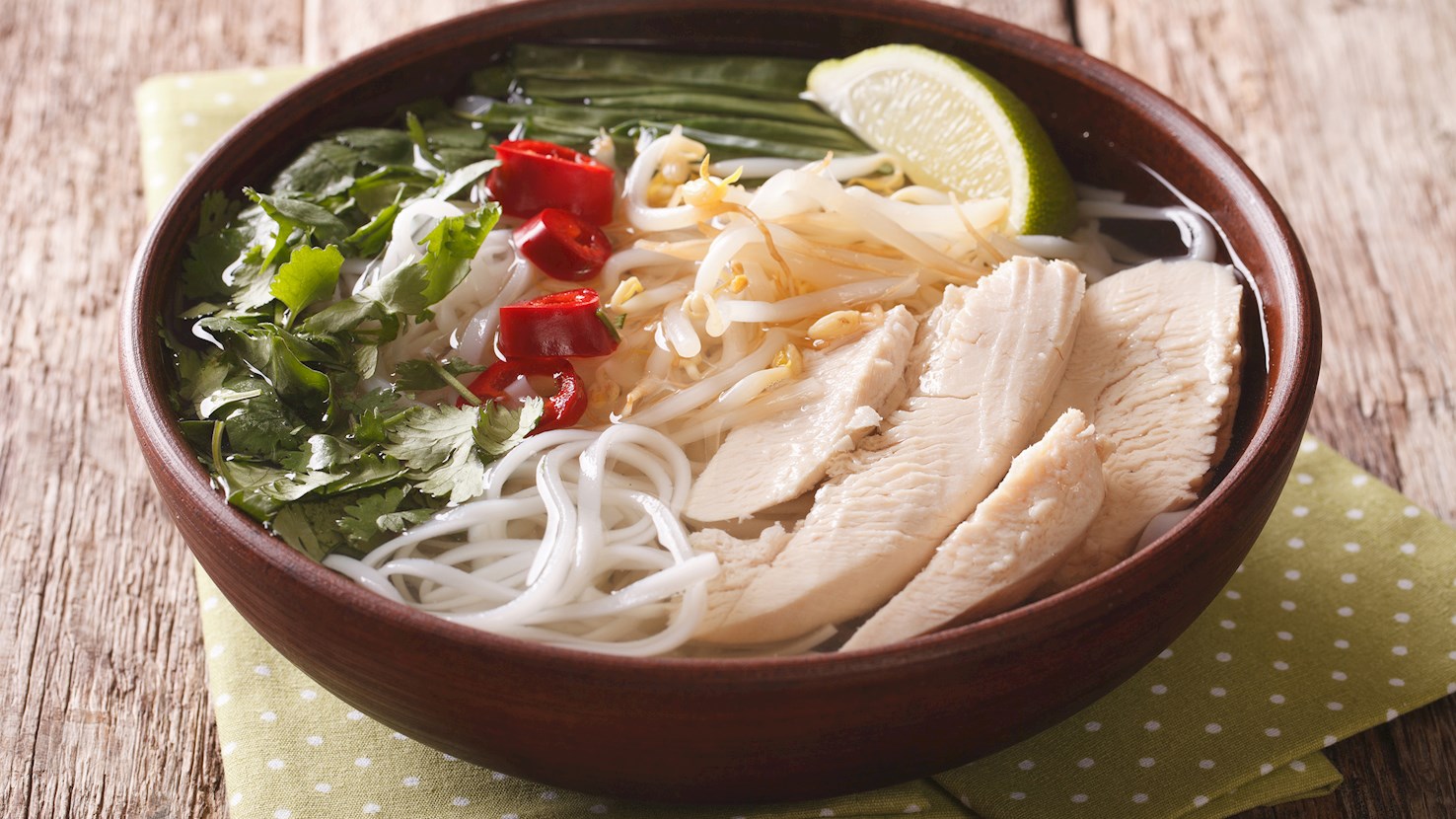
Phở gà is a traditional pho variety made with chicken. It can usually be ordered as bình thường (normal) with white breast meat, dark meat, fat, and skin, or gà nạc (lean chicken) with sliced breast meat. The broth in phở gà is much lighter and clearer than the one found in phở bò (beef pho). Other ingredients used in the preparation of chicken pho often include ginger, fish sauce, rice noodles, shallots, green onions, and cilantro. Garnishes include lime wedges, mint, sliced chili peppers, bean sprouts, and Thai basil sprigs. It is believed that this pho variety was invented in the 1930s, when beef wasn't available in Vietnamese markets on Mondays and Fridays.
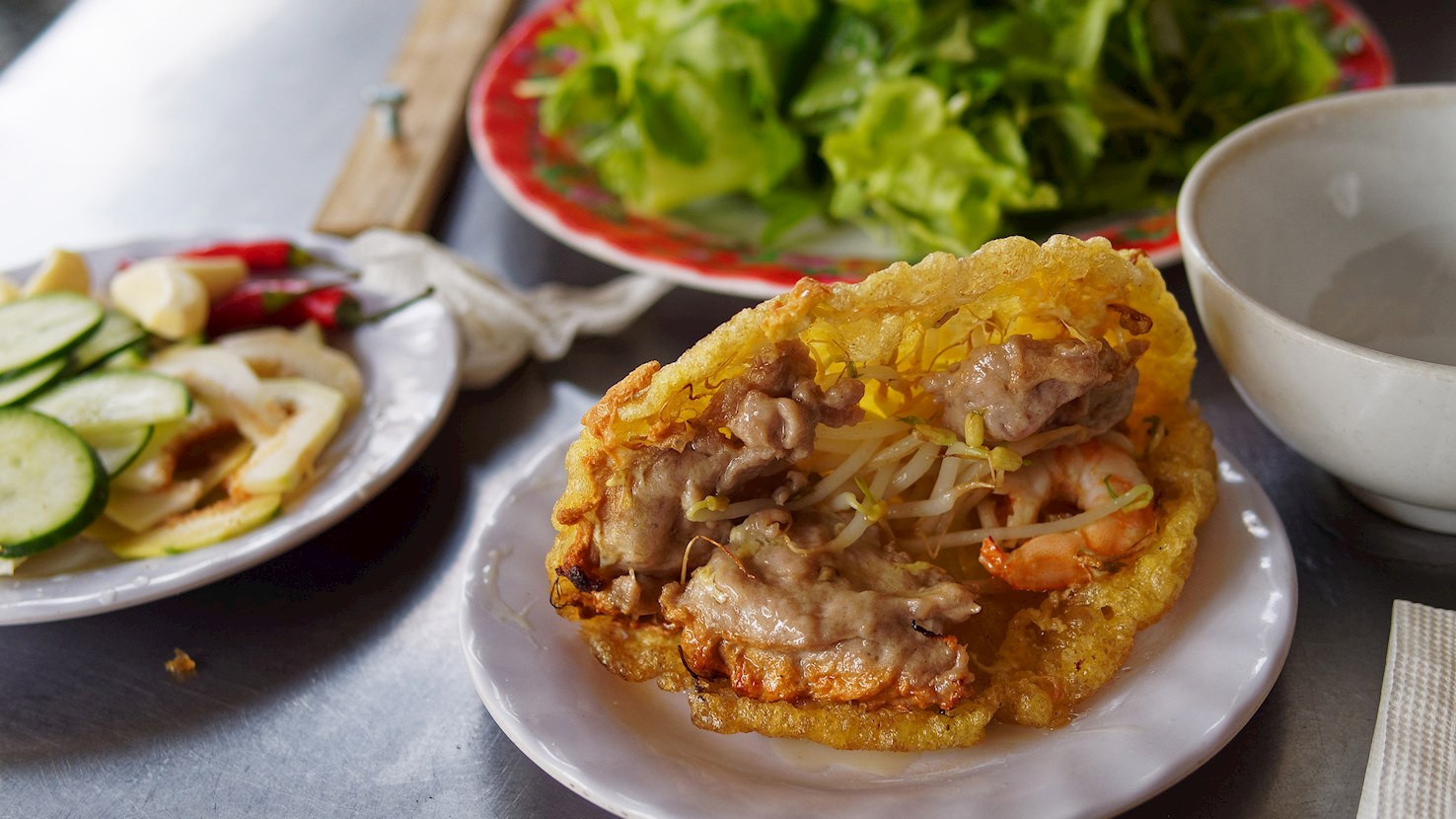
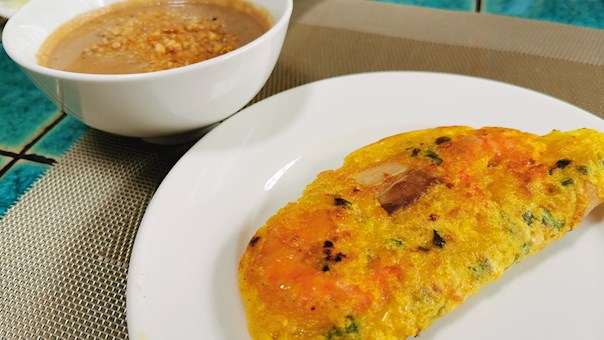
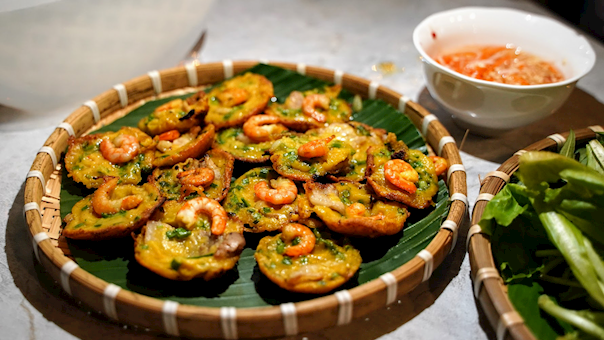
Bánh khoai is a traditional pancake originating from Hue. The batter is typically made with a combination of rice flour, water, eggs, sugar, and salt. It's fried in the pan and topped with sliced mushrooms, pork, shrimp, bean sprouts, carrots, Vietnamese sausage bits, and spring onions, then fried further until it's crispy and golden brown. Once done, it's traditionally served with a special dipping sauce that contains sesame, peanut butter, peanuts, and pork liver. Additional garnishes for the dish include shiso leaves, lettuce, and Asian basil. Because bánh khoai is so greasy, it's often eaten during cold weather.
TasteAtlas food rankings are based on the ratings of the TasteAtlas audience, with a series of mechanisms that recognize real users and that ignore bot,
nationalist or local patriotic ratings, and give additional value to the ratings of users that the system recognizes as knowledgeable.
For the “Top 40 Vietnamese Street Food” list until October 15, 2026, 4,472 ratings were recorded, of which 3,286 were recognized by the system as legitimate.
TasteAtlas Rankings should not be seen as the final global conclusion about food. Their purpose is to promote excellent local foods,
instill pride in traditional dishes, and arouse curiosity about dishes you haven’t tried.



What People Say